
The Nature of Mineral Wool
Composition and Properties
Thermal Insulation Qualities
Mineral wool consists of fine glass or stone fibers that trap air, resulting in low thermal conductivity typically ranging from 0.032 to 0.040 W/m·K. The material’s high porosity and fibrous structure create numerous insulated air pockets, which impede heat flow and maintain stable interior temperatures.
Thermal performance is quantified by the R‑value, which for mineral wool varies between 3.5 and 4.0 per inch of thickness. The material retains its insulating capacity across a broad temperature spectrum, from sub‑freezing conditions to over 200 °C, without significant degradation. Moisture resistance is inherent; hydrophobic additives limit water absorption, preserving thermal efficiency even in humid environments.
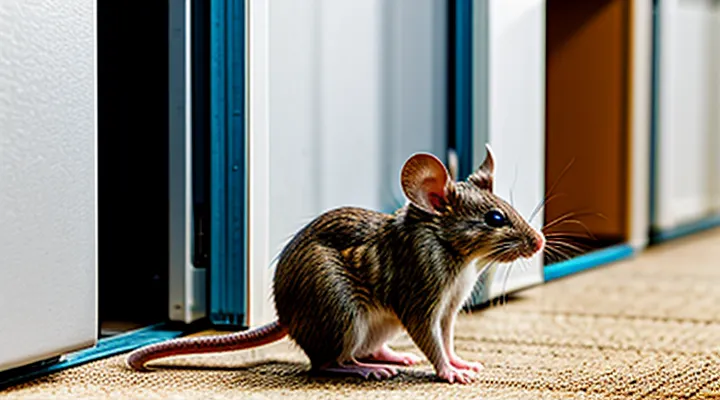
For small rodents, the temperature stability provided by mineral wool can influence habitat suitability. The insulation layer buffers external temperature fluctuations, keeping the microenvironment within a range conducive to thermoregulation. Consistent warmth reduces the energetic cost of maintaining body temperature, while the material’s resistance to condensation prevents the formation of damp zones that could promote pathogen growth.
Key thermal properties of mineral wool:
- Low thermal conductivity (0.032–0.040 W/m·K)
- High R‑value per inch (3.5–4.0)
- Operational temperature range from below 0 °C to above 200 °C
- Minimal water absorption due to hydrophobic treatment
These characteristics create an environment where temperature is regulated and moisture is controlled, factors that directly affect the feasibility of rodent occupation within the insulating matrix.
Sound Absorption Characteristics
Mineral wool exhibits high sound absorption due to its fibrous, porous structure. Air pockets trapped within the fibers dissipate acoustic energy, converting it to heat. The material’s low density and irregular fiber arrangement create multiple reflection paths, enhancing attenuation across a broad frequency range.
Typical absorption coefficients (α) for standard mineral wool, measured at normal incidence in a reverberation chamber, are:
- 125 Hz: 0.15–0.20
- 250 Hz: 0.30–0.35
- 500 Hz: 0.55–0.65
- 1000 Hz: 0.70–0.80
- 2000 Hz: 0.80–0.90
- 4000 Hz: 0.85–0.95
These values increase with thickness; a 100 mm panel can raise low‑frequency absorption by 0.10–0.15 relative to a 50 mm panel.
The acoustic dampening effect influences rodent occupancy. Reduced sound transmission limits external auditory cues, making it harder for predators to locate nests built within the insulation. Additionally, the material’s capacity to absorb squeaks and movement noises can lower intra‑colony disturbance, supporting stable burrow environments.
Consequently, the sound absorption characteristics of mineral wool create a quieter microhabitat, which can facilitate rodent colonization despite the material’s primary function as acoustic treatment.
Fire Resistance
Mineral wool is a non‑combustible insulation composed of glass or stone fibers. Its composition resists ignition, limits flame spread, and maintains structural integrity at temperatures above 1000 °C. The material’s high melting point and low heat release rate make it a reliable fire barrier in building envelopes.
Rodent occupancy does not alter the intrinsic fire‑resistant properties of the insulation. Mice can nest within the fibrous matrix, but their presence does not introduce additional combustible material. Consequently, the fire performance of a wall or ceiling containing mineral wool remains governed by the insulation’s inherent characteristics, not by potential rodent activity.
Key fire‑resistance attributes of mineral wool:
- Temperature tolerance: retains strength up to 1200 °C; deformation occurs only beyond this limit.
- Flame spread rating: classified as Class A (or Euroclass B‑s1,d0) in most standards.
- Heat release: low specific heat of combustion, typically below 10 kJ/kg.
- Smoke production: minimal, meeting stringent smoke density criteria.
When evaluating safety in structures where rodents may inhabit insulation, focus on the insulation’s certification and installation quality. Proper sealing of penetrations and regular inspection prevent gaps that could compromise fire barriers, while the presence of mice does not diminish the material’s certified fire resistance.
Mice Behavior and Habitat Preferences
Factors Attracting Rodents
Food Sources
Mice that find shelter in mineral insulation must locate sustenance within the surrounding environment. The material itself offers no nutritional value; therefore, edible resources originate from adjacent structures and activities.
Typical food sources accessible to mice in this setting include:
- Crumbs and spills from kitchen areas that seep into wall cavities.
- Stored grains, cereals, or pet feed left in pantries, cupboards, or basements.
- Organic debris such as paper, cardboard, and fabric that can be gnawed for protein.
- Insect larvae or adult insects that may inhabit the same insulation space.
- Small amounts of moisture‑rich waste, including mold or fungal growth, which provide limited nutrients.
The presence and concentration of these items directly influence the likelihood of mice establishing a permanent population within mineral wool. Eliminating accessible food reduces the viability of the habitat, even if the insulation offers adequate concealment.
Shelter and Nesting Materials
Mineral wool is a fibrous insulation composed of melted rock or slag, characterized by high porosity, low thermal conductivity, and a loose, tangled structure. The material remains dry under normal indoor conditions and can be cut to fit cavities in walls, ceilings, and floors.
Mice typically select nesting sites that provide warmth, protection from predators, and access to food. Commonly used materials include shredded paper, cotton fibers, plant matter, and soft synthetic fabrics. These substances offer pliability, insulation, and ease of manipulation for building compact nests.
Evaluation of mineral wool as a potential mouse shelter yields the following observations:
- The fibrous matrix can be compressed by a mouse to create a nest cavity, but the rigidity of the fibers limits the ability to shape a cohesive structure.
- Moisture resistance prevents the material from becoming soft enough to conform readily, reducing its attractiveness compared to traditional nesting media.
- The sharp edges of mineral wool fibers can cause minor injuries to rodents, discouraging prolonged occupation.
- Laboratory studies report low incidence of mouse colonization in insulated cavities filled exclusively with mineral wool, whereas mixed media (e.g., mineral wool combined with soft debris) shows higher occupancy rates.
For building maintenance, the presence of mineral wool alone does not constitute a high‑risk habitat for mice. Preventive measures should focus on sealing entry points, eliminating food sources, and removing soft debris that could be combined with insulation to create a viable nest.
Access Points
Mice reach mineral wool primarily through openings that connect the exterior environment with interior cavities. Any breach in the building envelope—such as gaps around pipe penetrations, unsealed utility conduits, or damaged sheathing—creates a pathway for rodents to enter and establish nests within the insulation material.
Typical entry routes include:
- Gaps around plumbing and electrical fixtures (1‑2 mm clearance)
- Unfinished attic vents and soffit openings
- Cracks in exterior siding or brickwork
- Openings around HVAC ductwork and flues
- Holes left by previous repairs or pest control activities
Effective mitigation requires identifying each access point, measuring its dimensions, and applying appropriate sealing methods (e.g., steel wool, expanding foam, or metal flashing). Regular inspection of these locations helps maintain a barrier that prevents mice from colonizing mineral wool.
Typical Rodent Habitats
Natural Environments
Mice are highly adaptable mammals that exploit a variety of natural habitats, from forest litter to underground burrows. Their success depends on three primary environmental criteria: shelter, food availability, and protection from predators. Mineral wool, a fibrous insulation material, can satisfy the shelter requirement by offering a dense, interwoven matrix that mimics the protective qualities of natural debris and leaf litter. The material’s loose fibers create cavities large enough for a mouse to nest, while its thermal properties maintain a stable microclimate comparable to that found in soil or rotting wood.
Key considerations for mouse occupancy of mineral wool include:
- Structural complexity: The irregular fiber arrangement provides concealment and reduces line‑of‑sight exposure, similar to the tangled roots and mosses of a forest floor.
- Moisture retention: When exposed to humidity, mineral wool absorbs moisture, creating a damp environment that supports microbial growth, which can serve as a supplemental food source.
- Predator avoidance: The dense composition limits access for larger predators, paralleling the protective cover offered by dense underbrush.
In natural ecosystems, mice often colonize man‑made materials that replicate these conditions, such as straw, shredded paper, or compost. Mineral wool, by reproducing the physical and micro‑climatic aspects of these organic substrates, can function as an artificial analogue of a natural niche. Consequently, the material is capable of supporting mouse habitation under appropriate circumstances, provided that additional resources such as food and water are accessible in the surrounding environment.
Man-Made Structures
Mineral wool, a fibrous insulation material produced from basalt or slag, offers high thermal resistance, fire retardancy, and acoustic damping. Its dense, interlocked fibers create a network that resists airflow and limits moisture accumulation, characteristics that influence rodent activity.
Rodents such as mice seek shelter, food, and nesting sites. They prefer environments that provide concealment, warmth, and easy access to structural voids. In buildings, gaps around pipes, vents, and joints serve as entry points; once inside, mice explore cavities that accommodate their size and allow movement.
Assessment of mineral wool as a potential habitat reveals several limiting factors:
- Physical barrier: Fiber density and lack of open channels impede mouse movement; the material does not form continuous tunnels.
- Thermal environment: Insulation retains heat but does not generate it; without an external heat source, temperature alone does not attract mice.
- Moisture content: Low hygroscopicity reduces the likelihood of creating a humid microclimate preferred by rodents.
- Structural integrity: The rigidity of compressed wool resists chewing; mice can gnaw softer materials more readily.
Consequently, mineral wool itself does not provide a viable nesting substrate. However, it can become part of a larger infestation if mice gain access to adjacent voids—such as wall cavities or attic spaces—where they can construct nests using softer debris. In such cases, the presence of mineral wool may complicate detection, as its sound‑absorbing properties mask rodent activity.
Mitigation strategies for man‑made structures focus on:
- Sealing all penetrations (e.g., around utility lines) to eliminate entry routes.
- Installing physical barriers (metal mesh, steel wool) at potential access points.
- Conducting regular inspections of insulation layers for signs of gnawing or droppings.
- Maintaining dry conditions to prevent moisture buildup that could attract rodents.
Overall, mineral wool does not serve as a primary habitat for mice, but its integration within building envelopes necessitates comprehensive rodent‑proofing to prevent indirect colonization of adjacent spaces.
The Interaction Between Mice and Mineral Wool
Potential for Infestation
Ease of Access and Movement
Mice can navigate mineral insulation because its fibrous structure creates interconnected voids large enough for a rodent’s body and whiskers. The average mouse, with a body width of 2–3 cm, encounters channels formed by loosely packed fibers that routinely exceed this dimension, allowing passage without compression that would impede locomotion.
Key characteristics that facilitate movement include:
- Pore network: Randomly oriented fibers generate a mesh with openings ranging from 1 mm to several centimeters, providing continuous routes through the material.
- Surface texture: The rough, fibrous surface offers traction, preventing slippage while the animal moves horizontally or climbs vertically.
- Weight support: The low density of mineral wool distributes the mouse’s weight across many fibers, reducing the risk of collapse or entrapment.
These attributes collectively reduce physical barriers, enabling mice to enter, traverse, and establish nests within mineral insulation when entry points such as gaps, vents, or damaged sheathing are present.
Nesting Potential within the Material
Mineral wool offers several characteristics that affect its suitability as a nesting substrate for rodents. The material’s loose, fibrous structure creates interstices large enough for small mammals to enter and manipulate. Its thermal insulation properties maintain relatively stable temperatures, reducing the energy mice must expend to stay warm. Additionally, mineral wool does not emit strong odors that would deter occupancy, and it is resistant to moisture accumulation, limiting fungal growth that could compromise nest integrity.
Key factors influencing nesting potential include:
- Fiber density – lower compression yields larger voids, facilitating entry and movement.
- Thermal conductivity – low values retain heat, supporting thermoregulation.
- Moisture resistance – prevents damp conditions that discourage habitation.
- Structural stability – sufficient rigidity to hold shape while allowing reshaping by the animal.
Empirical observations indicate that mice will exploit mineral wool when it is accessible, especially in concealed spaces such as wall cavities or attic insulation. The material’s capacity to be shredded and re‑arranged enables mice to construct nests that meet their spatial and comfort requirements. However, the presence of barriers (e.g., sealed seams, metal studs) can limit access, reducing the likelihood of colonization despite the material’s inherent suitability.
Damages Caused by Mice
Structural Compromise of Insulation
Mice readily enter building cavities where mineral‑wool insulation is installed. Their small size allows passage through gaps as narrow as 6 mm, and their gnawing ability enlarges existing fissures. Once inside, they create nests by compacting the loose fibers, which reduces the material’s loft and thermal resistance.
Key mechanisms of structural compromise:
- Fiber displacement: Nesting compresses the wool, decreasing its thickness and air‑pocket volume, leading to a measurable drop in R‑value.
- Fiber damage: Chewed fibers become fragmented, losing cohesion and increasing the likelihood of sagging or collapse.
- Moisture accumulation: Nest material traps humidity, promoting dampness that further degrades the insulation’s performance.
- Structural weakening: Burrowing activity enlarges joist and stud cavities, undermining the integrity of the surrounding framing.
The cumulative effect is a lower insulation efficiency and a heightened risk of heat loss, condensation, and mold growth. Mitigation requires sealing entry points, installing rodent‑resistant barriers, and regular inspection of insulation condition.
Contamination Risks
Rodent activity within mineral wool creates multiple pathways for contamination. Droppings, urine, and nesting material become embedded in the fibrous matrix, producing a reservoir of pathogens and allergens that can be released into indoor air.
- Bacterial growth fueled by moisture from rodent excretions.
- Fungal colonization on organic debris left by mice.
- Elevated concentrations of rodent allergens, increasing respiratory irritation.
- Chemical degradation of insulation when urine reacts with mineral components.
Contaminated insulation compromises air quality, exposing occupants to diseases such as leptospirosis, hantavirus, and salmonellosis. Allergic individuals may experience heightened asthma symptoms due to aerosolized particles.
Structural integrity suffers as moisture accumulation promotes corrosion of adjacent metal elements and accelerates decay of surrounding building materials. Insulation performance declines because clogged fibers reduce thermal resistance.
Preventive actions include sealing entry points, installing rodent‑proof barriers, and conducting regular inspections. If infestation is detected, remove affected insulation, disinfect the area with approved biocides, and replace with uncontaminated material. Ongoing monitoring ensures early detection and limits long‑term contamination.
Prevention and Mitigation Strategies
Rodent-Proofing Measures
Sealing Entry Points
Mice can reach mineral wool insulation only through openings in a building’s envelope. Unsealed cracks around pipes, vents, foundation walls, and roof penetrations create continuous pathways that allow rodents to enter, explore, and establish nests within the fibrous material.
Sealing entry points eliminates the primary route of access. Effective sealing follows a systematic process:
- Conduct a thorough visual inspection of the interior and exterior, focusing on gaps larger than ¼ inch.
- Insert steel wool or copper mesh into voids; these materials resist gnawing.
- Apply a durable, rodent‑proof sealant (silicone or polyurethane caulk) over the packed material to close surface cracks.
- Install hardware cloth or metal flashing over larger openings, securing it with corrosion‑resistant screws.
- Reinforce door sweeps and window casings, ensuring tight contact with the frame.
Regular maintenance confirms the integrity of the barriers. Schedule biannual checks, especially after severe weather, and repair any new damage immediately. Replace deteriorated caulk or mesh to preserve a continuous seal.
A fully sealed structure prevents mice from establishing a foothold in mineral wool, maintaining insulation performance and reducing health risks associated with rodent activity.
Material Barriers
Mineral wool consists of tightly packed glass or rock fibers that create a dense, interlocking matrix. The matrix limits the size of openings through which small rodents can pass, effectively acting as a physical barrier. Fiber density typically ranges from 30 to 100 kg m⁻³, producing voids smaller than the average mouse body width (approximately 2 cm). Consequently, mice cannot tunnel through intact mineral wool without exposing larger gaps.
The material’s structural integrity further discourages habitation. Compression resistance prevents the formation of cavities under load, while the non‑woven arrangement resists tearing. When mineral wool is installed correctly—without gaps larger than 10 mm and with sealed seams—its barrier function remains intact.
Key barrier attributes relevant to rodent exclusion:
- High fiber density – restricts passage of bodies larger than a few millimeters.
- Low compressibility – maintains consistent spacing under pressure.
- Moisture repellence – reduces softening that could create larger voids.
- Seamability – allows overlapping joints to be taped or sealed, eliminating linear cracks.
If installation leaves unsealed joints, gaps, or damaged sections, mice may exploit these weaknesses. Proper sealing with fire‑rated tape or mastic restores the continuous barrier and restores the material’s exclusion capability.
Pest Control Methods
Trapping
Mineral wool provides a warm, insulated environment that can attract rodents seeking shelter. The fibrous structure creates hidden voids where mice can nest, and the material’s resistance to moisture discourages predators. Consequently, infestations may develop unnoticed within walls, ceilings, or attic spaces insulated with mineral wool.
Effective control relies on targeted trapping strategies that address the specific characteristics of this habitat. Traps must be placed where mice travel between nesting sites and food sources, typically along wall edges, near ventilation openings, and at junctions of insulation panels. Positioning devices against the insulation surface prevents the animals from bypassing the trap by moving through the fiber matrix.
Key considerations for trap selection and deployment:
- Snap traps – high‑kill efficiency; mount with the trigger end facing the expected travel direction; secure to a solid backing to avoid displacement by the soft material.
- Live‑capture traps – allow relocation; position with a bait that penetrates the wool, such as peanut butter on a small platform; check frequently to prevent stress.
- Electronic traps – deliver rapid, humane death; require power source; suitable for concealed spaces where a wired setup can be hidden within the insulation.
- Glue boards – limited use; adhesive loses effectiveness when fibers interfere; best reserved for secondary containment zones.
Maintenance includes regular inspection of trap locations, replacement of bait, and removal of captured rodents. After confirming eradication, replace compromised mineral wool with a rodent‑resistant barrier, such as foil‑backed insulation, to reduce future colonization.
Extermination
Mice can exploit the voids within mineral insulation, using the material’s porous structure as a shelter and travel pathway. Their presence compromises thermal performance, creates fire hazards, and introduces pathogens. Effective eradication requires a strategy that addresses both the rodents and the environment they occupy.
Key actions for eliminating rodents from mineral wool installations:
- Seal all entry points: install metal flashing, steel mesh, or cement‑based sealants around walls, ducts, and penetrations.
- Remove food and water sources: store supplies in airtight containers, repair leaks, and maintain clean work areas.
- Apply targeted baits: place anticoagulant or bromethalin blocks in concealed locations near suspected activity, ensuring compliance with safety regulations.
- Deploy mechanical traps: use snap or electronic devices in high‑traffic zones, checking and resetting them regularly.
- Conduct thorough inspection: after treatment, verify the absence of droppings, gnaw marks, and nesting material before re‑installing insulation.
When mineral wool is already infested, removal may be necessary. Extract contaminated sections, dispose of them according to hazardous waste guidelines, and replace with new, rodent‑resistant insulation. Follow up with a monitoring program that includes periodic visual checks and motion‑sensor devices to detect re‑infestation early.
Health and Safety Concerns
Risks of Rodent Infestation
Disease Transmission
Mice can colonize mineral‑wool insulation when gaps, cracks, or unsealed penetrations provide access. The material’s porous structure retains moisture and debris, creating a microhabitat that supports rodent activity. Once established, mice introduce pathogens that may spread to occupants or other animals.
Key disease‑transmission pathways associated with mouse presence in mineral wool:
- Fecal and urinary contamination – droppings and urine contain bacteria (e.g., Salmonella, Leptospira) and viruses that become aerosolized when disturbed.
- Ectoparasites – fleas, mites, and ticks hitchhike on mice, later feeding on humans or pets and transmitting agents such as Rickettsia spp.
- Direct contact – handling contaminated insulation or cleaning infested areas can transfer pathogens to skin or mucous membranes.
- Airborne particles – disturbed fibers carry microbial loads that settle on surfaces throughout the building.
Mitigation strategies focus on exclusion and monitoring:
- Seal all entry points with steel wool, caulk, or mesh to prevent ingress.
- Install traps or bait stations in proximity to insulation zones.
- Conduct periodic visual inspections and use motion‑activated cameras to detect activity.
- Replace heavily contaminated insulation with sealed, rodent‑resistant alternatives when feasible.
Effective control reduces the likelihood of disease spread and preserves the functional integrity of the insulation system.
Allergenic Reactions
Mice that establish nests within mineral‑wool insulation introduce biological material capable of triggering immune responses in susceptible individuals. Saliva, urine, and dander contain proteins such as Mus m 1, a well‑documented rodent allergen, which can become airborne when the insulation is disturbed or when mice move through the material.
Exposure to these proteins may produce the following reactions:
- Nasal congestion, sneezing, and rhinorrhea
- Ocular irritation, itching, and tearing
- Asthmatic symptoms, including wheezing and shortness of breath
- Dermal rash or urticaria upon direct contact
The fibrous nature of mineral wool does not neutralize rodent allergens; instead, it can retain particles, prolonging their presence in indoor air. Consequently, individuals with pre‑existing allergies or asthma face heightened risk when the insulation is installed, repaired, or removed in environments where mice are present.
Mitigation strategies include sealing entry points to prevent rodent colonization, employing integrated pest management to eliminate existing populations, and using protective equipment (respirators, gloves, coveralls) during insulation work to reduce inhalation and dermal exposure. Regular monitoring for signs of rodent activity and allergen levels can further protect occupants from adverse health effects.
Handling Contaminated Insulation
Protective Gear
Mineral wool, a fibrous insulation material, provides a dense matrix that can conceal small mammals. Its porous structure offers shelter, but the material’s temperature and moisture conditions influence rodent suitability. When evaluating the likelihood of mice occupying this substrate, direct interaction with the insulation requires specific safety measures.
Effective protective equipment minimizes health risks and prevents accidental introduction of pests. Personnel must wear:
- N‑rated respirator with particulate filter to block airborne fibers.
- Cut‑resistant gloves to avoid skin irritation and puncture.
- Full‑length, lint‑free coveralls with sealed seams to stop fibers from contacting clothing.
- Safety goggles or face shield to protect eyes from splintering particles.
- Hearing protection when using power tools for cutting or removal.
Inspection protocols begin with the crew fully suited in the listed gear. Visual assessment proceeds from exterior to interior cavities, noting signs of gnawing, droppings, or nesting material. If evidence of infestation appears, the following steps apply:
- Isolate the area, maintaining a sealed environment to prevent escape.
- Deploy live‑capture traps or humane exclusion devices while still wearing protective gear.
- Remove contaminated mineral wool using sealed containers to avoid fiber dispersion.
- Replace insulation with treated, rodent‑resistant alternatives, sealing all entry points.
Proper use of protective gear ensures accurate evaluation of mouse presence in mineral wool while safeguarding workers from respiratory and dermal hazards.
Disposal Protocols
Mice can colonise mineral‑wool insulation, creating health and fire‑safety concerns that require a defined disposal process. The material may contain rodent droppings, urine, and pathogens, so handling must comply with occupational‑health regulations and local waste‑management statutes.
Regulatory guidance mandates containment of biological contaminants, use of personal protective equipment (PPE), and classification of the waste as mixed or hazardous, depending on contamination level. Documentation of the removal, transport, and final disposition is required for audit trails.
Disposal protocol
- Seal the work area; restrict access to authorised personnel only.
- Equip staff with disposable coveralls, gloves, N‑95 or higher respirators, and eye protection.
- Wet‑saturate the mineral wool with a disinfectant solution (e.g., 1 % bleach) to minimise aerosolisation of particles.
- Remove the insulation in sealed, heavy‑duty polyethylene bags; double‑bag each load.
- Label bags with “biological contamination – rodent” and the date of removal.
- Transport bags in a closed, ventilated vehicle to an approved disposal facility.
- Record transfer details in a waste‑tracking log; retain records for the period required by law.
- Decontaminate tools and equipment on site; dispose of disposable PPE with the same waste stream.
Final verification includes a visual inspection of the cleared space, air‑quality testing if required, and confirmation that the disposal facility has accepted the load. Adherence to these steps ensures that mineral‑wool contaminated by rodents is removed safely, complies with legal obligations, and prevents secondary exposure.