
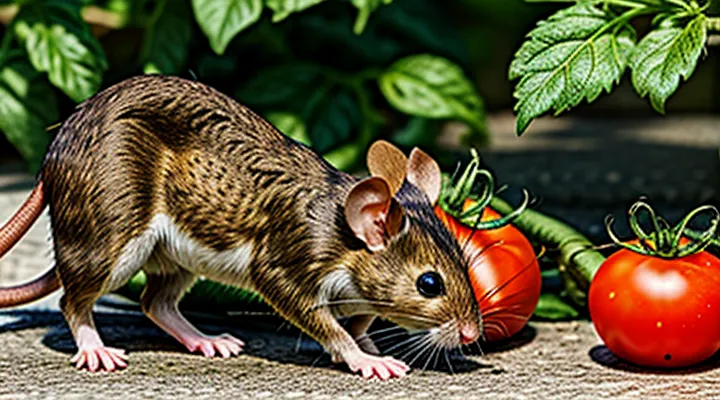
Understanding Mouse Diet
What Do Mice Naturally Eat?
Grains and Seeds
Mice thrive on diets dominated by grains and seeds, which supply carbohydrates, protein, fiber, and essential fatty acids. These components support growth, reproduction, and metabolic stability.
Grains such as wheat, rice, barley, and oats provide easily digestible starches. Seeds, including sunflower, sesame, and millet, contribute high‑energy lipids and micronutrients like vitamin E and zinc. The combination of low‑fat carbohydrates and nutrient‑dense seeds creates a balanced energy source for laboratory and pet mice.
When evaluating the question of mice consuming tomatoes, it is relevant to note that tomatoes offer limited nutritional value for rodents and may contain acidic compounds that irritate the gastrointestinal tract. In contrast, grains and seeds constitute the core of a nutritionally adequate rodent diet, ensuring consistent intake of macro‑ and micronutrients.
Commonly recommended grains and seeds for mouse nutrition:
- Wheat (whole or cracked)
- Rice (white or brown)
- Barley
- Oats
- Sunflower seeds (unsalted, shelled)
- Sesame seeds
- Millet
- Flaxseed (ground)
Fruits and Vegetables
Tomatoes belong to the botanical family Solanaceae, which also includes several fruits and vegetables that contain natural alkaloids. These compounds, such as solanine, are present in higher concentrations in the green parts of the plant—stems, leaves, and unripe fruit. Mature red tomatoes contain low levels of solanine, making them generally safe for many small mammals when offered in moderation.
Nutritional profile of ripe tomatoes:
- Water content ≈ 95 %
- Carbohydrates ≈ 3–4 g per 100 g
- Vitamin C ≈ 14 mg per 100 g
- Lycopene ≈ 3 mg per 100 g
- Minimal protein and fat
Rodent dietary guidelines recommend a balance of grains, seeds, and limited fresh produce. Introducing small quantities of ripe tomato flesh can provide hydration and vitamins without exceeding tolerable alkaloid exposure. Excessive feeding of tomato skins or green portions may lead to gastrointestinal irritation or neurotoxic effects in mice.
Scientific observations indicate that mice readily consume soft, sweet fruit when presented alongside standard chow. Preference tests show a modest increase in intake of ripe tomato slices, suggesting palatability. However, long‑term reliance on tomato as a primary food source is unsuitable because it lacks essential amino acids and fibers required for optimal rodent health. A diversified diet remains essential for growth, reproduction, and disease resistance.
Insects and Other Protein Sources
Mice require a diet that supplies sufficient protein to support growth, reproduction, and immune function. When tomatoes are included, the overall protein contribution declines, necessitating additional sources.
Insects provide a protein profile comparable to animal meat, containing essential amino acids, chitin, and micronutrients. Commonly used species include:
- Mealworms (Tenebrio molitor)
- Crickets (Acheta domesticus)
- Black soldier fly larvae (Hermetia illucens)
These insects are digestible, low in fat, and can be introduced as whole bodies, powders, or pellets.
Other viable protein options for rodents consist of:
- Soy isolates, offering high lysine content
- Fish meal, rich in omega‑3 fatty acids
- Egg white powder, delivering complete protein without cholesterol
- Dairy whey protein, supplying rapid‑absorption amino acids
A balanced regimen combines tomatoes with a measured proportion of insect protein or an alternative source, typically 10–15 % of total dietary weight, to meet the mouse’s nutritional requirements while preserving the fruit’s palatability.
Tomatoes and Mice: A Detailed Look
The "Tomato" Misconception
Solanine Content in Green Parts
Solanine, a glycoalkaloid found in the chlorophyll‑rich portions of tomato plants, accumulates primarily in leaves, stems, and unripe fruit. The compound functions as a natural pesticide, deterring herbivores and pathogens. Concentrations vary with plant maturity, environmental stress, and cultivar genetics.
In the vegetative tissues of Solanaceae species, solanine levels typically range from 20 mg kg⁻¹ in young leaves to 200 mg kg⁻¹ in mature stems. Unripe green tomatoes can contain 10–30 mg kg⁻¹, while fully ripened fruit shows concentrations below 5 mg kg⁻¹. Toxicity thresholds for rodents are reported at approximately 100 mg kg⁻¹ body weight; ingestion of material exceeding this level induces neurotoxic symptoms, gastrointestinal distress, and potentially fatal outcomes.
Rodent studies demonstrate that solanine interferes with acetylcholinesterase activity, leading to disrupted nerve transmission. Sublethal exposure reduces feed intake and growth rates, while acute doses cause tremors, salivation, and respiratory failure. Mice display aversion to high‑solanine plant parts, limiting natural consumption of green foliage.
Implications for laboratory or pet care protocols include:
- Avoid offering raw leaves or stems of tomato plants to mice.
- Limit access to unripe green fruit; mature tomatoes pose negligible risk.
- Monitor feed for accidental inclusion of solanine‑rich material when using garden‑grown produce.
Understanding the solanine profile of green tomato tissues clarifies the dietary safety of mice when presented with tomato‑derived foods.
Glycoalkaloids and Toxicity
Tomatoes contain glycoalkaloids, primarily α‑tomatine, that exhibit antifungal and insecticidal properties. These compounds bind to sterols in cell membranes, disrupting membrane integrity and leading to cell death at sufficient concentrations.
In mice, acute toxicity studies report a median lethal dose (LD₅₀) for α‑tomatine near 300 mg kg⁻¹ body weight. Sub‑lethal exposure (50–150 mg kg⁻¹) produces gastrointestinal irritation, reduced feed intake, and transient hepatic enzyme elevation. Chronic intake of low‑level glycoalkaloids may induce adaptive detoxification pathways, yet persistent exposure can result in cumulative organ stress.
Practical implications for laboratory or pet mice are clear: incorporation of fresh tomato material should be limited to amounts that keep glycoalkaloid intake well below 50 mg kg⁻¹ per day. Commercial rodent diets rarely contain tomato derivatives, reflecting the risk associated with uncontrolled glycoalkaloid levels.
Key glycoalkaloids and toxicity parameters:
- α‑Tomatine: LD₅₀ ≈ 300 mg kg⁻¹; gastrointestinal and hepatic effects at lower doses.
- Dehydrotomatine: similar potency; limited data, presumed comparable toxicity.
- Solasonine (minor component): LD₅₀ ≈ 200 mg kg⁻¹ in rodents; potent hemolytic activity.
Conclusion: mice can ingest tomato tissue in modest quantities, provided glycoalkaloid exposure remains far below established toxic thresholds. Excessive consumption poses a clear risk of acute poisoning and chronic organ impairment.
Ripe Tomatoes: Are They Safe?
Nutritional Value for Mice
Tomatoes provide a distinct nutrient profile that can be incorporated into a mouse’s diet under controlled conditions. The fruit contains primarily water, simple carbohydrates, and negligible fat, delivering approximately 18 g of carbohydrate and 0.9 g of protein per 100 g of raw tomato. Energy contribution averages 18 kcal per 100 g, well within the caloric range of standard rodent feed.
Key micronutrients relevant to murine physiology include:
- Vitamin C (≈ 14 mg / 100 g) – supports antioxidant defenses.
- Vitamin A (β‑carotene, ≈ 833 µg / 100 g) – essential for visual and immune function.
- Potassium (≈ 237 mg / 100 g) – regulates fluid balance.
- Folate (≈ 15 µg / 100 g) – participates in nucleotide synthesis.
- Small amounts of calcium, magnesium, and iron.
Tomato consumption offers potential benefits such as enhanced antioxidant intake and additional sources of vitamins A and C. However, the fruit’s natural sugars (≈ 2.6 g / 100 g) and acidity may disrupt gut microbiota if offered in excess. Solanine concentrations in ripe tomatoes remain below toxic thresholds for rodents, but unripe green portions contain higher levels and should be excluded.
Practical guidance for inclusion:
- Offer no more than 5 % of total daily food weight as fresh tomato.
- Provide only ripe flesh; discard stems, leaves, and green parts.
- Serve washed, unseasoned pieces to avoid pesticide residues.
- Monitor body weight and behavior after introduction; discontinue if adverse signs appear.
When these parameters are observed, tomatoes can serve as a supplemental source of vitamins and minerals without compromising the nutritional balance required for healthy mouse growth.
Potential Risks of Overfeeding
Tomatoes are technically edible for laboratory mice, but excessive portions introduce several health concerns. Overconsumption can overwhelm the gastrointestinal tract, leading to diarrhea, abdominal cramping, and reduced nutrient absorption. The high water and sugar content of ripe fruit may also disturb the balance of gut microbiota, increasing susceptibility to infection.
Key physiological risks include:
- Rapid weight gain and adipose tissue accumulation, which elevate the likelihood of metabolic disorders.
- Elevated blood glucose levels, potentially precipitating insulin resistance.
- Excessive intake of acidic compounds, causing enamel erosion of incisors and irritation of oral mucosa.
- Accumulation of solanine and other naturally occurring alkaloids present in unripe tomato tissue, which may produce neurotoxic effects at high concentrations.
Preventive measures involve limiting tomato portions to a small fraction of daily caloric intake, monitoring body condition scores, and ensuring a balanced diet that supplies essential protein, fiber, and micronutrients. Regular veterinary assessment can detect early signs of overfeeding‑related pathology, allowing timely dietary adjustment.
Tomato Leaves, Stems, and Vines
High Solanine Concentration
Tomatoes contain solanine, a glycoalkaloid that accumulates primarily in unripe fruit and green plant tissues. Concentrations increase as the fruit matures from green to red, with green portions reaching levels that exceed safe thresholds for many mammals.
Rodent toxicity studies identify a lethal dose of solanine at approximately 50 mg per kilogram of body weight. Mice, weighing around 20–30 g, would encounter toxic effects after ingesting less than one gram of tissue containing high solanine concentrations. Symptoms include gastrointestinal distress, neurological impairment, and, at sufficient dose, mortality.
Typical solanine content in tomato components:
- Green skin and stems: 80–150 mg kg⁻¹
- Fully ripe red flesh: 5–15 mg kg⁻¹
- Seeds: 10–20 mg kg⁻¹
These values demonstrate that only the green, unripe portions approach or surpass the toxic range for mice, whereas mature fruit presents negligible risk.
Consequently, consumption of ripe tomatoes poses minimal danger to mice, while ingestion of substantial amounts of green tomato tissue can produce acute solanine poisoning.
Symptoms of Solanine Poisoning
Tomatoes contain the glycoalkaloid solanine, a compound toxic to mammals when ingested in sufficient quantities. Rodents that consume unripe or green tomato tissue are at risk of solanine poisoning, which manifests rapidly after exposure.
Typical clinical signs include:
- Gastrointestinal distress such as vomiting and diarrhea
- Excessive salivation and foaming at the mouth
- Neurological disturbances, including tremors, ataxia, and seizures
- Cardiovascular effects like irregular heartbeat and low blood pressure
- Skin irritation or dermatitis around the mouth and paws
Observation of these symptoms in laboratory or pet mice indicates that tomato consumption exceeds safe solanine thresholds. Prevention requires removal of green or unripe fruit from the diet and monitoring for any of the listed manifestations. Early detection and cessation of tomato exposure reduce the likelihood of severe toxicity and mortality.
Tomato Plants in the Garden
Attraction to Mice
Mice show a marked preference for tomato fruit due to several sensory and nutritional cues. The red coloration, volatile organic compounds, and high sugar content create an attractive profile that stimulates the rodent’s olfactory and gustatory systems.
Key factors influencing attraction:
- Sweetness: elevated glucose and fructose levels provide immediate energy.
- Aroma: volatile aldehydes and esters released during ripening signal ripeness.
- Texture: soft flesh reduces the effort required for mastication.
- Visual cue: bright coloration triggers innate foraging responses.
Experimental observations confirm rapid approach and consumption when fresh tomatoes are presented alongside standard rodent chow. Preference tests reveal higher intake rates for tomato slices, especially when the fruit is at peak ripeness. Laboratory data indicate that mice readily ingest tomato tissue without adverse health effects, provided the diet remains balanced.
Understanding this attraction assists in designing enrichment strategies and managing pest behavior in agricultural settings. Offering tomato material can serve as a nutritional supplement, yet monitoring overall diet composition remains essential to prevent imbalances.
Damage to Plants
Mice that feed on tomato fruit often cause direct injury to the plant. Chewed stems and leaves provide entry points for pathogens, reducing photosynthetic capacity and weakening structural support.
Typical damage includes:
- Bite marks on fruit, leading to rot and loss of marketable produce.
- Gnawed leaf edges, which diminish leaf area and impair nutrient absorption.
- Damaged stems, creating wounds that facilitate fungal or bacterial infection.
Secondary effects arise when wounds expose vascular tissue. Sap loss can stress the plant, while opportunistic microbes exploit the openings, accelerating decay.
Control measures focus on preventing mouse access to the crop. Physical barriers such as wire mesh or row covers exclude rodents, reducing both direct consumption and collateral plant injury. Environmental management, including removal of debris and control of surrounding vegetation, limits shelter and food sources, decreasing mouse populations and the associated plant damage.
Feeding Tomatoes to Pet Mice
Small Amounts and Ripe Only
Frequency of Feeding
Mice can digest tomato flesh, but the frequency of inclusion in their diet requires careful regulation. Excessive tomato feeding introduces high levels of acidity and sugar, which may disrupt normal gut flora and lead to digestive upset.
Optimal feeding schedule:
- Offer fresh tomato pieces no more than two times per week.
- Limit each serving to a small cube, approximately 0.2 cm³, to keep total tomato intake below 5 % of daily caloric consumption.
- Observe individual response; reduce or discontinue if signs of diarrhea, weight loss, or reduced activity appear.
Long‑term considerations:
- Rotate tomato with other vegetables to maintain nutritional balance and prevent overreliance on a single food source.
- Store tomatoes at low temperature and use within 24 hours to avoid spoilage and bacterial growth.
- Incorporate occasional tomato skin, which contains lycopene, but keep skin portions minimal to limit fiber overload.
Monitoring protocol:
- Record feeding dates, quantities, and any health changes in a log.
- Adjust frequency based on observed tolerance, aiming for a stable intake pattern that supports overall health without causing adverse effects.
Adhering to these guidelines ensures that tomatoes serve as a safe, occasional supplement rather than a primary component of a mouse’s diet.
Preparation of Tomatoes
Tomato preparation for rodent consumption requires careful selection, cleaning, and optional cooking to reduce potential hazards.
- Choose ripe, firm fruits without visible blemishes or mold.
- Rinse under running water to remove surface dirt and residual pesticides.
- Remove stems and any damaged tissue with a sharp knife.
- Slice into bite‑size pieces appropriate for the animal’s size.
- Optional: blanch for 1–2 minutes, then cool rapidly to deactivate enzymes that may affect digestibility.
Pesticide residues pose the greatest risk; sourcing organic or thoroughly washed produce minimizes exposure. Solanine concentrations remain low in ripe tomatoes, yet avoiding green or unripe portions further reduces toxic potential. Seeds contain minimal nutritional value and can be removed to prevent choking.
Store prepared portions in a sealed container at 4 °C and use within 24 hours to maintain freshness and prevent microbial growth.
These procedures create a safe, palatable tomato offering for evaluating whether rodents can safely ingest the fruit.
What to Avoid
Unripe Tomatoes
Unripe tomatoes contain higher concentrations of glycoalkaloids, primarily solanine and tomatine, than mature fruit. These compounds act as natural deterrents against herbivores and can cause gastrointestinal irritation, reduced appetite, and, in severe cases, neurotoxic effects in rodents.
Mice exposed to unripe tomato tissue typically exhibit avoidance behavior. Laboratory observations indicate:
- Reduced consumption compared with ripe fruit.
- Signs of mild nausea after ingestion of large amounts.
- Preference for alternative foods low in glycoalkaloids.
The toxicity threshold for solanine in mice is approximately 200 mg kg⁻¹ body weight. Unripe tomatoes may contain up to 30 mg kg⁻¹ of solanine, placing the risk within a sub‑lethal range for occasional intake but above safe levels for regular feeding.
Consequently, unripe tomatoes are not a suitable dietary component for mice. Their chemical profile discourages regular consumption and poses health risks if ingested in significant quantities.
Leaves and Stems
Tomato foliage, including leaves and stems, presents a modest source of protein and fiber for rodents. Field observations indicate that mice will gnaw on tender leaf tissue when alternative food supplies are scarce.
Nutritional composition of the green parts differs markedly from the fruit. Leaves contain chlorophyll, modest levels of carbohydrates, and trace vitamins such as A and C. Stems provide structural cellulose and small amounts of minerals, primarily calcium and potassium. Neither component supplies the high sugar content found in ripe tomatoes.
Potential hazards accompany consumption of foliage.
- Presence of glycoalkaloids, especially tomatine, which may cause gastrointestinal irritation at elevated doses.
- Accumulation of pesticide residues on surface tissue, posing toxicity risks.
- Mechanical damage to delicate digestive tracts from sharp stem fibers.
Owners seeking to prevent unwanted nibbling should secure foliage in sealed containers or employ physical barriers. Regular inspection of storage areas reduces accidental exposure. Monitoring mouse health for signs of digestive upset ensures early intervention if foliage ingestion occurs.
Moldy or Spoiled Tomatoes
Moldy or spoiled tomatoes pose significant risks for rodents that might attempt to eat them. Visible mold indicates fungal colonisation, which frequently produces toxic metabolites that can affect gastrointestinal and systemic health.
Common fungi on decayed tomatoes include Aspergillus, Penicillium, and Botrytis. These organisms generate «mycotoxins» such as aflatoxin, ochratoxin A, and patulin. Even low concentrations of these compounds can impair liver function, suppress immune response, and cause neurological disturbances in small mammals.
Mice are opportunistic feeders and will not discriminate strongly between fresh and deteriorated fruit when food is scarce. Studies on rodent foraging behaviour show that scent cues from rotting produce a mild attraction, increasing the likelihood of ingestion of contaminated tissue.
Potential health effects of consuming mold‑infested tomatoes:
- Acute vomiting and diarrhoea
- Liver enzyme elevation indicating hepatic stress
- Reduced weight gain and growth retardation
- Increased susceptibility to secondary infections due to immune suppression
Preventive measures for laboratory or pet environments include removing any overripe fruit, storing tomatoes at low temperature, and monitoring cages for signs of mold growth. If exposure occurs, veterinary assessment should focus on liver function tests and symptomatic treatment.
Observing Your Pet Mouse
Signs of Discomfort or Illness
Mice may ingest tomato fruit as part of a varied diet, but observation of health indicators is essential. Recognizing discomfort or illness prevents adverse outcomes and informs dietary decisions.
Observable signs of distress include:
- Reduced food intake or refusal of the tomato offering
- Lethargy, decreased activity, or prolonged resting periods
- Abdominal swelling or palpable discomfort
- Diarrhea, loose stools, or presence of blood in feces
- Excessive grooming of the mouth or facial area
- Rapid, shallow breathing or audible wheezing
- Unusual vocalizations such as high‑pitched squeaks
- Weight loss measured over consecutive days
Additional symptoms may arise from toxic compounds in unripe or green tomato parts, notably solanine. Appearance of tremors, convulsions, or sudden collapse warrants immediate veterinary intervention.
Routine monitoring of body condition, behavior, and excreta provides early detection. If any listed indicator manifests after tomato consumption, discontinue the fruit and seek professional assessment.
When to Consult a Vet
Mice may nibble tomato flesh, but the fruit’s acidity and solanine content can cause digestive upset. Observe the animal for signs that indicate professional assessment is needed.
Typical indicators include:
- Persistent vomiting or diarrhea
- Lethargy or loss of coordination
- Noticeable weight loss within a short period
- Blood in feces or urine
- Swelling around the mouth or eyes
If any of these symptoms appear after a mouse consumes tomato material, immediate veterinary consultation is advisable. Early intervention prevents complications such as dehydration, electrolyte imbalance, or organ damage. Regular monitoring of diet and behavior supports timely detection of health issues.
Alternative Safe Treats for Mice
Healthy Fruit Options
Apples (Seedless)
Seedless apples present a fruit variant without the hard kernels typical of conventional varieties. The absence of seeds eliminates the bitter compounds that often deter rodents, making the flesh more palatable for small mammals.
Nutritional composition of seedless apples includes:
- High water content, supporting hydration.
- Simple sugars such as fructose and glucose, providing rapid energy.
- Dietary fiber, aiding digestive function.
- Vitamins C and K, contributing to antioxidant activity.
When evaluating rodent diets in studies addressing the feasibility of tomato consumption, seedless apples serve as a neutral carbohydrate source. Their texture and flavor reduce the likelihood of selective feeding, allowing researchers to isolate the effect of tomato intake without interference from seed-derived deterrents.
Bananas
The inquiry into rodent fruit consumption often mentions tomatoes, yet bananas provide a distinct nutritional profile that merits separate consideration.
Bananas contain carbohydrates, potassium, vitamin B6, and dietary fiber. These nutrients can supplement a mouse’s standard chow, offering energy and supporting electrolyte balance.
Potential concerns include high sugar concentration and the presence of amylase inhibitors, which may affect digestion if introduced abruptly. Excessive intake can lead to obesity or gastrointestinal upset.
Practical guidance for incorporating bananas:
- Limit inclusion to no more than 5 % of total diet weight.
- Offer small, bite‑sized pieces (approximately 2–3 mm) to prevent choking.
- Introduce gradually, monitoring weight and fecal consistency.
- Discontinue if signs of diarrhea or reduced activity appear.
«Bananas are well tolerated by laboratory rodents when limited to 5 % of diet», a study on rodent feeding practices confirms. This evidence supports occasional, measured use of bananas as a complementary food source while evaluating overall diet suitability for mice.
Berries
Mice readily consume a variety of soft fruits; berries constitute a common component of such diets. Species including strawberries, blueberries, and raspberries present high moisture levels, modest fiber, and readily digestible sugars, factors that enhance acceptance by laboratory and wild rodents.
Nutrient analysis of berries reveals concentrations of vitamin C, anthocyanins, and low‑to‑moderate caloric content. These compounds support antioxidant defenses and contribute to metabolic homeostasis without imposing excessive energy loads. Palatability tests demonstrate consistent preference for berries over dry seeds, indicating suitability as a supplemental food source.
When evaluating the suitability of tomato flesh for rodent consumption, berry intake offers comparable moisture and sugar profiles while providing additional phytonutrients. Integrating berries alongside tomato material can diversify nutrient intake, mitigate potential gastrointestinal irritation from tomato acidity, and promote balanced dietary composition for mice.
Safe Vegetable Choices
Carrots
Mice that are offered tomatoes often receive additional dietary items to ensure balanced nutrition. Carrots provide a complementary source of nutrients that support overall health in rodent diets.
Carrots contain beta‑carotene, vitamin K, vitamin C, potassium, and dietary fiber. The nutrient composition can be summarized as follows:
- beta‑carotene: precursor of vitamin A, essential for visual function
- vitamin K: involved in blood coagulation
- vitamin C: antioxidant, supports immune response
- potassium: regulates fluid balance
- fiber: promotes gastrointestinal motility
These components are generally well tolerated by mice. The high fiber content may aid digestion when combined with the moisture of tomatoes, while the beta‑carotene contributes to retinal health, a benefit not supplied by tomatoes alone.
Potential concerns include the sugar concentration in carrots, which should be limited to avoid excess caloric intake. Fresh, raw carrots are preferable to processed forms, as cooking can degrade heat‑sensitive vitamins.
In comparison, tomatoes supply lycopene and additional water content, whereas carrots deliver a broader range of vitamins and fiber. Incorporating both vegetables creates a more complete nutrient profile for laboratory or pet mice, supporting growth, reproduction, and disease resistance without introducing toxic substances.
Broccoli
Broccoli provides a dense source of vitamins A, C, and K, as well as dietary fiber that supports gastrointestinal health in rodents. The vegetable’s low calorie profile and high moisture content make it a suitable supplement to a diet that includes fruit such as tomatoes. When offered alongside tomatoes, broccoli contributes essential micronutrients that balance the higher sugar content of the fruit, reducing the risk of excessive carbohydrate intake.
Key considerations for incorporating broccoli into a mouse’s diet:
- Calcium and phosphorus ratios align with skeletal development requirements.
- Antioxidant compounds, including glucosinolates, aid in cellular protection without causing toxicity at typical feeding levels.
- Fiber promotes regular bowel movements, mitigating potential digestive disturbances from tomato acidity.
Studies indicate that mice readily consume raw broccoli when presented in small, bite‑size pieces. Preference tests show no aversion when broccoli is mixed with tomato slices, suggesting compatibility of flavors. Excessive quantities may lead to mild gastrointestinal upset due to the vegetable’s fibrous nature; moderation is advised.
Peas
Peas provide a source of protein, fiber, and vitamins that can complement a rodent diet. Their low‑sugar profile contrasts with the high carbohydrate content of tomatoes, reducing the risk of digestive upset when both foods are offered together. Nutrient analysis shows that a typical serving of peas contains approximately 5 g of protein, 4 g of fiber, and notable amounts of vitamin K, folate, and manganese, all of which support metabolic functions in small mammals.
Key considerations for integrating peas with tomato consumption in mice:
- Protein balance: peas supply essential amino acids that supplement the limited protein present in tomato flesh.
- Fiber contribution: soluble fiber from peas aids intestinal motility, counteracting the potential laxative effect of raw tomatoes.
- Antinutrient management: peas contain phytic acid; soaking or cooking reduces its concentration, minimizing interference with mineral absorption.
- Portion control: a modest amount (no more than 10 % of total daily intake) prevents excessive caloric intake and maintains a balanced diet.
Research indicates that mice tolerate a mixed diet of cooked peas and tomatoes without adverse health effects, provided that the tomato portion is limited to ripe, seed‑free fruit and that peas are prepared without added salt or seasoning. Regular monitoring of body weight and stool consistency confirms appropriate assimilation of both food items.
Commercial Mouse Treats
Nutritional Balance
Tomatoes provide water, carbohydrates, vitamins and minerals that can contribute to a rodent’s dietary needs when offered in moderation. The fruit’s high water content supports hydration, while natural sugars supply quick energy. Vitamin C and lycopene function as antioxidants, and potassium aids electrolyte balance. However, the acidity and fiber level may irritate the gastrointestinal tract if consumption exceeds tolerable limits.
Key nutritional components of tomatoes relevant to a mouse’s diet include:
- Carbohydrates ≈ 3–4 g per 100 g, primarily simple sugars.
- Vitamin C ≈ 13 mg per 100 g, supporting immune function.
- Lycopene ≈ 3 mg per 100 g, an antioxidant with potential health benefits.
- Potassium ≈ 237 mg per 100 g, contributing to nerve and muscle activity.
- Fiber ≈ 1.2 g per 100 g, influencing digestive transit.
Incorporating tomato pieces should not replace a balanced laboratory or commercial rodent chow. Small, seed‑free portions introduced gradually allow observation of tolerance. Excessive intake may lead to soft stools, reduced appetite for staple feed, or calcium‑magnesium imbalance due to the fruit’s low mineral density. Regular monitoring of body weight and health indicators ensures that tomato supplementation supports, rather than disrupts, nutritional equilibrium.
Avoiding Sugary and Fatty Options
Tomato consumption by laboratory rodents requires careful selection of accompanying foods. High‑sugar items increase caloric load, promote rapid weight gain, and predispose to dental decay. Fat‑rich products overload hepatic processing, elevate triglyceride levels, and can trigger gastrointestinal disturbances.
Optimal feeding practice excludes processed tomato sauces, ketchup, and canned varieties that contain added sugars or vegetable oils. Fresh, ripe tomatoes should be washed, skins removed if they show blemishes, and seeds discarded to reduce potential pesticide residues.
Portion control limits overall carbohydrate intake; a single medium tomato slice provides sufficient moisture and vitamins without exceeding daily energy requirements. Pairing tomatoes with fiber‑rich vegetables such as leafy greens enhances satiety and supports healthy gut flora.
Regular monitoring of body condition ensures that dietary adjustments remain effective. Maintaining a diet centered on natural, low‑calorie components preserves health while allowing rodents to benefit from the nutritional value of tomatoes.