
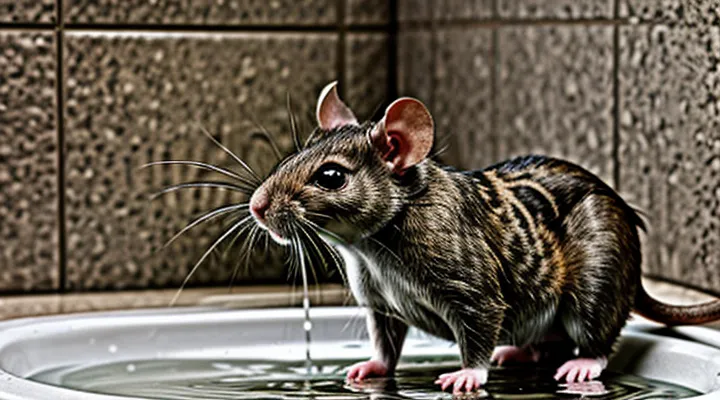
The Natural Grooming Habits of Domestic Rats
Why Rats Self-Groom
Rats maintain coat condition through self‑grooming, a behavior driven by physiological and environmental needs. Saliva contains enzymes that break down oils and debris, allowing the animal to clean fur without external water. The act also stimulates circulation in the skin, promoting healthy hair growth and reducing parasite load.
Self‑grooming serves additional functions:
- Removal of loose hair and contaminants that could impair thermoregulation.
- Distribution of natural oils that protect against moisture loss and skin irritation.
- Stress relief through rhythmic movements that activate the parasympathetic nervous system.
Because rats efficiently manage cleanliness internally, introducing them to water baths is generally unnecessary and can cause stress, hypothermia, or skin irritation. Proper cage hygiene and regular inspection of the coat are sufficient to support the animal’s innate grooming mechanisms.
When Self-Grooming Isn't Enough
Domestic rats maintain coat condition through self‑grooming, yet situations arise where this natural process fails to remove contaminants or restore skin health. Excessive oil buildup, heavy soiling from bedding, or the presence of parasites such as mites can overwhelm a rat’s ability to clean itself. In these cases, a controlled water bath becomes a practical intervention.
Key indicators that a rat requires external cleaning include:
- Visible dirt or fecal residue on the fur that the animal does not appear to address.
- Persistent odor despite regular cage maintenance.
- Skin irritation, redness, or hair loss suggestive of infestation or infection.
- Unusual matting that restricts movement or causes discomfort.
When a bath is deemed necessary, follow a protocol that minimizes stress and physiological risk:
- Prepare lukewarm water (approximately 30 °C) in a shallow, non‑slippery container.
- Add a few drops of a mild, pet‑safe cleanser formulated for small rodents; avoid soaps containing fragrances or harsh chemicals.
- Gently lower the rat into the water, supporting its body to prevent panic.
- Use a soft fingertip or a small silicone brush to rinse the coat, focusing on heavily soiled areas while avoiding the ears and eyes.
- Rinse thoroughly with clean water to eliminate any residue.
- Dry the animal promptly with a low‑heat hair dryer on the cool setting or with a soft towel, ensuring no moisture remains in the ears or whisker pads.
- Return the rat to a warm, draft‑free environment and monitor for signs of distress or hypothermia.
Frequency of bathing should remain low; most healthy rats need external cleaning only when the above criteria are met, typically no more than once every few months. Over‑bathing can strip natural oils, compromise the skin barrier, and increase susceptibility to dermatitis. Regular cage cleaning, provision of appropriate nesting material, and routine health checks reduce the need for water baths, preserving the animal’s innate grooming efficiency.
The Debate on Bathing Domestic Rats
Arguments Against Routine Water Baths
Stress and Fear
Bathing a pet rat exposes the animal to acute stress. Immersion in water triggers a rapid release of corticosterone, the primary stress hormone in rodents. Elevated hormone levels impair immune function and can lead to weight loss if exposure is repeated.
Fear responses appear when rats associate water with a threatening situation. Typical signs include frantic attempts to escape, vocalizations, and a pronounced increase in heart rate. Prolonged fear conditioning may cause avoidance of handling, reducing the owner’s ability to perform routine health checks.
To minimize stress and fear during necessary cleaning, follow these guidelines:
- Use a shallow, lukewarm basin no deeper than two centimeters; avoid full submersion.
- Limit exposure time to 30 seconds or less.
- Offer a dry, warm towel immediately after the procedure.
- Observe the rat for trembling, excessive grooming, or refusal to eat for 24 hours; seek veterinary advice if any symptom persists.
Skin and Coat Health Concerns
Bathing pet rats presents specific risks to skin and coat integrity. The rodent’s epidermis is thin and contains a high concentration of sebaceous glands that produce oils essential for moisture retention and protection against pathogens. Water exposure can strip these oils, leading to dryness, irritation, and increased susceptibility to dermatitis.
Key concerns include:
- Oil removal – prolonged immersion or frequent washing eliminates natural lipids, causing flaky skin and dull fur.
- Temperature sensitivity – rats regulate body temperature through their fur; cold water can induce hypothermia, while hot water may cause burns.
- pH imbalance – tap water often has a pH outside the optimal range (6.5‑7.5) for rodent skin, potentially disrupting the acid mantle and encouraging bacterial overgrowth.
- Microbial infection – moisture trapped in the coat creates an environment for fungi and bacteria, especially if the animal is not thoroughly dried.
- Stress response – the act of bathing can trigger cortisol release, which may suppress immune function and exacerbate skin conditions.
Veterinary recommendations for maintaining coat health without water baths:
- Spot‑clean with a damp cloth or cotton ball, focusing on urine‑soiled areas.
- Use a rodent‑specific, fragrance‑free grooming wipe for occasional sanitization.
- Provide a dry, dust‑free environment to reduce the need for bathing.
- Offer a balanced diet rich in omega‑3 fatty acids to support skin barrier function.
- Schedule a professional health check if signs of alopecia, redness, or scabbing appear.
When a full bath is unavoidable, limit exposure to 30 seconds, use lukewarm water, apply a mild, veterinary‑approved shampoo, and dry the animal immediately with a low‑heat hair dryer or warm towel. Monitoring the rat’s behavior and skin condition after the procedure is essential to detect adverse effects promptly.
Situations Where Bathing Might Be Considered
Extreme Dirt or Odor
Extreme accumulation of grime or a strong odor in a pet rat often prompts owners to consider a water bath. Rats possess a dense fur coat that traps debris and scent compounds, making surface cleaning more practical than immersion.
Water immersion can disrupt thermoregulation, cause stress, and damage the skin’s natural oil layer. Direct exposure to cold or lukewarm water for more than a few seconds may lead to hypothermia, while prolonged soaking increases the risk of respiratory infection. The rat’s instinctive grooming behavior already removes most loose particles, so full submersion is rarely necessary.
Effective odor and dirt control without a bath includes:
- Dampening a soft cloth with warm (not hot) water, wiping the body and tail.
- Applying a few drops of a rodent‑safe, unscented shampoo only on heavily soiled areas; rinsing immediately with a clean damp cloth.
- Drying the animal with a low‑heat hair dryer set on the cool setting, or allowing it to air‑dry in a warm, draft‑free cage.
- Providing regular cage cleaning, litter replacement, and a balanced diet to prevent odor buildup from waste.
When extreme dirt persists despite these measures, a brief, shallow soak (no deeper than the hindquarters) for 30–60 seconds, followed by immediate drying, may be employed under veterinary guidance. Routine bathing is unnecessary; targeted cleaning maintains hygiene while preserving the rat’s health.
Medical Necessity
Bathing a pet rat is justified only when a medical condition requires it. Dermatological infections, severe fur matting that impedes grooming, and exposure to toxic substances are the primary indications. In these cases, water exposure aims to remove pathogens, debris, or contaminants and to facilitate topical treatment.
- Bacterial or fungal skin infections confirmed by a veterinarian.
- Heavy soiling with chemicals, oils, or substances that cannot be removed by dry cleaning.
- Fur entanglement that prevents normal heat regulation and leads to skin lesions.
The procedure must follow veterinary protocols to prevent stress and hypothermia. Use lukewarm water (approximately 30–32 °C), a mild, species‑specific cleanser, and limit immersion time to no more than two minutes. Dry the rat immediately with a low‑heat hair dryer or a warm towel, and monitor body temperature until normal. After bathing, apply any prescribed topical medication and observe for signs of irritation or relapse.
Risks include respiratory distress, hypothermia, and skin barrier disruption. If the condition can be managed with spot cleaning, grooming tools, or topical sprays, those methods are preferred. Veterinary assessment should precede any water‑based intervention to confirm that the benefits outweigh potential complications.
Parasite Treatment
Bathing pet rats can be an effective moment to apply parasite control, provided the procedure follows veterinary guidelines. Water exposure removes external debris that may harbor ectoparasites, but the primary objective is to administer a safe antiparasitic agent before or after the rinse. Direct application of topical treatments on a damp coat improves absorption and reduces the risk of ingestion when the animal grooms.
Key considerations for parasite treatment during a bath:
- Use products specifically labeled for rodents; formulations for cats or dogs may contain toxic concentrations.
- Apply a few drops of a spot‑on medication to the base of the skull, avoiding the eyes and mouth.
- For oral dewormers, follow the dosage chart based on body weight and give the dose after the rat has dried to prevent spillage.
- Monitor the animal for signs of irritation or adverse reaction for at least 30 minutes; contact a veterinarian if distress occurs.
After treatment, dry the rat with a low‑heat hair dryer or a soft towel, keeping the environment warm and draft‑free. Regular weekly baths combined with quarterly parasite checks maintain a healthy coat and minimize infestations.
How to Safely Bathe a Domestic Rat (If Necessary)
Preparation Before the Bath
Gathering Supplies
When planning to bathe a pet rat, assemble all required items before beginning. Having each component ready prevents stress for the animal and ensures a controlled environment.
- Shallow, non‑slipping basin (plastic or stainless steel) large enough for the rat to move comfortably.
- Warm water, temperature around 30‑32 °C (86‑90 °F), measured with a thermometer.
- Mild, rodent‑safe shampoo formulated without harsh chemicals or strong fragrances.
- Soft, absorbent towels for immediate drying.
- Disposable gloves to maintain hygiene and protect hands.
- Small cup or spray bottle for gentle rinsing.
- Secure, escape‑proof enclosure to contain the rat during the process.
Select a basin with smooth edges to avoid injuries. Verify that the shampoo’s label states suitability for small mammals; avoid products designed for dogs or cats. Prepare the water in a separate container, then pour into the basin to achieve the desired temperature. Keep towels within arm’s reach to dry the rat promptly after rinsing.
Maintain a calm atmosphere; low lighting and minimal noise reduce anxiety. After the bath, place the rat in a warm area with fresh bedding until completely dry. Clean and disinfect all equipment before storage to prevent contamination.
Creating a Calm Environment
A calm environment is essential when introducing water to a pet rat. Rats are prey animals; sudden noises, bright lights, or abrupt movements can trigger a stress response that makes the bathing process unsafe and ineffective.
Prepare the area before the rat enters. Use a shallow, non‑slippery container filled with lukewarm water (approximately 30 °C). Place a soft towel underneath to prevent drafts and to provide a familiar texture. Keep the room quiet, dim the lights, and remove any objects that could cause the animal to jump or scramble.
During the bath, handle the rat gently but firmly. Support the body with both hands, allowing the head to stay above water. Limit the duration to one to two minutes; excessive exposure can lower body temperature. After the session, dry the animal with a low‑noise hair dryer set on a cool setting or with a soft cloth, then return it to its nest for warmth.
- Choose a time when the rat is naturally calm (e.g., after a meal).
- Use a water volume that reaches only the mid‑body, never submerging the head.
- Maintain a consistent temperature; avoid hot or cold water.
- Monitor breathing and behavior; stop immediately if the rat shows signs of distress.
The Bathing Process
Water Temperature and Depth
Domestic rats tolerate brief exposure to water when temperature remains within their thermoregulatory range. Ideal water temperature lies between 30 °C and 35 °C (86 °F–95 °F). Temperatures below 20 °C (68 °F) induce hypothermia; temperatures above 38 °C (100 °F) risk hyperthermia and stress.
Depth must prevent submersion while allowing the animal to stand comfortably. A shallow basin holding 2–3 cm (0.8–1.2 in) of water suffices for adult rats; juveniles may require 1–2 cm (0.4–0.8 in). The surface should be smooth to avoid injury, and the rat should be able to lift its head without effort.
Key parameters for a safe bath:
- Temperature: 30–35 °C, measured with a reliable thermometer.
- Depth: 2–3 cm for adults, 1–2 cm for juveniles.
- Duration: no longer than 2–3 minutes per session.
- Post‑bath: immediate drying with a soft towel and warm environment.
Adhering to these guidelines ensures that water contact does not compromise the health or comfort of pet rats.
Gentle Cleaning Techniques
Pet rats require occasional cleaning to maintain coat health and prevent skin irritation. Water exposure is acceptable when performed with care, avoiding stress and temperature shock.
Effective gentle cleaning includes:
- Use lukewarm water (approximately 30–32 °C). Test with a fingertip to confirm comfort.
- Choose a shallow container that allows the rat to stand without submerging its head.
- Apply a few drops of a mild, fragrance‑free pet shampoo specifically formulated for small rodents. Dilute according to manufacturer instructions.
- Gently massage the coat for no more than 30 seconds, focusing on dirty areas while keeping the head above water.
- Rinse thoroughly with lukewarm water to remove all soap residue. Residual detergent can cause skin dryness.
- Pat the animal dry with a soft, absorbent towel. Avoid vigorous rubbing; press lightly to absorb moisture.
- Allow the rat to warm up in a draft‑free environment until completely dry before returning to its cage.
Key considerations:
- Limit cleaning sessions to once a month unless the rat becomes visibly soiled.
- Monitor the rat’s behavior during the process; immediate signs of distress—such as frantic swimming or attempts to escape—require cessation of the bath.
- Ensure the cage remains dry after cleaning to prevent secondary exposure to damp bedding.
Following these steps provides a safe, low‑stress method for maintaining cleanliness without compromising the animal’s health.
Recommended Products (If Any)
When cleaning a pet rat, select products formulated for small mammals to avoid skin irritation and respiratory distress. Products should be mild, free of harsh detergents, and preferably unscented.
- Rodent‑specific shampoo (e.g., “Excreta‑Safe Rat Shampoo”): pH‑balanced for rodent skin, non‑soap based, rinse completely with lukewarm water.
- Gentle pet shampoo (e.g., “Veterinary‑Grade Small Animal Shampoo”): low‑foam formula, hypoallergenic, suitable for occasional baths.
- Water‑less grooming wipes (e.g., “Rodent Clean‑Wipe”): pre‑moistened with a mild cleansing solution, ideal for spot cleaning without submerging the animal.
- Absorbent drying towel (e.g., “Microfiber Rat Dry‑Towel”): high absorbency, lint‑free, assists in rapid drying to prevent chilling.
- Protective gloves (e.g., “Nitrile Lab Gloves”): prevent direct hand contact with cleaning agents and minimize stress for the animal.
If a dedicated rat shampoo is unavailable, a diluted, unscented baby shampoo (1 ml per liter of water) may be used sparingly. Always rinse thoroughly and dry the animal promptly to maintain body temperature.
Post-Bath Care
Drying Your Rat
After a rat is washed, immediate removal of moisture prevents heat loss and reduces the chance of respiratory complications. The animal’s small size and high surface‑to‑volume ratio make it especially vulnerable to rapid cooling.
- Gently press a soft, lint‑free towel against the fur to absorb excess water; avoid vigorous rubbing that could damage skin or whiskers.
- Place the rat in a warm, draft‑free area (ambient temperature 24–26 °C) and monitor body temperature with a fingertip or infrared device.
- If a hair dryer is employed, set it to the lowest heat and airflow settings; keep the nozzle at least 30 cm from the body and move it continuously to avoid localized overheating.
- Allow the rat to move freely on a clean, dry surface for 5–10 minutes; activity generates natural body heat that aids evaporation.
- After the fur feels dry to the touch, inspect for damp spots, especially around the tail base and paws, and pat them dry if necessary.
Failure to dry a rat promptly can lead to hypothermia, reduced immune function, and increased susceptibility to infections. Wet fur also creates a humid microenvironment that encourages fungal growth.
Limit bathing to occasions when it is medically required or when the animal is visibly soiled. Regular grooming with a brush removes debris and reduces the need for water baths, thereby minimizing stress and health risks associated with wetting and drying procedures.
Ensuring Warmth and Comfort
When a pet rat is introduced to water, maintaining body temperature is critical to prevent hypothermia. Rats lose heat rapidly in liquid, so the bathing environment must be warm and brief. Use water heated to approximately 30–32 °C (86–90 °F); temperature should be checked with a thermometer before each session. The bathing surface should be non‑slippery, such as a silicone mat, to allow the animal to stand without excessive movement that could increase heat loss.
After the brief soak, immediately dry the rat with a soft, lint‑free towel. Gently pat the fur to remove moisture, then place the animal in a pre‑warmed enclosure or hold it in a heated hand. A warm, draft‑free area with ambient temperature around 24–26 °C (75–79 °F) aids rapid recovery. If the rat appears shivering or lethargic, continue gentle drying and consider a low‑intensity heat source, such as a heating pad set to low, covered with a towel to avoid direct contact.
Key practices for warmth and comfort:
- Prepare water at 30–32 °C, verify temperature.
- Limit bathing time to 30–60 seconds.
- Use a non‑slippery surface to reduce stress.
- Dry immediately with a soft towel.
- Transfer to a pre‑heated, draft‑free environment.
- Monitor for signs of chill; apply low heat if needed.
Consistent application of these steps ensures the rat remains comfortable and safe during water exposure.
Alternatives to Full Water Baths
Spot Cleaning Methods
Damp Cloth Cleaning
Cleaning a pet rat with a lightly dampened cloth offers a safe alternative to immersing the animal in water. The approach respects the rodent’s natural grooming behavior while reducing the risk of hypothermia, skin irritation, and stress associated with full baths.
A proper damp‑cloth routine includes the following steps:
- Prepare a soft, lint‑free cloth. Moisten it with lukewarm water; excess liquid must be squeezed out so the fabric is only barely wet.
- Secure the rat gently but firmly, supporting the body to prevent sudden movements.
- Stroke the fur in the direction of growth, focusing on visibly dirty areas such as the tail base, paws, and head. Avoid rubbing aggressively; a smooth motion removes debris without damaging the coat.
- Inspect the skin for signs of injury, parasites, or excessive oil. If abnormalities appear, consult a veterinarian promptly.
- After cleaning, pat the animal dry with a separate dry towel. Allow the rat to remain in a warm, draft‑free environment until the coat is fully dry, typically 10–15 minutes.
Benefits of this method include:
- Minimal disruption of the rat’s thermoregulation.
- Preservation of the natural oils that protect skin and fur.
- Reduced likelihood of water entering the ears or nose, which can cause infections.
- Quick execution, making routine hygiene feasible several times per week.
Frequency depends on the rat’s lifestyle. Animals kept in clean cages with regular spot cleaning may require damp‑cloth grooming once a week, while those exposed to dusty environments or soil may need it more often. Over‑cleaning can strip essential oils; therefore, limit the practice to when the coat visibly accumulates dirt or odor.
Safety considerations:
- Never use soap, detergents, or disinfectants on the cloth; these chemicals can irritate the skin and be toxic if ingested during grooming.
- Ensure the water temperature is close to the animal’s body temperature (37 °C/98.6 °F) to avoid shock.
- Observe the rat’s behavior throughout the process. Rapid breathing, vocalizations, or attempts to escape indicate distress and require immediate cessation of the cleaning.
In conclusion, a damp cloth provides an efficient, low‑risk method for maintaining rat hygiene, aligning with the animal’s physiological needs while avoiding the complications of full immersion in water.
Unscented Wipes
Unscented wipes provide a practical alternative to submerging pet rats in water. Their fragrance‑free formulation reduces the risk of respiratory irritation, a common concern when exposing small mammals to scented chemicals. The wipes are pre‑moistened with a mild, pH‑balanced solution that removes dirt and oils without stripping the animal’s natural skin barrier.
Key advantages of unscented wipes for rat hygiene:
- Gentle cleansing action suitable for delicate fur and skin.
- Elimination of the need for full‑body immersion, which can cause stress and hypothermia.
- Immediate drying, preventing moisture buildup that encourages fungal growth.
- Easy application in confined spaces, allowing targeted cleaning of paws, tail, and face.
When using unscented wipes on rats, follow these guidelines:
- Choose wipes labeled “fragrance‑free” and “alcohol‑free.”
- Test a small area to confirm no adverse skin reaction.
- Gently wipe each region, avoiding excessive pressure on the tail and ears.
- Allow the animal to air‑dry for a few minutes before returning to its cage.
- Replace wipes regularly to maintain sterility.
Unscented wipes complement regular grooming routines and reduce reliance on full water baths, which many owners avoid due to the animal’s sensitivity to temperature fluctuations and potential stress responses. By integrating these wipes into daily care, owners can maintain cleanliness while safeguarding the health and comfort of their domestic rats.
Dust Baths and Sand Baths
Domestic rats rarely require immersion in water; their grooming needs are met through natural behaviors such as dust and sand bathing. Providing a substrate of fine, clean sand or dust allows rats to remove excess oils, dislodge parasites, and maintain the condition of their fur without the stress associated with wet cleaning.
- Dust baths: Use mineral‑based or chinchilla‑type dust that is low in moisture and free of fragrances. Rats roll in the dust, which absorbs sebum and detaches loose hairs. The dust should be refreshed weekly to prevent bacterial growth.
- Sand baths: Offer coarse, kiln‑fired sand that is dry and non‑abrasive. Sand facilitates mechanical removal of debris and offers a tactile stimulus that encourages self‑grooming. Replace sand regularly to maintain hygiene.
Both methods mimic the rodents’ natural environment, support skin health, and reduce the likelihood of hypothermia or respiratory irritation that can result from water exposure. When a rat becomes visibly dirty, a brief dust or sand session is usually sufficient; a water bath should be reserved for severe contamination and performed with lukewarm water, a gentle shampoo formulated for small mammals, and immediate drying. Regular provision of dust or sand eliminates the need for routine water bathing and aligns with the species’ innate grooming patterns.
Maintaining a Clean Environment
Cage Cleaning Schedule
A regular cage‑cleaning regimen is essential for maintaining a healthy environment for pet rats and for minimizing the stress associated with occasional water baths. Cleanliness reduces the risk of skin irritation, respiratory problems, and disease transmission, all of which can be aggravated by wetting the animal’s fur.
The schedule should balance thoroughness with the rats’ sensitivity to disturbance. Follow this protocol:
- Daily – Spot‑clean debris, uneaten food, and droppings; replace soiled bedding in high‑traffic corners.
- Every 3‑4 days – Perform a full bedding change; wash all accessories (water bottle, food dish, toys) with warm, mild detergent; rinse thoroughly and dry before returning items to the cage.
- Weekly – Disinfect the cage interior with a dilute, pet‑safe solution (e.g., 1 % hydrogen peroxide); rinse and air‑dry completely. Inspect the cage for wear, rust, or cracks that could harbor bacteria.
- Monthly – Rotate or replace larger structural components (e.g., plastic tunnels, wooden chew sticks) to prevent mold growth and accumulation of hidden waste.
When a water bath is required, schedule it after a full cleaning cycle. A clean cage limits the chance that residual moisture will promote bacterial proliferation. Ensure the rats are completely dry before returning them to the cage; use a low‑heat setting or a soft towel, and monitor for signs of chill.
Consistent adherence to this schedule supports optimal skin condition, promotes normal grooming behavior, and reduces the need for frequent bathing, thereby protecting the rats’ health and comfort.
Bedding Choices
Choosing appropriate bedding is essential when a pet rat receives a water bath. The material must absorb moisture quickly, remain dry after the animal is towel‑dried, and avoid irritating the skin.
Paper‑based products, such as shredded paper or pulp bedding, excel at moisture absorption and produce minimal dust. They do not retain dampness that could foster fungal growth, and they are safe if a rat gnaws on them after a bath.
Aspen shavings offer low aromatic oils compared with pine or cedar, reducing respiratory irritation. However, aspen retains moisture longer than paper, requiring prompt replacement after a bath to prevent a damp environment.
Coconut husk (coco fiber) provides excellent absorbency and biodegradability. The fibers stay loose, allowing easy removal of wet spots, but they can shed small particles that a rat might ingest if not thoroughly cleaned.
Corncob bedding absorbs water efficiently but can become compacted when wet, creating uneven surfaces that may trap moisture against the rat’s skin. Regular stirring and replacement are necessary.
When selecting bedding for post‑bath care, follow these steps:
- Verify low dust content to protect respiratory health.
- Confirm rapid moisture wicking to keep the enclosure dry.
- Ensure the material is non‑toxic if chewed.
- Replace the bedding within 24 hours after a bath to prevent bacterial growth.
Proper bedding selection supports hygiene, comfort, and recovery after a rat’s water bath.