
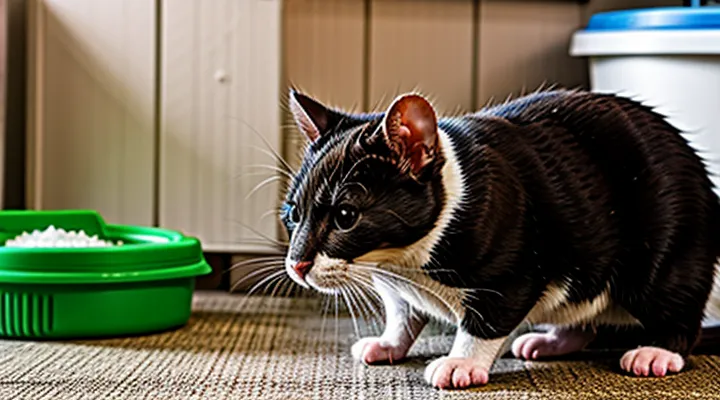
The Core Question: Cat Litter for Rats
Why the Concern?
Understanding Rat Biology and Needs
Rats are small mammals with a high metabolic rate, requiring a stable internal temperature and a dry, well‑ventilated environment. Their respiratory system is sensitive to dust and airborne particles; excessive fine particulate matter can irritate the nasal passages and lead to respiratory infections. The digestive tract is adapted to a fiber‑rich diet, and the gastrointestinal flora benefits from low‑moisture, absorbent substrates that help control waste.
Key physiological and behavioral requirements include:
- Low dust generation to protect the respiratory tract.
- Absorbency that keeps the enclosure dry and reduces ammonia buildup.
- Non‑toxic materials that will not leach harmful chemicals if ingested or chewed.
- Texture that allows natural digging and nesting behavior without causing injury.
Cat litter formulations vary widely. Clay‑based products often produce significant dust and contain silica or additives that can be harmful if inhaled or ingested. Silica crystals may cause abrasions to the oral cavity, while clumping agents can become lodged in the gastrointestinal tract. Biodegradable litters made from wood pellets, paper, or recycled cellulose typically generate less dust and are inert, but their granule size may be too large for rats to manipulate comfortably.
When selecting a substrate for rat housing, prioritize materials that meet the listed physiological criteria. Evaluate each product for dust output, chemical composition, and particle size before introducing it to the cage. Proper bedding choice supports respiratory health, maintains hygiene, and encourages natural behaviors, thereby reducing the risk of disease and stress.
Comparing Species Requirements
Cat litter and rat bedding serve different physiological and behavioral needs. Cats require a medium that clumps, absorbs urine quickly, and masks odor to maintain hygiene in a confined litter box. Rats, however, need a substrate that encourages nesting, tolerates frequent chewing, and minimizes dust inhalation.
Key differences include:
- Absorbency: Cat products prioritize rapid liquid capture; rat bedding should retain moisture without becoming soggy, allowing for dry nesting material.
- Texture: Clumping granules are ideal for felines but can obstruct a rat’s burrowing activity and pose ingestion hazards. Fine, low‑dust fibers support natural tunnel building.
- Safety: Chemical additives used to control feline odor may be toxic to rodents. Natural, untreated materials reduce the risk of respiratory irritation.
- Size: Litter granules designed for adult cats often exceed a rat’s paw size, limiting movement and increasing stress. Smaller particles facilitate exploration and exercise.
- Cleaning frequency: Cats benefit from daily scooping of clumped waste; rats produce less concentrated waste, allowing weekly replacement of bedding without compromising health.
When evaluating a substrate for rats, prioritize low‑dust, non‑clumping, chew‑safe material such as paper‑based or aspen shavings. Cat litter that meets these criteria may be acceptable in limited scenarios, but standard clumping formulas generally fail to satisfy rodent‑specific requirements.
Potential Dangers of Cat Litter for Rats
Respiratory Issues
Dust Content and Rat Lungs
Cat litter designed for felines often contains fine particles that become airborne during handling. When these particles are inhaled by rats, they can deposit in the alveolar spaces, provoking an inflammatory response. The respiratory system of rodents is particularly sensitive to particulate matter because of their high ventilation rate relative to body size.
Key effects of dust exposure on rat lungs include:
- Irritation of the nasal mucosa and trachea, leading to sneezing and coughing.
- Recruitment of macrophages and neutrophils, which may progress to bronchiolar inflammation.
- Fibrotic changes in alveolar tissue when exposure is chronic or the dust load is high.
- Reduced gas exchange efficiency, observable as lower arterial oxygen saturation.
The magnitude of these effects correlates with the litter’s dust concentration. Low‑dust formulations, such as those based on silica‑free clumping crystals or paper pellets, generate fewer respirable particles. High‑dust products, especially those containing bentonite or scented additives, release a greater volume of fine grit that remains suspended for extended periods.
For any enclosure where rats are housed, selecting a litter with minimal airborne particles is essential to preserve pulmonary health and prevent respiratory disease. Regular cleaning, adequate ventilation, and periodic monitoring of air quality further reduce the risk associated with dust inhalation.
Fragrances and Chemical Irritants
Cat litter formulated for felines often includes added scents and chemical additives that can harm rats. Fragrances mask odor but introduce volatile organic compounds (VOCs) that irritate the delicate nasal passages of rodents. Chemical irritants such as sodium bentonite, silica gel, and antimicrobial agents release fine particles that remain airborne, increasing the risk of respiratory inflammation and reduced olfactory function.
- Typical scented additives: essential oil blends, synthetic perfumes, masking agents.
- Common irritants: bentonite clay dust, silica dust, sodium carbonate, ammonia‑based deodorizers.
- Potential effects on rats: sneezing, nasal discharge, labored breathing, diminished scent detection, heightened stress response.
Rats rely on a keen sense of smell for navigation, foraging, and social interaction. Exposure to strong fragrances can disrupt these behaviors, leading to avoidance of the enclosure, reduced food intake, and altered activity patterns. Chemical dust can settle on fur and paws, later inhaled during grooming, compounding respiratory stress.
For a litter that will not compromise rat health, select an unscented, low‑dust product. Options include plain, clump‑free mineral litter, recycled paper pellets, or wood‑based substrates without added fragrances. Verify that the material is free of talc, silica, and antimicrobial chemicals before introducing it to a rat habitat.
Ingestion Hazards
Clumping Agents and Digestive Blockages
Clumping cat litter contains sodium bentonite, calcium carbonate, or other absorbent polymers that expand when wet. These substances are not digestible; once ingested, they absorb moisture in the gastrointestinal tract, swell, and can form solid masses that obstruct the intestines.
- Sodium bentonite: expands up to 10 × its original volume, creates hard, impermeable plugs.
- Calcium carbonate: may calcify within the gut, leading to hardening of fecal material.
- Synthetic polymers (e.g., super‑absorbent polymers): resist enzymatic breakdown, remain intact, and can block the colon.
Rats that gnaw or eat litter may ingest enough clumping material to cause a blockage, resulting in reduced feed intake, abdominal distension, and potentially fatal ileus. Preventive measures include providing alternative bedding without clumping agents, monitoring for litter ingestion, and ensuring immediate veterinary assessment if digestive distress appears.
Toxic Additives in Cat Litters
Cat litter formulations often contain chemicals that can harm small mammals. Sodium bentonite, a common clumping agent, releases dust particles that irritate respiratory passages when inhaled. Silica gel crystals, prized for rapid absorption, consist of fine quartz fragments that can cause lung inflammation and, if ingested, gastrointestinal blockages.
Additional substances found in many brands include:
- Fragrance oils: volatile compounds that may trigger allergic reactions or neurotoxicity.
- Antibacterial agents such as triclosan: disrupt endocrine function and can accumulate in liver tissue.
- Dye pigments: synthetic colorants that may contain heavy metals like lead or cadmium.
These additives are not required for litter performance and are omitted in formulations designed for rodents. Selecting an unscented, additive‑free product reduces the risk of acute toxicity and chronic health issues in pet rats.
Skin and Paw Irritation
Sharp Edges of Certain Litters
Sharp-edged cat litters, such as those made from clumping bentonite or silica crystals, present a physical hazard for rats. The particles can fracture under pressure, creating splinters that may pierce delicate footpads, nasal passages, or internal organs when the animal digs or walks on the substrate. Unlike soft, absorbent materials, these litters do not conform to the rat’s body and can cause abrasions that quickly become infected.
Rats are prone to exploring and burrowing, increasing the likelihood of contact with protruding fragments. In addition, the abrasive nature of sharp particles can wear down the keratinized foot pads, leading to reduced mobility and chronic discomfort. When litter is scattered across the cage floor, the risk extends to bedding areas where rats rest, potentially causing injuries during prolonged exposure.
Key considerations for selecting a safe substrate include:
- Particle size: Larger, irregular fragments elevate the chance of puncture wounds.
- Clumping ability: Strong clumping agents tend to form hard masses that retain sharp edges.
- Material composition: Silica crystals and mineral-based litters are inherently rigid and may fracture.
- Dust level: High dust content can irritate respiratory passages, compounding physical trauma.
If a litter with sharp edges is used, the following mitigation steps are essential:
- Cover the litter with a thick layer of soft bedding (e.g., shredded paper or aspen) to buffer contact.
- Replace the substrate frequently to prevent accumulation of broken fragments.
- Inspect the cage daily for visible splinters and remove any that could harm the rats.
- Consider alternative absorbent materials, such as recycled paper or wood pellets, which lack hazardous edges.
Overall, the presence of sharp-edged cat litter poses a clear risk to rat health and welfare, outweighing any potential benefits related to odor control or moisture absorption. Safe cage environments require substrates that are both absorbent and free of protruding particles.
Chemical Burns from Bentonite Clay
Bentonite clay, the absorbent component of most clumping cat litter, can produce chemical burns when it contacts a rat’s skin or mucous membranes. The mineral’s high alkalinity (pH ≈ 9–10) and rapid swelling on moisture create a desiccating environment that strips natural oils and damages epidermal cells. Direct exposure to wet or freshly agitated litter amplifies the effect, as the clay’s particles become more adhesive and penetrate superficial layers.
Typical manifestations include erythema, ulceration, and localized necrosis, often appearing within hours of contact. Rats may exhibit excessive grooming, pawing at the affected area, or reluctance to move. In severe cases, secondary infection can develop, complicating treatment.
Preventive measures focus on limiting direct interaction with bentonite‑based litter:
- Choose non‑clumping, paper‑based, or wood‑chip substrates for cage bedding.
- If clumping litter is unavoidable, line the enclosure with a barrier (e.g., a thin sheet of polyethylene) to separate the animal from the material.
- Keep litter dry; replace any damp spots promptly to reduce swelling potential.
- Conduct routine health checks to detect early skin changes and intervene with topical antiseptics or veterinary care.
When chemical burns are identified, immediate removal of the offending substrate, thorough cleaning with a mild saline solution, and veterinary assessment are essential to prevent progression and ensure recovery.
What Makes a Good Rat Bedding?
Safety and Non-Toxicity
Absorbency and Odor Control
Cat litter designed for felines offers high absorbency because of its granular structure and, in many cases, clumping agents that bind moisture into a solid mass. When placed in a rat enclosure, the material captures urine droplets quickly, reducing the amount of liquid that contacts the cage floor. The speed of absorption limits the growth of bacteria that thrive in damp environments, thereby lowering the risk of infection for the animals.
Odor control in typical cat litters relies on two mechanisms: chemical neutralizers such as baking soda or activated charcoal, and the physical sequestration of scent‑bearing molecules within the litter matrix. These agents remain effective when the litter is used in a small‑animal habitat, provided the litter is refreshed before saturation. Over‑saturation diminishes both absorbency and odor‑blocking capacity, leading to a noticeable increase in ammonia and fecal odors.
Key considerations for selecting cat litter for rats:
- Clumping clay – excellent liquid capture, rapid solid formation, dust‑free variants minimize respiratory irritation; requires frequent removal of solid clumps to maintain odor control.
- Silica gel crystals – absorb up to 30 times their weight, low dust, long‑lasting odor suppression; particles may be too large for delicate bedding, and rats can ingest fragments if not monitored.
- Biodegradable plant‑based litters – moderate absorbency, natural deodorizing properties, compostable; higher turnover needed to match the performance of mineral‑based products.
Effective use demands a layer of 2–3 cm depth, regular scooping of wet clumps, and complete replacement of the litter every 1–2 weeks, depending on cage size and occupancy. Monitoring humidity levels and odor intensity provides a practical gauge for when maintenance is required.
Comfort and Nesting Potential
Rats require a substrate that supports body temperature regulation, reduces stress, and allows construction of secure nests. Cat litter can meet these criteria when its physical characteristics align with rodent needs.
A suitable litter must present fine, non‑sharp particles that prevent foot injury and minimize skin irritation. Low‑dust formulations reduce respiratory risk, while high absorbency controls moisture and odor, contributing to a stable microclimate within the cage.
Nesting potential depends on material pliability and cohesion when damp. Litter that becomes slightly moist without disintegrating enables rats to shape tunnels and chambers. Non‑toxic composition is essential, as rats frequently chew and ingest portions of the substrate.
- Clumping clay litter: forms stable structures when damp, but often generates dust and contains silica, which may irritate lungs.
- Silica‑gel crystals: excellent absorbency, minimal dust, but hard particles hinder nest building and can cause paw injuries.
- Recycled paper pellets: low dust, soft texture, moderate absorbency; supports nest shaping but may require frequent replacement to maintain dryness.
- Wood‑based pellets (aspen, pine): natural scent deters pests, provides chewable material; high dust levels in some brands can compromise respiratory health.
When selecting cat litter for rat enclosures, prioritize low‑dust, non‑sharp, and non‑toxic options that retain moisture enough to allow nest construction without becoming soggy. Recycled paper pellets and high‑quality aspen wood pellets generally satisfy comfort and nesting requirements more consistently than traditional clumping or crystal litters.
Recommended Bedding Materials
Paper-Based Products
Paper‑based cat litter, typically composed of recycled newspaper or wood pulp, offers low dust, high absorbency, and a soft texture that can be advantageous for small rodents. The material’s cellulose fibers trap moisture efficiently, reducing the risk of bedding becoming soggy and creating unsanitary conditions. Because the fibers are biodegradable, they decompose quickly, simplifying waste disposal and minimizing environmental impact.
When evaluating suitability for rats, consider the following factors:
- Dust production: Paper litter generates minimal airborne particles, protecting respiratory health.
- Ingestion safety: Rats may gnaw on bedding; cellulose poses no toxic threat, though excessive consumption can lead to gastrointestinal blockage.
- Absorbency: High moisture retention maintains a dry enclosure, limiting bacterial growth.
- Odor control: While not as scented as clumping clay, paper litter can be combined with natural deodorizers to manage smells.
- Cost and availability: Widely sold for felines, the product is affordable and easy to source.
Potential drawbacks include lower clumping ability, which may require more frequent bedding changes, and a softer surface that might not provide the tactile enrichment some owners seek. Selecting a high‑quality, dust‑free paper litter and monitoring bedding condition regularly ensures a safe, hygienic environment for rats.
Aspen Shavings
Aspen shavings are a natural substrate that many rat owners consider as an alternative to commercial cat litter. The material is lightweight, highly absorbent, and free of aromatic oils that can irritate a rat’s respiratory system. Because it is derived from untreated wood, it poses minimal risk of chemical contamination.
Key characteristics of aspen shavings for rodent bedding:
- Absorption: quickly wicks moisture, reducing the likelihood of damp spots that can foster bacterial growth.
- Odor control: neutral scent prevents strong smells without masking potential health issues.
- Dust level: low dust production compared to clay‑based litters, which helps maintain clean air in the cage.
- Safety: lacks aromatic compounds found in pine or cedar, eliminating the risk of toxic inhalation.
When evaluating aspen shavings against typical cat litter, consider the following factors:
- Particle size: cat litter grains are often larger and harder, increasing the chance of foot injuries for small rodents. Aspen shavings present a softer, more granular texture.
- Clumping ability: most cat litters form clumps for easy removal, a feature not present in aspen. Regular spot cleaning and weekly full bedding changes are required to maintain hygiene.
- Cost and availability: bulk aspen shavings are generally less expensive than specialty litters, though they may need more frequent replacement.
Potential drawbacks include the need for more frequent complete bedding changes and the lack of a built‑in clumping mechanism, which can increase labor for cage maintenance. However, the low dust and non‑toxic nature of aspen make it a viable and often preferred option for rat owners seeking a natural, safe substrate.
Hemp Bedding
Hemp bedding is a plant‑based material commonly marketed for small‑animal cages. Its fibers are absorbent, biodegradable, and low in dust, which reduces respiratory irritation for both rodents and caretakers. When evaluating cat litter alternatives for rats, hemp bedding meets several critical criteria: moisture control, odor mitigation, and chew safety.
Key characteristics of hemp bedding include:
- High absorbency that limits wet spots and prevents mold growth.
- Natural scent that masks ammonia without synthetic fragrances.
- Soft texture that resists splintering when gnawed.
- Minimal dust production, measured at less than 5mg/m³ in laboratory tests.
Compared with traditional clay cat litter, hemp bedding offers distinct advantages for rats. Clay litter retains moisture poorly, creates fine dust, and can cause dental wear if ingested. Hemp fibers remain intact under chewing, reducing the risk of gastrointestinal blockage. Additionally, hemp’s rapid biodegradation simplifies waste disposal and aligns with environmentally conscious practices.
Potential drawbacks are limited availability in some regions and a higher initial cost per kilogram. However, the material’s longevity—lasting up to four weeks in a standard rat cage—offsets the price difference.
In summary, hemp bedding satisfies the primary requirements for rat enclosure substrate and presents a safer, more effective alternative to conventional cat litter products.
Fabric Scraps
Fabric scraps often serve as supplementary bedding for small rodents. When evaluating their compatibility with clumping or non‑clumping cat litter, consider moisture absorption, durability, and potential for ingestion. Fabric fibers absorb urine, reducing litter clumping efficiency and increasing the frequency of substrate replacement. Durable, tightly woven scraps resist tearing, limiting the creation of loose threads that rats might gnaw.
Safety concerns arise from the chemical treatment of many textile remnants. Untreated cotton or fleece pose minimal risk, while dyed, flame‑retardant, or chemically bonded fabrics can release toxins when wet or chewed. Conduct a material audit: verify that the fabric is free of dyes, finishes, or synthetic blends that could degrade under humid conditions.
Practical guidelines for integrating fabric scraps with cat litter:
- Use a thin layer (no more than 1 cm) beneath the litter to provide a soft base without compromising absorbency.
- Replace the fabric segment weekly or when soiled, to prevent bacterial buildup.
- Monitor rats for signs of irritation or abnormal behavior, indicating possible ingestion or allergic reaction.
- Prefer natural fibers that can be laundered at high temperatures, ensuring hygiene between uses.
When applied correctly, fabric scraps can enhance comfort while maintaining the functional properties of cat litter for rodent housing.
Alternatives to Cat Litter for Odor Control
Regular Cage Cleaning
Spot Cleaning Techniques
When cat litter serves as bedding for rats, accidental spills are inevitable. Prompt spot cleaning prevents odor buildup, maintains hygiene, and protects the animals’ health.
Effective spot‑cleaning steps:
- Remove solid waste immediately. Use tweezers or a small scoop to extract droppings and any urine‑soaked clumps. Discard in a sealed bag.
- Absorb moisture. Sprinkle a thin layer of fresh, unscented litter over the damp area. Allow it to sit for two minutes, then sweep the excess into a waste container.
- Apply a dry absorbent. For larger wet spots, spread a small amount of cellulose‑based absorbent pad or paper towel. Press gently, then lift away the saturated material.
- Disinfect the surface. Lightly mist the exposed floor with a diluted solution of hydrogen peroxide (1 % concentration) or a veterinary‑approved disinfectant. Do not saturate; aim for a fine mist that contacts the spot.
- Restore bedding depth. After the area dries, add fresh litter to match the surrounding depth, ensuring a uniform surface for the rats.
Routine maintenance complements spot cleaning. Rotate the entire bedding box weekly, and replace all litter monthly to avoid cumulative contamination. Consistent application of these techniques preserves a clean environment while allowing the use of cat litter as a cost‑effective rat substrate.
Full Cage Disinfection
Using cat litter as a substrate for pet rodents requires a rigorous cleaning routine to prevent disease transmission. A complete cage disinfection eliminates pathogens that may survive in bedding, surfaces, and accessories.
First, remove all items from the cage. Dispose of used litter, wash toys, feeders, and water bottles with hot, soapy water. Rinse thoroughly to eliminate soap residues.
Next, apply a disinfectant approved for small mammals. Acceptable options include:
- Diluted bleach solution (1 part bleach to 32 parts water) – contact time 10 minutes.
- Veterinary‑grade quaternary ammonium compound – follow manufacturer’s instructions.
- Hydrogen peroxide (3 %) – contact time 5 minutes.
After the contact period, rinse the cage and all accessories with clean water to remove chemical traces. Dry completely with a clean cloth or air drying before reassembly.
Re‑introduce fresh cat litter, ensuring it is dust‑free and non‑clumping to avoid respiratory irritation. Perform full disinfection at least once weekly, and after any signs of illness or spill.
Consistent execution of these steps maintains a sanitary environment, allowing cat litter to serve safely as a bedding material for rodents.
Air Filtration Solutions
Activated Charcoal Filters
Using cat litter as bedding for rats raises concerns about odor control, waste management, and animal health. Many manufacturers add activated charcoal to litter to reduce smells, making the material an attractive option for small‑animal cages.
Activated charcoal consists of porous carbon particles with a high surface area. Molecules that cause odor adhere to the surface through physical adsorption, not chemical reaction. The process works continuously as long as the carbon remains dry and unblocked.
Advantages of charcoal‑enhanced litter for rats
- Rapid reduction of ammonia and urine odors.
- Minimal impact on cage ventilation when the litter stays dry.
- No added chemicals that could irritate respiratory passages.
Potential drawbacks
- Charcoal particles can become airborne, increasing inhalation risk.
- Rats may ingest small amounts while grooming, possibly leading to gastrointestinal irritation.
- Saturated charcoal loses adsorption capacity, requiring frequent replacement.
Safety depends on litter composition and cage maintenance. Choose products labeled as non‑dusty and free of scented additives. Remove clumped waste promptly to keep the charcoal dry, and replace the entire bedding every one to two weeks, depending on usage intensity.
For optimal results, combine charcoal‑infused cat litter with a secondary layer of plain, low‑dust substrate. This arrangement preserves odor control while limiting direct exposure to charcoal particles, supporting a clean and healthy environment for pet rats.
Room Air Purifiers
Using cat litter as bedding for rats creates a confined environment where odor and fine particles can affect the animal’s health and the surrounding room. Airborne ammonia, dust, and microbial spores may accumulate quickly, especially in small cages or terrariums.
Room air purifiers address these hazards by filtering out particulate matter and adsorbing volatile compounds. High‑efficiency particulate air (HEPA) filters capture dust and spores down to 0.3 µm, while activated‑carbon media reduce ammonia and other odors. Continuous circulation ensures that contaminants do not reach levels that compromise respiratory function in rodents or cause discomfort for occupants.
Effective selection of a purifier for this purpose depends on several parameters:
- Filter composition: combine HEPA with activated carbon for comprehensive removal.
- Clean Air Delivery Rate (CADR): match or exceed the room’s volume to maintain low contaminant concentrations.
- Noise output: choose units below 35 dB to avoid stress for the animals.
- Size and placement: position the device at a height that promotes even airflow across the cage.
Implementing a purifier with these specifications reduces odor buildup, lowers dust exposure, and supports a healthier environment for rats housed in cat litter.
Addressing Common Misconceptions
Cat Litter as a "Quick Fix"
Cat litter is often suggested as an expedient bedding material for pet rats when dedicated supplies are unavailable. The material’s primary advantage lies in its high absorbency, which quickly contains urine and reduces visible moisture. Clumping varieties form solid masses that can be removed with minimal disturbance to the animals, simplifying spot cleaning.
Benefits of cat litter as a temporary bedding:
- Rapid moisture absorption limits substrate saturation.
- Odor‑neutralizing additives mask waste smell in short‑term enclosures.
- Granular texture provides a stable surface for nesting and digging.
Drawbacks that limit long‑term use:
- Dust generated by many brands can irritate the rats’ respiratory tract.
- Clumping agents may be ingested during grooming, posing gastrointestinal hazards.
- Scented formulations introduce chemicals that can affect scent‑based communication.
- Frequent replacement is required to prevent bacterial buildup, increasing maintenance effort.
For a short‑term solution, select an unscented, low‑dust, non‑clumping litter such as plain silica gel or paper‑based pellets. Monitor the enclosure for excess dust, unusual respiratory signs, or changes in behavior. Replace the substrate at least every 48 hours to maintain hygiene. Transition to a purpose‑designed rat bedding—such as aspen shavings or hemp fibers—once the supply becomes accessible, as these materials provide optimal absorbency, low dust, and safe ingestibility for continuous use.
Cost-Effectiveness vs. Health Risks
Cat litter is frequently considered as an inexpensive alternative to commercial rodent bedding because it is widely available, sold in large quantities, and often priced lower per kilogram than specialized products. Its high absorbency can lower the frequency of substrate changes, further reducing material costs and labor associated with cage maintenance.
-
Financial advantages
- Low unit price, especially for bulk purchases.
- Reduced replacement frequency due to superior moisture control.
- Minimal waste volume, decreasing disposal expenses.
-
Health concerns
- Fine dust particles may trigger respiratory irritation or chronic lung disease in rodents.
- Silica‑based or clumping formulations contain chemicals that can be toxic if ingested or inhaled.
- Potential for bacterial growth if moisture is not managed properly, increasing infection risk.
- Residual fragrances or additives may cause stress or allergic reactions.
Balancing these factors requires calculating the total cost per animal over a standard period and comparing it to the projected veterinary expenses and reduced lifespan associated with respiratory or gastrointestinal problems caused by unsuitable litter.