
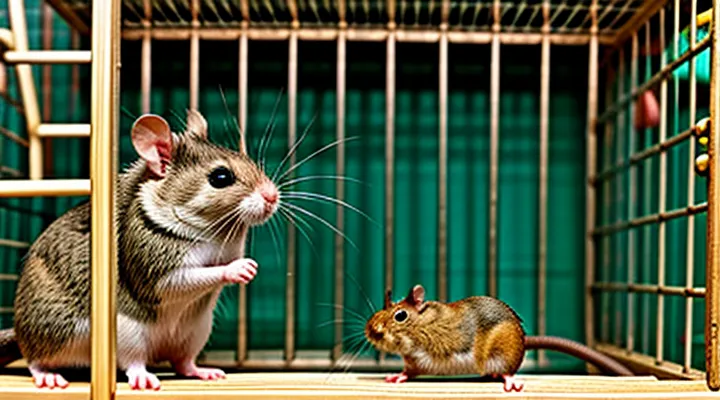
Understanding the Nature of Rats and Hamsters
Distinct Species and Needs
Natural Habitats and Social Structures
Rats originate from temperate and tropical regions where they occupy diverse environments such as fields, forests, and urban sewers. They construct nests from shredded material and thrive in groups that can number dozens of individuals. Their diet includes seeds, insects, and human waste, reflecting high ecological flexibility.
Hamsters evolved in arid steppe and desert zones. They excavate deep burrows, maintain solitary chambers, and emerge primarily at night to forage for seeds and insects. Their natural range supports low population densities, and individuals defend exclusive territories.
Rats exhibit a hierarchical social system. Dominance hierarchies regulate access to food and nesting sites, while grooming and vocalizations reinforce group cohesion. Hamsters display pronounced territoriality; adult males often attack conspecifics, and females may also exhibit aggression when space is limited.
Co‑housing these species introduces several risks. Rats may dominate shared resources, causing chronic stress for the hamster. Hamsters can become injured by rat aggression or by competition for food. Pathogen exchange is possible because rats carry parasites uncommon in hamsters. The safest practice is to keep each species in a separate, appropriately sized enclosure that mimics its native habitat.
- Rat habitat: communal nests, varied diet, adaptable environment.
- Hamster habitat: solitary burrows, nocturnal activity, seed‑based diet.
- Social structure: rats – group‑oriented hierarchy; hamsters – solitary, territorial.
- Cage compatibility: high conflict potential, health hazards, recommend separation.
Dietary Requirements
Rats and hamsters have distinct nutritional needs that make shared feeding arrangements problematic. Rats require a diet high in protein and fiber, with fresh vegetables, fruits, and a commercial rodent block formulated for omnivores. Hamsters thrive on a lower‑protein regimen, favoring seed mixes, occasional grains, and limited fresh produce to prevent digestive upset. Mixing these diets can lead to over‑consumption of protein for hamsters and insufficient fiber for rats.
Key dietary considerations:
- Protein content: Rat pellets contain 16–20 % protein; hamster mixes typically provide 12–14 %. Excess protein may cause kidney strain in hamsters.
- Fiber levels: Rats need 4–5 % fiber for gut health; hamster diets often contain less than 3 % fiber, risking constipation if increased.
- Fresh foods: Both species tolerate small amounts of vegetables, but rats can handle a broader variety, while hamsters should receive only carrot, cucumber, or apple in limited quantities.
- Treats: High‑fat treats suitable for rats (e.g., mealworms) are unsuitable for hamsters and can lead to obesity.
Separate feeding stations prevent competition and ensure each animal receives appropriate nutrients. Monitoring weight and stool consistency regularly helps detect dietary imbalances early.
Activity Patterns: Nocturnal vs. Crepuscular
Rats are primarily nocturnal, showing peak locomotor activity during the dark phase of the light‑dark cycle. Their feeding, exploration, and social interactions concentrate in the hours between sunset and sunrise. Hamsters, by contrast, exhibit crepuscular behavior: activity spikes at twilight, with brief periods of heightened movement at both dawn and dusk, followed by extended rest during the middle of the night and daytime.
The differing temporal patterns influence cage sharing in several ways:
- Overlapping active periods are limited to the early evening and early morning, reducing direct competition for space and resources during those windows.
- During the deep night, rats remain active while hamsters retreat to sleep, potentially causing disturbance if the rat’s movements generate noise or vibrations.
- In daylight hours, both species are largely inactive, providing a stable environment for rest but limiting opportunities for mutual enrichment.
- Light cycles can be manipulated to synchronize activity windows; dimming lights at dusk and maintaining low illumination through the night can encourage hamsters to extend their active phase, aligning more closely with rats.
Successful cohabitation requires monitoring for stress signals during the rat’s nocturnal excursions and ensuring that the hamster’s nest remains undisturbed. Adjusting feeding schedules to match each species’ peak activity can also mitigate competition for food.
Behavioral Differences
Territoriality and Aggression
Rats establish complex dominance hierarchies and defend defined areas within a cage. Their scent marking, chewing, and frequent rearrangement of bedding signal ownership, and any intrusion can trigger rapid escalation to physical aggression. Hamsters, particularly Syrian varieties, are solitary by nature; they aggressively protect the space surrounding their nest and food stores. When a hamster perceives another animal within its perimeter, it often responds with biting, lunging, or intense vocalizations.
Both species rely heavily on olfactory cues to assess threats. A rat’s exploratory behavior introduces unfamiliar scents that a hamster interprets as intrusion, while a hamster’s strong territorial scent can provoke a rat to challenge the perceived invader. The resulting confrontations may lead to injuries such as bite wounds, stress‑induced immunosuppression, and heightened mortality rates.
Key considerations for cohabitation:
- Separate feeding stations to prevent competition.
- Distinct nesting zones insulated from each other.
- Continuous monitoring for signs of aggression (e.g., chattering, lunging, blood loss).
- Immediate separation at the first indication of conflict.
Communication Styles
Rats and hamsters rely on distinct communication systems that affect their ability to coexist in a shared enclosure. Understanding these systems is essential for evaluating compatibility.
Rats employ a combination of vocalizations, ultrasonic calls, scent marking, and body language. Their vocal range includes audible chirps and squeaks for alarm or excitement, while ultrasonic frequencies convey social hierarchy and mating status. Scent glands on the flank and genital area deposit pheromones on bedding, establishing territorial boundaries and identifying individuals. Postural cues—such as raised hair, flattened ears, or a forward lean—communicate aggression, curiosity, or submission.
Hamsters primarily use scent, tactile signals, and limited vocalizations. Cheek pouches and dorsal glands release odorants that mark personal space. Physical contact, including grooming and gentle nudges, reinforces social bonds in species that tolerate conspecifics. Audible sounds are rare, confined to short squeaks when threatened.
Key differences influencing cohabitation:
- Frequency range: Rats’ ultrasonic messages are inaudible to hamsters, preventing mutual recognition of social cues.
- Territoriality: Rats defend larger areas with complex scent networks; hamsters claim compact zones, often centered on a single nest.
- Social structure: Rats are highly gregarious, forming hierarchical groups; hamsters are solitary, reacting defensively to intrusions.
When both species share a cage, mismatched signals can trigger stress. Rats may interpret hamster scent as foreign, prompting chase behavior, while hamsters may perceive rat presence as a direct threat, leading to aggression or escape attempts. Effective management requires:
- Separate nesting compartments that block scent exchange.
- Enrichment items that allow each animal to express natural behaviors without interference.
- Continuous monitoring of vocal and body language for early signs of conflict.
By aligning enclosure design with the communication preferences of each rodent, caretakers can reduce misunderstandings and improve the likelihood of peaceful cohabitation.
Grooming and Hygiene Habits
Rats and hamsters have distinct grooming routines that influence their compatibility in a shared enclosure. Rats continuously chew, groom each other, and produce a moderate amount of urine and feces. Their fur requires regular self‑cleaning, and they benefit from nesting material that absorbs moisture. Hamsters, by contrast, groom primarily after feeding and generate less waste; they tend to hoard food in cheek pouches and may scatter debris when foraging.
Key hygiene considerations include:
- Waste production – Rats excrete more frequently, raising the risk of ammonia buildup if ventilation is insufficient. Hamsters contribute less to odor but can create localized messes around feeding stations.
- Nest material – Both species use soft bedding, yet rats prefer larger, communal nests while hamsters favor solitary burrows. Mixing bedding types can lead to competition for space and increased stress.
- Chewing behavior – Rats chew on cage bars and accessories, potentially dispersing fibers throughout the habitat. Hamsters gnaw on wooden toys, adding a different source of debris.
- Health monitoring – Rats are prone to respiratory infections that spread through shared air; hamsters may carry mites that infest other rodents. Separate health checks are essential before cohabitation.
Maintaining a balanced environment demands frequent cage cleaning, adequate airflow, and provision of species‑specific enrichment. Without these measures, divergent grooming habits can compromise cleanliness, increase disease risk, and destabilize social dynamics. Consequently, successful cohabitation hinges on rigorous hygiene protocols tailored to both animals’ needs.
Why Coexistence is Not Recommended
Incompatible Needs and Risks
Size Disparity and Predatory Instincts
Rats typically exceed hamsters in body mass by a factor of two to three, creating a physical imbalance that influences social dynamics. The larger animal can dominate shared resources, restrict movement, and inflict accidental injuries during normal activity.
Omnivorous rats possess innate predatory drives that may be triggered by the swift, small form of a hamster. While not all rats exhibit hunting behavior, the presence of a vulnerable rodent can stimulate chase responses, leading to stress or fatal outcomes for the smaller companion.
Key considerations for co‑housing these species include:
- Separate enclosures with species‑specific enrichment.
- Continuous observation if temporary pairing is attempted, noting signs of aggression or distress.
- Adequate space that prevents the rat from cornering the hamster.
- Immediate separation at the first indication of predatory behavior.
Given the pronounced size gap and the rat’s potential predatory instinct, maintaining distinct living environments is the safest and most reliable practice.
Stress and Anxiety in Both Animals
Housing a rat together with a hamster presents distinct stressors for each species. Rats are highly social, requiring complex structures for climbing and burrowing; hamsters are solitary, preferring confined spaces and limited interaction. The disparity in social needs can trigger chronic anxiety when both animals occupy the same enclosure.
Observable indicators of stress include:
- Elevated vocalizations or frequent squeaking (rats)
- Aggressive lunging or biting (hamsters)
- Excessive grooming or self‑mutilation
- Reduced food intake and weight loss
- Repetitive pacing or stereotypic circling
Mitigation strategies focus on environmental segregation within a single cage:
- Install a solid, impermeable divider that prevents visual and olfactory contact while allowing airflow.
- Provide species‑specific enrichment: multi‑level platforms and tunnels for rats; a deep bedding chamber and wheel for hamsters.
- Maintain separate feeding stations to avoid competition.
- Monitor temperature and humidity to meet the narrower tolerance range of hamsters (20‑24 °C, 40‑60 % RH) without compromising rat comfort.
Continuous observation of behavioral cues is essential. Persistent signs of anxiety despite modifications suggest that cohabitation is unsuitable, and separate housing should be implemented to preserve the welfare of both animals.
Disease Transmission
Co‑housing rats and hamsters creates a direct pathway for pathogens that normally circulate within a single species. Shared space eliminates the natural barrier provided by separate enclosures, allowing microbes to move between hosts without restriction.
Common agents capable of crossing between these rodents include:
- Salmonella spp. – bacterial infection spread through contaminated food, water, or feces.
- Streptobacillus moniliformis – cause of rat‑bite fever, transmissible via bites or scratches.
- Sendai virus – respiratory virus that can infect both species through aerosol droplets.
- Pinworms (Syphacia spp.) – intestinal parasites transferred by fecal‑oral contact.
- Mites (e.g., Myobia musculi) – ectoparasites that move among hosts during grooming.
Transmission occurs via:
- Direct skin-to‑skin contact, especially during aggressive encounters.
- Ingestion of contaminated bedding, food, or water.
- Inhalation of airborne droplets from sneezing or coughing.
- Transfer of ectoparasites that feed on both animals.
Preventive measures:
- Isolate new arrivals for at least two weeks and conduct veterinary health checks.
- Maintain separate feeding stations and water bottles to avoid cross‑contamination.
- Clean cages daily, replace bedding regularly, and disinfect surfaces with rodent‑safe agents.
- Monitor both animals for signs of illness, such as respiratory distress, diarrhea, or lethargy, and intervene promptly.
Implementing these protocols reduces the likelihood that disease will spread between rats and hamsters sharing a single habitat.
The Importance of Separate Habitats
Providing Adequate Space and Resources
Providing sufficient space is the primary determinant of whether a rat and a hamster can occupy a single enclosure. Both species require enough room to establish distinct territories, reduce stress, and exhibit natural behaviors without interference.
A cage suitable for cohabitation must meet the following dimensions and layout criteria:
- Minimum floor area of 1 ft² (0.09 m²) per animal; for a rat and a hamster together, at least 2 ft² (0.18 m²) is recommended.
- Height of at least 12 in (30 cm) to accommodate climbing structures for the rat while allowing the hamster to retreat to lower levels.
- Partition or multiple levels that create separate zones, preventing direct contact while sharing the same overall enclosure.
- Secure mesh or solid barriers that prevent the rat from reaching the hamster’s nest area.
Resource allocation must address the differing physiological and behavioral needs of each species:
- Food: provide species‑specific pellets in separate dish locations to avoid competition; supplement with fresh vegetables for the rat and occasional treats for the hamster.
- Water: install two independent bottles with sipper tubes to ensure each animal has uninterrupted access.
- Bedding: use a deep layer of absorbent, dust‑free substrate (e.g., paper‑based) that allows the hamster to burrow and the rat to dig without compromising hygiene.
- Enrichment: include climbing ropes, tunnels, and chew toys for the rat; provide a solid wheel, hideouts, and nesting material for the hamster, placed in their respective zones.
Maintaining these spatial and resource parameters reduces aggression, minimizes disease transmission, and supports the well‑being of both animals in a shared environment.
Preventing Fights and Injuries
When placing a rat and a hamster in a single enclosure, the primary concern is avoiding aggression and physical harm. Both species have distinct social structures: rats are highly social and thrive on interaction, while hamsters are solitary and defend their territory aggressively. Successful cohabitation depends on strict environmental controls and vigilant observation.
- Provide separate nesting zones using solid dividers that prevent direct contact while allowing visual cues.
- Ensure ample enrichment: climbing structures for the rat, tunnels and wheels for the hamster, each confined to its own side.
- Maintain a temperature range of 20‑22 °C, avoiding drafts that could stress either animal.
- Offer multiple feeding stations to eliminate competition over food resources.
- Keep the cage size well above the minimum recommended for each species; a minimum of 120 × 60 cm floor space is advisable.
Monitor behavior daily for signs of mounting, biting, or excessive vocalization. Immediate separation is required if any aggressive interaction occurs. Regular health checks should confirm that neither animal exhibits injuries such as scratches, bite marks, or stress‑related weight loss. By structuring the habitat to respect each species’ territorial needs and by maintaining consistent supervision, the risk of fights and injuries can be minimized.
Ensuring Individual Well-being
When housing a rat and a hamster together, each animal must retain access to resources that meet its species‑specific physiological and behavioral needs. Rats require a larger floor area, sturdy climbing structures, and opportunities for social interaction with conspecifics. Hamsters need a solitary space, burrowing material, and a wheel sized to prevent spinal injury. Providing separate zones within a single enclosure prevents competition for these elements while allowing visual contact, which can reduce stress without forcing direct interaction.
Health considerations demand strict separation of food and water stations. Rats chew a broad range of foods, including items toxic to hamsters such as certain seeds and raw vegetables. Hamsters have a higher susceptibility to respiratory infections that can spread via shared bedding. Using distinct bedding sections and regularly cleaning each zone limits pathogen transfer and maintains optimal humidity levels for both species.
Key practices for preserving individual well‑being:
- Install a solid divider that prevents physical contact yet allows airflow.
- Allocate at least 2 sq ft of floor space per rat and 0.5 sq ft per hamster, measured on each side of the partition.
- Provide species‑appropriate enrichment: chew toys and tunnels for rats; a deep nest box and exercise wheel for the hamster.
- Supply separate feeding dishes, positioned at opposite ends of the enclosure.
- Conduct daily health checks, looking for signs of aggression, weight loss, or respiratory distress.
Adhering to these guidelines ensures that both rodents thrive while sharing a single housing unit.