
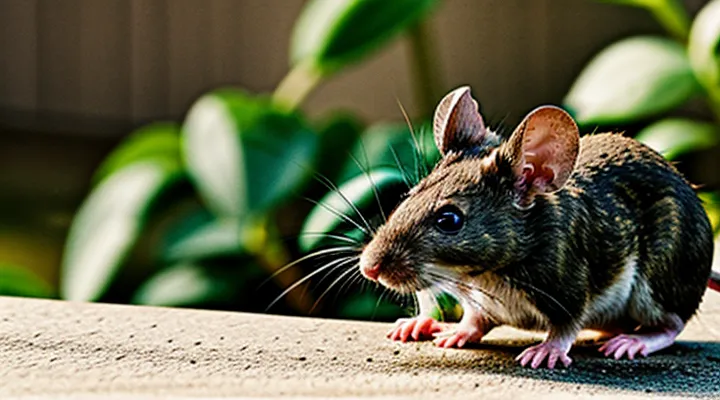
The Reality of Mouse Bites
Why a Mouse Might Bite
Self-Defense Mechanisms
Mice possess innate defenses that can result in a bite when they perceive a threat. Their incisors continuously grow, enabling them to deliver a sharp, puncturing bite capable of breaking skin. Rapid escape responses dominate behavior; however, if retreat is impossible, a mouse will employ its teeth to protect itself.
Key self‑defense mechanisms include:
- Dental structure: Curved, ever‑growing incisors produce a force sufficient to penetrate human epidermis.
- Sensory alertness: Vibrissae detect minute vibrations, prompting immediate flight or defensive action.
- Aggressive display: Tail erecting, vocalizations, and sudden lunges signal readiness to bite if provoked.
- Stress‑induced hyperactivity: Confinement or handling elevates cortisol, increasing the likelihood of a defensive bite.
These physiological and behavioral traits explain why a mouse is capable of biting a person under circumstances that restrict its normal escape routes.
Seeking Food or Water
Mice are opportunistic foragers that explore confined spaces in search of edible residues or moisture. Their small size and keen sense of smell drive them toward crumbs, spilled liquids, and hidden food stores. When a source is detected, a mouse will investigate rapidly, often entering human‑occupied areas such as kitchens, pantries, or near water fixtures.
A bite may occur under specific conditions:
- The mouse feels trapped or cornered while pursuing food or water.
- The animal experiences sudden stress, such as a loud noise or abrupt movement.
- The individual is handling the mouse directly, for example during pest control or accidental contact.
- The mouse is nursing or defending a nest located near a food or water source.
Mice possess sharp incisors capable of puncturing skin, but their bite force is limited. Bites are typically superficial, producing a small puncture or a brief nip. The primary concern stems from potential pathogen transmission, including bacteria such as Streptobacillus moniliformis (rat‑bite fever) and viruses like hantavirus, rather than severe tissue damage.
Preventive actions focus on eliminating attractants and limiting mouse access:
- Store food in sealed containers and promptly clean spills.
- Repair leaks and keep water sources dry.
- Seal entry points, including gaps around pipes, vents, and doors.
- Use traps or professional extermination when infestations appear.
When a bite does happen, immediate washing with soap and water, followed by medical evaluation, reduces infection risk. The overall probability of a mouse biting a person while seeking nourishment remains low, provided that environmental conditions discourage mouse presence.
Accidental Encounters
Mice occasionally bite people when they are startled, handled improperly, or confined in cramped spaces. The bite results from a defensive reflex; the animal clamps its incisors onto the skin for a fraction of a second before releasing. Bites are typically shallow, producing a puncture wound no larger than a pinhead, but they can introduce bacterial pathogens such as Staphylococcus aureus or Leptospira.
Common scenarios that lead to accidental mouse bites include:
- Handling live specimens in laboratories or as pets without proper restraint.
- Encountering rodents in storage areas where food debris attracts them and sudden movements provoke aggression.
- Cleaning infestations in homes or warehouses where mice hide in walls and may bite when disturbed.
- Trapping and release activities where the animal bites the handler while attempting to escape.
Preventive measures focus on minimizing direct contact, using protective gloves, and maintaining clean environments to reduce rodent presence. Immediate wound care—cleaning with antiseptic and monitoring for infection—reduces complications should a bite occur.
Identifying a Mouse Bite
Visual Characteristics of the Bite
A mouse bite typically appears as a small puncture wound, rarely exceeding 2–3 mm in diameter. The entry point is often a single, circular perforation surrounded by a faint ring of erythema caused by the animal’s sharp incisors. Occasionally, a pair of adjacent punctures can be observed, reflecting the bite of both upper and lower teeth. The surrounding tissue may display minimal swelling; any bruising is usually light pink to purplish and develops within hours.
- Shape: round or slightly oval puncture(s)
- Size: 1–3 mm across, matching the mouse’s incisor width
- Color: fresh wound is pink to light red; later stages show mild bruising (purple‑brown)
- Depth: shallow, rarely penetrating beyond the dermis unless the mouse is unusually large or the bite is forced
- Edges: clean, without ragged tearing, because the teeth are needle‑like
The wound often lacks significant bleeding, as mouse incisors are thin and cause only minor capillary disruption. In the first 24 hours, a thin serous exudate may be present, giving the area a slightly moist appearance. If infection sets in, the periphery can become redder, warmer, and may develop a yellowish discharge, but these changes are secondary to the initial visual presentation.
Common Bite Locations
Mice are capable of delivering bites to people, typically when they feel threatened or are handling food. Bites are usually superficial, but they can introduce bacteria and cause localized infection. The most frequently reported sites on the human body include:
- Fingers and hands, especially when individuals attempt to catch or trap a mouse.
- Arms, often as a defensive reaction when a mouse is brushed against clothing.
- Face, particularly the cheek or lip area, when a mouse approaches a person’s mouth while feeding.
- Legs and feet, when a mouse climbs onto clothing or bedding and is inadvertently stepped on.
- Ears, occasionally during close contact while cleaning a rodent‑infested area.
These locations reflect the parts of the body most exposed to a mouse’s mouth during accidental encounters or deliberate handling. Prompt cleaning of the wound and medical evaluation reduce the risk of complications.
Immediate Sensations
A mouse bite delivers a rapid, localized sting. The pressure of the incisors creates a sharp, pin‑point pain that can be felt within seconds. The skin around the puncture often exhibits a brief tingling sensation as nerve endings are activated.
Immediately after the bite, the body releases adrenaline. This hormone triggers a brief surge of alertness, causing the person to flinch or withdraw the affected area instinctively.
Typical physical responses include:
- Mild swelling at the entry point, appearing within minutes.
- A faint, warm throbbing that may persist for a short period.
- Possible itching as the wound begins to heal, indicating the start of an inflammatory reaction.
Psychological reactions are equally swift. The unexpected contact provokes a startle response, followed by a momentary focus on the site of injury. This heightened awareness can last until the initial pain subsides.
Health Risks and Prevention
Potential Health Concerns
Rabies Risk
Mice are not common carriers of the rabies virus. The virus is primarily maintained in wildlife such as bats, raccoons, foxes, and skunks; rodents rarely develop or transmit rabies. Consequently, a mouse bite poses an extremely low rabies threat.
Key points regarding rabies risk from a mouse bite:
- Documented cases of rabies transmission from rodents to humans are virtually nonexistent.
- Rabies virus requires sufficient viral load in the animal’s saliva; mice typically lack this load.
- Even in regions with high rabies prevalence among wildlife, surveillance data show no confirmed rodent‑associated human infections.
If a mouse bite occurs, recommended actions focus on wound care rather than rabies prophylaxis:
- Wash the wound thoroughly with soap and running water for at least 15 minutes.
- Apply an antiseptic solution and cover with a clean dressing.
- Seek medical evaluation to assess the need for tetanus immunization and to rule out secondary infection.
Rabies post‑exposure prophylaxis should be considered only if the mouse is known to have been exposed to a rabid animal or if local health authorities identify an unusual outbreak involving rodents. In the absence of such evidence, the risk remains negligible.
Other Diseases Transmitted by Mice
Mice frequently coexist with humans, creating opportunities for pathogen transfer that do not require a bite. Several zoonotic agents carried by these rodents can cause serious illness through inhalation, ingestion, or contact with contaminated surfaces.
- Hantavirus: transmitted via aerosolized particles from mouse urine, droppings, or saliva; produces hantavirus pulmonary syndrome with high mortality.
- Lymphocytic choriomeningitis virus (LCMV): spread through exposure to contaminated bedding or food; may cause meningitis, encephalitis, or congenital malformations.
- Salmonella enterica: present in mouse feces; ingestion of contaminated food or water leads to gastroenteritis and, in vulnerable individuals, septicemia.
- Yersinia pestis (plague): carried by fleas that infest mice; flea bites or handling of infected rodents can result in bubonic, septicemic, or pneumonic plague.
- Leptospira spp.: shed in urine; contact with moist environments contaminated by mouse urine can cause leptospirosis, characterized by renal failure and hemorrhagic complications.
Transmission typically occurs when mouse excreta become airborne, when food items are contaminated, or when surfaces are touched and then transferred to the mouth or mucous membranes. Effective control measures include sealing entry points, maintaining rigorous sanitation, using traps to limit rodent populations, and employing personal protective equipment when cleaning areas with known infestation. Prompt medical evaluation is essential if exposure to any of the listed agents is suspected.
Allergic Reactions
A mouse bite can introduce saliva, urine proteins, and skin particles that act as allergens. Sensitized individuals may experience immediate hypersensitivity reactions when these proteins enter the bloodstream.
Typical manifestations include localized edema, erythema, and pruritus at the bite site. Systemic responses may involve urticaria, angio‑edema, bronchospasm, hypotension, and, in severe cases, anaphylaxis. Onset usually occurs within minutes to an hour after exposure.
People with documented rodent allergies, a history of atopic disease, or previous reactions to animal dander are at highest risk. Even non‑sensitized persons can develop a delayed hypersensitivity reaction characterized by a rash and joint pain days after the bite.
First‑aid measures consist of thorough irrigation with soap and water, application of a topical antihistamine, and observation for worsening symptoms. If systemic signs appear, administration of intramuscular epinephrine followed by emergency medical evaluation is mandatory. Oral antihistamines and corticosteroids may be prescribed for moderate reactions.
Preventive strategies involve minimizing direct contact with rodents, using gloves and protective clothing when handling mice, and implementing effective pest‑control programs to reduce infestation levels. Regular cleaning of environments where mice are present lowers the concentration of airborne allergens and reduces the likelihood of bites.
First Aid and Medical Attention
Immediate Cleaning of the Wound
A mouse bite can introduce bacteria directly into skin tissue; prompt wound decontamination limits bacterial proliferation and lowers the risk of serious infection.
- Rinse the area with clean running water for at least 30 seconds.
- Apply mild soap, avoiding harsh chemicals that may irritate damaged tissue.
- Pat the site dry with a sterile gauze pad; do not rub.
- Disinfect with an approved antiseptic, such as povidone‑iodine or chlorhexidine, covering the entire wound surface.
- Place a sterile, non‑adhesive dressing to protect against further contamination.
Observe the wound for signs of redness, swelling, increasing pain, or discharge. If any of these symptoms develop, or if the bite penetrates deeply, obtain professional medical evaluation promptly. Administering a tetanus booster and considering rabies prophylaxis may be necessary based on the animal’s vaccination status and local health guidelines.
When to Seek Professional Medical Help
A mouse bite can introduce bacteria, viruses, and allergens directly into skin tissue. Immediate assessment of wound depth, bleeding, and contamination determines the need for medical intervention. If the puncture is deeper than a few millimeters, if it gapes, or if foreign material is visible, professional care is required.
Seek emergency care when any of the following occurs:
- Rapid swelling, redness, or warmth spreading beyond the bite site
- Severe pain unrelieved by over‑the‑counter analgesics
- Fever, chills, or malaise developing within 24 hours
- Signs of infection such as pus, foul odor, or necrotic tissue
- Known exposure to rodent‑borne diseases (e.g., hantavirus, leptospirosis)
- Immunocompromised status, diabetes, or chronic skin conditions
When the bite is superficial, clean, and shows no infection signs, thorough irrigation with soap and water, followed by a sterile dressing, is generally sufficient. However, tetanus prophylaxis should be reviewed for each case; a booster is indicated if the patient’s immunization is outdated or if the wound is contaminated. Antibiotic therapy may be prescribed based on clinical judgment, especially for deep or infected wounds. Prompt consultation with a healthcare provider ensures appropriate wound management and reduces the risk of complications.
Monitoring for Symptoms
Monitoring for symptoms after a possible mouse bite is essential for early detection of infection and complications. Observe the bite site for redness, swelling, warmth, or pus formation. Record any increase in pain intensity or spreading discoloration.
Systemic signs require immediate attention. Watch for fever above 38 °C (100.4 °F), chills, rapid heartbeat, or unexplained fatigue. Neurological changes such as numbness, tingling, or weakness near the wound indicate potential nerve involvement.
Maintain a log of observations, noting the time of onset and progression of each symptom. Share this information with a healthcare professional promptly to facilitate appropriate treatment.
Typical symptoms to monitor include:
- Local redness or bruising
- Swelling or edema
- Pain that intensifies rather than diminishes
- Pus or drainage from the wound
- Fever or elevated body temperature
- Chills or shivering
- Headache or malaise
- Numbness, tingling, or loss of sensation around the bite area
If any listed symptom appears, seek medical evaluation without delay. Early intervention reduces the risk of bacterial infection, such as Staphylococcus or Streptococcus species, and prevents more severe outcomes.
Preventing Mouse Bites
Rodent Control in Homes
Mice infrequently bite humans; bites usually result from direct handling, extreme hunger, or defensive behavior when the animal feels threatened. The occasional bite can transmit pathogens such as hantavirus or salmonella, making prevention a health priority.
Risk factors increase when food sources are abundant, shelter is accessible, or residents attempt to capture rodents without protective equipment. Reducing these conditions lowers the likelihood of a bite incident.
Effective rodent control in residential settings relies on three core actions: eliminate attractants, block entry points, and apply removal tools.
- Maintain cleanliness: store food in sealed containers, promptly clean spills, and dispose of waste in tightly closed bins.
- Seal structural gaps: install metal mesh or steel wool in cracks around foundations, doors, windows, and utility penetrations.
- Deploy control devices: use snap traps or electronic traps in high‑activity zones; place bait stations according to label instructions; consider professional extermination for severe infestations.
Consistent application of these measures minimizes mouse populations, thereby reducing the chance of human bites and associated disease transmission.
Handling Mice Safely
Mice can inflict bites when they feel threatened, so proper handling reduces the likelihood of injury and disease transmission. Use traps or cages designed for containment, inspect them for damage before each use, and keep them closed when not actively handling the animal.
When picking up a mouse, wear thick gloves that cover the wrist, secure the animal in a small, ventilated container, and support its body with both hands to prevent sudden movements. Move slowly, avoid direct eye contact, and release the mouse only after it is calm and the environment is safe.
Key precautions include:
- Hand washing with soap and water before and after contact.
- Disinfecting surfaces and equipment with an EPA‑registered rodent sanitizer.
- Keeping food and waste sealed to eliminate attractants.
- Monitoring for signs of illness in both the mouse and the handler, such as skin lesions or respiratory symptoms.
Adhering to these practices minimizes bite incidents and protects both humans and rodents from health risks.
Educating Children and Pets
Mice rarely cause serious injury, yet children and household pets may encounter them during play or exploration. Education reduces the likelihood of a bite by clarifying mouse behavior and establishing safe interaction rules.
Children should learn that mice are skittish mammals that respond to sudden movements and loud noises. They must be taught to keep a respectful distance, avoid picking up unknown rodents, and report sightings to an adult. Consistent reminders reinforce these habits without relying on vague warnings.
Pet owners need to train dogs and cats to ignore small rodents unless a professional pest‑control plan is in place. Training includes:
- Commanding “leave it” when a pet approaches a mouse.
- Supervising outdoor play areas where mice may hide.
- Providing appropriate chew toys to satisfy natural predatory instincts.
Adults responsible for households should maintain a clean environment, seal entry points, and store food in sealed containers. Regular inspection of basements, attics, and storage spaces prevents mouse populations from establishing, thereby lowering the chance of any bite incident.