
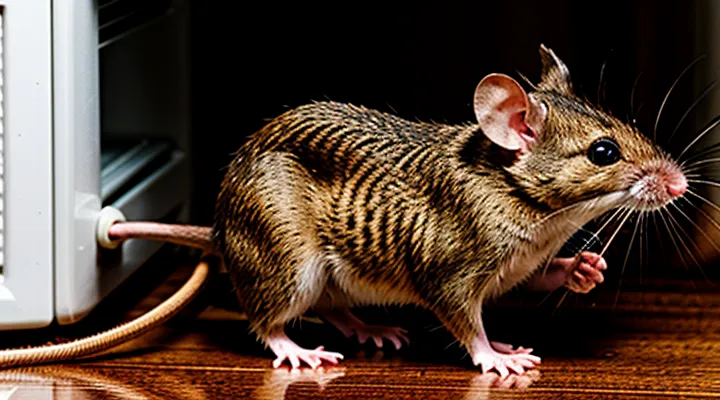
Understanding the Nature of Wild House Mice
Instincts and Survival
Fear and Stress Responses
Captured house mice react to confinement with rapid activation of the hypothalamic‑pituitary‑adrenal axis. Cortisol and catecholamine surges produce heightened vigilance, escape attempts, and reduced willingness to approach humans. These physiological changes generate a feedback loop: stress amplifies fear, and fear sustains stress, making behavioral modification difficult.
Key manifestations of fear and stress include:
- Freezing or immobility when a hand approaches.
- Aggressive biting or scratching during handling.
- Urination and defecation as displacement behaviors.
- Decreased grooming and altered feeding patterns.
To increase the likelihood that a trapped mouse will accept human contact, the following measures are effective:
- Provide a quiet, dimly lit enclosure to lower sensory overload.
- Offer familiar food items (e.g., grain or seed) to create positive associations.
- Introduce handling gradually: start with brief, gentle hand proximity, then progress to brief lifts.
- Maintain a consistent routine to reduce unpredictability, which mitigates cortisol spikes.
- Use scent cues from the mouse’s own bedding to reassure during initial interactions.
By systematically reducing stressors and reinforcing safe experiences, the animal’s fear response can be attenuated, allowing gradual habituation to human presence. This process does not guarantee full domestication, but it creates conditions under which a captured house mouse may become tolerant of handling.
Solitary vs. Social Behavior
House mice (Mus musculus) exhibit a flexible social structure that shifts between solitary and group living depending on environmental pressures. When resources are abundant and predation risk is low, individuals tend to form colonies with hierarchical organization, shared nesting sites, and frequent grooming interactions. In contrast, limited food or high threat levels trigger territorial aggression, reduced contact, and solitary foraging.
Key behavioral patterns influencing the prospect of taming a captured mouse include:
- Social tolerance: Colony members display reduced fear of conspecifics, facilitating habituation to human handling if exposure occurs early.
- Territorial aggression: Solitary mice defend limited space aggressively, increasing stress responses during confinement.
- Learning capacity: Grouped mice benefit from social learning, acquiring avoidance or approach behaviors by observing peers; solitary individuals rely on personal trial‑and‑error, which may slow adaptation to human presence.
- Stress reactivity: Isolation elevates cortisol levels, impairing willingness to engage with caretakers; social housing mitigates hormonal stress spikes.
Successful domestication efforts must therefore consider the mouse’s prior social context. Captive individuals sourced from dense colonies are more likely to accept handling, exhibit reduced bite risk, and develop consistent feeding routines. Conversely, mice captured in solitary settings require gradual desensitization, extended periods of low‑intensity interaction, and environmental enrichment that mimics communal cues, such as nesting material and scent marks from conspecifics.
Practical recommendations for taming a trapped house mouse:
- Provide a small, secure enclosure with bedding, a nest box, and a chewable object to encourage natural behaviors.
- Introduce a gentle scent stimulus (e.g., a piece of used bedding from a colony) to simulate social presence.
- Conduct brief, daily hand exposures, starting with the enclosure’s open side and progressing to direct contact once the mouse shows reduced flight response.
- Maintain consistent feeding times and a high‑protein diet to lower stress and promote trust.
By aligning handling strategies with the mouse’s innate solitary or social tendencies, caretakers can increase the probability of reliable taming outcomes.
The Challenges of Taming a Wild Mouse
Health and Safety Concerns
Zoonotic Diseases
A captured house mouse presents a potential health hazard because it can carry pathogens that move from rodents to humans. Understanding these zoonotic agents is essential before any attempt to domesticate the animal.
- Hantavirus – transmitted through inhalation of aerosolized urine, feces, or saliva; can cause severe respiratory illness.
- Lymphocytic choriomeningitis virus (LCMV) – spread by direct contact with bodily fluids; may lead to meningitis or encephalitis.
- Salmonella spp. – present in intestinal tracts; ingestion of contaminated food or water causes gastrointestinal disease.
- Leptospira interrogans – shed in urine; entry through skin abrasions or mucous membranes results in leptospirosis, a systemic infection.
- Streptobacillus moniliformis – agent of rat‑bite fever; infection follows bites or scratches.
Transmission occurs primarily through bites, scratches, contaminated hands, or inhalation of dried droppings. Even indirect contact with surfaces that have housed a mouse can introduce pathogens.
Effective risk reduction requires:
- Isolation of the mouse for a minimum of two weeks to observe for signs of illness.
- Use of disposable gloves and masks when handling the animal or cleaning its enclosure.
- Thorough disinfection of cages, bedding, and any tools with a bleach solution (1 % sodium hypochlorite).
- Immediate hand washing with soap and water after each interaction.
- Veterinary evaluation to identify overt infections and to obtain guidance on safe handling practices.
The presence of these diseases limits the practicality of taming a wild house mouse. Even with strict biosecurity, the likelihood of accidental exposure remains high, making domestication an inadvisable endeavor for most individuals.
Aggression and Biting
A captured house mouse often reacts with aggression because it perceives the handler as a threat. The primary defensive response is a rapid bite, which can occur within seconds of initial contact. Bite force is modest, but the sharp incisors can puncture skin and transmit pathogens.
Aggression originates from three factors:
- Stress from confinement – limited space triggers heightened alertness.
- Lack of familiarity – unfamiliar scents and sounds increase fear.
- Protective instinct – the mouse defends its nest site or food stores.
Mitigating these triggers improves the likelihood of taming the animal. Effective measures include:
- Gradual habituation – place the mouse in a secure enclosure for several days before handling; allow it to explore without restraint.
- Gentle restraint – use a soft cloth or a small, ventilated container to limit movement while minimizing pressure on the body.
- Consistent scent exposure – handle the mouse with the same gloved hands daily; the repeated scent reduces perceived danger.
- Environmental enrichment – provide nesting material, a running wheel, and hidden food caches to lower stress levels.
- Positive reinforcement – offer small food rewards (e.g., seed or millet) immediately after a calm interaction to associate human contact with safety.
Observation of body language helps predict bite attempts. Flattened ears, a raised tail, and rapid whisker movement signal imminent aggression. A relaxed posture, slow breathing, and grooming indicate reduced fear and increased tolerance.
When aggression subsides, the mouse may accept gentle handling, allowing limited taming. Complete domestication remains rare; the animal retains innate wariness, and occasional bites may reappear if stress resurfaces. Continuous application of the outlined strategies sustains reduced aggression and supports a manageable relationship with a captured house mouse.
Psychological Impact on the Mouse
Chronic Stress and Anxiety
A trapped house mouse experiences acute stress from capture, followed by chronic stress if confinement persists. Elevated cortisol levels suppress appetite, impair immune function, and increase irritability, making the animal less responsive to gentle handling. Persistent anxiety manifests as heightened vigilance, erratic movements, and avoidance of human contact, which directly reduces the likelihood of successful habituation.
Key physiological and behavioral effects of prolonged stress in a captive mouse include:
- Increased heart rate and respiration, indicating heightened arousal.
- Reduced exploratory behavior, limiting opportunities for interaction.
- Enhanced startle response, leading to defensive biting or fleeing.
- Disrupted sleep patterns, further destabilizing mood and cognition.
Effective taming strategies must first mitigate stressors. Provide a secure, spacious enclosure with nesting material, maintain consistent lighting cycles, and limit handling to short, predictable sessions. Gradual exposure to human scent and soft vocalizations can lower anxiety, allowing the mouse to form a conditioned association between human presence and safety. Only after stress markers decline does the mouse exhibit the calmness required for reliable taming.
Shortened Lifespan
A captured house mouse that is subjected to taming attempts typically experiences a reduction in life expectancy. Stress from confinement, frequent handling, and disruption of natural behaviors elevates cortisol levels, which suppress immune function and accelerate aging processes.
Key contributors to the shortened lifespan include:
- Environmental stressors: cramped cages, irregular light cycles, and temperature fluctuations.
- Nutritional deficits: reliance on limited commercial feed rather than diverse foraging options.
- Increased disease exposure: close contact with humans and other animals facilitates pathogen transmission.
These factors collectively diminish survival rates compared with wild conspecifics that retain autonomy over habitat selection, diet, and social interaction.
Practical Difficulties
Lack of Socialization
A mouse that has been captured from a household environment typically lacks exposure to human interaction. Without prior contact, the animal perceives people as potential predators, which triggers a strong flight response. This instinctive behavior overrides any inclination to accept handling or to form a bond.
The absence of socialization affects tameness in several ways:
- Reduced tolerance for touch; the mouse may bite or scramble when restrained.
- Heightened stress hormones; cortisol spikes impair learning and adaptation.
- Limited ability to recognize human cues; the animal does not associate gentle contact with safety.
Attempts to domesticate a recently caught mouse require a structured acclimation program. The program should introduce the animal to human presence gradually, beginning with low‑intensity exposure such as scent and visual contact, then progressing to brief, calm handling sessions. Consistency and patience are essential; repeated positive interactions can lower fear responses over weeks.
Even with systematic conditioning, the baseline lack of socialization sets a ceiling on the degree of tameness achievable. A mouse that has never experienced regular human contact may remain wary, limiting its suitability as a companion animal despite intensive training efforts.
Unpredictable Behavior
A captured house mouse often exhibits erratic responses that challenge attempts at domestication. Sudden bursts of speed, abrupt changes in direction, and unpredictable reactions to handling stem from instinctual escape mechanisms. These patterns arise because the animal perceives confinement as a threat, triggering heightened vigilance and stress‑induced motor activity.
Key manifestations of instability include:
- Rapid, unpredictable sprinting when a hand approaches
- Erratic freezing followed by sudden movement
- Variable tolerance to tactile stimulation, ranging from acceptance to aggressive biting within minutes
- Inconsistent vocalizations that may signal distress or defensive posture
Physiological stress markers, such as elevated cortisol, correlate with the observed behavioral volatility. Elevated stress reduces the likelihood of forming reliable human‑animal bonds, as the mouse prioritizes self‑preservation over social interaction.
Effective conditioning requires minimizing perceived danger. Strategies that have shown measurable results involve:
- Gradual exposure to human presence while maintaining a calm environment
- Consistent, low‑intensity tactile contact to desensitize the animal
- Provision of shelter and nesting material to lower anxiety levels
Even with systematic habituation, the inherent unpredictability of a wild‑caught mouse limits the probability of achieving stable, tame behavior. The animal’s natural survival instincts persist, resulting in occasional abrupt reactions that remain difficult to eliminate entirely.
Alternatives to Taming a Wild Mouse
Ethical Release Practices
Safe Release Locations
A house mouse that has been captured and gradually accustomed to human presence may eventually be released rather than kept as a pet. Choosing an appropriate release site minimizes the risk of the animal returning to the home, causing damage, or becoming a nuisance elsewhere.
Ideal release locations share several characteristics. They provide shelter, abundant food sources, and limited human activity, reducing the likelihood of the mouse re-entering domestic environments.
- Rural fields or meadow edges where grasses and weeds offer cover.
- Wooded areas with dense underbrush, fallen leaves, and natural burrows.
- Abandoned structures such as old barns or sheds that are not regularly accessed.
- Large, unmowed park sections away from playgrounds and residential pathways.
Each site should be at least several hundred meters from the original residence to discourage homing behavior. Before release, verify that local regulations permit the introduction of wild rodents and that predators are not excessively abundant, which could cause immediate mortality.
After release, observe from a distance for a brief period to confirm the mouse moves away from the drop point. If it remains nearby, consider relocating to a different suitable habitat. This approach respects both animal welfare and the homeowner’s need to prevent future infestations.
Considerations for Release Timing
When deciding the optimal moment to release a captured house mouse, several biological and environmental factors must be evaluated.
-
Acclimation period – Allow the animal at least 24–48 hours in a secure holding area. This interval reduces stress and gives the mouse time to adjust to human presence, which improves the chances of successful taming before release.
-
Seasonal temperature – Release during mild weather, ideally between 15 °C and 25 °C. Extreme heat or cold increases mortality and may trigger aggressive foraging behavior, undermining any conditioning achieved.
-
Food availability – Verify that natural food sources are abundant in the intended release zone. A well‑fed mouse is less likely to seek human shelters, preserving the progress made during captivity.
-
Predator density – Assess the presence of cats, birds of prey, or other predators. High predator activity warrants a delayed release or selection of a more protected microhabitat to enhance survival.
-
Time of day – Prefer dusk or early night for release. House mice are nocturnal; releasing at these times aligns with their peak activity, reducing exposure to diurnal predators and facilitating a smoother transition to wild habits.
-
Health assessment – Conduct a brief veterinary check to confirm the mouse is free of injuries or contagious diseases. Releasing an unhealthy individual can compromise both the animal’s welfare and the local ecosystem.
-
Habitat suitability – Choose a location with ample nesting material, shelter, and minimal human disturbance. A conducive environment supports the mouse’s natural behaviors and reinforces any tameness acquired.
By integrating these considerations, one can schedule a release that maximizes the mouse’s well‑being, preserves any domestication progress, and respects ecological balance.
Adopting a Domesticated Mouse
Benefits of Pet Mice
A wild house mouse that is gently socialized can develop the temperament of a domestic pet, offering several practical advantages.
- Low maintenance: Small size reduces food, space, and cleaning requirements compared to larger companion animals.
- Educational value: Observing mouse behavior provides insight into mammalian biology, social interaction, and learning processes.
- Therapeutic effect: Interaction with a calm mouse can lower stress levels and improve concentration, especially in constrained living environments.
- Breeding control: Pet mice are typically sourced from controlled colonies, minimizing disease transmission and genetic unpredictability found in feral populations.
- Cost efficiency: Feed, bedding, and veterinary expenses remain modest, making mice accessible to a wide range of households.
These factors demonstrate that, with appropriate handling, a captured house mouse can transition into a beneficial pet, delivering functional and emotional returns without the complexities associated with larger animals.
Breeds and Temperaments
The capacity for a captured house mouse to become tame depends largely on its genetic lineage. Distinct strains display predictable behavioral patterns that influence how readily they accept handling and human interaction.
- Fancy mouse (Pet varieties) – Developed for companionship; typically calm, curious, and tolerant of frequent handling.
- Albino mouse – Similar to fancy types but may exhibit heightened skittishness due to visual sensitivity; still manageable with gradual desensitization.
- Himalayan mouse – Combines the docility of fancy strains with a strong affinity for nesting; often cooperative when provided ample shelter.
- Agouti mouse – Retains more wild instincts; prone to rapid flight responses, requiring extended habituation periods.
- Satin mouse – Known for sleek coat and moderate sociability; generally accepts gentle contact after consistent exposure.
Laboratory strains also provide insight into temperament:
- C57BL/6 – Generally inquisitive, moderate stress tolerance; adapts to handling with routine exposure.
- BALB/c – Exhibits higher anxiety levels; may resist handling unless introduced slowly and paired with positive reinforcement.
- Swiss (outbred) – Displays variable responses; some individuals are highly tractable, others remain wary, reflecting genetic diversity.
Understanding these breed‑specific traits enables targeted conditioning strategies. Selecting a naturally docile strain reduces the effort required to achieve reliable tameness, while more reactive lines demand systematic, low‑stress habituation to achieve comparable results.
When a Wild Mouse is Found Indoors
Humane Capture and Relocation
Trapping Methods
Effective capture is the first prerequisite for any attempt to domesticate a house mouse. The method chosen determines the animal’s stress level, recovery time, and the likelihood of successful handling after release from the trap.
- Snap‑type traps equipped with cushioned jaws provide rapid immobilization while minimizing injury; they require careful placement near active runways and bait that matches the mouse’s diet.
- Live‑catch traps constructed of wire mesh or plastic chambers hold the mouse without lethal force; they must include ventilation, a secure latch, and a non‑slippery interior to prevent escape.
- Glue boards create immediate adhesion but often cause severe tissue damage; they are unsuitable for any taming program.
- Electronic traps deliver a quick, humane electric shock; they demand a power source and regular cleaning to avoid contamination.
After capture, immediate transfer to a small, quiet holding container with soft bedding, fresh water, and appropriate food reduces cortisol spikes. Regular, gentle handling sessions of five to ten minutes, spaced by at least an hour, encourage habituation. Consistency in timing, voice tone, and hand placement accelerates the mouse’s acceptance of human presence, laying the groundwork for potential domestication.
Release Protocols
When a domestic mouse has been captured and an attempt at habituation has failed, the animal must be returned to the wild in a manner that safeguards its health and minimizes ecological impact.
Key factors before release include the animal’s condition, the suitability of the release site, and the timing of the operation. A health check should confirm the mouse is free of injuries, parasites, or diseases that could affect native populations. The chosen location must provide shelter, food sources, and protection from predators; urban parks, vacant lots, or field margins with dense vegetation are appropriate. Release should occur during daylight hours and in mild weather to reduce stress and improve survival chances.
Release protocol
- Quarantine – Hold the mouse for 24–48 hours in a clean container; observe for signs of illness.
- Health assessment – Inspect for wounds, ectoparasites, and respiratory symptoms; treat if necessary.
- Site selection – Identify an area with abundant seed and insect availability, ground cover, and low predator density.
- Acclimation – Place the mouse in a temporary cage at the site for several hours to allow scent familiarization.
- Opening – Remove the cage door or lift the lid, allowing the mouse to exit voluntarily.
- Observation – Watch for immediate escape; if the mouse hesitates, gently guide it toward cover.
After release, record the date, time, and GPS coordinates of the site. If possible, conduct a brief follow‑up check within 24 hours to confirm the mouse has not returned to the capture area. Document any mortality or abnormal behavior for future reference. This systematic approach maximizes the likelihood of successful reintegration while protecting local ecosystems.
Preventing Future Infestations
Sealing Entry Points
Sealing gaps and openings eliminates the routes through which house mice re‑enter a dwelling, thereby increasing the likelihood that a captured individual can remain under controlled conditions for taming attempts. Without a secure environment, any habituated mouse will escape or encounter reinfestation, negating behavioral conditioning efforts.
Effective sealing involves the following actions:
- Inspect walls, floors, and ceilings for holes larger than ¼ inch; use a flashlight and mirror to locate concealed gaps.
- Apply steel wool or copper mesh to fill openings before applying sealant; rodents can gnaw through softer materials.
- Use a high‑quality silicone, acrylic latex, or expanding polyurethane caulk to create a permanent barrier over filled gaps.
- Secure gaps around utility penetrations (pipes, wires, vents) with metal flashing or purpose‑made sealants designed for rodent resistance.
- Install door sweeps and weatherstripping on exterior doors and windows to prevent entry under the threshold.
Regularly re‑examine sealed areas, especially after renovations or seasonal temperature changes, to ensure integrity. Maintaining a fully sealed environment reduces external stimuli, allowing the captured mouse to focus on conditioning protocols without the distraction of escape routes.
Food Storage and Sanitation
Proper food management is essential when attempting to condition a captured house mouse. The animal’s natural foraging behavior drives it to seek accessible nutrients; providing a predictable, safe food source encourages habituation to human presence. Use small, protein‑rich portions such as boiled egg or low‑fat cheese, offered in a shallow dish that can be removed quickly if the mouse shows aggression.
Sanitation directly influences the mouse’s willingness to interact. Maintain a clean environment by eliminating crumbs, spills, and exposed garbage. Regularly disinfect surfaces with a mild, non‑toxic solution to remove scent trails that could trigger stress responses. Keep the enclosure free of mold and dampness to prevent respiratory issues that would impede training efforts.
Practical guidelines for food storage and hygiene:
- Store all mouse feed in sealed, airtight containers; replace lids after each use.
- Position food dishes on a washable tray that can be removed for cleaning after each feeding.
- Dispose of uneaten food within five minutes to avoid contamination.
- Sweep the surrounding area daily, vacuuming to remove hidden particles.
- Wash hands with soap before handling the mouse or its enclosure to prevent cross‑contamination.
Adhering to these measures creates a controlled setting where the mouse associates human interaction with reliable nourishment, increasing the likelihood of successful taming.