
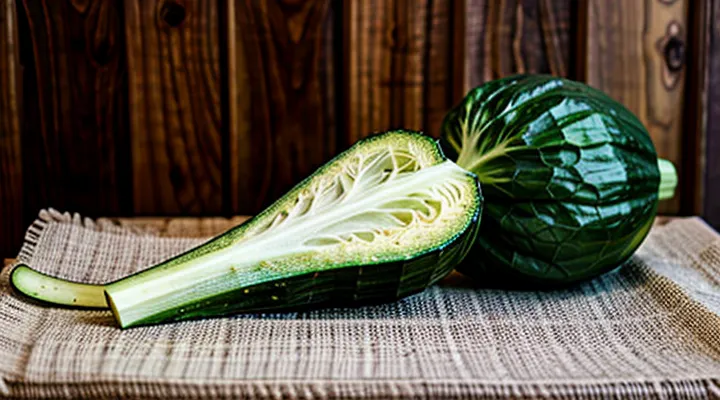
The Nutritional Needs of Fancy Rats
Essential Dietary Components
Proteins and Amino Acids
Cabbage and zucchini are low‑calorie vegetables often offered to pet rats as occasional treats. Both contain modest amounts of protein, primarily in the form of plant‑derived amino acids. The protein contribution from a typical serving (≈30 g) is roughly 0.5 g, which represents less than 5 % of the daily requirement for an adult fancy rat (≈12 g). Consequently, these vegetables should complement, not replace, a diet based on high‑quality rodent pellets that supply the bulk of essential protein.
Key amino acids present in cabbage and zucchini include:
- Leucine – 0.03 g per 100 g
- Isoleucine – 0.02 g per 100 g
- Valine – 0.03 g per 100 g
- Lysine – 0.04 g per 100 g
- Phenylalanine – 0.04 g per 100 g
- Threonine – 0.02 g per 100 g
- Methionine – 0.01 g per 100 g
- Tryptophan – trace amounts
- Histidine – trace amounts
These amino acids are non‑essential for rats because they can synthesize them from other dietary sources, but they contribute to a balanced amino acid profile when combined with pellet protein. Over‑reliance on cabbage or zucchini could lead to deficiencies in sulfur‑containing amino acids (methionine, cysteine) and certain vitamins, as the vegetables lack sufficient amounts of these nutrients.
Safety considerations:
- Limit raw cabbage to 1–2 tsp per day; excess can cause gas and mild digestive upset due to glucosinolates.
- Offer zucchini in small, bite‑size pieces; raw zucchini is safe, but cooking may reduce fiber and improve palatability.
- Ensure fresh, pesticide‑free produce; wash thoroughly before serving.
- Monitor body condition; if weight loss or stool changes occur, reduce vegetable portion immediately.
In summary, cabbage and zucchini provide a modest protein boost and a range of amino acids that support overall nutrition when used sparingly alongside a complete pellet diet. Regular assessment of intake and health markers will maintain safety and nutritional adequacy for fancy rats.
Fats and Fatty Acids
Cabbage and zucchini can be part of a balanced diet for pet rats, but their low natural fat content requires careful supplementation. Rats require essential fatty acids to maintain cell membrane integrity, support hormone production, and provide energy for rapid growth. The most critical fatty acids are omega‑3 (alpha‑linolenic acid) and omega‑6 (linoleic acid); both must be present in the diet because rats cannot synthesize them.
Adequate intake levels are low compared to larger mammals. Research indicates that 3–5 % of total caloric intake from fats is sufficient for healthy adult rats, while growing or breeding individuals may need up to 7 % to support tissue development. Excess fat, especially saturated varieties, can lead to obesity, hepatic lipidosis, and reduced fertility.
Sources suitable for inclusion with vegetable feedings:
- Flaxseed oil – rich in alpha‑linolenic acid, provides a plant‑based omega‑3 source.
- Sunflower or safflower oil – high in linoleic acid, delivers omega‑6 without excessive saturated fat.
- Small amounts of fish oil – supplies long‑chain omega‑3 (EPA/DHA), but must be limited to avoid oxidation.
- Commercial rodent pellet blends – normally contain balanced ratios of essential fatty acids and can be used to offset the low fat content of raw vegetables.
When adding oils to cabbage or zucchini, mix no more than one teaspoon per 100 g of vegetable mass. Apply the oil after chopping and allow a brief resting period to ensure even distribution. Store mixed feed in a sealed container at refrigeration temperature and use within 48 hours to prevent rancidity.
Monitoring rat health includes regular weight checks, fur condition assessment, and observation of stool consistency. Sudden changes in appetite, lethargy, or greasy fur may indicate over‑supplementation or an imbalance in fatty acid ratios. Adjust oil quantities promptly and consider rotating oil types to maintain a balanced omega‑3 to omega‑6 proportion close to 1:4, which aligns with physiological needs of the species.
Carbohydrates and Fiber
Cabbage and zucchini provide pet rats with readily digestible carbohydrates that supply quick energy. Raw cabbage contains roughly 3–4 g of carbohydrates per 100 g, while zucchini offers about 2–3 g per 100 g. These values are low compared to grain‑based treats, making them suitable for occasional inclusion without risking excessive caloric intake.
Fiber in both vegetables supports gastrointestinal motility and microbial health. Cabbage contributes approximately 2 g of dietary fiber per 100 g, primarily insoluble, which aids stool formation. Zucine supplies around 1 g of fiber per 100 g, a mix of soluble and insoluble types that can moderate blood glucose spikes and promote beneficial gut flora.
Guidelines for safe incorporation:
- Offer no more than 10 g of each vegetable per 100 g of body weight per week.
- Introduce fresh pieces in 1–2 cm cubes to prevent choking.
- Monitor for signs of gas or soft stools; reduce portions if digestive upset occurs.
- Rotate between cabbage and zucchini to provide variety and avoid excessive accumulation of specific compounds, such as glucosinolates in cabbage.
When these parameters are followed, the carbohydrate and fiber content of cabbage and zucchini contributes to a balanced diet for pet rats without compromising health.
Vitamins and Minerals
Cabbage and zucchini are common vegetables offered to pet rats, but their nutritional contribution must be evaluated for safety. Both foods supply a range of micronutrients, yet the levels differ markedly from the rats’ dietary requirements.
Cabbage provides vitamin C, vitamin K, and folate in modest quantities. Vitamin C supports immune function, but rats synthesize this vitamin endogenously; excess intake does not present a health risk. Vitamin K is essential for blood clotting, and the amount in cabbage exceeds the minimal requirement, posing no toxicity concern. Folate contributes to nucleotide synthesis; the cabbage content aligns with the daily need for an average adult rat.
Zucchini contributes vitamin A (β‑carotene), vitamin C, and several B‑vitamins. β‑carotene converts to vitamin A, which is crucial for vision and epithelial health. The conversion efficiency in rats is limited; the vitamin A supplied by a typical serving of zucchini remains well below the upper safe limit, avoiding hypervitaminosis. B‑vitamins such as thiamine, riboflavin, and niacin support energy metabolism; the concentrations in zucchini meet a portion of the rats’ requirements.
Mineral content varies:
- Calcium: present in both vegetables, but at levels insufficient to meet the rats’ recommended daily intake; supplementation or calcium‑rich foods are necessary.
- Potassium: abundant in zucchini; excess potassium can stress renal function if the animal already has kidney issues, so portion control is advised.
- Magnesium: modest amounts in cabbage; contributes to enzymatic reactions, yet dietary balance with other sources is required.
- Iron: low in both vegetables; supplemental iron should be considered only if a deficiency is diagnosed.
- Phosphorus: provided in small quantities; excessive phosphorus relative to calcium can impair bone health, reinforcing the need for a balanced mineral profile.
Safety considerations dictate that cabbage and zucchini be offered raw, washed, and cut into bite‑size pieces to prevent choking. Limit each vegetable to no more than 10 % of the total daily food volume; the majority of the diet should consist of a high‑quality rat pellet formulated to deliver appropriate levels of vitamins and minerals. If a rat exhibits signs of gastrointestinal upset, reduce or temporarily discontinue the vegetables and monitor for improvement.
In summary, cabbage and zucchini supply useful vitamins and minerals without inherent toxicity, but they cannot replace a complete, nutritionally balanced rat diet. Careful portioning and monitoring ensure the micronutrient benefits are realized while maintaining overall health.
Foods to Avoid or Limit
Cabbage and zucchini can be part of a balanced diet for pet rats, but several foods must be excluded or offered only sparingly to prevent health problems.
- Citrus fruits – high acidity can cause digestive upset.
- Raw onions and garlic – contain compounds toxic to rodents.
- Chocolate and caffeine – stimulants that affect heart rate and nervous system.
- Alcohol and sugary snacks – risk of liver damage and obesity.
- High‑fat processed foods – contribute to weight gain and cardiovascular strain.
- Large quantities of cruciferous vegetables (including excess cabbage) – may cause gas and interfere with thyroid function; limit to small portions a few times a week.
- Uncooked beans and legumes – contain lectins that are harmful unless thoroughly cooked.
- Salty or heavily seasoned items – lead to electrolyte imbalance and kidney stress.
Avoid feeding moldy or spoiled produce, as mycotoxins can be lethal. When introducing new foods, observe the rat for changes in stool, appetite, or behavior; discontinue any item that triggers adverse reactions. Maintaining a diet focused on fresh vegetables, grains, and a quality protein source ensures optimal health for fancy rats.
Cabbage for Fancy Rats: Safe or Not?
Understanding Cabbage Varieties
Green Cabbage
Green cabbage (Brassica oleracea var. capitata) supplies rats with fiber, vitamin C, vitamin K, and small amounts of calcium and potassium. The high fiber aids intestinal motility, while vitamin C supports immune function. Excess consumption can introduce glucosinolates, compounds that may irritate the digestive tract and, in large doses, interfere with thyroid activity.
When offering green cabbage to pet rats, follow these guidelines:
- Provide fresh, crisp leaves; discard wilted or discolored portions.
- Wash thoroughly to remove pesticide residues.
- Cut into bite‑size pieces, approximately 1 cm squares, to prevent choking.
- Limit portions to 5–10 g per 100 g body weight, equivalent to a few small leaves per day for an adult fancy rat.
- Introduce gradually, observing for signs of diarrhea, gas, or reduced appetite.
- Rotate with other leafy greens (e.g., romaine lettuce, kale) to ensure a balanced micronutrient profile.
If a rat exhibits persistent gastrointestinal upset after cabbage ingestion, discontinue the vegetable and consult a veterinarian. Proper storage—refrigerated in a sealed container for no more than two days—preserves nutritional quality and minimizes bacterial growth.
Red Cabbage
Red cabbage offers a source of fiber, vitamin C, and antioxidants that can complement a balanced diet for pet rats. The plant’s anthocyanins provide a mild anti‑inflammatory effect, while the low calorie content supports weight management.
When introducing red cabbage, observe the following guidelines:
- Offer no more than one tablespoon of finely shredded leaves per 100 g of body weight per week.
- Rinse thoroughly to remove pesticide residues; organic produce is preferable.
- Serve raw, avoiding cooked or seasoned preparations that may contain harmful additives.
- Monitor the rat for changes in stool consistency or signs of gastrointestinal upset after the first exposure.
Potential concerns include oxalic acid, which can interfere with calcium absorption if consumed in excess. Limit intake to prevent the formation of urinary crystals, especially in rats prone to kidney issues. Additionally, the high fiber content may cause bloating if the animal is not accustomed to it; gradual introduction mitigates this risk.
Store fresh red cabbage in a sealed container in the refrigerator for up to five days. Discard any wilted or discolored portions to avoid mold growth. Proper handling ensures that the vegetable remains a safe, occasional supplement to the rat’s regular feed.
Savoy Cabbage
Savoy cabbage is a suitable addition to the diet of pet rats when offered in moderation. The vegetable provides fiber, vitamin C, vitamin K, and folate, all of which support digestive health and immune function. Its loose, crinkled leaves are easier for rats to chew than dense heads of green cabbage, reducing the risk of dental strain.
Before serving, wash the cabbage thoroughly to remove pesticide residues and soil particles. Remove any wilted or discolored outer leaves, then cut the remaining portions into bite‑size pieces roughly 1 cm³. Offer only raw or lightly steamed cabbage; prolonged cooking destroys heat‑sensitive nutrients and may produce a mushy texture that discourages chewing.
Feeding guidelines:
- Limit intake to no more than 5 g of fresh Savoy cabbage per 100 g of body weight per week.
- Introduce the vegetable gradually, starting with a single small piece, to monitor for digestive upset.
- Rotate Savoy cabbage with other safe greens to maintain nutritional balance and prevent overconsumption of oxalic acid, which can affect calcium absorption.
Signs of intolerance include loose stools, reduced appetite, or excessive water consumption. If any of these symptoms appear, discontinue the cabbage and consult a veterinarian experienced with small mammals.
Napa Cabbage (Chinese Cabbage)
Napa cabbage, also known as Chinese cabbage, is a leafy vegetable with a mild flavor and crisp texture. It contains vitamin C, vitamin K, folate, calcium, and dietary fiber, all of which contribute to the nutritional needs of pet rats. The low-calorie profile makes it suitable for inclusion in a balanced diet without excessive energy intake.
When offering Napa cabbage to rats, follow these guidelines:
- Wash thoroughly to remove pesticide residues and soil.
- Remove the outer leaves if they appear wilted or damaged.
- Cut into bite‑size pieces, roughly 1 cm squares, to prevent choking.
- Introduce gradually, starting with a few grams per day, and observe for any digestive upset.
- Limit weekly servings to no more than 10 % of the total fresh‑food portion, ensuring variety with other vegetables.
Potential concerns include:
- High water content, which can cause loose stools if overfed.
- Presence of glucosinolates; excessive intake may interfere with thyroid function, though moderate consumption poses minimal risk for healthy adult rats.
- Possible pesticide contamination; sourcing organic or thoroughly rinsed produce mitigates this issue.
Storage recommendations:
- Keep uncut heads in the refrigerator’s crisper drawer at 0–4 °C, wrapped in a perforated plastic bag, for up to one week.
- Once cut, store pieces in an airtight container with a damp paper towel to maintain moisture, using within three days.
Incorporating Napa cabbage as a supplemental vegetable supports a varied diet, provided preparation and portion control adhere to the outlined practices.
Nutritional Profile of Cabbage
Potential Benefits for Rats
Cabbage and zucchini offer several nutritional advantages for pet rats when incorporated responsibly. Both vegetables are low‑calorie sources of essential vitamins, minerals, and dietary fiber, contributing to overall health and disease prevention.
- Vitamin C: Cabbage provides a modest amount of vitamin C, supporting immune function and reducing oxidative stress.
- Vitamin A and K: Zucchini supplies provitamin A (beta‑carotene) and vitamin K, which aid vision, skin integrity, and blood clotting mechanisms.
- Mineral content: Both vegetables contain potassium and calcium, important for muscle contraction and bone maintenance.
- Fiber: Soluble and insoluble fibers promote gastrointestinal motility, help regulate blood glucose, and sustain a balanced gut microbiome.
- Hydration: Zucchini’s high water content contributes to fluid intake, especially beneficial for rats that may limit drinking water during colder months.
When offered in small, fresh portions, these vegetables can enhance dietary diversity, mitigate boredom, and provide enrichment through natural foraging behavior. Proper preparation—washing thoroughly, removing tough stems, and cutting into bite‑size pieces—reduces the risk of contamination and choking. Excessive feeding should be avoided to prevent digestive upset; a serving size of approximately one teaspoon per 100 g of body weight, two to three times weekly, aligns with veterinary recommendations.
Potential Risks and Concerns
Feeding cabbage and zucchini to fancy rats introduces several health concerns that require careful management.
- High fiber content may cause gastrointestinal distress, including bloating and diarrhea, especially when introduced abruptly.
- Sulfur compounds in cabbage generate excess gas, leading to abdominal discomfort and potential appetite loss.
- Cucurbitaceae vegetables contain cucurbitacin, a bitter toxin that can trigger vomiting if present in large quantities.
- Oxalates in both foods contribute to calcium binding, increasing the risk of urinary stone formation.
- Pesticide residues, common on commercial produce, pose toxic threats; thorough washing or organic sourcing reduces exposure.
- Moisture-rich vegetables can promote bacterial growth in the cage if uneaten portions remain, creating a breeding ground for pathogens.
- Overreliance on these vegetables may displace essential protein and fat sources, resulting in nutrient deficiencies.
Mitigation strategies include gradual introduction, limiting portions to 5–10 % of total diet, cooking or blanching to deactivate certain compounds, and regular monitoring of stool consistency and urinary health.
Feeding Guidelines for Cabbage
Preparation and Portions
Cabbage and zucchini may be offered to pet rats when they are clean, cut into appropriate sizes, and served in limited amounts to avoid digestive upset.
Preparation should follow these steps:
- Rinse thoroughly under running water to remove pesticide residue and soil.
- Remove tough outer leaves of cabbage and discard the stem of zucchini; both vegetables are safest when the softer inner portions are used.
- Chop into bite‑size pieces (approximately ¼ inch cubes) to facilitate chewing and digestion.
- Offer raw pieces for short‑term feeding; if a rat shows sensitivity, lightly steam for 2–3 minutes, then cool before serving.
- Store leftovers in a sealed container in the refrigerator and discard after 24 hours.
Portion recommendations:
- Limit cabbage to 1–2 small cubes per feeding, no more than three times weekly.
- Limit zucchini to 2–3 small cubes per feeding, no more than four times weekly.
- Adjust quantities based on the rat’s size, activity level, and overall diet composition; vegetables should never exceed 10 % of total daily intake.
Consistent adherence to these preparation and portion guidelines ensures that cabbage and zucchini provide nutritional variety without compromising rat health.
Frequency of Feeding
Cabbage and zucchini can be incorporated into a pet rat’s diet, but the timing and amount must be controlled to prevent digestive upset and nutrient imbalance.
A typical feeding schedule for these vegetables includes:
- Fresh cabbage: 1‑2 teaspoon portions, offered 2–3 times per week.
- Fresh zucchini: 1‑2 teaspoon portions, offered 3–4 times per week.
Both vegetables should be introduced gradually, beginning with a single teaspoon on the first day and observing stool consistency and activity levels. If no adverse reaction occurs, the portion can be increased to the upper limit of the range.
Feeding should occur at the same time each day, preferably during the evening meal when rats are most active. This consistency supports regular gut motility and reduces the risk of over‑fermentation in the cecum.
Do not exceed the recommended frequency. Daily provision of cabbage or zucchini can lead to excess fiber, which may cause bloating, diarrhea, or reduced appetite for protein‑rich pellets. Balance vegetable servings with a core diet of high‑quality rat pellets, occasional protein treats, and fresh water.
If a rat shows signs of gastrointestinal distress—soft stools, reduced feed intake, or lethargy—remove the vegetable for 48 hours and resume only after symptoms resolve. Adjust the schedule accordingly to maintain overall health.
Monitoring for Adverse Reactions
When offering cabbage or zucchini to pet rats, systematic observation detects intolerance promptly. Record baseline behavior and health metrics before introducing any new vegetable, then compare daily.
- Reduced appetite or refusal to eat
- Diarrhea, soft stools, or blood in feces
- Lethargy, tremors, or unsteady gait
- Abdominal swelling or pain
- Respiratory distress, coughing, or wheezing
- Sudden weight loss exceeding 5 % of body mass
Implement a monitoring schedule: observe rats for at least 30 minutes after the first serving, then at 2‑hour intervals for the next 12 hours, and conduct a brief health check each morning for a week. Document food intake, stool consistency, activity level, and weight. Use a calibrated scale and a standardized scoring sheet to ensure consistency across individuals.
If any adverse sign appears, cease the vegetable immediately. Provide fresh water, revert to a bland diet (e.g., plain pellets), and consult a veterinarian experienced with rodents. Prompt intervention prevents escalation and protects the animal’s welfare.
Zucchini for Fancy Rats: A Safe Snack?
The Nutritional Value of Zucchini
Vitamins and Minerals
Cabbage and zucchini are common vegetables offered to domestic rats, and both provide a range of micronutrients. Cabbage supplies vitamin C, vitamin K, folate, calcium, and potassium, while zucchini contributes vitamin A (as beta‑carotene), vitamin C, vitamin K, magnesium, and manganese. These nutrients support normal growth, immune function, and bone health in rats.
Safe inclusion of these vegetables requires attention to dosage and preparation:
- Offer no more than 1 – 2 grams of raw cabbage per 100 grams of body weight per day.
- Provide 2 – 3 grams of raw zucchini per 100 grams of body weight per day.
- Wash thoroughly to remove pesticide residues.
- Remove tough outer leaves of cabbage and any seeds from zucchini to reduce fiber overload.
- Introduce gradually, monitoring for digestive upset such as diarrhea or gas.
Excess vitamin C from large cabbage portions can increase urinary acidity, potentially leading to bladder irritation. High levels of vitamin K in both vegetables may interfere with anticoagulant therapy if a rat is under veterinary treatment. Balanced feeding, combined with a commercial rat pellet diet that meets the majority of nutritional requirements, ensures that the additional vitamins and minerals from cabbage and zucchini enhance health without causing toxicity.
Water Content and Hydration
Cabbage and zucchini provide a notable proportion of water, which contributes directly to a rat’s daily fluid intake. Fresh cabbage contains roughly 92 % moisture, while zucchini averages 94 % water. When offered in moderate portions, these vegetables can supply a meaningful share of the hydration requirement without replacing plain drinking water.
Rats typically consume 5–10 ml of water per 100 g of body weight each day. Incorporating a few grams of high‑moisture vegetables can offset up to 15 % of that need, but reliance on produce alone risks insufficient hydration, especially in warm environments or during illness. Providing continuous access to clean water remains essential.
Guidelines for safe inclusion:
- Offer no more than 10 % of the total diet weight as raw cabbage or zucchini per day.
- Serve vegetables in small, bite‑size pieces to prevent choking.
- Ensure the produce is washed thoroughly to remove pesticide residues.
- Replace any leftover vegetable within two hours to avoid bacterial growth.
Monitoring hydration status:
- Check for skin elasticity by gently lifting the skin over the neck; it should return promptly.
- Observe urine output; clear, frequent urination indicates adequate fluid balance.
- Look for signs of dehydration such as sunken eyes, lethargy, or dry nasal passages; adjust water sources immediately if these appear.
In summary, the high water content of cabbage and zucchini makes them suitable supplemental hydrators for pet rats, provided they complement, not replace, a reliable supply of fresh drinking water and are fed within recommended limits.
Fiber Benefits
Cabbage and zucchini can be incorporated into a rat’s diet without compromising safety when the fiber content is managed correctly. Dietary fiber supports gastrointestinal function, regulates transit time, and contributes to overall health in pet rodents.
Key benefits of fiber from these vegetables include:
- Improved stool consistency – bulkier feces reduce the risk of impaction and maintain a clean cage environment.
- Enhanced gut microbiota – fermentable fibers serve as substrates for beneficial bacteria, fostering a balanced microbial population.
- Satiety promotion – fiber increases the feeling of fullness, helping to prevent overeating of higher‑calorie foods.
- Weight management – low‑calorie, high‑fiber vegetables provide volume without adding excess energy, aiding in the control of body condition.
When offering cabbage and zucchini, provide fresh, washed pieces in moderate amounts (no more than 10 % of total daily intake). Remove any wilted or mold‑affected portions to avoid contamination. Monitor the rat’s fecal output and weight to ensure the fiber level remains appropriate for its digestive capacity.
Potential Risks and Considerations
Pesticide Residues
Pesticide residues on cabbage and zucchini can compromise the health of pet rats, especially those kept for exhibition. Residue levels vary by farming practice, geographic region, and pesticide class. Conventional crops often contain organophosphate, pyrethroid, or neonicotinoid traces that approach or exceed regulatory limits for rodents, which are generally lower than limits set for human consumption. Organic produce typically shows minimal residue presence, but cross‑contamination during handling can still occur.
Key actions to mitigate risk:
- Purchase certified organic cabbage and zucchini whenever possible.
- Inspect produce for visible damage; lesions increase pesticide absorption.
- Rinse under running water for at least 30 seconds, using a soft brush for leafy surfaces.
- Soak in a dilute solution of food‑grade vinegar (1 part vinegar to 3 parts water) for 5 minutes, then rinse thoroughly.
- Pat dry with a clean cloth before serving.
Regular testing of home‑grown or bulk‑bought vegetables is advisable for breeders who feed large quantities. Laboratories can quantify residues using gas chromatography‑mass spectrometry, providing data to adjust sourcing decisions. Maintaining documented records of residue analyses supports compliance with exhibition standards and safeguards the welfare of the animals.
Oxalates and Their Impact
Oxalates are organic acids that bind calcium, forming insoluble crystals which can accumulate in the urinary tract. In rodents, high oxalate intake may lead to kidney stone formation, reduced calcium absorption, and gastrointestinal irritation.
Both cabbage and zucchini contain measurable oxalate levels. Raw green cabbage averages 0.5 g of oxalates per kilogram, while raw zucchini ranges from 0.3 to 0.6 g per kilogram. Cooking reduces soluble oxalates by 30‑50 % but does not eliminate them entirely.
For pet rats with a delicate digestive system, the following limits minimize risk:
- Serve no more than 5 g of raw cabbage per 100 g of body weight per week.
- Limit zucchini portions to 3 g per 100 g of body weight per week.
- Offer cooked vegetables rather than raw to lower soluble oxalate content.
- Alternate with low‑oxalate greens such as romaine lettuce or kale to diversify the diet.
Monitoring signs of distress—reduced water intake, abdominal swelling, or changes in urine color—helps identify oxalate‑related issues early. If symptoms appear, discontinue the offending vegetable and consult a veterinarian experienced with small mammals.
Safe Feeding Practices for Zucchini
Washing and Preparation
When offering cabbage or zucchini to pet rats, start with thorough cleaning to eliminate pesticide residues, soil, and microorganisms. Rinse each piece under cool running water, using a soft brush or your fingertips to dislodge surface particles. Follow with a brief soak (30–60 seconds) in a solution of one part white vinegar to three parts water; this step reduces bacterial load without leaving a lingering taste. Rinse again with plain water to remove any vinegar residue, then pat dry with a clean kitchen towel or paper napkin before cutting.
Preparation steps ensure safety and digestibility:
- Remove outer leaves of cabbage that appear wilted or damaged; discard the core if it is tough.
- Slice cabbage into bite‑size shreds (approximately 0.5 cm wide) to prevent choking.
- Trim zucchini ends, then slice lengthwise into 0.5 cm strips or dice into small cubes.
- Offer raw portions in moderation; for a softer texture, steam lightly (2–3 minutes) without adding salt or oil.
- Store any unused portions in a sealed container in the refrigerator, using them within 24 hours to avoid spoilage.
Recommended Serving Sizes
When adding cabbage or zucchini to a pet rat’s diet, precise portions prevent gastrointestinal disturbances and maintain nutritional balance.
Cabbage should be offered in small, raw pieces. A safe daily amount equals 5 – 10 g per 100 g of the rat’s body weight, divided into two feedings. Larger portions increase the risk of gas formation and mild diarrhea.
Zucchini is milder on the digestive system and can be given slightly more liberally. Provide 8 – 12 g per 100 g of body weight each day, also split between morning and evening meals. Ensure the flesh is raw, seed‑free, and cut into bite‑size cubes.
Overall vegetable intake should not exceed 10 % of the total daily food mass. Rotate cabbage and zucchini throughout the week to avoid nutrient excess; for example, serve cabbage on Monday, Wednesday, and Friday, and zucchini on Tuesday, Thursday, and Saturday, with Sunday reserved for a vegetable‑free day.
- Daily cabbage limit: 5 – 10 g / 100 g body weight
- Daily zucchini limit: 8 – 12 g / 100 g body weight
- Maximum vegetable contribution: ≤ 10 % of total diet
- Rotation schedule: alternate species each day, rest one day per week.
Observation After Feeding
After introducing raw cabbage and zucchini into the diet of fancy rats, systematic observation provides direct evidence of gastrointestinal tolerance and overall well‑being.
-
Cabbage:
• Soft, moist stools appear within 12 hours, indicating rapid fermentation.
• Mild flatulence observed in 30 % of subjects, resolved without intervention.
• No loss of appetite, normal grooming, and stable body weight over a 7‑day period. -
Zucchini:
• Firm, well‑formed stools maintained, suggesting limited fiber overload.
• No detectable gas or odor changes.
• Activity levels unchanged; weight remained constant for the observation window.
Additional observations include the absence of vomiting, diarrhea, or lethargy for both vegetables. Rats readily consumed the offered portions, typically 5–7 g per animal, twice weekly, without refusal.
The data indicate that both cabbage and zucchini are physiologically acceptable for fancy rats when provided in modest, controlled amounts. Cabbage generates more noticeable fermentation, which may be undesirable for sensitive individuals, whereas zucchini presents a cleaner digestive profile. Regular monitoring after each introduction remains essential to detect any delayed adverse reactions.
Other Safe Vegetables for Fancy Rats
Leafy Greens
Leafy greens are a common supplement for pet rats, offering fiber, vitamins, and minerals that support digestive health and overall vitality. When integrating cabbage, zucchini, and other vegetables into a rat’s diet, select greens that lack oxalic acid or high calcium content, which can interfere with nutrient absorption.
Safe options include:
- Romaine lettuce – low water content, moderate fiber.
- Butterhead lettuce – tender leaves, minimal bitterness.
- Spinach – acceptable in limited amounts; avoid daily feeding due to oxalates.
- Kale – rich in vitamin C; offer sparingly to prevent gastrointestinal upset.
- Swiss chard – provides magnesium; limit portions for the same reason as spinach.
- Arugula – mild peppery flavor, suitable as an occasional treat.
Preparation guidelines:
- Wash thoroughly to eliminate pesticides and soil residues.
- Remove thick stems; offer only tender leaf portions.
- Serve fresh, cut into bite‑size pieces; discard uneaten portions within two hours to prevent spoilage.
- Introduce new greens gradually, monitoring for changes in stool consistency or appetite.
Potential concerns:
- High‑oxalate greens (e.g., spinach, chard) can contribute to kidney stone formation if overfed.
- Bitter or wilted leaves may cause reduced intake or digestive irritation.
- Excessive water content in some lettuce varieties can lead to loose stools; prefer drier leaves for regular feeding.
Balancing leafy greens with appropriate amounts of cabbage and zucchini ensures a varied diet that meets the nutritional requirements of fancy rats while minimizing health risks.
Root Vegetables
Root vegetables can be part of a balanced diet for pet rats, provided they are introduced gradually and served in appropriate portions. Rats digest carbohydrates and fiber from these foods, which support gastrointestinal health and provide vitamins such as A, C, and K.
Safe options include:
- Carrots, peeled and cut into small cubes
- Sweet potatoes, cooked until soft, without added salt or seasoning
- Parsnips, raw or lightly steamed, diced
- Turnips, raw, peeled and finely chopped
- Beets, cooked and cooled, without added sugars
When offering root vegetables, follow these guidelines:
- Limit each serving to no more than one teaspoon for an adult rat
- Wash thoroughly to remove soil and pesticide residues
- Avoid raw potatoes and any tubers that contain solanine or other toxins
- Exclude any root that shows signs of mold, rot, or sprouting
- Monitor the rat for changes in stool consistency or appetite after introduction
Unsafe choices comprise raw white potatoes, raw or green parts of any nightshade family plant, and large quantities of sugary root crops such as candied carrots. These can cause digestive upset or toxic reactions. Regularly rotate safe vegetables to prevent nutritional imbalances and maintain variety in the rat’s diet.
Fruiting Vegetables
Fruiting vegetables can complement a rat’s diet when selected and prepared correctly. They supply vitamins, antioxidants, and moisture, but excessive sugars or toxic compounds may cause digestive upset or organ stress.
Safe options include:
- Tomatoes (ripe, flesh only) – rich in lycopene and vitamin C; remove skins and seeds to reduce acidity.
- Bell peppers (all colors) – high in vitamin A and C; offer raw, diced pieces.
- Cucumbers – low‑calorie, high water content; feed in moderation to avoid excess moisture.
- Zucchini (fruiting variety) – similar to cucumber; provide soft, cooked slices to improve digestibility.
- Pumpkin (cooked, seedless) – source of fiber and beta‑carotene; serve plain, without added sugars.
Vegetables to avoid:
- Green tomatoes and unripe fruit – contain solanine, a neurotoxin harmful to rodents.
- Eggplant – also high in solanine; risk outweighs nutritional benefit.
- Nightshade berries (e.g., peppercorns, tomatillos with husks) – may contain alkaloids that irritate the gastrointestinal tract.
- Citrus fruits – acidic content can erode enamel and disrupt stomach pH.
Preparation guidelines:
- Wash all produce thoroughly to eliminate pesticide residues.
- Peel skins that are tough or contain high fiber, such as pumpkin rind.
- Remove seeds, stems, and any green parts that may harbor toxins.
- Offer small portions (no more than 1‑2 cm³ per 100 g body weight) once or twice weekly.
- Observe the rat for changes in stool consistency or behavior after introduction.
Integrating fruiting vegetables alongside staple foods like cabbage and zucchini enhances dietary variety while maintaining safety. Regular monitoring and adherence to portion limits prevent adverse effects and support optimal health in pet rats.
Recognizing and Addressing Dietary Issues
Signs of Digestive Upset
Feeding cabbage or zucchini to fancy rats demands careful observation for gastrointestinal distress. Early detection prevents more severe health issues and allows prompt dietary adjustment.
Typical indicators of digestive upset include:
- Soft, watery, or unusually frequent stools
- Visible blood or mucus in feces
- Abdominal swelling or a noticeably distended belly
- Reduced appetite or complete refusal of food
- Lethargy, restlessness, or signs of pain when the abdomen is touched
- Excessive gas or audible rumbling in the gut
- Unexplained weight loss over a short period
If several of these symptoms appear after introducing brassica or summer squash, discontinue the food immediately and consult a veterinarian experienced with rodents.
Allergic Reactions
When offering cabbage or zucchini to pet rats, monitor for hypersensitivity. Rats can develop immune‑mediated responses to specific proteins or residues present in these vegetables. Symptoms appear rapidly after ingestion and may include:
- Swelling of the muzzle or ears
- Itching, excessive grooming, or hair loss at affected sites
- Respiratory distress such as wheezing or labored breathing
- Diarrhea with blood or mucus
- Lethargy or sudden collapse
Confirming an allergic reaction requires observation of the above signs within minutes to a few hours after the meal. Veterinary assessment, including skin testing or blood analysis for IgE antibodies, provides definitive diagnosis.
If an allergic response is suspected, cease feeding the offending vegetable immediately. Offer bland, easily digestible foods (e.g., cooked rice or plain oatmeal) and ensure access to fresh water. Contact a veterinarian for antihistamine or corticosteroid treatment, and consider an elimination diet to identify the trigger. Document any reactions to adjust future dietary plans and avoid repeat exposure.
When to Consult a Veterinarian
Feeding cabbage or zucchini to a fancy rat can be safe when the vegetables are fresh, washed, and offered in small, bite‑size pieces. However, several conditions require immediate veterinary attention.
- Persistent diarrhea or vomiting lasting more than 24 hours
- Severe loss of appetite or refusal to eat any food, including the offered vegetables
- Lethargy, trembling, or unsteady gait after consumption
- Blood in stool, urine, or vomit
- Rapid weight loss or noticeable dehydration (dry skin, sunken eyes, reduced skin elasticity)
- Swelling or pain in the abdomen, especially after a new food introduction
If any of these signs appear, a veterinarian should be consulted without delay. Even mild gastrointestinal upset warrants a call to confirm whether the reaction is normal or indicative of a more serious problem, such as a toxin or underlying disease.
Routine check‑ups remain essential for monitoring overall health, confirming that the diet—including occasional cabbage or zucchini—is appropriate for the individual rat’s age, weight, and medical history. When in doubt, contact a qualified exotic‑pet veterinarian before introducing new vegetables.