
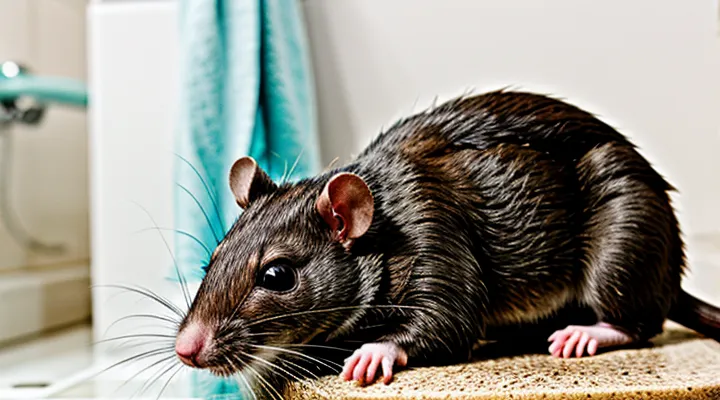
The Importance of Rat Grooming
Why Grooming Matters for Pet Rats
Preventing Health Issues
Proper grooming reduces the likelihood of respiratory, skin, and dental problems in pet rats. Clean fur and nails prevent bacterial buildup, while regular inspection catches early signs of illness.
- Trim nails weekly with a small animal nail clipper; overgrown claws can cause foot injuries and infection.
- Bathe only when necessary, using a damp cloth to remove debris; excessive washing removes protective oils and predisposes to dermatitis.
- Check ears for wax and debris each grooming session; excess buildup can lead to ear mites or infection.
- Brush the coat gently to eliminate loose hair and prevent matting, which can trap moisture and foster fungal growth.
- Examine the teeth for uneven wear; abnormal length may indicate malocclusion, requiring veterinary correction.
- Maintain a clean enclosure, changing bedding regularly and sanitizing food dishes; a sanitary environment limits exposure to pathogens.
Monitoring weight, appetite, and activity levels alongside grooming routines provides early detection of health concerns. Prompt veterinary consultation at the first sign of abnormal behavior or physical changes minimizes the risk of severe conditions.
Strengthening Your Bond with Your Rat
Regular handling builds trust. Offer your rat gentle, consistent contact each day; start with short sessions and extend duration as the animal relaxes. Use a calm voice and slow movements to reduce stress.
Provide enrichment that encourages interaction. Introduce toys, tunnels, and foraging puzzles that require the rat to seek your assistance or share space. Rotate items weekly to maintain interest and reinforce positive association with your presence.
Incorporate grooming into bonding time. Brush the coat with a soft pet brush while speaking softly, then reward the rat with a small treat. This routine links care with pleasure, making the rat more receptive to handling.
Maintain a predictable routine. Feed, clean, and play at the same times each day. Consistency signals safety, allowing the rat to anticipate positive experiences with you.
Key practices:
- Hand‑feed nutritious bites directly from your fingers.
- Practice gentle restraint, supporting the body without squeezing.
- Offer scented objects (e.g., a dab of safe, mild essential oil) to create a familiar olfactory cue.
- Observe body language; pause interaction if the rat shows signs of tension such as flattened ears or rapid breathing.
By integrating these steps into daily care, the relationship deepens, resulting in a calmer, more cooperative pet that enjoys grooming sessions and overall companionship.
Essential Grooming Practices
Brushing Your Rat’s Coat
Choosing the Right Brush
Selecting an appropriate brush is a fundamental step in maintaining a healthy coat for a pet rat. The animal’s fur is delicate; a brush that is too harsh can cause skin irritation, while an inadequate tool fails to remove loose hair and debris.
Key considerations when choosing a brush:
- Bristle material – Soft, natural fibers such as sable or fine synthetic bristles glide over the fur without pulling. Metal or stiff plastic bristles are unsuitable.
- Bristle length – Short, densely packed bristles reach the base of each hair, promoting even distribution of natural oils. Longer bristles work only on thick coats and can miss fine under‑fur.
- Handle design – A slender, ergonomic handle provides control, allowing gentle strokes that follow the rat’s body contours.
- Size – A brush no larger than the rat’s head ensures precise grooming of the face, ears, and tail.
The grooming process benefits from a two‑stage approach. First, a soft comb or finger brush removes surface dust and untangles minor knots. Second, a fine‑toothed brush smooths the coat and stimulates circulation. Perform each stroke in the direction of hair growth, covering the back, sides, and hindquarters before moving to the tail and facial area.
Regular brush maintenance extends its effectiveness. Clean the bristles after each session with warm, mild soap, rinse thoroughly, and allow to air‑dry. Replace the brush when bristles become frayed or lose flexibility, as diminished performance can lead to uneven grooming and potential skin damage.
Gentle Brushing Techniques
Gentle brushing keeps a rat’s coat free of tangles, removes loose fur, and stimulates circulation. Use a soft, rounded brush designed for small mammals; a squirrel‑brush or a miniature pin brush works well. Hold the rat securely but without restraint, supporting the body with one hand while the other guides the brush.
- Begin at the neck, moving toward the tail in short, overlapping strokes.
- Apply only light pressure; the brush should glide without pulling hair.
- Pay special attention to areas prone to matting, such as the hindquarters and under the chin.
- If a knot forms, pause and use a fingertip or a fine‑toothed comb to loosen it before brushing further.
- Limit each session to five minutes to prevent stress; monitor the rat’s behavior for signs of discomfort.
After brushing, inspect the coat for parasites or skin irritation. A brief wipe with a damp, lint‑free cloth can remove residual debris. Regular, gentle brushing—ideally two to three times per week—maintains coat health and contributes to the overall well‑being of pet rats.
Nail Trimming for Rats
Safe Nail Clippers
Proper nail maintenance prevents injury, infection, and discomfort in pet rats. Choosing a clipper designed for small rodents ensures precision and reduces stress during the procedure.
Key attributes of safe nail clippers include:
- Rounded or blunt tip to avoid puncturing the quick
- Small cutting blade calibrated for 1‑2 mm nail length
- Non‑slipping handles for controlled pressure
- Stainless‑steel construction for durability and easy sterilization
When selecting a pair, verify that the blade opening matches the typical rat nail size, and confirm that the tool is marketed for rodents or similarly sized animals. Avoid generic cat or dog clippers, which often have excessive blade length and aggressive curvature.
Before trimming, restrain the rat gently but securely, preferably using a soft towel. Examine each nail under a light source; the pink quick becomes visible when the nail is translucent. Position the clipper perpendicular to the nail, apply a quick, decisive cut just before the quick, and release any pressure immediately. After each cut, inspect for bleeding; if it occurs, apply a small amount of styptic powder or cornstarch.
Regular trimming every two to three weeks maintains appropriate nail length. Consistent practice with a reliable clipper reduces handling time and promotes a calm response from the animal.
Step-by-Step Trimming Guide
Trimming a rat’s nails and whiskers is a routine part of responsible pet care. Follow these precise actions to minimize stress and maintain health.
- Prepare a quiet area, a soft towel, and a pair of rat‑size nail clippers or a small human manicure clipper.
- Hold the rat gently but securely; wrap the animal in the towel, leaving one front paw exposed.
- Examine each nail under a bright light. Identify the translucent portion (the quick) to avoid cutting it.
- Clip only the tip of the nail, staying clear of the pinkish quick. If the nail is dark, trim a small amount and check for bleeding; stop before reaching the quick.
- Release the paw, reward the rat with a treat, and repeat on the remaining three paws, alternating sides to keep the animal calm.
- Inspect whiskers only if they become tangled or excessively long. Use blunt, rounded scissors to trim the very tip, preserving the sensory function.
- After all trimming, observe the rat for signs of discomfort. Apply a styptic powder to any minor bleed and monitor for swelling.
Consistent weekly checks prevent overgrowth, reduce the risk of injury, and support overall well‑being.
Dealing with Squirmy Rats
Rats that squirm excessively during grooming present a specific handling challenge. Secure the animal with a gentle, firm grip: place one hand over the back, thumb and forefinger forming a shallow cup, while the opposite hand supports the hindquarters. This position limits sudden movement without causing distress.
When trimming nails, apply a quick, precise cut. Use a small animal nail clipper, positioning the blade just beyond the transparent nail tip to avoid the blood vessel. If the rat resists, pause, offer a brief treat, then resume. Consistent short sessions train the animal to tolerate handling.
Bathing squirmy rats requires a shallow container of lukewarm water. Fill the tub to a depth that covers only the torso, allowing the rat to keep its head above water. Gently pour water over the body, avoiding the ears and eyes. Use a pet-safe shampoo applied with a soft cloth; rinse thoroughly with a separate cup of clean water.
To reduce squirming over time, incorporate regular, brief handling sessions into the daily routine. Start with a few seconds, gradually extending the duration as the rat becomes accustomed to human contact. Pair each session with a small food reward to reinforce calm behavior.
Key practices for managing restless grooming subjects:
- Stabilize the rat with a two‑hand hold before any grooming action.
- Perform nail trimming in a single, controlled motion.
- Limit water exposure to the torso during baths.
- Conduct daily short handling periods, increasing length incrementally.
- Reward calm responses immediately after each grooming step.
Dental Care for Rats
Recognizing Dental Problems
Dental health is a fundamental aspect of rat grooming and overall welfare. Malocclusion, overgrown incisors, and periodontal disease can impair eating, cause weight loss, and lead to secondary infections if left unchecked.
- Uneven or sharp incisor edges
- Excessive growth that prevents the teeth from meeting properly
- Drooling or foamy saliva
- Reluctance to chew or gnaw on objects
- Visible blood or swelling around the mouth
- Noticeable changes in food consumption or body condition
Routine inspection involves gently opening the rat’s mouth using a soft cloth or a small, clean finger to observe the incisor alignment. The teeth should meet evenly at the tips without gaps. Check for discoloration, cracks, or signs of inflammation in the gums. Light pressure on the teeth can reveal excessive length; the incisors should retract slightly when the mouth is closed.
Preventive care includes providing ample chewable items such as wooden blocks, mineral chews, and safe branches to promote natural tooth wear. A balanced diet rich in fiber supports oral health. Schedule veterinary examinations every six months, or sooner if any of the listed symptoms appear, to allow professional trimming or treatment before complications develop.
Providing Chew Toys
Providing appropriate chew toys is essential for the dental health and behavioral wellbeing of pet rats. Their incisors grow continuously; without regular gnawing, teeth can become overgrown, leading to pain, difficulty eating, and potential infection.
Select chew items that are:
- Made from untreated, natural wood such as birch, apple, or willow.
- Free of paint, varnish, glue, or synthetic fibers.
- Sized to fit comfortably in the rat’s mouth, typically 1–2 cm in width.
- Non‑toxic; avoid cedar, pine, and any treated lumber.
Rotate toys every few days to sustain interest and prevent wear. Inspect each piece daily for splinters, cracks, or signs of mold; discard damaged items immediately. Clean reusable toys with hot water and a mild, fragrance‑free detergent, then rinse thoroughly before returning them to the cage.
Incorporate a variety of textures—hard sticks for heavy gnawing, softer twigs for gentle chewing, and rope or sisal bundles for tactile stimulation. Providing a balanced assortment supports natural foraging behavior, reduces stress, and promotes overall health.
Veterinary Dental Check-ups
Dental health directly influences a rat’s overall condition and grooming quality. Malocclusion or overgrown incisors can cause difficulty chewing, weight loss, and poor coat appearance, making regular veterinary dental examinations a critical component of responsible rat ownership.
Typical indicators of dental trouble include:
- Reduced food intake or preference for soft foods
- Excessive drooling or wetness around the mouth
- Visible uneven or elongated incisors
- Pawing at the face or frequent grooming of the mouth area
- Noticeable weight loss or lethargy
A veterinary dental check‑up should be scheduled at least once a year for a healthy adult rat, with semi‑annual visits for older animals or those with a history of dental issues. Prompt examination is advisable whenever any of the signs above appear.
During the appointment, the veterinarian:
- Inspects the oral cavity with a speculum and illumination
- Measures tooth length and alignment
- Checks for signs of infection, lesions, or abnormal growths
- Performs a gentle cleaning if plaque accumulation is present
- Provides guidance on diet and environmental enrichment to promote natural tooth wear
Preventive care at home supports professional treatment. Provide a constant supply of safe chewing materials such as untreated wood blocks, mineral chews, or cardboard tubes. Offer a diet rich in fiber and low in soft, processed foods to encourage natural abrasion of the incisors. Monitor the rat’s teeth weekly for any changes in length or shape, and adjust enrichment items promptly if uneven wear is observed.
Consistent veterinary dental assessments combined with appropriate chewing opportunities and diet maintain healthy teeth, enable effective grooming, and contribute to the rat’s longevity and wellbeing.
Ear Cleaning for Rats
When and How to Clean
Cleaning your pet rat’s environment is essential for health and comfort. Perform a thorough cage clean once a week; spot‑clean daily to remove wet food, urine, and droppings. Use a schedule that aligns with the animal’s activity pattern, cleaning during the morning when rats are most active and can be safely transferred to a temporary holding container.
When cleaning, follow these steps:
- Transfer rats to a secure, ventilated carrier with a few familiar items to reduce stress.
- Empty all bedding, replace with a fresh, absorbent layer of paper or aspen shavings; avoid pine or cedar because their oils can irritate the respiratory system.
- Wash the cage, water bottle, and accessories with warm water and a mild, unscented detergent; rinse thoroughly to eliminate residue.
- Disinfect using a 1‑part diluted bleach solution (1 % sodium hypochlorite) or a veterinary‑approved disinfectant; allow a 10‑minute contact time, then rinse repeatedly with clean water.
- Dry all components completely before adding fresh bedding and returning the rats.
Daily spot‑cleaning includes:
- Removing soiled bedding clumps and wet food.
- Wiping the water bottle and food dish with a damp cloth.
- Checking for signs of mold, droppings, or unusual odors.
Adhering to this routine prevents bacterial buildup, minimizes odor, and supports the rats’ immune system. Adjust frequency if the cage is heavily soiled or if multiple rats share the space; additional cleaning may be necessary in those cases.
Products to Avoid
Choosing appropriate grooming tools is essential for the health and comfort of pet rats. Certain products can cause skin irritation, respiratory issues, or injury and should be excluded from any grooming routine.
- Human hairbrushes or combs – Bristles are often too stiff, can snag delicate fur, and may damage the skin.
- Nail clippers designed for large animals – Cutting surfaces are oversized, increasing the risk of crushing the tiny nails.
- Aerosol sprays, deodorants, or perfumes – Chemical fragrances can irritate the respiratory tract and alter the animal’s scent communication.
- Shampoos containing sulfates, parabens, or strong fragrances – Harsh detergents strip natural oils, leading to dry skin and coat problems.
- Cotton swabs with plastic shafts – Rigid stems may puncture delicate ear canals or cause trauma if inserted too deeply.
- Electrical grooming devices (e.g., electric clippers) without rat‑specific blades – Excess heat and speed can burn or cut the animal’s fur.
- Rough abrasive pads or sandpaper – Intended for cleaning surfaces, these materials can abrade the skin and cause bleeding.
Avoiding these items helps maintain a safe grooming environment and supports the overall well‑being of the rat. Use products specifically marketed for small rodents, such as soft‑bristle brushes, tiny nail trimmers, and fragrance‑free, mild shampoos formulated for rodents.
Bathing Your Rat
When Bathing is Necessary
Bathing pet rats is rarely required because they groom themselves efficiently; however, specific circumstances demand a controlled wash to maintain health and hygiene.
- Presence of heavy soiling that cannot be removed by spot cleaning or brushing.
- Exposure to toxic substances, such as chemicals, oil, or contaminated bedding, that pose a risk if left on the fur.
- Dermatological conditions diagnosed by a veterinarian, including fungal infections or severe dermatitis, where a medicated soak is part of treatment.
- Persistent odor after illness or injury, indicating that normal grooming is insufficient.
When a bath is necessary, use a shallow container with warm (not hot) water, add a few drops of a rat‑safe, unscented soap, and limit immersion to 2–3 minutes. Hold the rat gently but securely, supporting its body to prevent stress. Rinse thoroughly with clean water to eliminate any soap residue, then dry the animal promptly with a soft towel and a low‑heat hair dryer set on the lowest setting. Monitor the rat for signs of hypothermia or distress, and return it to a warm, quiet environment immediately after drying.
Gentle Bathing Methods
Gentle bathing is a rare necessity for rats, but when required, it must be performed with minimal stress and maximum safety. Use a shallow basin filled with lukewarm water (approximately 30 °C) no deeper than 1 inch; this prevents the animal from becoming submerged. Prior to immersion, place a towel on the surface to give the rat a stable footing. Keep the session under two minutes, monitoring the animal for signs of discomfort. After removal, gently pat the fur dry with a soft, absorbent cloth and keep the rat in a warm, draft‑free area until completely dry.
Key steps for a safe, low‑stress bath:
- Prepare a dedicated, clean container; avoid reuse of dishes that held food or chemicals.
- Add a few drops of a rat‑safe, unscented veterinary shampoo, diluting it to a concentration of 0.5 % or less.
- Wet the fur with a cup or spray bottle, avoiding the eyes and ears.
- Apply the shampoo sparingly, massaging only the coat; do not scrub the skin.
- Rinse thoroughly with lukewarm water, ensuring no residue remains.
- Immediately wrap the rat in a towel, pressing gently to remove excess moisture.
Implementing these procedures maintains coat cleanliness while preserving the animal’s well‑being.
Drying Your Rat Safely
Drying a rat promptly and gently prevents hypothermia and skin irritation. After a bath, remove excess water with a soft, absorbent towel, patting rather than rubbing to avoid damaging the fur. Place the rat in a warm, draft‑free area where the ambient temperature remains between 24 °C and 26 °C (75 °F–79 °F). A low‑heat hair dryer on the coolest setting can be used for a few seconds, keeping the nozzle at least 15 cm from the animal and moving constantly to prevent hot spots.
Key steps for safe drying:
- Towel blotting: Use a clean, lint‑free towel; press lightly on the back, sides, and limbs.
- Warm environment: Provide a heated enclosure or a blanket‑covered box; monitor temperature with a thermometer.
- Low‑heat airflow: If a dryer is employed, set to “cool” or “warm low,” maintain a safe distance, and limit exposure to under 30 seconds per area.
- Observation: Watch for shivering, excessive panting, or lethargy; intervene immediately by increasing ambient warmth or consulting a veterinarian.
- Post‑drying care: Once the coat is dry, check ears and paws for moisture buildup; gently dry any remaining droplets with a cotton swab.
Avoid direct sunlight or high‑heat sources such as radiators, as they can cause burns. Ensure the rat remains calm; handling should be brief and supported to reduce stress. Regular grooming sessions reduce the need for full baths, making the drying process less frequent and safer overall.
Addressing Specific Grooming Challenges
Managing Matted Fur
Untangling Mats Carefully
Rats with dense or long fur can develop tangled mats that restrict movement, cause skin irritation, and lead to infection. Prompt, careful removal preserves coat health and prevents discomfort.
Prepare a calm environment, a non‑slip surface, and a set of specialized tools: a stainless‑steel comb with fine teeth, a wide‑tooth grooming brush, a pair of blunt‑ended scissors, and a small container of warm water with a mild, rodent‑safe conditioner. Secure the animal gently but firmly, supporting the body with one hand while the other hand works on the fur.
- Inspect the affected area, identify the most compact knot, and separate surrounding hair with the wide‑tooth brush.
- Apply a few drops of conditioner to the mat, allowing it to soften for 10–15 seconds.
- Using the fine‑tooth comb, work from the outer edges of the knot toward the center, moving in short, controlled strokes.
- If the mat remains dense, introduce the blunt‑ended scissors at a shallow angle, cutting only the loosened fibers while keeping the blade away from the skin.
- After each cut, re‑comb the area to ensure no residual tangles remain.
- Rinse the treated region with warm water, pat dry with a soft towel, and brush the coat to restore its natural alignment.
Conclude the session by observing the rat for signs of stress or skin damage. Repeat the process weekly for long‑haired individuals, and increase frequency during shedding periods. Maintaining a regular untangling routine reduces the likelihood of severe mat formation and supports overall wellbeing.
When to Seek Professional Help
Recognizing health problems early prevents prolonged suffering and costly treatment. When grooming reveals abnormalities, immediate veterinary consultation is essential.
Signs that warrant professional intervention include:
- Persistent odor despite regular cleaning
- Excessive shedding, bald patches, or crusty skin
- Redness, swelling, or discharge around the eyes, ears, or nose
- Persistent scratching, biting, or self‑injury
- Lethargy, loss of appetite, or weight loss observed during handling
- Bleeding or open wounds that do not stop bleeding within a few minutes
- Unusual behavior such as aggression or extreme fear during grooming
If any of these indicators appear, follow these steps:
- Contact a veterinarian experienced with small rodents promptly.
- Arrange a quiet, temperature‑controlled transport container for the rat.
- Provide the vet with a brief history of grooming routine, diet, and recent changes in the environment.
- Follow the veterinarian’s treatment plan precisely, including prescribed medications, wound care, or specialized grooming techniques.
Professional assessment ensures accurate diagnosis, prevents complications, and supports the long‑term well‑being of pet rats.
Dealing with Parasites
Recognizing Fleas and Mites
Recognizing external parasites is a fundamental component of effective grooming for pet rats. Early detection prevents discomfort, skin damage, and secondary infections.
Fleas appear as small, dark, jumping insects. Visible signs include:
- Tiny, moving specks on the fur, especially near the tail base and hindquarters.
- Small black dots that may fall off when the rat is brushed.
- Sudden itching or frantic scratching.
- Blood spots on bedding or the rat’s skin.
Mites, often microscopic, cause different symptoms. Common indicators are:
- Fine, powdery debris resembling sand, usually found in the nest or on the ventral surface.
- Redness, scabbing, or hair loss around the ears, face, and paws.
- Continuous grooming or agitation, suggesting irritation.
- Thin, silvery threads on the fur, especially around the neck and tail.
A systematic inspection reduces the chance of overlooking an infestation. Hold the rat gently, part the fur with a fine-toothed comb, and examine the skin under a bright light. Use a magnifying glass for mites; a flea comb can capture jumping insects. Check the bedding and cage corners for flea dirt or mite debris.
If parasites are confirmed, isolate the affected rat, clean the enclosure with a diluted disinfectant, and treat with a veterinarian‑approved topical or oral medication. Repeat the inspection weekly for at least one month to ensure complete eradication.
Safe Treatment Options
Safe treatment options are essential for maintaining the health and appearance of pet rats during grooming. Use lukewarm water for brief baths; avoid hot or cold temperatures that can cause stress. Apply only rodent‑specific, fragrance‑free shampoos; human or cat products may irritate delicate skin.
- Choose grooming wipes formulated for small mammals; they clean without rinsing and contain no alcohol or harsh chemicals.
- Trim nails with small animal nail clippers; press the quick to prevent bleeding.
- Inspect ears for wax buildup; clear excess with a cotton swab dampened in sterile saline, never insert objects deep into the canal.
- Apply a light coat conditioner designed for rodents to prevent matting; avoid petroleum‑based products.
For parasite control, employ vet‑approved topical treatments that target mites and lice without systemic toxicity. Oral dewormers should be prescribed by a veterinarian, using the correct dosage based on weight. When using any medicated product, observe the rat for signs of redness, swelling, or behavioral changes; discontinue use immediately if adverse reactions appear and consult a professional.
Regular veterinary check‑ups reinforce safe grooming practices. A veterinarian can recommend specific products, demonstrate proper techniques, and identify underlying health issues that may affect grooming tolerance.
Skin Irritations and Allergies
Identifying Symptoms
Rats show clear physical cues when grooming reveals underlying health issues. Recognizing these signs allows prompt intervention and prevents deterioration.
Common symptoms include:
- Dull, patchy, or missing fur, especially around the head, back, or tail.
- Excessive scratching, licking, or biting of the skin, leading to raw or inflamed patches.
- Red or swollen paws, ears, or tail tips, indicating irritation or infection.
- Unusual odor from the coat, often a sour or foul smell, suggesting skin infection or poor hygiene.
- Persistent matting that does not loosen with gentle combing, pointing to underlying skin conditions.
- Visible parasites such as fleas, mites, or lice embedded in the fur.
- Discoloration or scabbing around the eyes, nose, or mouth, which may signal dermatitis or ulceration.
- Sudden weight loss evident by a thin, bony appearance despite normal food intake.
Additional observations:
- Lethargy during grooming sessions, where the rat appears reluctant to move or groom itself.
- Changes in grooming frequency, either excessive or markedly reduced, can reflect discomfort or systemic illness.
- Bleeding or oozing from any part of the coat, indicating wounds or ulcerative lesions.
When any of these indicators appear, isolate the affected rat, evaluate the severity, and consult a veterinarian experienced with small mammals. Early detection and treatment preserve the animal’s wellbeing and maintain a clean, healthy environment for all pet rats.
Consulting a Veterinarian
Regular veterinary consultation is essential for maintaining a rat’s coat, skin, and overall health. A qualified veterinarian can identify issues that may not be apparent during routine grooming, such as infections, parasites, or dental problems that affect fur quality.
Key reasons to schedule a veterinary appointment include:
- Skin abnormalities – redness, sores, or hair loss that persist after cleaning.
- Excessive shedding or matting – may indicate hormonal imbalance or nutritional deficiency.
- Odor or discharge – suggests infection or glandular issues.
- Dental overgrowth – can cause pain, reduced grooming ability, and coat deterioration.
- Parasite infestation – fleas, mites, or lice require prescription treatment.
- Vaccination and preventive care – updates protect against diseases that can compromise skin integrity.
During the visit, provide the veterinarian with details of your grooming routine, diet, and any recent changes in behavior or appearance. Request a thorough physical examination, skin scraping if needed, and a dental check. Follow prescribed treatments promptly and adjust grooming practices according to the professional’s recommendations to ensure the rat remains clean, healthy, and comfortable.
Advanced Grooming Considerations
Diet and Its Impact on Coat Health
Nutritional Requirements
Rats need a balanced diet that supports healthy fur, skin, and overall vitality. Commercial rat blocks formulated for laboratory or pet use provide essential proteins, fats, vitamins, and minerals in appropriate ratios. Supplement the staple with fresh vegetables, fruits, and occasional protein sources such as boiled eggs or lean meat.
- Protein: 14‑20 % of calories; sources include soy, whey, and animal-based proteins.
- Fat: 5‑10 % of calories; include omega‑3 and omega‑6 fatty acids from flaxseed oil or fish oil.
- Fiber: 5‑7 % of diet; supplied by leafy greens, carrots, and whole‑grain cereals.
- Calcium‑phosphorus ratio: maintain around 1.5:1; calcium from fortified blocks, bone meal, or small cheese pieces.
- Vitamin C: rats synthesize it, but supplemental sources help during stress; offer small amounts of citrus or fortified feed.
- Water: provide constant access to clean, fresh water; replace daily and monitor for contamination.
Feeding schedule should consist of a fixed amount of high‑quality pellets each day, supplemented with measured portions of fresh produce. Remove uneaten fresh foods within two hours to prevent spoilage. Treats must not exceed 10 % of total caloric intake; choose low‑sugar options such as plain popcorn or small pieces of apple.
Monitoring body condition, coat quality, and fecal consistency informs adjustments to nutrient ratios. Deficiencies often appear as dull fur, skin lesions, or abnormal droppings, prompting immediate dietary review. Consistent, nutritionally complete feeding underpins successful grooming and long‑term health for pet rats.
Supplements for a Healthy Coat
Supplements that promote a glossy, resilient coat are a cornerstone of effective rat grooming. Adequate intake of essential fatty acids, vitamins, and minerals directly influences fur quality, skin health, and shedding patterns.
- Omega‑3 fatty acids – fish oil or algae‑derived oil provides EPA and DHA, reducing inflammation and enhancing shine. Typical rat dosage ranges from 5 µL to 10 µL of liquid oil per 100 g body weight, administered once daily with food.
- Vitamin E – antioxidant that protects skin cells from oxidative damage. A balanced commercial rat supplement usually contains 10–15 IU per gram of feed; additional supplementation should not exceed 30 IU per day to avoid toxicity.
- Biotin (Vitamin H) – supports keratin formation, essential for strong hair shafts. Recommended dosage is 0.1 mg per kilogram of body weight, mixed into a small portion of soft food.
- Zinc – contributes to wound healing and fur pigmentation. Zinc gluconate at 0.5 mg per kilogram of body weight, provided in powdered form, integrates well with standard diets.
- Selenium – trace element that modulates skin immunity. Daily intake should stay below 0.02 mg per kilogram; excess leads to toxicity, so precise measurement is critical.
When introducing any supplement, observe the rat for changes in appetite, stool consistency, and coat condition over a 7‑ to 10‑day period. Adjust dosages gradually; abrupt increases can cause gastrointestinal upset. Combine supplements with a high‑quality, protein‑rich base diet to ensure complete nutrient coverage.
Commercially formulated rat‑specific multivitamin blends often contain balanced proportions of the nutrients listed above, simplifying dosage calculations. For owners preferring natural sources, small quantities of cooked salmon, flaxseed oil, or boiled egg yolk can fulfill fatty‑acid and vitamin requirements, provided the total caloric contribution remains within the rat’s daily energy budget.
Regular monitoring, accurate measurement, and adherence to recommended limits guarantee that supplementation enhances coat health without compromising overall wellbeing.
Environmental Factors Affecting Grooming
Cage Cleanliness
Maintaining a clean cage directly influences a rat’s health, coat condition, and behavior. Accumulated waste and urine generate ammonia, which irritates respiratory passages and can cause skin irritation, leading to a dull, unkempt appearance.
- Spot‑clean daily: remove uneaten food, soiled bedding, and droppings; replace with fresh material.
- Full clean weekly: empty the cage, wash all surfaces with hot water and a mild, unscented detergent, rinse thoroughly, and disinfect with a diluted white‑vinegar solution (1 part vinegar to 4 parts water) or a veterinarian‑approved sanitizer.
- Replace bedding every two weeks or sooner if it becomes damp or heavily soiled; use paper‑based or aspen bedding to minimize dust and odor.
After cleaning, verify that the cage is completely dry before adding fresh bedding. Arrange enrichment items—tunnels, chew toys, climbing structures—so they are easy to remove for future cleaning and do not trap debris. Regular inspection of cage corners, wire mesh, and water bottle connections prevents hidden buildup that could compromise coat quality.
Implementing this routine eliminates harmful pathogens, reduces odor, and provides a stable environment for regular grooming, ensuring pet rats remain healthy and visually appealing.
Humidity Levels
Maintaining appropriate humidity is essential for healthy rat grooming. Rats thrive when ambient moisture stays within a narrow range; excessive dryness causes dry skin and brittle whiskers, while high humidity encourages fungal growth and matted fur.
- Ideal relative humidity: 40 %–60 % (measured with a reliable hygrometer).
- Below 30 %: increased shedding, flaky skin, heightened risk of respiratory irritation.
- Above 70 %: accelerated bacterial or yeast proliferation, odor buildup, and difficulty keeping fur clean.
Control methods include:
- Using a dehumidifier in humid climates or a humidifier in arid environments to keep levels steady.
- Placing the cage away from direct drafts, radiators, or vents that cause rapid moisture fluctuations.
- Monitoring humidity daily; adjust equipment promptly when readings deviate from the target range.
- Ensuring bedding material is breathable yet absorbent, preventing moisture pockets that could raise local humidity.
Signs that humidity is off‑balance appear quickly. Dry, flaky patches or excessive grooming indicate low moisture, whereas sticky fur, a sour smell, or visible mold on cage surfaces signal excess moisture. Prompt correction prevents skin disorders and supports the rat’s natural grooming behavior.