
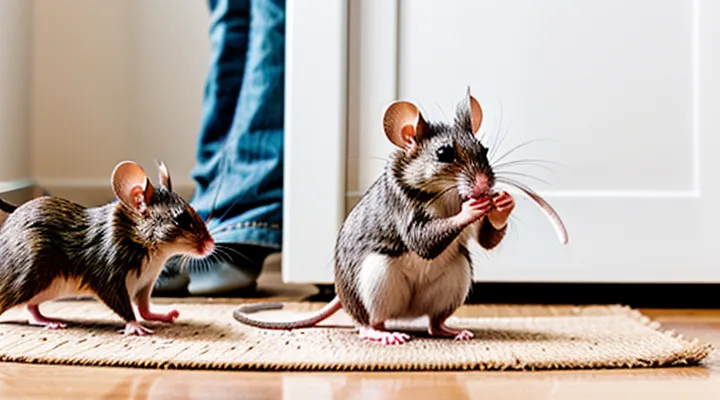
Understanding the Mouse Problem
Signs of a Mouse Infestation
Droppings and Urine Trails
Droppings and urine trails provide the most reliable evidence of mouse activity. Fresh fecal pellets are dark, approximately 3‑5 mm long, and have a tapered shape. Wet urine stains appear as shiny, dark lines on surfaces and emit a strong, musky odor. Both indicators pinpoint travel routes, nesting sites, and food sources, allowing precise placement of control measures.
Accurate identification enables targeted sanitation and effective control:
- Remove all droppings with disposable gloves; place them in sealed bags before disposal.
- Clean urine‑stained areas with enzymatic cleaners that break down proteins, preventing odor recurrence.
- Seal entry points along identified routes to block further ingress.
- Position snap traps, electronic traps, or bait stations directly on the trails where mice travel.
- Monitor traps daily; replace bait or relocate devices if no activity is observed.
Consistent removal of droppings and thorough decontamination of urine trails eliminate attractants, reduce disease risk, and enhance the success of any mouse‑control program.
Gnaw Marks and Damage
Rodent incisors leave shallow, parallel grooves on wood, plastic, and insulation, usually 2‑3 mm wide and extending 5‑15 mm from the entry point. Marks appear on baseboards, cabinet corners, and behind appliances, where mice can reach without obstruction.
These bites compromise structural integrity, expose wiring, and breach food containers. Chewed electrical cords create short‑circuit hazards, while damaged insulation reduces thermal efficiency and invites secondary infestations. Soft materials such as foam, fabric, and paper are quickly reduced to ragged edges, allowing mice to enlarge hideouts and travel routes.
Identifying gnaw evidence directs remediation efforts toward the most vulnerable areas. Effective actions include:
- Sealing entry holes with steel wool and caulk to prevent further access.
- Replacing or reinforcing chewed wiring with conduit or metal sleeves.
- Installing snap or electronic traps along observed pathways.
- Applying rodent‑grade repellents to surfaces bearing fresh marks.
- Removing contaminated food and storing remaining supplies in airtight containers.
Prompt attention to gnaw marks limits property damage and supports long‑term mouse control.
Strange Noises
Strange noises in walls, ceilings, or cabinets frequently signal the presence of mice. The sounds arise from gnawing, scratching, and rapid movement, and they appear most often during nighttime when rodents are active.
Typical noises include:
- High‑pitched squeaks when mice bite through insulation or wiring.
- Soft rustling as they drag nesting material.
- Repetitive thumping from rapid footfalls on hollow surfaces.
Detecting these sounds allows immediate intervention, preventing damage to structures and electrical systems. Effective actions comprise:
- Seal all entry points larger than ¼ inch with steel wool, caulk, or metal mesh.
- Deploy snap traps or electronic traps along walls and near identified noise sources.
- Apply rodent‑resistant bait stations in concealed areas, following label instructions.
- Install ultrasonic emitters calibrated to frequencies that disrupt mouse communication, positioning them where noises are strongest.
- Conduct regular inspections of insulation, piping, and wiring to locate and remove any evidence of activity.
Prompt response to abnormal sounds reduces infestation levels and limits costly repairs, forming a core component of comprehensive rodent control strategies.
Why Mice are a Nuisance
Health Risks to Humans
Effective mouse control measures can create health hazards for occupants. Anticoagulant rodenticides, commonly used for rapid eradication, may cause bleeding disorders if ingested accidentally or absorbed through skin. Residual poison on surfaces can contaminate food, leading to chronic low‑dose exposure.
Snap traps present a mechanical risk. Improper placement can result in puncture wounds or lacerations to humans, especially children and pets. Glue boards adhere to skin, causing painful removal and potential allergic reactions.
Rodent carcasses left unattended become sources of bacterial and viral pathogens. Contact with decomposing tissue can transmit leptospirosis, hantavirus, or salmonellosis. Dust from dead mice may contain endotoxins that irritate the respiratory tract.
Chemical deterrents, such as peppermint oil or ammonia, release volatile compounds that irritate eyes, mucous membranes, and lungs. Prolonged inhalation may exacerbate asthma or trigger headaches.
Secondary poisoning occurs when predators or scavengers consume poisoned mice, and the toxin reappears in the household environment through pet feces or hair, posing an indirect risk to humans.
Mitigation steps:
- Store rodenticides in locked containers, away from food preparation areas.
- Use tamper‑resistant bait stations to limit accidental access.
- Position snap traps out of reach of non‑target individuals; inspect and dispose of trapped mice promptly.
- Replace glue boards with non‑adhesive alternatives or remove them after a short exposure period.
- Clean and disinfect areas where dead rodents are found, wearing disposable gloves and a mask.
- Ventilate spaces after applying volatile repellents; consider non‑chemical solutions when possible.
Awareness of these risks enables the selection of mouse control strategies that protect both the eradication goal and human health.
Damage to Property
Mice cause extensive property damage that can compromise structural integrity, electrical systems, and stored goods. Chewed wood weakens beams and joists, while gnawed insulation reduces thermal efficiency. Rodent teeth also breach wiring, creating fire hazards. Contamination of food supplies and upholstery leads to costly replacements and health risks.
Effective measures that both eliminate mice and protect property include:
- Sealing entry points with steel‑wool or cement‑based caulk to prevent re‑infestation.
- Installing snap traps or electronic devices in concealed locations to reduce visible damage.
- Deploying bait stations that contain anticoagulant or non‑anticoagulant formulations, positioned away from food preparation areas to avoid secondary contamination.
- Applying rodent‑resistant materials, such as copper‑mesh sheathing on vulnerable structural components.
- Conducting regular inspections of wiring, insulation, and storage areas to identify early signs of gnawing and address them promptly.
Implementing these strategies minimizes immediate damage and reduces long‑term repair costs, ensuring the building remains safe and functional.
Rapid Reproduction
Rapid reproduction allows mouse populations to double within weeks, creating infestations that overwhelm passive barriers and single‑dose treatments. High fecundity means that any surviving pair can generate dozens of offspring before conventional traps reduce numbers, rendering delayed‑action poisons ineffective.
Effective control must interrupt the breeding cycle and eliminate multiple generations simultaneously. Recommended measures include:
- Deploy snap traps and electronic devices in clusters near nesting sites to capture adult males and females instantly.
- Apply rodenticide baits formulated with anticoagulants that act within 24 hours, ensuring placement in tamper‑proof stations to prevent premature consumption by non‑target species.
- Seal entry points, reinforce structural gaps, and eliminate food sources to deprive mice of shelter and sustenance, thereby reducing reproductive output.
Combining immediate killing mechanisms with long‑acting toxicants and habitat exclusion addresses the speed of mouse population growth, delivering a comprehensive remedy that prevents resurgence.
Effective Solutions for Mice Control
Prevention is Key
Sealing Entry Points
Sealing entry points prevents mice from accessing structures and eliminates the need for repeated trapping or poisoning. Identify gaps larger than a quarter‑inch in foundations, walls, roofs, and utility penetrations. Use steel wool, copper mesh, or silicone caulk to block small cracks; apply expanding polyurethane foam for larger voids. Install metal flashing around vents, chimneys, and exhaust fans, and secure door sweeps to the bottom of exterior doors. Replace damaged weatherstripping and repair torn screens.
Common materials and their applications:
- Steel wool + caulk – gaps around pipes and cable entries.
- Copper mesh – openings in siding or brickwork.
- Expanding foam – voids behind trim or under floorboards.
- Metal flashing – vent and chimney perimeters.
- Door sweeps – gaps beneath exterior doors.
After sealing, inspect the building quarterly. Reapply sealants where wear occurs, and maintain a clear perimeter by trimming vegetation and removing debris that could shelter rodents. Continuous exclusion creates a durable barrier, reducing mouse activity without reliance on chemical controls.
Proper Food Storage
Proper food storage directly reduces the attraction of rodents to a residence. Food placed in containers that seal tightly prevents scent diffusion and eliminates easy access points. Use containers made of heavy‑gauge plastic or glass with rubber gaskets; avoid plastic bags or open tins.
Store bulk items such as grains, cereals, and pet food on lower shelves, away from floor level, and keep them in sealed containers. Rotate stock according to a first‑in‑first‑out system, discarding expired products promptly. Refrigerate or freeze perishable goods within two hours of purchase to avoid spoilage that draws mice.
Maintain a clean pantry environment. Wipe shelves regularly with a mild detergent, remove crumbs, and vacuum corners where debris accumulates. Separate cleaning tools for the kitchen and storage areas to avoid cross‑contamination.
Implement the following checklist:
- Seal all food in airtight containers.
- Label containers with purchase dates.
- Keep pantry floor clear of packaging.
- Inspect containers weekly for damage.
- Dispose of waste in sealed bags and remove from the home daily.
Consistent application of these practices removes primary food sources, making the dwelling less hospitable to rodents and supporting broader pest‑control strategies.
Maintaining Cleanliness
Keeping living spaces free of food residues, water sources, and clutter deprives mice of the conditions they need to thrive. Regular removal of crumbs, prompt disposal of garbage, and immediate cleanup of spills eliminate the primary incentives that draw rodents into homes and businesses.
Implement a routine that addresses all potential attractants:
- Sweep and vacuum floors daily, paying special attention to corners and under furniture.
- Wipe countertops and tables after each meal; store food in sealed containers.
- Repair leaky pipes, faucets, and roof penetrations to remove standing water.
- Declutter storage areas; use airtight bins for dry goods and keep items off the floor.
- Conduct weekly inspections of pantry shelves, basements, and attics for signs of droppings or gnaw marks.
By maintaining strict hygiene standards, the environment becomes hostile to mice, allowing other control measures—such as traps or baits—to work more effectively and reducing the likelihood of a full‑scale infestation.
Non-Lethal Mouse Control Methods
Live Traps
Live traps capture rodents without killing them, offering a humane alternative for homeowners seeking effective mouse control. The devices consist of a hinged cage that snaps shut when the animal triggers a pressure plate or a treadle. Once inside, the mouse cannot escape, allowing for safe removal and release at a distant location.
Key considerations for successful use include:
- Selecting a trap size appropriate for adult mice (typically 3–4 inches long).
- Using bait that appeals to mice, such as peanut butter, sunflower seeds, or small pieces of fruit.
- Placing traps along established travel routes: walls, behind appliances, and near entry points.
- Setting traps perpendicular to the wall, with the entry side facing the baseboard.
- Checking traps at least twice daily to prevent stress or injury to captured animals.
When releasing captured mice, transport the trap to a wooded area at least 100 feet from the residence. Open the cage, allow the mouse to exit, and then return the empty trap promptly to avoid attracting predators or scavengers.
Advantages of live traps include reduced risk of secondary poisoning, compliance with humane pest‑management policies, and the ability to monitor infestation levels directly. Limitations involve the need for frequent monitoring and the responsibility of relocating captured rodents responsibly. Integrating live traps with exclusion measures—sealing gaps, maintaining cleanliness, and removing food sources—maximizes overall effectiveness in eliminating mouse problems.
Ultrasonic Repellents
Ultrasonic repellents are a non‑chemical option for reducing mouse activity in residential and commercial spaces. The devices emit high‑frequency sound waves that exceed the hearing range of humans but are perceived as uncomfortable by rodents.
The emitted frequencies typically range from 20 kHz to 65 kHz. Mice experience stress and disorientation when exposed to these tones, leading them to avoid treated areas. The sound propagates in a straight line, creating a defined zone of influence around each unit.
Field studies report variable results. In controlled environments, infestation levels dropped by 30‑60 % after continuous operation for several weeks. In cluttered or multi‑room settings, reduction rates often fall below 30 % because obstacles absorb or reflect the waves.
Key factors that determine performance:
- Placement height (30–45 cm above the floor) to match the typical mouse travel path.
- Unobstructed line of sight between the device and target area.
- Frequency range that covers the sensitivity spectrum of the species present.
- Power rating sufficient to maintain signal strength over the intended coverage radius.
- Ambient temperature and humidity, which can affect wave attenuation.
Installation guidelines:
- Install one unit per 300‑400 ft², adding extra devices in large open spaces.
- Position devices away from furniture, curtains, and walls that block sound.
- Connect to a reliable power source; most models include an automatic shut‑off timer to conserve energy.
- Replace units every 2‑3 years, as piezoelectric emitters lose output intensity over time.
- Verify that pets such as cats and dogs are not adversely affected; most devices operate above the hearing range of common household animals.
Ultrasonic repellents work best when combined with exclusion tactics (sealing entry points) and sanitation measures (removing food sources). The integrated approach addresses both attraction and habitation, delivering a more consistent decline in mouse presence.
Natural Deterrents
Natural deterrents provide a practical alternative to chemical poisons when managing rodent activity. Their effectiveness derives from odors or textures that mice instinctively avoid, reducing the need for lethal measures.
- Peppermint oil – concentrated extract applied to cotton balls or spray bottles; strong menthol scent interferes with mouse olfactory receptors.
- Cayenne pepper – fine powder scattered along baseboards and entry points; capsaicin irritates nasal passages, prompting avoidance.
- Dried mint leaves – placed in pantry corners and cabinets; sustained release of volatile oils maintains an inhospitable environment.
- Crushed garlic – minced and mixed with water to create a spray; sulfur compounds act as a repellent when misted on surfaces.
- Predator urine – commercial or harvested from domestic cats; scent signals danger, discouraging exploratory behavior.
Application follows a consistent protocol: identify potential ingress routes, clean the area to remove food residues, then treat surfaces with the chosen deterrent. Reapply every 3‑5 days, or after cleaning, to preserve potency. Seal gaps larger than ¼ inch with steel wool or caulk, as physical barriers complement the chemical aversion.
Benefits include minimal toxicity to humans and pets, low cost, and ease of deployment. When integrated into a broader integrated pest management plan, natural deterrents significantly lower mouse presence without reliance on hazardous substances.
Lethal Mouse Control Methods
Snap Traps
Snap traps provide immediate, lethal control of house mice without the need for chemicals. The mechanism consists of a spring‑loaded bar that releases with a single touch, delivering a rapid, humane kill. Because the action is mechanical, traps function in any temperature range and are unaffected by rodent resistance to poisons.
Key advantages include:
- Speed of result – mice are captured and killed instantly, eliminating ongoing damage to food stores and wiring.
- Low cost – a pack of disposable wooden or plastic units typically costs less than a single dose of rodenticide.
- No residue – no toxic chemicals remain in the environment, making traps suitable for kitchens, pantries, and child‑accessible areas.
- Reusability – metal models can be reset repeatedly, extending their usefulness over months.
Effective deployment follows precise placement principles:
- Position traps along walls, behind appliances, and near known gnawing sites; mice travel close to solid surfaces.
- Set traps perpendicular to the wall, with the trigger end facing the expected direction of travel.
- Bait with high‑protein items such as peanut butter, sunflower seeds, or small pieces of cooked meat; avoid strong odors that may deter the mouse.
- Use a minimum of two traps per suspected pathway to increase capture probability.
- Check traps daily; remove dead rodents promptly to prevent secondary infestations and odor buildup.
Safety considerations are mandatory. Wear gloves when handling traps to avoid accidental discharge and to prevent scent transfer that could reduce trap efficacy. Secure traps out of reach of pets and children, or choose enclosed designs with safety shields.
Disposal of captured mice should follow local health regulations. Place the carcass in a sealed plastic bag, double‑bag if necessary, and discard in an outdoor trash container. Clean reusable traps with hot, soapy water and a disinfectant solution before resetting.
When compared with glue boards, electronic devices, or bait stations, snap traps consistently deliver the highest kill rate—often exceeding 90 % after the first 48 hours of proper placement. Their reliability, affordability, and lack of chemical exposure make them a cornerstone of any comprehensive mouse‑control program.
Glue Traps
Glue traps consist of a sticky surface that immobilizes rodents upon contact. The adhesive is formulated to retain strength even in low‑temperature environments, ensuring consistent performance throughout seasonal changes.
When a mouse steps onto the trap, its paws adhere to the resin, preventing further movement. The immobilization occurs within seconds, allowing for immediate identification of the captured animal.
Effectiveness rates reported by pest‑control studies range from 70 % to 85 % in controlled indoor settings, provided traps are placed along established travel routes and refreshed regularly.
Advantages include:
- Low purchase cost per unit
- Minimal space requirement
- No need for electrical power or bait preparation
- Immediate visual confirmation of capture
Disadvantages include:
- Potential for non‑target capture (insects, small reptiles)
- Ethical concerns regarding prolonged suffering of the trapped mouse
- Risk of accidental contact by children or pets if traps are left unattended
- Limited utility in heavily cluttered areas where mice can avoid exposed surfaces
Recommended deployment steps:
- Identify high‑traffic zones such as behind appliances, along walls, and near entry points.
- Clean the area to remove food residues that could distract the mouse from the trap.
- Place the trap flat against the wall, with the adhesive side facing upward.
- Secure the trap with tape or a small weight to prevent displacement.
- Inspect traps daily; replace any that have captured a mouse or have become contaminated.
- Dispose of captured rodents in sealed bags, then clean the trap surface with a solvent designed for adhesive removal, or discard the trap according to local regulations.
Proper disposal reduces the risk of disease transmission and eliminates odor buildup that could attract additional pests. Regular replacement maintains adhesive potency and prevents loss of efficacy due to dust accumulation.
Compared with snap traps or electronic devices, glue traps offer a cost‑effective solution for short‑term infestations but lack the rapid kill mechanism of lethal alternatives. Selection should consider the specific environment, target species, and acceptable humane standards.
Poison Baits
Poison baits provide a rapid, targeted method for reducing rodent populations. Formulations contain anticoagulants, bromethalin, zinc phosphide, or cholecalciferol, each acting through a distinct physiological pathway to induce mortality after ingestion.
- Anticoagulants (warfarin, brodifacoum) block vitamin K recycling, causing internal bleeding.
- Bromethalin disrupts neuronal energy production, leading to paralysis and death.
- Zinc phosphide releases phosphine gas in the stomach, producing toxic effects.
- Cholecalciferol induces hypercalcemia, resulting in renal failure.
Effective deployment requires strategic placement and strict adherence to safety protocols. Position baits along walls, behind appliances, and near known activity zones. Use tamper‑resistant stations to prevent accidental exposure of children, pets, and non‑target wildlife. Replace baits every 2–3 weeks or when visibly depleted.
Advantages include quick action, minimal labor, and applicability in concealed environments. Limitations involve potential secondary poisoning, resistance development to anticoagulants, and regulatory restrictions on certain active ingredients. Selecting an appropriate bait type, rotating active agents, and monitoring rodent activity optimize control outcomes while mitigating risks.
Professional Pest Control Services
When to Call an Expert
Professional intervention becomes necessary when mouse activity exceeds the capacity of standard control measures. Indicators that warrant expert assistance include:
- Persistent sightings despite the use of traps, baits, or exclusion techniques.
- Evidence of structural damage, such as gnawed wiring, insulation, or building materials.
- Detection of mouse droppings in large quantities, especially in food‑preparation areas.
- Signs of disease transmission risk, for example, contamination of stored food or surfaces.
- Inability to safely access infestation sites due to confined spaces or hazardous conditions.
When any of these conditions are present, a qualified pest‑management specialist can conduct a comprehensive assessment, identify entry points, and implement integrated control strategies that comply with health‑safety regulations. Their expertise also ensures proper placement of professional‑grade bait stations, selection of rodent‑resistant materials, and ongoing monitoring to prevent recurrence. Ignoring these warning signs can lead to escalating damage, increased health hazards, and higher long‑term remediation costs. Engaging an expert promptly mitigates risk and restores a secure environment.
Benefits of Professional Intervention
Professional pest‑control services provide a decisive advantage when confronting mouse infestations. Trained technicians identify entry points, assess population size, and select treatments that match the specific conditions of the property.
- Accurate inspection eliminates hidden nests and prevents future incursions.
- Targeted baits and traps reduce non‑target exposure and increase kill rates.
- Integrated pest‑management plans combine sanitation, exclusion, and chemical controls for lasting results.
- Certified operators ensure compliance with health‑safety regulations and liability standards.
- Ongoing monitoring detects re‑infestation early, allowing swift corrective action.
The structured approach delivered by experts minimizes property damage, protects occupants’ health, and secures a sustainable resolution to mouse problems.
Integrated Pest Management (IPM) Approaches
Integrated Pest Management (IPM) provides a systematic framework for reducing mouse populations while minimizing risks to humans, non‑target species, and the environment. The approach begins with a thorough inspection to identify entry points, food sources, and harborage areas. Data gathered during inspection establish a baseline for ongoing monitoring and define action thresholds that trigger interventions.
Effective IPM tactics for rodents include:
- Exclusion: Seal cracks, gaps, and utility penetrations with steel wool, cement, or metal flashing to prevent ingress.
- Sanitation: Remove spilled grains, stored food, and debris that sustain populations; store commodities in airtight containers.
- Mechanical control: Deploy snap traps or electronic devices in high‑traffic zones; position devices perpendicular to walls for maximum contact.
- Biological control: Encourage predatory species such as barn owls by installing nesting boxes where appropriate.
- Targeted chemical use: Apply rodenticides only after non‑chemical measures have failed, selecting products with low secondary toxicity and placing baits in tamper‑resistant stations.
- Documentation: Record trap counts, bait consumption, and environmental conditions to assess efficacy.
Continuous evaluation compares observed results with established thresholds. When control measures fall short, adjust placement, increase exclusion efforts, or rotate trap types. This iterative process ensures that mouse management remains effective, economical, and environmentally responsible.
After the Infestation: Cleaning and Future Prevention
Safe Disposal of Mice and Contaminated Materials
Personal Protective Equipment
Effective mouse control strategies involve direct contact with rodents, hazardous chemicals, and dust‑laden environments. Personal protective equipment (PPE) safeguards the operator from bites, allergen exposure, and toxic substances.
- Heavy‑duty gloves (nitrile or leather) prevent skin punctures and limit contact with rodent urine and droppings.
- Disposable coveralls or long‑sleeve work shirts stop fur and debris from reaching clothing.
- Safety goggles or face shields block splashes from sprays, powders, and debris generated by traps.
- N95 or higher‑rated respirators filter airborne particles, including rodent allergens and aerosolized pesticides.
- Slip‑resistant boots protect feet from traps and contaminated flooring.
Choose PPE that meets recognized safety standards, ensure a proper fit, and replace items after each use or when compromised. Store clean equipment in a sealed container to avoid cross‑contamination. Dispose of contaminated PPE according to local hazardous‑waste regulations.
Disinfection Procedures
Disinfection procedures eliminate disease‑causing agents left by rodents and reduce the likelihood of a new infestation.
- Conduct a thorough inspection to identify droppings, urine stains, and gnaw marks.
- Remove all visible debris, dead mice, and contaminated materials.
- Clean surfaces with hot, soapy water to dissolve organic matter.
- Apply an appropriate disinfectant; options include:
- Sodium hypochlorite solution (5‑10 % dilution) with a minimum 10‑minute contact time.
- Quaternary ammonium compounds at the manufacturer‑recommended concentration, ensuring a 5‑minute dwell period.
- Hydrogen peroxide (3 % solution) for non‑porous surfaces, requiring a 5‑minute exposure.
- Rinse treated areas with clean water when required by the product label.
- Ventilate the space for at least 30 minutes to disperse fumes.
Personal protective equipment—gloves, goggles, and respirators—must be worn throughout the process. Store chemicals in labeled, sealed containers away from heat sources.
After disinfection, verify that no residual odors or stains remain, then implement complementary measures such as sealing entry points, installing traps, and maintaining regular sanitation to sustain a rodent‑free environment.
Long-Term Prevention Strategies
Regular Inspections
Regular inspections are a cornerstone of any successful mouse management program. By systematically surveying interior spaces, storage areas, and exterior perimeters, homeowners and property managers can identify signs of activity—droppings, gnaw marks, or nesting material—before infestations reach damaging levels. Early detection shortens response time, reduces reliance on extensive chemical treatments, and limits structural compromise.
Effective inspection routines include:
- Visual sweep of kitchen cabinets, pantry shelves, and behind appliances at least once a month.
- Examination of walls, baseboards, and attic insulation for gnaw holes or shredded fibers.
- Placement of motion‑activated cameras or infrared detectors in concealed zones to capture nocturnal movement.
- Documentation of findings in a log, noting location, evidence type, and date for trend analysis.
- Immediate reporting of any positive signs to a qualified pest‑control professional for targeted intervention.
Consistent application of these steps creates a feedback loop that informs preventive measures, such as sealing entry points and adjusting sanitation practices, thereby enhancing the overall efficacy of mouse control solutions.
Maintaining a Mouse-Unfriendly Environment
Creating conditions that deter mice is a fundamental element of any rodent‑control strategy. The environment must be inhospitable to prevent infestation, reduce attractants, and eliminate shelter opportunities.
- Seal all gaps larger than ¼ inch in walls, floors, doors, and windows; use steel wool, caulk, or metal mesh for reinforcement.
- Store food in airtight containers; keep pantry shelves clean and free of crumbs.
- Dispose of garbage daily; employ sealed bins with tight‑fit lids.
- Eliminate standing water; repair leaks and maintain dry surfaces in kitchens, bathrooms, and basements.
- Trim vegetation away from the building’s perimeter; remove dense shrubbery and debris that provide cover.
- Install snap traps or electronic devices along known travel routes; position them perpendicular to walls with bait placed at the rear.
- Conduct monthly inspections of structural integrity, food‑storage areas, and trap effectiveness; document findings and address deficiencies promptly.
Consistent application of these measures sustains a mouse‑unfriendly environment, thereby enhancing the overall efficacy of pest‑remediation efforts.