
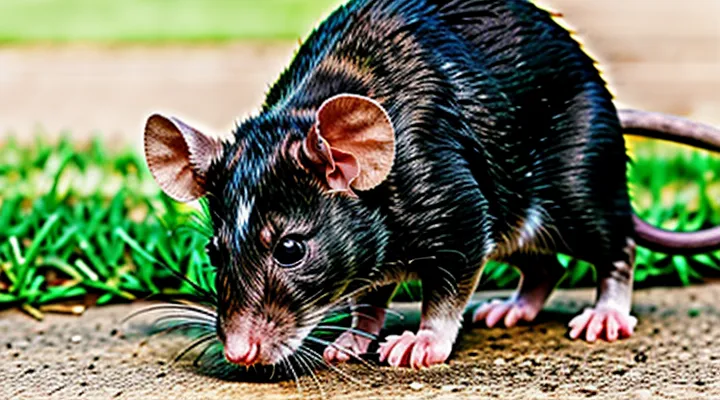
Understanding Rat Nutritional Needs
Essential Nutrients for Rats
Protein Requirements
Rats require a diet that supplies sufficient high‑quality protein to support rapid growth, tissue repair, and reproductive function. Veterinary nutritionists set protein levels based on life stage and physiological demands.
- Weanlings (3–5 weeks): 20–22 % of diet dry matter.
- Adult non‑breeding rats: 16–18 % of diet dry matter.
- Breeding females and pregnant rats: 20–24 % of diet dry matter.
- Sick or recovering rats: 22–26 % of diet dry matter, emphasizing easily digestible sources.
Protein must be animal‑derived (e.g., whey, egg, cooked meat) or high‑quality plant proteins (e.g., soy isolate) with a balanced amino acid profile. Inadequate protein leads to stunted growth, poor coat condition, and weakened immune response; excess protein can strain kidneys and increase waste output.
Vets recommend monitoring body condition scores and adjusting protein levels when rats gain or lose weight rapidly. Regular health checks ensure dietary protein meets the animal’s current needs without over‑supplementation.
Fat Requirements
Veterinarians specify that dietary fat supplies essential energy and supports skin, fur, and hormone production in pet rats. An optimal diet balances fat with protein and carbohydrates to meet metabolic demands without encouraging excess weight.
- Juvenile rats: 5‑7 % of total calories from fat.
- Adult rats: 7‑10 % of total calories from fat.
- Breeding females: up to 12 % of total calories from fat to sustain gestation and lactation.
- Senior rats: 6‑8 % of total calories from fat to maintain body condition while limiting obesity risk.
High‑quality fat sources include:
- Animal‑derived oils (e.g., fish oil, chicken fat) that provide omega‑3 and omega‑6 fatty acids.
- Plant‑derived oils (e.g., sunflower, flaxseed) rich in linoleic and alpha‑linolenic acids.
- Small amounts of nuts and seeds, offered sparingly due to caloric density.
When selecting commercial rat food, read the guaranteed analysis label and confirm that the fat content falls within the recommended ranges for the animal’s life stage. If the product lists fat as a percentage of the diet, calculate the contribution by multiplying the percentage by the total daily caloric intake. Complement the base diet with measured portions of fresh vegetables and occasional lean protein to preserve a balanced nutrient profile.
Limit added fats such as butter, cheese, or high‑fat treats to no more than 1‑2 % of the daily diet. Regular weight monitoring and adjusting portions accordingly prevent the onset of obesity, a common health issue linked to excessive dietary fat.
Fiber Requirements
Veterinarians advise that a rat’s diet must contain adequate fiber to support gastrointestinal health and prevent dental overgrowth. Adult rats require approximately 5–7 % crude fiber on a dry‑matter basis; juveniles need slightly higher levels, around 7–9 %, to accommodate rapid growth and developing flora.
- Soluble fiber (e.g., oats, barley) slows digestion, moderates blood glucose, and aids nutrient absorption.
- Insoluble fiber (e.g., wheat bran, hay, leafy greens) adds bulk, promotes peristalsis, and helps maintain stool consistency.
Common fiber sources that meet the recommended range include:
- Timothy hay, shredded or chopped, offered daily.
- High‑quality commercial rat mixes formulated with 5–7 % fiber.
- Fresh vegetables such as kale, romaine lettuce, and carrot tops, provided in moderation to avoid excess water content.
- Small portions of whole‑grain cereals or rolled oats, limited to 1–2 % of total daily intake.
Insufficient fiber can lead to constipation, reduced gut motility, and increased risk of gastrointestinal stasis. Excessive fiber may cause diarrhea, reduced nutrient absorption, and weight loss. Monitoring fecal shape and frequency provides a practical indicator of fiber balance.
Veterinarians suggest introducing fiber gradually when changing a rat’s diet to allow microbial adaptation. Regular health checks should include assessment of coat condition, body condition score, and dental examination, as these parameters reflect the overall effectiveness of the fiber component in the diet.
Vitamins and Minerals
Rats need a precise blend of vitamins and minerals to support growth, immune function, and reproduction. Veterinary nutritionists advise formulas that meet established nutrient profiles rather than relying on unverified homemade mixes.
-
Vitamin A: essential for vision and epithelial health; include β‑carotene sources such as carrots or fortified pellets.
-
Vitamin D3: regulates calcium absorption; ensure levels meet the 400 IU/kg requirement through fortified feeds.
-
Vitamin E: antioxidant protecting cell membranes; supply via wheat germ or supplemental oil.
-
B‑complex (B1, B2, B6, B12, niacin, folic acid, pantothenic acid): facilitate energy metabolism; present in whole‑grain cereals and fortified mixes.
-
Vitamin C: rats synthesize it endogenously; supplementation unnecessary unless diet is severely deficient.
-
Calcium: needed for bone development and neuromuscular activity; maintain a Ca:P ratio of approximately 1.2:1 using calcium‑rich grains and dairy‑based supplements.
-
Phosphorus: partners with calcium for skeletal integrity; avoid excess by balancing with calcium sources.
-
Magnesium: supports enzymatic reactions and nerve function; include leafy greens or magnesium‑enhanced pellets.
-
Potassium: maintains fluid balance and cardiac rhythm; provide through fresh vegetables and fruits in moderation.
-
Sodium and chloride: required in trace amounts for electrolyte balance; present naturally in most commercial diets.
Select commercial rat feeds that list these nutrients at or above the National Research Council (NRC) minimum recommendations. When augmenting with fresh produce, limit portions to 10 % of total intake to prevent nutrient dilution. If a diet lacks fortified content, a veterinarian‑approved multivitamin/mineral supplement can correct deficiencies, but dosage must follow professional guidance to avoid toxicity.
Commercial Rat Food Options
Types of Commercial Rat Diets
Pellets/Blocks
Pelleted and block diets provide a balanced source of protein, fiber, vitamins, and minerals essential for rat health. Formulations typically contain 15‑20 % protein from animal or soy sources, 3‑5 % fat, and a high fiber content that supports gastrointestinal motility and dental wear.
Veterinarians recommend offering a single high‑quality pellet or block as the primary staple, supplemented with fresh vegetables and occasional treats. Key criteria for selection include:
- Certified rodent nutrition label meeting AAFCO standards.
- Absence of artificial colors, flavors, and excessive sugar.
- Inclusion of calcium‑phosphorus ratio between 1.2:1 and 1.5:1.
- Proven digestibility and minimal dust production.
Feeding guidelines suggest 1‑2 g of dry pellets per 100 g of body weight daily, divided into two meals. Excess can lead to obesity; insufficient intake may cause nutrient deficiencies. Monitor body condition and adjust portions accordingly.
Storage in airtight containers at room temperature preserves nutrient integrity and prevents mold growth. Discard any product that shows discoloration, odor, or clumping.
Regular veterinary check‑ups should include evaluation of dental wear and weight to ensure the pellet or block diet remains appropriate for the individual rat.
Seed Mixes (and why to avoid them as a primary diet)
Seed mixes are frequently marketed as convenient staples for pet rats, yet veterinary guidance advises against relying on them as the main source of nutrition. Commercial blends often contain high proportions of oilseeds, grains, and dried fruits that lack the balanced protein, fat, and vitamin profile required for healthy rat growth and reproduction.
Key deficiencies of primary seed diets include:
- Low protein content; most mixes provide 12‑15 % protein, whereas adult rats need at least 18‑20 % for tissue maintenance.
- Excessive fat from sunflower and safflower seeds, leading to obesity and hepatic lipidosis.
- Inadequate calcium‑phosphorus ratio; seeds typically deliver calcium below 0.4 % and phosphorus above 0.7 %, promoting skeletal disorders.
- Absence of essential micronutrients such as vitamin C, B‑complex vitamins, and trace minerals that must be supplied through fortified foods or supplements.
Veterinarians recommend supplementing or replacing seed mixes with formulated rat pellets that meet established nutritional standards. Pellets deliver consistent macronutrient ratios, incorporate necessary vitamins, and reduce the risk of selective eating, which can exacerbate deficiencies.
When seeds are offered, they should serve as occasional treats rather than a dietary foundation. Limit portions to no more than 5 % of total daily intake, rotate varieties to prevent nutrient imbalances, and monitor body condition regularly. This approach aligns with professional nutrition protocols and supports optimal health, reproduction, and lifespan in pet rats.
Recommended Brands by Veterinarians
Factors Influencing Brand Choice
Veterinarians recommend evaluating several objective criteria when selecting a commercial rat diet. These criteria directly affect the health outcomes of pet rats and guide owners toward reliable products.
- Nutrient balance – Protein, fiber, fat, and vitamin levels must meet the species‑specific requirements outlined in veterinary nutrition guidelines. Formulations that deviate from these ratios can lead to weight gain, dental overgrowth, or nutrient deficiencies.
- Ingredient quality – Whole‑food sources, such as wheat germ, oats, and legumes, are preferred over generic fillers. Limited use of artificial colors, flavors, and preservatives reduces the risk of gastrointestinal irritation.
- Veterinary endorsement – Brands that have undergone clinical trials or received approval from veterinary nutritionists provide evidence of safety and efficacy. Documentation of such endorsement should be accessible on the manufacturer’s site.
- Safety standards – Compliance with regulatory bodies (e.g., AAFCO, EU Feed Hygiene Regulation) ensures that the product has passed microbial and contaminant testing.
- Cost‑effectiveness – Price per kilogram, when adjusted for nutrient density, allows comparison across brands without sacrificing quality.
- Availability – Consistent distribution through reputable retailers prevents interruptions in a rat’s diet, which can cause stress and digestive upset.
- Palatability – Acceptance by rats is measurable through consumption rates; a diet that is regularly rejected may lead to inadequate intake despite proper formulation.
- Targeted health claims – Formulas addressing specific conditions—such as obesity control, kidney support, or enhanced fur health—should be supported by peer‑reviewed research.
- Brand reputation – Long‑standing manufacturers with transparent manufacturing processes and positive consumer feedback tend to maintain higher standards.
- Packaging integrity – Airtight, moisture‑resistant containers preserve freshness and prevent spoilage, crucial for small‑batch feeding.
Considering these factors together enables owners to make evidence‑based decisions aligned with professional veterinary advice, ensuring optimal nutrition for pet rats.
Specific Brand Recommendations
Veterinarians prioritize balanced protein, fiber, and vitamin content when selecting rat diets. The following brands meet these criteria and are frequently cited in clinical nutrition guidelines.
- Oxbow Essentials Small Animal Formula – Complete protein from soy and fish, 18 % fiber, fortified with vitamin A, D3, and E; low in fat; suitable for adult and juvenile rats.
- Supreme Petfoods Rat & Mouse Diet – Grain‑free, 22 % protein from pea and lentil sources, 15 % fiber, includes omega‑3 fatty acids for skin and coat health; recommended for rats with grain sensitivities.
- Mazuri Small Rodent Diet – 20 % protein derived from animal and plant blends, 12 % fiber, calcium‑phosphorus ratio of 1.2:1, added pre‑biotics; aligns with AAFCO rodent nutrient profiles.
- Kaytee Exact Rat Food – 19 % protein, 14 % fiber, includes vitamin C and B‑complex complex; formulated to support dental wear and immune function.
- Harlan Teklad Rodent Diet 2018 – 18 % protein, 10 % fiber, enriched with taurine and choline; used in research settings for consistent nutritional baselines.
Each product provides the macro‑ and micronutrient balance endorsed by veterinary nutritionists, supports healthy growth, and minimizes the risk of obesity and gastrointestinal issues. Selecting one of these formulations ensures compliance with professional dietary standards for pet rats.
What to Look for in a Commercial Rat Food
Ingredient Quality
High‑quality ingredients form the foundation of a veterinarian‑endorsed rat diet. Protein sources should be animal‑derived, such as chicken, turkey, or egg, with a minimum of 18 % crude protein on a dry‑matter basis. Plant proteins (e.g., soy) may be included only when clearly labeled and free of anti‑nutritional factors.
Carbohydrate content must consist of easily digestible grains or legumes, providing 45–55 % of the diet’s energy. Fiber should derive from natural sources like oat hulls or beet pulp, supplying at least 5 % crude fiber to support gastrointestinal health.
Essential vitamins and minerals must be present in levels matching the National Research Council’s recommendations for laboratory rodents. Key micronutrients include:
- Vitamin A ≥ 4,000 IU/kg
- Vitamin D₃ ≥ 1,000 IU/kg
- Calcium ≥ 1.0 % and phosphorus ≈ 0.8 % (Ca:P ratio 1.2–1.4:1)
- Selenium ≤ 0.2 ppm
Ingredient freshness is verified by production dates no older than six months and by packaging that ensures airtight, moisture‑proof storage. Absence of artificial colors, flavors, and preservatives is mandatory to prevent adverse reactions and to maintain palatability.
Absence of Harmful Additives
Veterinarians stress that a safe rat diet contains no synthetic preservatives, artificial colors, or flavor enhancers. These substances can disrupt gastrointestinal flora, provoke allergic reactions, and increase the risk of liver and kidney strain. Selecting foods with ingredient lists limited to natural, whole‑food components eliminates these hazards.
Key additives to exclude are:
- BHA, BHT, and ethoxyquin – antioxidant compounds linked to cellular damage.
- Sodium nitrite and nitrate – curing agents that may form toxic nitrosamines.
- Propylene glycol and parabens – moisture retainers and antimicrobial agents with endocrine‑disrupting potential.
- Artificial dyes (e.g., Red 40, Yellow 5) – non‑nutritive pigments associated with hyperactivity and oxidative stress.
When evaluating commercial rat feeds, professionals advise verifying that the label indicates “no added artificial preservatives, colors, or flavorings.” Products formulated from grain‑based, seed, and vegetable bases, supplemented with high‑quality protein sources, meet this criterion and align with veterinary nutritional standards.
Guaranteed Analysis
The guaranteed analysis on a rat diet label provides the minimum percentages of crude protein, crude fat, crude fiber, and moisture, as well as any added vitamins and minerals. These figures allow veterinarians to compare formulations and ensure that the diet meets the specific nutritional requirements of laboratory and pet rats.
- Crude protein: 14–20 % of the diet; essential for growth, tissue repair, and reproductive health.
- Crude fat: 4–8 %; supplies concentrated energy and supports absorption of fat‑soluble vitamins.
- Crude fiber: 3–5 %; promotes gastrointestinal motility and prevents digestive disturbances.
- Moisture: 10–12 %; influences palatability and shelf life, but should not dilute essential nutrients.
Vitamins and minerals are listed separately. Adequate levels of vitamin A, vitamin D3, vitamin E, B‑complex vitamins, calcium, phosphorus, and trace minerals such as zinc and selenium are critical for skeletal development, immune function, and metabolic processes. Rat veterinarians compare the guaranteed analysis with the National Research Council (NRC) nutrient recommendations to verify compliance.
When selecting a product, verify that the guaranteed analysis meets or exceeds the NRC minimums for each nutrient. Confirm that the protein source is animal‑based, as rodents require high‑quality amino acids. Ensure that the fat source includes essential fatty acids, particularly linoleic acid, which rodents cannot synthesize. Look for explicit statements of added vitamin D3, since deficiency can lead to metabolic bone disease.
The guaranteed analysis also serves as a quality control tool. Consistent values across production batches indicate reliable formulation practices. Significant deviations may signal manufacturing errors or ingredient substitutions that could compromise health.
In practice, veterinarians advise owners to read the guaranteed analysis before purchasing, compare it with the animal’s life stage (juvenile, adult, breeding), and choose a diet that aligns with the documented nutrient profile. This approach reduces the risk of nutritional deficiencies and supports optimal growth, reproduction, and longevity in pet rats.
Supplementing the Commercial Diet
Safe and Beneficial Fresh Foods
Vegetables
Vegetables supply essential vitamins, minerals, and fiber that support healthy digestion and immune function in pet rats. Veterinarians advise incorporating a variety of fresh, low‑sugar produce to complement a balanced grain‑based diet.
- Dark leafy greens (e.g., kale, spinach, romaine lettuce) provide calcium and vitamin K.
- Bell peppers offer vitamin C and beta‑carotene.
- Carrots and zucchini deliver soluble fiber and potassium.
- Broccoli florets and cauliflower heads supply vitamin C and folate.
When offering vegetables, wash thoroughly to remove pesticides, trim to bite‑size pieces, and serve in moderation to prevent gastrointestinal upset. Recommended feeding schedule: provide 1–2 grams of fresh vegetables per 100 grams of body weight daily, rotating varieties to ensure a broad nutrient profile. Remove any uneaten produce after four hours to avoid spoilage.
Fruits (in moderation)
Rats may enjoy fruit as an occasional supplement to a balanced diet. Veterinarians recommend limiting fruit to no more than 5 % of total daily intake because of natural sugar content and potential digestive upset.
Suitable fruits include:
- Apple (seedless, skin removed) – one small bite per day
- Blueberries – a few whole berries every other day
- Pear (seedless, skin removed) – one small piece twice weekly
- Strawberries – two halves once or twice a week
- Kiwi – a thin slice once weekly
Unsuitable fruits are those high in acidity, large seeds, or toxic compounds, such as grapes, citrus peels, and avocado. When offering fruit, wash thoroughly, remove skins or seeds that may pose choking hazards, and serve at room temperature.
Portion control prevents weight gain and blood‑sugar spikes. A practical rule is one to two teaspoons of fruit per 100 g of body weight, split across several small servings. Monitor the rat for signs of diarrhea or reduced appetite; adjust or discontinue if adverse reactions appear.
Incorporating fruit in moderation adds vitamins, antioxidants, and enrichment without compromising nutritional balance. Regular consultation with a veterinary professional ensures the fruit selection aligns with the individual rat’s health status and dietary needs.
Proteins (e.g., cooked meat, eggs)
Proteins are essential for a rat’s growth, tissue repair, and immune function. Veterinarians advise incorporating high‑quality animal protein into a balanced diet, limiting plant‑based sources that lack complete amino acid profiles.
- Cooked lean meat (chicken breast, turkey, rabbit): 1–2 g per 100 g body weight, offered 2–3 times weekly. Ensure meat is boneless, skinless, and free of seasoning, sauces, or additives.
- Hard‑boiled or scrambled eggs: one small egg (≈ 50 g) provides a complete protein source. Serve without salt or oil, no more than twice a week to avoid excess fat.
- Low‑fat cooked fish (white fish, salmon): 1 – 2 g per 100 g body weight, limited to once weekly because of potential mercury content.
- Commercially prepared rat protein treats: verify that the product lists a single animal protein source and contains no artificial preservatives.
Preparation guidelines:
- Cook all meat and fish thoroughly to eliminate pathogens; avoid raw poultry or pork.
- Cool food to room temperature before offering to prevent burns.
- Remove all bones, cartilage, and skin to prevent choking and gastrointestinal blockage.
- Store leftovers in airtight containers, refrigerate for no more than 24 hours, discard if odor develops.
Portion control is critical. An adult rat (≈ 200 g) requires roughly 2 g of protein daily. Overfeeding protein can strain kidneys and lead to obesity. Balance protein servings with high‑fiber grains, vegetables, and a fortified pellet base to meet overall nutritional needs.
Grains and Seeds (as treats)
Grains and seeds can enrich a pet rat’s diet when offered as occasional treats. Veterinarians advise selecting varieties that provide fiber, protein, and essential fatty acids without excessive calories.
- Whole oats, rolled or steel‑cut, supply soluble fiber and B‑vitamins.
- Brown rice delivers complex carbohydrates and low‑glycemic energy.
- Quinoa offers complete protein and minerals such as magnesium.
- Millet seeds are high in antioxidants and easy to digest.
- Small portions of unsalted sunflower or pumpkin seeds contribute omega‑6 and omega‑3 fatty acids.
Feeding guidelines:
- Limit treats to no more than 5 % of daily caloric intake.
- Serve 1–2 teaspoons of mixed grains or a handful of seeds per rat per day.
- Introduce new items gradually, monitoring for digestive upset.
- Avoid flavored, roasted, or salted products; choose raw, plain versions.
- Store in airtight containers to prevent mold growth and preserve freshness.
Foods to Avoid
Toxic Foods for Rats
Rats are highly susceptible to certain foods that can cause acute or chronic health problems. Veterinary guidance emphasizes eliminating these items from a pet rat’s diet to prevent organ damage, neurological impairment, or death.
- Chocolate, cocoa, and products containing theobromine – cause cardiac arrhythmia and seizures.
- Caffeinated beverages and foods – stimulate the central nervous system, leading to hyperactivity and potential fatal arrhythmias.
- Alcohol – depresses respiratory function and can result in rapid toxicity.
- Raw or undercooked beans (especially kidney beans) – contain phytohemagglutinin, which induces severe gastrointestinal distress.
- Avocado flesh and pit – contain persin, a toxin that can cause respiratory distress and heart failure.
- Citrus peels and large quantities of citrus juice – high acidity irritates the digestive tract and may lead to ulceration.
- Onions, garlic, leeks, and chives – contain thiosulfate, which can cause hemolytic anemia.
- High‑fat or sugary processed snacks – contribute to obesity, hepatic lipidosis, and dental disease.
Avoiding these substances is a fundamental component of a veterinarian‑endorsed nutrition plan for rats, ensuring optimal growth, immune function, and lifespan.
High-Sugar/High-Fat Foods
High-sugar and high-fat foods present significant health risks for pet rats. Excessive simple carbohydrates quickly raise blood glucose, leading to insulin spikes and potential development of diabetes. Elevated dietary fat increases caloric density, promotes obesity, and can strain the cardiovascular system. Both factors accelerate hepatic lipidosis, a condition that compromises liver function and shortens lifespan.
Common items that fall into this category include:
- Commercial candy, chocolate, and sugary pastries
- Fried snacks such as potato chips, corn chips, and doughnuts
- Processed meats high in saturated fat, e.g., bacon, sausage, and pepperoni
- Creamy spreads and desserts containing added sugars or butter
Veterinary consensus advises eliminating these products from a rat’s diet. If occasional treats are desired, the following guidelines apply:
- Limit total sugar and fat intake to less than 5 % of daily caloric consumption.
- Select natural, low‑glycemic alternatives such as fresh berries (in moderation) or small pieces of unsalted, roasted nuts.
- Monitor body condition score weekly; adjust portions immediately upon signs of weight gain or lethargy.
- Provide a balanced base diet composed of high‑quality rodent pellets, fresh vegetables, and limited whole grains.
Replacing high‑sugar and high‑fat items with nutrient‑dense options supports healthy weight, dental integrity, and immune function, aligning with professional recommendations for optimal rat nutrition.
Treats and Enrichment
Healthy Treat Options
Veterinarians advise offering rats treats that complement a balanced diet and provide nutritional benefits.
- Fresh vegetables such as carrot slices, broccoli florets, and bell‑pepper strips supply vitamins A, C, and K.
- Small pieces of fruit, including apple (seedless), blueberry, and pear, deliver antioxidants and natural sugars in limited amounts.
- Protein sources like cooked egg white, low‑fat cheese cubes, or plain boiled chicken provide essential amino acids without excess fat.
- Commercial rat treats formulated with whole grains, seeds, and limited added sugars serve as convenient options when labeled as “high‑fiber” and “low‑fat.”
Treats should not exceed 10 % of total daily caloric intake. Offer no more than one to two small pieces per day, adjusting portion size to the rat’s weight and activity level.
Avoid foods toxic to rodents: chocolate, caffeine, citrus peels, raw beans, and processed salty snacks. Store fresh treats in a refrigerated container and discard any that become moldy or wilted.
Consistent application of these guidelines supports dental health, enrichment, and overall well‑being for pet rats.
Food-Based Enrichment Ideas
Providing rats with food-oriented enrichment improves nutritional balance and mental stimulation. High‑quality protein sources, fresh vegetables, and limited fruit can be incorporated into interactive formats that encourage natural foraging behavior.
- Hide small portions of softened pellet mash inside cardboard tunnels; rats must navigate the maze to retrieve the food.
- Offer chopped kale, carrot, or broccoli on a wooden block with drilled holes; the animal must gnaw to extract the pieces.
- Freeze a mixture of low‑fat yogurt and grated apple in a silicone mold; thawing creates a moist, scented treat that requires licking and chewing.
- Scatter a few unsalted sunflower seeds among shredded paper; the texture contrast promotes digging and sorting.
- Use a PVC pipe capped at both ends, fill it with millet, and roll it across the cage floor; rats chase the moving cylinder and retrieve grains from the openings.
Rotating these methods every few days prevents habituation and maintains curiosity. Each activity should be monitored for waste and adjusted to the individual rat’s size and health status, ensuring that calorie intake stays within veterinary guidelines.
Dietary Considerations for Specific Rat Life Stages
Feeding Young Rats (Pups)
Feeding rat pups demands attention to their rapid growth and developing digestive system. During the first three weeks, mother’s milk provides essential antibodies, protein, and fat; supplemental feeding should begin only if the dam is unavailable or the litter is underweight.
- Commercial rodent milk replacer, formulated for pups, mixed according to manufacturer instructions.
- Soft, nutritionally balanced rodent pellets, moistened with warm water or milk replacer to create a mash.
- Fresh, finely diced vegetables such as carrots, zucchini, and spinach, introduced after the second week.
- Small pieces of cooked lean protein (e.g., boiled chicken breast) offered sparingly after the third week.
Feeding schedule: offer 3–4 small meals per day for the first two weeks, gradually reducing to 2 meals as the pups approach weaning at 21 days. Portion sizes should be just enough for the pups to consume within 10–15 minutes; excess food must be removed to prevent spoilage.
Water must be available from day one. Use a shallow, low‑profile bottle with a stainless‑steel spout to prevent drowning. Monitor intake; reduced drinking may signal illness.
Key nutrients: protein (18–20 % of diet) supports muscle development; calcium and phosphorus in a 1.2:1 ratio maintain skeletal health; omega‑3 fatty acids aid brain growth. Vitamin E and B‑complex supplements can be added at the recommended dosage if the diet lacks diversity.
Avoid foods that irritate the gastrointestinal tract: citrus fruits, raw beans, chocolate, caffeine, and high‑fat treats. Regularly weigh pups; a steady increase of 1–2 g per day indicates adequate nutrition.
Consult a veterinarian for any signs of malnutrition, such as lethargy, poor coat condition, or failure to gain weight, and for guidance on transitioning to adult rat diets.
Feeding Adult Rats
Veterinarians advise that adult rats require a diet that supplies adequate protein, fiber, and essential nutrients while minimizing excess fats and sugars. A balanced regimen combines commercially formulated rodent pellets with fresh vegetables, occasional fruits, and limited protein treats.
- High‑quality laboratory‑grade pellets, formulated for adult rodents, should constitute the primary portion of the diet; a daily allotment of 1–2 g per 100 g of body weight provides the necessary macro‑ and micronutrients.
- Fresh leafy greens such as kale, romaine lettuce, and spinach add fiber and vitamins; offer 1–2 tbsp per rat each day, removing any wilted material promptly.
- Non‑starchy vegetables—including carrots, bell peppers, and broccoli—supply additional vitamins and minerals; limit to ½ cup total per week to avoid digestive upset.
- Fruit portions, like apple slices or berries, serve as occasional treats; restrict to 1 tsp per rat no more than twice weekly to prevent sugar overload.
- Protein treats, such as cooked chicken, boiled egg, or mealworms, can be given 1–2 times per week in small quantities (approximately ¼ tsp) to support muscle maintenance.
Water must be fresh, clean, and available at all times; replace daily and use a bottle with a stainless‑steel tip to prevent contamination. Monitor body condition regularly; a healthy adult rat maintains a sleek coat, active behavior, and stable weight. Adjust portions if weight gain or loss becomes evident.
Supplements are generally unnecessary when a complete pellet is the staple, but a calcium source, such as a small amount of crushed eggshell, may be added weekly for bone health. Avoid foods toxic to rats, including chocolate, caffeine, raw beans, and high‑salt snacks, as they can cause severe health issues.
Feeding Senior Rats
Feeding senior rats requires adjustments to nutrient density, calorie content, and texture to support reduced metabolism, dental wear, and potential age‑related health issues.
Protein should remain a primary component, but sources that are easy to chew and digest are preferred. Good options include cooked chicken breast, boiled eggs, and low‑fat cottage cheese. Fiber intake must increase to prevent constipation; incorporate steamed carrots, peeled sweet potatoes, and small amounts of plain oatmeal. Omega‑3 fatty acids aid joint health; a teaspoon of fish oil or a few crushed walnuts per week provides sufficient levels without excess calories.
Hydration becomes critical as older rats may drink less. Fresh water must be available at all times, and moist foods such as unsweetened yogurt or pureed pumpkin can contribute additional fluid. Monitor body condition weekly; a gradual weight loss of more than 5 % per month warrants veterinary evaluation.
Practical feeding checklist
- Protein: cooked lean meat, boiled egg, cottage cheese (1–2 g per 100 g body weight).
- Fiber: steamed carrots, peeled sweet potato, plain oatmeal (10–15 % of diet).
- Healthy fats: fish oil or crushed walnuts (0.5 % of total calories).
- Moisture: fresh water, unsweetened yogurt, pureed pumpkin.
- Supplements: calcium‑vitamin D mix if dietary intake is insufficient, as directed by a veterinarian.
Feeding Pregnant or Lactating Rats
Pregnant and lactating rats require diets that support rapid tissue growth, fetal development, and milk production. Energy density should be increased by 15‑20 % compared to maintenance formulas, achieved through higher fat and carbohydrate content while preserving protein quality.
- Protein: 18‑20 % of total calories; include animal‑derived sources such as dried mealworms or high‑quality soy isolate to supply essential amino acids.
- Fat: 8‑10 % of calories; incorporate omega‑3‑rich oils (flaxseed, fish oil) to aid neural development of offspring.
- Calcium‑phosphorus ratio: maintain 2 : 1; supplement with calcium carbonate and bone meal to prevent skeletal deficiencies.
- Vitamins: ensure adequate vitamin A, D3, and E levels; include a fortified premix that meets the National Research Council recommendations for rodents.
- Minerals: add trace elements (zinc, copper, selenium) in concentrations outlined for reproductive rodents.
Feed should be offered in fresh, clean form at least twice daily to accommodate increased consumption. Monitor body condition; a modest weight gain of 5‑10 % per week signals adequate intake. Replace any stale or contaminated pellets immediately, as compromised feed can reduce litter size and milk quality.
During lactation, supplement the dam’s diet with a high‑calorie gel or soft mash to facilitate easy ingestion. Provide unlimited access to fresh water; dehydration impairs milk synthesis. After weaning, gradually reduce the supplemental calories over a week to prevent obesity while maintaining nutrient balance.
Common Diet-Related Health Issues
Obesity
Obesity in pet rats undermines health, shortens lifespan, and predisposes individuals to metabolic disorders. Excess body fat results from caloric intake that exceeds energy expenditure, often due to overly rich commercial mixes, frequent treats, and unrestricted access to high‑fat seeds.
Veterinary nutritionists advise a structured feeding plan that balances macro‑ and micronutrients while limiting excess calories. Core principles include:
- Provide a base diet formulated for laboratory‑grade rodents, containing 15‑20 % protein, 3‑5 % fat, and adequate fiber.
- Offer fresh vegetables (e.g., kale, carrots, broccoli) in measured portions no larger than 10 % of total daily intake.
- Restrict high‑fat items such as sunflower seeds, peanuts, and cheese to occasional, <5 % treats.
- Schedule two meals per day, removing uneaten food after 30 minutes to prevent constant grazing.
- Record weekly body weight; adjust portions if weight gain exceeds 5 % over a month.
Monitoring body condition score (BCS) enables early detection of excess fat. A BCS of 3 on a 5‑point scale reflects optimal condition; scores of 4–5 indicate overweight or obese status and warrant dietary revision.
When weight reduction is necessary, implement a gradual calorie reduction of 10‑15 % and increase the proportion of low‑energy vegetables. Ensure water availability remains constant, as dehydration can mask weight changes.
Consistent application of these guidelines aligns rat feeding practices with veterinary recommendations, minimizing obesity risk and supporting overall vitality.
Dental Problems
Rats constantly grow incisors; insufficient wear leads to malocclusion, overgrowth, and associated pain. Dental disorders often manifest as reduced food intake, weight loss, or facial swelling, making early dietary intervention essential for health maintenance.
Hard, fibrous foods stimulate natural grinding, promoting even tooth reduction. Soft, processed diets lack abrasive qualities and may accelerate dental complications if offered exclusively.
- Raw timothy hay, unprocessed, provides continuous chewing surface.
- Small pieces of untreated oak or apple wood encourage lateral grinding.
- Fresh carrots, celery, and broccoli deliver fiber and moisture while demanding bite effort.
- Whole grain pellets with a high cellulose content support moderate abrasion without excessive hardness.
- Limited amounts of mineral blocks with rough texture aid enamel polishing.
Supplementary measures include rotating chewable objects every few days to prevent localized wear patterns and scheduling quarterly veterinary oral examinations to detect early signs of malocclusion. Maintaining a balanced diet that combines abrasive fibers with appropriate nutrient density reduces the incidence of dental problems and supports overall rat well‑being.
Nutritional Deficiencies
Rats require a balanced diet that meets precise nutrient levels; deficiencies quickly affect growth, reproduction, and immune function. Veterinarians identify several nutrients that are frequently lacking in standard commercial mixes and homemade offerings.
- Protein: Minimum 18 % of dry matter; insufficient protein leads to stunted growth and poor fur condition. Sources such as cooked egg, low‑fat chicken, or soy isolate provide high‑quality amino acids.
- Calcium‑Phosphorus Ratio: Ideal range 1 : 1 to 1.5 : 1; excess phosphorus or low calcium predisposes rats to skeletal deformities and metabolic bone disease. Calcium‑rich vegetables (kale, broccoli) and fortified pellets correct the imbalance.
- Vitamin A: Deficiency produces night blindness, nasal discharge, and skin lesions. Liver, carrots, and fortified feeds deliver adequate retinol.
- Vitamin D: Essential for calcium absorption; lack results in rickets. Limited sunlight exposure necessitates dietary supplementation through fortified kibble or cod liver oil.
- B‑Complex Vitamins: Thiamine, riboflavin, and pyridoxine support nervous system health. Whole‑grain cereals and brewer’s yeast prevent neurological signs such as tremors.
- Essential Fatty Acids (Omega‑3, Omega‑6): Required for membrane integrity and anti‑inflammatory processes. Small amounts of flaxseed oil or fish oil meet these needs without causing obesity.
Clinical observation of weight loss, dull coat, or abnormal gait often signals one or more of these gaps. Veterinarians recommend rotating fresh produce, incorporating fortified pellets, and periodically testing blood chemistry to verify adequacy. When a deficiency is confirmed, targeted supplementation—preferably veterinary‑approved formulations—restores normal physiological function and reduces disease risk.
Allergies and Sensitivities
Allergies and sensitivities are frequent challenges when selecting optimal rat nutrition. Veterinary guidance emphasizes identifying ingredients that trigger immune responses and adjusting diets accordingly.
Common allergens include:
- Wheat and other gluten‑containing grains
- Soy protein
- Dairy products
- Certain nuts (e.g., peanuts, almonds)
- Artificial colors and flavors
Typical signs of a reaction are sneezing, nasal discharge, skin redness, excessive scratching, and digestive upset such as loose stools or vomiting. When these symptoms appear, eliminate the suspected ingredient and monitor the rat for improvement. Switching to a limited‑ingredient formula that relies on novel protein sources—such as duck, quail, or insect protein—reduces exposure risk. Adding omega‑3 fatty acids and probiotic supplements can support skin health and gut integrity during the transition.
For rats with multiple sensitivities, a rotation diet that alternates between two hypoallergenic feeds every two weeks prevents the development of new intolerances. Regular veterinary assessments, including skin scrapings or blood tests, confirm the effectiveness of dietary changes and guide further refinements.
Consulting Your Veterinarian
When to Seek Veterinary Advice
Veterinarians advise owners to contact a professional whenever a rat shows signs that deviate from normal health and behavior. Prompt evaluation prevents complications and supports optimal nutrition management.
Key indicators for immediate veterinary consultation include:
- Sudden weight loss or failure to gain weight despite a balanced diet.
- Persistent diarrhea, blood in stool, or mucus discharge.
- Unexplained lethargy, loss of coordination, or tremors.
- Nasal or ocular discharge that does not resolve within 24 hours.
- Visible sores, ulcers, or skin lesions that worsen or spread.
- Respiratory sounds such as wheezing or labored breathing.
- Excessive scratching, hair loss, or signs of parasites.
- Changes in appetite, including complete refusal to eat.
If any of these conditions appear, schedule an appointment without delay. Early diagnosis enables targeted treatment, dietary adjustments, and monitoring to maintain the rat’s well‑being. Regular wellness checks, even in the absence of symptoms, provide baseline data that facilitate accurate assessment of future health concerns.
Importance of Regular Check-ups
Regular veterinary examinations are essential for maintaining optimal health in pet rats. Physical assessments reveal dental wear, coat condition, and body condition score, allowing precise adjustments to dietary plans.
Early detection of common issues—such as overgrown incisors, weight fluctuations, and metabolic disorders—prevents irreversible damage. When a problem is identified, veterinarians can prescribe specific food formulations that address the underlying condition.
A six‑month interval provides sufficient monitoring for most adult rats; juvenile, geriatric, or medically compromised individuals require more frequent visits. Consistent scheduling creates a reliable health record that tracks growth trends and nutritional responses.
Veterinary expertise directly influences food selection. Professionals evaluate nutrient requirements, recommend appropriate grain‑based mixes, fresh vegetable portions, and protein supplements, and advise on portion sizes to avoid obesity or malnutrition.
Key reasons for regular check‑ups:
- Identification of dental and skeletal abnormalities.
- Monitoring of weight and body condition.
- Adjustment of diet based on metabolic health.
- Early intervention for disease prevention.
- Documentation of long‑term nutritional outcomes.
Tailoring Diet to Individual Needs
Veterinarians stress that a rat’s diet must reflect its unique physiological profile. Age determines nutrient density: neonates require high‑protein, easily digestible formulas, while adults thrive on balanced pellets supplemented with fresh produce. Health status guides ingredient selection; rats with dental wear benefit from softer foods, and those prone to obesity need reduced‑calorie options. Activity level influences energy requirements; highly active individuals tolerate higher carbohydrate content, whereas sedentary pets require lower caloric intake to prevent weight gain. Reproductive condition adds another layer: breeding females need increased calcium and vitamin D to support gestation and lactation.
Key considerations for customizing a rat’s diet:
- Age – kitten, adult, senior; adjust protein and fiber levels accordingly.
- Medical history – allergies, gastrointestinal disorders, obesity; choose hypoallergenic or low‑fat formulations.
- Dental health – worn incisors or malocclusion; incorporate softened foods or soaked pellets.
- Activity – cage enrichment and exercise frequency; modulate carbohydrate and fat ratios.
- Reproductive status – pregnancy or lactation; increase calcium, phosphorus, and essential vitamins.
Implementing these guidelines requires regular veterinary assessments to monitor weight, coat condition, and stool quality. Adjustments should be made promptly when any parameter deviates from the optimal range. By aligning feed composition with each rat’s specific needs, owners can ensure optimal health, longevity, and behavioral vitality.