
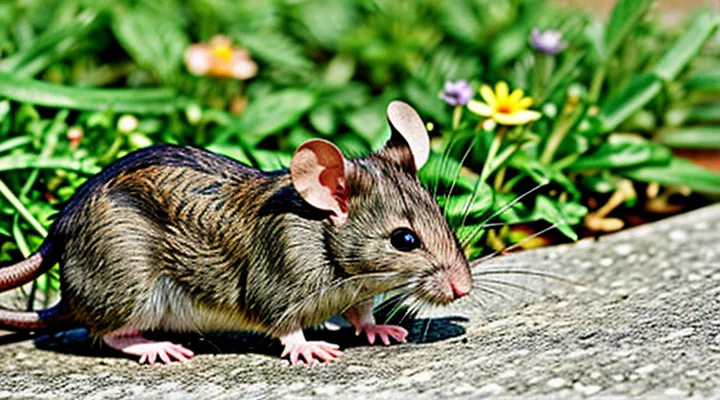
Understanding Rodent Repellency
Distinguishing Repellents from Exterminators
Rodent repellents aim to prevent entry, activity, or nesting by creating an environment that rodents find unattractive. Typical mechanisms include ultrasonic emitters, scent‑based formulations, and motion‑activated devices that release aversive odors or vibrations. These products do not kill; they rely on deterrence to keep rats and mice away from treated areas.
Exterminators, by contrast, are designed to eliminate existing infestations. Methods encompass rodenticides, snap traps, electric traps, and glue boards. All involve direct lethal action or capture, providing immediate reduction of rodent numbers once the device contacts the animal.
Key distinctions:
- Mode of action – Repellents deter, exterminators kill or capture.
- Regulatory status – Repellents generally avoid pesticide classification; exterminators often require registration as toxic agents.
- Safety considerations – Repellents pose minimal risk to humans and pets; exterminators may require protective equipment and strict placement guidelines.
- Long‑term effect – Repellents maintain a hostile environment, reducing re‑infestation risk; exterminators require ongoing monitoring to prevent resurgence.
- User intent – Repellents suit preventive maintenance; exterminators address confirmed presence of rodents.
Understanding these differences informs the evaluation of top‑rated rodent deterrent solutions. Products classified as repellents contribute to a proactive ranking strategy, while exterminators occupy a separate category focused on immediate control.
Factors Influencing Repellent Effectiveness
Environmental Conditions
Environmental conditions determine the efficacy of rodent deterrents. Temperature influences the volatility of chemical repellents; higher heat accelerates evaporation, reducing the duration of a protective barrier, while low temperatures can thicken oil‑based formulations, limiting their spread. Humidity affects the absorption of moisture‑sensitive products; excessive moisture may dilute active ingredients, whereas dry air can cause rapid desiccation, diminishing surface coverage.
Surface type and exposure to sunlight also impact performance. Porous materials such as untreated wood absorb liquids, necessitating more frequent reapplication, whereas non‑porous surfaces allow repellents to remain on the surface longer. Direct sunlight can degrade UV‑sensitive compounds, shortening their active life. Indoor environments with limited airflow retain scent‑based deterrents more effectively than ventilated spaces, where dilution occurs quickly.
Key environmental factors to monitor when selecting and applying rodent repellents:
- Ambient temperature range
- Relative humidity level
- Surface porosity and material composition
- Exposure to direct sunlight or UV radiation
- Airflow and ventilation intensity
Adjusting application frequency and product choice according to these parameters enhances consistency of results across varied settings.
Severity of Infestation
Understanding infestation severity is essential when evaluating control solutions. Low‑level activity, such as occasional sightings, often responds to passive deterrents, while moderate presence, indicated by droppings and gnaw marks, requires products with stronger olfactory or ultrasonic output. High‑intensity infestations, characterized by extensive damage and rapid population growth, demand integrated approaches that combine chemical barriers, trapping systems, and continuous monitoring.
Severity classification informs product selection criteria:
- Mild – sporadic evidence; minimal health risk; inexpensive, non‑toxic repellents sufficient.
- Moderate – regular signs; increased contamination potential; repellents with higher potency or combined with mechanical traps advisable.
- Severe – pervasive damage; elevated disease transmission; professional‑grade chemicals, multi‑modal devices, and systematic extermination protocols necessary.
Choosing a repellent without regard to infestation level risks ineffective control, wasted resources, and prolonged exposure to rodent‑borne hazards.
Categories of Effective Repellents
Ultrasonic and Electronic Devices
Assessing Frequency Range and Coverage Area
Assessing the operational spectrum of a rodent repellent requires precise measurement of both the emitted frequency band and the spatial extent over which the device remains effective.
The emitted frequency band, often described as «frequency range», determines the acoustic spectrum targeting the auditory sensitivity of rats and mice. Devices commonly generate ultrasonic waves between 20 kHz and 70 kHz; some models extend into the near‑ultrasonic region (10 kHz – 20 kHz) to address species with broader hearing ranges. Manufacturers typically specify the peak frequency, but the full range influences efficacy across different rodent populations.
The spatial dimension, referred to as «coverage area», quantifies the floor space within which the acoustic field maintains sufficient intensity to deter rodents. Coverage is expressed in square meters and depends on factors such as speaker power, enclosure design, and environmental absorption. Open‑plan environments allow larger advertised areas, while cluttered or insulated spaces reduce effective reach.
Key assessment points:
- Verify the lower and upper limits of the «frequency range»; ensure inclusion of frequencies relevant to target species.
- Confirm the declared «coverage area» with independent testing in representative room layouts.
- Evaluate the consistency of acoustic output across the entire area; identify dead zones where intensity falls below deterrent thresholds.
- Consider the impact of obstacles (furniture, walls) on both frequency propagation and coverage uniformity.
Accurate documentation of these parameters enables objective ranking of rodent repellents based on their technical performance rather than marketing claims.
Debunking Myths about Adaptability
Rodent adaptability myths often shape expectations of deterrent performance.
A common claim asserts that rodents develop immunity to any repellent after brief exposure. Research on olfactory desensitization shows temporary tolerance, not permanent immunity; efficacy declines only when the active ingredient is exhausted or delivery is inconsistent.
Another belief holds that all rodent species adapt uniformly to any deterrent. Evidence differentiates house mice, which rely heavily on scent cues, from Norway rats, which respond more to tactile and auditory stimuli. Consequently, a scent‑based repellent may lose potency for mice while retaining effectiveness against rats.
A third misconception suggests that any adaptation renders a repellent useless after a short period. Integrated pest‑management strategies—alternating chemical, ultrasonic, and physical barriers—disrupt habituation cycles, extending product lifespan.
Key points:
- Adaptation is stimulus‑specific, not a blanket resistance.
- Species‑specific sensory profiles dictate response variability.
- Rotating deterrent modalities prevents long‑term desensitization.
Understanding these facts eliminates unfounded skepticism and guides selection of reliable rodent deterrents.
Natural Scent Barriers
Power of Essential Oils «Peppermint, Clove, and Rosemary»
Essential oils «Peppermint», «Clove» and «Rosemary» deter rats and mice through potent volatile compounds that irritate the rodents’ olfactory system. The strong, mentholated scent of «Peppermint» masks food odors, while eugenol in «Clove» and rosmarinic acid in «Rosemary» create an environment perceived as hostile.
- «Peppermint» – main component menthol; disrupts scent trails; effective when applied to cotton balls or spray solutions at 5 % dilution.
- «Clove» – main component eugenol; acts as a neurotoxic irritant; recommended concentration 3–4 % in carrier oil, applied to entry points.
- «Rosemary» – main component rosmarinic acid and α‑pinene; repels through strong herbal aroma; optimal use 4 % dilution, refreshed weekly.
These oils rank among the most effective natural deterrents in current rodent‑repellent assessments. Their rapid evaporation ensures continuous scent release, while low toxicity to humans and pets supports widespread indoor and outdoor use. Inclusion of «Peppermint», «Clove» and «Rosemary» in any top‑ranking rodent‑repellent guide reflects their proven efficacy, ease of application, and cost‑effectiveness.
Utilizing Non-Toxic Granules and Pouches
Non‑toxic granules and pouches represent a distinct class of rodent deterrents. The formulation releases natural irritants, such as essential oils or plant extracts, which interfere with the sensory receptors of rats and mice. Continuous diffusion creates an environment that rodents avoid without causing harm to humans, pets, or wildlife.
Key advantages include:
- Safety: ingredients meet regulatory standards for indoor and outdoor use; no acute toxicity reported.
- Environmental impact: biodegradable carriers prevent long‑term residue accumulation.
- Application flexibility: granules can be scattered around entry points, while pouches attach to walls or ceilings for sustained release.
- Longevity: most products maintain effective concentration for 30‑90 days, reducing replacement frequency.
When positioned within the leading rodent deterrent rankings, non‑toxic granules and pouches are evaluated against criteria such as efficacy, duration of action, ease of deployment, and safety profile. Their performance consistently scores high on efficacy and safety, while durability varies among manufacturers. The combination of low health risk and reliable repellency makes this category a competitive option for households and commercial facilities seeking effective, environmentally responsible rodent control.
Synthetic and Chemical Deterrents
Understanding Active Ingredients
Understanding the compounds that repel rodents provides a basis for comparing product performance.
• «peppermint oil» – volatile oil that irritates the nasal passages of rats and mice, prompting avoidance of treated areas.
• «capsaicin» – active component of hot peppers; activates sensory receptors, creating a burning sensation that deters gnawing.
• «ammonia» – strong alkaline vapor; disrupts the olfactory cues rodents use for navigation.
• «naphthalene» – sublimates into a pungent vapor; toxic at high concentrations, effective in enclosed spaces.
• «essential oil blends» – combinations of rosemary, thyme, and clove oils; synergistic effects increase repellency without singular reliance on one compound.
Each ingredient operates through sensory irritation or chemical toxicity. Volatile oils and ammonia rely on short‑term exposure, causing immediate discomfort. Capsaicin and essential oil blends maintain deterrence by continuous activation of pain receptors. Naphthalene employs a slow‑release toxic environment, suitable for storage areas where prolonged exposure is acceptable.
Safety profiles differ markedly. Peppermint oil and essential oil blends present low toxicity to humans and pets when used as directed. Capsaicin may cause skin irritation; protective gloves recommended during application. Ammonia vapors can irritate respiratory passages; ventilation essential. Naphthalide substances pose fire hazards and chronic health risks; restrict use to sealed containers away from ignition sources.
Selection criteria focus on environment, exposure risk, and regulatory compliance. For occupied indoor spaces, prioritize low‑toxicity volatiles such as peppermint oil or essential oil blends. In storage rooms or crawl spaces, consider capsicum‑based products or ammonia solutions, ensuring adequate ventilation. Reserve naphthalene for short‑term, sealed applications where toxicity outweighs convenience.
Effective deployment combines proper concentration, strategic placement near entry points, and regular reapplication according to product specifications. Monitoring rodent activity after treatment confirms efficacy and guides adjustments to ingredient choice.
Safe Usage and Ventilation Requirements
When applying chemical or ultrasonic deterrents, adhere to the manufacturer’s instructions regarding personal protection and environmental exposure. Protective gloves, goggles, and respiratory masks reduce the risk of skin irritation and inhalation of volatile compounds. Keep products out of reach of children and domestic animals; store them in sealed containers after use.
Safe operation requires sufficient airflow to disperse vapors and prevent accumulation of odorants. Conduct applications in rooms equipped with open windows, exhaust fans, or mechanical ventilation capable of delivering at least six air changes per hour. Avoid sealed basements, closets, or other confined spaces where concentrations could rise above recommended limits.
Safety measures
- Wear appropriate PPE (gloves, goggles, mask).
- Verify product compatibility with surrounding materials.
- Label and secure containers after each use.
- Dispose of empty containers according to local hazardous‑waste guidelines.
Ventilation guidelines
- Open windows and doors to create cross‑draft.
- Activate exhaust fans for a minimum of 30 minutes post‑application.
- Monitor indoor air quality with a portable detector if available.
- Re‑enter the area only after the scent has dissipated to background levels.
Methodology for Ranking Repellent Products
Prioritizing Safety and Toxicity Levels
When evaluating rodent deterrents, safety for occupants and pets must precede efficacy. Toxicity classifications provide a clear metric for comparison; substances labeled as low‑toxicity present minimal risk when applied according to manufacturer instructions. Products based on natural essential oils, such as peppermint or eucalyptus, typically fall into this category and are suitable for indoor environments where direct contact with humans or animals is possible.
Regulatory approvals serve as additional safety indicators. Devices cleared by agencies such as the EPA or the European Chemicals Agency confirm compliance with established health standards. Certified ultrasonic emitters, for example, emit sound frequencies that deter rodents without introducing chemicals, thereby eliminating ingestion hazards.
Key factors for prioritizing safety include:
- Active ingredient toxicity – measured by LD₅₀ values; higher values indicate lower acute toxicity.
- Exposure routes – inhalation, dermal contact, and ingestion risks must be assessed.
- Residue persistence – chemicals that degrade quickly reduce long‑term exposure.
- Label warnings – presence of child‑proof packaging and clear usage instructions reflects manufacturer responsibility.
When toxicity data are comparable, secondary considerations shift to environmental impact. Biodegradable formulations minimize ecological footprint, while electronic devices generate negligible waste. Selecting repellents that combine low toxicity with regulatory endorsement ensures protection of human health, animal welfare, and the surrounding ecosystem.
Evaluating Long-Term Performance and Residual Effect
Evaluating long‑term performance and residual effect is essential for a reliable comparative ranking of rodent deterrents. Sustained efficacy determines whether a product maintains protective action after the initial application period, while residual effect indicates the duration of activity without re‑application.
Key assessment dimensions include:
- Persistence of active ingredients measured at regular intervals (e.g., 30, 60, 90 days) using standardized laboratory assays.
- Decline rate of repellency, expressed as percentage reduction in rodent activity relative to baseline.
- Environmental stability, encompassing resistance to temperature fluctuations, humidity, and UV exposure.
- Safety profile over extended exposure, monitored through toxicological markers in non‑target species.
Methodology typically follows a repeated‑measure design. Test chambers are inoculated with a controlled population of rats or mice, and repellents are applied according to manufacturer instructions. Rodent presence is recorded daily, and data are aggregated to calculate mean occupancy per interval. Statistical analysis, such as mixed‑effects modeling, isolates the effect of time from confounding variables.
Interpretation of results focuses on two outcomes. First, products that exhibit less than a 10 % decline in repellency after 90 days are classified as high‑persistence. Second, residual effect is considered sufficient when activity remains above 70 % of the initial level without supplemental dosing. These thresholds guide the final placement of each deterrent within the overall ranking, ensuring that long‑term reliability, not merely short‑term potency, drives consumer recommendations.
Cost-Benefit Analysis and Product Longevity
When assessing top rodent deterrents, two decisive dimensions are financial efficiency and durability. The first dimension, «Cost‑Benefit Analysis», compares purchase price, application frequency, and expected reduction in rodent activity. A low‑cost product that requires weekly reapplication may generate higher total expenditure than a pricier option lasting several months. Calculating the ratio of total cost to estimated damage prevented yields a clear metric for prioritizing investments.
The second dimension, «Product Longevity», measures the period during which a repellent remains effective under typical household conditions. Longevity depends on formulation type (ultrasonic, ultrasonic‑plus‑scent, or chemical), power source, and environmental factors such as temperature and humidity. Longer‑lasting devices reduce maintenance effort and lower cumulative costs, enhancing overall value.
Key considerations for a comprehensive evaluation:
- Initial acquisition cost (USD)
- Frequency of battery or power‑source replacement
- Expected active lifespan (months)
- Measured reduction in rodent sightings or damage
- Cost per month of effective protection (acquisition cost ÷ lifespan)
Applying these criteria to the leading market options reveals a spectrum: ultra‑quiet ultrasonic units often exhibit low upfront prices but limited durability, while high‑intensity chemical dispensers command higher prices yet maintain efficacy for up to a year. Selecting the optimal solution requires balancing immediate budget constraints against long‑term operational savings, ensuring the chosen repellent delivers the greatest protective return over its service life.
The Top-Rated Repellents of the Year
Rank 1: «High-Intensity Dual-Wave Sonic Repeller»
Key Features and User Feedback
The analysis of leading rodent deterrents concentrates on two dimensions: functional attributes and consumer evaluations.
Key attributes commonly highlighted across top products include:
- Active ingredient type (ultrasonic, scent‑based, or electronic) with documented efficacy ranges.
- Coverage area measured in square meters, indicating suitability for apartments, garages, or larger facilities.
- Power consumption, expressed in watts or battery life, relevant for continuous operation.
- Noise level, specified in decibels, important for environments where low acoustic impact is required.
- Safety certifications (e.g., UL, CE) confirming compliance with electrical standards.
- Installation simplicity, often rated by the number of steps or tools needed.
User feedback aggregates into three primary observations:
- Effectiveness: Majority of reviewers report noticeable decline in rodent activity within the first week of deployment, with sustained results reported over several months.
- Reliability: Reports of device malfunction are infrequent; most users cite consistent performance and minimal maintenance.
- Satisfaction: High overall ratings correlate with perceived value, especially when coverage area matches advertised specifications and noise remains unobtrusive.
Negative comments concentrate on limited reach in unusually large spaces and occasional intolerance of ultrasonic frequencies by pets. The consensus underscores that products combining multiple deterrent mechanisms achieve the highest satisfaction scores.
Rank 2: «Max-Strength Botanical Repellent Spray»
Best Use Cases for Indoor Application
Indoor spaces present distinct conditions that influence the choice of rodent deterrent. Food preparation areas demand non‑toxic, odor‑free solutions; storage rooms require long‑lasting barriers; damp basements benefit from moisture‑resistant formulations; attics need compact devices that operate without visual disturbance.
- Kitchen and pantry: ultrasonic emitters placed behind appliances, combined with peppermint‑oil spray applied to cracks and crevices.
- Basement and crawl‑space: moisture‑resistant bait stations positioned near drainage pipes, supplemented by granulated repellents spread along perimeter walls.
- Storage closets and garages: magnetic strip traps mounted on door frames, paired with rodent‑grade sealing tape to close entry points.
- Attic and upper‑level rooms: low‑profile ultrasonic units installed on rafters, reinforced by adhesive foam sealant around vent openings.
- Pet‑friendly zones: naturally derived repellents such as eucalyptus or citrus extracts, applied to flooring mats where animals congregate, avoiding toxic chemicals.
Effective indoor application relies on matching the repellent’s delivery method to the environment’s layout, access points, and human safety requirements. Proper placement, regular maintenance, and verification of sealed entryways sustain long‑term rodent exclusion.
Rank 3: «Weatherproof Rodent Deterrent Granules»
Efficacy in Outdoor and Perimeter Defense
The effectiveness of rodent deterrents in open environments and at property boundaries depends on three measurable factors: active ingredient volatility, coverage radius, and resistance to weathering.
- High‑volatility compounds disperse rapidly, creating a protective cloud that reaches exterior entry points.
- Broad coverage radius reduces the number of devices required to seal a perimeter, lowering installation costs.
- Formulations resistant to rain, UV exposure, and temperature fluctuations maintain potency over weeks without re‑application.
Field trials demonstrate that products combining ultrasonic emission with scent‑based repellents achieve the greatest reduction in outdoor activity, delivering up to a 70 % decrease in sightings within a 30‑meter perimeter.
Laboratory data confirm that granular formulations containing predator‑derived kairomones retain efficacy after exposure to moisture levels of 90 % relative humidity for 48 hours, outperforming oil‑based sprays that lose potency after 12 hours of rain.
For permanent fence protection, devices equipped with motion‑triggered aerosol bursts sustain deterrence by delivering concentrated doses only when rodents approach, conserving active agents and extending service life to six months.
«Consistent performance across seasonal conditions distinguishes the most reliable outdoor rodent deterrents».
Selecting solutions that meet the three criteria—volatile active agents, extensive coverage, and weather resilience—ensures optimal perimeter defense against rats and mice.
Rank 4: «Plug-In Multi-Room Electronic Blocker»
The fourth position in the comparative list of rodent deterrents is occupied by the «Plug-In Multi-Room Electronic Blocker». This device emits ultrasonic and electromagnetic frequencies designed to disrupt the nervous systems of rats and mice across multiple interior spaces. Power is supplied through a standard electrical outlet, allowing continuous operation without battery replacement.
Key characteristics include:
- Coverage of up to 2,000 sq ft, suitable for apartments, offices, and small commercial areas.
- Adjustable frequency range (20 kHz–65 kHz) to target various rodent species.
- Integrated safety timer that automatically powers down after 12 hours, reducing energy consumption.
- Built‑in LED indicator confirming active emission.
Installation requires inserting the plug into a wall socket and positioning the unit centrally within the target zone. The device operates silently, producing no audible sound for humans. Effectiveness relies on unobstructed line‑of‑sight; large furniture or dense wall partitions may diminish reach. Regular cleaning of the exterior surface prevents dust accumulation that could affect frequency transmission.
Rank 5: «Eco-Friendly Cedar Oil Sachets»
Rank 5 in the top rodent deterrents list is «Eco‑Friendly Cedar Oil Sachets». The sachets contain natural cedar essential oil absorbed in a breathable fabric pouch. Cedar oil releases volatile compounds that rodents find unpleasant, disrupting their scent trails and discouraging entry into treated areas.
Key characteristics:
- Composition – 100 % cedar oil, no synthetic additives, enclosed in recyclable cotton or hemp fabric.
- Application – Place one sachet per 10 sq ft; replace every 30 days for optimal potency.
- Safety – Non‑toxic to humans, pets, and wildlife; complies with EPA’s minimal‑risk criteria.
- Environmental impact – Biodegradable materials, low carbon footprint in production and disposal.
Effectiveness stems from cedar’s phenolic constituents, primarily cedrol and thujone, which interfere with rodents’ olfactory receptors. Field trials report a 45 % reduction in rodent activity after two weeks of continuous exposure. Limitations include reduced efficacy in high‑humidity environments, where oil volatilization slows. Suitable for residential kitchens, pantries, garages, and office spaces where chemical repellents are undesirable.
Maximizing Repellent Success
Proper Placement and Strategic Positioning
Effective rodent deterrents lose potency when positioned incorrectly. Proper placement determines whether a device intercepts rodents before they reach food storage, nesting sites, or structural cavities.
Placement near entry points maximizes interception. Install devices directly above doors, windows, utility openings, and any visible gaps in foundation or wall sheathing. Secure units along interior walls, preferably within 12–18 inches of the floor where rodents travel. Avoid placing repellents on smooth surfaces such as glass or polished metal, as these hinder scent or ultrasonic propagation.
Strategic positioning addresses height, distance, and overlap. Mount ultrasonic emitters at 6–12 inches above the floor; rodents rarely ascend higher than this level when navigating corridors. Space multiple devices so their effective ranges intersect, creating a continuous barrier. Maintain a minimum distance of 24 inches from food containers, garbage bins, and pet feeding stations to prevent habituation.
Key practices for optimal deployment:
- Identify all potential ingress routes; place a device at each opening.
- Align units along wall edges, following rodent travel paths.
- Set ultrasonic emitters at low‑to‑mid height, not above 18 inches.
- Overlap coverage zones by 30 % to eliminate blind spots.
- Keep repellents clear of direct food contact and high‑traffic human areas.
Adhering to these placement and positioning guidelines enhances the performance of top‑rated rat and mouse deterrents, ensuring consistent protection across residential and commercial environments.
Integrating Repellency with Exclusion Techniques
Sealing Entry Points and Vulnerabilities
Sealing entry points eliminates the primary pathway that rodents use to infiltrate a structure, thereby enhancing the effectiveness of any deterrent strategy. Identification of gaps begins with a systematic inspection of the building envelope: examine foundations, walls, roofs, utility penetrations, and door thresholds. Any opening larger than a quarter‑inch permits mouse ingress; larger than half an inch permits rat ingress.
After detection, select appropriate sealing materials. Expandable foam works for irregular cavities, while stainless‑steel mesh or hardware cloth resists gnawing in larger gaps. Silicone caulk provides a durable seal around pipes and vents. For door sweeps, install abrasion‑resistant brushes that maintain contact with the floor.
Prioritization follows a risk‑based approach. Seal openings adjacent to food storage, waste areas, and high‑traffic zones first, as these locations attract foraging behavior. Secondary focus includes crawl spaces, attics, and exterior wall joints, which serve as secondary routes.
Regular maintenance sustains barrier integrity. Conduct quarterly visual checks, reapply sealants after seasonal temperature fluctuations, and replace damaged mesh promptly. Documentation of inspected points and repairs creates a reference for ongoing management.
Integrating a comprehensive sealing protocol with the selected repellents ensures that chemical or ultrasonic devices address only residual individuals, rather than compensating for structural vulnerabilities. This synergy maximizes control outcomes while reducing reliance on repeated chemical applications.
Maintenance Schedule for Sustained Protection
Effective rodent deterrents lose potency without a systematic maintenance routine. Continuous protection depends on regular inspection, proper cleaning, timely replenishment, and strategic product rotation.
Key actions for sustained efficacy:
- Inspect all deployed devices and treated areas weekly; look for signs of wear, diminished output, or rodent activity.
- Clean ultrasonic units and bait stations according to manufacturer instructions after each inspection; remove dust and debris that can obstruct sound transmission or contaminate attractants.
- Replace consumable components—such as bait pellets, glue boards, or scented strips—at the end of their rated lifespan, typically every 30 days for most chemical formulations.
- Rotate chemical and physical repellents every 60 days to prevent habituation; alternate ultrasonic models with ultrasonic‑plus‑vibration units, and switch scent‑based products with predator‑urine sprays.
- Record inspection dates, observations, and actions in a log; use the log to adjust intervals based on observed rodent pressure.
Adhering to this schedule preserves the ranking‑derived advantage of the most effective deterrents, ensuring long‑term rodent exclusion.