
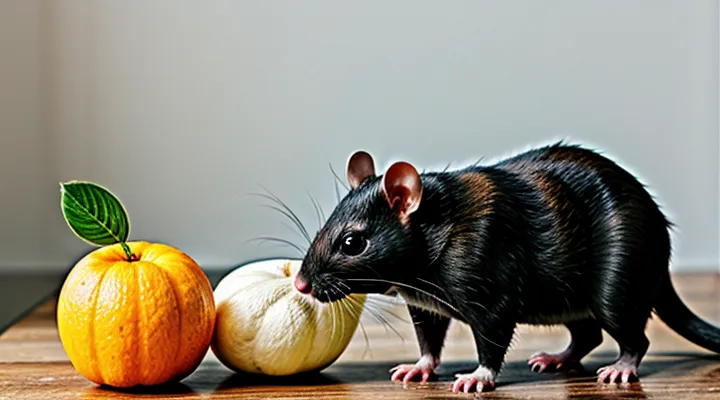
Essential Nutritional Components
Proteins
Proteins provide the building blocks for muscle, fur, and organ development in ornamental rats. Adult individuals require approximately 18–20 % of their daily caloric intake from high‑quality protein sources; juveniles benefit from a slightly higher proportion, around 22 %.
Suitable protein ingredients include:
- Cooked lean chicken breast, finely diced
- Boiled egg white, shredded
- Low‑fat cottage cheese, crumbled
- Cooked salmon, boneless and skinless
- High‑protein rodent pellets formulated with soy or whey isolate
Each serving should be measured to avoid excess calories that can lead to obesity. A typical adult rat consumes 2–3 g of protein per day, which translates to roughly one teaspoon of cooked meat or a quarter of a standard pellet portion.
Digestibility matters; animal‑based proteins generally achieve 90 % or higher absorption rates, whereas plant proteins may be lower unless processed with enzymes. Supplementing with a small amount of calcium‑rich dairy helps balance the amino acid profile and supports bone health.
Monitor coat condition and activity levels. A decline in fur sheen or reduced vigor often signals inadequate protein intake, prompting a reassessment of diet composition. Regularly rotate protein sources to prevent nutrient imbalances and maintain palatability.
Fats
Fats supply concentrated energy and contribute to the integrity of skin, fur, and neuronal function in ornamental rats. Adequate inclusion of essential fatty acids supports a glossy coat and healthy growth.
Key fatty acids and practical sources:
- Omega‑3 (EPA/DHA): fish oil, salmon, sardines, algae supplements.
- Omega‑6 (linoleic acid): sunflower oil, safflower oil, corn oil.
- Saturated fats (moderate): small amounts of butter, coconut oil, or lard.
- Monounsaturated fats: olive oil, avocado puree.
Dietary guidelines recommend that fats represent 5‑10 % of total caloric intake for a typical adult decorative rat. A practical approach is to add ½ teaspoon of mixed vegetable oil or a calibrated portion of fish oil to the daily food mix, ensuring the overall fat content stays within the target range.
Excessive fat can lead to obesity, hepatic lipidosis, and reduced mobility. Deficiency manifests as dull fur, flaky skin, and impaired cognition. Regular monitoring of body condition and coat quality allows timely adjustments to the fat component of the diet.
Carbohydrates
Carbohydrates provide the primary energy source for ornamental rats, supporting active foraging behavior and maintaining body temperature. Rapidly digestible starches supply quick glucose, while complex fibers aid gastrointestinal motility and microbiome health. Balance between these forms prevents excess weight gain and reduces the risk of metabolic disturbances.
Recommended carbohydrate sources:
- Cooked oatmeal (plain, unsweetened) – moderate‑glycemic, high in soluble fiber.
- Whole‑grain rice or quinoa – low‑fat, provides sustained energy.
- Sweet potato cubes (steamed) – rich in complex carbs and beta‑carotene.
- Fresh apple or pear slices (seed‑free) – natural sugars with pectin fiber.
- Small quantities of whole‑grain pasta or barley – occasional treat for variety.
Typical inclusion rate: 15–20 % of the total diet by weight, adjusted for age, activity level, and body condition. Monitor body weight weekly; reduce carbohydrate portions if gain exceeds 2 % per month. Replace excess simple sugars with fiber‑rich options to promote stable blood glucose.
Carbohydrate quality influences dental health. Fibrous items such as raw carrots or celery encourage chewing, reducing plaque buildup. Ensure all carbohydrate foods are free of added salts, sugars, or artificial flavorings to avoid renal strain and obesity.
In summary, a well‑structured carbohydrate component, featuring whole grains, cooked tubers, and limited fruit, delivers energy, supports digestive function, and contributes to overall vitality in decorative rats when incorporated at appropriate levels.
Vitamins and Minerals
A balanced intake of vitamins and minerals is essential for the health and appearance of ornamental rats. Deficiencies can lead to dull fur, poor growth, skeletal abnormalities, and reduced vitality.
Key nutrients and reliable sources include:
- Vitamin A – carrot puree, sweet potato, kale; supports vision and skin integrity.
- Vitamin D3 – fortified rodent pellets, occasional exposure to indirect sunlight; aids calcium absorption.
- Vitamin E – wheat germ oil, sunflower seeds; provides antioxidant protection for coat quality.
- B‑complex vitamins – whole‑grain cereals, brewer’s yeast; promote metabolism and nervous system function.
- Vitamin C – small amounts of orange or strawberry mash; prevents scurvy in young or stressed individuals.
- Calcium – crushed oyster shells, low‑fat cheese; necessary for bone development and dental health.
- Phosphorus – fish meal, egg yolk; works with calcium to maintain skeletal strength.
- Magnesium – pumpkin seeds, leafy greens; supports muscle function and enzyme activity.
- Potassium – banana slices, boiled potatoes; regulates fluid balance and nerve transmission.
- Iron – cooked lentils, lean meat; essential for oxygen transport.
Recommended daily intake varies with age, size, and activity level. Adult decorative rats typically require 0.02 mg of vitamin A per gram of body weight, 0.005 mg of vitamin D3 per gram, and 0.1 mg of calcium per gram. Over‑supplementation can cause toxicity; for example, excess vitamin D3 may lead to kidney damage, while too much calcium can impair phosphorus absorption.
Monitoring signs such as coat dullness, whisker brittleness, limping, or abnormal drooling can indicate a nutritional shortfall. Adjust the diet promptly by adding the appropriate food item or a calibrated supplement formulated for small rodents.
Consistent provision of high‑quality, nutritionally complete rodent pellets combined with targeted fresh foods ensures that ornamental rats receive the vitamins and minerals needed for optimal health, vibrant fur, and an active temperament.
Core Diet Staples
High‑quality commercial rat pellets form the foundation of a balanced diet for ornamental rats. These pellets are formulated to deliver essential vitamins, minerals, and protein levels that support growth, coat health, and overall vitality.
Fresh vegetables should be offered daily in moderate quantities. Suitable options include leafy greens such as kale, romaine lettuce, and spinach, as well as carrots, broccoli, and bell peppers. Vegetables provide fiber, antioxidants, and additional micronutrients.
Limited fresh fruit can serve as a source of natural sugars and vitamins. Acceptable choices are apple slices (seed‑free), blueberries, and banana, provided portions remain small to prevent excess caloric intake.
Protein supplements, aside from the pellet content, may be introduced a few times per week. Cooked lean chicken, boiled egg whites, or small amounts of low‑fat cottage cheese supply extra amino acids beneficial for muscle maintenance and fur quality.
Whole grains and seeds contribute complex carbohydrates and healthy fats. Offer small servings of rolled oats, quinoa, or sunflower seeds, ensuring they do not dominate the diet.
Clean, fresh water must be available at all times. Replace it daily and use a bottle with a stainless‑steel tip to prevent contamination.
Core diet staples:
- Premium rat pellets (primary source)
- Daily fresh vegetables (leafy greens, carrots, broccoli)
- Small portions of fruit (apple, blueberries, banana)
- Occasional protein boosts (cooked chicken, egg whites, cottage cheese)
- Limited whole grains and seeds (oats, quinoa, sunflower seeds)
- Constant access to fresh water
Adhering to these components guarantees nutritional completeness for decorative rats, promoting robust health and an attractive appearance.
Recommended Vegetables
Leafy Greens
Leafy greens provide essential nutrients for ornamental rats, supporting healthy growth and coat condition. They supply vitamins A, C, and K, as well as minerals such as calcium and potassium, which contribute to bone strength and immune function.
- Romaine lettuce – high in vitamin A and low in water content, suitable for regular feeding.
- Kale – rich in vitamin K and calcium; offer in small portions to avoid excess calcium.
- Spinach – source of iron and magnesium; limit due to oxalate levels that can affect kidney health.
- Swiss chard – contains beta‑carotene and folate; provide fresh, washed leaves.
- Collard greens – sturdy texture, high in vitamin C; feed in moderate amounts.
Preparation guidelines: wash greens thoroughly to remove pesticides, trim tough stems, and cut into bite‑size pieces. Serve fresh; discard leftovers after two hours to prevent spoilage. Store in a sealed container in the refrigerator for up to three days.
Cautionary notes: avoid wilted or moldy leaves, as they can introduce pathogens. Monitor rats for signs of digestive upset when introducing new greens, and adjust portions accordingly. Balanced inclusion of leafy vegetables alongside pellets, fruits, and protein sources ensures a complete diet for decorative rats.
Root Vegetables
Root vegetables provide essential carbohydrates, fiber, and micronutrients that support the energy demands and digestive health of ornamental rats. Carrots, sweet potatoes, and beets deliver beta‑carotene, vitamin C, and potassium, contributing to coat brightness and muscle function.
Recommended varieties
- Carrot (raw or lightly steamed) – high in beta‑carotene, low in sugar when offered in moderation.
- Sweet potato (cooked, unseasoned) – source of complex starch, vitamin A, and dietary fiber.
- Beetroot (cooked, diced) – supplies iron and folate, but should be limited due to oxalate content.
- Turnip (raw or lightly boiled) – provides vitamin K and calcium, suitable for occasional treats.
Feeding guidelines
- Offer 1–2 teaspoons of finely chopped root vegetable per rat daily, divided into two portions.
- Introduce new vegetables gradually, observing for signs of gastrointestinal upset.
- Ensure all pieces are free of pesticides and thoroughly washed before serving.
Preparation notes
- Cooked sweet potatoes and beets improve digestibility; avoid adding salt, butter, or seasoning.
- Raw carrots retain maximum vitamin content; slice thinly to reduce choking risk.
- Remove skins from beets and turnips if they are thick or waxed, as these layers can contain contaminants.
Precautions
- High‑oxalate vegetables (beetroot, raw turnip) may contribute to urinary stone formation; limit to once or twice weekly.
- Excessive carbohydrate intake can lead to obesity; balance root vegetables with protein sources such as high‑quality rat pellets and occasional lean meat.
Incorporating a variety of root vegetables, prepared safely and fed in controlled amounts, enhances the nutritional profile of a decorative rat’s diet while supporting overall vitality and appearance.
Other Safe Vegetables
Rats kept for companionship benefit from a varied vegetable intake that supplies fiber, vitamins, and antioxidants. In addition to commonly recommended greens, several other vegetables are safe and nutritious.
- Zucchini – soft texture, high water content, low sugar; feed raw in small cubes.
- Bell peppers – red, yellow, or orange provide vitamin C; remove seeds before offering.
- Cucumber – crisp, hydrating; slice thinly and serve without skin if thick.
- Green beans – cooked or raw, trimmed of ends; source of protein and calcium.
- Broccoli florets – rich in vitamin K and folate; give in limited portions to avoid gas.
- Cauliflower – similar to broccoli, low‑calorie; ensure pieces are bite‑size.
- Kale – dark leafy green with calcium; offer sparingly due to oxalate content.
- Turnip greens – contain vitamin A and iron; rinse thoroughly before serving.
- Radishes – crunchy, low‑calorie; remove the skin if thick, feed in modest amounts.
Introduce each new vegetable gradually, monitoring for digestive tolerance. Rotate selections to maintain interest and balanced nutrition, and always wash produce to eliminate pesticide residues.
Recommended Fruits
Berries
Berries provide a natural source of vitamins, antioxidants, and fiber that complement the dietary needs of ornamental rats. Their high water content supports hydration, while the sugars supply quick energy for active individuals.
- Blueberries: rich in vitamin C and anthocyanins; offer a mild flavor that most rats accept. Serve no more than three berries per day, washed and sliced to prevent choking.
- Strawberries: contain folate and potassium; remove stems and leaves, then cut into bite‑size pieces. Limit to two small strawberries weekly to avoid excess sugar.
- Raspberries: deliver dietary fiber and vitamin K; discard seeds if they appear large. Offer one to two berries twice a week.
- Blackberries: provide manganese and vitamin E; ensure they are fresh and free of mold. Provide a single berry three times per month.
Preparation guidelines: rinse berries thoroughly under running water, pat dry, and remove any bruised sections. Offer fresh fruit only; frozen varieties may retain nutrients but should be thawed completely and drained of excess moisture. Do not add sweeteners or sauces.
Potential concerns: overconsumption can lead to gastrointestinal upset or weight gain. Some berries contain trace amounts of oxalic acid, which may affect calcium absorption if given excessively. Monitor each rat’s response and adjust portions accordingly.
Incorporating berries as an occasional treat enhances palate variety while contributing essential micronutrients to the overall nutrition plan for decorative rats.
Pitted Fruits
Pitted fruits provide natural sugars, fiber, and vitamins that complement a balanced diet for ornamental rats. Their soft texture encourages chewing and supports dental health, while the absence of pits eliminates choking hazards.
Suitable varieties include:
- Apples, sliced and core removed
- Plums, halved and pit extracted
- Peaches, flesh only, skin optional
- Nectarines, flesh only
- Apricots, sliced, pit removed
Nutritional contributions are modest: each serving supplies roughly 5–10 % of daily vitamin C, 2–4 % of vitamin A, and a small amount of potassium. Fiber content aids gastrointestinal motility, preventing constipation common in captive rodents.
Preparation guidelines:
- Wash fruit thoroughly to remove pesticide residues.
- Remove all pits, seeds, and stems.
- Cut into bite‑size pieces, no larger than 0.5 cm³.
- Offer no more than one teaspoon per rat per day, adjusting for body weight and overall diet composition.
Potential concerns:
- High sugar levels can lead to obesity or dental decay if overfed.
- Some rats may exhibit intolerance to acidic fruit, resulting in loose stools.
- Unremoved pits pose a mechanical injury risk.
Integrating pitted fruits in moderation enhances variety and enriches the nutritional profile of a decorative rat’s menu, provided strict hygiene and portion control are observed.
Other Safe Fruits
Decorative rats thrive when their diet includes a range of fruit options beyond the usual choices. Introducing additional safe fruits diversifies nutrients, supports dental health, and encourages natural foraging behavior.
- Blueberries – high in antioxidants; offer a few whole berries several times a week.
- Strawberries – provide vitamin C and fiber; serve sliced pieces in moderation to avoid excess sugar.
- Apple (core removed) – source of pectin and vitamins; limit to thin slices, removing seeds completely.
- Pear – soft texture aids chewing; offer small wedges, ensuring the skin is washed.
- Kiwi – rich in vitamin K and potassium; provide only a thin slice due to strong flavor.
- Melon (cantaloupe, honeydew) – hydrating and low‑calorie; cut into bite‑size cubes, remove seeds.
- Papaya – contains digestive enzymes; serve a small, seed‑free chunk a few times monthly.
- Mango – supplies vitamin A; give a tiny section, avoiding the pit.
When adding fruit, follow these guidelines: limit total fruit intake to no more than 10 % of the daily caloric budget, wash all produce thoroughly, remove pits, seeds, and stems that could cause obstruction, and introduce new items gradually to monitor tolerance. Consistent, measured inclusion of these fruits enhances the overall nutritional profile of an ornamental rat’s diet without compromising health.
Grains and Seeds
Whole Grains
Whole grains supply dietary fiber, complex carbohydrates, B‑vitamins, and trace minerals that support digestive health and energy metabolism in ornamental rats.
- Fiber aids intestinal motility and prevents constipation.
- Complex carbs deliver sustained energy without rapid blood‑sugar spikes.
- B‑vitamins (thiamine, riboflavin, niacin) contribute to nervous‑system function.
- Minerals such as magnesium, phosphorus, and zinc support bone development and enzymatic processes.
Commonly used grains include:
- Oats (rolled or steel‑cut) – soft texture, high in soluble fiber.
- Brown rice – rich in manganese and selenium, low in fat.
- Quinoa – complete protein source, contains all essential amino acids.
- Barley – high beta‑glucan content, promotes gut flora balance.
- Whole‑wheat pasta or bulgur – convenient for mixing with fresh vegetables.
Feeding guidelines:
- Offer 1–2 teaspoons of cooked grain per rat daily, adjusted for activity level and body condition.
- Cook grains without added salt, sugar, or seasoning; cool to room temperature before serving.
- Introduce new grain types gradually, monitoring for signs of intolerance such as diarrhea or reduced appetite.
- Store dry grains in airtight containers to prevent mold growth and pest infestation.
Incorporating a variety of whole grains into the diet enhances nutrient diversity and contributes to the overall well‑being of decorative rats.
Safe Seeds
Safe seeds constitute a reliable component of a varied diet for ornamental rats, offering essential nutrients without posing health risks. They deliver protein, fiber, and healthy fats, supporting dental health and digestive function when offered in appropriate quantities.
Recommended seeds include:
- Sunflower (unshelled, raw, low‑fat varieties) – rich in vitamin E and linoleic acid.
- Pumpkin (raw, hulled) – source of zinc and antioxidants.
- Flax (ground) – provides omega‑3 fatty acids and lignans.
- Sesame (unsalted, raw) – supplies calcium and magnesium.
- Chia (soaked) – delivers fiber and omega‑3s, improves hydration.
Guidelines for inclusion:
- Limit total seed intake to no more than 5 % of the daily caloric allowance to prevent excess fat accumulation.
- Store seeds in airtight containers at cool temperatures to preserve freshness and prevent mold growth.
- Introduce new seed types gradually, monitoring for signs of digestive upset or allergic reaction.
- Combine seeds with high‑quality pellets, fresh vegetables, and occasional protein sources to achieve a balanced nutritional profile.
Regular assessment of body condition and dental wear confirms the effectiveness of seed selection, ensuring ornamental rats remain healthy and aesthetically vibrant.
Protein Sources
Lean Meats
Lean meats supply high‑quality protein and essential amino acids that support muscle tone and coat health in ornamental rats. The protein content promotes steady growth, while the low fat level helps maintain an optimal body condition without excess weight gain.
Typical lean meat choices include:
- Skinless chicken breast, boiled or baked, no added salt or spices.
- Turkey breast, prepared similarly to chicken.
- Lean beef cuts such as sirloin or round steak, trimmed of visible fat and cooked thoroughly.
- Rabbit meat, naturally low in fat, cooked without seasoning.
- Venison, trimmed and cooked, provides a rich source of iron and B‑vitamins.
Preparation guidelines:
- Cook meat to an internal temperature of at least 165 °F (74 °C) to eliminate pathogens.
- Cool to room temperature before offering to the rat.
- Cut into bite‑size pieces, roughly the size of a pea, to facilitate chewing and digestion.
- Store leftovers in a sealed container in the refrigerator for no more than 48 hours; discard any meat that shows signs of spoilage.
Feeding frequency: Offer lean meat as a supplement to the primary diet, not exceeding 10 % of total daily caloric intake. A typical adult decorative rat receives 5–10 g of cooked lean meat per day, divided into two small portions.
Nutrient balance: Combine lean meat with a base of high‑fiber pellets, fresh vegetables, and occasional fruit to ensure adequate vitamins, minerals, and fiber. This combination sustains digestive health, supports dental wear, and enhances the glossy appearance of the rat’s fur.
Eggs
Eggs constitute a high‑quality protein source that fits well into an optimal diet for ornamental rats. Their dense nutrient profile supports rapid growth, muscle maintenance, and the glossy coat prized in decorative breeding.
The primary nutrients supplied by eggs include:
- Complete protein with all essential amino acids
- Vitamin D for calcium absorption and bone health
- B‑complex vitamins (B12, riboflavin, biotin) that aid metabolism and fur condition
- Choline, a phospholipid precursor essential for neural function and skin integrity
- Selenium and iodine, trace elements that reinforce immune defenses
For safe inclusion, prepare eggs by hard‑boiling or scrambling without added salt, butter, or seasoning. Offer ¼ to ½ of a small egg (approximately 6–10 g) per adult rat, two to three times weekly. Adjust portions for juveniles or lactating females, limiting total egg intake to no more than 10 % of daily caloric intake.
Safety guidelines are critical:
- Avoid raw eggs to prevent salmonella exposure.
- Rinse shells thoroughly and discard them unless they are finely crushed and baked to eliminate bacterial load.
- Monitor each rat for signs of egg intolerance, such as digestive upset or skin reactions, and discontinue use if symptoms appear.
When incorporated correctly, eggs enhance protein balance, promote a lustrous pelage, and contribute to the overall vitality of decorative rats.
Dairy Products
Dairy products can enrich the diet of ornamental rats when offered in moderation. They supply calcium, protein, and vitamins A and D, which support bone development and coat health. However, most adult rats exhibit varying degrees of lactose intolerance; excessive consumption may cause gastrointestinal upset.
Suitable options include:
- Low‑fat plain yogurt (unsweetened, no additives)
- Small portions of cottage cheese (1‑2 g per 100 g body weight)
- Hard cheese such as cheddar or gouda (limited to a few cube‑sized pieces weekly)
When introducing dairy, start with a minimal amount and observe the animal for signs of diarrhea or discomfort. If adverse reactions occur, discontinue the product and consider lactose‑free alternatives such as fortified plant‑based milks formulated for small mammals.
Balanced inclusion of dairy should complement a primarily grain‑based diet, providing supplemental nutrients without displacing essential staples like high‑quality rodent pellets, fresh vegetables, and occasional protein treats.
Plant-Based Proteins
Plant‑based proteins are essential components of a balanced diet for ornamental rats, supplying amino acids necessary for growth, tissue repair, and coat health. Legumes, grains, and certain seeds deliver high‑quality protein while fitting the dietary preferences of herbivorous‑inclined rodents.
Soy products, such as tempeh and tofu, provide approximately 18 g of protein per 100 g and contain all essential amino acids. When offering soy, ensure it is unseasoned and cut into bite‑size pieces to prevent choking. Lentils, cooked and rinsed, contribute 9 g of protein per 100 g and are rich in iron and folate; they should be served soft to aid digestion. Chickpeas, similarly prepared, deliver 8 g of protein per 100 g and a modest amount of calcium.
Whole grains add protein and fiber:
- Quinoa: 14 g protein per 100 g, complete amino acid profile.
- Oats: 13 g protein per 100 g, high in soluble fiber.
- Brown rice: 7 g protein per 100 g, low in fat.
Seeds can supplement protein intake in small quantities due to high fat content:
- Hemp seeds: 31 g protein per 100 g, omega‑3 fatty acids.
- Pumpkin seeds: 30 g protein per 100 g, magnesium and zinc.
When integrating plant proteins, maintain a daily protein target of 15–20 % of total caloric intake, adjusting portions based on the rat’s age, weight, and activity level. Rotate protein sources to prevent nutrient imbalances and monitor stool consistency for signs of digestive intolerance. Avoid soy products containing added sugars, salts, or flavorings, as these can disrupt electrolyte balance.
Occasional Treats and Supplements
Healthy Snacks
Healthy snacks contribute essential vitamins, minerals, and fiber to the diet of ornamental rats, supporting coat sheen, dental health, and overall vitality. Snacks should complement a balanced base diet of high‑quality rodent pellets and should be offered in moderation to prevent excess calories.
- Fresh vegetables: finely diced carrots, broccoli florets, and spinach leaves provide beta‑carotene, vitamin C, and calcium. Wash thoroughly and remove any wilted portions before serving.
- Fruit morsels: small pieces of apple (core removed), blueberries, and pear supply natural sugars and antioxidants. Limit to two to three bites per day to avoid sugar overload.
- Whole grains: cooked quinoa, rolled oats, or barley offer complex carbohydrates and B‑vitamins. Ensure grains are unseasoned and cooled before presentation.
- Protein treats: boiled egg white, plain cooked chicken breast, or low‑fat cottage cheese deliver amino acids for muscle maintenance. Provide no more than a teaspoon per serving.
- Nuts and seeds: unsalted pumpkin seeds or sliced almonds deliver healthy fats and magnesium. Offer sparingly, as high fat content can lead to obesity.
Preparation guidelines: cut all items into bite‑size pieces no larger than a rat’s paw; remove seeds, pits, and skins that could cause choking; store fresh snacks in a sealed container in the refrigerator for up to three days. Replace any uneaten portions after 24 hours to maintain hygiene.
Monitoring: track snack intake alongside pellet consumption to ensure total caloric intake remains within the species’ recommended range of 15–20 kcal per day for an adult decorative rat. Adjust portions if weight gain or loss becomes apparent.
Nutritional Supplements (when necessary)
Nutritional supplements should be introduced only after a thorough assessment of the rat’s diet and health status. Deficiencies become apparent when weight loss, poor coat condition, or abnormal behavior persist despite a balanced food regimen. In such cases, targeted supplementation restores nutrient levels and supports overall vitality.
Commonly required supplements include:
- Calcium carbonate – essential for bone development and dental health; dosage varies with age and weight.
- Vitamin D3 – facilitates calcium absorption; necessary for indoor‑kept rats lacking natural sunlight exposure.
- Omega‑3 fatty acids – improve skin and fur quality; sourced from fish oil or algal oil.
- Probiotic blends – maintain gut flora balance; especially useful after antibiotic treatment.
- B‑complex vitamins – support metabolism and nervous system function; indicated for rats showing lethargy or loss of appetite.
Administration guidelines:
- Verify deficiency through veterinary testing or observation of clinical signs.
- Choose a supplement formulated specifically for small rodents to avoid overdosing.
- Provide the recommended amount mixed with regular food or water, monitoring for adverse reactions.
- Re‑evaluate nutritional status after a set period, typically 2–4 weeks, and adjust dosage accordingly.
When supplements are used judiciously, they complement a diet rich in high‑quality grains, fresh vegetables, and protein sources, ensuring decorative rats maintain optimal health and presentation.
Foods to Avoid
Toxic Foods
Chocolate, caffeine, and alcohol are lethal to pet rats. Their metabolic systems cannot process theobromine, caffeine alkaloids, or ethanol, leading to rapid organ failure.
Onions, garlic, and leeks contain sulfides that damage red blood cells, causing hemolytic anemia.
Raw potatoes and green tomatoes hold solanine, a neurotoxin that induces vomiting, diarrhea, and seizures.
Fruit seeds and pits—apple, cherry, peach, plum—contain cyanogenic glycosides; ingestion can result in respiratory distress and cardiac arrest.
High‑salt foods, such as processed meats and snack chips, cause electrolyte imbalance, dehydration, and kidney damage.
Sugar substitutes, particularly xylitol, trigger a sudden insulin surge, resulting in hypoglycemia and liver failure.
Moldy or spoiled food harbors mycotoxins; exposure leads to liver toxicity and immune suppression.
Toxic food list
- Chocolate, coffee, tea, energy drinks
- Alcoholic beverages
- Allium family: onion, garlic, leeks, shallots
- Raw potatoes, green tomatoes, nightshade vegetables
- Fruit seeds and pits: apple, cherry, peach, plum
- Processed meats, salty snacks, chips
- Xylitol‑containing products (gum, candy, baked goods)
- Moldy or spoiled food items
Avoid these items entirely to maintain the health of decorative rats. Proper nutrition relies on safe, species‑appropriate foods such as fresh vegetables, high‑quality rodent pellets, and occasional fruit treats.
High-Sugar and High-Fat Foods
High-sugar and high‑fat foods constitute a small, controlled portion of an ornamental rat’s diet. Excessive sugars rapidly raise blood glucose, increasing the risk of insulin resistance and obesity. Saturated fats contribute to hepatic steatosis and elevate cholesterol levels, which can shorten lifespan and impair mobility.
Safe inclusion criteria:
- Frequency: no more than two servings per week.
- Portion size: ½ teaspoon of sugary treat or ¼ teaspoon of fatty snack per 200 g body weight.
- Source: natural fruit purees (e.g., unsweetened apple or pear) for sugar; small amounts of unsalted nuts or cooked egg yolk for fat.
Foods to avoid entirely:
- Candied fruits, chocolate, caramel, and honey.
- Fried snacks, bacon, sausage, and full‑fat cheese.
- Processed pastries, sugary cereals, and butter‑laden spreads.
If a high‑sugar or high‑fat item is offered, monitor the rat for signs of lethargy, weight gain, or digestive upset. Adjust the regular diet by reducing grain and seed portions to maintain a balanced macronutrient ratio of approximately 60 % protein, 20 % fiber, and 20 % healthy fats.
Processed Foods
Processed foods can complement the diet of ornamental rats when selected with care. Commercially prepared rodent pellets, fortified with vitamins and minerals, supply a balanced nutrient profile in a single serving. Small batches of low‑fat, grain‑based treats provide quick energy without excess calories.
- Standard pellets – complete protein, calcium, and essential fatty acids; offered once daily, 1 g per 100 g body weight.
- Freeze‑dried insects – high‑quality protein, chitin for dental health; limited to 5 % of total intake.
- Low‑sugar biscuit‑type snacks – source of complex carbohydrates; use as occasional enrichment, not more than two per week.
Potential risks stem from artificial flavors, excessive sodium, and preservatives that may irritate the gastrointestinal tract. Avoid products containing added sugars, MSG, or high levels of potassium chloride. Store all processed items in airtight containers to prevent mold growth.
Implement a feeding schedule that prioritizes fresh vegetables and limited fresh fruit, reserving processed items for supplemental nutrition. Regular weight monitoring ensures that processed portions remain appropriate and that the rats maintain a healthy body condition.
Hydration
Importance of Water
Water constitutes the primary medium for metabolic processes in decorative rats. Adequate intake supports digestion, nutrient transport, and thermoregulation, preventing dehydration‑induced stress that can compromise coat quality and activity levels.
Consistent access to clean, fresh water influences the effectiveness of dietary components by:
- Facilitating enzymatic reactions that break down proteins, fats, and carbohydrates.
- Enabling the absorption of vitamins and minerals through intestinal walls.
- Maintaining electrolyte balance, which affects muscle function and nervous system stability.
- Assisting in the elimination of waste products via urine, reducing the risk of urinary tract complications.
Providing water at room temperature, refreshed at least twice daily, ensures that the rats’ physiological needs align with the nutritional goals of an ornamental rat diet.
Water Delivery Methods
Providing clean, reliable water is essential for the health of ornamental rats. Water sources must be free of contaminants, maintain a stable temperature, and encourage regular consumption.
A bottle with a stainless‑steel sipper tube offers durability, prevents bacterial growth, and eliminates the need for frequent refilling. Position the bottle at a height that allows the rat to drink comfortably without straining the neck. Replace the tube every two weeks to avoid biofilm buildup.
A ceramic or glass bowl provides an alternative for rats that prefer open containers. Choose a bowl with a wide rim to reduce spillage and a smooth interior to simplify cleaning. Change the water at least twice daily and scrub the bowl with a mild, fragrance‑free detergent after each refill.
A drip system can supply a continuous flow of fresh water. Install a low‑volume pump that delivers a steady stream into a shallow tray. The system should include a filtration unit to remove particulates and a timer to prevent over‑watering, which can lead to mold growth.
When selecting a delivery method, consider the following criteria:
- Material safety (non‑toxic, corrosion‑resistant)
- Ease of cleaning and maintenance
- Ability to provide fresh water throughout the day
- Compatibility with the cage layout and rat behavior
Regular monitoring of water clarity and consumption patterns helps identify potential health issues early. If a rat shows reduced intake, verify that the delivery system functions correctly and that the water is at an appropriate temperature, ideally between 68 °F and 78 °F (20 °C–26 °C).
Feeding Schedule and Portions
Daily Feeding Routine
A consistent feeding schedule is essential for ornamental rats that are kept primarily for aesthetic purposes. Providing meals at the same times each day stabilizes metabolism, supports coat health, and encourages predictable behavior.
Morning feeding should include a balanced mix of high‑quality pellet or mash formulated for small rodents, supplemented with fresh vegetables. Offer 1 to 1.5 tablespoons of pellets per rat, accompanied by a small handful of leafy greens such as romaine lettuce or kale. Ensure vegetables are washed and chopped to bite‑size pieces.
Midday can feature a light snack to maintain energy levels. Options include a few pieces of fruit (e.g., apple or pear, skin removed) or a single rodent‑safe chew block. Limit fruit to no more than one teaspoon per rat to avoid excess sugar.
Evening meals mirror the morning composition but with a slightly reduced pellet portion (1 tablespoon) and an added protein source. Suitable proteins are boiled egg white, cooked chicken breast, or low‑fat cottage cheese, presented in ½ teaspoon portions. This protein boost supports nighttime activity and fur regeneration.
Throughout the day, provide fresh water in a sipper bottle, refilling it at least twice daily. Clean the bottle and replace water every 24 hours to prevent bacterial growth. Remove uneaten fresh food after four hours to reduce spoilage risk.
Daily feeding checklist
- Morning: pellets (1–1.5 Tbsp) + leafy greens (handful)
- Midday snack: fruit or chew block (≤1 tsp)
- Evening: pellets (1 Tbsp) + protein (½ tsp)
- Water: fresh, changed twice daily
- Clean-up: discard leftovers after 4 hours, sanitize feeding dishes nightly
Adhering to this routine supplies the nutrients required for vibrant fur, robust health, and consistent temperament in decorative rats.
Monitoring Intake
Accurate recording of what ornamental rats consume is essential for maintaining health and promoting a glossy coat. Daily logs should capture the type, quantity, and time of each feeding. Use a dedicated notebook or digital spreadsheet to ensure consistency; include columns for fresh produce, protein sources, and treats.
When evaluating consumption patterns, compare recorded amounts against the species‑specific nutritional guidelines. Deviations—such as reduced vegetable intake or excess high‑fat treats—signal the need for dietary adjustment. Regular weight checks complement intake data, providing a clear picture of energy balance.
- Weigh food portions before offering and after the animal finishes to calculate actual consumption.
- Photograph each meal to verify portion size and composition.
- Schedule weekly reviews of the log to identify trends and make prompt modifications.
- Incorporate automated feeders with built‑in tracking features for continuous data collection.
Consistent application of these practices yields reliable insight into dietary adequacy, supports optimal growth, and helps prevent obesity or nutrient deficiencies in decorative rats.
Special Dietary Considerations
Young Rats
Young decorative rats require a diet that supports rapid growth, dental health, and immune development. Energy-dense nutrients and balanced minerals are essential during the first eight weeks of life.
- High‑protein rodent pellets formulated for juveniles (minimum 20 % protein, fortified with calcium and phosphorus)
- Cooked lean poultry or boiled egg white, offered in small, bite‑size portions
- Fresh, soft vegetables such as finely shredded carrot, zucchini, or spinach, introduced gradually
- Small amounts of low‑fat cottage cheese or plain yogurt for probiotic benefits
- Whole‑grain oatmeal or cooked brown rice for complex carbohydrates
Feeding frequency should be three to four times daily, with each meal sized to prevent overconsumption yet ensure constant nutrient availability. Water must be clean, fresh, and accessible at all times; a bottle with a stainless‑steel spout reduces contamination risk.
Avoid foods high in sugar, fat, or salt, including processed snacks, chocolate, and citrus fruits. Raw beans, uncooked grains, and high‑oxalate vegetables (e.g., rhubarb) can impede calcium absorption and should be excluded. Regularly monitor body condition and adjust portions to maintain a slender, active appearance.
Senior Rats
Senior ornamental rats require diets that address age‑related metabolic changes, reduced dental wear, and a higher risk of gastrointestinal slowdown. Protein sources should be highly digestible, with a modest caloric density to prevent obesity while supporting muscle maintenance. Fiber content must be sufficient to encourage regular bowel movements and prevent impaction, a common concern in older rodents.
Recommended food items include:
- Cooked lean poultry or boiled egg whites, providing 18‑20 % protein with low fat.
- Small portions of soft, low‑sugar fruit such as ripe banana or peeled apple, delivering vitamins A and C.
- Fresh, steamed vegetables like carrots, zucchini, or spinach, offering soluble fiber and antioxidants.
- High‑quality laboratory rat chow formulated for senior animals, enriched with vitamin E, B‑complex, and omega‑3 fatty acids.
- Small amounts of plain, unsalted cottage cheese or low‑fat yogurt for calcium and probiotic support.
Feeding schedule should consist of two measured meals per day, spaced evenly to maintain steady blood glucose levels. Water must be fresh and accessible at all times; consider a low‑profile bottle to reduce spillage. Monitor body condition weekly, adjusting portion sizes if weight fluctuates beyond a 5 % range. Regular veterinary checks will confirm that dietary adjustments meet the specific health needs of each senior decorative rat.
Pregnant or Nursing Rats
Pregnant and nursing rats require a diet that supports rapid tissue growth, fetal development, and milk production. Energy density must be higher than that of standard maintenance feeds, while protein, calcium, and essential fatty acids should be supplied in balanced proportions.
A high‑quality commercial rat mash formulated for breeding animals provides a reliable baseline. Supplement this base diet with the following nutrient‑rich items, offered in moderate quantities to avoid digestive upset:
- Cooked lean chicken or turkey (protein 20–25 % of diet, low fat)
- Hard‑boiled eggs, finely chopped (source of choline and vitamin D)
- Low‑fat cottage cheese or plain yogurt (calcium and probiotic bacteria)
- Cooked quinoa or brown rice (complex carbohydrates for sustained energy)
- Fresh leafy greens such as kale, spinach, or romaine lettuce (vitamins A, C, K, and folate)
- Small portions of carrots or sweet potatoes (beta‑carotene and additional calcium)
- Calcium supplement in the form of powdered bone meal or a commercial rodent calcium block (maintain a calcium‑to‑phosphorus ratio near 2:1)
Water must be fresh and continuously available. Monitor body condition daily; excessive weight gain can indicate over‑feeding, while weight loss may signal nutritional deficiencies or health issues. Adjust portions based on litter size: larger litters demand increased caloric intake, whereas a single pup requires less.
Micronutrient considerations include:
- Vitamin E: add a few drops of a rodent‑safe oil (e.g., sunflower oil) to enhance antioxidant protection.
- B‑complex vitamins: a small amount of fortified rodent multivitamin powder prevents deficiencies during lactation.
- Omega‑3 fatty acids: incorporate a teaspoon of ground flaxseed weekly to improve milk quality.
Avoid sugary treats, high‑fat snacks, and raw beans, as they can cause gastrointestinal distress or interfere with calcium absorption. Regular veterinary check‑ups ensure that the diet meets the specific reproductive needs of each individual rat.
Rats with Health Issues
When decorative rats develop health problems, nutrition becomes a primary tool for recovery and maintenance. Selecting foods that address specific conditions while supporting overall vitality is essential.
High‑protein sources such as cooked chicken breast, boiled egg whites, and low‑fat cottage cheese supply amino acids needed for tissue repair. For rats with dental wear, softened vegetables—steamed carrots, finely grated zucchini, and cooked sweet potato—provide fiber without excessive hardness. Rats prone to obesity benefit from limited grain portions; a measured serving of rolled oats or quinoa, mixed with leafy greens, supplies complex carbohydrates while controlling calorie intake.
For individuals with gastrointestinal sensitivity, probiotic‑rich options help stabilize gut flora. Yogurt (plain, unsweetened) or a small amount of kefir can be introduced gradually. Rats suffering from respiratory or allergic issues should avoid dusty grains and opt for moist, low‑allergen foods such as pureed pumpkin or mashed peas.
A concise feeding plan may include:
- Protein: 1 – 2 g cooked chicken or egg white per 100 g body weight daily.
- Vegetables: 10–15 % of total diet, steamed and finely chopped.
- Complex carbs: 5–8 % of diet, limited to oats or quinoa, mixed with greens.
- Probiotics: ½ teaspoon plain yogurt or kefir every other day.
- Hydration: Fresh water at all times; consider a water bottle with a small drip to encourage drinking.
Monitoring weight, coat condition, and activity levels provides immediate feedback on dietary effectiveness. Adjust portions based on observed changes, and consult a veterinarian experienced with ornamental rodents for persistent or severe ailments. Properly tailored nutrition can mitigate many health challenges and extend the quality of life for these companion animals.