
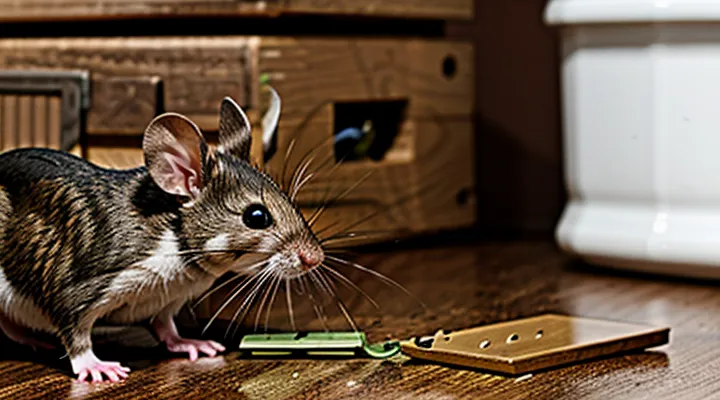
Understanding Mouse Preferences
Why Bait Choice Matters
Choosing the right lure for a mouse trap determines whether the device will attract a rodent quickly and sustain its interest long enough for capture. A bait that aligns with a mouse’s dietary preferences creates a strong olfactory signal, prompting immediate investigation. If the scent dissipates rapidly, the trap loses effectiveness after a short period, requiring frequent re‑baiting and reducing overall efficiency.
The impact of bait selection extends to several practical outcomes:
- Capture rate – High‑draw baits increase the percentage of successful catches per deployment.
- Trap longevity – Durable, slow‑release attractants keep the device active for days, minimizing maintenance.
- Safety – Non‑toxic, edible options protect pets and children while still appealing to mice.
- Non‑target avoidance – Specific flavors deter insects and other wildlife, focusing activity on the intended pest.
- Cost control – Effective lures reduce the number of traps needed and lower the frequency of replacement.
In summary, the bait’s composition, scent strength, and durability directly influence trap performance, operational costs, and safety considerations. Selecting an appropriate attractant is therefore a decisive factor in any rodent‑control strategy.
Common Mouse Diet
Grains and Seeds
Grains and seeds provide a natural attractant for rodents, leveraging their innate preference for carbohydrate‑rich foods. Common options include wheat berries, oats, rice, corn kernels, and sunflower seeds; each offers a distinct texture and scent that can motivate a mouse to investigate a trap.
- Wheat berries: dense, aromatic, long‑lasting.
- Oats: soft, easily chewed, minimal residue.
- Rice: neutral flavor, low dust.
- Corn kernels: sweet aroma, high palatability.
- Sunflower seeds: strong scent, attractive to both mice and rats.
Effectiveness depends on freshness; stale or damp grains lose scent potency and may encourage mold growth, reducing trap reliability. Store bait in airtight containers at cool temperatures to preserve aroma and prevent spoilage.
Placement strategy matters. Position a small amount—approximately a pea‑size portion—directly on the trigger mechanism to ensure contact. In multi‑trap setups, distribute seed mixtures evenly to avoid bias toward a single device. Avoid using excessively large quantities, which can allow mice to feed without activating the trap.
Safety considerations include keeping bait away from pets and children, as some seeds pose choking hazards. For households with allergies, select grain types that do not contain common allergens such as gluten or nuts.
Sugary Foods
Sugary foods attract mice by appealing to their innate preference for high‑energy sources, making them reliable bait for snap or live traps. When selecting a sweet lure, prioritize items that retain aroma and moisture, ensuring consistent scent release over several hours.
- Peanut butter mixed with honey or maple syrup
- Small cubes of dried fruit (raisins, apricots, dates)
- Chocolate chips or a dab of caramel
- Miniature marshmallows or gummy candies
- Crushed cereal coated with powdered sugar
Apply the chosen sweet bait sparingly to the trap’s trigger mechanism; excess can cause the mouse to consume the lure without activating the device. Position the bait at the far end of the trap to compel the rodent to fully enter before contacting the trigger.
Avoid using highly processed sugary products that melt or dissolve quickly, such as liquid syrups, because they can obscure the trap’s function and create messes that deter further activity. Store bait in airtight containers to preserve potency and prevent ant infestation, which could compete with mice for the same food source.
When deploying sugary bait, monitor trap performance daily, replace stale or depleted lures promptly, and rotate between different sweet items to prevent habituation. This systematic approach maximizes capture rates while maintaining trap efficiency.
Protein Sources
Protein-rich baits attract mice because the rodents’ diet naturally includes insects, seeds, and small animal tissue. Using a high‑protein lure increases the likelihood that a mouse will investigate and trigger a trap.
- Peanut butter mixed with powdered whey protein
- Cooked chicken or turkey, shredded into fine strips
- Hard‑boiled egg, mashed and combined with a small amount of cornmeal
- Canned tuna, drained and broken into tiny flakes
- Sunflower seed butter enriched with soy protein isolate
When applying these baits, keep the quantity minimal—no larger than a pea‑size dollop—to prevent the trap from becoming clogged. Attach the bait securely to the trigger mechanism using a thin piece of dental floss or a small dab of adhesive; this ensures the mouse must contact the trigger to obtain the food. For oily substances such as peanut butter, spread a thin layer on a disposable piece of cardboard to avoid residue on the trap’s spring.
Avoid baits that spoil quickly in warm environments; refrigerate prepared mixtures if not used within a few hours. Dispose of any leftover bait after 24 hours to eliminate odors that may deter further activity. Regularly replace bait with fresh protein sources to maintain potency and sustain a consistent catch rate.
Top Bait Recommendations
Peanut Butter
Why it Works
Effective attractants exploit mice’s acute sense of smell, preference for high‑energy foods, and innate foraging instincts. By presenting a scent or flavor that signals a readily available calorie source, a trap becomes a plausible feeding opportunity, prompting the rodent to investigate and trigger the mechanism.
- Peanut butter – strong, fatty odor overwhelms other scents; mice associate it with dense caloric content, leading to rapid approach.
- Chocolate – sweet, aromatic compounds stimulate taste receptors; the rarity of chocolate in natural habitats makes it a high‑value target.
- Dried fruit (e.g., raisins, apricots) – concentrated sugars emit a sweet fragrance that mimics ripe fruit, attracting foraging behavior.
- Nuts and seeds – crunchy texture and nutty aroma resemble natural prey; the protein and fat content signal a nutritious meal.
- Cheese (especially strong varieties) – pungent aroma activates olfactory receptors tuned to dairy; the texture encourages nibbling that often results in contact with the trigger.
- Pet food (wet or dry) – familiar to commensal rodents; the blend of meat and grain aromas provides a balanced scent profile that draws mice from a distance.
Each bait’s efficacy stems from a combination of olfactory potency, nutritional appeal, and familiarity within the mouse’s environment. By aligning these factors with the trap’s design, the likelihood of capture increases markedly.
How to Apply
Select a bait that matches the target rodent’s preferences—peanut butter, dried fruit, or high‑protein pet food are proven attractants. Apply the chosen lure according to the following procedure:
- Prepare the bait. Soften peanut butter to a spreadable consistency; crumble dry foods into fine particles; moisten fruit with a few drops of water to enhance scent.
- Secure the bait. Place a pea‑sized amount directly on the trap’s trigger platform. For snap traps, smear a thin layer on the metal plate; for glue boards, spread a thin line across the adhesive surface.
- Position the trap. Locate the device along walls, behind appliances, or in known travel routes. Ensure the bait faces outward to allow the mouse to contact the trigger without obstruction.
- Observe activity. Check traps after 12‑24 hours. Record captures and note any bait depletion.
- Refresh or replace. If the lure shows signs of drying or contamination, reapply a fresh portion. Replace traps that have not yielded results after three days with a different bait type.
Consistent application of these steps maximizes lure effectiveness and improves capture rates.
Cheese
Traditional vs. Effective Types
Traditional mouse baits rely on foods that mice commonly encounter in households. Peanut butter, cheese, and dried fruit are typical examples. These options are inexpensive and easy to acquire, but their scent can dissipate quickly, reducing long‑term attractiveness.
Effective baits focus on strong odor, high fat content, and low moisture to maintain potency. Examples include:
- Commercial rodent lures formulated with synthetic pheromones and concentrated animal fat.
- Small pieces of bacon or cooked sausage, delivering both scent and grease.
- Powdered peanut butter mixed with cinnamon or cloves, enhancing aromatic persistence.
When selecting a bait, consider placement durability and the ability to stay affixed to the trap. Traditional items may shift or dry out, while specialized lures are designed to cling securely. Combining a high‑fat protein source with a potent olfactory enhancer generally yields higher catch rates than relying on classic household foods alone.
Application Tips
Effective bait placement determines trap success. Use a small amount of attractant; excess material can mask scent and allow rodents to detect the trap without engaging.
- Apply a pea‑sized dab of peanut butter, almond paste, or soft cheese directly to the trigger mechanism. The sticky texture adheres to the mouse’s snout, encouraging a firm grip.
- For dry baits such as sunflower seeds or rolled oats, secure the particles with a thin layer of petroleum jelly or a dab of honey. This prevents displacement by wind or other animals.
- Position the bait at the rear edge of the trigger plate, ensuring the mouse must step onto the plate to reach it. This alignment maximizes pressure on the trigger.
- Replace bait after each capture or when it dries out. Fresh scent maintains lure potency and reduces the chance of trap avoidance.
- Use gloves when handling bait to avoid transferring human odors, which can deter rodents.
Select a bait type that matches the mouse’s diet preferences in the specific environment. In grain‑rich storage areas, opt for cereal‑based lures; in kitchen settings, choose protein‑rich options. Rotate baits periodically to prevent habituation. Maintain a clean trap surface; residual debris can interfere with trigger sensitivity and reduce capture rates.
Nutella or Chocolate Spreads
Attractiveness to Mice
Mice are driven by scent, taste, and texture. Strong olfactory cues indicate a food source, while flavors that satisfy their dietary preferences encourage nibbling. Soft or moist textures allow easy chewing, increasing the likelihood of contact with the trap mechanism.
- Peanut butter – high fat content, strong aroma, spreads easily on trigger plates.
- Sunflower seeds – natural rodent favorite, crunchy texture releases scent when damaged.
- Chocolate chips – sweet taste, potent smell, small size fits trap chambers.
- Dried fruit (e.g., raisins) – sugary flavor, pliable surface, attractive to omnivorous mice.
- Meat scraps – protein-rich, pungent odor, effective for carnivorous foraging behavior.
Choosing bait involves matching these sensory triggers to the local mouse population’s diet. Preference varies by season: high‑fat options dominate in colder months, while sugary or protein sources become more appealing in warmer periods. Applying a thin layer of bait prevents clogging and ensures the mouse must bite to reach it, maximizing trap activation.
Proper Placement
Proper placement determines whether a baited trap will engage a mouse. Position the device along established travel routes; rodents favor walls, baseboards, and concealed pathways. Place the trap perpendicular to the wall, with the bait side facing the edge, so a mouse must push against the trigger to reach the food.
- Locate traps near droppings, gnaw marks, or nesting material.
- Install traps 1–2 inches from the wall to align with a mouse’s natural running line.
- Avoid high‑traffic human areas; mice avoid bright, open spaces.
- Use multiple traps spaced 5–10 ft apart in a single corridor to increase capture probability.
- Rotate trap positions every few days to prevent habituation.
Secure traps on a stable surface; loose placement can cause premature activation or allow escape. Ensure the bait remains accessible without being obstructed by debris or other objects. Regularly inspect and adjust placement based on observed activity to maintain effectiveness.
Oats and Cereals
Dry vs. Moistened
When choosing bait for a rodent trap, the decision between a dry formulation and one that has been moistened can affect capture rates, handling, and storage. Dry bait retains its shape, resists spoilage, and is easy to apply to snap or electronic devices. Moistened bait releases scent more rapidly, adheres better to the trigger mechanism, and can entice mice that are indifferent to dry textures.
-
Dry bait
• Stable at room temperature, minimal preparation required.
• Less attractive to mice that rely on moisture cues.
• Suitable for long‑term placement where bait exposure to weather is limited. -
Moistened bait
• Emits stronger odor, increasing detection distance.
• Can become soggy, potentially interfering with trap mechanics.
• Requires refrigeration or frequent replacement to prevent mold.
Effective practice pairs the bait type with environmental conditions and mouse behavior. In dry, low‑humidity settings, a dry grain or peanut butter pellet often yields consistent results. In damp or cold areas where mice seek moisture, a small amount of softened cheese or a peanut butter mixture with a few drops of water can improve success. Rotate bait forms periodically to prevent habituation and maintain trap efficacy.
Enhancing Attractiveness
Effective mouse bait relies on sensory appeal. Strong olfactory cues dominate rodent foraging behavior; a bait that emits a potent, familiar scent triggers investigation and consumption. Combine high protein content with a sweet or fatty aroma to satisfy both nutritional drive and innate preference for energy‑dense foods.
Key factors that increase bait attractiveness:
- Scent intensity – use fresh ingredients or commercial attractants that release volatile compounds for several hours.
- Texture contrast – provide a crumbly outer layer with a soft interior, encouraging nibble and continued chewing.
- Moisture level – maintain slight dampness; overly dry bait loses aroma, while excess moisture deters handling.
- Flavor pairing – pair peanut butter with a hint of bacon or chocolate, creating a multi‑flavor profile that broadens appeal.
- Visual cue – a small, irregular shape mimics natural food fragments, increasing curiosity.
Preparation guidelines:
- Blend a base of peanut butter with a measured amount of grated cheese.
- Add a few drops of liquid attractant (e.g., mouse pheromone blend) and stir until uniform.
- Form the mixture into pea‑sized balls; press lightly to expose interior texture.
- Store in an airtight container for no longer than 24 hours to preserve potency.
Testing each bait variant on a limited number of traps reveals which combination yields the highest capture rate. Record capture data, adjust scent concentration, and repeat until the optimal formulation emerges. This systematic refinement maximizes trap effectiveness without resorting to excessive force or hazardous substances.
Meats (Cooked Bacon, Hot Dogs)
Scent Appeal
Scent appeal determines whether a mouse will approach a trap. Rodents rely heavily on olfactory cues to locate food, making aromatic baits more effective than visual ones alone.
Peanut butter remains a top choice because its strong, greasy odor persists after exposure to air. It also adheres well to trap surfaces, preventing premature removal. Cheese, particularly aged varieties, releases volatile compounds that attract mice from several feet away. Commercial rodent attractants often contain fermented grain or soy extracts; these mimic natural foraging scents and maintain potency over time.
When selecting a scent-based lure, consider the following factors:
- Intensity: Choose baits that emit a noticeable aroma without being overwhelming, which can deter cautious mice.
- Longevity: Opt for substances that retain scent after placement, reducing the need for frequent reapplication.
- Adhesion: Ensure the bait adheres securely to the trap to avoid loss during handling.
Applying the bait correctly enhances its effectiveness. Spread a thin layer of peanut butter or a small dollop of cheese on the trigger mechanism, then press gently to secure it. For powdered attractants, dust the trap surface lightly and press the powder into crevices to limit dispersal.
Combining multiple scents can increase success rates. A mixture of peanut butter and a few drops of vanilla extract creates a sweet‑savory profile that appeals to both food‑seeking and exploratory mice. Test different combinations in controlled trials to identify the most reliable lure for a given environment.
Securing the Bait
Secure bait placement determines trap effectiveness. A loose morsel disappears quickly, allowing mice to sample without triggering the mechanism. Attach bait firmly to prevent removal and reduce exposure to non‑target animals.
- Use a small amount of peanut butter or soft cheese; press it into the trap’s trigger plate until it adheres.
- Apply a thin layer of honey or syrup on a cotton ball; wrap the ball in a piece of gauze and staple it to the trap base.
- Insert a piece of dried fruit into a hollow wooden block; drill a shallow cavity, insert the fruit, then seal the opening with a dab of silicone to lock it in place.
Encapsulating bait adds protection. Small plastic containers with a single opening allow rodents to gnaw through while keeping the lure anchored. Commercial bait stations designed for snap traps often feature a removable lid that locks the bait inside; these can be repurposed with any preferred attractant.
Position traps along walls, behind appliances, or within concealed corners. Align the bait side toward the mouse’s natural travel route; this orientation forces the rodent to contact the trigger while reaching for food. Regularly inspect the bait’s integrity; replace any softened or displaced lure before it loses potency.
Advanced Baiting Strategies
Combination Baits
Sweet and Savory Mixes
Sweet and savory blends combine the attraction of sugar with the lingering scent of protein, creating a versatile lure for rodents. Mice are drawn to carbohydrates for quick energy and to fats for nourishment, so a mixture that satisfies both preferences increases capture rates.
A practical formulation includes:
- 1 part peanut butter (smooth or chunky) – strong odor, high fat content.
- ½ part rolled oats – mild sweetness, texture that adheres to the trap.
- ¼ part honey or maple syrup – enhances sweetness, improves stickiness.
- A pinch of grated cheddar or dried meat powder – adds a savory note that reinforces interest.
Mix ingredients until a uniform paste forms. Apply a pea‑sized amount to the trigger mechanism, ensuring the bait does not obstruct movement. Replace the bait every 2–3 days to maintain potency and prevent mold.
Alternative variations replace peanut butter with cream cheese or almond butter, and substitute oats with crushed pretzels or cornmeal. The key is maintaining a balance: a dominant sweet component to lure the mouse initially, complemented by a savory element that sustains interest long enough for the trap to activate.
Enhancing Lure
When improving a mouse trap’s appeal, focus on scent intensity, texture contrast, and freshness. Strong odors draw rodents from a distance, while a tactile element encourages them to investigate the trigger.
- Peanut butter: dense, aromatic, holds moisture, adheres well to the trap.
- Soft cheese: emits a potent dairy scent, remains pliable for bite activation.
- Chocolate chips: release a sweet, fatty aroma that mice find irresistible.
- Sunflower seeds: provide a crunchy texture that prompts nibbling, especially when lightly salted.
- Commercial rodent lures: contain synthetic pheromones that mimic conspecific cues.
Enhancement techniques increase effectiveness:
- Add a few drops of vanilla extract or almond oil to the bait; both amplify volatile compounds without altering consistency.
- Coat the bait with a thin layer of petroleum jelly; this slows drying, prolongs scent release, and prevents crumb loss.
- Pre‑bait the area: place a small amount of bait near the trap for 12–24 hours to establish a scent trail, then relocate it onto the trigger.
- Rotate bait types weekly; mice quickly habituate to a single odor, so alternating attractants maintains curiosity.
- Keep bait refrigerated until use; lower temperatures preserve aromatic compounds and prevent spoilage.
Implementing these measures creates a multi‑sensory lure that maximizes trap engagement and improves capture rates.
Bait Persistence
Replenishing and Refreshing Baits
Effective mouse trapping depends on maintaining bait potency. Once placed, bait degrades due to moisture, odor loss, or consumption by non‑target species. Regular assessment and replacement preserve attraction.
- Inspect traps every 24–48 hours. Replace any bait that appears damp, crumbly, or partially eaten.
- Rotate bait types weekly to prevent habituation. Alternate between high‑protein options (peanut butter, canned fish) and sweet attractants (chocolate, dried fruit).
- Store unused bait in airtight containers, preferably refrigerated for perishable items, to limit spoilage.
- Use scent‑enhancing additives such as a few drops of vanilla extract or a pinch of powdered cheese on otherwise bland baits; refresh these additives each time the bait is refreshed.
- For commercially produced lures, follow manufacturer‑specified shelf life. Discard any product past its expiration date, even if it still appears intact.
Implementing a systematic replenishment schedule—inspection, rotation, and proper storage—ensures that bait remains attractive, increasing capture rates and reducing trap failure.
Preventing Desiccation
When using attractants in a rodent capture device, moisture retention directly influences effectiveness. Dry bait loses scent and texture, reducing the likelihood that a mouse will engage. Maintaining appropriate humidity prevents the lure from becoming brittle, ensuring prolonged appeal.
Key practices for preserving bait moisture:
- Encase soft bait in a thin layer of petroleum jelly or a food‑grade silicone gel; the coating slows evaporation while remaining palatable.
- Store bait in airtight containers with a small piece of damp paper towel; the micro‑environment supplies consistent humidity without fostering mold.
- Mix dry ingredients with a modest amount of water, broth, or low‑fat cheese spread; the resulting paste remains supple for several days.
- Add a few drops of vegetable oil to grain‑based baits; oil creates a barrier that retards drying while enhancing scent diffusion.
- Replace bait at intervals of 24–48 hours in warm climates; frequent renewal counters inevitable moisture loss.
Implementing these measures keeps the lure attractive for longer periods, increasing capture rates without compromising safety or cleanliness.
Scent Attractants
Using Food Extracts
Food extracts concentrate aromatic compounds that attract rodents with minimal mess and precise dosage. Their potency derives from isolating the scent profile of preferred foods, allowing traps to present a strong olfactory cue without the bulk of whole items.
Common extracts suitable for mouse traps include:
- Peanut butter concentrate: rich in fatty acids, strong scent persists for several days.
- Cheese essence: replicates dairy aroma, effective for nocturnal foragers.
- Bacon or smoked meat extract: introduces savory notes that trigger hunger-driven exploration.
- Fruit puree concentrate (e.g., apple or grape): provides sweet fragrance, useful when mice show a preference for sugary sources.
- Nut oil (almond, walnut): delivers nutty aroma, appealing to mice that favor seeds.
Application method matters. Apply a few microliters of extract to the trigger mechanism or a small piece of cotton, allowing the liquid to soak but not saturate the trap. This prevents premature spillage while maintaining a detectable scent gradient. Reapply after 48‑72 hours, as volatile compounds dissipate with exposure to air.
Effectiveness hinges on freshness. Store extracts in airtight containers at low temperature to preserve aromatic integrity. Diluting with a neutral carrier (e.g., water or light oil) extends coverage but may reduce scent strength; use the lowest dilution that still yields a perceptible odor.
When selecting an extract, consider the target mouse population’s dietary habits. Urban mice often respond to fatty or protein-rich scents, whereas rural populations may favor grain or fruit profiles. Matching the extract to these preferences increases capture rates without resorting to whole food items that can be gnawed away or contaminate the environment.
Non-Food Scents
Non‑food aromas provide an alternative to edible bait when targeting rodents that have become wary of typical food attractants. Many mice respond to strong, natural odors that signal shelter or mating opportunities, allowing traps to remain effective without the risk of spoilage or attracting other pests.
Commonly effective non‑food scents include:
- Pine oil – sharp, resinous fragrance that mimics forest environments.
- Menthol or peppermint oil – cooling scent that stimulates the rodent’s olfactory receptors.
- Cat urine or synthetic feline pheromone – predator cue that provokes avoidance, useful when paired with a live‑catch trap.
- Clove or eucalyptus oil – potent, spicy notes that mask other odors and create a distinct scent profile.
- Ammonia solution (diluted) – strong chemical odor that can be placed on a small cotton ball inside the trap.
Application guidelines:
- Apply a few drops of the chosen oil to a cotton swab or small piece of fabric; position it near the trigger mechanism without obstructing movement.
- For liquid solutions, saturate a disposable pad and place it beneath the bait platform.
- Replace scent sources after each capture or when the odor diminishes, typically within 24–48 hours.
- Store all aromatic materials in sealed containers to preserve potency and prevent accidental exposure.
Selecting non‑food scents eliminates the need for perishables, reduces the likelihood of secondary infestations, and offers a targeted approach for mouse control in environments where food bait is impractical.
Baiting Best Practices
Secure Bait Placement
Preventing Theft
Choosing bait that attracts rodents while discouraging unauthorized removal requires careful material selection and placement. Edible attractants with strong odor—such as peanut butter, dried fruit, or high‑protein pet food—remain appealing to mice but are less likely to be taken by humans due to their unappealing texture or strong scent. Non‑food lures, like scented wax or pheromone gels, provide a chemical draw for rodents and are virtually useless to people, reducing the risk of theft.
Secure attachment methods protect bait from being lifted or displaced. Common techniques include:
- Embedding the lure in a hard‑plastic cavity that only the mouse can access.
- Using a thin wire or zip tie to fasten the bait to the trap base, preventing removal without tool use.
- Applying a small amount of adhesive beneath the bait to anchor it while still allowing mouse entry.
Environmental control further limits theft. Position traps inside concealed locations—behind appliances, within wall voids, or inside sealed bait stations—so that only target rodents encounter the lure. Seal gaps larger than ½ inch to block larger pests and human interference.
Monitoring and maintenance reinforce protection. Inspect traps daily, replace bait promptly after capture, and rotate lure types to avoid habituation. Documenting bait usage patterns helps identify any irregular depletion that may indicate unauthorized access. By integrating odor‑rich, rodent‑specific lures with tamper‑resistant mounting and discreet placement, the likelihood of bait theft diminishes while trap effectiveness remains high.
Ensuring Triggering
Choosing a bait that encourages a mouse to contact the trigger mechanism is essential for reliable capture. Soft, aromatic foods such as peanut butter, cheese, or cooked bacon create a strong scent gradient that draws the rodent toward the trigger plate. Position the bait directly on the trigger surface rather than on the side rails; this forces the mouse to apply pressure to the release lever while feeding. When using dry foods like seeds or nuts, secure them with a small amount of adhesive (e.g., non‑toxic glue) to prevent the mouse from removing the lure without activating the trap.
Effective trigger assurance also depends on trap condition and placement:
- Verify spring tension before each use; a weakened spring reduces sensitivity.
- Align the trigger arm so that the bait sits at the midpoint, ensuring balanced pressure.
- Place traps along walls, behind appliances, or near known gnaw marks where mice travel.
- Keep the surrounding area free of competing food sources that could distract the rodent.
- Replace bait every 24–48 hours to maintain freshness and scent potency.
Regular inspection of the trap’s moving parts, combined with strategic bait placement, maximizes the probability that a mouse will engage the mechanism and be captured promptly.
Avoiding Human Scent Contamination
Using Gloves
Using gloves while preparing and placing bait eliminates human odor that can deter rodents. The barrier also prevents contamination of the bait with oils, sweat, or debris that could reduce its attractiveness.
- Gloves stop scent transmission from hands to the lure.
- They protect the handler from potential diseases carried by mice.
- They keep the bait’s texture and moisture level consistent.
Latex or nitrile disposable gloves are preferred for single‑use applications; reusable leather gloves work for heavy‑duty tasks but must be cleaned after each use. Discard or sanitize gloves immediately after handling bait to avoid cross‑contamination.
Handling Tips
When applying attractants to a rodent capture device, precise handling determines both efficacy and safety. Follow these practices to maximize trap performance and minimize risk.
- Wear disposable gloves to prevent scent transfer from human skin, which can deter mice.
- Store baits in airtight containers; replace them after 48 hours to preserve potency.
- Apply a minimal amount of attractant directly onto the trigger mechanism; excess material can cause premature releases.
- Position the trap along established mouse pathways, preferably near walls and in concealed corners.
- Secure the trap on a stable surface; avoid uneven flooring that may cause the device to tip.
- Inspect the trap daily; remove dead rodents promptly and reset with fresh bait.
- Keep traps out of reach of pets and children; use barriers or lockable enclosures when necessary.
- Dispose of used baits and waste in sealed bags before discarding in a trash receptacle.
Regular Bait Inspection
When to Replace
In rodent control, bait loses attractiveness as moisture, odor, and texture change; timely replacement maintains trap efficiency.
Signs that indicate a new lure is needed include:
- Diminished scent detected by human or pet noses.
- Visible mold, crumbs, or disintegration of the material.
- Lack of mouse activity for several days despite proper placement.
- Presence of non‑target species that have consumed the bait without triggering the trap.
Environmental conditions accelerate degradation. High humidity, temperature fluctuations, and exposure to sunlight break down organic attractants faster than in a cool, dry setting. In such environments, check the bait daily.
A practical schedule recommends inspecting the lure every 24‑48 hours. Replace it immediately when any of the listed signs appear, or at least every three days in moderate climates and every day in damp or warm areas. Consistent monitoring ensures the trap remains effective and reduces the chance of missed captures.
Signs of Interest
When evaluating the effectiveness of any lure for a rodent trap, observe the following indicators that the animal is drawn to the offering.
- Fresh chew marks on the bait or surrounding material.
- Small, crescent‑shaped droppings found within a few feet of the trap.
- Displaced or partially consumed bait, suggesting handling without capture.
- Increased foot‑traffic signs such as scuff marks or disturbed dust near the bait station.
- Presence of urine scent trails detectable by a slight, musky odor.
- Repeated visits recorded by motion sensors or snap‑click sounds when the trap is triggered without a kill.
These behaviors confirm that the selected attractant is appealing to the target pest and justify maintaining or adjusting the bait strategy.
Trap Types and Bait Compatibility
Snap Traps
Snap traps rely on a strong, fast‑acting mechanism that requires a small, attractive lure to entice rodents. The bait must adhere securely to the trigger plate, remain appealing over several days, and be easy to apply without compromising the trap’s sensitivity.
- Peanut butter: thick consistency prevents displacement; strong scent draws mice from a distance.
- Soft cheese: aromatic and moist; apply a pea‑sized amount to avoid excess weight on the trigger.
- Chocolate chips or cocoa nibs: high sugar content stimulates curiosity; secure with a dab of petroleum jelly if needed.
- Dried fruit pieces (e.g., raisins, apricots): sweet fragrance and chewable texture; attach with a small piece of tape or wax.
- Sunflower or pumpkin seeds: natural oil and crunch attract foraging behavior; press firmly onto the plate.
When preparing the trap, place the bait directly on the trigger plate, ensuring it does not cover the spring mechanism. Position the trap along walls, behind appliances, or near known gnawing sites, aligning the trigger edge with the mouse’s natural travel path. Replace bait promptly if it becomes dried or contaminated to maintain effectiveness.
Live Traps
Live traps capture mice without killing them, making the choice of attractant critical for success. Effective baits must appeal to a mouse’s natural diet, emit a strong scent, and remain fresh long enough to lure multiple visits.
- Peanut butter – high fat content, strong aroma, adheres to trap mechanisms.
- Sunflower seeds – natural rodent food, easy to attach with a small mesh bag.
- Dried fruit pieces – sweet scent attracts foraging mice, especially in cooler months.
- Cheese (hard varieties) – dense flavor, less likely to melt and interfere with trigger.
- Bacon bits – powerful protein odor, effective for nocturnal activity.
Placement of bait influences capture rates. Position the lure at the rear of the trap chamber, ensuring the mouse must step onto the trigger to reach it. Secure the bait with a thin wire or clip so it does not dislodge when the trap closes. Replace bait every 2–3 days to maintain potency and prevent mold.
Live traps offer humane removal, but they require prompt release of captured animals. Release sites should be at least one mile from the infested property to prevent immediate return. Inspect traps daily; a trapped mouse left unattended may suffer stress or injury, diminishing the ethical advantage of the device.
Electronic Traps
Electronic traps eliminate rodents by delivering a rapid, lethal shock once a mouse contacts the sensor plate. The device requires a power source, typically a rechargeable battery or mains connection, and operates without manual handling of dead pests. Because the mechanism does not rely on a physical kill‑rod, the choice of attractant directly influences capture rates.
Effective attractants for electronic devices include high‑protein foods, strong aromatic substances, and mouse‑specific pheromone lures. Protein sources such as peanut butter, canned tuna, or cooked chicken provide a scent profile that mice seek during foraging. Aromatics like cinnamon, clove oil, or anise extract stimulate curiosity and encourage contact with the sensor. Commercial pheromone gels mimic the scent of a conspecific, prompting territorial mice to investigate.
- Peanut butter (smooth, unsweetened) – strong odor, adheres to the sensor plate.
- Canned tuna (drained) – potent protein scent, minimal mess.
- Cooked chicken pieces – natural prey scent, easy to secure.
- Cinnamon powder (sprinkled) – distinct aroma, volatile enough to reach nearby rodents.
- Commercial mouse pheromone gel – species‑specific attractant, applied in small amounts.
Placement should target known travel routes: along walls, behind appliances, and near food storage areas. The bait must be positioned directly on the sensor plate to guarantee contact. Ensure the trap is out of reach of children and pets; most models include a safety lock that disables the shock when the lid is opened. Regular inspection of the power indicator and prompt replacement of the bait maintain optimal performance.
What Not to Use
Foods that Spoil Quickly
When selecting attractants for rodent traps, rapidly degrading edibles offer strong scent cues that motivate mice to investigate. Their volatile compounds intensify as the product ages, increasing the likelihood of a successful capture.
Fresh dairy items such as soft cheese, yogurt, and cream cheese decompose within hours, releasing ammonia and fatty acids that mice find irresistible. Small portions placed on the trigger mechanism provide sufficient aroma without excessive mess.
Cooked meat fragments—especially pork, chicken, or beef leftovers—spoil quickly due to bacterial activity. The resulting odor of decomposing protein draws rodents from a distance. Use bite‑size pieces and discard any unused bait after a short interval to prevent mold growth.
Fruit with high sugar content, including ripe bananas, strawberries, and grapes, ferment rapidly. Fermentation produces ethanol and acetic acid, both strong attractants. Slice the fruit thinly to expose the interior flesh and maximize scent emission.
Bread and pastry products that become stale or moldy emit musty odors that mice associate with food sources. Crumbs of sourdough, bagels, or muffin tops work effectively when slightly dampened to accelerate spoilage.
Quick‑spoil bait list
- Soft cheese (e.g., brie, cream cheese)
- Yogurt (plain, unsweetened)
- Small cooked meat pieces (pork, chicken, beef)
- Ripe banana slices
- Strawberry halves
- Grapes, halved
- Slightly moldy bread crumbs
- Muffin tops with visible crust softening
Apply a minimal amount to the trap’s lure area; replace the bait after 12–24 hours to maintain freshness and prevent secondary infestations. Selecting foods that deteriorate swiftly maximizes olfactory appeal while limiting long‑term waste.
Ineffective Lures
Common kitchen scraps such as bread, crackers, or plain cereal often fail to attract mice. These items lack the strong scent and protein content that rodents seek, resulting in low capture rates.
Fruit pieces, including apple slices or grapes, also prove unreliable. Their sweetness quickly loses potency, and the moisture can cause the bait to spoil, diminishing its appeal.
Cheese varieties with mild flavor, like processed cheese or low‑fat slices, are frequently ineffective. Mice prefer high‑fat, aromatic cheeses; milder options do not generate sufficient olfactory stimulus.
Pet food left over from dogs or cats may seem convenient, yet many formulations contain additives that repel rodents rather than lure them.
Reasons these baits underperform
- Weak odor profile
- Low protein or fat content
- Rapid degradation or drying out
- Presence of repellent ingredients
Avoiding these lures increases the likelihood that a more suitable attractant—such as high‑protein peanut butter, fatty bacon, or strong‑smelling cheese—will succeed in trapping mice.
Toxic Substances (for non-killing traps)
Toxic agents can enhance the attractiveness of live-capture devices while ensuring rodents remain unharmed until release. Effective compounds are limited to low‑dose poisons that act as strong olfactory stimulants rather than lethal agents.
- Bromadiolone‑based attractants: minute concentrations (0.001 %–0.005 %) create a potent scent without inducing mortality; suitable for snap‑free traps equipped with a release compartment.
- Brodifacoum micro‑baits: applied as a thin coating on cotton or wood shavings; doses below 0.02 mg per mouse avoid fatal effects but trigger rapid feeding.
- Warfarin‑infused wax: solid wax blocks infused with 0.01 % warfarin melt slowly, releasing a sweet odor that draws mice into tube traps.
- Metaldehyde‑scented gel: diluted to 0.5 % in a gelatin matrix; the gel adheres to bait stations, emitting a mollusk‑like aroma that mice investigate.
Safety considerations:
- Measure doses with calibrated syringes; excess amounts increase mortality risk.
- Store containers in sealed, child‑proof packaging to prevent accidental exposure.
- Label each bait batch with concentration, preparation date, and handling instructions.
- Dispose of residual bait according to local hazardous‑waste regulations.
When used correctly, these low‑level toxic baits improve capture rates for humane traps while maintaining a non‑lethal outcome.