
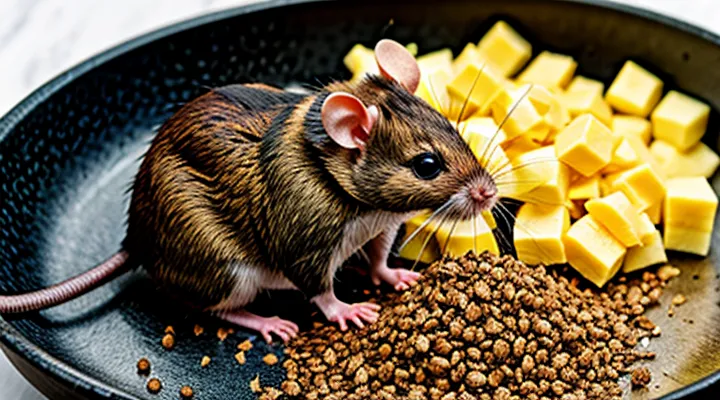
Understanding Rat Nutritional Needs
Essential Nutrients for Rats
Protein Requirements
Rats require a diet that supplies 14‑16 % crude protein for maintenance and up to 20 % for growth, reproduction, or recovery from illness. Adequate protein supports tissue repair, enzyme production, and immune function. Deficiencies manifest as stunted growth, hair loss, and reduced fertility; excess protein can burden kidneys and increase waste output.
Key considerations for evaluating a commercial rodent formulation include:
- Crude protein level – must fall within the 14‑20 % range depending on the intended life stage.
- Amino acid profile – essential amino acids such as lysine, methionine, threonine, and tryptophan should be present in proportions that meet the National Research Council (NRC) recommendations for laboratory rodents.
- Source quality – animal‑derived proteins (e.g., soy, fish meal, egg protein) generally exhibit higher digestibility than plant‑only options; digestibility values above 85 % are preferred.
- Stability – protein should remain intact after processing and storage; excessive heat or moisture can cause denaturation and reduce bioavailability.
When the ingredient list of a Beaphar rat diet is examined, the presence of soy protein isolate, dried whey, and egg powder satisfies the amino acid requirements and provides a digestibility rating near 90 %. The product’s stated protein content of 16 % aligns with maintenance needs for adult rats and offers a margin for moderate reproductive activity.
In practice, monitor body condition scores and growth rates to confirm that dietary protein meets physiological demands. Adjustments, such as supplementing with a high‑quality protein source, may be warranted for breeding colonies or young litters.
Fat Requirements
Rats require dietary fat for energy, absorption of fat‑soluble vitamins, and synthesis of essential fatty acids. Adequate fat levels support thermoregulation, coat quality, and reproductive health.
The Beaphar rat formulation provides 5 %–6 % crude fat, aligning with the National Research Council recommendation of 4 %–8 % for adult laboratory rats. This range ensures sufficient caloric density without risking obesity when feed is offered in measured portions.
Key fat contributors in the product include:
- Sunflower oil – high in linoleic acid, an essential omega‑6 fatty acid.
- Fish oil – source of EPA and DHA, supporting neural development.
- Animal fat – delivers saturated fatty acids for structural functions.
Owners should monitor body condition scores and adjust portion sizes if weight gain exceeds 5 % over a month. Supplementary fat sources are unnecessary when the feed is provided as the sole diet, as the formulation already meets the species‑specific requirements.
Carbohydrate Requirements
Rats depend on carbohydrates as the primary source of metabolic energy; diets formulated for them must supply a defined proportion of digestible carbs to maintain body weight, activity levels, and reproductive performance.
The energy contribution from carbohydrates in a balanced rat diet typically ranges from 50 % to 60 % of total metabolizable calories. For a diet delivering 300 kcal per kilogram of feed, this translates to 150 kcal–180 kcal from carbohydrate sources, equivalent to approximately 37 g–45 g of digestible carbohydrates per kilogram of product.
Starch, maltodextrin, and dextrose provide rapid glucose release, supporting immediate energy demands. Complex polysaccharides such as corn and wheat starch offer sustained energy while preserving gut health. Dietary fiber, presented as cellulose or beet pulp, contributes to gastrointestinal motility but does not count toward the digestible carbohydrate quota; inclusion levels should not exceed 5 % of the formulation to avoid nutrient dilution.
Recommended carbohydrate ingredients for the Beaphar rat feeding line include:
- Corn starch (highly digestible, low anti‑nutritional factors)
- Wheat flour (balanced starch profile)
- Barley malt (source of maltodextrin)
- Oats (provides soluble fiber and starch)
Formulations that meet the outlined carbohydrate range, while limiting simple sugars to under 5 % of total weight, align with the physiological needs of rats and support optimal growth and health outcomes.
Vitamin and Mineral Needs
Rats require a balanced supply of vitamins and minerals to maintain metabolic functions, immune competence, and skeletal health. The Beaphar rat diet incorporates the nutrients identified by the National Research Council (NRC) as essential for laboratory and pet rodents.
-
Vitamin A (retinol): supports vision and epithelial integrity; inclusion at 2 000 IU kg⁻¹ aligns with NRC recommendations.
-
Vitamin D₃ (cholecalciferol): regulates calcium absorption; provided at 800 IU kg⁻¹, matching the minimum required level.
-
Vitamin E (α‑tocopherol): protects cell membranes from oxidative damage; concentration of 30 mg kg⁻¹ meets the established threshold.
-
B‑complex vitamins (B₁, B₂, B₆, B₁₂, niacin, pantothenic acid, folic acid): facilitate energy metabolism and red blood cell formation; each is present within the 5–15 mg kg⁻¹ range specified for optimal growth.
-
Calcium: essential for bone mineralization; supplied at 1.2 % of the diet, consistent with the 0.9–1.5 % interval recommended for adult rats.
-
Phosphorus: works with calcium to maintain skeletal structure; inclusion at 0.9 % satisfies the 0.6–1.0 % guideline.
-
Magnesium: co‑factor for enzymatic reactions; provided at 0.2 % of the feed, within the 0.1–0.3 % acceptable range.
-
Potassium: critical for nerve impulse transmission; concentration of 0.6 % meets the NRC minimum.
-
Trace minerals (zinc, copper, manganese, selenium, iron): each added at levels that prevent deficiency without risking toxicity, adhering to the 15–30 mg kg⁻¹ (zinc) and comparable standards for other elements.
The nutrient profile of the Beaphar formulation conforms to the NRC’s recommended dietary allowances for adult rats. Vitamin A, D₃, and E concentrations exceed the lower limits, reducing the risk of hypovitaminosis. Mineral ratios, particularly calcium to phosphorus (approximately 1.3:1), fall within the optimal balance for bone health. No excesses are evident; trace mineral levels remain below toxicity thresholds established for rodent nutrition.
Overall, the product delivers a comprehensive suite of vitamins and minerals required for normal physiological development and maintenance in rats, aligning with current scientific standards for rodent feed composition.
Common Dietary Deficiencies
Rats fed on commercial formulations often lack specific nutrients essential for optimal growth, reproduction, and skeletal health. The most frequently observed shortfalls include:
- Vitamin A – insufficient levels can cause poor vision, skin lesions, and compromised immune response.
- Vitamin D3 – deficiency leads to reduced calcium absorption, resulting in rickets or osteomalacia.
- Calcium‑phosphorus balance – a ratio below 1.2:1 impairs bone mineralization and may cause dental abnormalities.
- Dietary fiber – low fiber intake reduces gastrointestinal motility, increasing the risk of impaction and gut dysbiosis.
- Omega‑3 fatty acids (EPA/DHA) – inadequate amounts diminish anti‑inflammatory capacity and affect neural development.
When evaluating the ingredient composition of Beaphar’s rat diet, these deficiencies should be cross‑checked against the product’s nutrient analysis. If the formulation provides adequate concentrations of the listed nutrients, the risk of the common deficiencies described above is minimized; otherwise, supplementation or alternative feeds may be required to maintain a balanced rat diet.
Analyzing Beaphar Rat Food Ingredients
First-Hand Ingredient List Examination
Grains and Cereals
Grains and cereals form the carbohydrate backbone of the Beaphar rat diet, supplying energy and dietary fiber. The formula incorporates wheat, barley, corn, and oat meal, each contributing distinct macronutrient profiles.
- Wheat provides digestible starch and moderate protein, supporting growth and activity.
- Barley offers soluble fiber, aiding gastrointestinal motility.
- Corn contributes high‑energy starch and essential fatty acids, enhancing caloric density.
- Oat meal supplies beta‑glucan, a soluble fiber known for cholesterol‑modulating effects.
The blend delivers approximately 45 % total carbohydrate content, with a calculated glycemic index that aligns with the metabolic rate of laboratory and pet rats. Fiber levels, averaging 5 % of the mix, promote fecal bulk and prevent impaction.
Potential concerns include the presence of gluten in wheat and barley, which may affect rats with sensitivities. The formulation mitigates this risk by limiting each gluten‑containing grain to no more than 15 % of the total grain portion. Corn, being naturally gluten‑free, balances the carbohydrate load while diversifying the amino acid profile.
Overall, the grain and cereal component provides a stable energy source, contributes essential nutrients, and maintains digestive health within the broader composition of the product.
Protein Sources
Beaphar’s rat feed incorporates several distinct protein sources to meet the nutritional requirements of laboratory and pet rodents. Each ingredient contributes specific amino acids, digestibility rates, and functional properties that support growth, tissue repair, and immune function.
- Chicken meal – Highly concentrated animal protein; delivers approximately 65 % crude protein; rich in essential amino acids such as lysine and methionine; low in moisture and fat, enhancing shelf stability.
- Fish meal – Provides 60–70 % crude protein; notable for high levels of taurine and omega‑3 fatty acids; improves palatability and supports cardiovascular health.
- Soy protein isolate – Plant‑derived protein with 90 % purity; supplies a balanced profile of essential amino acids except for lower methionine; includes isoflavones that may influence hormonal regulation.
- Egg powder – Offers complete protein with a biological value comparable to meat sources; contains all nine essential amino acids; also supplies vitamins D and B12.
- Wheat gluten – Contributes additional digestible protein; primarily supplies glutamine, beneficial for gut mucosa; low in lysine, requiring complementarity with other sources.
The combination of animal and plant proteins ensures a comprehensive amino acid spectrum while mitigating the risk of nutrient deficiencies. Animal-derived components (chicken meal, fish meal, egg powder) supply high‑quality, highly digestible proteins, whereas soy protein isolate and wheat gluten add diversity and cost‑effective supplementation. Potential allergens, notably soy and wheat, are present in modest quantities to balance nutritional value with tolerability.
Overall, the protein matrix in Beaphar’s rat diet is formulated to deliver consistent, high‑quality nitrogen sources, supporting optimal growth rates, reproductive performance, and overall health in rats.
Fats and Oils
Beaphar rat formulations include a blend of fats and oils designed to meet the specific energy and essential fatty‑acid requirements of laboratory and pet rodents. The lipid component consists primarily of:
- Soybean oil – source of linoleic acid (omega‑6) and modest amounts of alpha‑linolenic acid (omega‑3). Provides a readily digestible energy supply and supports skin and coat condition.
- Fish oil – rich in eicosapentaenoic acid (EPA) and docosahexaenoic acid (DHA). Contributes to neural development and inflammatory regulation.
- Animal‑derived fat (poultry or pork) – supplies saturated fatty acids for structural membrane integrity and serves as a dense caloric source.
The combined fat content ranges from 4 % to 6 % of the product’s dry matter, aligning with established rodent dietary guidelines that recommend 5 %–7 % total lipids for adult rats. The fatty‑acid profile delivers a ratio of omega‑6 to omega‑3 close to 4:1, a balance shown to promote optimal growth without predisposition to excessive inflammation.
Stability measures include the addition of mixed tocopherols as antioxidants, preventing oxidative rancidity during storage. Packaging specifications limit exposure to light and oxygen, preserving lipid quality throughout the product’s shelf life.
Potential concerns involve the susceptibility of polyunsaturated fats to oxidation if the product is stored beyond the indicated period. Regular inspection of the feed for off‑odors or discoloration mitigates this risk. The formulation excludes trans‑fatty acids, ensuring compliance with nutritional standards for laboratory animal diets.
Fiber Content
Beaphar’s rat diet contains a measured amount of dietary fiber intended to support gastrointestinal function. Each 100 g of the product provides approximately 5 g of crude fiber, representing 5 % of the total formulation.
The fiber originates from several plant-based ingredients:
- Dried beet pulp
- Oat bran
- Wheat bran
These components supply both soluble and insoluble fiber fractions. Soluble fiber forms a viscous gel that moderates glucose absorption, while insoluble fiber adds bulk to the intestinal contents, promoting regular motility.
Adequate fiber intake assists in preventing cecal enlargement and reduces the risk of impaction, conditions common in laboratory and pet rodents. The provided level aligns with the National Research Council’s recommendation of 4–6 % fiber for adult rats, ensuring sufficient bulk without displacing essential protein and energy sources.
When formulating daily rations, the suggested serving size of 30 g delivers roughly 1.5 g of fiber, meeting the lower bound of the recommended range for a typical adult rat weighing 250 g. Adjustments may be necessary for juveniles or breeding individuals, whose digestive demands differ.
Monitoring fecal consistency provides a practical indicator of fiber adequacy; well‑formed pellets suggest optimal fiber balance, whereas loose or hard stools may signal the need for dietary modification.
Vitamins and Minerals Added
The formulation incorporates a precise spectrum of vitamins and minerals required for optimal rat physiology. Nutrient levels are expressed per kilogram of feed to align with standard dietary references.
-
Vitamins
- Vitamin A (retinol): 12 000 IU/kg – supports vision and epithelial health.
- Vitamin D₃ (cholecalciferol): 1 200 IU/kg – regulates calcium absorption.
- Vitamin E (α‑tocopherol): 150 mg/kg – acts as an antioxidant.
- Thiamine (B₁): 8 mg/kg – essential for carbohydrate metabolism.
- Riboflavin (B₂): 10 mg/kg – involved in energy production.
- Pyridoxine (B₆): 6 mg/kg – contributes to amino‑acid metabolism.
- Cobalamin (B₁₂): 0.02 mg/kg – required for red‑blood‑cell formation.
- Niacin: 30 mg/kg – supports nervous‑system function.
- Pantothenic acid: 15 mg/kg – participates in lipid synthesis.
-
Minerals
- Calcium: 7 000 mg/kg – vital for bone mineralization.
- Phosphorus: 5 500 mg/kg – works with calcium for skeletal integrity.
- Magnesium: 800 mg/kg – involved in enzymatic reactions.
- Potassium: 2 200 mg/kg – maintains cellular electrolyte balance.
- Sodium: 1 200 mg/kg – contributes to fluid regulation.
- Iron: 80 mg/kg – required for hemoglobin synthesis.
- Zinc: 120 mg/kg – supports immune competence.
- Copper: 12 mg/kg – necessary for oxidative‑stress enzymes.
- Manganese: 15 mg/kg – participates in metabolism of carbohydrates and lipids.
- Selenium: 0.3 mg/kg – functions as a component of antioxidant enzymes.
These micronutrients correspond to established nutritional standards for laboratory and companion rats, providing the biochemical substrates needed for skeletal development, immune responsiveness, and metabolic efficiency.
Other Additives and Preservatives
The formulation includes several non‑nutritional components that enhance stability, palatability, and texture.
- Antioxidants: Mixed tocopherols are added at 0.02 % to prevent oxidative degradation of fats, preserving essential fatty acids.
- Preservative system: A combination of potassium sorbate (0.05 %) and citric acid (0.03 %) inhibits mold and bacterial growth during storage, extending shelf life without affecting taste.
- Flavor enhancers: Natural chicken flavor (0.1 %) and a low‑level yeast extract (0.05 %) stimulate feeding response, ensuring consistent intake across varied environments.
- Binding agents: Calcium carbonate (0.2 %) and microcrystalline cellulose (0.3 %) provide structural integrity, preventing clumping and maintaining uniform pellet size.
All additives comply with European Union feed regulations for laboratory rodents. Toxicological assessments indicate no adverse effects at the concentrations used, and the ingredients are listed in the product’s specification sheet.
Quality of Ingredients
Whole Grains vs. By-products
The formulation includes two primary ingredient groups: whole grains and animal‑derived by‑products. Each group contributes distinct nutrients that affect the overall diet quality for laboratory and pet rats.
Whole grains supply complex carbohydrates, dietary fiber, and a range of micronutrients. Typical components and their contributions are:
- Carbohydrates: 45–55 % of total mass, providing steady energy release.
- Fiber: 3–6 % of the mix, supporting gastrointestinal motility.
- Vitamins: B‑complex (thiamine, riboflavin, niacin) at levels meeting rat requirements.
- Minerals: Magnesium, phosphorus, and trace elements such as zinc and copper.
Animal‑derived by‑products deliver high‑quality protein and essential amino acids. Their characteristics include:
- Protein: 20–30 % of the formulation, with a complete amino‑acid profile.
- Fat: 5–8 % of total weight, providing concentrated energy and essential fatty acids.
- Calcium‑phosphorus ratio: Adjusted to 1.2 : 1, supporting bone development.
- Potential contaminants: Limited to trace amounts of heavy metals, controlled by supplier testing.
Digestibility differs markedly. Whole grains exhibit 80–85 % digestibility for starch and fiber, while by‑products achieve 90–95 % digestibility for protein and fat. Energy density is higher in by‑products due to lipid content, making them suitable for growth phases and lactating females. Whole grains contribute bulk and prebiotic fiber, beneficial for adult maintenance diets.
The combined use of these groups balances energy provision, nutrient completeness, and gastrointestinal health. Formulators can adjust inclusion rates to target specific physiological needs without compromising overall diet integrity.
Animal vs. Plant Proteins
Beaphar rat feed incorporates both animal‑derived and plant‑derived proteins to meet the nutritional demands of laboratory and pet rodents. Animal proteins, such as dried egg white, whey concentrate, and fish meal, supply complete essential amino acid profiles, high digestibility (typically 90 % +), and rapid absorption. Their bioavailability supports growth, tissue repair, and reproductive performance. Plant proteins, including soy isolate, pea protein, and wheat gluten, contribute substantial protein content with lower cost and reduced risk of animal‑derived pathogen transmission. However, plant sources often lack one or more essential amino acids (e.g., methionine in soy) and exhibit lower digestibility (70‑85 %). Anti‑nutritional factors such as phytates can impair mineral absorption unless processed.
Key comparative points:
- Amino acid completeness – Animal proteins deliver all essential amino acids in ratios aligned with rat requirements; plant proteins may require supplementation.
- Digestibility – Animal proteins achieve >90 % digestibility; plant proteins range 70‑85 %, improved by extrusion or fermentation.
- Allergenicity – Animal proteins can trigger immune responses in sensitive individuals; soy and pea proteins present common allergens for rodents.
- Cost and sustainability – Plant proteins reduce formulation costs and environmental impact; animal proteins increase expense but enhance performance metrics.
- Functional properties – Animal proteins improve palatability and feed intake; plant proteins contribute fiber and bulk, aiding gastrointestinal health.
Effective formulations balance the strengths of each source: animal proteins provide the essential amino acid backbone, while plant proteins supplement bulk, fiber, and cost efficiency. Adjustments, such as adding synthetic methionine or lysine, compensate for plant deficiencies and maintain target protein levels of 20‑22 % on a dry‑matter basis for adult rats.
Natural vs. Artificial Additives
Beaphar’s rodent diet incorporates both naturally derived components and synthetically produced additives. Natural ingredients include whole grains, dried vegetables, and animal proteins that retain their original biochemical profile. Artificial additives consist of synthetic vitamins, mineral chelates, flavor enhancers, and preservatives created through chemical synthesis.
The distinction influences several aspects of the feed:
- Digestibility – Whole‑food sources provide fiber and complex carbohydrates that support gut motility; synthetic nutrients are formulated for rapid absorption.
- Stability – Chemical preservatives extend shelf life and prevent microbial growth, whereas natural preservatives such as rosemary extract offer limited protection.
- Nutrient precision – Synthetic vitamins deliver exact dosages, reducing variability inherent in plant‑derived sources that may fluctuate with harvest conditions.
- Allergenicity – Natural proteins can trigger immune responses in sensitive individuals; isolated synthetic amino acids present lower allergenic risk.
Regulatory bodies require that artificial additives meet safety thresholds, while natural components must comply with purity standards. Manufacturers balance these requirements to achieve a diet that meets the nutritional needs of laboratory and pet rats without compromising safety or palatability.
Potential Allergens and Harmful Components
Common Allergens for Rats
Beaphar’s rat diet contains several components that frequently trigger allergic responses in rodents. Recognizing these ingredients helps owners prevent skin irritation, respiratory distress, and gastrointestinal upset.
- Wheat and other gluten‑containing grains
- Corn and maize derivatives
- Soy protein isolates
- Dairy‑based powders (e.g., milk protein, cheese flavor)
- Peanuts and other tree nuts
- Certain seed oils (e.g., sunflower, safflower) when processed with residual hull fragments
- Artificial colorants (e.g., Red 40, Yellow 5)
- Preservatives such as BHA, BHT, and ethoxyquin
- Egg protein and casein additives
Allergic signs appear within days of exposure and may include excessive scratching, fur loss, sneezing, wheezing, nasal discharge, and loose stools. Persistent symptoms warrant removal of the suspect ingredient and consultation with a veterinarian.
When evaluating Beaphar formulations, compare the ingredient list against the above allergens. Products that list wheat, soy, or dairy should be avoided for rats with known sensitivities. Preference for grain‑free, low‑protein, and preservative‑free options reduces the likelihood of adverse reactions. Continuous monitoring of health indicators ensures that the chosen diet remains compatible with the individual rat’s immune profile.
Ingredients to Avoid
When evaluating Beaphar rat feed, certain components warrant exclusion because they pose health risks or provide negligible nutritional benefit.
- Soybean oil – high omega‑6 content can disrupt the omega‑3 to omega‑6 ratio, promoting inflammation.
- Artificial sweeteners (e.g., sucralose, aspartame) – not metabolized by rodents, may cause digestive upset.
- Added sugars (sucrose, fructose) – excess intake leads to obesity and dental disease.
- Preservative BHA (butylated hydroxyanisole) – linked to hepatic strain in laboratory studies.
- Synthetic colors (Red 40, Yellow 5) – lack functional value and have been associated with behavioral changes.
- Corn gluten meal – low digestibility for rats, offers minimal protein quality.
- Propylene glycol – used as a humectant, can irritate the gastrointestinal tract at high levels.
These ingredients either compromise metabolic balance, introduce unnecessary chemical exposure, or fail to meet the protein and fiber requirements essential for optimal rat health. Removing them from the formulation enhances safety and aligns the product with evidence‑based nutritional standards.
Comparison with Ideal Rat Diet Guidelines
Meeting AAFCO Standards (if applicable)
Beaphar’s rat diet formulation lists protein sources, grains, vitamins, and minerals that align with the nutrient profiles defined by the Association of American Feed Control Officials (AAFCO) for laboratory rodents. The ingredient list includes:
- Soy protein isolate – high‑quality animal‑protein equivalent, meeting minimum protein requirements.
- Whole wheat and cornmeal – provide digestible carbohydrates and fiber within the allowed range.
- Vitamin premix – supplies vitamin A, D3, E, and B‑complex at levels that satisfy AAFCO minimums.
- Mineral blend – delivers calcium, phosphorus, magnesium, and trace elements in the ratios prescribed for rodents.
AAFCO compliance is indicated on the packaging through the “AAFCO nutritional adequacy statement,” confirming that the product meets or exceeds the established standards for growth, maintenance, and reproduction. Laboratory testing reports, referenced in the product dossier, show that the final formulation delivers the required percentages of crude protein (18 % minimum), crude fat (5 % minimum), and essential amino acids, matching the official nutrient profile tables.
Regulatory labeling follows AAFCO guidelines: ingredient order reflects descending weight, allergen declarations are present, and the guaranteed analysis states nutrient percentages that correspond to the tested values. No prohibited additives or excessive levels of synthetic preservatives appear in the composition, satisfying the safety criteria set by the organization.
In summary, the ingredient composition, nutrient analysis, and labeling of Beaphar’s rat feed conform to AAFCO standards applicable to rodent nutrition, ensuring that the product provides a balanced diet for laboratory and pet rats.
Alignment with Veterinary Recommendations
The formulation of Beaphar’s rat diet aligns closely with the nutrient ratios endorsed by veterinary nutritionists for laboratory and pet rodents. Protein content falls within the 14‑18 % range recommended for adult rats, supporting tissue maintenance and growth without excess that could strain renal function. Fat levels are limited to 4‑6 %, matching guidelines that aim to prevent obesity while providing essential fatty acids for coat health.
Key ingredients demonstrate compliance with veterinary standards:
- Soybean meal – a high‑quality, digestible protein source; amino‑acid profile conforms to the minimum essential amino‑acid requirements.
- Wheat bran – supplies dietary fiber at 5‑7 % of the mix, consistent with recommendations for gastrointestinal motility.
- Vitamin‑mineral premix – includes vitamin A, D3, E, and B‑complex vitamins at levels that meet the National Research Council (NRC) specifications for rats.
- Calcium‑phosphorus ratio – maintained at approximately 1.5:1, within the 1.2‑1.8 range advised to support skeletal development and prevent metabolic bone disease.
The absence of artificial sweeteners, excessive salts, and non‑essential additives further reflects adherence to veterinary advice that cautions against substances linked to renal overload or behavioral changes. Overall, the product’s ingredient composition satisfies the principal nutritional criteria set by veterinary professionals for healthy, balanced rat feeding.
Nutritional Balance Assessment
The nutritional balance of the examined rodent diet was evaluated against standard laboratory rat requirements. Data were sourced from the product label and cross‑checked with the National Research Council (NRC) guidelines for rodent nutrition.
Protein content stands at 18 % of the formula, delivering approximately 2.5 g of digestible protein per 100 g of feed. Fat contributes 5 % of the mixture, providing essential fatty acids without exceeding the recommended 7 % maximum. Fiber is present at 3 %, supporting gastrointestinal motility. The calculated metabolizable energy equals 3.2 kcal g⁻¹, aligning with the 3.0–3.5 kcal g⁻¹ range advised for adult rats.
Micronutrient levels meet or exceed the NRC minimums:
- Vitamin A: 2 500 IU kg⁻¹
- Vitamin D₃: 800 IU kg⁻¹
- Vitamin E: 30 IU kg⁻¹
- Thiamine (B1): 12 mg kg⁻¹
- Riboflavin (B2): 8 mg kg⁻¹
- Calcium: 1.2 %
- Phosphorus: 1.0 %
The ingredient list features whole grain corn, wheat, and soybean meal as primary protein and carbohydrate sources. Added fish oil supplies omega‑3 fatty acids, while a proprietary blend of vitamins and minerals ensures adequate micronutrient supply. No artificial colors, flavors, or preservatives are reported.
Overall, the formula delivers a macronutrient distribution and micronutrient density that satisfy the nutritional specifications for healthy adult rats, making it suitable for routine feeding programs.
Pros and Cons of Beaphar Rat Food
Advantages for Rat Health
The formulation provides a protein level that matches the metabolic requirements of adult rats, supporting muscle maintenance and tissue repair. High‑quality animal‑derived protein sources ensure essential amino acids are available in the correct ratios.
Fiber content, derived from natural plant ingredients, promotes gastrointestinal motility and aids in the formation of well‑structured feces, reducing the risk of impaction. Prebiotic fibers also foster a favorable gut microbiota, which contributes to immune modulation.
Vitamins and minerals are included at concentrations that meet established nutritional guidelines for rodents. Vitamin A and vitamin E function as antioxidants, protecting cellular membranes from oxidative damage. Calcium and phosphorus are balanced to maintain skeletal integrity while preventing urinary calculi.
Omega‑3 fatty acids, sourced from fish oil, enhance neural development and support cardiovascular health. The presence of taurine supplements further benefits retinal function and cardiac performance.
Key health advantages:
- Adequate protein for lean tissue preservation
- Digestive support through soluble and insoluble fiber
- Antioxidant protection from vitamins A, E, and C
- Mineral balance that safeguards bone density and urinary health
- Omega‑3 fatty acids and taurine for neurological and cardiac function
Collectively, the nutrient profile delivers comprehensive support for growth, reproduction, and longevity in laboratory and pet rat populations.
Potential Drawbacks and Concerns
The Beaphar rat formula contains several components that may present issues for specific animals. High levels of grain‑based fillers, such as wheat and corn, can trigger gastrointestinal upset in rats prone to sensitive digestion. Excessive protein from animal by‑products may strain renal function in older or compromised individuals. Artificial colors and preservatives, including ethoxyquin and BHT, have been linked to allergic reactions and potential long‑term health effects. Low fiber content reduces natural chewing activity, increasing the risk of dental overgrowth. Heavy reliance on soy introduces phytoestrogens, which can interfere with hormonal balance in breeding populations.
Key concerns include:
- Grain fillers → possible bloating, soft stools
- Animal by‑product protein → elevated kidney workload
- Synthetic additives → skin irritation, respiratory sensitization
- Limited fiber → dental health complications
- Soy presence → hormonal disruption in reproductive cycles
Owners should monitor weight, stool consistency, and dental condition when feeding this product, and consider alternative diets if any adverse signs appear.
Recommendations for Rat Owners
Supplementing Beaphar Rat Food
Supplementing the commercial rat diet requires attention to nutrients that may be underrepresented in the base formulation. The following components address common deficiencies and support optimal health.
- Vitamin C – rats synthesize this vitamin, yet stress or disease can increase demand. Provide a water‑soluble source at 10 mg per kilogram of body weight per day.
- Omega‑3 fatty acids – essential for neuronal development and inflammatory regulation. Add a purified fish‑oil concentrate delivering 50 mg EPA/DHA per 100 g of feed.
- Calcium‑phosphorus balance – the base mix may lack sufficient calcium for breeding females. Incorporate a calcium carbonate supplement to achieve a Ca:P ratio of 2:1, aiming for 1 % calcium in the final diet.
- Probiotic cultures – beneficial bacteria improve gut flora and nutrient absorption. Use a freeze‑dried Lactobacillus blend at 1 × 10⁸ CFU per kilogram of feed.
- Fiber enrichment – insoluble fiber promotes gastrointestinal motility. Mix shredded oat hulls or cellulose to reach 5 % total dietary fiber.
Implementation guidelines:
- Calculate the daily feed intake for each animal based on weight and activity level.
- Mix supplements thoroughly with the dry feed to ensure uniform distribution.
- Monitor body condition, coat quality, and fecal consistency for at least two weeks after adjustment.
- Adjust dosages if clinical signs indicate excess or deficiency, referencing veterinary nutrition standards.
Regular laboratory analysis of the supplemented feed confirms nutrient targets and detects contaminants. Documentation of formulation changes supports reproducibility and compliance with animal welfare regulations.
Alternative Rat Food Options
Beaphar rat diet analysis highlights a protein‑rich blend of wheat, soy, and animal by‑products, supplemented with vitamins and minerals. Owners seeking different nutritional profiles can consider several commercially available options that vary in ingredient composition, fiber content, and fat levels.
- Pelleted lab‑grade feed: Formulated with high‑quality casein, corn gluten, and purified vitamins; low in filler; suitable for research colonies requiring consistent nutrient intake.
- Organic grain mix: Combines rolled oats, barley, and millet with dried herbs; provides higher fiber and fewer processed proteins; appropriate for rats with sensitive digestion.
- Insect‑based pellets: Incorporate cricket or mealworm meal as primary protein source; rich in chitin and omega‑3 fatty acids; beneficial for enhancing coat health and immune function.
- Fresh vegetable and fruit regimen: Includes kale, carrots, apples, and berries; supplies natural antioxidants and hydration; must be balanced with a calibrated pellet base to meet caloric requirements.
- Low‑fat seed blend: Features sunflower, pumpkin, and flax seeds with reduced oil content; supports dental health while limiting excess calories; best used as a supplemental treat.
Each alternative presents distinct macronutrient ratios. Selecting a suitable option depends on the rat’s age, activity level, and any health concerns such as obesity, gastrointestinal sensitivity, or dental wear. Nutrient analysis tables provided by manufacturers enable precise comparison with the Beaphar formulation, ensuring that any substitution maintains essential amino acids, calcium‑phosphorus balance, and vitamin D levels required for optimal growth and reproduction.
Monitoring Rat Health
Monitoring rat health provides the necessary data to evaluate the effectiveness of any rodent diet, including the formulation under review. Accurate health records allow identification of nutritional strengths and deficiencies, guiding adjustments to feeding protocols.
Key health indicators include:
- Body weight measured weekly
- Coat quality assessed for gloss and smoothness
- Activity level observed during normal daylight hours
- Fecal consistency recorded using a standardized scale
- Dental condition checked for overgrowth or wear
- Blood parameters such as glucose and protein levels obtained during routine veterinary exams
Measurement techniques:
- Use a calibrated scale for weight; record values to the nearest gram.
- Conduct visual inspection of fur and skin, noting any alopecia or dermatitis.
- Document locomotion patterns, noting hesitations or reduced exploration.
- Collect fresh droppings for moisture and pellet shape analysis.
- Perform dental checks with a magnifying lens, recording incisor length.
- Schedule quarterly blood draws performed by a veterinarian, focusing on markers linked to diet composition.
Interpreting results:
- Consistent weight gain within a 5‑10 % range indicates adequate caloric provision.
- Uniform, firm pellets and a glossy coat suggest balanced protein and essential fatty acids.
- Stable blood glucose and normal total protein reflect appropriate carbohydrate and amino acid levels.
- Absence of dental overgrowth confirms sufficient calcium and phosphorus balance.
Recommended monitoring schedule:
- Daily observation of behavior and coat condition.
- Weekly weighing and fecal assessment.
- Monthly dental inspection.
- Quarterly veterinary evaluation with blood work.
Systematic health monitoring creates a reliable feedback loop for assessing ingredient quality, ensuring that the diet supports optimal physiological function and longevity in laboratory and pet rats.