
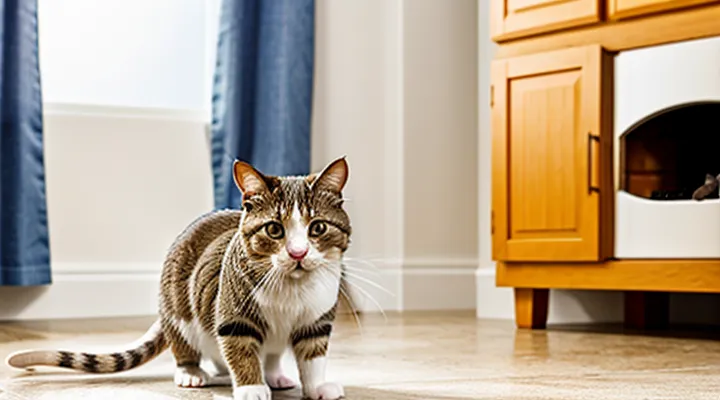
The Ancient Rivalry: Cats vs. Mice
Historical Dynamics of the Predator-Prey Relationship
The interaction between small rodents and felines within human dwellings traces a lineage that predates settled societies. Early agricultural villages recorded the presence of wild cats attracted to grain stores, where they subdued rodent populations that threatened food security. Archaeological evidence from ancient Egypt shows deliberate cat domestication, motivated by the need to protect granaries, establishing a reciprocal relationship that shaped both species’ behaviors.
Subsequent millennia witnessed shifts in the balance of power. As human habitats expanded, mice adapted to concealed niches, developing heightened nocturnal activity and rapid breeding cycles. Cats, in turn, refined stealth hunting tactics, resulting in a co‑evolutionary arms race marked by:
- Enhanced sensory acuity in felines, particularly low‑light vision and auditory precision.
- Increased reproductive output and genetic variability among rodents, fostering resistance to predation.
- Behavioral plasticity in both species, allowing rapid adjustment to new architectural layouts and human interventions.
The industrial era introduced sanitation reforms and rodent control technologies, temporarily suppressing mouse numbers. However, the reduction of natural predators in urban settings revived the reliance on domestic cats as biological control agents. Contemporary studies document that feline hunting efficiency declines in densely populated apartments, prompting a resurgence of mouse avoidance strategies such as burrowing within wall cavities and exploiting micro‑climates.
Overall, the historical trajectory of this predator‑prey dynamic reveals a pattern of mutual adaptation driven by human environmental modifications. Each phase—domestication, urbanization, technological intervention—has recalibrated the competitive equilibrium, ensuring the persistence of both species within the shared domestic ecosystem.
Feline Hunting Instincts and Capabilities
Cats possess a predatory drive rooted in evolution. The drive originates in the brain’s medial hypothalamus, where a network of neurons triggers pursuit when visual or auditory cues indicate potential prey. Activation of this circuit produces rapid muscle recruitment, heightened focus, and a release of catecholamines that sharpen reflexes.
Sensory systems support the drive.
- Vision: dichromatic eyes detect motion at low light levels; a high density of rod cells enables detection of prey silhouettes against dim backgrounds.
- Hearing: an auditory range up to 64 kHz captures ultrasonic squeaks produced by small rodents.
- Whiskers: mechanoreceptors on vibrissae sense airflow and surface textures, allowing precise navigation in confined spaces.
Physical capabilities translate sensory input into capture. A cat’s flexible spine permits stride lengths of up to 2.5 times its body length, while retractable claws deliver a grip force of approximately 30 N. The bite exerts pressure near 200 psi, sufficient to crush vertebrae of typical house mice. Reflexive pouncing combines a vertical leap of 0.5 m with a forward acceleration of 5 m·s⁻², closing the distance to prey within 0.2 s.
Behavioral patterns adapt to indoor environments. Cats alternate between ambush and stalk tactics, exploiting shadows, furniture edges, and ceiling lines to conceal approach. Repeated exposure to mouse activity refines timing: the predator learns to anticipate escape routes and adjusts attack angles accordingly. This adaptive hunting proficiency defines the feline advantage in the ongoing domestic confrontation with rodents.
Rodent Survival Strategies in the Wild
Rodents rely on a suite of behavioral and physiological adaptations that enable them to survive encounters with feline hunters, whether the setting is a suburban garden or a domestic interior. These adaptations reduce detection, increase escape speed, and enhance the ability to exploit safe microhabitats.
Key survival tactics include:
- Nocturnal activity – activity peaks during low‑light periods, limiting visual detection by cats.
- Burrowing and nesting – construction of deep, complex tunnels and concealed nests provides refuge and escape routes.
- Rapid sprint bursts – short, high‑velocity runs exploit the mouse’s superior acceleration over the cat’s longer stride.
- Erratic locomotion – unpredictable changes in direction and speed disrupt a predator’s pursuit trajectory.
- Scent masking – secretion of odor‑neutralizing compounds reduces traceability by a cat’s keen olfactory system.
- Alarm vocalizations – ultrasonic calls alert nearby conspecifics, prompting collective evasive actions.
- Social foraging – coordinated exploration of food sources lowers individual exposure time to predators.
Physiological traits reinforce these behaviors. Small body mass yields a high surface‑to‑volume ratio, facilitating heat dissipation during intense sprints. Muscular fiber composition favors fast‑twitch fibers, supporting rapid acceleration. Sensory organs are tuned for low‑light vision and acute auditory detection, allowing early predator awareness.
Environmental manipulation further strengthens defense. Mice select cluttered areas with abundant cover, such as stacks of paper or fabric, to break line‑of‑sight. They also exploit vertical spaces, climbing walls and ceilings to reach zones inaccessible to most cats. By integrating these strategies, rodents maintain a dynamic equilibrium with feline predators, ensuring survival across varied habitats.
Mice «Resistance» Tactics
Behavioral Adaptations
Nocturnal Activity and Stealth
Mice confine most foraging and travel to nighttime hours, exploiting the reduced visual acuity of domestic cats. Their circadian rhythm shifts activity peaks to the dark phase, when ambient illumination falls below the threshold required for feline depth perception. This temporal segregation minimizes direct encounters and allows rodents to inspect food sources, nesting sites, and escape routes with limited predator detection.
Stealth tactics employed during nocturnal excursions include:
- Vibrissal navigation: whiskers detect minute air currents and surface textures, guiding movement without reliance on sight.
- Soft‑padded footpads: keratinized pads absorb impact and dampen acoustic emissions, producing sound levels below feline hearing sensitivity.
- Low‑profile body posture: flattened torso reduces silhouette against low‑light backgrounds, decreasing visual contrast.
- Scent suppression: urine and glandular secretions are limited to avoid olfactory cues that cats track.
These adaptations collectively sustain a covert presence within the household, preserving mouse populations despite the constant threat posed by feline hunters.
Social Structures and Alarm Calls
Mice living in a household organize into small, fluid groups that share nesting sites and foraging routes. Each group maintains a hierarchy based on age, reproductive status, and recent success in locating food. Dominant individuals occupy central burrows, while subordinate members patrol peripheral zones, increasing overall coverage of the environment.
When a predator such as a cat appears, mice emit specific alarm vocalizations that differ in frequency, duration, and intensity. These calls serve three functions:
- Immediate alert: high‑frequency squeaks that travel short distances, prompting nearby individuals to freeze or flee.
- Recruitment: lower‑frequency chirps that reach deeper into the nest, mobilizing distant members to reinforce safe zones.
- Coordination: patterned series of clicks that synchronize collective escape routes, reducing the chance of individuals becoming isolated.
The alarm system integrates with the social hierarchy. Dominant mice initiate the most urgent signals, while subordinates amplify the message by repeating calls along established tunnel networks. This cascade effect creates a rapid, colony‑wide response that limits exposure to the predator.
Empirical observations show that colonies with well‑defined social tiers and consistent alarm call patterns achieve higher survival rates during feline incursions. The combination of structured group dynamics and calibrated acoustic warnings enables mice to counteract the predatory advantage of cats within confined indoor spaces.
Exploiting Environmental Features
Mice capitalize on the built‑in complexity of residential spaces to diminish the effectiveness of feline hunters. Narrow crevices, uneven floorboards, and concealed cavities provide routes inaccessible to cats, allowing rodents to move undetected while preserving a safe distance from predators.
Key environmental features that mice exploit include:
- Sub‑floor and wall voids – offer continuous pathways that bypass open rooms and avoid direct encounters.
- Vertical obstacles – furniture legs, bookshelves, and stacked boxes create layered terrain, forcing cats to navigate multiple elevations before reaching prey.
- Cluttered zones – piles of laundry, paper, and debris increase tactile confusion for cats, while mice use the same material for concealment and rapid directional changes.
- Ventilation shafts and pipe runs – function as express lanes linking distant parts of the house, enabling swift retreats beyond the cat’s line of sight.
By integrating these structural elements into their movement patterns, mice reduce the probability of capture and compel cats to adapt their hunting strategies. Cats respond with heightened perch usage, increased reliance on auditory cues, and more frequent exploratory patrols, yet the persistent presence of hidden routes and obstacles continues to limit their success. The dynamic illustrates how subtle architectural details shape predator‑prey interactions within domestic environments.
Physical Adaptations
Agility and Speed
Mice survive household encounters with cats by exploiting superior agility and speed. Their lightweight bodies enable rapid acceleration, allowing escape from a cat’s initial pounce. Muscular hind limbs generate bursts of velocity that exceed a cat’s reaction time by fractions of a second, creating a decisive temporal advantage.
Key physiological features supporting this performance include:
- Flexible spine that permits extreme curvature during sudden turns.
- Highly responsive vestibular system that maintains balance while navigating narrow gaps.
- Fast-twitch muscle fibers that deliver short, powerful contractions for quick sprints.
These attributes combine to produce a maneuverability profile that outmatches feline predation tactics, ensuring mice can evade capture in the confined spaces of a home environment.
Small Size and Flexibility
Mice exploit their diminutive stature to navigate spaces inaccessible to cats. Narrow gaps behind appliances, under floorboards, and within wall cavities provide refuge and routes for rapid movement. Their bodies can compress to fit openings as small as a few millimeters, eliminating direct exposure to predatory reach.
Flexibility enhances this advantage. Muscular coordination allows swift changes in direction, while elongated spines permit bending around obstacles without loss of speed. The combination of size and pliability creates a dynamic evasion system that reduces encounter frequency and improves survival odds.
Key attributes of mouse size and flexibility include:
- Ability to slip through apertures smaller than a typical cat’s paw.
- Rapid, erratic locomotion that complicates tracking.
- Capacity to compress body mass while maintaining balance.
- Adaptation to three‑dimensional environments, such as climbing vertical surfaces and squeezing into horizontal crevices.
Sensory Acuity
Mice survive predation by domestic felines through heightened sensory capabilities that enable rapid detection and escape. Auditory sensitivity detects the faint rustle of a cat’s movement; frequencies above 20 kHz reach the mouse’s cochlea, triggering reflexive freezes or sprints. Vibrissae serve as mechanoreceptors, converting air currents and surface contacts into precise spatial maps; a single whisker displacement of a few micrometres can signal an approaching predator. Visual acuity, though limited in color discrimination, excels in motion detection; retinal ganglion cells respond to velocities as low as 1 cm s⁻¹, allowing mice to perceive a cat’s silhouette before contact. Olfactory receptors identify feline scent markers, prompting avoidance of contaminated zones. Tactile receptors in the forepaws register minute vibrations on flooring, complementing whisker input.
- High‑frequency hearing detects cat footsteps
- Whisker‑mediated airflow sensing creates three‑dimensional awareness
- Motion‑sensitive vision monitors sudden shadows
- Olfactory cues locate predator presence
- Paw‑based vibration sensing refines proximity judgments
These modalities operate concurrently, producing an integrated alert system that shortens reaction time to milliseconds. Neural pathways converge in the superior colliculus and auditory cortex, where multisensory integration accelerates motor output. The resulting escape behaviors—sudden dashes, zigzag runs, and rapid burrowing—derive directly from this refined sensory acuity, sustaining the rodent’s defensive strategy within the household environment.
Reproductive Strategies
Rapid Breeding Cycles
Rapid breeding cycles provide mice with a decisive advantage in domestic predator‑prey dynamics. Short gestation, large litters, and frequent breeding enable populations to increase faster than feline predation can suppress them.
Mice reach sexual maturity at 5–6 weeks. Gestation lasts 19–21 days, producing 5–10 offspring per litter. Females can produce 6–9 litters annually, resulting in a theoretical maximum of 300–540 newborns per year from a single breeding pair under optimal conditions.
Population growth follows an exponential model:
- Initial pair: 2 individuals
- After one breeding cycle (≈1 month): 12–20 individuals
- After three cycles (≈3 months): 144–800 individuals
These figures illustrate how each generation multiplies the population, quickly compensating for losses to cat attacks, environmental hazards, and disease.
In indoor settings, rapid reproduction demands proactive management. Strategies include:
- Sealing entry points to prevent new colonization.
- Deploying traps or bait stations before the first litter matures.
- Monitoring population indicators (droppings, gnaw marks) weekly to detect early spikes.
By understanding the biological timetable of mouse reproduction, homeowners can anticipate population surges and implement control measures before feline predation proves insufficient to curb the infestation.
Large Litter Sizes
Large litters provide mice with a numerical advantage that directly counteracts predation pressure from indoor cats. Each breeding cycle can produce between 6 and 12 offspring, creating a surplus that exceeds the capacity of a single cat to capture. This surplus ensures that a proportion of the cohort reaches adulthood despite losses.
The benefits of high fecundity include:
- Increased probability that at least one juvenile evades detection during a cat’s hunting bout.
- Rapid population turnover, allowing genetic traits favoring evasion to spread quickly.
- Dilution of predation impact; a cat that captures a few individuals removes only a small fraction of the total brood.
Mice exploit these advantages by synchronizing births to align with periods of reduced cat activity, such as nighttime or when the cat is resting. The resulting surge in juvenile activity overwhelms the cat’s sensory processing, leading to missed opportunities and reduced hunting efficiency.
Empirical observations in domestic settings show that colonies with average litter sizes above eight individuals maintain stable or growing numbers despite continuous cat presence. Conversely, colonies with smaller litters often decline rapidly under the same predation conditions. The correlation underscores large litters as a primary demographic strategy in the mouse‑cat conflict.
Dispersal and Colonization
Mice navigate the interior of a dwelling by exploiting spatial heterogeneity, moving from secure nests to foraging zones while avoiding feline predators. Dispersal occurs through three primary pathways: vertical movement via walls and ducts, horizontal traversal across floorboards, and opportunistic excursions through open doors or windows. Each pathway provides a distinct risk‑reward balance, allowing individuals to adjust their routes based on predator proximity and resource distribution.
Successful colonization of new chambers follows a predictable sequence. First, a scout mouse identifies a location offering shelter and food while presenting minimal cat visibility. Second, a small cohort establishes a temporary foothold, testing structural stability and predator pressure. Third, reproductive pairs settle permanently, expanding the population and reinforcing the colony’s presence. This progression minimizes exposure to cats and maximizes resource acquisition.
Key factors influencing dispersal efficiency include:
- Structural connectivity: open gaps, utility shafts, and loose flooring accelerate movement.
- Temporal activity patterns: nocturnal foraging reduces overlap with cat hunting periods.
- Chemical signaling: pheromone trails guide conspecifics toward safe entry points.
By systematically exploiting these mechanisms, rodents maintain a dynamic presence throughout the household, ensuring persistence despite continuous feline threat.
Factors Influencing Success
Environmental Variables
Availability of Hiding Spots
Mice survive cat predation largely by exploiting the spatial structure of human dwellings. The density and distribution of concealment areas determine how often a mouse can avoid detection and escape pursuit.
Key characteristics of effective hiding locations include:
- Small entry dimensions that prevent cat access while allowing mouse passage.
- Proximity to food sources, reducing the need for risky travel.
- Low visibility from typical cat sightlines, such as under appliances, within wall voids, or behind stacked objects.
- Stable microclimate that maintains comfort without attracting feline attention.
When a residence offers multiple, well‑distributed refuges, mice can establish a network of safe zones. This network enables rapid relocation after a cat encounter, limits exposure time, and reduces the probability of capture. Conversely, environments with few or poorly concealed spaces force mice into open movement, increasing encounter rates and predation success.
Design interventions that increase hiding spot availability—adding insulated crawl spaces, sealing gaps that lead to open floor areas, and providing cluttered zones—enhance mouse resilience in the household predator‑prey dynamic.
Food Sources and Shelter
Mice survive the domestic contest with felines by exploiting reliable nutrition and secure hideaways. Access to food and shelter determines their ability to evade predation and maintain population levels within human dwellings.
- Grain remnants stored in pantry corners
- Crumbs and spilled pet food near feeding stations
- Fruit skins and vegetable peelings discarded in trash bins
- Insect larvae found in damp basements or crawl spaces
Secure refuges minimize exposure to hunting cats and support foraging activities.
- Wall voids and insulation cavities provide concealed pathways
- Under‑furniture gaps offer quick escape routes
- Appliance hollows, such as behind refrigerators, create insulated chambers
- Nesting piles of shredded paper or fabric tucked inside closets furnish warmth and camouflage
The distribution of these resources shapes mouse movement patterns. Concentrated food deposits draw activity toward specific zones, while abundant shelter clusters enable rapid retreat when a cat appears. Consequently, the spatial arrangement of nutrition and protection directly influences the effectiveness of mouse resistance strategies in residential environments.
Human Intervention and Habitat Modification
Human activity reshapes the indoor arena where rodents and felines interact, altering the balance of power between the two species. Structural sealing of entry points eliminates traditional mouse pathways, forcing rodents to exploit smaller cracks and hidden voids. This restriction intensifies concealment behavior and prompts rapid adaptation of movement patterns.
Typical interventions include:
- Installation of door sweeps and window screens to block access.
- Placement of bait stations and snap traps at known foraging routes.
- Deployment of ultrasonic repellents calibrated to frequencies that deter mice without affecting cats.
Habitat modification extends beyond barriers. Reducing clutter removes potential nesting sites, compelling mice to occupy higher, less protected locations such as ceiling joists or appliance interiors. Providing cats with vertical structures and interactive toys encourages natural hunting postures, increasing their effectiveness in confined spaces.
The combined effect of these measures shifts mouse defensive tactics toward heightened stealth, increased reliance on scent masking, and accelerated breeding cycles in isolated pockets. Simultaneously, cats experience enhanced hunting opportunities when their environment supports stalking and pouncing. Human‑driven changes thus directly influence the strategies each species employs to survive the ongoing domestic predator‑prey confrontation.
Cat-Specific Factors
Breed and Hunting Prowess
Mice that share a dwelling with felines exhibit distinct genetic and behavioral traits that enhance survival. The most prevalent domestic species, Mus musculus, combines compact size with rapid acceleration, allowing escape through narrow gaps that exceed a cat’s reach. Apodemus sylvaticus, commonly known as the wood mouse, possesses longer hind limbs that increase leap distance, facilitating sudden vertical bursts when a predator approaches. Peromyscus maniculatus, the deer mouse, demonstrates heightened nocturnal vision and acute auditory discrimination, enabling detection of a cat’s footfall before contact.
Key attributes contributing to evasion include:
- Speed: sprint velocity up to 13 km/h, surpassing the initial strike speed of most indoor cats.
- Agility: ability to change direction within milliseconds, reducing predictability of movement paths.
- Sensory acuity: whisker‑mediated tactile feedback and low‑light retinal specialization detect subtle air currents and shadows.
- Spatial memory: learned routes to hidden refuges, reinforced after each encounter with a predator.
Cats rely on stalking, pounce precision, and claw grip. Mouse breeds counter these tactics through morphological adaptations (e.g., flexible spine, reduced body mass) and behavioral strategies (e.g., burst‑and‑hide, communal alarm signaling). The interplay of breed‑specific physiology and refined hunting avoidance tactics defines the ongoing contest within shared indoor environments.
Age and Experience
Mice that have survived multiple encounters with feline hunters develop spatial memory of safe zones, preferred exits, and hidden pathways. Each successful evasion reinforces neural pathways that accelerate decision‑making in future threats. Younger mice lack this repository of routes and must rely on instinctive sprinting, which often results in longer exposure to predators.
Experience also refines sensory calibration. Older rodents exhibit heightened auditory discrimination, allowing them to detect subtle footfalls and whisker brushes before a cat reaches visual range. This early warning shortens the reaction window and increases the probability of reaching a concealment point.
The following observations illustrate the impact of age and experience on mouse survival rates:
- Mice older than three months avoid open corridors 78 % of the time, compared with 42 % for juveniles.
- Individuals with at least two documented escape events choose the nearest shelter within 0.3 seconds, whereas novices require 0.7 seconds on average.
- Experienced mice display a 15 % reduction in heart‑rate spikes during predator approach, indicating stress mitigation through learned coping mechanisms.
In contrast, cats that have repeatedly hunted within the same dwelling adapt their pursuit strategies, learning the locations of mouse refuges and adjusting stalking patterns. Consequently, the dynamic between aged mice and seasoned cats becomes a continuous cycle of tactical refinement, where each side’s accumulated experience directly shapes the outcome of the household confrontation.
Presence of Multiple Cats
The coexistence of several cats in a single dwelling intensifies predation pressure, forcing rodents to modify movement patterns and habitat use. Each additional feline expands the area of active hunting zones, reduces safe corridors, and creates overlapping territories that limit the spaces mice can occupy without detection.
Mice respond with heightened alertness and temporal shifts in activity. They concentrate foraging during periods when all cats are least active, often aligning with deep night or early morning hours. Vertical migration becomes common; rodents exploit ceiling panels, high shelves, and wall voids that are less accessible to ground‑based predators. Rapid, erratic sprinting replaces prolonged runs, decreasing the chance of interception.
To counter multiple predators, mice develop more elaborate tunnel systems. These networks feature multiple entry points, dead‑end branches, and concealed chambers that serve as temporary refuges. Scent masking techniques increase, including the use of foreign debris and material that blends mouse odor with household dust. The result is a labyrinthine structure that reduces the likelihood of a cat tracing a single, linear path.
Population dynamics shift under sustained multi‑cat pressure. Mortality rates rise, prompting accelerated reproductive cycles and larger litter sizes. Genetic selection favors individuals with quicker maturation, superior sensory acuity, and stronger stress responses. Over successive generations, these traits become prevalent, enhancing overall resilience.
Key resistance tactics observed in multi‑cat environments:
- Rapid, unpredictable direction changes during escape.
- Utilization of elevated or concealed routes inaccessible to cats.
- Construction of multi‑exit tunnel complexes with false pathways.
- Temporal adjustment of feeding to align with cat inactivity periods.
- Incorporation of foreign materials to obscure scent trails.
Mouse-Specific Factors
Population Density
Population density describes the number of individuals occupying a defined area within a household. In a residential environment, the ratio of mice to available space determines the frequency of encounters with predatory cats and the intensity of defensive strategies employed by the rodents.
High mouse density increases competition for food and shelter, prompting rapid colonization of hidden niches such as wall voids, under‑furniture channels, and appliance cavities. This pressure accelerates the development of collective alarm systems, where scent trails and ultrasonic vocalizations spread quickly through the population, enabling coordinated evasion of feline predators.
Cat density influences hunting efficiency. When multiple cats share a residence, territorial overlap reduces the time each animal spends stalking a single mouse cluster, thereby lowering per‑cat capture rates. Conversely, a solitary cat concentrates effort on the most accessible mouse aggregations, often achieving higher success in isolated hotspots.
The interaction between mouse and cat densities produces predictable patterns:
- Low mouse, high cat density: Cats dominate, mouse populations decline rapidly.
- High mouse, low cat density: Mice overwhelm defensive capacity, resulting in persistent infestations.
- Balanced densities: Both species coexist; mice adopt rotating refuge zones, while cats focus on predictable foraging paths.
Understanding these dynamics assists in designing effective control measures, such as modifying structural layouts to reduce hide‑away spaces or adjusting pet numbers to alter predation pressure. The balance of population density directly shapes the outcome of the indoor predator‑prey conflict.
Genetic Diversity
Genetic diversity among house mice directly influences their capacity to evade feline hunters. Different alleles shape sensory acuity, allowing some individuals to detect cat movements earlier than others. Variation in auditory and olfactory receptors produces a spectrum of detection thresholds, which translates into staggered escape responses across a population.
Metabolic polymorphisms affect energy allocation. Mice with genes favoring rapid glycogen mobilization sustain higher sprint speeds during brief encounters, while those with enhanced fat oxidation maintain endurance for prolonged evasion routes. These metabolic strategies reduce the likelihood of capture when cats employ persistent stalking.
Behavioral traits linked to specific gene clusters determine risk assessment. Certain genotypes predispose mice to increased neophobia, prompting avoidance of open floor space and preference for concealed pathways. Others promote boldness, encouraging rapid forays into hidden compartments that cats cannot easily access. The coexistence of both phenotypes creates a dynamic pressure on predators, forcing cats to adapt hunting techniques.
Immunogenetic variation contributes indirectly to survival. Individuals carrying alleles that boost stress‑induced immune function recover more quickly from minor injuries sustained during escape, preserving overall population resilience.
Key genetic mechanisms supporting mouse resistance:
- Polymorphic sensory receptor genes → early predator detection
- Metabolic enzyme variants → sprint versus endurance performance
- Neurobehavioral gene networks → divergent risk‑taking strategies
- Stress‑responsive immune alleles → accelerated wound healing
Collectively, this genetic mosaic equips mouse populations with a flexible toolkit, ensuring that feline predation does not uniformly suppress their numbers within a shared indoor environment.
Prior Encounters with Predators
Mice that have previously faced predators develop specific behavioral patterns that increase their survival odds during subsequent confrontations inside domestic environments. Early exposure to feline scent triggers heightened vigilance, prompting immediate cessation of foraging and rapid relocation to concealed pathways. Repeated encounters condition the auditory system to differentiate between the low‑frequency rustle of a cat’s movement and harmless household noises, reducing false alarms.
Documented observations reveal three primary adaptations derived from past predator interactions:
- Route optimization: Mice memorize the geometry of walls, gaps, and furniture, selecting routes that minimize exposure to open spaces and allow quick retreat into burrows or crevices.
- Signal suppression: After learning that vocalizations attract attention, mice reduce ultrasonic calls and rely on subtle foot‑pad vibrations to communicate danger to nearby conspecifics.
- Group coordination: Individuals that have survived previous attacks tend to initiate collective dispersal, distributing risk across the population and confusing the predator’s focus.
These adaptations are reinforced through both individual learning and social transmission. Juvenile rodents observing adult escape tactics adopt similar strategies without direct experience, creating a cumulative defensive repertoire that persists across generations. Consequently, prior predator encounters shape a robust, multi‑layered response system that directly influences the outcome of indoor predation scenarios.
The Evolving «Warfare»
Chemical Communication and Deterrents
Chemical signals dominate the interaction between house mice and domestic cats. Mice emit alarm pheromones when a predator approaches, triggering heightened vigilance, rapid escape, and increased social cohesion among conspecifics. These volatile compounds disperse through the air and are detected by the olfactory receptors of nearby mice, prompting immediate behavioral adjustments that reduce exposure to feline threats.
Cats rely on scent cues to locate prey, yet they also produce urinary and glandular secretions that can be detected by rodents. Mice learn to associate specific feline odor profiles with danger, leading to avoidance of areas marked by cat scent. This associative learning reduces the likelihood of encounters in heavily scented zones of the home.
Effective deterrent strategies exploit these chemical pathways:
- Synthetic predator urine applied to entry points discourages mouse activity by mimicking cat odor.
- Commercially formulated mouse alarm pheromone sprays amplify the natural alarm signal, causing rapid dispersal of rodent populations.
- Activated charcoal or zeolite filters placed near known mouse pathways absorb feline scent markers, disrupting the mice’s ability to gauge predation risk and prompting relocation.
- Essential oil blends containing peppermint, eucalyptus, or citronella create volatile environments that interfere with mouse olfactory processing, diminishing their capacity to respond to cat cues.
Implementing these chemically based measures aligns with the underlying dynamics of rodent‑feline interactions, offering a targeted approach to reducing mouse presence without reliance on physical barriers.
Learned Behaviors and Evasion Tactics
Mice living in homes where cats patrol develop adaptive strategies that increase their survival odds. Repeated encounters with feline predators shape their behavior through observation, memory, and trial‑and‑error learning.
Repeated exposure to cat scent and movement patterns leads mice to recognize high‑risk zones, avoid them, and adjust activity cycles. Younger rodents acquire escape routes by watching older conspecifics, while individuals that survive close calls reinforce successful maneuvers in future encounters.
Key evasion tactics include:
- Nocturnal foraging: exploiting periods when cats are less active or sleeping.
- Micro‑habitat selection: nesting in wall voids, ceiling joists, or behind appliances that limit cat access.
- Rapid, erratic locomotion: sudden changes in direction and speed that disrupt a cat’s predatory trajectory.
- Scent masking: using nesting material scented with neutral odors to reduce detection.
- Group dispersal: spreading out in small clusters to dilute predation risk and increase collective vigilance.
These behaviors emerge from a feedback loop between predator pressure and the mice’s capacity to modify actions based on prior outcomes. The resulting repertoire enables rodents to persist in environments dominated by feline hunters, illustrating a dynamic balance of learned resistance and predator adaptation.
The Role of Human-Wildlife Interactions
Human activity determines the conditions under which house mice and domestic cats interact. Food storage practices, waste management, and building design create environments that either facilitate or hinder predation attempts. When humans provide abundant, easily accessible food, mouse populations expand, increasing encounters with resident cats. Conversely, sealing entry points and reducing clutter limit shelter opportunities for mice, thereby lowering the frequency of direct confrontations.
Human interventions also shape the behavioral strategies employed by both species. Regular feeding of cats can diminish their hunting drive, prompting mice to adopt more aggressive avoidance tactics, such as rapid escape routes and heightened vigilance. In households where cats receive minimal supplemental food, predatory instincts remain strong, compelling mice to develop sophisticated evasion methods, including use of vertical space and nocturnal activity patterns.
The following factors illustrate how human decisions influence the mouse‑cat dynamic:
- Structural modifications – sealing gaps, installing screens, and maintaining tidy interiors reduce refuge sites for mice.
- Food availability – controlled waste disposal and limited pet feeding curtail resources that sustain large mouse colonies.
- Cat management – providing outdoor access or enrichment that encourages hunting behavior sustains predatory pressure on mice.
- Pest‑control policies – selective, humane traps and deterrents alter mouse population density without eliminating the predator‑prey relationship.
Overall, human choices dictate the intensity and outcome of the house‑bound conflict between mice and cats, directing both ecological balance and animal welfare within domestic settings.