
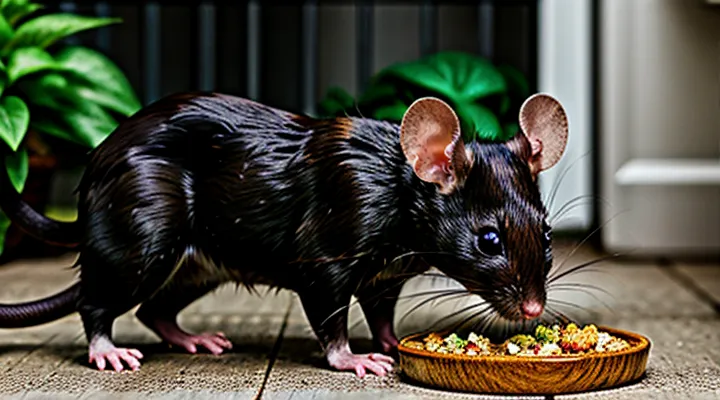
The Foundation of Rat Health: Understanding Nutritional Needs
Essential Macronutrients for Rats
Proteins: Growth and Repair
Proteins supply the amino acids required for tissue synthesis, enzyme activity, and hormonal regulation in rats. Adequate intake supports rapid growth in juveniles and continuous repair of muscles, skin, and internal organs throughout the lifespan.
For healthy development, diets should contain 18‑22 % crude protein on a dry‑matter basis. Juvenile rats benefit from the upper range, while mature animals maintain requirements near the lower limit. Protein levels above 24 % can increase nitrogen waste and stress renal function; levels below 16 % risk stunted growth and impaired wound healing.
Key protein sources include:
- Soybean meal – high lysine, digestibility ~90 %
- Fish meal – rich in methionine and taurine, digestibility ~95 %
- Whey protein concentrate – rapid absorption, balanced essential amino acid profile
- Whole‑egg powder – complete amino acid spectrum, high biological value
- Insect larvae (e.g., mealworms) – sustainable, high protein density, favorable fatty‑acid composition
When formulating a diet, balance essential amino acids to avoid limiting factors. Lysine, methionine, and threonine are most often limiting in plant‑based formulas; supplementation with synthetic amino acids corrects deficiencies without altering overall protein content.
Feeding schedule influences protein utilization. Provide multiple small meals per day to match the rat’s natural foraging pattern, ensuring a steady supply of amino acids for anabolic processes. For breeding colonies, increase protein to 22‑24 % during gestation and lactation to meet the heightened demand for fetal tissue formation and milk production.
Monitoring indicators such as body weight gain, fur condition, and wound closure rate helps assess protein adequacy. Persistent signs of deficiency—muscle wasting, delayed healing, or alopecia—require immediate dietary adjustment and, if necessary, supplementation with high‑quality protein isolates.
Carbohydrates: Energy Source
Carbohydrates supply the primary fuel for a rat’s daily activities and metabolic processes. Glucose derived from digestible starches and sugars is rapidly absorbed, supporting muscular work, thermoregulation, and brain function. Excessive simple sugars can cause rapid blood‑glucose spikes, while complex carbohydrates provide a steadier energy release and contribute dietary fiber that promotes gut motility.
Key points for carbohydrate inclusion in a balanced rat diet:
- Digestible starches (e.g., cooked oatmeal, whole‑grain rice, barley) – 40–50 % of total caloric intake.
- Limited simple sugars (e.g., fruit puree, honey) – no more than 5 % of calories to avoid dysglycemia.
- Fiber‑rich sources (e.g., wheat bran, beet pulp, dried vegetables) – 5–10 % of diet, aiding fecal bulk and microbial health.
- Avoid high‑glycemic ingredients (e.g., corn syrup, candy) that can destabilize glucose regulation.
When formulating feed, calculate carbohydrate calories based on the rat’s energy requirement of approximately 60 kcal per 100 g of body weight per day. Adjust portions to maintain a stable body condition score; overfeeding starches may lead to obesity, while under‑providing them can cause lethargy and weight loss. Regular monitoring of body weight and activity levels ensures the carbohydrate component meets the animal’s energetic needs without adverse metabolic effects.
Fats: Essential for Many Functions
Fats supply the majority of a rat’s caloric intake and support energy storage, insulation, and cellular membrane integrity. They provide essential fatty acids that rodents cannot synthesize, such as linoleic and alpha‑linolenic acids, which must be present in the diet.
Recommended inclusion of fat in a laboratory‑grade rat diet ranges from 5 % to 10 % of total calories, depending on strain, age, and reproductive status. Excessive fat can lead to obesity and hepatic lipidosis; insufficient fat compromises growth and reproductive performance. Adjust the percentage within this window to match the specific physiological demands of the population.
Typical sources suitable for rat nutrition include:
- Sunflower or safflower oil (high in linoleic acid)
- Flaxseed oil (rich in alpha‑linolenic acid)
- Fish oil (provides EPA and DHA)
- Animal fats such as lard or poultry fat (contain saturated and monounsaturated fatty acids)
When formulating diets, ensure that the chosen fats are stable, free of oxidative contaminants, and mixed uniformly to prevent localized excesses. Regular analysis of feed composition confirms that the fat content remains within the target range throughout the study period.
Key Micronutrients and Their Importance
Vitamins: Vital for Overall Well-being
Vitamins provide the micronutrients rats need to maintain metabolic balance, immune competence, and tissue integrity. Deficiencies manifest as growth retardation, poor coat condition, and compromised reproduction.
- Vitamin A – supports retinal function, epithelial maintenance, and cellular differentiation. Sources include liver, carrots, and fortified grain mixes.
- Vitamin D3 – regulates calcium absorption and bone mineralization. Obtainable from UV‑treated feed or fish oil supplements.
- Vitamin E – acts as an antioxidant protecting cell membranes from oxidative damage. Present in seeds, nuts, and vegetable oils.
- B‑complex vitamins (B1, B2, B6, B12, niacin, folic acid, pantothenic acid) – facilitate carbohydrate, protein, and fat metabolism; aid nervous system function. Commercial rat pellets typically contain adequate levels; supplementation may be required for high‑energy or breeding colonies.
- Vitamin C – not essential for rats due to endogenous synthesis, but supplemental amounts can reduce stress‑related oxidative load. Fresh fruits and vegetables supply modest quantities.
Recommended intake aligns with the nutrient profiles established for laboratory‑grade rodent diets. When formulating homemade or supplemental regimens, match vitamin concentrations to the National Research Council guidelines for rats (approximately 1,500 IU/kg of vitamin A, 1,000 IU/kg of vitamin D3, 50 mg/kg of vitamin E, and appropriate B‑vitamin ratios). Excess vitamin A or D can cause toxicity; monitor feed composition and avoid high‑dose supplements unless prescribed by a veterinarian.
Regular analysis of feed batches ensures consistent vitamin levels. Rotate fresh produce to diversify natural vitamin sources and reduce reliance on synthetic additives. Maintain storage conditions that protect vitamins from light, heat, and oxidation to preserve potency throughout the product’s shelf life.
Minerals: Bone Health and Metabolic Processes
Minerals are essential components of a rat’s diet, directly influencing skeletal integrity and a wide range of biochemical pathways. Adequate intake of calcium, phosphorus, magnesium, potassium, sodium, and trace elements such as zinc, copper, selenium, and manganese supports both bone formation and metabolic efficiency.
Calcium and phosphorus must be present in a balanced ratio, typically 1.2 : 1 to 1.4 : 1, to ensure proper mineralization of the skeleton. Vitamin D enhances intestinal absorption of calcium; insufficient levels lead to osteopenia and spontaneous fractures. Primary dietary sources include fortified rodent pellets, hard‑cheese, and leafy greens such as kale. Excessive phytates or oxalates, found in raw spinach and rhubarb, reduce calcium availability and should be limited.
Magnesium serves as a cofactor for over 300 enzymatic reactions, including ATP synthesis and protein translation. Adequate magnesium prevents muscular tremors and supports nerve conduction. Potassium maintains intracellular fluid balance and contributes to acid–base regulation; inadequate potassium predisposes rats to metabolic acidosis. Sodium, required in modest amounts, aids in nutrient transport across cell membranes. Trace minerals function in antioxidant defense (selenium, copper) and connective‑tissue synthesis (zinc, manganese).
Practical feeding guidelines:
- Provide a complete, nutritionally balanced pellet formulated for laboratory or pet rats; such formulations typically contain 0.9–1.2 % calcium and 0.7–0.9 % phosphorus (dry matter basis).
- Supplement the diet with fresh vegetables offering 20–30 mg calcium per 100 g (e.g., broccoli, bok choy) and 10–15 mg magnesium per 100 g (e.g., pumpkin seeds, lentils).
- Offer a mineral block or chewable supplement containing trace elements; ensure daily consumption does not exceed 0.05 % of total feed weight.
- Monitor water intake; fortified water with 0.1 % potassium chloride can correct mild deficiencies without altering feed palatability.
- Avoid prolonged exposure to high‑oxalate or high‑phytate foods; limit to less than 5 % of total diet volume.
Regular assessment of feed composition, coupled with periodic blood chemistry analysis, confirms that mineral levels remain within the optimal range for skeletal health and metabolic function.
Crafting a Balanced Diet: Feeding Guidelines
Commercial Rat Food: The Primary Component
Choosing High-Quality Pellets
High‑quality pellets form the cornerstone of a rat’s diet, delivering consistent nutrition and reducing the risk of digestive problems. Selecting the right product requires attention to ingredient composition, manufacturing standards, and palatability.
- Ingredient purity: Choose pellets composed of whole grains, legumes, and minimal fillers. Exclude products containing excessive soy, corn gluten meal, or artificial additives.
- Protein and fat balance: Aim for 14–18 % protein and 4–6 % fat, matching the metabolic needs of adult rats and supporting growth in juveniles.
- Fiber content: Include 5–7 % crude fiber to promote gut motility and prevent hairball formation.
- Vitamin and mineral profile: Verify the presence of vitamins A, D, E, B‑complex, and essential minerals such as calcium, phosphorus, and zinc in ratios that avoid deficiencies or excesses.
- Manufacturing certifications: Prefer brands certified by reputable agencies (e.g., AAFCO, ISO) and that conduct batch testing for contaminants.
- Particle size and texture: Select pellets that are small enough for easy handling but dense enough to resist crumbling, ensuring consistent intake.
When introducing a new pellet, monitor consumption and stool quality for at least two weeks. Adjust portions based on body condition scores; typical maintenance amounts range from 20–30 g per day for a 250‑g adult. Complement pellets with occasional fresh vegetables and limited treats, but maintain pellets as the primary energy source.
Avoiding Unsuitable Mixes
Rats require a diet that supplies protein, fiber, vitamins, and minerals in appropriate ratios. When formulating meals, combine ingredients that complement each other’s nutritional profile and avoid pairings that diminish digestibility or create toxic by‑products.
Common unsuitable mixes include:
- High‑fat snack with low‑fiber pellet – excess fat overwhelms the limited fiber, leading to gastrointestinal upset.
- Citrus fruit with dairy products – citric acid interferes with calcium absorption from milk, increasing the risk of skeletal problems.
- Raw potatoes with grain‑based feed – solanine present in uncooked tubers can become more potent when combined with carbohydrate‑rich staples, causing neurotoxicity.
- Chocolate or caffeine‑containing treats mixed with seed oils – stimulants accelerate metabolism while fats delay clearance, heightening heart‑rate disturbances.
- Yeast‑rich supplements paired with high‑sugar fruits – rapid fermentation produces excess gas and can precipitate bloating.
To maintain a balanced regimen, select ingredients that share compatible pH levels, avoid overlapping antinutrients, and verify that each component meets the rat’s specific macro‑ and micronutrient requirements. Regularly review ingredient lists and adjust portions to prevent accidental inclusion of the above incompatibilities.
Fresh Foods: Supplements and Treats
Safe Vegetables for Rats
Rats thrive on a varied diet that includes fresh vegetables, which supply essential vitamins, minerals, and fiber. Selecting appropriate vegetables prevents digestive upset and supports overall health.
Safe vegetable options include:
- Carrots – rich in beta‑carotene; offer in small, bite‑size pieces.
- Broccoli – provides Vitamin C and calcium; serve raw or lightly steamed.
- Bell peppers – high in antioxidants; choose red, yellow, or orange varieties.
- Spinach – source of iron and folate; limit to occasional servings due to oxalates.
- Cucumber – high water content; trim seeds before offering.
- Zucchini – soft texture; can be given raw or cooked without seasoning.
- Kale – contains Vitamin K and A; feed in moderation to avoid excessive calcium.
- Peas – protein‑rich; serve shelled, fresh or frozen without added salt.
- Sweet potato – provides complex carbohydrates; cook thoroughly and cut into small cubes.
Preparation guidelines:
- Wash all vegetables thoroughly to remove pesticide residues.
- Remove tough stems, seeds, and skins that may cause choking.
- Offer only a few pieces per day; excessive fiber can lead to diarrhea.
- Introduce new vegetables gradually, monitoring for adverse reactions.
Avoid feeding rats the following vegetables, as they contain toxic compounds or can cause severe health issues: raw potatoes, onions, garlic, rhubarb leaves, and avocado flesh. Substituting safe vegetables for these items maintains nutritional balance while protecting the animal’s well‑being.
Safe Fruits for Rats
Rats thrive on a varied diet that includes a modest amount of fruit, provided the choices are safe and properly prepared. Fruit supplies natural sugars, vitamins, and antioxidants, but excessive intake can lead to obesity and digestive upset. Include fruit as a supplemental treat rather than a staple component.
- Apple (core removed, skin optional): small slice, 1–2 g per 100 g body weight, no more than three times weekly.
- Blueberries: handful of fresh berries, 2–3 g per 100 g body weight, offered twice weekly.
- Pear (seedless, skin removed if waxed): thin slice, 1–2 g per 100 g body weight, limited to two servings per week.
- Strawberries: quarter fruit, 2 g per 100 g body weight, max three times weekly.
- Kiwi: small piece, 1 g per 100 g body weight, once weekly.
- Melon (cantaloupe, honeydew): small cube, 2–3 g per 100 g body weight, twice weekly.
- Banana: thin slice, 1 g per 100 g body weight, limited to one serving per week.
Preparation guidelines: wash fruit thoroughly, remove pits, seeds, cores, and stems that may contain toxins or pose choking hazards. Serve fresh, not frozen or canned, and discard uneaten portions within two hours to prevent spoilage.
Fruits to exclude: citrus (orange, lemon, lime) due to acidity, grapes and raisins because of renal toxicity, avocado because of persin, and cherry pits, plum pits, and other stone fruit seeds that contain cyanogenic compounds.
Monitoring: observe weight, stool consistency, and overall activity after introducing new fruit. Adjust portions or discontinue if signs of diarrhea, weight gain, or reduced vigor appear.
Incorporating safe fruits in controlled amounts enhances dietary diversity while maintaining the nutritional balance required for healthy rats.
Protein-Rich Snacks
Protein-rich snacks support growth, tissue repair, and overall vitality in pet rats. Include them as a supplement to a balanced diet, not as a primary food source. Aim for snacks that provide 15–25 % protein per serving and contain minimal added sugars or fats.
Suitable protein snacks include:
- Commercial mouse‑block or rat‑block treats formulated with soy, whey, or egg protein.
- Small portions of cooked chicken breast, turkey, or lean beef, cut into bite‑size cubes.
- Hard‑boiled eggs, peeled and quartered.
- Low‑fat cottage cheese or plain Greek yogurt, offered in a teaspoon‑size dollop.
- Insect protein such as dried mealworms or crickets, limited to a few pieces per week.
When selecting snacks, verify that ingredients are free of artificial preservatives, excessive salt, and onion or garlic powders, which are toxic to rodents. Freshness is critical; discard any snack that shows signs of spoilage or mold.
Portion control prevents obesity and digestive upset. A typical adult rat (200–250 g) can safely receive 0.5–1 g of protein snack per day, equivalent to one or two small pieces. Juvenile rats may tolerate slightly higher amounts during rapid growth, but should not exceed 1.5 g daily.
Frequency should be limited to two to three times per week. Regular inclusion of protein snacks on a predictable schedule reinforces positive feeding behavior and reduces the risk of overconsumption.
For homemade options, steam or bake protein sources without added oil, seasoning, or salt. Cool thoroughly before offering to the rat. Store prepared snacks in airtight containers in the refrigerator for up to three days.
Monitoring body condition and stool quality provides immediate feedback on snack suitability. Adjust types or quantities if weight gain, loose stools, or reduced activity occur.
Foods to Avoid: Harmful and Unhealthy Options
Rats require a diet that excludes items known to cause toxicity, digestive distress, or nutritional imbalance. Feeding harmful substances can lead to liver failure, kidney damage, obesity, or acute poisoning, compromising both longevity and wellbeing.
- Chocolate and cocoa products – contain theobromine, which rats cannot metabolize efficiently; ingestion results in cardiac arrhythmia and seizures.
- Citrus peels and seeds – high acidity irritates the gastrointestinal tract and may cause ulceration.
- Raw beans (especially kidney beans) – contain lectins that damage intestinal lining and impair nutrient absorption.
- Avocado flesh and pit – persin toxin induces respiratory distress and myocardial damage.
- Alcoholic beverages – depress central nervous system function, leading to loss of coordination and potential fatality.
- High‑salt snacks – provoke electrolyte imbalance, hypertension, and renal overload.
- Sugary candies and processed sweets – provide empty calories, promote obesity, and increase risk of dental disease.
- Fatty fried foods – overload hepatic metabolism, resulting in fatty liver disease and pancreatitis.
Eliminate these items from the cage environment and avoid accidental exposure. Replace prohibited foods with safe alternatives such as fresh vegetables, whole grains, and protein sources specifically formulated for rodents. Regularly review ingredient lists to ensure no hidden sources of the listed hazards are present.
Feeding Practices and Portions
Daily Feeding Routines
Establish a consistent feeding schedule. Offer food at the same times each day, typically morning and evening, to regulate the rat’s metabolic rhythm and reduce stress.
Provide balanced portions. Calculate daily caloric needs based on the animal’s weight (approximately 10 kcal per 100 g of body mass). Split the total amount into two meals, adjusting for growth, pregnancy, or activity level.
Include a variety of nutrients. Each meal should contain:
- Commercial rodent pellets formulated for laboratory or pet rats, ensuring adequate protein (15‑20 %), fat (5‑7 %), and fiber (3‑5 %).
- Fresh vegetables such as broccoli, carrots, or leafy greens, limited to 10 % of the total diet to prevent excess moisture.
- Small amounts of fruit (e.g., apple or banana) no more than 5 % of the diet, providing natural sugars.
- Occasional protein treats (hard‑boiled egg, cooked chicken) not exceeding 2 % of the total intake.
Maintain unrestricted access to clean water. Replace water daily and inspect bottles for leaks or contamination.
Monitor intake and body condition. Record the amount of food offered and leftovers each day; adjust portions if weight loss or gain exceeds 5 % of target body mass.
Incorporate enrichment. Distribute small food items within chew toys or tunnels to encourage natural foraging behavior and dental health.
Clean feeding equipment nightly. Remove uneaten food, wash bowls with mild detergent, and rinse thoroughly to prevent bacterial growth.
Review routine weekly. Evaluate health markers, adjust diet composition for seasonal changes, and consult a veterinarian if abnormalities arise.
Water: A Crucial Element
Water is indispensable for rat health and must be integrated into any balanced diet plan. Rats require constant access to clean, fresh water to maintain hydration, support renal function, and enable efficient nutrient absorption. Dehydration can quickly impair growth, reduce activity, and increase susceptibility to disease.
Key recommendations for water provision:
- Supply at least 30 ml of water per 100 g of body weight per day; adjust upward for lactating females, young pups, or heat stress.
- Use stainless‑steel or ceramic bottles with sipper tubes to prevent contamination; avoid plastic containers that may leach chemicals.
- Replace water daily; inspect for cloudiness, odor, or debris before refilling.
- Keep water temperature between 15 °C and 22 °C; extreme temperatures discourage intake and may cause shock.
- Provide filtered or dechlorinated tap water; test for hardness and mineral content to avoid excess calcium or sodium.
- Monitor consumption by recording daily intake per cage; a sudden decline of more than 20 % signals potential health issues.
Regular verification of water quality and quantity ensures that hydration needs are met, supporting overall dietary balance and optimal physiological performance in rats.
Monitoring Weight and Adjusting Diet
Regular weighing of laboratory and pet rats provides the most reliable indicator of nutritional adequacy. Record each animal’s weight at least twice weekly for juveniles and weekly for adults; note any deviation of more than 5 % from the established baseline.
- Use a calibrated digital balance with a capacity of 200 g.
- Weigh rats in the early morning before feeding to avoid gut‑content variation.
- Enter data into a spreadsheet, calculating daily growth rate and trend lines.
When weight trends reveal under‑ or over‑gain, adjust the diet promptly. Reduce caloric density by lowering fat content or portion size for gaining rats; increase protein‑rich pellets or add fresh vegetables for those losing weight. Ensure any dietary change does not exceed a 10 % alteration in total energy intake per adjustment period to prevent metabolic shock.
Monitor the impact of each modification for at least seven days before making further changes. Re‑weigh the animals, compare the new data with the target growth curve, and confirm that body condition scores align with the measured weights. Consistent documentation of weight and diet adjustments creates a feedback loop that maintains optimal health and supports experimental reliability.
Addressing Specific Dietary Needs
Diet for Young Rats (Pups)
Young rats require a diet that supplies rapid growth, tissue development, and immune support. Protein should represent 18‑20 % of the diet, fat 5‑7 %, and calcium 0.8‑1.0 % to sustain skeletal formation. Energy density must be high enough to meet the metabolic demands of pups aged 0–4 weeks.
Feeding occurs every 3‑4 hours, including night periods. Each session should provide 1‑2 ml of milk replacer for neonates, increasing to 4‑6 ml as the pups approach weaning. Portion sizes must be adjusted according to weight gain, aiming for a 5‑7 % weekly increase.
Suitable foods include:
- Commercial rodent milk replacer formulated for pups, reconstituted according to manufacturer instructions.
- Soft, highly digestible pelleted diet specifically labeled for weanling rats.
- Fresh, finely chopped vegetables such as carrots, broccoli, and spinach, introduced after the second week.
- Protein supplements like boiled egg white or low‑fat cottage cheese, offered in small quantities after day 14.
Weaning begins at 21 days of age. Transition steps:
- Mix 75 % milk replacer with 25 % soft pellets; feed twice daily.
- Reduce milk component by 25 % each subsequent week while increasing pellet proportion.
- By day 35, pups should consume only solid food and water.
Water must be available at all times in a clean, stainless‑steel bottle. Replace water daily and sterilize the bottle weekly to prevent bacterial growth.
Key recommendations:
- Maintain protein 18‑20 %, fat 5‑7 %, calcium 0.8‑1.0 % in the diet.
- Feed neonates 1‑2 ml milk replacer every 3‑4 hours; increase volume gradually.
- Introduce soft pellets and finely chopped vegetables after the second week.
- Initiate weaning at 21 days, completing the transition by 35 days.
- Provide fresh water continuously; ensure hygiene of feeding equipment.
Dietary Considerations for Pregnant and Lactating Rats
Pregnant and lactating rats require adjustments to their standard diet to support fetal development and milk production. Energy density should be increased by 10–15 % compared with maintenance rations; this can be achieved by adding a measured amount of high‑quality fat or a grain‑based supplement. Protein levels must rise to 18–20 % of the diet, providing essential amino acids for tissue growth. Calcium and phosphorus ratios should be maintained at approximately 1.5:1, with total calcium intake of 1.0–1.2 % of the diet to prevent skeletal deficiencies in both dam and offspring.
Key micronutrients include:
- Vitamin A: 8,000–10,000 IU kg⁻¹ to support vision and immune function.
- Vitamin D₃: 1,000–1,200 IU kg⁻¹ for calcium metabolism.
- Vitamin E: 150–200 IU kg⁻¹ as an antioxidant.
- B‑complex vitamins: adequate levels to sustain metabolic demands.
Water must be constantly available and clean; lactating females can consume up to 30 ml day⁻¹, requiring a reliable supply. Fresh, low‑fiber vegetables such as carrots, broccoli, and leafy greens provide additional vitamins and hydration, but should be limited to 10 % of total intake to avoid excess moisture. High‑sugar fruits, nuts, and seeds are acceptable as occasional treats, not as staple components.
Foods that pose risks—raw beans, citrus peels, onions, garlic, and processed human snacks—must be excluded because they contain compounds that can impair reproduction or cause gastrointestinal distress. Pellet formulations designed for breeding colonies typically meet the outlined nutrient specifications; when supplementing, ensure the total diet remains balanced and does not exceed recommended caloric limits.
Monitoring body condition weekly helps identify under‑ or over‑nutrition. Sudden weight loss, poor coat quality, or reduced pup growth indicate the need for dietary revision. Adjustments should be made incrementally, allowing the digestive system to adapt without stress.
Nutritional Support for Senior Rats
Senior rats require adjustments to their diet to maintain organ function, muscle mass, and digestive health. Energy intake should be modestly reduced to match lower activity levels, while protein quality remains high to support tissue repair. Include easily digestible protein sources such as cooked egg white, low‑fat cottage cheese, or commercial senior rodent pellets formulated with balanced amino acid profiles.
Key micronutrients become more critical with age. Calcium and phosphorus ratios must stay within 1.2 : 1 to prevent bone demineralization. Vitamin E and selenium supplementation aid antioxidant defenses, and B‑complex vitamins support metabolic efficiency. Fiber should be increased to 5–7 % of the diet to promote gastrointestinal motility and prevent constipation.
Practical feeding guidelines:
- Offer 2–3 small meals daily to reduce metabolic stress.
- Provide fresh water at all times; consider a shallow dish to prevent spillage.
- Add a teaspoon of pureed pumpkin or cooked carrots for soluble fiber.
- Monitor body condition weekly; adjust portions if weight loss or gain exceeds 5 % of ideal.
- Rotate protein sources to prevent dietary fatigue and ensure a broad nutrient spectrum.
Regular health checks, including dental examination and stool analysis, help identify emerging issues early and allow dietary modifications before clinical signs appear.
Special Diets for Sick or Recovering Rats
Special diets for ill or convalescing rats must address altered metabolic demands, reduced appetite, and potential gastrointestinal sensitivities. Formulate meals that are nutritionally dense yet easy to ingest, prioritizing highly digestible proteins, moderate fats, and low‑fiber carbohydrates. Replace standard pellets with softened blends that retain essential amino acids, vitamins, and minerals without imposing excessive bulk.
Key components for therapeutic feeding:
- Protein source: Cooked chicken breast, boiled egg whites, or low‑fat cottage cheese; provide 18‑20 % of caloric intake.
- Fats: Small quantities of pure vegetable oil or fish oil to supply essential fatty acids and increase caloric density.
- Carbohydrates: Cooked white rice or oatmeal; limit to 30‑35 % of calories to avoid excess fiber.
- Vitamins and minerals: Supplement with a balanced rodent multivitamin powder, ensuring adequate vitamin C, B‑complex, and trace minerals.
- Hydration: Offer water‑rich foods such as unsalted broth or pureed pumpkin; maintain constant access to fresh water.
Adjust portion size based on body condition and weight trends. Monitor daily intake; if a rat consumes less than 70 % of the prescribed amount, consider syringe feeding with a sterile, nutritionally complete formula. Gradually reintroduce regular pellets as health improves, tapering supplemental components to prevent sudden dietary shifts.
For specific ailments, tailor the diet further:
- Respiratory infections: Increase calories by adding modest fat supplements; avoid high‑salt foods that may exacerbate fluid retention.
- Gastrointestinal upset: Use low‑fiber, bland diets such as boiled chicken and rice; introduce probiotic powders to restore gut flora.
- Post‑surgical recovery: Provide high‑protein, high‑energy meals; ensure adequate vitamin K and zinc for tissue repair.
Regular veterinary assessment remains essential. Document weight, coat condition, and activity level to evaluate the effectiveness of the specialized feeding plan and modify it promptly when necessary.