
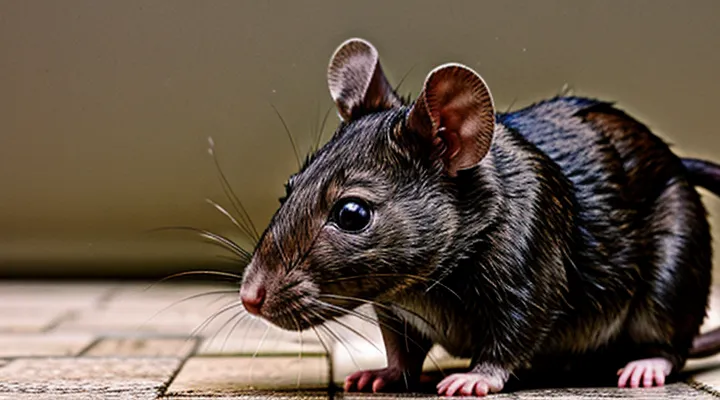
Understanding Rat Intelligence
Defining Intelligence in Animals
Behavioral Metrics
Behavioral metrics provide quantifiable indicators of rodent cognitive performance. Standardized tasks isolate specific domains such as spatial navigation, memory retention, problem solving, and social cognition. Data collected from these paradigms enable comparative analysis across experimental conditions and genetic backgrounds.
Key metrics include:
- Latency to reach a target zone in a water maze, reflecting spatial learning speed.
- Percentage of correct choices in a radial arm maze, measuring working memory efficiency.
- Exploration time of novel versus familiar objects, indicating recognition memory capacity.
- Number of lever presses required to obtain a reward in an operant conditioning schedule, assessing learning flexibility.
- Frequency of successful burrow construction in a complex environment, representing problem‑solving ability.
- Social interaction duration with conspecifics, quantifying affiliative behavior and social intelligence.
Each metric is recorded with high temporal resolution, allowing detection of subtle performance trends. Automated tracking systems minimize observer bias, while statistical models control for individual variability. Integration of multiple behavioral indices yields a multidimensional profile of rat intelligence, supporting rigorous evaluation of experimental manipulations.
Cognitive Abilities
Rats demonstrate a range of cognitive functions that support adaptive behavior in complex environments. Spatial navigation relies on hippocampal processing, allowing individuals to locate food sources and avoid hazards after brief exposure to novel mazes. Temporal discrimination enables the distinction of intervals as short as a few seconds, guiding foraging schedules and predator avoidance.
Problem‑solving capacity appears in tasks requiring tool use or lever manipulation. Success correlates with the ability to form associations between actions and delayed rewards, indicating robust operant learning. Social cognition is evident in hierarchical interactions, where dominant individuals recognize subordinate cues and adjust aggression accordingly.
Key cognitive domains include:
- Working memory: retention of information across short delays, measured by delayed alternation tests.
- Episodic‑like memory: recall of “what‑where‑when” components of a single experience, demonstrated in object‑location tasks.
- Cognitive flexibility: rapid shift between response strategies when reinforcement contingencies change, assessed via reversal learning protocols.
Neurochemical modulation influences these abilities; dopaminergic and cholinergic pathways enhance attention and reinforcement learning, while glutamatergic transmission underlies synaptic plasticity essential for memory consolidation. Comparative studies reveal that rat cognition parallels that of other mammals, providing a reliable model for investigating the neural substrates of intelligence.
Historical Perspectives on Rat Intelligence Research
Early Experiments
Early investigations into rodent cognition emerged in the late‑19th century with Edward Thorndike’s puzzle‑box apparatus. Subjects learned to escape by performing a specific action, such as pulling a lever, after repeated trials. Performance improvements demonstrated that rats could form associations between a stimulus and a reward, providing the first quantitative evidence of problem‑solving ability.
In the 1930s, B.F. Skinner introduced operant conditioning chambers that measured lever‑pressing rates for food reinforcement. Systematic variation of reinforcement schedules revealed that rats adjusted their response patterns according to the probability and timing of rewards, indicating sensitivity to abstract contingencies.
Subsequent maze experiments, notably by Karl Lashley, employed complex labyrinths to assess spatial navigation and memory retention. Key observations included rapid acquisition of routes, error reduction over successive runs, and the capacity to adapt when familiar pathways were blocked, confirming flexible learning strategies.
Key early studies:
- Puzzle‑box escape tasks (Thorndike, 1898) – demonstrated instrumental learning through trial‑and‑error.
- Operant conditioning chambers (Skinner, 1938) – quantified response rates under variable reinforcement.
- Complex mazes (Lashley, 1948) – evaluated spatial memory, route planning, and adaptability.
Contributions to Neuroscience
Research on rodent cognition delivers direct insight into the organization of mammalian brain networks. Experimental protocols that assess problem‑solving, memory, and decision‑making in rats generate data that map functional connectivity across cortical and subcortical structures.
Key contributions to neuroscience include:
- Identification of hippocampal–prefrontal pathways underlying spatial navigation and working memory.
- Clarification of dopaminergic modulation of reward‑based learning through operant conditioning paradigms.
- Development of disease models for neurodegenerative disorders, enabling evaluation of pathological progression at cellular and circuit levels.
- Validation of pharmacological agents by measuring behavioral alterations after targeted neurotransmitter manipulation.
- Advancement of in‑vivo imaging techniques, such as two‑photon microscopy, to observe neuronal activity during complex tasks.
These outcomes refine theoretical frameworks of intelligence, bridge gaps between animal and human studies, and inform the design of therapeutic strategies. Ongoing integration of genetic tools and high‑resolution recording promises deeper resolution of the neural substrates that support adaptive behavior. « Rats exhibit flexible problem solving that parallels core aspects of executive function », illustrating the translational relevance of rodent models for understanding cognition across species.
Methodologies for Assessing Rat Intelligence
Laboratory-Based Tests
Maze Navigation Tests
Maze navigation tests provide a direct measure of rodent problem‑solving capacity. By requiring a rat to locate a goal within a structured environment, researchers obtain quantifiable indices of learning speed, memory retention, and decision‑making strategies.
Common configurations include:
- T‑maze, which assesses binary choice learning and reversal performance.
- Radial arm maze, designed to evaluate working and reference memory through multiple arms.
- Morris water maze adapted for rats, measuring spatial navigation using distal cues.
- Automated digital labyrinths, offering precise tracking of movement paths.
Key performance metrics are:
- Latency to reach the target (seconds).
- Number of errors or wrong arm entries.
- Path efficiency, expressed as the ratio of optimal distance to actual distance traveled.
- Learning curve slope across successive trials.
Experimental design must control for:
- Habituation period to reduce novelty‑induced anxiety.
- Randomized start positions to prevent reliance on egocentric cues.
- Consistent lighting and cue placement to ensure reproducibility.
- Inclusion of control groups receiving sham training or pharmacological manipulation.
Data analysis typically employs repeated‑measures ANOVA or mixed‑effects models to compare performance over time and between conditions. Significant reductions in latency and error count indicate acquisition of spatial memory, while stable performance after a delay demonstrates retention. Such results contribute to a comprehensive assessment of rat cognitive abilities, supporting investigations into neural mechanisms, pharmacological effects, and comparative intelligence.
Radial Arm Maze
The radial arm maze provides a controlled environment for measuring spatial memory, learning speed, and decision‑making in rodents. The apparatus consists of a central platform from which eight (or more) arms extend outward, each ending in a food reward site. Rats must navigate the maze while minimizing revisits to previously visited arms, allowing researchers to quantify working and reference memory components.
Performance metrics include the number of arm entries before the first error, total errors across a session, and latency to retrieve rewards. Repeated trials reveal acquisition curves, enabling comparison of learning rates between experimental groups. The maze’s design permits isolation of specific cognitive processes by varying arm availability, reward placement, and inter‑trial intervals.
Key characteristics of the radial arm maze:
- High throughput: multiple subjects can be tested sequentially with minimal setup time.
- Sensitivity: detects subtle deficits in hippocampal‑dependent memory.
- Flexibility: adaptable to assess both short‑term and long‑term memory by adjusting retention intervals.
Limitations involve dependence on motivation for food rewards, potential stress from repeated handling, and the requirement for extensive training to achieve stable baseline performance. Proper control of extraneous variables, such as lighting and scent cues, mitigates confounding influences and enhances data reliability.
Morris Water Maze
The Morris Water Maze serves as a widely adopted assay for evaluating spatial learning and memory in rats. The test places subjects in a circular pool filled with opaque water, requiring them to locate a submerged platform using distal visual cues.
The apparatus consists of a circular tank, a hidden escape platform, and fixed external landmarks. Water temperature is maintained at a constant level to prevent thermal bias. The platform remains invisible to the animal, compelling reliance on spatial information.
Training involves multiple acquisition trials per day, during which each rat receives a start position at varying locations around the pool perimeter. After a predefined number of sessions, a probe trial removes the platform to assess memory retention. Performance is quantified through objective measures:
- Latency to reach the former platform location
- Path length traversed before reaching the target
- Swim speed to control for motor ability
- Percentage of time spent in the target quadrant during the probe
These metrics provide direct insight into the animal’s ability to encode, consolidate, and retrieve spatial representations. Comparative studies employ the maze to differentiate cognitive capacity across genetic strains, pharmacological interventions, and developmental stages, thereby contributing robust data to the assessment of rodent cognition.
Operant Conditioning Tasks
Operant conditioning tasks provide quantifiable measures of rodent problem‑solving capacity. In these paradigms, a specific response—such as lever press, nose‑poke, or wheel turn—produces a contingent outcome (food, water, or a light cue). The relationship between action and reinforcement reveals learning speed, flexibility, and motivation, all critical indicators of cognitive performance.
Key task variants include:
- Fixed‑ratio schedules: a predetermined number of responses yields reinforcement; breakpoint indicates persistence.
- Progressive‑ratio schedules: response requirement escalates after each reward; the highest ratio completed reflects effort allocation.
- Reversal learning: previously reinforced stimulus becomes non‑reinforced and vice versa; performance tracks behavioral flexibility.
- Go/No‑Go discrimination: subjects must emit a response to a target cue and withhold it to a non‑target cue; accuracy and false‑alarm rates assess impulse control.
- Delayed matching‑to‑sample: after a retention interval, the animal chooses the stimulus matching the sample; correct choices across varying delays gauge working memory.
Critical methodological considerations:
- Shaping procedures gradually establish the target response, preventing premature extinction.
- Reinforcer magnitude and deprivation level must be calibrated to maintain consistent motivation without inducing stress.
- Environmental cues (auditory, visual) should remain constant across trials to isolate learning effects.
- Data acquisition systems record response latency, inter‑response intervals, and total trials completed, enabling detailed statistical analysis.
Interpretation of results hinges on comparison with baseline performance and with established benchmarks from other species. Elevated breakpoints under progressive‑ratio schedules, rapid acquisition of reversal criteria, and high accuracy in delayed matching tasks collectively signal advanced cognitive processing in rats. Such findings contribute to a comprehensive evaluation of rodent intelligence and inform the design of more complex behavioral assays.
Lever Pressing for Reward
Lever pressing for reward provides a direct measure of operant learning in rodents. The task requires a rat to discover that a specific response—pressing a lever—produces a contingent reinforcement, typically a food pellet. Successful acquisition demonstrates the ability to form an association between an action and a consequent outcome.
The experimental setup consists of a chamber equipped with a single lever, a stimulus light, and a dispenser for the reward. Training sessions begin with a shaping phase in which the animal receives a reward for any interaction with the lever. Once the rat reliably contacts the lever, the criterion shifts to a full press, at which point the reward is delivered following a predetermined schedule (e.g., fixed-ratio, variable-interval). Data collection records latency to first press, press frequency, and inter‑press intervals.
Key parameters evaluated include:
- Response latency: time elapsed from session start to the initial lever press.
- Press rate: number of presses per minute, indicating motivation and motor proficiency.
- Schedule adherence: proportion of presses that meet the reinforcement schedule, reflecting cognitive flexibility.
- Extinction resistance: persistence of pressing when reward delivery is discontinued, revealing learning durability.
Performance trends inform interpretations of problem‑solving capacity, impulse control, and memory retention. Rapid acquisition and high press rates suggest efficient stimulus‑response learning, while prolonged extinction indicates strong associative memory. Comparative analyses across strains, ages, or pharmacological manipulations reveal how specific neural circuits contribute to these behaviors.
In the broader context of rodent cognition evaluation, lever‑pressing paradigms serve as a benchmark for assessing executive functions. The method isolates discrete decision‑making processes, allowing researchers to quantify the impact of genetic, developmental, or environmental factors on intelligent behavior without reliance on ambiguous observational measures.
Discrimination Learning
Discrimination learning evaluates a rat’s capacity to differentiate between distinct cues and to select the appropriate response for each cue. The paradigm typically presents two or more stimuli that vary in modality, such as visual patterns, auditory tones, or tactile textures. Correct responses are reinforced, while incorrect choices receive no reinforcement or a mild punishment. Performance is quantified by the proportion of correct choices across trials, latency to respond, and the rate at which the animal reaches a predetermined criterion of accuracy.
Key elements of the procedure include:
- Stimulus selection – stimuli must be perceptually distinct yet equally salient to prevent bias.
- Reinforcement schedule – fixed‑ratio or variable‑ratio schedules shape response patterns and influence learning speed.
- Criterion definition – a common benchmark is 80 % correct responses over two consecutive sessions.
- Generalization testing – after acquisition, novel stimuli assess the animal’s ability to apply learned rules to unfamiliar contexts.
- Error analysis – tracking perseverative versus random errors reveals flexibility and inhibitory control.
Interpretation of results links discrimination performance to underlying cognitive processes such as attention, memory, and executive function. Rapid acquisition and low error rates suggest efficient information processing, whereas prolonged learning curves may indicate deficits in perceptual discrimination or reduced motivation. Comparative studies across strains or experimental manipulations (e.g., pharmacological agents, genetic modifications) employ discrimination learning as a reliable index of rat intelligence without relying on overt problem‑solving tasks.
Neurobiological Approaches
Brain Structure Analysis
Brain structure analysis provides a direct metric for evaluating rat cognition. High‑resolution magnetic resonance imaging and diffusion tensor imaging reveal regional volume, cortical thickness, and white‑matter integrity. Histological staining quantifies neuronal density and synaptic protein expression, linking micro‑architecture to functional outcomes.
Key brain regions implicated in problem‑solving and memory include:
- Hippocampus – volume and dendritic spine density correlate with maze performance.
- Prefrontal cortex – cortical thickness predicts flexibility in reversal learning.
- Basal ganglia – striatal volume associates with habit formation.
- Olfactory bulb – size reflects sensory processing speed, influencing exploratory behavior.
Structural metrics establish statistical relationships with behavioral assays. Increased hippocampal volume consistently aligns with reduced latency in spatial navigation tasks. Enhanced prefrontal cortical thickness accompanies higher accuracy in delayed‑alternation tests. Synaptic marker density in the striatum predicts faster acquisition of operant conditioning.
Comparative studies across strains, ages, and sexes identify variability in neuroanatomical predictors. Young adult rats display peak hippocampal growth, while aged individuals show cortical thinning, affecting learning rates. Strain‑specific differences in basal ganglia morphology explain divergent performance in habit‑based tasks.
Application of these findings guides model selection for neuropharmacological testing. Drugs that modulate synaptic plasticity produce measurable changes in regional volume, offering a quantifiable endpoint for efficacy assessment. Translational relevance emerges from aligning rodent neuroanatomical markers with human imaging biomarkers of intelligence.
Neurotransmitter Studies
Neurotransmitter profiling provides quantitative indices of rat cognitive performance. Elevated extracellular concentrations of «dopamine» correlate with rapid acquisition in operant conditioning and spatial navigation tasks. Pharmacological blockade of dopamine receptors produces measurable deficits in reversal learning, confirming its involvement in flexible decision‑making.
Acetylcholine modulation influences attentional processing and short‑term memory. Microdialysis recordings during novel‑object recognition reveal transient peaks of «acetylcholine» coinciding with exploration of unfamiliar stimuli. Antagonists of muscarinic receptors diminish discrimination ratios, indicating a direct link between cholinergic activity and object‑memory encoding.
Serotonergic signaling affects affective state and behavioral adaptability. Increased extracellular levels of «serotonin» accompany reduced latency in anxiety‑related mazes, while selective serotonin reuptake inhibition improves performance in set‑shifting paradigms. These observations support serotonin’s role in regulating emotional bias during problem solving.
Methodological standards include:
- In vivo microdialysis for temporal resolution of extracellular neurotransmitter fluctuations.
- Fast‑scan cyclic voltammetry for subsecond detection of catecholamine dynamics.
- Optogenetic manipulation of specific neuronal populations to isolate causal contributions.
- Precise alignment of sampling windows with behavioral epochs to ensure interpretive validity.
Integration of neurotransmitter data with behavioral metrics refines the assessment of rodent cognition, enabling differentiation between learning capacity, attentional control, and emotional regulation. Such multidimensional analysis informs translational models of human intelligence and neuropsychiatric disorder research.
Ethological Observations
Problem-Solving in Naturalistic Settings
Problem‑solving abilities of rats are best revealed when tasks mimic challenges encountered in their natural habitats. Open‑field foraging tests, variable‑reward mazes, and socially mediated puzzle boxes each require the integration of sensory cues, memory, and flexible motor strategies. Performance metrics—latency to solution, error count, and pattern of exploration—provide quantitative indicators of cognitive adaptability.
Key experimental designs include:
- Ecologically relevant mazes: corridors arranged to resemble burrow networks, with movable barriers that require detours.
- Resource‑allocation puzzles: devices that conceal food behind mechanisms rats must manipulate using learned sequences.
- Socially driven challenges: tasks where one rat observes a conspecific solving a problem before attempting the same solution.
Analysis of these paradigms shows that rats adjust their approach when environmental variables shift, such as altered lighting or novel textures. Success rates improve after limited exposure, demonstrating rapid acquisition of novel strategies rather than reliance on fixed response patterns.
Neurobiological correlates identified through electrophysiological recordings and immediate‑early gene expression indicate heightened activity in the hippocampus and prefrontal cortex during successful problem solving. These regions support spatial mapping, working memory, and decision‑making processes essential for navigating complex, changing environments.
«Rats exhibit flexible problem‑solving when task demands reflect naturalistic conditions», a finding corroborated across multiple laboratories, reinforces the view that rodent cognition extends beyond simple stimulus‑response learning to encompass adaptive reasoning.
Social Learning and Communication
Research on rat cognition frequently emphasizes social learning as a primary mechanism by which individuals acquire novel behaviors without direct trial‑and‑error. Observational acquisition occurs when a naïve rat watches a conspecific perform a task, then reproduces the action after a brief latency. Experiments using maze navigation, lever pressing, and food‑retrieval tasks demonstrate that demonstrator performance accelerates learner success rates by up to 60 % compared with solitary training.
Communication among rats relies on multimodal signals that convey information about food sources, predator threats, and social hierarchy. Olfactory cues, including pheromones deposited in urine and glandular secretions, provide long‑lasting markers of individual identity and reproductive status. Auditory emissions, such as ultrasonic vocalizations, encode urgency and emotional valence, influencing group responses to novel stimuli. Tactile interactions, particularly whisker‑mediated contact, facilitate rapid transmission of spatial information within dense colonies.
Key findings supporting the role of social transmission in cognitive assessment include:
- Paired‑subject designs where one rat observes a trained partner, resulting in learner acquisition after a single demonstration.
- Cross‑modal experiments showing that visual observation combined with pheromonal exposure yields higher retention than either modality alone.
- Disruption of ultrasonic communication through frequency masking, which reduces the efficiency of threat avoidance learning.
These observations inform methodologies for evaluating rat intelligence, suggesting that tests which isolate social learning components provide a more comprehensive measure of problem‑solving capacity than solitary paradigms. Incorporating social contexts into experimental design aligns assessment protocols with the natural ecological strategies employed by the species.
Key Findings and Implications
Memory and Learning Capabilities
Working Memory
Working memory refers to the capacity to temporarily hold and manipulate information required for goal‑directed behavior. In rodent cognition research, it provides a direct index of short‑term information processing and executive control, essential for evaluating overall intelligence.
Common experimental paradigms that quantify working memory in rats include:
- Delayed alternation in a T‑maze, where correct choice after a retention interval indicates memory updating.
- Radial arm maze with inter‑trial delays, measuring the number of revisits to previously baited arms.
- Operant chambers employing a delayed matching‑to‑sample task, recording correct lever selections after variable pauses.
Performance metrics typically comprise the proportion of correct responses, latency to choice, and patterns of intrusion errors. These variables allow estimation of memory span and resistance to interference.
Interpretation requires control of confounding factors such as motivation, sensory deficits, and strain‑specific baseline abilities. Consistent training procedures and balanced reinforcement schedules reduce variability, ensuring that observed differences reflect genuine working‑memory capacity rather than peripheral influences.
Long-Term Memory
Long‑term memory in rodents provides a reliable indicator of cognitive capacity, enabling comparison across experimental conditions. Retention of spatial, object, and contextual information persists for weeks after a single acquisition trial, demonstrating durable encoding beyond short‑term processes.
Key experimental paradigms that reveal durable memory include:
- Morris water maze: performance after a 7‑day interval reflects hippocampal‑dependent consolidation.
- Radial arm maze: choice accuracy after 14‑day delays measures working‑memory transformation into lasting representations.
- Fear‑conditioning protocol: freezing response measured 30 days post‑training indicates associative memory stability.
Neurobiological correlates link long‑term storage to synaptic plasticity mechanisms such as long‑term potentiation, protein synthesis, and epigenetic modifications. Lesion studies show that hippocampal damage abolishes retention, whereas cortical lesions impair retrieval without affecting initial acquisition.
Behavioral data combined with electrophysiological recordings allow quantification of memory strength, latency, and error rate, furnishing metrics that correlate with broader assessments of problem‑solving and adaptability. Consequently, long‑term memory serves as a cornerstone for evaluating rat cognition, informing both basic neuroscience and translational research on learning disorders.
Problem-Solving Skills
Tool Use Analogues
Rats exhibit behaviours that parallel tool use, providing measurable indicators of problem‑solving capacity. Laboratory tasks that require manipulation of objects to obtain food or navigate obstacles reveal how individuals adapt external items for functional ends.
Typical paradigms include:
- Lever‑pulling to release a platform, where the lever serves as a proxy for a tool.
- Use of a stick to retrieve a treat placed beyond reach, demonstrating the ability to extend bodily action through an object.
- Modification of a cardboard tube to transport pellets, illustrating planning and alteration of environmental elements.
Performance on these tasks correlates with other cognitive metrics such as maze learning speed and reversal learning accuracy, suggesting that tool‑use analogues contribute to a comprehensive assessment of rodent intelligence. Comparative analysis across strains highlights genetic influences on the propensity to employ objects instrumentally.
Experimental design must control for motivational variables, ensure consistent training protocols, and employ blind scoring to avoid observer bias. Data interpretation benefits from integrating behavioural outcomes with neurobiological markers, such as prefrontal cortex activation patterns observed during object manipulation.
Adaptability to Novel Situations
Rats demonstrate rapid adjustment when confronted with unfamiliar environments, a key indicator of cognitive flexibility. Experiments that introduce novel mazes, altered lighting, or unexpected obstacles reveal that individuals quickly modify search strategies, reduce latency, and improve error rates within a few trials. This capacity reflects an integration of sensory processing, memory updating, and problem‑solving mechanisms.
Key observations include:
- Immediate exploration of new zones, indicating low neophobia.
- Shift from habitual routes to alternative paths when previous routes become blocked.
- Increased use of tactile whisker input to map unfamiliar textures.
- Enhanced reliance on olfactory cues when visual landmarks are removed.
Neurobiological correlates identify heightened activity in the prefrontal cortex and hippocampus during such tasks. Dopaminergic signaling spikes in the ventral tegmental area, supporting reinforcement of successful adaptations. Lesions in these regions impair the ability to adjust, leading to perseverative behavior.
Comparative studies show that domesticated strains outperform wild‑type counterparts in novel‑situational tests, suggesting that selective breeding influences adaptability. Training protocols that gradually increase environmental complexity further amplify this trait, providing a reliable metric for assessing rodent intelligence without reliance on language‑based tasks.
Social Intelligence
Cooperation and Altruism
Research on rodent cognition frequently incorporates analysis of cooperative interactions and altruistic tendencies. Experiments that require individuals to share resources or assist conspecifics provide measurable indicators of social intelligence beyond solitary problem‑solving.
Typical protocols include:
- Paired foraging tasks where one rat can open a door to allow a partner access to food, recording latency and frequency of door‑opening.
- Rescue scenarios in which a trapped rat is liberated by a cage‑mate, with success rates compared across familiar and unfamiliar dyads.
- Food‑sharing tests that assess voluntary transfer of treats after a partner’s request, noting whether the donor’s consumption decreases.
Results consistently reveal that rats adjust behavior according to the partner’s need, exhibit reciprocal assistance after previous help, and preferentially aid genetically related individuals. Such patterns align with theories of reciprocal altruism and kin selection, supporting the view that social cooperation constitutes a measurable facet of rodent intelligence.
Empathy-like Behaviors
Research on rodent cognition routinely includes observations of social responsiveness that resemble empathy. Experiments in which a rat observes a conspecific receiving a mild shock reveal increased distress vocalizations and heightened attention, indicating affective resonance. Similar patterns emerge when a subject rat assists a trapped partner in a restrainer apparatus, reducing the partner’s confinement time without direct reward.
Neurophysiological data link these behaviors to activity in the anterior cingulate cortex and the amygdala, regions associated with affective processing in mammals. Pharmacological inhibition of oxytocin receptors diminishes helping actions, suggesting a modulatory role for the oxytocin system. Functional imaging studies demonstrate synchronized firing between observer and demonstrator during distress observation, supporting a shared neural representation of affect.
Implications for evaluating rodent intelligence include the need to incorporate measures of affective sharing alongside problem‑solving tasks. A comprehensive assessment framework should combine:
- Observation of distress‑induced behavioral changes;
- Quantification of helping latency in cooperative paradigms;
- Neurochemical manipulation to test causal relationships.
Such integrative approaches provide a more complete picture of cognitive capacities that extend beyond traditional maze performance.
Ethical Considerations in Research
Animal Welfare Standards
Animal welfare standards constitute the foundation for reliable cognitive research on rats. Compliance with established guidelines ensures that experimental outcomes reflect true behavioral capacities rather than stress‑induced artifacts.
Key components of welfare protocols include:
- Housing that provides adequate space, ventilation, and temperature control, preventing overcrowding and extreme environmental fluctuations.
- Environmental enrichment such as nesting material, tunnels, and chewable objects, which promotes natural exploratory behavior and reduces stereotypies.
- Handling procedures that employ gentle restraint techniques and habituation sessions, minimizing anxiety during testing.
- Nutritional regimes that meet species‑specific dietary requirements, with consistent feeding schedules to avoid hunger‑driven performance variations.
- Health monitoring that identifies illness or injury promptly, allowing timely veterinary intervention and preventing data contamination.
Ethical oversight demands a documented justification for each experimental procedure, adherence to the 3Rs principle, and clear humane endpoints. Documentation must include regular welfare assessments, scored using validated scales, and a contingency plan for unexpected distress.
Implementation of these standards aligns methodological rigor with ethical responsibility, thereby enhancing the validity of conclusions drawn about rat cognition. «The credibility of behavioral data depends on the well‑being of the subjects.»
Refinement of Experimental Designs
Refining experimental designs enhances the reliability of studies that evaluate rodent cognition. Standardizing apparatus dimensions, lighting conditions, and auditory background eliminates extraneous influences that can obscure behavioral outcomes. Random assignment of subjects to treatment groups prevents systematic bias, while balanced representation of sex and age reduces demographic confounds.
Implementing blind scoring procedures safeguards against observer expectancy effects. Automated video‑tracking systems record locomotor patterns with millisecond precision, allowing objective quantification of exploratory and problem‑solving behaviors. Integration of RFID tags permits continuous monitoring of individual movement within complex mazes, facilitating high‑throughput data collection without manual intervention.
Robust statistical planning underpins credible inference. Power analyses based on pilot data determine minimal sample sizes required to detect effect sizes of interest. Pre‑registration of hypotheses and analysis pipelines curtails post‑hoc adjustments, reinforcing reproducibility.
Ethical rigor complements methodological precision. Enrichment items that encourage natural foraging reduce stress‑induced variability. Gradual habituation to testing chambers minimizes anxiety, thereby preserving intrinsic problem‑solving capacities.
Key recommendations for design refinement:
- Define environmental parameters (temperature, humidity, illumination) and maintain them throughout all testing phases.
- Employ counterbalanced task orders to control for learning effects across sessions.
- Utilize automated scoring algorithms validated against expert human ratings.
- Conduct interim data audits to verify compliance with randomization and blinding protocols.
- Document all procedural deviations in a centralized log accessible to the research team.
By adhering to these practices, investigators generate data that more accurately reflect the cognitive abilities of rats, supporting substantive advances in comparative neuroscience.
Future Directions in Rat Intelligence Research
Advanced Imaging Techniques
Advanced imaging provides direct access to neural substrates underlying rodent cognition. High‑resolution functional magnetic resonance imaging captures whole‑brain activity patterns while subjects navigate mazes, revealing networks engaged during problem‑solving tasks. Two‑photon microscopy visualizes dendritic spine dynamics in real time, linking synaptic remodeling to learning episodes. Calcium‑sensitive fluorescent indicators report population‑level firing rates, enabling quantification of temporal coding during decision‑making.
Key modalities applied to cognitive assessment include:
- Functional MRI (fMRI): whole‑brain hemodynamic mapping during behavioral challenges.
- Two‑photon microscopy: subcellular resolution of synaptic structures in awake, head‑fixed rats.
- Fiber‑photometry with calcium indicators: longitudinal monitoring of neuronal ensembles in freely moving animals.
- Positron emission tomography (PET): metabolic profiling of brain regions associated with memory retrieval.
- Diffusion tensor imaging (DTI): reconstruction of white‑matter pathways supporting information transfer.
Integration of these techniques with behavioral paradigms refines interpretation of intelligence metrics. Simultaneous recording of neural activity and performance outcomes permits correlation of specific circuit activation with task success rates. Quantitative models derived from imaging data improve predictive accuracy for individual variation in problem‑solving abilities.
Genetic and Molecular Studies
Genetic and molecular investigations provide quantitative metrics for evaluating rat cognition. Whole‑genome sequencing identifies allelic variants that correlate with performance on maze navigation, object recognition, and social interaction tests. Transcriptomic profiling of prefrontal cortex and hippocampus reveals expression patterns of synaptic plasticity genes that differ between high‑scoring and low‑scoring individuals.
Key molecular approaches include:
- Genome‑wide association studies that link single‑nucleotide polymorphisms to learning speed.
- RNA‑seq analysis of activity‑dependent transcripts after exposure to novel environments.
- CRISPR‑mediated knockout of candidate genes to determine causal effects on problem‑solving ability.
- Optogenetic manipulation of neuronal circuits combined with real‑time calcium imaging to monitor decision‑making processes.
Biomarker discovery focuses on proteins such as brain‑derived neurotrophic factor, NMDA‑receptor subunits, and immediate‑early genes whose levels predict task acquisition rates. Epigenetic modifications, particularly DNA methylation at promoter regions of cognition‑related genes, correlate with long‑term memory retention across generations.
Integration of these data sets through machine‑learning pipelines generates predictive models of individual cognitive capacity, enabling systematic comparison of genetic backgrounds and experimental interventions without reliance on behavioral observation alone.