
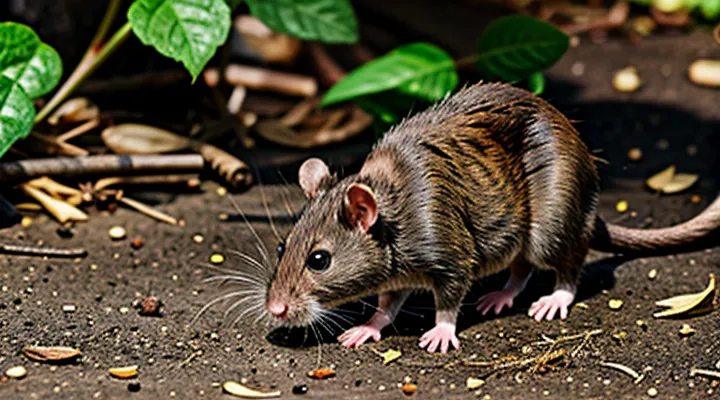
The Significance of Rat Feces in Health Assessment
Why Feces Are a Health Indicator
Fecal examination provides a direct window into the physiological state of a rodent. The material expelled from the gastrointestinal tract contains metabolites, microorganisms, and cellular debris that reflect digestion efficiency, immune function, and metabolic balance.
Key indicators observable in rat stool include:
- Consistency and moisture content: Soft, watery feces suggest diarrhea, while hard, dry pellets indicate dehydration or reduced intestinal motility.
- Color and pigmentation: Dark, tarry stools may signal gastrointestinal bleeding; pale or yellowish feces can reveal bile duct obstruction or malabsorption.
- Presence of parasites or ova: Microscopic detection of helminth eggs or protozoan cysts confirms parasitic infection.
- Microbial composition: Shifts in dominant bacterial families, identified through culture or sequencing, correlate with dysbiosis, inflammation, or antibiotic exposure.
- Blood or mucus: Visible traces point to mucosal irritation, ulceration, or inflammatory bowel disease.
Chemical analysis further clarifies health status. Elevated levels of protein or fat in feces indicate malabsorption, while abnormal concentrations of electrolytes, such as sodium or potassium, reveal renal or endocrine disturbances. Enzyme assays—particularly for pancreatic amylase and lipase—detect exocrine pancreatic insufficiency.
Collectively, these observations enable rapid, non‑invasive assessment of disease onset, nutritional adequacy, and therapeutic response in laboratory and colony settings. Regular fecal monitoring thus serves as a reliable metric for maintaining rat welfare and experimental integrity.
Early Detection of Health Issues
Evaluating rodent health through stool examination enables identification of disease before clinical signs emerge. Parasite eggs, bacterial overgrowth, and abnormal blood content appear in feces weeks prior to systemic manifestations, providing a window for intervention.
Key markers for early detection include:
- Presence of helminth ova or protozoan cysts
- Elevated fecal occult blood levels
- Shifts in microbial diversity, such as reduced Lactobacillus spp.
- Abnormal consistency or moisture content indicating gastrointestinal dysfunction
Quantitative analysis of these parameters, combined with baseline reference values, yields objective risk assessments. Rapid diagnostic kits and polymerase chain reaction assays increase sensitivity, allowing confirmation of pathogenic DNA in low‑concentration samples.
Implementing routine fecal screening in breeding colonies reduces mortality, limits outbreak propagation, and supports humane management. Data collection should follow standardized sampling intervals—ideally weekly for juvenile cohorts and biweekly for adults—to capture transient changes and inform timely therapeutic decisions.
Understanding Normal Rat Feces
Ideal Fecal Characteristics
Shape and Consistency
Shape and consistency provide the most immediate visual cues when evaluating rat stool for health status. Observers can infer digestive function, hydration level, and possible pathology from these attributes alone.
Normal rat feces appear as short, cylindrical pellets about 2–4 mm in length. The surface is smooth, lacking cracks or irregular edges. Consistency is firm yet slightly pliable; a gentle pressure should cause the pellet to deform without disintegrating, and it should retain shape after release. Moisture content is sufficient to prevent desiccation but not so high that the pellet collapses.
Deviations from the norm signal specific concerns:
- Loose, watery pellets – indicate diarrhea, often associated with bacterial, viral, or parasitic infection, or abrupt dietary changes.
- Hard, dry pellets – suggest constipation, possible dehydration, or low-fiber intake.
- Irregular or elongated shapes – may reflect gastrointestinal obstruction, neoplasia, or abnormal motility.
- Fragmented or crumbly pellets – point to malabsorption, pancreatic insufficiency, or severe inflammation.
Accurate assessment requires consistent handling. Collect fresh droppings within minutes of deposition, avoid contamination with bedding, and compare each sample against the baseline description of normal shape and firmness. Record observations systematically to track trends over time and to correlate with clinical findings.
Color and Size
Rat feces provide immediate visual cues about physiological status. Color variations reflect gastrointestinal function, while dimensions indicate digestive efficiency and hydration.
- Dark brown to black pellets suggest normal melanin content and adequate bile flow.
- Red or orange hues signal the presence of blood or hemoglobin breakdown, often linked to ulceration or severe inflammation.
- Yellow or green streaks indicate rapid transit or excess bile, which may accompany malabsorption or liver dysfunction.
- Pale or gray feces imply reduced bile secretion, possible cholestasis, or dietary deficiencies.
Size assessment complements color analysis. Uniform, cylindrical pellets measuring 2–4 mm in length and 0.5–1 mm in diameter represent balanced fiber intake and proper water consumption. Larger, softer masses exceeding 5 mm suggest slowed motility, dehydration, or obstruction. Conversely, excessively small, fragmented stools (<1 mm) point to accelerated transit, potential diarrhea, or inadequate nutrient absorption. Monitoring these parameters yields a reliable, non‑invasive health snapshot for laboratory and pet rats.
Frequency and Quantity
Monitoring rodent health through stool analysis requires systematic collection of fecal samples. Consistent sampling intervals provide baseline data and allow detection of deviations that may indicate disease, dietary imbalance, or stress. Establishing a routine prevents gaps that could obscure trends.
Key parameters for sample acquisition:
-
Sampling frequency:
• Daily collection for short‑term studies or acute interventions.
• Every 2–3 days for longitudinal monitoring of stable colonies.
• Weekly sampling when assessing chronic conditions or environmental impacts. -
Sample quantity:
• Minimum 0.2 g for microbiological culture and pathogen screening.
• 0.5–1 g for comprehensive metabolomic or toxicological profiling.
• Larger volumes (2–3 g) improve repeatability in quantitative PCR assays.
Adhering to these guidelines ensures sufficient material for reliable laboratory analysis while minimizing disruption to the animals. Adjustments may be necessary based on the specific diagnostic methods employed.
Identifying Abnormal Fecal Conditions
Changes in Shape and Consistency
Diarrhea: Causes and Implications
Diarrhea in rats manifests as watery, unformed feces accompanied by increased frequency and possible perianal staining. The condition reflects disturbances in gastrointestinal function and serves as a primary indicator when examining stool samples for health assessment.
- Bacterial infections (e.g., Salmonella, Clostridium difficile)
- Viral agents (e.g., Rat coronavirus, Sendai virus)
- Parasitic infestations (e.g., Giardia, coccidia)
- Dietary imbalances (excessive fiber, low protein, sudden diet change)
- Antibiotic‑induced dysbiosis
- Stressors (crowding, temperature fluctuations, handling)
- Toxic exposure (heavy metals, pesticides, contaminated water)
Implications of diarrheal episodes include rapid dehydration, electrolyte loss, and compromised nutrient absorption, which can skew experimental outcomes and mask underlying pathologies. Persistent diarrhea warrants microbiological culture, PCR screening, and fecal flotation to identify etiologic agents. Treatment protocols typically combine fluid therapy, targeted antimicrobials, and dietary modification. Monitoring fecal consistency and frequency provides a non‑invasive metric for evaluating therapeutic efficacy and overall colony health.
Constipation: Causes and Implications
Constipation in laboratory rats signals disruptions in gastrointestinal motility, diet, or environment, and directly influences the reliability of fecal‑based health assessments. Hardened, infrequent pellets reduce the amount of material available for microbial, metabolic, and toxicological analysis, potentially skewing diagnostic outcomes.
Typical causes include:
- Low fiber intake or excessive refined carbohydrates
- Dehydration or limited water access
- Stressors such as overcrowding, noise, or handling frequency
- Pharmacological agents that slow intestinal transit (e.g., opioids, anticholinergics)
- Metabolic disorders like hypothyroidism or hypercalcemia
- Anatomical obstructions from foreign bodies or neoplasms
Implications for health monitoring are threefold. First, altered stool consistency changes the concentration of bacterial populations, affecting microbiome profiling. Second, prolonged transit time allows greater absorption of toxins and metabolites, which may appear as abnormal biomarkers in urine or blood samples. Third, reduced fecal output limits the statistical power of longitudinal studies that rely on serial stool collections.
Mitigation strategies focus on dietary modification (increase insoluble fiber, provide fresh water), environmental enrichment to lower stress, and regular review of medication regimens. Early detection of constipation through visual inspection and weight measurement of fecal pellets enables prompt intervention, preserving the integrity of stool‑based health evaluations in rat models.
Pellet Deformities
Pellet deformities provide direct insight into gastrointestinal function and overall physiological status in laboratory and pet rats. Abnormal shape, size, or consistency of fecal pellets often reflects disruptions in nutrient absorption, motility, or microbial balance, making them a practical indicator for health monitoring without invasive procedures.
Common deformities include:
- Fragmented pellets – irregular breaks indicating rapid transit or severe diarrhea.
- Rolled or tightly compressed pellets – suggest constipation or reduced water intake.
- Irregularly elongated or tapered pellets – may signal partial obstruction or muscular dysfunction.
- Discolored or mottled pellets – point to hemorrhage, bile alteration, or dietary deficiencies.
Causes typically fall into three categories: dietary imbalances, infectious agents, and physiological disorders. High‑fiber diets can increase bulk and alter pellet form, while low‑fiber regimens may produce compact, dry feces. Bacterial, viral, or parasitic infections often manifest as fragmented or discolored pellets due to inflammation and mucosal damage. Metabolic conditions such as renal insufficiency or endocrine disorders can modify water balance, resulting in abnormal pellet consistency.
Assessment protocol recommends daily visual inspection combined with periodic measurement of pellet length and weight. Record deviations from baseline values established for the specific strain and age group. When deformities persist for more than 48 hours, initiate fecal microscopy to detect pathogens, and conduct serum chemistry to evaluate hydration, electrolyte status, and organ function. Immediate dietary adjustment or therapeutic intervention should follow confirmed etiologies.
Consistent documentation of pellet morphology enables early detection of health issues, supports reproducible research outcomes, and guides targeted treatment plans.
Deviations in Color
Dark or Black Feces
Dark or black feces in rats signal a deviation from normal stool coloration and merit immediate attention. The hue suggests the presence of digested blood or excessive dietary pigments, each implying distinct physiological disturbances.
Typical causes include:
- Upper gastrointestinal bleeding, where hemoglobin is oxidized to melena, producing a tar‑like black stool.
- Ingestion of iron supplements or foods rich in anthocyanins, which can darken feces without pathology.
- Severe constipation leading to prolonged transit time, allowing bacterial action to darken the material.
- Hepatic dysfunction, where bile pigment abnormalities may alter stool color.
When black feces appear, the following steps are recommended:
- Perform a fecal occult blood test to confirm the presence of hemoglobin.
- Review the rat’s diet for iron‑fortified feeds, cocoa, or beetroot products.
- Conduct a physical examination for signs of anemia, lethargy, or abdominal pain.
- Order blood work, focusing on hematocrit, serum iron, and liver enzymes.
- If bleeding is confirmed, initiate supportive care, including fluid therapy and, if necessary, gastrointestinal protectants.
Distinguishing between pathological melena and benign pigment changes relies on laboratory confirmation and dietary assessment. Prompt identification of gastrointestinal hemorrhage can prevent rapid health decline, while recognizing harmless dietary effects avoids unnecessary interventions.
Pale or Yellow Feces
Pale or yellow feces in laboratory rats signal a disruption in normal digestive processes. The coloration often results from reduced bile pigment concentration, indicating possible hepatic, pancreatic, or biliary dysfunction. Common etiologies include:
- Hepatocellular injury or cholestasis, which limits bile secretion into the intestine.
- Pancreatic insufficiency, leading to inadequate enzymatic breakdown of fats and subsequent alteration of stool color.
- Dietary imbalances, particularly low fat or excessive carbohydrate intake, which can modify bile utilization.
- Parasitic infection or bacterial overgrowth that interferes with bile absorption.
When observed, pale or yellow feces should prompt a systematic evaluation. Initial steps involve:
- Physical examination for jaundice, weight loss, or abdominal distension.
- Blood chemistry panel focusing on liver enzymes (ALT, AST), bilirubin, and pancreatic enzymes (amylase, lipase).
- Ultrasonographic imaging of the liver and gallbladder to detect structural abnormalities.
- Fecal analysis for parasites, bacterial pathogens, and fat content.
Intervention depends on the underlying cause. Hepatotoxic agents require removal and potential hepatoprotective therapy. Pancreatic deficiencies may be addressed with enzyme supplementation. Nutritional adjustments should restore appropriate fat levels and balance macronutrients. Continuous monitoring of fecal color, consistency, and frequency provides ongoing insight into the rat’s recovery trajectory.
Greenish or Bloody Feces
Greenish feces in rats often signal rapid intestinal transit, dietary imbalance, or bacterial overgrowth. A shift toward a yellow‑green hue may accompany high bile concentration when food moves too quickly through the small intestine, reducing absorption. Common triggers include sudden diet changes, excess carbohydrates, or ingestion of chlorophyll‑rich foods. Persistent coloration warrants microbiological testing to detect pathogenic bacteria such as Salmonella or Clostridium species, which can produce pigment‑altering metabolites.
Bloody feces, ranging from faint streaks to overt red material, indicates hemorrhage within the gastrointestinal tract. Potential sources include:
- Ulcerative lesions caused by Helicobacter infection or chronic stress.
- Mechanical injury from sharp objects or aggressive grooming.
- Neoplastic growths affecting the colon or rectum.
- Severe parasitic infestations (e.g., Trichinella spp.) that erode mucosal walls.
Laboratory analysis should comprise fecal occult blood testing, parasite ova identification, and culture for enteric pathogens. Imaging techniques such as abdominal radiography or ultrasonography assist in locating structural abnormalities.
Immediate response involves isolating the affected rat, providing a bland, low‑fiber diet, and initiating supportive fluid therapy to prevent dehydration. Veterinary intervention includes antimicrobial or antiparasitic treatment based on diagnostic results, and, when indicated, surgical consultation for obstructive or neoplastic conditions. Continuous monitoring of stool color, consistency, and frequency provides early detection of health deterioration and guides therapeutic adjustments.
Unusual Odor and Presence of Foreign Matter
Strong or Foul Odor
The odor emitted by rat droppings provides a rapid, non‑invasive indicator of gastrointestinal and systemic health. A pungent, acrid scent often signals dysbiosis, infection, or dietary imbalance, whereas a mild, earthy smell suggests normal microbial activity.
Key diagnostic interpretations:
- Foul, ammonia‑like odor – indicates excessive protein breakdown, urinary contamination, or urea‑producing bacteria; commonly associated with renal stress or dehydration.
- Putrid, sulfurous smell – points to overgrowth of anaerobic pathogens such as Clostridium spp.; may accompany hemorrhagic colitis or severe inflammation.
- Sharp, rancid odor – reflects lipid oxidation or malabsorption; frequently linked to pancreatitis or high‑fat diets.
- Neutral or faint earthy scent – consistent with balanced flora and adequate nutrient absorption.
Assessment protocol:
- Collect fresh feces in a sealed container; avoid exposure to ambient air for more than two minutes.
- Perform a blind odor rating using a standardized scale (e.g., 0 = no odor, 1 = mild, 2 = moderate, 3 = strong, 4 = extremely foul).
- Correlate the rating with clinical signs (weight loss, coat condition, activity level) and laboratory results (CBC, serum chemistry) to confirm or rule out underlying pathology.
Factors influencing odor intensity include diet composition, hydration status, cage ventilation, and time elapsed since defecation. Controlling these variables enhances the reliability of odor‑based health assessments.
Visible Parasites or Undigested Food
Visible parasites and undigested food particles serve as immediate indicators of a rat’s gastrointestinal condition. Their presence can reveal infestations, dietary imbalances, or malfunctioning digestive processes.
Key observations include:
- Live or dead helminths, such as nematodes or cestodes, identifiable by segmented bodies or distinct morphological features.
- Ovoid or elongated ova, often translucent, suggesting active egg‑laying species.
- Coarse fiber fragments, seed coats, or shells that should have been broken down, indicating insufficient mastication or enzymatic deficiency.
- Large, undigested food chunks, such as grain kernels or meat pieces, pointing to rapid transit time or obstruction.
Interpretation guidelines:
- Detecting motile parasites requires immediate microscopic examination; motility confirms viability and potential pathogenicity.
- Quantifying ova per gram of feces establishes infestation intensity; thresholds differ among species but any detectable count warrants intervention.
- Comparing the proportion of undigested material to total fecal mass helps assess digestive efficiency; a ratio exceeding 10 % often signals malabsorption.
- Correlating these findings with clinical signs—weight loss, coat condition, or abnormal behavior—strengthens diagnostic confidence.
Management actions:
- Administer targeted anthelmintics based on identified parasite species; dosage must align with body weight and infection severity.
- Adjust dietary composition to include adequate fiber, protein, and micronutrients; introduce pre‑biotics to support gut flora.
- Re‑evaluate fecal samples after treatment; absence of parasites and reduction of undigested content confirm therapeutic success.
Regular stool inspection, focusing on these visible elements, provides a rapid, non‑invasive method for monitoring rat health and preventing disease progression.
Presence of Mucus or Blood
Detecting mucus or blood in rat feces provides immediate insight into gastrointestinal integrity. The presence of mucus may indicate irritation, inflammation, or parasitic infection, while visible blood suggests ulceration, trauma, or severe infection.
In healthy specimens, stool is dry, uniform, and free of any discoloration. Small amounts of mucus can appear transiently after diet changes, but persistent or copious mucus, especially when accompanied by a change in consistency, warrants further investigation. Fresh, bright red blood signals lower‑tract bleeding; dark, tarry material points to upper‑tract hemorrhage.
Interpretation guidelines:
-
Mucus without blood
• Mild, intermittent: monitor diet, re‑evaluate after 48 h.
• Abundant, continuous: perform fecal flotation for parasites, consider histopathology of intestinal tissue. -
Blood without mucus
• Small specks: rule out anal grooming injury, examine for trauma.
• Large volume or mixed with stool: conduct complete blood count, assess for anemia, and initiate antimicrobial or anti‑ulcer therapy as indicated.
Sample handling recommendations: collect fresh droppings, avoid contamination with urine, store at 4 °C if analysis exceeds two hours, and document visual appearance before any processing. Consistent documentation of mucus and blood findings enhances the reliability of health assessments based on fecal analysis.
Common Health Issues Indicated by Feces
Digestive System Disorders
Inflammatory Bowel Disease
Inflammatory bowel disease (IBD) in laboratory rats manifests as chronic inflammation of the intestinal mucosa, leading to diarrhea, weight loss, and altered stool consistency. These clinical outcomes directly affect fecal composition, making stool examination a practical proxy for gastrointestinal health.
Key fecal indicators of IBD include:
- Presence of occult blood, detected by guaiac-based tests, reflecting mucosal ulceration.
- Elevated fecal calprotectin levels, measured with ELISA kits, correlate with neutrophil infiltration.
- Dysbiosis patterns identified through 16S rRNA sequencing, showing reduced diversity and overrepresentation of Proteobacteria.
- Increased concentrations of short-chain fatty acid metabolites, quantified by gas chromatography, indicating disrupted fermentation.
Accurate assessment requires standardized collection: fresh pellets harvested within two hours of defecation, stored at –80 °C, and processed under aseptic conditions to prevent environmental contamination. Quantitative assays should be calibrated against known standards, and results normalized to dry weight to account for moisture variability.
Interpretation of fecal data informs experimental decisions. Elevated blood or calprotectin signals suggest active mucosal damage, prompting therapeutic intervention or exclusion of affected subjects. Microbiome shifts guide probiotic or antimicrobial strategies aimed at restoring equilibrium. Consistent monitoring enables longitudinal tracking of disease progression and response to treatment, thereby enhancing the reliability of rodent models in gastrointestinal research.
Malabsorption Issues
Evaluating rat health through fecal analysis provides a direct window into gastrointestinal absorption efficiency. Malabsorption manifests as measurable alterations in stool composition and physical characteristics.
Key fecal indicators of impaired nutrient uptake include:
- Elevated fat content (steatorrhea) detected by qualitative Sudan III staining or quantitative gravimetric methods.
- Increased nitrogenous waste, reflected in higher fecal protein levels measured by Kjeldahl or Dumas analysis.
- Presence of undigested carbohydrates, identifiable through periodic acid‑Schiff staining or enzymatic assays.
- Abnormal color or consistency, such as pale, bulky, or greasy stools, recorded during routine observation.
Microscopic examination may reveal excess epithelial cells, inflammatory infiltrates, or parasites that contribute to malabsorption. Chemical profiling of bile acids, short‑chain fatty acids, and micronutrients (e.g., vitamins A, D, E, K) offers further insight into specific deficiencies.
Interpretation of these data requires baseline values from healthy control populations. Comparative analysis distinguishes pathological changes from normal variability and supports the identification of underlying etiologies such as pancreatic insufficiency, intestinal mucosal damage, or dysbiosis.
Standardized collection protocols—prompt retrieval, avoidance of contamination, and storage at −20 °C—ensure reproducibility. Integration of fecal findings with clinical observations (body weight trends, growth rates) strengthens the overall assessment of rat health and informs experimental design or therapeutic interventions.
Parasitic Infections
Internal Parasites
Evaluating a rat’s fecal material provides a reliable window into its internal parasitic load. Microscopic examination of fresh droppings reveals ova, cysts, and adult segments that correspond to specific helminths and protozoa inhabiting the gastrointestinal tract.
Common internal parasites identified in rat feces include:
- Hymenolepis nana (dwarf tapeworm) – characteristic egg capsules visible in low‑magnification fields.
- Syphacia muris (pinworm) – elongated eggs with bipolar plugs.
- Trichuris muris (whipworm) – barrel‑shaped eggs with bipolar plugs, often larger than pinworm eggs.
- Giardia duodenalis – pear‑shaped trophozoites or cysts detectable by flotation or immunoassay.
- Coccidia (e.g., Eimeria spp.) – oocysts identified after sporulation.
Diagnostic protocols typically involve:
- Collecting fresh pellets in a clean container to prevent environmental contamination.
- Performing a direct smear or flotation using a saturated salt or sugar solution.
- Examining slides at 100–400× magnification for characteristic parasite structures.
- Confirming ambiguous findings with molecular PCR assays when available.
Presence of internal parasites correlates with clinical signs such as weight loss, diarrhea, and reduced grooming. Quantifying egg counts per gram of feces (EPG) allows assessment of infection intensity, guiding therapeutic decisions. Antiparasitic regimens—e.g., fenbendazole for nematodes, metronidazole for Giardia—should be selected based on identified species and load to restore health and prevent transmission within colonies.
Symptoms and Treatment
Fecal examination provides a rapid, non‑invasive assessment of rodent condition. Changes in stool consistency, color, odor, and content reveal gastrointestinal disturbances, metabolic disorders, and parasitic infections.
Common fecal indicators of disease:
- Soft, watery stools suggesting diarrhea or malabsorption.
- Dark, tar‑like feces indicating melena or upper‑tract bleeding.
- Pale, clay‑colored pellets pointing to biliary obstruction or liver dysfunction.
- Presence of mucus or blood streaks reflecting inflammatory bowel disease.
- Visible parasites, eggs, or cysts confirming helminth or protozoan infestation.
- Unusual odor, foul or sour, often associated with bacterial overgrowth.
Treatment strategies correspond to the identified abnormality:
- Rehydration with isotonic electrolyte solutions for dehydration caused by diarrhea.
- Broad‑spectrum antibiotics (e.g., enrofloxacin) for bacterial enteritis, guided by culture when possible.
- Antiparasitic agents such as fenbendazole or ivermectin for confirmed helminth infections; metronidazole for protozoal infestations.
- Gastroprotective medications (e.g., sucralfate) and proton‑pump inhibitors for ulcerative conditions.
- Hepatoprotective supplements (e.g., silymarin) and vitamin K administration for liver‑related pigment changes.
- Dietary adjustments: high‑fiber, low‑fat feed to normalize transit time and improve stool form.
Monitoring fecal output after intervention confirms therapeutic efficacy; normalization of consistency, color, and absence of pathogens indicates recovery. Persistent abnormalities warrant repeat analysis and potential referral to a veterinary specialist.
Bacterial and Viral Infections
Common Pathogens
Fecal examination provides a direct window into the microbial status of laboratory and wild rats. Detecting pathogenic organisms in stool samples enables early intervention, reduces transmission risk, and supports accurate interpretation of experimental outcomes.
Common pathogens identified in rat feces include:
- Salmonella spp. – Gram‑negative rods that produce bloody diarrhea and can cause systemic infection. Culture on selective agar and PCR confirm presence.
- Clostridium difficile – Toxin‑producing anaerobe associated with pseudomembranous colitis. Enzyme immunoassays detect toxins A and B in stool extracts.
- Helicobacter spp. – Spiral bacteria colonizing the gastrointestinal tract, often linked to hepatic and intestinal inflammation. PCR targeting 16S rRNA genes provides rapid detection.
- Klebsiella pneumoniae – Opportunistic Enterobacteriaceae causing mucoid colonies and occasional septicemia. Identification relies on biochemical panels and MALDI‑TOF.
- Campylobacter jejuni – Microaerophilic curved rods that induce hemorrhagic enteritis. Growth on Campylobacter selective medium at 42 °C confirms infection.
- Yersinia spp. – Facultative anaerobes producing mesenteric lymphadenitis. Cold enrichment and PCR differentiate species.
Diagnostic protocols typically combine microscopic screening for ova and parasites, selective culture, and molecular assays. Quantitative PCR offers sensitivity down to 10² CFU g⁻¹, allowing detection of subclinical carriage. Regular fecal monitoring, combined with proper biosecurity, maintains colony health and experimental reliability.
Impact on Fecal Characteristics
Fecal appearance, consistency, and composition serve as direct indicators of a rat’s physiological state. Variations in these parameters reflect underlying changes in nutrition, gastrointestinal health, and systemic disease.
- Dietary composition: High‑fiber feed produces bulkier, softer pellets; protein‑rich diets yield firmer, drier stools. Fat content influences odor intensity and the presence of fatty acids in the sample.
- Microbial balance: Dysbiosis alters color (e.g., yellowing from excess bile pigments) and introduces abnormal gases, resulting in increased bloating and foul odor. Specific bacterial overgrowth can be detected by the presence of characteristic metabolites such as short‑chain fatty acids.
- Pathological conditions: Gastroenteritis commonly causes watery, mucus‑laden feces with occasional blood. Parasitic infestations introduce visible ova or cysts and may increase stool volume. Liver dysfunction leads to pale, greasy stools due to impaired bile secretion.
- Pharmacological agents: Antibiotics reduce microbial load, often producing lighter‑colored, less odorous feces. Laxatives increase frequency and moisture content, whereas antidiarrheal drugs yield compact, dry pellets.
- Stress and environmental factors: Chronic stress elevates cortisol, which can decrease gut motility, resulting in harder, less frequent droppings. Suboptimal housing temperature may affect metabolic rate, subtly shifting stool moisture.
Monitoring these fecal traits enables rapid, non‑invasive assessment of rodent health, supports early detection of disease, and informs adjustments to husbandry protocols.
Dietary Deficiencies and Toxicity
Nutritional Imbalances
Evaluating rat health through stool examination reveals dietary deficiencies that may not be apparent from external observation. Imbalanced intake of macronutrients and micronutrients alters fecal composition, allowing precise identification of nutritional problems.
Key fecal indicators of specific imbalances include:
- Protein deficiency: increased presence of undigested protein fragments, pale or watery stools, reduced fecal nitrogen content.
- Excess fat: greasy, foul‑smelling feces with visible oil droplets, elevated lipid residues in chemical assays.
- Vitamin A shortage: pale, chalky pellets, low levels of retinol metabolites detectable by HPLC.
- Calcium or phosphorus imbalance: abnormal mineral concentrations measured by atomic absorption spectroscopy, occasional crystallization in the feces.
- Fiber deficiency: hard, compact pellets, low bulk‑forming fiber content, increased transit time inferred from stool weight and frequency.
Analytical approaches that quantify these markers consist of proximate analysis for macronutrients, spectrophotometric assays for vitamins, and mineral determination through inductively coupled plasma optical emission spectroscopy. Microscopic examination identifies undigested plant cells or insect exoskeleton fragments, confirming inadequate fiber or protein sources. Metabolomic profiling of fecal extracts detects excess or deficient metabolites, providing a comprehensive picture of the rat’s nutritional status.
Routine fecal monitoring, combined with targeted laboratory tests, enables early detection of dietary imbalances, facilitating timely dietary adjustments to maintain optimal health and experimental reliability.
Ingestion of Toxins
The ingestion of environmental and dietary toxins leaves distinct signatures in rat feces, providing a direct window into exposure levels and physiological impact. Detectable changes include altered pigment concentration, presence of unmetabolized compounds, and shifts in microbial composition that correlate with specific toxic agents.
Key fecal indicators of toxin ingestion:
- Unusual coloration (e.g., darkened or bleached stools) reflecting pigment-binding substances.
- Elevated concentrations of heavy metals or pesticide residues measurable by atomic absorption spectroscopy or mass spectrometry.
- Increased ratios of bile acids and bilirubin, suggesting hepatic stress.
- Disruption of dominant bacterial taxa, observable through 16S rRNA sequencing, which often accompanies chemical insult.
Interpretation of these markers supports rapid assessment of rat health status, enables identification of acute poisoning events, and informs mitigation strategies for contaminated habitats. Continuous monitoring of fecal samples therefore serves as an essential component of toxicological surveillance in rodent populations.
Practical Steps for Fecal Examination
Safe Collection Methods
Hygiene Protocols
Accurate fecal analysis of laboratory rats depends on strict hygiene practices that prevent contamination and preserve sample integrity.
All surfaces and tools that will contact feces must be cleaned with an approved disinfectant, rinsed with sterile water, and dried before use. Personnel should wear disposable gloves, lab coats, and hair covers; gloves must be changed between handling different cages.
Sample collection follows a defined sequence:
- Place a clean, pre‑sterilized collection tray beneath the cage for 30 minutes.
- Transfer freshly expelled pellets with sterile forceps into a labeled, airtight tube.
- Seal the tube, record the collection time, and store it at 4 °C for no longer than 24 hours.
Post‑collection procedures include:
- Immediate decontamination of the collection area with an EPA‑registered rodent‑pathogen disinfectant.
- Autoclaving or incinerating disposable items after use.
- Documenting each step in a logbook to ensure traceability.
Adherence to these protocols eliminates external variables, allowing reliable assessment of gastrointestinal health indicators such as parasite load, microbiome composition, and digestive efficiency.
Tools for Collection
Accurate fecal analysis in laboratory rats requires reliable collection equipment to prevent contamination and preserve sample integrity.
- Disposable sterile collection tubes with snap‑cap lids
- Fine‑mesh sieves for separating droppings from bedding
- Pre‑weighed aluminum foil sheets for individual specimen placement
- Micro‑pipettes or calibrated syringes for liquid stool retrieval
- Forceps with non‑slip grips for handling solid pellets
- Portable dry ice or liquid nitrogen containers for immediate freezing
All reusable items must undergo autoclave cycles at 121 °C for 15 minutes before each use. Disposable components should be opened only within a laminar flow cabinet to maintain aseptic conditions.
Samples should be transferred to labeled cryovials within five minutes of collection, then stored at –80 °C for long‑term preservation or at 4 °C for analyses performed within 24 hours. Recording the exact weight and collection time on each label ensures traceability and facilitates quantitative assessments.
Visual Inspection Techniques
Lighting and Magnification
Proper illumination reveals details in rat fecal smears that are invisible under ambient light. Uniform, glare‑free lighting reduces shadows, allowing accurate observation of parasite eggs, bacterial colonies, and mucosal cells.
Brightfield LEDs delivering 5000–10 000 lux provide consistent color temperature, supporting color‑based identification. Darkfield illumination enhances refractile structures such as helminth larvae, while phase‑contrast optics improve visualization of low‑contrast bacterial aggregates.
Magnification must balance field of view with resolution. Low power (10×–20×) surveys overall consistency of the sample; intermediate power (40×–100×) isolates individual ova or bacterial clusters; high power (400×–1000×) resolves morphological features required for species‑level identification.
Recommended setup:
- Light source: LED panel with adjustable intensity, calibrated to 8000 lux for brightfield, 3000 lux for darkfield.
- Microscope: Binocular head with parfocal objectives (10×, 40×, 100× oil immersion).
- Camera: 5 MP digital sensor, white‑balance set to neutral, exposure time 1/125 s.
- Software: Image analysis program with calibrated scale bar, capable of measuring dimensions to 0.01 mm.
Adhering to these lighting and magnification parameters ensures reproducible, high‑quality fecal examinations, facilitating reliable health assessments in laboratory rats.
Recording Observations
Accurate documentation of fecal characteristics provides the foundation for reliable health assessment in laboratory rats. Each observation must be entered promptly, using a standardized format that captures all relevant variables.
- Sample identification (animal ID, cage number, date, time of collection)
- Physical attributes (color, consistency, size, presence of mucus or blood)
- Odor description (neutral, foul, sweet)
- Quantity (wet weight, dry weight after desiccation)
- Environmental notes (diet change, stressors, medication administered)
Digital spreadsheets or laboratory information management systems ensure uniform entry fields and facilitate data export for statistical analysis. Paper logs should be transcribed to electronic records within 24 hours to prevent loss of detail.
Consistency in terminology eliminates ambiguity. Adopt predefined descriptors (e.g., “soft, brown” rather than “somewhat soft”) and train personnel to apply them uniformly. Periodic audits verify that entries match observed specimens and that missing fields are corrected immediately.
Common recording pitfalls include:
- Omitting time stamps, which obscures diurnal variations.
- Using subjective qualifiers (“very”, “slightly”) without calibrated scales.
- Recording data after a delay, increasing the risk of memory distortion.
Implementing these practices yields a robust dataset that directly supports the evaluation of rat health through stool analysis.
When to Seek Veterinary Advice
Persistent Abnormalities
Persistent abnormalities in rat feces provide reliable evidence of ongoing physiological disturbances. Analysts identify such deviations by comparing observed characteristics with established baseline parameters for healthy specimens.
Common persistent abnormalities include:
- Consistently altered stool consistency (e.g., chronic diarrhea or hard pellets)
- Recurrent presence of blood or mucus
- Continuous detection of parasites or ova
- Persistent dysbiosis indicated by abnormal microbial colony counts
- Repeatedly high levels of specific metabolites (e.g., bilirubin, ammonia)
Each abnormality suggests a distinct pathological process. Chronic diarrhea often reflects gastrointestinal inflammation, malabsorption, or infectious agents. Continuous blood indicates ulceration, neoplasia, or severe mucosal damage. Ongoing parasite detection signals inadequate deworming or environmental contamination. Sustained dysbiosis points to dietary imbalance, antibiotic overuse, or immune dysfunction. Elevated metabolites reveal hepatic impairment, renal insufficiency, or metabolic disorders.
Interpretation requires longitudinal sampling. Single‑time observations may represent transient fluctuations; repeated findings confirm that the condition is entrenched. Documentation should record:
- Date and time of collection
- Physical description of stool
- Laboratory results for pathogens, parasites, and metabolites
- Comparative analysis against previous records
When persistent abnormalities are confirmed, corrective actions include targeted therapeutic intervention, environmental sanitation, dietary modification, and regular monitoring to assess treatment efficacy. Continuous documentation ensures that health status trends are observable, enabling timely adjustments to husbandry protocols.
Accompanying Symptoms
Evaluating a rat’s condition through stool examination requires parallel observation of external clinical signs. Changes in fecal consistency, color, or odor often coincide with systemic manifestations that signal underlying disease processes.
- Diarrhea or soft stools accompanied by rapid weight loss
- Constipation paired with abdominal distension
- Blood or mucus in feces together with visible rectal bleeding
- Excessive grooming or hair loss linked to pruritus or dermatological infection
- Lethargy, reduced activity, or tremors concurrent with nutrient malabsorption
- Respiratory noises or nasal discharge when gastrointestinal infection spreads systemically
- Reduced food and water intake alongside altered fecal output
When these symptoms appear, they should be recorded alongside fecal findings to refine differential diagnoses. Persistent weight loss with diarrhea may indicate parasitic infestation; blood in stool coupled with lethargy often points to bacterial enteritis; concurrent respiratory signs suggest a disseminated infection. Integrating observable signs with stool analysis enhances early detection, guides targeted treatment, and improves overall management of rat health.
Prevention and Maintenance of Rat Health
Optimal Diet and Nutrition
Balanced Food Choices
Balanced nutrition directly influences the composition of rat feces, making diet a critical factor when interpreting gastrointestinal indicators. Protein, fiber, fat, vitamins, and minerals must be supplied in proportions that reflect the species’ metabolic requirements. Excess protein increases nitrogenous waste, leading to elevated ammonia and urea levels in stool, which can be misread as renal distress. Insufficient fiber reduces bulk, accelerates transit time, and may mask signs of dysbiosis. Over‑rich fat content yields steatorrhea, complicating the assessment of lipid absorption efficiency.
Key dietary components for reliable fecal analysis:
- Protein: 15‑20 % of total calories, sourced from high‑quality animal or plant proteins.
- Fiber: 5‑7 % crude fiber, incorporating soluble (e.g., oat bran) and insoluble (e.g., cellulose) sources to support microbial diversity.
- Fat: 4‑6 % of calories, primarily from unsaturated oils to avoid excessive fat excretion.
- Vitamins & minerals: Adequate levels of vitamin A, D, E, B‑complex, calcium, phosphorus, and trace elements to prevent deficiencies that alter stool morphology.
- Water: Unlimited access; dehydration concentrates fecal matter and skews moisture‑related measurements.
When evaluating fecal samples, compare observed parameters—such as moisture content, nitrogenous compounds, and fiber residues—to baseline values established under a consistent, balanced diet. Deviations that persist after diet normalization suggest underlying pathology rather than nutritional artifacts. Maintaining a standardized feeding regimen therefore enhances the accuracy of health assessments derived from rat feces.
Hydration Importance
Hydration directly influences the physical properties of rat feces, making water balance a primary indicator in stool‑based health assessments. Decreased intestinal water results in firmer, darker pellets, while excess hydration produces softer, lighter stools. These observable changes reflect systemic fluid status and can signal early physiological disturbances.
Key fecal markers of hydration:
- Pellet hardness: increased firmness correlates with reduced body water.
- Moisture content: measured by drying a sample; values below 30 % typically indicate dehydration.
- Color shift: darker hue often accompanies lower fluid intake.
- Frequency: reduced defecation rate may accompany inadequate hydration.
Accurate interpretation requires consistent sampling conditions, standardized drying protocols, and reference ranges established for the specific strain and age group. Combining fecal analysis with direct water consumption records enhances diagnostic precision, allowing timely intervention before overt clinical signs emerge.
Hygienic Environment
Cage Cleaning Protocols
Effective cage sanitation directly influences the reliability of fecal examinations used to monitor rodent well‑being. A disciplined cleaning regimen minimizes external contamination, preserves sample integrity, and reduces stress‑related alterations in gut output.
- Remove the animal and place it in a temporary, clean holding container with food and water.
- Discard all bedding, nesting material, and visible debris into a sealed biohazard bag.
- Rinse the cage interior with warm water to loosen residual matter; avoid detergents that leave residues.
- Apply an approved disinfectant (e.g., 10 % bleach solution) for a minimum of five minutes; ensure full surface coverage.
- Rinse thoroughly with sterile water to eliminate chemical remnants; air‑dry or use a low‑heat dryer.
- Replace with fresh, low‑dust bedding; re‑introduce enrichment items only after they have been sterilized.
- Return the rat to the cleaned cage and record the cleaning date in the health log.
Additional safeguards:
- Personnel must wear gloves, lab coat, and eye protection throughout the procedure.
- Conduct cleaning in a biosafety cabinet or designated area to contain aerosolized particles.
- Store waste bags in a locked, temperature‑controlled container until autoclave processing.
- Schedule cleaning intervals (e.g., every 48 hours) based on colony density and study requirements; adjust for increased fecal sampling frequency.
Adherence to these steps ensures that stool samples reflect the animal’s physiological state rather than environmental artifacts, thereby enhancing the accuracy of health assessments.
Substrate Selection
Choosing an appropriate substrate is essential for reliable fecal sampling in rats. The material must preserve stool integrity, prevent external contamination, and allow accurate measurement of physical and biochemical parameters.
Key criteria for substrate selection include:
- Low absorbency to avoid altering moisture content.
- Chemical inertness to prevent reactions with metabolites.
- Non‑toxic composition that does not influence gut flora.
- Smooth surface facilitating easy retrieval of whole pellets.
- Compatibility with downstream analytical methods (e.g., microscopy, PCR, metabolomics).
Commonly employed substrates meeting these standards are:
- Sterile, pre‑cut paperboard pads with a matte finish.
- Polypropylene trays lined with non‑adhesive silicone sheets.
- Autoclaved glass Petri dishes with a shallow, flat bottom.
- Disposable polyethylene film sheets pre‑treated with a neutral barrier coating.
Implementing the chosen substrate consistently across studies reduces variability, improves repeatability, and enhances the diagnostic value of fecal examinations for rat health assessment.
Regular Health Monitoring
Daily Checks
Routine fecal monitoring provides immediate insight into rodent condition. Daily observation captures subtle shifts that may precede clinical signs.
Key parameters to record each day:
- Consistency (solid, semi‑solid, watery)
- Color (brown, black, pale, red)
- Odor (normal, foul, rancid)
- Presence of blood or mucus
- Visible parasites or eggs
- Foreign particles (food debris, bedding)
Procedure: Collect the freshest droppings using sterile forceps. Place samples on a labeled surface, photograph if possible, then store a portion in a sealed container for microscopic examination. Enter observations into a standardized log and compare against the animal’s baseline profile.
Interpretation:
- Watery stool, loss of color, or strong odor suggests gastrointestinal upset or infection.
- Red or black discoloration signals hemorrhage or melena.
- Detectable parasites indicate infestation requiring treatment.
- Consistent changes over several days warrant veterinary evaluation and possible adjustment of diet, housing, or medication.
Consistent documentation creates a quantitative dataset that supports early intervention and enhances overall colony health management.
Proactive Veterinary Care
Regular examination of a rat’s stool provides a direct window into gastrointestinal function, parasite load, and overall metabolic status. Integrating fecal assessment into a preventive care schedule enables veterinarians to identify deviations before clinical signs emerge, thereby reducing the need for emergency interventions.
Key components of a proactive program include:
- Scheduled sample collection: weekly or bi‑weekly grabs from a clean cage environment, avoiding contamination with bedding or food.
- Standardized analysis: microscopic evaluation for ova, cysts, and bacterial overgrowth; macroscopic inspection for consistency, color, and presence of blood.
- Data tracking: recording quantitative findings in a digital log to detect trends such as increasing mucus or recurring parasites.
- Immediate response: targeted deworming, dietary adjustments, or antimicrobial therapy based on laboratory results, rather than waiting for overt disease.
Preventive benefits extend beyond early disease detection. Consistent fecal monitoring supports optimal nutrition planning, confirms the effectiveness of sanitation protocols, and informs breeding decisions by screening potential parents for hereditary gastrointestinal issues. Veterinarians who embed stool analysis into routine health checks deliver comprehensive care that maintains colony stability and minimizes treatment costs.