
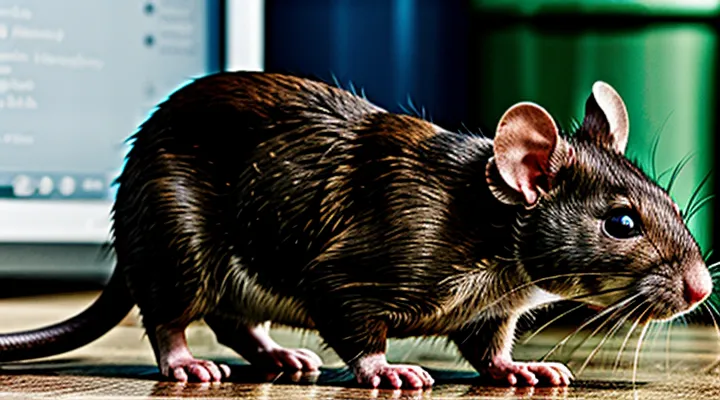
Understanding Rat Intelligence
Defining Intelligence in Animals
General Cognitive Abilities
Rats demonstrate a range of cognitive functions that rival those of many higher vertebrates. Laboratory studies reveal robust spatial memory, enabling navigation of complex mazes and rapid adaptation to altered environments. Working memory tests show the capacity to retain and manipulate information across brief intervals, supporting goal‑directed behavior.
Problem‑solving abilities appear in tasks requiring tool use, detour planning, and reversal learning. Rats modify strategies when confronted with novel obstacles, indicating behavioral flexibility and the ability to form abstract representations of task structure.
Social cognition emerges through observations of conspecific distress, reciprocal grooming, and ultrasonic vocalizations that convey affective states. Experiments confirm that rats can infer the presence of hidden food for a partner, reflecting a rudimentary theory of mind.
Key cognitive domains identified in rodent research include:
- Spatial and episodic‑like memory
- Working and reference memory
- Executive function and behavioral flexibility
- Social learning and empathy
These capacities underpin the species’ suitability as a model for human neurological disorders, offering insight into the neural circuits of learning, memory, and social behavior.
Specific Cognitive Domains
Research on rodent cognition demonstrates capabilities across several distinct domains. Experiments using maze navigation reveal precise spatial mapping, with rats forming internal representations of environmental layouts. Object recognition tests show rapid discrimination between novel and familiar items, indicating robust perceptual memory. Social cognition assessments document sensitivity to conspecific cues, including hierarchy recognition and empathetic responses to distress signals. Problem‑solving paradigms, such as puzzle boxes, illustrate flexible strategy selection and adaptation when conditions change. Memory studies differentiate between short‑term working memory, sustained through delayed alternation tasks, and long‑term episodic‑like recall demonstrated by temporal order judgments. Attention measurements, employing sustained and selective tasks, confirm the ability to filter irrelevant stimuli and maintain focus on target cues. Decision‑making analyses reveal cost‑benefit evaluation, with rats weighing effort against reward magnitude in effort‑based choice tasks.
Evidence of Cognitive Abilities in Rats
Learning and Memory
Spatial Memory
Rats demonstrate robust spatial memory, enabling navigation of complex environments and retention of location cues over extended periods. Experimental paradigms such as the radial arm maze, Barnes maze, and modified water maze provide quantitative measures of this ability. Performance improves with repeated trials, indicating consolidation of spatial representations.
Key neural mechanisms include:
- Hippocampal place cells that fire in response to specific locations, forming a cognitive map.
- Synaptic plasticity, particularly long‑term potentiation, that strengthens connections during learning.
- Interaction between the entorhinal cortex’s grid cells and the hippocampus, supporting path integration.
Pharmacological manipulation of cholinergic pathways alters maze performance, confirming the neurotransmitter’s role in spatial encoding. Lesions of the dorsal hippocampus impair acquisition of new spatial tasks while leaving previously learned routes relatively intact, suggesting distinct phases of memory processing.
Comparative studies reveal that rats retain spatial information after delays ranging from minutes to weeks, with accuracy declining predictably over time. This decay follows a power‑law function, mirroring patterns observed in other mammals.
Overall, spatial memory in rats provides a reliable model for investigating the cellular and systems‑level foundations of navigation, memory consolidation, and adaptive behavior.
Operant Conditioning
Operant conditioning provides a systematic framework for assessing rat problem‑solving abilities. In typical experiments, a lever or nose‑poke device delivers a reward when the animal performs a specific response. The contingency between action and outcome is altered to measure learning speed, flexibility, and extinction.
Key methodological elements include:
- Definition of the target behavior, such as pressing a lever within a fixed interval.
- Selection of reinforcement type, often food pellets or sucrose solution, presented as «positive reinforcement».
- Manipulation of schedule parameters (fixed‑ratio, variable‑interval, progressive‑ratio) to evaluate response patterns.
- Introduction of punishment or omission to test sensitivity to negative outcomes.
Findings consistently show that rats acquire new response patterns after a limited number of trials, adjust behavior when reinforcement schedules shift, and retain learned associations after prolonged intervals. These results indicate capacity for associative learning, behavioral adaptation, and memory consolidation.
Comparative studies reveal that rats outperform many other rodents on tasks requiring rapid adjustment to changing contingencies, supporting the view that their cognitive repertoire includes sophisticated decision‑making processes.
Implications for broader cognitive research include validation of rats as a model for studying neural mechanisms of learning, development of pharmacological interventions targeting memory disorders, and refinement of behavioral paradigms for evaluating executive functions.
Observational Learning
Observational learning in rats provides compelling evidence of sophisticated social cognition. Experiments demonstrate that naïve individuals acquire novel food‑retrieval techniques after watching demonstrators perform the same task, indicating the capacity to encode and reproduce observed actions without direct reinforcement. This ability aligns with broader assessments of rodent intelligence, positioning rats as suitable models for studying the mechanisms underlying learning by observation.
Key methodological approaches include:
- Demonstrator‑observer paradigm: A trained rat solves a maze or operates a lever while a peer watches from an adjacent compartment; the observer later replicates the behavior with significantly reduced trial numbers.
- Social transmission chain: A sequence of rats each observes the predecessor’s solution, creating a cascade of learned behavior across multiple generations.
- Video‑based observation: Subjects view recorded demonstrations, confirming that visual exposure alone suffices for learning, independent of olfactory cues.
Neurophysiological recordings reveal activation of the mirror‑neuron system analogue in the rat’s premotor cortex during observation, accompanied by heightened dopamine release in the nucleus accumbens, suggesting reward‑related reinforcement of socially acquired information. Lesion studies show that disruption of the anterior cingulate cortex impairs the ability to imitate, underscoring its role in processing observed actions.
Collectively, these findings substantiate that rats possess a robust capacity for observational learning, reinforcing their status as cognitively advanced mammals and providing a reliable platform for exploring the neural substrates of social learning. «The replication of observed behavior without direct reward demonstrates an intrinsic motivation to acquire information from conspecifics», a conclusion supported across multiple independent laboratories.
Problem-Solving and Decision-Making
Maze Navigation
Maze navigation provides a primary metric for assessing rodent problem‑solving abilities. Researchers typically employ T‑mazes, radial arm mazes, and Morris water mazes to evaluate spatial learning, memory retention, and decision‑making speed. Performance is quantified by error count, latency to reach the goal, and patterns of path selection across repeated trials.
Experimental designs often include variable cues such as visual landmarks, olfactory markers, and tactile textures to isolate the contribution of different sensory modalities. When cues are altered or removed, rats demonstrate rapid adaptation, indicating reliance on flexible cognitive maps rather than rigid stimulus‑response chains. Lesion studies reveal that hippocampal disruption markedly impairs maze efficiency, confirming the region’s central role in spatial representation.
Comparative analyses across strains show consistent improvement over training sessions, with plateau phases reflecting the establishment of stable navigation strategies. Pharmacological interventions that modulate neurotransmitter systems produce predictable changes in exploration versus exploitation behaviors, linking neurochemical balance to executive control during maze tasks.
Overall, maze navigation experiments furnish robust evidence of sophisticated information processing in rodents, supporting the broader hypothesis that these mammals possess advanced cognitive capacities.
Tool Use Analogues
Rats demonstrate behaviours that parallel tool use observed in other mammals, providing evidence of complex problem‑solving abilities. Experiments employing novel apparatuses reveal that rats can manipulate objects to achieve goals, such as obtaining food or escaping confinement.
Key observations include:
- Use of sticks or shredded paper to pull levers out of reach, indicating an understanding of indirect action.
- Modification of objects, for example, bending a metal wire to bridge a gap, reflecting planning and motor control.
- Sequential actions, where a rat first pushes a block to expose a hidden lever and then activates the lever, illustrating multi‑step reasoning.
Neurophysiological measurements during these tasks show activation of prefrontal cortex regions associated with executive functions, supporting the link between observed behaviours and underlying cognitive mechanisms. Comparative analyses suggest that rat tool‑use analogues share functional characteristics with primate and avian tool use, despite differences in anatomical structures.
Overall, the capacity of rats to employ and adapt objects for problem resolution underscores their sophisticated cognitive repertoire and expands the scope of species considered capable of tool‑related behaviours.
Risk Assessment
Risk assessment provides a systematic evaluation of potential adverse outcomes associated with experimental studies on rodent cognition. It quantifies probabilities of ethical breaches, biosafety incidents, and data integrity compromises, enabling informed decision‑making before, during, and after the research cycle.
Primary hazards include:
- Ethical violations arising from inadequate animal welfare protocols.
- Laboratory contamination caused by improper handling of pathogens carried by rodents.
- Misinterpretation of behavioral data due to insufficient control of environmental variables.
- Legal repercussions stemming from non‑compliance with regulatory standards.
Mitigation measures consist of:
- Implementing certified humane housing and enrichment standards to reduce stress‑induced behavioral artifacts.
- Enforcing strict aseptic techniques and personal protective equipment to limit pathogen transmission.
- Conducting pilot studies that validate experimental designs and statistical power, thereby minimizing false conclusions.
- Maintaining comprehensive documentation of procedures, approvals, and incident reports to satisfy oversight bodies.
Continuous monitoring of these controls, paired with periodic review of risk registers, sustains the integrity of investigations into rat intelligence while safeguarding animal welfare and laboratory safety.
Social Cognition
Empathy-like Behavior
Recent experiments demonstrate that laboratory rats respond to distress signals emitted by conspecifics. When a cage‑mate receives a mild foot‑shock, observers increase grooming of the affected individual, a pattern interpreted as consolation. This response occurs without direct reward, suggesting a motivation beyond self‑interest.
Neurophysiological recordings reveal activation of the anterior cingulate cortex and insular regions during such interactions, areas linked to affective processing in mammals. Pharmacological blockade of oxytocin receptors reduces the frequency of consolation grooming, indicating a neurochemical basis for empathy‑like behavior.
Key observations include:
- Increased allogrooming toward stressed peers compared with neutral controls.
- Elevated ultrasonic vocalizations that correlate with observer proximity.
- Diminished prosocial actions after lesions to the medial prefrontal cortex.
Collectively, these findings support the presence of affect‑guided social responses in rats, reinforcing the view that rodent cognition encompasses components traditionally associated with empathy.
Social Learning
Rats acquire novel behaviors by observing conspecifics, a process documented through controlled laboratory paradigms. Experiments in which naïve individuals watch demonstrators retrieve hidden food demonstrate rapid acquisition of foraging techniques without direct reinforcement. The observed learning curves exceed those predicted by simple trial‑and‑error models, indicating that visual and olfactory cues from peers serve as informational substrates.
Transmission of fear responses provides further evidence of social learning. When a trained rat exhibits a conditioned startle to a specific odor, nearby untrained rats develop comparable aversive reactions after limited exposure. This phenomenon persists across multiple generations, suggesting that affective states can be propagated through social observation rather than through individual experience alone.
The capacity for rats to learn from others supports the view that rodent cognition encompasses complex information processing comparable to that of other mammals. Social learning mechanisms contribute to adaptive flexibility, enabling groups to exploit environmental changes efficiently. Consequently, investigations of rat intelligence increasingly incorporate social transmission as a central component of cognitive assessment.
Communication
Rats employ a complex repertoire of signals that facilitate social coordination, predator avoidance, and resource acquisition. Acoustic emissions dominate the communicative landscape; adult males and females emit ultrasonic vocalizations (USVs) above 20 kHz during mating, stress, and play. These calls convey information about emotional state and intent, and listeners adjust behavior accordingly. Chemical cues complement acoustic signals; urine and glandular secretions contain pheromones that identify individual identity, reproductive status, and hierarchical rank. Tactile interactions, such as whisker-to-whisker contact and grooming, transmit affiliative and dominance cues, reinforcing group cohesion. Visual displays are limited but include body posture adjustments and tail movements that signal aggression or submission.
Key findings from recent experiments:
- USVs differ in frequency modulation patterns between positive (e.g., reward) and negative (e.g., threat) contexts.
- Pheromonal detection via the vomeronasal organ triggers rapid hormonal responses that modulate mating behavior.
- Grooming reciprocity predicts long‑term alliance formation within colonies.
- Disruption of ultrasonic hearing impairs social learning tasks, indicating reliance on acoustic channels for information transfer.
Overall, rat communication integrates multimodal signals to support adaptive decision‑making and social structure maintenance.
Neurobiological Basis of Rat Intelligence
Brain Structure and Function
Cortical Regions Involved in Cognition
Rats demonstrate complex cognitive abilities that depend on a network of cortical structures. Research employing lesion studies, electrophysiological recordings, and functional imaging identifies several regions that contribute to learning, memory, and decision‑making.
Key cortical areas implicated in rodent cognition include:
- Prefrontal cortex – integrates sensory inputs and guides goal‑directed behavior.
- Hippocampus – supports spatial navigation and episodic‑like memory formation.
- Posterior parietal cortex – processes multimodal information and influences attentional allocation.
- Insular cortex – monitors internal states and modulates risk assessment.
- Anterior cingulate cortex – evaluates outcomes and regulates behavioral flexibility.
The prefrontal cortex interacts with the hippocampus through reciprocal connections, enabling the consolidation of learned sequences into long‑term representations. Posterior parietal activity correlates with performance on tasks requiring object discrimination and pattern recognition, while the insular region contributes to the assessment of uncertainty during choice paradigms. Anterior cingulate signaling predicts adjustments in response strategies following error detection.
Electrophysiological data reveal that neuronal ensembles in these cortices exhibit task‑specific firing patterns, reflecting the encoding of rule sets, spatial maps, and value judgments. Functional imaging studies confirm that activation patterns shift dynamically as rats acquire new information, illustrating the adaptability of the cortical network.
Overall, the convergence of evidence underscores a distributed cortical architecture that underlies the sophisticated problem‑solving capacities observed in rats.
Hippocampal Role in Memory
The hippocampus is a brain structure that underlies spatial navigation, pattern separation, and the consolidation of episodic-like memories in rodents. Electrophysiological recordings reveal place cells that fire at specific locations, providing a neural map that guides exploration and problem solving. Lesion studies demonstrate that removal of the hippocampal formation impairs performance on maze tasks, indicating that the structure contributes to the ability to form and retrieve relational representations.
Research employing optogenetic inhibition shows that transient suppression of hippocampal activity during learning blocks the acquisition of new reward contingencies, while stimulation during retrieval enhances recall accuracy. These findings support the view that the hippocampus integrates sensory input with prior experience to generate predictive models used in decision making.
Key observations linking hippocampal function to rodent cognition:
- Place cell stability correlates with maze‑learning speed.
- Theta‑phase coupling predicts successful navigation under novel conditions.
- Neurogenesis in the dentate gyrus modulates flexibility in adapting to altered reward patterns.
Collectively, evidence positions the hippocampus as a central component of the neural circuitry that enables rats to encode, store, and manipulate information required for adaptive behavior.
Neurotransmitters and Cognitive Processes
Dopamine's Role
Dopamine regulates neural circuits that encode reward expectations and prediction errors, providing a signal that adjusts behavior after outcomes differ from predictions. In rodent studies, fluctuations of extracellular dopamine correlate with choices that maximize reward acquisition, indicating its involvement in decision‑making processes.
Pharmacological blockade of dopamine receptors reduces performance in reversal‑learning tasks, where rats must abandon a previously rewarded response and adopt a new one. Conversely, optogenetic activation of dopaminergic neurons during the acquisition phase enhances the speed of learning new contingencies, demonstrating that dopamine facilitates the formation of flexible response strategies.
Key aspects of dopamine function in rat cognition include:
- Encoding of reward prediction error, guiding updates to value representations.
- Modulation of synaptic plasticity in the prefrontal cortex and striatum, supporting working memory and habit formation.
- Influence on motivational vigor, affecting the willingness to exert effort for desirable outcomes.
- Interaction with other neuromodulators, such as acetylcholine, to balance exploration and exploitation during problem solving.
Neuroimaging and electrophysiological recordings reveal that dopamine release patterns shift from stimulus‑driven peaks to anticipatory signals as learning progresses, reflecting the transition from external cue reliance to internal predictive models. These dynamics underpin the capacity of rats to adapt to changing environments, a core component of intelligent behavior.
Serotonin's Influence
Serotonin functions as a primary neuromodulator influencing neuronal excitability, synaptic plasticity, and behavioral output in rodents. Experimental manipulation of serotonergic signaling provides a direct window into the mechanisms underlying problem‑solving and adaptive decision‑making.
Key observations from learning paradigms include:
- Elevation of extracellular serotonin enhances performance in spatial navigation tasks, reducing latency to reach goal locations.
- Pharmacological blockade of 5‑HT receptors impairs acquisition of operant responses, leading to increased error rates during discrimination phases.
- Selective serotonin reuptake inhibition improves reversal learning, indicating a role in behavioral flexibility.
Memory studies reveal that serotonin facilitates consolidation of both short‑term and long‑term traces. Post‑training administration of serotonergic agonists strengthens recall in object‑recognition tests, whereas depletion of central serotonin diminishes retention after delayed intervals.
Interactions with dopaminergic and noradrenergic pathways modulate reward valuation and attentional allocation. Balanced serotonergic activity appears necessary for accurate assessment of task difficulty and for the selection of optimal strategies, thereby shaping measures of rodent cognitive capacity.
Methodologies in Rat Cognitive Research
Behavioral Paradigms
Morris Water Maze
The Morris Water Maze (MWM) is a widely adopted experimental paradigm for assessing spatial learning and memory in rodents. In the task, a circular pool is filled with opaque water, concealing a submerged platform that serves as the escape target. Rats are placed in the pool from various start points and must locate the hidden platform using distal cues positioned around the testing room. Performance metrics include latency to reach the platform, path length, and swim speed, each reflecting distinct aspects of cognitive processing.
Training sessions typically involve multiple trials per day over several days, allowing researchers to track acquisition curves. A reduction in escape latency across trials indicates the formation of a spatial map, while probe trials—conducted after the platform is removed—measure retention by quantifying time spent in the target quadrant. These measures provide quantitative evidence of hippocampal-dependent learning.
The MWM’s sensitivity to pharmacological manipulation, genetic alteration, and environmental enrichment makes it a valuable tool for dissecting the neural substrates of intelligence in rats. Lesions of the hippocampus or disruption of NMDA receptor function reliably impair performance, confirming the assay’s reliance on mechanisms implicated in complex cognition. Conversely, enhancement of neurogenesis or exposure to enriched environments often yields improved acquisition and retention, supporting the link between environmental factors and cognitive capacity.
Key methodological considerations include:
- Consistent lighting and cue placement to ensure reproducibility.
- Randomization of start positions to prevent strategy bias.
- Control of stress levels, as excessive stress can confound learning outcomes.
- Use of automated tracking software for objective measurement of swim paths.
By providing a robust, quantifiable index of spatial problem‑solving ability, the Morris Water Maze contributes essential data to the evaluation of rat cognition and the broader investigation of intelligent behavior in laboratory rodents.
T-Maze and Radial Arm Maze
The T‑maze provides a binary choice environment that measures spatial learning, working memory, and decision‑making speed in rodents. When a rat enters the start arm, it must select the correct goal arm to obtain a reward, relying on cues such as visual landmarks or internal navigation signals. Reversal trials, in which the rewarded arm switches, reveal flexibility and the ability to suppress previously learned responses. Performance metrics include latency to reach the reward, percentage of correct choices across trials, and error patterns during reversals.
The radial arm maze expands the spatial challenge by offering multiple arms radiating from a central hub. Each arm can be baited with food, testing both reference memory (knowledge of which arms are consistently rewarding) and working memory (avoidance of revisiting arms within a session). Common protocols involve a fixed‑ratio schedule where a subset of arms is baited, requiring the animal to remember which arms have been visited. Key measurements comprise the number of arm entries before the first error, total errors per session, and the pattern of arm selection over successive trials.
Both mazes share methodological strengths: controlled stimulus presentation, quantifiable outcome variables, and adaptability to pharmacological or genetic manipulations. Comparative data often show that rats display rapid acquisition of the T‑maze rule set, yet exhibit higher error rates in the radial arm configuration, reflecting increased memory load. These patterns support conclusions about the capacity for flexible problem solving and complex spatial cognition in rodents.
Self-Administration Tasks
Self‑administration tasks provide a direct measure of voluntary behavior in rodents, allowing precise assessment of learning, motivation, and decision‑making. In these paradigms animals control the delivery of a reward—typically food pellets or intravenous drug infusions—by performing an operant response such as a lever press.
Typical procedures involve an operant chamber equipped with a response device, a cue light, and a reward dispenser. The experimenter sets a reinforcement schedule (fixed‑ratio, variable‑ratio, or progressive‑ratio) and records response frequency, latency, and pattern of acquisition. Data acquisition systems log each press, enabling fine‑grained analysis of performance over training sessions.
Key cognitive dimensions inferred from self‑administration performance include:
- Behavioral flexibility: adaptation to schedule changes or contingency reversals.
- Impulsivity control: ability to withhold responses when rewards are unavailable.
- Risk evaluation: choice between high‑value, low‑probability versus low‑value, high‑probability outcomes.
Findings from these tasks demonstrate that rats can adjust response strategies, exhibit delayed gratification, and integrate outcome probabilities, indicating sophisticated information processing comparable to that observed in higher mammals. Consequently, self‑administration paradigms constitute a robust tool for probing the intellectual capacities of rodents within the broader field of cognitive investigation.
Neurological Techniques
Electrophysiology
Electrophysiology records electrical signals generated by neurons, offering a direct window into the processing capabilities of the rodent brain. By inserting microelectrodes into the hippocampus, prefrontal cortex, or basal ganglia, researchers capture action potentials and local field potentials while rats engage in maze navigation, object discrimination, or social interaction tasks. The temporal precision of millisecond‑scale recordings distinguishes rapid decision‑making events from slower learning phases, enabling correlation of specific spike patterns with behavioral outcomes.
Key methodological advances include:
- Multi‑site silicon probe arrays that simultaneously monitor dozens of neurons across cortical layers, revealing coordinated activity bursts linked to spatial memory retrieval.
- Optogenetically tagged recordings, where light‑sensitive channels identify cell types during electrophysiological sessions, clarifying contributions of excitatory versus inhibitory circuits to problem solving.
- Wireless telemetry systems that preserve natural movement, eliminating constraints of tethered setups and producing data reflective of authentic exploratory behavior.
Analysis of spike timing, phase locking to theta oscillations, and cross‑frequency coupling has demonstrated that rats exhibit flexible encoding strategies. For instance, increased theta‑gamma coupling in the hippocampus predicts successful navigation of novel routes, while prefrontal burst firing aligns with rule‑switching performance in reversal learning paradigms. Such patterns parallel those observed in primate studies, supporting the view that rodents possess sophisticated neural mechanisms for adaptive cognition.
Electrophysiological findings also inform computational models of intelligence. Data on firing rate distributions and synaptic plasticity rates feed into reinforcement‑learning algorithms, improving their ability to simulate trial‑and‑error learning observed in rats. Consequently, electrophysiology not only delineates the physiological substrates of rodent problem solving but also provides quantitative benchmarks for artificial intelligence systems seeking biologically plausible performance.
Optogenetics
Optogenetics provides precise control of neuronal activity in rodents, enabling direct testing of hypotheses about learning, memory, and decision‑making. Light‑sensitive ion channels introduced into specific brain regions allow activation or inhibition of targeted circuits with millisecond resolution, eliminating the ambiguity of pharmacological methods.
Key contributions of optogenetic techniques to rat cognition research include:
- Mapping of prefrontal‑hippocampal interactions during spatial navigation, revealing causal links between circuit dynamics and performance accuracy.
- Dissection of basal‑ganglia pathways that modulate reward‑based learning, demonstrating how selective silencing alters choice bias.
- Real‑time manipulation of cortical ensembles during problem‑solving tasks, showing that transient activation can accelerate acquisition of novel strategies.
By delivering reversible, cell‑type‑specific modulation, optogenetics bridges the gap between observed behavior and underlying neural mechanisms, offering a powerful instrument for evaluating the intellectual capacities of rats.
fMRI in Rats
Functional magnetic resonance imaging (fMRI) provides a non‑invasive window onto the neural dynamics of rodents engaged in cognitive tasks. High‑field scanners (7‑9 T) equipped with custom radiofrequency coils achieve spatial resolution of 0.3–0.5 mm, sufficient to distinguish subregions of the hippocampus, prefrontal cortex, and striatum. Rapid echo‑planar imaging sequences capture blood‑oxygen‑level‑dependent (BOLD) fluctuations with temporal resolution of 1–2 s, enabling correlation of neuronal activity with behavioral events.
Experimental protocols typically involve habituation to restraint devices, followed by administration of light anesthesia or head‑fixation techniques that preserve task performance while minimizing motion artifacts. Paradigms such as delayed alternation, odor discrimination, and spatial navigation are programmed via synchronized stimulus delivery systems, allowing precise alignment of task phases with fMRI time series. Event‑related designs reveal transient activation in the dorsal hippocampus during memory encoding, whereas sustained BOLD signals in the medial prefrontal cortex accompany decision‑making processes.
Key findings derived from rat fMRI studies include:
- Differential activation patterns between working‑memory load levels, indicating graded involvement of the ventral striatum.
- Functional connectivity shifts from default‑mode‑like networks during rest to task‑positive networks during problem solving.
- Plasticity‑related signal changes after training, reflected in increased BOLD response amplitude within the entorhinal cortex.
Limitations of the technique arise from the necessity of head immobilization, which can alter naturalistic behavior, and from the indirect nature of BOLD signals, which may not capture rapid neuronal firing. Complementary approaches, such as optogenetic manipulation combined with fMRI, address these constraints by providing causal inference of circuit function.
Overall, fMRI in rats supplies quantitative metrics of brain activity that support rigorous assessment of rodent cognition, thereby contributing essential evidence to the broader investigation of animal intelligence.
Implications of Rat Cognitive Research
Translational Relevance
Models for Human Neurological Disorders
Rats exhibit complex learning, memory, and problem‑solving abilities that closely parallel human cognitive processes. Their neuroanatomical organization, including a well‑developed hippocampus and prefrontal cortex, supports experimental paradigms that probe executive function, spatial navigation, and associative learning. These traits render rats valuable for translational studies of neurological conditions.
Research exploiting rat cognition provides mechanistic insight into disease pathology. Genetic manipulation, pharmacological intervention, and environmental enrichment can induce phenotypes that mimic human disorders, allowing systematic evaluation of therapeutic strategies.
Key applications include:
- Modeling of Alzheimer’s disease through amyloid‑beta overexpression, revealing deficits in maze performance and synaptic plasticity.
- Replication of Parkinson’s disease via nigrostriatal dopamine depletion, producing motor impairments and altered reward learning.
- Simulation of schizophrenia using NMDA‑receptor antagonists, resulting in deficits in sensorimotor gating and working memory.
- Investigation of traumatic brain injury by controlled cortical impact, demonstrating deficits in spatial memory and executive function.
Behavioral assays such as the Morris water maze, radial arm maze, and operant conditioning chambers quantify cognitive deficits and recovery trajectories. Neuroimaging and electrophysiological recordings complement behavioral data, establishing correlations between circuit dysfunction and observable performance.
The convergence of sophisticated cognitive testing and targeted disease modeling positions rats as a cornerstone for preclinical exploration of human neurological disorders. Their capacity to reflect both behavioral and physiological aspects of pathology accelerates the identification of biomarkers and the validation of candidate therapeutics.
Drug Discovery and Development
Rats serve as primary models for evaluating the efficacy of neuropharmacological agents. Their well‑characterized learning and memory systems provide measurable endpoints for assessing compound‑induced modulation of cognition. Researchers employ maze navigation, object‑recognition, and fear‑conditioning paradigms to generate quantitative data on drug performance.
Key stages in the drug pipeline that depend on rat‑based cognitive testing include:
- Target validation: Behavioral assays confirm that manipulating a molecular pathway alters learning outcomes.
- Lead optimization: Comparative studies identify chemical structures that improve cognitive metrics while minimizing adverse effects.
- Preclinical safety: Chronic exposure protocols detect potential neurotoxicity through performance decline in established tasks.
- Translational modeling: Correlations between rodent behavioral results and human clinical endpoints guide dose selection for trials.
Data derived from these models inform decision‑making at each phase, reducing attrition rates and accelerating the development of therapeutics aimed at cognitive disorders.
Ethical Considerations
Animal Welfare in Research
Research involving rodent cognition must adhere to strict animal‑welfare standards that govern every phase of the experimental process. Institutional oversight bodies evaluate protocols before approval, ensuring that procedures meet legal and ethical criteria.
Key regulatory instruments include:
- National animal‑welfare legislation that defines permissible procedures and required reporting.
- Institutional Animal Care and Use Committees that review protocol details, assess justification, and monitor compliance.
- International guidelines such as the ARRIVE checklist and the EU Directive on the protection of animals used for scientific purposes.
Welfare measures that directly affect cognitive experiments comprise:
- Environmental enrichment with nesting material, tunnels, and objects that stimulate natural behaviors.
- Social housing that maintains species‑typical group interactions, reducing isolation stress.
- Refined handling techniques that minimize fear responses, such as tunnel or cup handling instead of tail gripping.
- Analgesic and anesthetic regimens tailored to the specific pain profile of each procedure.
- Clearly defined humane endpoints that prevent unnecessary suffering while preserving data integrity.
Evidence shows that reduced stress and improved well‑being enhance learning performance, memory retention, and behavioral consistency, thereby increasing the reliability and reproducibility of experimental outcomes. Conversely, compromised welfare introduces physiological confounds that obscure true cognitive capacities.
Integrating comprehensive welfare protocols into rodent cognition studies aligns ethical responsibility with scientific rigor, ensuring that conclusions about intelligence rest on robust, humane methodology.
Sentience and Consciousness Debates
Rats display behavioral flexibility, problem‑solving capacity, and affect‑driven responses that align with operational definitions of sentience. Experimental paradigms such as maze navigation, social learning, and conditioned place preference reveal the ability to form expectations, experience disappointment, and exhibit empathy‑like behavior toward conspecifics. These observations support the inference that rats possess subjective experience beyond reflexive action.
Neuroscientific investigations identify cortical and subcortical networks implicated in conscious processing. Electrophysiological recordings demonstrate persistent activity in the prefrontal cortex during decision‑making tasks, while functional imaging shows coordinated activation of the default‑mode network during rest, both considered neural correlates of consciousness. Pharmacological manipulation of cholinergic pathways alters attentional focus and perceptual awareness, providing causal evidence for consciousness‑related mechanisms.
Philosophical discourse distinguishes between functional accounts, which equate consciousness with information integration, and phenomenological accounts, which require qualitative experience. Materialist positions argue that neural complexity suffices for consciousness, whereas dualist perspectives demand evidence of qualia. The debate extends to moral considerations: if rats are sentient, ethical frameworks governing research, housing, and pest control must incorporate welfare safeguards.
Key points of contention:
- Definition of consciousness: functional integration vs. phenomenological experience.
- Threshold of neural complexity required for sentience.
- Interpretation of behavioral proxies as indicators of subjective states.
- Moral obligations arising from accepted sentience.
The convergence of behavioral data, neural correlates, and philosophical analysis strengthens the case for rat sentience, while persistent disagreements on definitional criteria and moral implications maintain a dynamic scholarly debate.
Future Directions in Rat Intelligence Studies
Advanced Cognitive Tasks
Abstract Reasoning
Abstract reasoning denotes the capacity to manipulate mental representations of relationships that are not directly observable. In rodent cognition research, this ability is assessed through tasks that require inference beyond immediate sensory cues.
Key experimental paradigms include:
- Transitive inference tasks, where subjects learn that A > B and B > C, then must deduce that A > C.
- Relational learning protocols that pair distinct stimuli with shared relational rules, such as “same‑different” discrimination.
- Concept formation tests that present novel exemplars after training on abstract categories, evaluating generalization without prior exposure.
Results demonstrate that rats reliably perform transitive inference, discriminate relational structures, and extend learned concepts to unseen items. Performance remains robust under variations in modality, delay intervals, and reward contingencies, indicating reliance on internal rule representations rather than simple stimulus‑response associations.
These findings support the view that rats possess a functional form of abstract reasoning, contributing to a broader understanding of mammalian intelligence and informing models of neural substrates underlying higher‑order cognition.
Metacognition
Metacognition refers to the capacity to monitor and control one’s own cognitive processes. In rodent research, this ability is examined by assessing whether rats can evaluate the certainty of their decisions and adjust behavior accordingly.
Empirical evidence derives from tasks that separate primary discrimination from a secondary choice reflecting confidence. Typical designs include:
- A forced‑choice discrimination followed by an optional “opt‑out” response that avoids a penalty if the initial choice is uncertain.
- A delayed matching‑to‑sample task where rats can request additional information before committing to a final response.
- A wagering paradigm in which the duration of a nose‑poke predicts the likelihood of a correct answer.
Performance patterns indicate that rats modulate the opt‑out option in proportion to task difficulty, suggesting awareness of their own knowledge state. Neural recordings reveal elevated activity in the prefrontal cortex and hippocampus during high‑certainty trials, linking metacognitive judgments to executive and memory circuits.
These findings challenge the assumption that self‑monitoring is exclusive to primates and provide a framework for investigating the evolution of reflective cognition. Future investigations should integrate pharmacological manipulations, optogenetic control, and computational modeling to delineate the mechanisms that enable rodents to assess and report their confidence.
Technological Innovations
Brain-Computer Interfaces
Brain‑computer interfaces (BCIs) provide direct electrical communication between neural tissue and external devices, enabling precise measurement and manipulation of rodent brain activity. By translating neuronal firing patterns into digital signals, BCIs reveal the temporal dynamics of decision‑making, memory encoding, and problem‑solving in laboratory rats.
Experimental setups typically involve implantable microelectrode arrays positioned in prefrontal or hippocampal regions. Real‑time decoding algorithms convert spiking activity into control commands for robotic manipulators or virtual environments. Successful navigation of a maze through BCI‑mediated feedback demonstrates that rats can learn abstract associations between neural states and external outcomes, a hallmark of complex cognition.
Key contributions of BCI research to the study of rodent intelligence include:
- Quantitative assessment of learning rates across varying task complexities.
- Identification of neural signatures associated with error detection and corrective strategies.
- Capability to induce specific neural patterns, testing causal relationships between circuitry and behavior.
These findings support the view that rats possess adaptable information‑processing systems comparable to higher mammals. Moreover, the ability to modulate cognition via BCIs opens avenues for investigating the limits of neural plasticity and for developing translational models of neuroprosthetic therapies.
Advanced Imaging Techniques
Advanced imaging provides quantitative maps of neuronal dynamics in rodent models, enabling precise assessment of cognitive processes. High‑field magnetic resonance imaging captures whole‑brain activity patterns during maze navigation, revealing region‑specific blood‑oxygen‑level–dependent responses. Functional magnetic resonance imaging combined with diffusion tensor imaging quantifies structural connectivity alterations associated with learning tasks.
Two‑photon microscopy visualizes calcium transients in cortical ensembles at cellular resolution, allowing direct correlation between stimulus presentation and neuronal firing. Serial block‑face electron microscopy reconstructs synaptic architectures, supporting measurements of dendritic spine density changes after memory training.
Positron emission tomography, employing radioligands for dopamine receptors, tracks neurotransmitter fluctuations during reward‑based decision making. Functional ultrasound imaging detects cerebral blood flow changes with millisecond latency, suitable for monitoring rapid behavioral responses.
Key advantages of these modalities include:
- Non‑invasive longitudinal tracking of the same subjects.
- Simultaneous acquisition of functional and structural data.
- Compatibility with genetically encoded reporters for cell‑type specificity.
Integration of multimodal datasets through computational pipelines generates high‑dimensional representations of rat cognition, facilitating identification of neural signatures underlying problem‑solving and adaptive behavior.