
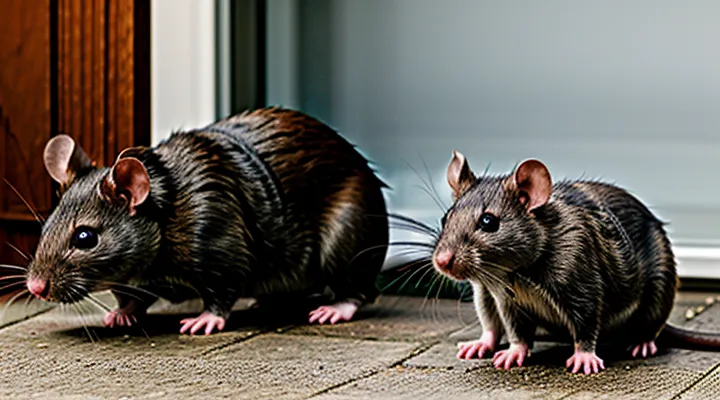
Understanding Rodent Euthanasia
What is Euthanasia?
Defining Euthanasia in an Animal Context
Euthanasia in animal practice refers to the intentional termination of an animal’s life to relieve unavoidable suffering, using methods that produce rapid loss of consciousness followed by irreversible death. The definition emphasizes three criteria: certainty of death, minimization of pain, and compliance with accepted veterinary standards.
Application of euthanasia requires clear justification. Situations include terminal disease, unmanageable chronic pain, or completion of a research protocol when continued life offers no therapeutic benefit. Decision‑making must involve a qualified professional who evaluates the animal’s condition against welfare thresholds.
Methods approved for rodents are selected for speed, reliability, and minimal distress. Commonly employed techniques include:
- Inhalation of carbon dioxide at flow rates that prevent hypoxia before loss of consciousness.
- Intravenous or intraperitoneal injection of barbiturate or anesthetic overdose, ensuring immediate unconsciousness.
- Physical methods such as cervical dislocation performed by trained personnel, reserved for small‑scale or field settings.
Regulatory bodies provide detailed guidance. The American Veterinary Medical Association outlines acceptable agents and procedural steps. European Union Directive 2010/63/EU mandates humane endpoints and documentation. Institutional animal care committees enforce compliance through protocol review and post‑mortem verification.
Ethical justification rests on the principle that ending life is permissible only when it prevents greater suffering and serves a legitimate scientific or clinical purpose. The practice demands rigorous justification, transparent reporting, and adherence to the highest standards of animal welfare.
The Purpose of Euthanasia for Rodents
Euthanasia of rodents fulfills specific scientific and welfare objectives. It terminates life swiftly to prevent unnecessary suffering when an animal reaches a predefined humane endpoint, such as severe disease, unmanageable pain, or failure to recover from experimental procedures. By eliminating prolonged distress, researchers uphold ethical standards and comply with institutional animal care guidelines.
The practice also safeguards data integrity. Animals experiencing uncontrolled pain or stress can produce physiological alterations that confound experimental results. Removing such variables ensures that observations reflect the intended experimental conditions rather than secondary effects of suffering.
Regulatory frameworks require documented justification for each euthanasia event. Documentation demonstrates accountability and enables oversight bodies to verify that the decision aligns with accepted humane criteria. This transparency supports public trust in biomedical research involving rodents.
Key functions of rodent euthanasia include:
- Immediate relief of intractable pain or suffering
- Preservation of experimental validity by eliminating confounding stress responses
- Fulfillment of legal and institutional animal welfare requirements
- Management of colony size to prevent overcrowding and associated health risks
By addressing these objectives, euthanasia serves as a controlled, humane, and scientifically necessary component of rodent research.
Reasons for Rodent Euthanasia
Medical Necessity
Medical necessity refers to the requirement to end a rodent’s life when continued survival would cause unavoidable suffering, compromise experimental validity, or pose a health risk to personnel. The decision must be grounded in objective assessment rather than convenience.
Regulatory bodies, such as the American Veterinary Medical Association and institutional animal‑care committees, mandate that euthanasia be justified by documented criteria. These criteria include measurable indicators of pain, distress, or disease progression that exceed predefined humane thresholds.
Typical situations that meet medical necessity are:
- Persistent severe pain unrelieved by analgesia.
- Rapidly advancing disease causing organ failure.
- Infections that threaten laboratory safety.
- Failure to meet experimental endpoints despite repeated attempts.
- Irreversible neurological impairment affecting basic functions.
When any condition arises, the responsible researcher must complete a written justification, consult the attending veterinarian, and select an approved method that ensures rapid loss of consciousness followed by irreversible death. Documentation of the animal’s condition, the rationale for euthanasia, and the method used becomes part of the study record.
Adhering to medical necessity safeguards animal welfare, maintains the integrity of scientific data, and fulfills ethical obligations required for funding and publication. Failure to apply these standards introduces bias, inflates variability, and jeopardizes compliance with legal and institutional regulations.
Population Control
Population control of rats in research and pest‑management settings aims to prevent excessive breeding, reduce suffering, and maintain experimental validity. Effective control limits the number of animals that require humane termination, thereby aligning practice with ethical standards that prioritize the minimization of unnecessary loss of life.
Ethical evaluation of rat euthanasia rests on three criteria: justification of need, selection of a humane method, and adherence to the principle of reduction. Justification requires clear scientific or public‑health rationale; humane methods must induce rapid unconsciousness and death without pain; reduction obliges investigators to design studies that use the smallest viable cohort, thereby curbing surplus births.
Regulatory bodies enforce population‑control policies through documented guidelines. Institutional Animal Care and Use Committees (IACUCs) review protocols, enforce the 3Rs (Replacement, Reduction, Refinement), and mandate record‑keeping of breeding outcomes. Compliance with national and international standards ensures that euthanasia decisions are transparent and ethically defensible.
Practical measures for managing rat numbers include:
- Controlled breeding schedules with timed pairings and limited litter sizes.
- Early weaning and segregation of offspring to prevent uncontrolled propagation.
- Regular census of colony size, followed by culling excess animals using approved euthanasia agents (e.g., CO₂ inhalation, injectable barbiturates).
- Implementation of automated monitoring systems to detect overpopulation trends and trigger corrective actions.
By integrating these strategies, facilities can sustain rat populations at levels that meet scientific objectives while upholding rigorous ethical obligations.
Research Protocols
Research protocols governing the termination of laboratory rats must align with institutional animal care guidelines, national regulations, and ethical review board approvals. Protocol documents specify species, age, sex, and health status of the subjects, ensuring that each animal is identified accurately before any intervention.
Key components of a compliant protocol include:
- Selection of an approved euthanasia method that induces rapid loss of consciousness and death without pain, such as inhalation of isoflurane followed by a secondary physical method, or overdose of a barbiturate administered intraperitoneally.
- Verification of the method’s suitability for the rat’s size and physiological condition, referencing the American Veterinary Medical Association (AVMA) Guidelines.
- Documentation of personnel training, competency assessments, and periodic refresher courses to maintain proficiency in technique and humane handling.
- Detailed record‑keeping of each euthanasia event, encompassing agent concentration, dosage, time to cessation of vital signs, and disposal procedures compliant with biohazard regulations.
Ethical review boards evaluate protocols for justification of animal use, minimization of numbers, and implementation of the 3Rs—Replacement, Reduction, Refinement. Justification sections must demonstrate that no alternative model can achieve the scientific objective, that statistical power calculations limit subject numbers, and that refinements such as environmental enrichment and analgesia are employed throughout the study.
Compliance monitoring involves regular audits, random inspections, and mandatory reporting of adverse events. Non‑conformance triggers corrective action plans, retraining, or suspension of research activities until deficiencies are resolved.
Welfare Concerns
Rats used in research must experience minimal distress before death. Welfare concerns focus on three stages: handling, induction, and post‑procedure monitoring.
- Handling: prolonged restraint or rough transport elevates cortisol, impairing physiological stability. Gentle capture techniques and acclimatization reduce stress markers.
- Induction: choice of anesthetic or chemical agent determines pain perception. Agents that cause rapid loss of consciousness without reflexive movements are preferred; delayed onset or visible distress signals inadequate efficacy.
- Post‑procedure monitoring: confirmation of death through absence of cardiac activity and respiratory effort prevents accidental survival, which would cause prolonged suffering.
Regulatory guidelines require validation of euthanasia protocols through pilot studies that measure behavioral and biochemical indicators of pain. Continuous training of personnel ensures consistent application of humane methods. Documentation of each step provides traceability and supports ethical compliance.
Ethical Considerations in Rodent Euthanasia
The Concept of Animal Welfare
Sentience in Rodents
Rodents possess neurological structures that support conscious experience. The cerebral cortex, thalamic pathways, and limbic system in rats and mice resemble those of other mammals known to experience pain and affective states. Electrophysiological recordings demonstrate cortical activation in response to noxious stimuli, while functional imaging shows patterns consistent with emotional processing.
Behavioral experiments reveal capacity for learning, memory, and problem solving. Rats navigate mazes, demonstrate delayed gratification, and exhibit social learning, indicating awareness of future outcomes. Observations of self‑directed grooming, avoidance of harmful environments, and vocalizations under distress further substantiate affective responsiveness.
Physiological markers align with subjective experience. Elevated cortisol levels, heart‑rate variability, and expression of immediate‑early genes such as c‑Fos occur during painful procedures, mirroring stress responses in higher vertebrates. Analgesic administration attenuates these markers, confirming that the observed changes reflect genuine nociception rather than reflexive reflexes.
These lines of evidence collectively affirm that rodents are sentient beings capable of perceiving pain, pleasure, and emotional states. Consequently, any protocol involving rodent termination must incorporate:
- Pre‑euthanasia analgesia where appropriate
- Rapid, humane methods that minimize distress
- Compliance with institutional and regulatory guidelines emphasizing refinement
Recognition of rodent sentience underpins the ethical framework governing their humane disposal, ensuring that practices align with scientific understanding of animal welfare.
The Five Freedoms and Euthanasia
The Five Freedoms provide a framework for assessing the welfare of laboratory rodents and guide decisions about humane termination. Each freedom describes a condition that must be prevented or fulfilled to ensure ethical treatment.
- Freedom from hunger and thirst: Animals receive adequate nutrition and water until euthanasia is performed.
- Freedom from discomfort: Housing, temperature, and bedding meet physiological needs, minimizing stress before the procedure.
- Freedom from pain, injury, and disease: Health monitoring identifies suffering that may require immediate humane killing.
- Freedom from fear and distress: Handling, transport, and the euthanasia process are designed to reduce anxiety and avoid traumatic stimuli.
- Freedom to express normal behavior: Enrichment and social housing are maintained up to the point of termination, preserving natural activities.
When a rodent reaches a state where one or more freedoms cannot be maintained, ethical guidelines mandate euthanasia as a humane alternative to prolonged suffering. The choice of method must align with the principle of rapid loss of consciousness and minimal pain. Accepted techniques include injectable barbiturates, inhalant anesthetics, and carbon dioxide exposure, each validated for speed and lack of distress when applied correctly.
Regulatory bodies require documentation of the decision‑making process, linking observed welfare deficits to the selected euthanasia protocol. This documentation demonstrates compliance with the Five Freedoms and provides accountability for researchers and institutions.
Ethical Frameworks
Utilitarianism and Rodent Euthanasia
Utilitarian theory evaluates rodent euthanasia by measuring overall consequences for all affected parties. The calculation considers the intensity and duration of suffering experienced by the animal, the scientific or medical benefits derived from the experiment, and the impact on researchers and society.
Key utilitarian criteria include:
- Reduction of pain: Immediate, humane methods that minimize distress maximize net utility.
- Magnitude of benefit: High‑impact studies that lead to disease treatments or safety improvements generate greater positive outcomes.
- Alternative availability: When reliable non‑animal models exist, their use raises the utility score of avoiding euthanasia.
- Population effects: Large‑scale breeding for research can inflate total suffering; strategies that limit numbers improve the overall balance.
From a policy perspective, utilitarian guidelines recommend:
- Prioritizing procedures with clear, substantial translational value.
- Implementing the “three Rs” (Replacement, Reduction, Refinement) as mechanisms to enhance net utility.
- Conducting regular cost‑benefit assessments to ensure that the projected benefits outweigh the inflicted harm.
The utilitarian framework thus provides a systematic approach for deciding whether rodent euthanasia is ethically permissible, emphasizing measurable outcomes over abstract moral prescriptions.
Deontology and Animal Rights
Deontological ethics evaluate actions according to duties and moral rules, independent of outcomes. Within this framework, the moral status of rodents hinges on the recognition of animal rights as intrinsic obligations rather than instrumental considerations.
The core deontological premises relevant to rodent euthanasia include:
- Respect for sentient beings – duty to acknowledge the capacity for suffering as a basis for moral consideration.
- Prohibition of unnecessary harm – rule that inflicts pain only when justified by higher moral imperatives.
- Obligation to uphold humane treatment – requirement to follow established protocols that minimize distress.
Animal‑rights theory extends these duties by asserting that non‑human mammals possess inherent rights to life and bodily integrity. Consequently, any act of euthanasia must satisfy two conditions: it must be authorized by an overriding moral duty (e.g., preventing greater suffering), and it must be executed using methods that conform to the least painful, most humane standards recognized by veterinary ethics.
When researchers apply these principles, the decision process involves:
- Verifying that the intended euthanasia serves a legitimate scientific or welfare purpose.
- Selecting a method endorsed by professional guidelines (e.g., CO₂ inhalation at controlled flow rates, injectable anesthetics) that ensures rapid loss of consciousness.
- Documenting compliance with institutional animal‑care protocols to demonstrate adherence to duty‑based obligations.
Failure to meet these criteria violates the deontological duty to avoid gratuitous harm and breaches the rights attributed to rodents. Therefore, ethical rodent euthanasia requires strict alignment with duty‑oriented rules and the acknowledgment of animal rights as non‑negotiable moral claims.
Balancing Human Interests and Animal Welfare
Research Benefits vs. Animal Sacrifice
Rodent euthanasia underpins a substantial portion of biomedical research, providing data that informs drug development, disease modeling, and safety assessments. The scientific yield includes quantifiable outcomes such as pharmacokinetic profiles, genetic expression patterns, and physiological responses that cannot be replicated by in‑silico methods alone. These results accelerate translational pipelines, reduce human trial risk, and support regulatory approval processes.
Conversely, the termination of laboratory rats raises moral concerns centered on the loss of sentient life. Ethical frameworks evaluate the justification for sacrifice by weighing:
- The magnitude of potential human health benefits.
- The availability of alternative methodologies (e.g., organ‑on‑chip, computational modeling).
- The adherence to humane endpoints and refinement of euthanasia techniques.
- The compliance with regulatory standards governing animal welfare.
When the projected benefit demonstrates a clear, measurable impact on public health and no viable non‑animal substitute exists, the ethical balance tilts toward acceptance of sacrifice. If alternatives can achieve comparable objectives, the justification weakens, prompting a shift toward replacement or reduction strategies.
Institutional review boards and animal care committees enforce this calculus by requiring detailed protocols, justification statements, and post‑procedure monitoring. Their oversight ensures that each instance of rodent termination aligns with the principle that scientific advantage must not exceed the moral cost imposed on the animal subjects.
Pet Ownership and End-of-Life Decisions
Pet ownership obligates owners to anticipate the animal’s entire lifespan, including the moment when continued treatment no longer serves the animal’s welfare. Legal frameworks define acceptable humane termination methods for rodents, requiring adherence to approved protocols that minimize distress. Veterinarians provide guidance on selecting agents, dosage, and execution technique to ensure rapid loss of consciousness and painless death.
Owners must evaluate several factors before initiating euthanasia:
- Health status: progressive disease, irreversible organ failure, severe pain unresponsive to therapy.
- Quality of life indicators: weight loss, inability to eat or drink, loss of mobility, chronic lethargy.
- Behavioral changes: persistent aggression or anxiety indicating suffering.
- Owner’s capacity: emotional readiness, financial resources for veterinary services, access to qualified professionals.
When the decision is made, preparation includes:
- Confirming diagnosis and prognosis with a qualified practitioner.
- Discussing the chosen method, ensuring compliance with institutional and governmental standards.
- Arranging a private, calm environment to reduce stress for both animal and caretaker.
- Providing post‑procedure options for disposal or memorialization in accordance with local regulations.
Ethical responsibility extends to alternatives such as palliative care, environmental enrichment, and referral to rescue organizations when the animal’s needs exceed the owner’s capability. Transparent communication with veterinary staff, documentation of the decision‑making process, and adherence to established humane practices constitute the professional standard for end‑of‑life care in rodent companions.
Methods of Rodent Euthanasia
Acceptable Methods
Inhalant Anesthetics
Inhalant anesthetics provide rapid induction of unconsciousness and subsequent death in laboratory rats, meeting the requirement for humane termination. Their volatile nature allows precise control of exposure concentration, enabling the practitioner to achieve a predictable loss of reflexes within seconds. The agents act on central nervous system receptors, depressing neuronal activity and producing a dose‑dependent respiratory and cardiac arrest.
Commonly employed agents include:
- Isoflurane: administered at 5–8% concentration in oxygen, produces loss of righting reflex within 30 seconds and cardiac arrest within 2–3 minutes.
- Sevoflurane: used at 6–10% in oxygen, offers a smoother induction and minimal airway irritation, with death occurring in under 3 minutes.
- Halothane: applied at 5–7% in oxygen, historically used but now less favored due to hepatic toxicity concerns.
Ethical evaluation emphasizes that inhalant methods must eliminate pain and distress before loss of consciousness. Regulatory guidelines require verification of deep anesthesia by the absence of paw withdrawal, corneal reflex, and vocalization before initiating the euthanasia phase. Continuous monitoring of gas concentrations and ventilation ensures that the animal does not experience hypoxia or hypothermia prior to unconsciousness.
Practical considerations include:
- Use a calibrated vaporizer to maintain stable agent delivery.
- Supply pure oxygen to prevent hypoxic stress during exposure.
- Conduct the procedure in a well‑ventilated fume hood to protect personnel and avoid environmental contamination.
- Document concentration, exposure time, and confirmation of reflex loss for compliance auditing.
When applied correctly, inhalant anesthetics satisfy both scientific and moral criteria for rat euthanasia, delivering a swift, painless transition to death while allowing reproducible outcomes across research facilities.
Injectable Agents
Injectable agents constitute the primary method for achieving humane termination of laboratory rats, fulfilling ethical mandates for rapid loss of consciousness and minimal distress. Selection of an appropriate agent depends on onset speed, reliability of cardiac arrest, and compatibility with experimental constraints.
- Sodium pentobarbital (≥150 mg kg⁻¹, intraperitoneal) – induces deep anesthesia within seconds, followed by irreversible cardiac arrest.
- Euthasol® (a commercial pentobarbital formulation) – identical pharmacology to sodium pentobarbital, supplied in ready‑to‑use concentrations.
- Ketamine (≥200 mg kg⁻¹) combined with xylazine (≥20 mg kg⁻¹) – produces anesthesia but may require supplemental agents to guarantee death.
- Propofol (≥150 mg kg⁻¹) – rapid onset, limited availability for veterinary euthanasia; often paired with a barbiturate.
The pharmacological profile of barbiturates ensures swift depression of the central nervous system, loss of reflexes, and cessation of cardiac activity. Intraperitoneal injection provides reliable absorption in rats, while intravenous administration offers the fastest onset but demands technical proficiency.
Ethical compliance requires adherence to institutional animal care protocols and national regulations (e.g., AVMA Guidelines, EU Directive 2010/63/EU). Practitioners must confirm absence of reflexes, verify cessation of respiration, and document the procedure. Use of injectable agents eliminates prolonged suffering, reduces stress‑induced physiological alterations, and preserves the validity of subsequent data.
Operational considerations include preparation of sterile solutions, accurate dosing based on individual body weight, and proper needle placement to avoid organ injury. Post‑procedure disposal follows hazardous waste regulations to prevent environmental contamination and accidental exposure.
Physical Methods
Physical methods dominate rodent termination protocols, demanding precise execution to meet ethical standards that prioritize rapid loss of consciousness and minimal distress.
- Carbon dioxide exposure: Gradual displacement of air induces unconsciousness; concentration and flow rate must follow established guidelines to avoid nociceptive activation.
- Inhalant anesthetics (e.g., isoflurane): Induction through a sealed chamber provides swift unconsciousness; requires scavenging systems to protect personnel.
- Cervical dislocation: Manual separation of vertebrae delivers instantaneous brainstem interruption; operator proficiency is essential to prevent reflexive movements.
- Decapitation: Immediate severance of the head eliminates cortical activity; recommended only when performed with a calibrated guillotine and verified sharpness.
- Blunt force trauma: Application of a calibrated impact device produces immediate brain trauma; validation studies confirm loss of EEG activity within milliseconds.
Regulatory frameworks, such as the AVMA Guidelines and national animal welfare statutes, define acceptable parameters for each technique, stipulating equipment calibration, operator training, and post‑procedure verification of death. Documentation of method selection, execution details, and confirmation of cessation of vital signs satisfies compliance audits and reinforces ethical accountability.
Adherence to these physical methods, when implemented with rigorously validated protocols, aligns humane practice with scientific necessity, ensuring that rodent euthanasia fulfills both moral and regulatory obligations.
Unacceptable Methods
Inhumane Practices
In rodent euthanasia, certain procedures fail to meet humane standards and raise ethical concerns. These practices often cause unnecessary pain, distress, or prolonged unconsciousness, contradicting established guidelines for animal welfare.
- Physical trauma inflicted by blunt force or improper cervical dislocation.
- Inhalation of carbon dioxide at concentrations that induce respiratory distress before loss of consciousness.
- Injection of excessive doses of anesthetic agents that result in convulsions or prolonged apnea.
- Use of chemicals such as sodium pentobarbital without proper dosage calculation, leading to incomplete sedation.
- Application of electrocution without appropriate voltage and duration, causing muscle spasm and pain.
Regulatory frameworks require rapid loss of consciousness followed by irreversible cessation of brain activity. Methods that produce observable signs of suffering—agitation, vocalization, or prolonged gasping—are classified as unacceptable. Laboratories and research facilities must validate euthanasia protocols through physiological monitoring and post‑procedure assessment to confirm humane outcomes.
Adopting validated alternatives, such as well‑controlled inhalant agents with gradual concentration rise, or approved injectable combinations with precise dosing, eliminates the identified inhumane practices. Continuous training of personnel and routine audits ensure compliance with ethical obligations and reduce the incidence of substandard euthanasia techniques.
Why Certain Methods are Prohibited
Rats are subject to strict euthanasia guidelines because some techniques fail to meet humane, scientific, or regulatory standards. Methods that cause prolonged consciousness, intense pain, or unpredictable death are excluded from approved protocols.
Key reasons for prohibition include:
- Pain and distress – techniques that rely on physical trauma (e.g., cervical dislocation without proper training) can produce severe nociceptive responses.
- Reliability of death – methods with variable time to cessation of brain activity (e.g., certain chemical agents at sub‑lethal concentrations) risk incomplete euthanasia and jeopardize animal welfare.
- Regulatory compliance – national and institutional policies, such as those of the American Veterinary Medical Association and the EU Directive 2010/63/EU, explicitly forbid procedures that do not guarantee rapid loss of consciousness.
- Scientific integrity – physiological stress induced by improper methods can alter experimental outcomes, compromising data validity.
- Operator safety – techniques requiring close physical contact with live rodents increase the risk of bites or injuries, leading to additional ethical concerns.
Consequently, approved alternatives—such as inhalation of isoflurane followed by a barbiturate overdose, or carbon dioxide exposure with controlled flow rates—are mandated to ensure humane, reproducible, and legally compliant termination of rodent life.
Criteria for Choosing a Method
Efficacy and Reliability
Efficacy refers to the degree to which a euthanasia technique induces rapid, irreversible loss of consciousness and death in rats, while reliability denotes the consistency of that outcome across multiple applications and operators.
Commonly employed methods demonstrate distinct efficacy and reliability profiles:
- Carbon dioxide (CO₂) inhalation: induces unconsciousness within 30–60 seconds at flow rates of 30–70% chamber volume per minute; variability in individual responses can lead to prolonged distress in a minority of subjects.
- Isoflurane exposure: produces loss of righting reflex in 20–40 seconds at 5% concentration; high reliability when delivery systems are calibrated, but requires precise monitoring to avoid sub‑anesthetic exposure.
- Pentobarbital injection: achieves cardiac arrest in 10–20 seconds following intravenous administration of 150 mg/kg; efficacy is near‑absolute, reliability contingent on correct dosing and venous access.
- Physical methods (e.g., cervical dislocation): result in immediate cessation of brain activity when performed by trained personnel; reliability declines sharply with operator fatigue or inadequate technique.
Assessment of efficacy relies on objective markers such as electroencephalographic silence, loss of corneal reflex, and absence of respiratory movements. Studies report >95% success rates for pentobarbital and isoflurane when protocols adhere to validated dosing and exposure parameters.
Reliability is quantified by the coefficient of variation in time to unconsciousness across repeated trials. CO₂ exhibits coefficients of 0.12–0.18, reflecting moderate variability; isoflurane and pentobarbital display coefficients below 0.05 under controlled conditions. Physical methods show coefficients exceeding 0.20 when performed by inexperienced staff.
High efficacy and reliability reduce animal suffering, fulfill institutional animal care guidelines, and enhance reproducibility of experimental outcomes. Selecting methods with documented performance metrics aligns procedural practice with ethical imperatives and scientific standards.
Minimizing Pain and Distress
Effective rodent euthanasia demands protocols that eliminate nociception and physiological stress. Anesthetizing agents must be administered at dosages proven to induce rapid loss of consciousness, verified by the absence of righting reflex and corneal response. Following unconsciousness, a secondary method—typically an overdose of a barbiturate or a carbon dioxide flow rate calibrated to avoid respiratory irritation—completes the process.
Key practices for pain and distress reduction include:
- Pre‑procedure health assessment to identify conditions that could amplify suffering; animals with respiratory or cardiovascular compromise receive adjusted drug regimens.
- Use of inhalant anesthetics (e.g., isoflurane) for induction when injectable routes risk injection pain; exposure time limited to the minimum necessary for unconsciousness.
- Immediate verification of death by palpation of the carotid pulse and observation of respiratory cessation; failure to confirm prompts a repeat of the secondary step.
Personnel must receive certification in humane handling, drug preparation, and euthanasia verification. Record‑keeping of agent type, concentration, volume, and timing ensures traceability and compliance with institutional animal care standards. Continuous review of emerging literature allows incorporation of refinements that further diminish nociceptive input and physiological disruption.
Safety for Operators
Operators involved in rodent euthanasia face chemical, biological, and physical hazards that require systematic control. Inhalation of anesthetic gases such as isoflurane or carbon dioxide can cause respiratory irritation and central nervous system depression. Direct contact with blood, tissue, or carcasses poses zoonotic infection risk, including hantavirus and leptospirosis. Sharp instruments used for cervical dislocation or decapitation generate puncture injuries.
Effective risk mitigation relies on engineering controls, personal protective equipment (PPE), and procedural safeguards. Engineering controls include sealed euthanasia chambers with active ventilation, gas scavenging systems, and enclosed disposal units that prevent aerosol release. PPE must cover eyes, respiratory passages, and skin; recommended items are safety goggles, N‑95 or higher respirators, disposable gloves, and fluid‑impermeable gowns. Procedural safeguards encompass standard operating procedures that define agent concentrations, exposure times, and emergency shutdown steps.
Training and competency assessment are mandatory. Operators must demonstrate proficiency in equipment use, recognize signs of equipment failure, and perform spill containment. Documentation of training records, incident reports, and periodic safety audits ensures compliance with institutional animal care guidelines and occupational health regulations.
Key safety measures:
- Verify chamber integrity before each use; conduct leak tests weekly.
- Use calibrated gas flow meters to maintain euthanasia gas concentrations within approved limits.
- Employ double‑gloving and change gloves after each animal to prevent cross‑contamination.
- Store anesthetic agents in ventilated cabinets; label containers with hazard symbols.
- Dispose of carcasses in sealed biohazard bags; autoclave or incinerate according to local regulations.
- Maintain an accessible emergency eye‑wash station and spill kit in the work area.
Adherence to these controls minimizes operator exposure, preserves laboratory safety standards, and supports ethical handling of laboratory rodents.
Regulatory and Best Practice Guidelines
Professional Organizations and Standards
AVMA Guidelines
The American Veterinary Medical Association (AVMA) provides a comprehensive framework for humane rodent euthanasia, emphasizing reproducibility, rapid loss of consciousness, and minimal distress. The guidelines classify agents and techniques into three categories: preferred, acceptable, and restricted. Preferred methods achieve immediate unconsciousness and are supported by extensive scientific validation; acceptable methods meet humane criteria but may have limited data; restricted methods are permitted only under specific circumstances, such as when preferred options are unavailable.
Key elements of the AVMA protocol include:
- Selection of an anesthetic or chemical agent with proven efficacy for rats, such as isoflurane, sevoflurane, or injectable barbiturates administered at recommended dosages.
- Verification of unconsciousness through loss of righting reflex, absence of corneal reflex, and cessation of spontaneous respiration before proceeding to a secondary step (e.g., exsanguination or decapitation) when required.
- Documentation of the euthanasia process, including agent, concentration, exposure time, and confirmation of death, to ensure traceability and compliance with institutional oversight.
The guidelines also mandate training for personnel, regular equipment calibration, and adherence to local animal care regulations. Institutions must integrate AVMA standards into Institutional Animal Care and Use Committee (IACUC) protocols, ensuring that all rat euthanasia procedures align with established humane practices.
AAALAC International Standards
AAALAC International establishes accreditation criteria that govern the humane termination of laboratory rodents. The standards require institutions to adopt euthanasia methods that produce rapid loss of consciousness and minimal distress, as defined by the American Veterinary Medical Association (AVMA) guidelines. Compliance with these criteria is verified through periodic site visits, documentation reviews, and staff interviews.
Key elements of the AAALAC framework for rodent euthanasia include:
- Selection of approved agents (e.g., CO₂, inhalant anesthetics, injectable barbiturates) based on species‑specific efficacy and safety data.
- Validation of equipment performance, such as gas flow rates for CO₂ chambers, to ensure consistent delivery of the intended concentration.
- Implementation of standard operating procedures that detail dosage calculations, administration techniques, and post‑procedure monitoring.
- Mandatory training programs for all personnel involved in euthanasia, with competency assessments documented in personnel files.
- Record‑keeping of each euthanasia event, capturing animal identification, method used, personnel responsible, and any deviations from protocol.
- Review of euthanasia practices by an Institutional Animal Care and Use Committee (IACUC) or equivalent body, with corrective actions taken when non‑compliance is identified.
AAALAC also mandates that institutions establish humane endpoints to prevent unnecessary suffering. Criteria for endpoint determination must be objective, measurable, and reviewed regularly by veterinary staff. When endpoints are reached, the euthanasia protocol is executed without delay.
Periodic audits assess adherence to these requirements. Findings are reported to senior management, and non‑conformities trigger corrective action plans that include retraining, procedural revisions, or equipment upgrades. Successful remediation restores compliance and maintains accreditation status.
Overall, AAALAC International provides a structured, evidence‑based approach that aligns laboratory practices with ethical obligations to minimize pain and distress in rodent research subjects.
Legal Frameworks
Animal Welfare Legislation
Animal welfare legislation provides the legal basis for humane termination of laboratory rats. Federal and regional statutes define permissible practices, set standards for personnel competence, and require oversight mechanisms.
In the United States, the Animal Welfare Act (AWA) and the Public Health Service Policy on Humane Care and Use of Laboratory Animals establish mandatory requirements for euthanasia. The AWA mandates that institutions implement procedures that minimize pain and distress, while the PHS Policy requires Institutional Animal Care and Use Committees (IACUCs) to review and approve all euthanasia protocols. European Union members follow Directive 2010/63/EU, which obligates member states to adopt national regulations that align with the directive’s provisions on humane killing methods.
Institutional compliance rests on three pillars: IACUC approval, veterinary supervision, and documented Standard Operating Procedures (SOPs). IACUCs evaluate scientific justification, select appropriate methods, and confirm that personnel have received training. Veterinarians verify that chosen techniques achieve rapid loss of consciousness and death without unnecessary suffering.
The American Veterinary Medical Association (AVMA) Guidelines enumerate acceptable methods for rodent euthanasia. Commonly endorsed techniques include:
- Inhalation of carbon dioxide at a flow rate that prevents hypoxia before loss of consciousness.
- Overdose of injectable anesthetics such as pentobarbital sodium.
- Cervical dislocation performed by trained personnel when other methods are impractical.
Each method must be applied according to the AVMA’s detailed parameters for concentration, exposure time, and equipment calibration.
Documentation requirements encompass the recording of species, number of animals, chosen method, date and time of euthanasia, and the identity of the individual performing the procedure. Records are retained for audit by regulatory agencies and for internal quality assurance.
Failure to adhere to these statutes and guidelines results in regulatory sanctions, loss of funding, and potential legal action. Compliance ensures that the termination of rats aligns with established ethical standards and legal obligations.
Research Ethics Committees
Research Ethics Committees (RECs) evaluate protocols that involve rodent euthanasia to ensure compliance with ethical standards and legal regulations. Their review focuses on justification for using rats, selection of humane endpoints, and choice of euthanasia methods that minimize pain and distress.
Committee members assess whether investigators have:
- Clearly defined scientific objectives that cannot be achieved with alternative models.
- Conducted a power analysis to limit the number of animals required.
- Implemented refinement measures, such as environmental enrichment and pre‑procedure analgesia.
- Chosen euthanasia agents and techniques that meet recognized criteria for rapid loss of consciousness and death.
RECs verify that investigators reference authoritative guidelines—such as the American Veterinary Medical Association’s recommendations and the European Directive 2010/63/EU—when describing euthanasia procedures. They also require documentation of staff training in handling and humane killing methods.
When a protocol fails to demonstrate adequate justification or humane practice, the committee requests revisions or rejects the study. Approval is contingent on adherence to the approved plan; any deviation triggers mandatory reporting and possible suspension of the project.
By enforcing these requirements, RECs safeguard animal welfare while permitting scientifically valid research that involves the termination of rats.
Training and Competency
Importance of Skilled Personnel
Skilled personnel are essential for humane termination of laboratory rats because precise technique determines the reliability of the outcome and minimizes animal distress. Accurate dose calculation, proper administration route, and verification of unconsciousness require thorough training and regular competency assessment. Errors in these steps can lead to prolonged suffering, invalidate experimental data, and breach institutional and legal standards.
Competent staff ensure compliance with regulatory guidelines by:
- Selecting appropriate euthanasia agents based on species‑specific pharmacodynamics.
- Performing the procedure in a controlled environment that reduces stressors such as noise and handling.
- Monitoring physiological signs to confirm loss of consciousness within the expected timeframe.
- Documenting each step to provide traceable evidence for audits and ethical review boards.
Continuous education reinforces proficiency. Workshops, simulation exercises, and peer reviews keep practitioners updated on emerging best practices and allow rapid correction of technique deviations. Institutional policies that mandate certification and recertification create accountability and protect both animal welfare and scientific integrity.
When personnel lack expertise, the risk of methodological failure rises, potentially compromising study validity and exposing facilities to regulatory sanctions. Therefore, investment in training programs and competency verification is a non‑negotiable component of ethical rodent euthanasia.
Continuous Education
Continuous education is a mandatory component for laboratories that perform rodent euthanasia. Regular training updates ensure that personnel remain aligned with evolving ethical standards, legal requirements, and scientific best practices. By integrating new research findings and regulatory revisions, institutions safeguard animal welfare while maintaining experimental integrity.
Effective programs combine theoretical instruction with practical demonstrations. Core elements include:
- Review of approved humane methods and their physiological impacts.
- Assessment of competency through observed procedures and documented outcomes.
- Instruction on recognizing and mitigating distress signals in rodents.
- Guidance on record‑keeping that satisfies audit and accreditation criteria.
Evaluation mechanisms must be systematic. Periodic audits, competency quizzes, and peer reviews identify gaps in knowledge and execution. When deficiencies arise, targeted refresher courses address specific shortcomings, preventing recurrence.
Sustained investment in education reduces variability in euthanasia practices, enhances compliance, and upholds the moral responsibility of researchers toward animal subjects.
Impact of Euthanasia on Animals and Humans
Animal Response to Euthanasia
Behavioral and Physiological Indicators of Distress
Rats exhibit a range of observable behaviors that signal acute discomfort or chronic strain. Rapid grooming, teeth chattering, and stereotypic circling increase when an animal anticipates an aversive procedure. Vocalizations at high frequencies, escape attempts, and reduced exploration of novel environments also correlate with heightened anxiety. These patterns provide immediate, non‑invasive cues for assessing welfare during pre‑euthanasia handling.
Physiological measures complement behavioral observations. Elevated plasma corticosterone, heart rate acceleration, and respiratory irregularities appear within minutes of stress exposure. Pupil dilation, peripheral vasoconstriction, and altered body temperature further reflect autonomic activation. Blood glucose spikes and immune markers, such as increased interleukin‑6, indicate metabolic and inflammatory responses to distress.
- Rapid grooming or self‑biting
- Teeth chattering or high‑frequency squeaks
- Repetitive circling or pacing
- Reduced locomotion in open arenas
- Corticosterone surge
- Tachycardia and irregular breathing
- Pupil dilation and skin temperature changes
- Hyperglycemia and inflammatory cytokine elevation
Integrating these indicators enables objective evaluation of humane endpoints, ensuring that euthanasia protocols minimize unnecessary suffering.
Post-Euthanasia Assessment
Post‑euthanasia assessment is a mandatory component of any rodent termination protocol. It confirms death, verifies compliance with humane standards, and provides data for continuous improvement.
The assessment process includes three distinct actions:
- Physical verification – immediate inspection of respiratory movements, cardiac activity, and reflexes (e.g., pedal withdrawal, corneal reflex). Absence of all signs confirms irreversible loss of consciousness.
- Physiological monitoring – optional use of electrocardiography or pulse oximetry to detect residual cardiac activity when visual cues are ambiguous.
- Documentation – recording time of death, method employed, personnel involved, and any deviations from the approved procedure. Logs must be retained for audit and institutional review.
When assessment reveals incomplete euthanasia, the protocol dictates immediate application of a secondary method that meets accepted criteria for rapid, painless termination. Failure to perform thorough verification constitutes a breach of ethical guidelines and may invalidate experimental results.
Regular analysis of assessment records identifies trends such as equipment malfunction or operator error. Institutions should schedule periodic reviews, adjust training programs, and, if necessary, modify the chosen euthanasia technique to uphold the highest standards of animal welfare.
Human Impact
Emotional Toll on Caregivers and Researchers
Researchers and animal‑care staff who perform rodent euthanasia confront a persistent emotional burden. Daily interaction with sentient subjects, combined with the requirement to end their lives, creates a conflict between scientific objectives and personal values.
Repeated exposure to killing procedures generates stress that accumulates over time. The awareness that each animal experiences pain or distress before death intensifies moral tension. Responsibility for selecting euthanasia methods and confirming death adds further pressure.
Consequences include heightened anxiety, reduced job satisfaction, and symptoms of compassion fatigue. Persistent emotional strain can impair judgment, increase the likelihood of procedural errors, and contribute to staff turnover.
Mitigation measures focus on prevention and recovery:
- Structured training that emphasizes humane techniques and ethical justification.
- Regular debriefing sessions where personnel discuss experiences and emotions.
- Rotation of duties to limit continuous exposure to euthanasia tasks.
- Access to confidential counseling and mental‑health services.
- Institutional policies that monitor workload and provide clear guidelines for humane end‑of‑life practices.
Implementation of these strategies reduces psychological impact, preserves research quality, and supports the welfare of both animals and the professionals who care for them.
Coping Strategies and Support
Coping with the emotional impact of rodent euthanasia requires deliberate strategies and accessible support structures. Researchers and technicians who regularly perform humane termination must recognize the potential for stress, compassion fatigue, and moral distress. Implementing structured debriefings after each procedure provides an immediate outlet for reflection and reduces the accumulation of unresolved feelings. Regularly scheduled meetings, facilitated by a trained moderator, allow participants to share observations, discuss ethical considerations, and reinforce adherence to approved protocols.
Access to professional mental‑health services is essential. Institutions should offer confidential counseling tailored to laboratory personnel, with therapists familiar with the specific challenges of animal research. When possible, integrate brief mindfulness or stress‑reduction sessions into the work schedule; evidence indicates that short, guided practices improve emotional regulation and maintain focus during critical tasks.
Peer support networks enhance resilience. Forming small groups that meet periodically encourages mutual encouragement and the exchange of practical coping techniques. Within these groups, members can discuss alternative euthanasia methods, share experiences of successful implementation, and collectively evaluate the ethical implications of their work.
Training programs must embed ethical reasoning and emotional awareness. Curriculum components should include:
- Scenario‑based workshops that simulate difficult decisions and teach adaptive responses.
- Instruction on recognizing signs of burnout and steps for self‑referral.
- Guidance on documenting personal reflections as part of standard operating procedures.
Leadership plays a pivotal role by modeling transparent communication and prioritizing staff well‑being. Managers should regularly assess workload distribution, ensure adequate staffing levels, and provide resources for continuous professional development. By aligning institutional policies with these coping mechanisms, laboratories create an environment where ethical practice and mental health are mutually reinforced.