
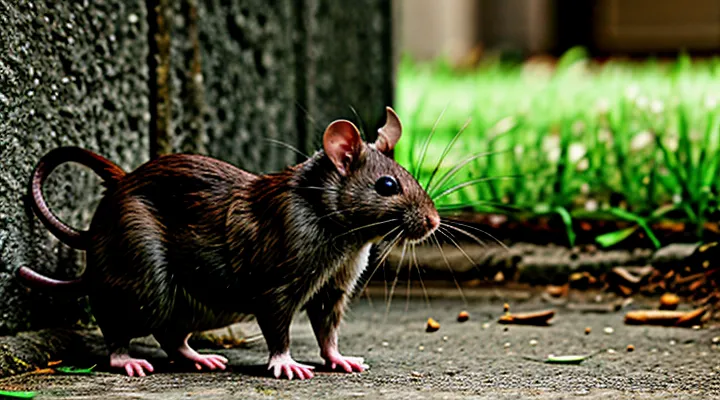
What is Rodentophobia?
Psychological Aspects
The aversion to rodents often originates from evolutionary mechanisms that linked small mammals with disease vectors. Early human groups that avoided such animals experienced higher survival rates, embedding a predisposition toward caution.
Classical conditioning reinforces this predisposition. A neutral encounter with a rat paired with a startling stimulus creates a lasting association, producing an automatic fear response. Observational learning extends the effect: witnessing another individual display terror in the presence of a rat can trigger similar reactions without direct exposure.
Research identifies «disgust sensitivity» as a core component of rat‑related anxiety. The sensory perception of fur, waste, and rapid movement activates the disgust system, which overlaps with pathogen‑avoidance pathways. This overlap amplifies the emotional intensity of the fear.
Individual differences modulate the response. Persons with elevated trait anxiety exhibit heightened physiological arousal when confronted with rodent cues. Cultural narratives that portray rats as unclean or dangerous further shape the cognitive appraisal of risk.
Key psychological mechanisms:
- Evolutionary bias toward pathogen avoidance
- Classical conditioning linking rats with aversive outcomes
- Observational transmission of fear behaviors
- Disgust system activation by rat‑specific stimuli
- Interaction of trait anxiety and cultural context
Understanding these factors clarifies why rat aversion persists across populations and informs strategies for desensitization and therapeutic intervention.
Biological Basis
Human aversion to rodents manifests as a specific phobia that can be traced to evolutionary pressures. Early mammals that recognized small, disease‑carrying gnawers as threats enjoyed higher survival rates, establishing a predisposition for rapid threat detection.
Sensory systems detect rodents through distinct cues. Olfactory receptors respond to volatile compounds such as 2‑methoxy‑phenol, while visual pathways react to rapid, erratic movements. Auditory processing captures high‑frequency squeaks that signal concealed presence.
The fear response relies on a conserved neural circuit. The amygdala receives sensory input and initiates defensive behavior via projections to the hypothalamus and periaqueductal gray. The bed nucleus of the stria terminalis sustains anxiety during prolonged exposure.
Genetic analyses reveal polymorphisms that modulate susceptibility. Variants in the serotonin transporter gene (5‑HTTLPR) and the catechol‑O‑methyltransferase (COMT) gene correlate with heightened reactivity to rodent cues. Twin studies estimate heritability of rodent‑related fear at approximately 40 %.
Physiological activation follows neural signaling. The adrenal medulla releases adrenaline, increasing heart rate and muscle tension. Cortisol levels rise, promoting energy mobilization and memory consolidation of the threat.
Key elements of the biological basis:
- Olfactory detection of rodent‑specific chemicals
- Visual and auditory processing of rapid, high‑frequency stimuli
- Amygdala‑centered circuitry driving immediate and sustained fear
- Genetic variants influencing neurotransmitter regulation
- Hormonal surge of adrenaline and cortisol supporting fight‑or‑flight response
Understanding these mechanisms clarifies why a substantial portion of the population experiences intense dread when confronted with rodents.
Common Reasons for Fear
Historical Context and Disease Transmission
Rats have been linked to deadly epidemics for centuries, creating a persistent aversion in many societies. Historical records describe massive mortality during the 14th‑century pandemic, where grain stores infested with rodents facilitated the spread of a lethal pathogen. The association between rodents and contagion shaped public attitudes and legislative measures aimed at pest control.
Key disease outbreaks connected to rats include:
- «Bubonic plague» (Yersinia pestis) – transmitted by fleas that fed on infected rodents.
- «Leptospirosis» – caused by bacteria shed in rat urine, entering humans through skin contact or contaminated water.
- «Hantavirus pulmonary syndrome» – contracted by inhaling aerosolized droppings or urine.
- «Salmonellosis» – foodborne illness resulting from consumption of items contaminated by rodent feces.
Transmission pathways rely on vectors (fleas, ticks) or direct contact with rodent excreta. Flea bites introduce Y. pestis into the bloodstream, while bacterial spores survive in moist environments, enabling infection without direct rat contact. Urbanization intensified exposure, as dense human settlements provided ample food sources and shelter for rats, increasing the frequency of zoonotic spillover events.
The recurrence of such outbreaks reinforced negative perceptions of rodents, prompting the development of sanitation standards, quarantine practices, and extermination campaigns. Historical experience with disease‑bearing rats therefore remains a principal factor in contemporary apprehension toward these animals.
Cultural Portrayals and Stereotypes
Rats appear repeatedly as symbols of filth, disease, and treachery in Western literature and cinema. Classic novels depict them as harbingers of plague, while contemporary horror movies use their nocturnal behavior to heighten tension. This association reinforces a collective dread that extends beyond individual encounters with the animal.
Common stereotypes include:
- Rats as carriers of contagion, emphasized in public health campaigns.
- Rats as cunning thieves, illustrated in folklore where they outwit humans.
- Rats as grotesque monsters, featured in graphic novels and video games.
- Rats as urban vermin, highlighted in news reports on city infestations.
These portrayals shape societal attitudes, encouraging avoidance and negative emotional responses. Media representations rarely acknowledge rats’ ecological benefits, such as seed dispersal and waste decomposition, thereby perpetuating a one‑dimensional image that fuels fear.
Personal Experiences and Traumatic Events
Personal encounters with rodents often trigger intense emotional reactions that persist beyond the moment of contact. In many cases, a single sighting of a rat in a confined space initiates a cascade of physiological responses, including rapid heartbeat, sweating, and a heightened sense of danger. Such reactions frequently evolve into lasting aversions when the initial incident is accompanied by injury, contamination, or perceived disease risk.
Typical accounts include:
- A sudden encounter with a rat while handling food, resulting in immediate nausea and avoidance of the kitchen for weeks.
- An accidental bite during a storage‑room inspection, followed by a wound that required medical attention and subsequent distrust of enclosed environments.
- Observation of a large swarm in a residential basement, leading to insomnia, recurring nightmares, and an unwillingness to enter basements thereafter.
These experiences often intersect with broader traumatic patterns. Exposure to rodent‑related hazards can activate stress pathways comparable to those observed in post‑traumatic stress disorder. Symptoms such as hyper‑vigilance, intrusive recollections of the incident, and avoidance of previously neutral locations are documented in clinical assessments. The presence of lingering anxiety may impair occupational performance, especially in professions that involve regular contact with waste‑management or agricultural settings.
Research indicates that early childhood exposure to rats—whether through accidental encounters or media portrayals—correlates with heightened sensitivity in adulthood. Repeated reinforcement of fear through negative reinforcement cycles consolidates the emotional memory, making spontaneous exposure to rodents a persistent trigger for distress.
Understanding the link between direct encounters and long‑term anxiety informs intervention strategies. Cognitive‑behavioral techniques that gradually desensitize individuals to rodent stimuli have demonstrated efficacy in reducing avoidance behaviors. Structured exposure, combined with psychoeducation about realistic disease transmission risks, assists in re‑framing the threat perception associated with rats.
Manifestations of Rat Fear
Physical Symptoms
Physical reactions to rat-related anxiety manifest across several bodily systems. The autonomic nervous system often triggers rapid heartbeats, elevated blood pressure, and sweating. Respiratory changes include shallow breathing, shortness of breath, and occasional hyperventilation. Muscular tension may appear as clenched fists, stiff shoulders, or trembling limbs. Gastrointestinal disturbances involve nausea, stomach cramps, or a sudden urge to evacuate. Ocular responses can consist of widened pupils and increased tearing. Skin may develop gooseflesh or localized flushing. In severe cases, panic attacks emerge, characterized by dizziness, a sense of impending doom, and loss of control.
Typical physical signs include:
- Accelerated heart rate
- Profuse perspiration
- Tremors or shaking
- Shortness of breath
- Nausea or abdominal discomfort
- Pupil dilation
- Gooseflesh or flushing
These manifestations result from the body’s fight‑or‑flight circuitry activated by the perception of rats as threatening stimuli. Early identification of such symptoms supports timely intervention and management of rodent‑related fear.
Behavioral Responses
Human reactions to the presence of rats manifest in distinct behavioral patterns. When a rodent is detected, individuals commonly exhibit rapid withdrawal, often shifting position to increase distance from the source. This avoidance response reduces exposure to perceived threats and is accompanied by heightened visual scanning of the environment.
Typical actions include:
- Immediate retreat to a safer location
- Increased alertness, characterized by frequent glances toward the animal
- Physical barriers erected, such as closing doors or sealing entry points
- Vocal expressions of alarm or disgust
In situations where avoidance is impossible, some people display defensive aggression, employing objects to strike or attempting to capture the animal. Others adopt passive coping strategies, such as remaining still to avoid drawing attention. These responses reflect innate survival mechanisms modulated by cultural conditioning and personal experience.
Psychological Impact
Human aversion to rats triggers a specific set of emotional and cognitive reactions. Immediate responses often include heightened vigilance, rapid heart rate, and a strong desire to escape the vicinity. These reactions stem from an evolutionary bias that associates disease‑carrying rodents with survival threats.
Underlying mechanisms combine innate predispositions with experiential learning. Evolutionary psychology links rodent sight to activation of the amygdala, a brain region responsible for fear processing. Conditioning through personal encounters or media portrayals reinforces negative associations, amplifying the emotional response even when no actual danger exists. Cultural narratives that depict rats as filthy or malicious further embed the aversion in collective consciousness.
Consequences of this psychological impact extend beyond momentary discomfort. Persistent fear can develop into musophobia, characterized by avoidance of places where rodents might appear, chronic anxiety, and impaired decision‑making regarding sanitation or pest control. The following symptoms commonly accompany severe rodent‑related fear:
- Persistent dread when rodents are mentioned or depicted
- Physical tension, sweating, or trembling in rodent‑infested environments
- Intrusive thoughts about contamination or disease transmission
- Withdrawal from activities that might expose the individual to rodents
Research demonstrates that exposure‑based therapy reduces amygdala hyperactivity and restores functional coping strategies. Public health campaigns that present factual information without sensationalism lower perceived threat levels and mitigate unnecessary stress. «Objective data on rodent behavior and disease vectors» proves more effective than fear‑inducing imagery in reshaping public attitudes.
The Reality of Rats
Rat Behavior and Habitats
Rats exhibit highly adaptable social structures that shape their interactions with human environments. Colonies form hierarchies in which dominant individuals secure resources and breeding opportunities, while subordinate members assist in foraging and nest maintenance. Activity peaks during twilight and night, reducing direct encounters with people but increasing the likelihood of hidden presence in buildings.
Preferred habitats span a spectrum from densely populated urban settings to agricultural fields. In cities, rats exploit sewer systems, abandoned structures, and waste accumulation, constructing nests from shredded material. Rural populations occupy burrows near grain stores, compost piles, and irrigation channels, where vegetation offers shelter and food. Proximity to human food sources drives settlement patterns, allowing rapid colonization of new sites.
Key behavioral traits influencing human perception include:
- High reproductive capacity, with females producing multiple litters annually.
- Opportunistic diet, encompassing grains, refuse, and carrion.
- Strong scent-marking, facilitating communication and territory delineation.
- Cautious movement, characterized by brief pauses and rapid retreats when threatened.
These characteristics enable rats to thrive in diverse conditions, contributing to the widespread apprehension they evoke among people. Understanding the underlying behavior and habitat preferences provides a factual basis for addressing concerns and developing effective management strategies.
Health Risks Associated with Rats
Rats serve as vectors for a wide range of pathogens that affect human health. Their close proximity to urban waste and food storage areas creates frequent opportunities for disease transmission.
Key health risks include:
- Leptospirosis, a bacterial infection spread through contaminated water or soil.
- Hantavirus pulmonary syndrome, transmitted by inhalation of aerosolized rodent excreta.
- Salmonellosis, resulting from ingestion of food contaminated with rat feces.
- Rat‑bite fever (streptobacillosis), caused by bacteria entering the bloodstream through bite wounds.
- Allergic reactions and asthma exacerbations triggered by rat urine, droppings, and dander.
- External parasites such as fleas, mites, and ticks that may carry additional diseases.
Transmission pathways involve direct contact with rats, consumption of contaminated food or water, and inhalation of dust particles laden with rodent waste. Urban environments with inadequate sanitation amplify these routes, raising infection rates among densely populated communities.
Effective control measures focus on habitat reduction, secure waste management, sealing entry points to buildings, and regular pest‑monitoring programs. Public education campaigns that emphasize proper food storage and personal protective equipment for sanitation workers further diminish exposure risks.
Urban and Rural Rat Populations
Urban environments host dense colonies of Norway rats (Rattus norvegicus) and roof rats (Rattus rattus). High‑rise buildings, subways, and waste collection points provide shelter and abundant food. Population estimates for major cities range from 1,000 to 5,000 individuals per square kilometre, with seasonal peaks during warmer months. Control programs rely on bait stations, trapping, and sanitation improvements.
Rural areas sustain lower‑density populations of Norway rats, often associated with farms, grain storage facilities, and natural burrows. Field studies report densities of 100 to 300 individuals per square kilometre, with seasonal fluctuations linked to harvest cycles. Roof rats appear less frequently in open countryside, preferring arboreal habitats near orchards or vineyards.
Comparative analysis highlights several distinctions:
- Habitat structure: urban colonies exploit concealed infrastructure; rural groups occupy surface burrows and agricultural structures.
- Food sources: city rats rely on municipal waste; countryside rats depend on stored crops and livestock feed.
- Human exposure: urban residents encounter rats more regularly in public spaces; rural inhabitants encounter them primarily in storage facilities and fields.
- Disease vectors: both settings transmit leptospirosis, hantavirus, and salmonellosis, yet urban density amplifies transmission risk.
Understanding these patterns informs targeted management. Urban strategies prioritize waste reduction and sealed infrastructure, while rural measures focus on secure grain storage and habitat disruption. Accurate population monitoring supports resource allocation and reduces public health threats associated with rodent infestations.
Overcoming the Fear
Cognitive Behavioral Therapy (CBT)
Fear of rats represents a specific phobia that can trigger intense physiological and emotional responses. Epidemiological surveys indicate that a notable proportion of the population experiences avoidance behavior when confronted with rodent cues.
Cognitive Behavioral Therapy operates on the premise that maladaptive thoughts, emotions, and behaviors maintain anxiety. Systematic modification of each component reduces the fear response.
Application of CBT to rat‑related anxiety involves three core techniques:
« Gradual exposure » – progressive confrontation with rodent‑related stimuli, beginning with visual representations and advancing to controlled physical presence.
« Cognitive restructuring » – identification of distorted beliefs (e.g., “rats will transmit disease”) and substitution with evidence‑based appraisals.
« Skill training » – relaxation, breathing, and mindfulness exercises to regulate autonomic arousal during exposure.
Typical protocol spans 8–12 weekly sessions. Initial meetings focus on assessment and psychoeducation; subsequent sessions alternate exposure drills with cognitive challenges. Outcome measures, such as the Fear of Rats Scale, show marked reduction after completion, with maintenance observed at follow‑up assessments.
Implementation requires qualified clinicians, a structured hierarchy of stimuli, and collaboration with the client to ensure safety and compliance. Successful intervention diminishes avoidance, enhances functional interaction with environments where rodents may appear, and lowers overall anxiety levels.
Exposure Therapy
Fear of rats often manifests as intense avoidance and physiological distress. Exposure therapy addresses this pattern by gradually confronting the feared stimulus in a controlled manner, allowing the nervous system to habituate and the cognitive appraisal to shift.
The procedure begins with a detailed fear hierarchy, ranking situations from minimal to maximal anxiety. Therapists guide clients through repeated, systematic exposure to each level while monitoring anxiety levels. Over successive sessions, the client learns that the presence of a rat does not result in the anticipated catastrophe, weakening the fear response.
Key components of the protocol:
- «Exposure Therapy» sessions scheduled at regular intervals.
- Hierarchical list of rat‑related scenarios, such as viewing a picture, watching a video, observing a cage, handling a live animal.
- Real‑time anxiety rating (e.g., 0–10 scale) recorded before, during, and after each exposure.
- Cognitive restructuring to challenge irrational beliefs that arise during exposure.
- Reinforcement of coping strategies, including controlled breathing and mindfulness, to maintain low arousal levels.
Educational Approaches
Public aversion to rats influences attitudes toward pest management, disease prevention, and wildlife conservation. Educational interventions aim to replace fear with evidence‑based knowledge, thereby reducing irrational responses and promoting humane practices.
Effective strategies include:
- Structured curriculum modules that present anatomical facts, ecological roles, and behavioral patterns of rodents.
- Hands‑on sessions where learners observe live specimens in controlled environments, fostering direct familiarity.
- Multimedia campaigns featuring expert commentary, infographics, and short documentaries that dispel myths.
- Community workshops that combine lecture material with guided tours of urban habitats, highlighting coexistence benefits.
- Collaborative projects with zoological institutions, enabling students to participate in research data collection.
Assessment of impact relies on comparative surveys administered before and after program delivery, alongside recorded changes in participant behavior during simulated encounters. Data analysis should focus on measurable reductions in self‑reported anxiety and increased willingness to support humane control measures.
Future implementation should prioritize interdisciplinary content, integrating biology, psychology, and public health perspectives. Partnerships with pest‑control professionals and animal‑welfare organizations can provide authentic case studies, reinforcing the practical relevance of learned concepts. Continuous refinement based on outcome metrics will ensure that educational efforts remain responsive to evolving community perceptions.
Societal Perceptions and Management
Public Health Initiatives
Public apprehension toward rodents drives numerous health programs aimed at reducing disease transmission and improving urban sanitation. Health agencies identify rats as vectors for leptospirosis, hantavirus, and bacterial infections, prompting targeted interventions.
Key initiatives include:
- Integrated pest‑management campaigns that combine baiting, trapping, and habitat modification.
- Community education workshops that provide information on safe waste disposal and signs of rodent activity.
- Surveillance networks that monitor rodent populations and pathogen prevalence, enabling rapid response to outbreaks.
- Legislative measures that enforce building codes requiring sealed foundations, proper drainage, and regular inspections.
These actions focus on eliminating breeding sites, limiting human‑rodent contact, and delivering evidence‑based guidance to residents. The coordinated approach reduces infection risk, mitigates fear, and supports healthier urban environments.
Pest Control Methods
Public unease about rodents creates a steady demand for effective pest‑control solutions.
Common strategies include:
- Exclusion – sealing entry points, installing door sweeps, and repairing structural gaps to prevent intrusion.
- Mechanical trapping – using snap, live‑catch, or electronic devices to capture individuals quickly.
- Chemical baiting – deploying anticoagulant or non‑anticoagulant poisons in tamper‑resistant stations, monitored for non‑target exposure.
- Biological control – introducing natural predators such as barn owls or employing rodent‑specific pathogens under regulated conditions.
- Integrated pest management (IPM) – combining the above methods with regular inspection, sanitation, and population monitoring to achieve long‑term suppression.
Effectiveness depends on proper placement, regular maintenance, and adherence to local regulations. Chemical options require careful labeling and disposal procedures, while mechanical devices demand periodic checking to avoid waste accumulation. IPM offers the most balanced approach, reducing reliance on toxic agents while addressing the underlying factors that attract rodents.
Coexistence Strategies
Public apprehension toward rodents shapes waste management, building design, and community health initiatives. Reducing fear while maintaining safety requires evidence‑based coexistence measures.
- Implement integrated pest management that combines habitat modification, sanitation, and targeted traps, minimizing indiscriminate extermination.
- Promote educational campaigns illustrating rat behavior, disease transmission pathways, and humane control methods; factual briefings replace myth‑driven reactions.
- Design infrastructure with sealed entry points, elevated storage, and rodent‑proof utilities, preventing accidental infestations without aggressive eradication.
- Encourage urban green spaces that support natural predators such as owls and hawks, establishing biological checks on rodent populations.
- Apply monitoring systems using motion sensors and data analytics to detect activity early, allowing timely, proportionate responses.
Research indicates that communities adopting these strategies experience lower incident reports and improved public perception of rodent presence. A study from the European Centre for Disease Prevention notes «effective coexistence reduces both health risks and societal anxiety».
The Role of Media and Popular Culture
Rats in Film and Literature
Rats occupy a distinct narrative niche, embodying dread, intelligence, and social critique in visual and written media.
- «Ratatouille» presents a rodent as culinary prodigy, subverting terror through talent.
- «The Secret of NIMH» portrays a laboratory‑bred mouse confronting mortality and leadership, reflecting anxieties about scientific manipulation.
- «Willard» depicts a man’s alliance with vermin as a descent into violent obsession, amplifying fear of uncontrolled power.
- «The Black Cat» (1934) uses a rat‑infested cellar to heighten gothic suspense, linking vermin to hidden menace.
Literary works employ similar motifs:
- In Franz Kafka’s «The Metamorphosis», the transformed protagonist evokes revulsion and alienation, mirroring societal aversion to the pestilential.
- Stephen King’s «The Dark Half» features a rat‑infested basement as a metaphor for suppressed evil.
- Haruki Murakami’s «1Q84» includes a recurring rat motif that underscores the thin line between reality and the uncanny.
- George Orwell’s «Animal Farm» utilizes rats as agents of espionage, reflecting distrust of covert threats.
Across these examples, rats function as symbols of contamination, survival instinct, and subversive intelligence. Their depiction amplifies collective unease, while occasional re‑imagining as protagonists challenges ingrained phobias. The duality of fear and fascination positions rodents as powerful narrative devices for exploring human vulnerability and resilience.
News Reporting and Public Opinion
News outlets frequently present rats through dramatic headlines and vivid photographs, creating a perception of imminent threat. Reports often emphasize disease transmission, property damage, and urban sightings, which amplifies public anxiety about the animals.
Journalistic techniques that heighten fear include:
- Sensational language that frames rodents as “plague carriers.”
- Repeated use of graphic imagery showing swarms in sewers or kitchens.
- Allocation of prime‑time slots to investigative pieces on rodent infestations.
These practices shape collective attitudes, prompting calls for stricter control measures and increased municipal spending on pest eradication. Survey data reveal a correlation between exposure to rat‑focused stories and heightened personal concern.
- 68 % of respondents reported greater fear after reading a front‑page article about a city‑wide rat outbreak.
- 54 % supported mandatory extermination programs following televised investigations.
- 42 % indicated willingness to vote for candidates promising aggressive rodent‑control policies.
Balanced reporting can mitigate undue panic. Strategies include presenting statistical context, highlighting successful coexistence models, and quoting experts who explain rodent behavior without alarmist rhetoric. Adoption of these approaches fosters informed public discourse while preserving vigilance against genuine health risks.
Shifting Narratives
The perception of rodents has evolved from primal aversion to nuanced cultural symbol. Early societies associated rats with disease and famine, reinforcing collective dread. Contemporary media often portrays them as mischievous characters, softening the instinctual alarm. Scientific discourse emphasizes ecological benefits, highlighting rats’ role in seed dispersal and waste reduction. These divergent portrayals generate a dynamic narrative landscape.
Key factors driving the shift include:
- Urbanization, which increases human–rat encounters and normalizes coexistence.
- Academic research, presenting evidence of rats’ cognitive abilities and social structures.
- Entertainment industries, featuring anthropomorphized rodents in film and literature.
Public sentiment reflects this complexity. Surveys indicate a decline in outright fear, replaced by ambivalence or curiosity. A recent study reported, «Participants described rats as intelligent and adaptable rather than solely as pests». The data suggest that fear is no longer the dominant response; instead, attitudes range across a spectrum from cautious respect to affectionate fascination.
The ongoing redefinition of rats underscores the fluid nature of cultural narratives. As empirical findings intersect with popular representation, the traditional image of the rat as a menace recedes, giving way to a more balanced, evidence‑based understanding.