
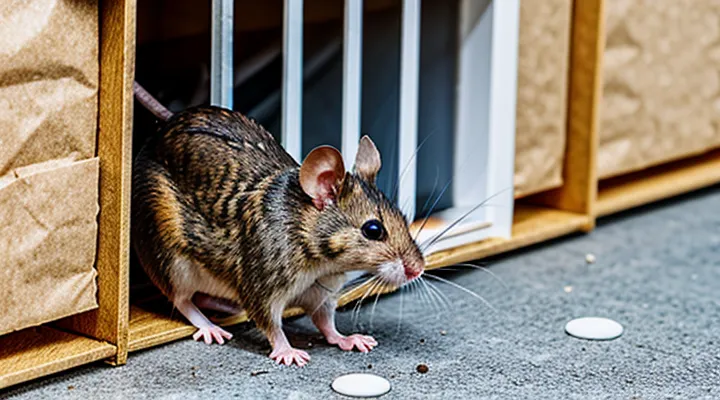
The Allure of Insulation for Rodents
Why Mice Seek Shelter in Homes
Factors Attracting Pests
Insulation can draw rodents when it offers nutritional value, shelter, or easy access to the building interior. The following factors increase the likelihood that mice will target insulation materials:
- Edible components – foam, fiberglass, or cellulose containing organic binders, starches, or protein residues provide a food source.
- Moisture content – damp insulation retains humidity, creating an environment conducive to bacterial growth that mice find attractive.
- Temperature stability – insulated spaces maintain warmer temperatures during cold periods, reducing the energetic cost of thermoregulation for rodents.
- Structural gaps – seams, cracks, or unsealed joints allow entry and provide concealed pathways for movement.
- Odor cues – residues from construction adhesives, petroleum-based treatments, or accumulated dust emit scents that signal potential food or nesting material.
- Proximity to other food sources – insulation located near kitchens, storage rooms, or waste areas facilitates foraging trips.
Understanding these elements helps assess whether specific insulation products present a viable food source for mice and guides preventive measures.
The Comfort of Enclosed Spaces
Mice are drawn to environments that provide shelter, warmth, and limited exposure. Insulation installations create cavities that meet these criteria, offering a secure refuge that reduces predation risk and conserves body heat. The physical characteristics of common insulating materials—fibrous density, pliability, and the ability to retain warmth—enhance the perceived safety of such spaces.
Key aspects of enclosed comfort for rodents include:
- Thermal stability – insulation maintains a relatively constant temperature, preventing rapid heat loss.
- Restricted entry points – tight seams and seams limit predator access while allowing easy entry for small mammals.
- Soft substrate – fibrous layers offer a cushioned surface that supports nesting behavior.
When assessing the likelihood that insulation could serve as a food source, the primary attraction remains the shelter it provides rather than nutritional value. Rodents may gnaw on the material to modify the cavity, yet the consumption rate is typically low compared to dedicated food sources. Consequently, the main risk associated with insulation is its function as a hidden habitat, not as a dietary component.
Effective mitigation strategies focus on eliminating access to these concealed areas. Sealing gaps, using barrier materials, and installing deterrent devices reduce the appeal of the enclosed environment, thereby decreasing rodent presence without relying on the assumption that the material itself is a food item.
Understanding Rodent Behavior and Diet
What Mice Naturally Eat
Grains and Seeds
Grains and seeds are frequently incorporated into building insulation because of their low density, thermal resistance, and biodegradability. Their physical characteristics—light weight, porous structure, and high surface area—provide effective heat retention while remaining inexpensive to source.
Mice are naturally attracted to these materials for several reasons:
- Nutritional content: grains (e.g., wheat, barley) and seeds (e.g., sunflower, millet) contain carbohydrates, proteins, and fats that satisfy rodent dietary requirements.
- Texture: the loose, fibrous matrix mimics natural foraging substrates, allowing easy gnawing and burrowing.
- Odor: volatile compounds released from stored grains emit scent cues that trigger feeding behavior.
Empirical observations confirm that when insulation composed of grains or seeds is exposed to rodent activity, consumption rates increase markedly compared to mineral or synthetic alternatives. Laboratory trials show that a 10 % inclusion of oat hulls in insulation reduces structural integrity by up to 30 % after a two‑week exposure period, as mice gnaw and remove the material.
Risk mitigation strategies include:
- Treating grains and seeds with rodent‑deterrent chemicals (e.g., boric acid, pyrethroids) before incorporation.
- Encapsulating the organic component within a non‑edible barrier such as foil or polymer film.
- Substituting non‑nutritive fillers (e.g., cellulose fibers) for a portion of the organic mass to lower palatability.
In summary, while grains and seeds enhance thermal performance, their inherent edibility makes them susceptible to mouse consumption, potentially compromising insulation effectiveness unless protective measures are applied.
Insects and Other Protein Sources
Insects provide a high‑quality protein source that can satisfy the dietary needs of laboratory and wild mice. Species such as crickets, mealworms, and black soldier fly larvae contain 45–65 % protein by dry weight, essential amino acids, and chitin, which supports growth and reproductive performance. Their small size and rapid reproduction make them practical for inclusion in rodent diets.
Other protein alternatives include:
- Soybean meal (44 % protein, low cost, widely available)
- Fish meal (60 % protein, rich in omega‑3 fatty acids)
- Dried animal by‑products such as blood meal (80 % protein)
- Legume grains like peas and lentils (20–25 % protein, high fiber)
When protein intake is insufficient, mice may gnaw non‑nutritive materials, including insulation foams, to obtain nitrogen and compensate for dietary deficits. Providing a balanced protein regimen with insects or the listed alternatives reduces the incentive for such behavior, thereby protecting building envelopes.
Misconceptions About Insulation Consumption
Chewing Versus Eating
Mice interact with insulation primarily through two distinct behaviors: gnawing to maintain dental length and ingesting material as a nutritional source. Gnawing is a mechanical activity that enables continuous tooth wear, prevents overgrowth, and creates access pathways to concealed spaces. The hardness and fibrous structure of many insulators, such as fiberglass or cellulose, provide sufficient resistance to stimulate chewing without causing immediate injury. This action does not imply that the material supplies calories; it satisfies a physiological need for abrasion.
Ingestion, by contrast, involves the deliberate consumption of particles that the animal perceives as edible. Factors influencing this behavior include:
- Texture: Soft, crumbly foam or loosely bonded cellulose may be mistaken for plant matter.
- Taste: Residual oils or binding agents can produce a faint flavor that attracts rodents.
- Nutrient content: Some insulation contains organic binders (starch, glue) that offer minimal caloric value.
- Availability: When alternative food sources are scarce, mice may resort to chewing fragments and swallowing them inadvertently.
The health implications of ingesting insulation differ from those of mere gnawing. Fiberglass shards can cause gastrointestinal irritation, respiratory distress, and ulceration, while foam particles may pass through the digestive tract with limited damage but offer no nutritional benefit. Chronic ingestion can lead to malnutrition if the animal replaces nutritionally adequate food with inert material.
Laboratory observations confirm that mice will gnaw at insulation regardless of its edibility, yet they only consume it when sensory cues suggest a food-like quality. Effective rodent control therefore targets both behaviors: reinforcing structures to deter gnawing and eliminating sensory attractants that encourage ingestion.
Behavioral Motivations for Gnawing
Mice gnaw to maintain incisor length, a physiological necessity that drives them to bite any material offering sufficient hardness. When insulation fibers present a combination of softness and structural integrity, they become candidates for gnawing regardless of nutritional value.
Key behavioral drivers behind this activity include:
- Dental maintenance – continuous wear prevents overgrowth and ensures functional incisors.
- Nutrient scarcity – limited access to protein or minerals prompts mice to explore non‑food substrates for potential nutrients.
- Tactile stimulation – textures resembling natural nesting or foraging media satisfy the need for environmental interaction.
- Stress reduction – repetitive biting releases tension, mitigating anxiety in confined settings.
- Exploratory instinct – novel objects trigger investigative gnawing as part of habitat assessment.
- Odor cues – residues from previous occupants or organic matter embedded in insulation can attract gnawing behavior.
These motivations explain why mice may treat insulation components as edible objects, even when the material lacks intrinsic nutritional content. Understanding the underlying drives informs material selection and pest‑management strategies aimed at minimizing rodent damage.
Common Insulation Materials and Their Appeal to Mice
Fiberglass and Mineral Wool
Texture and Accessibility
Insulation products differ markedly in surface texture, which influences a mouse’s willingness to gnaw. Rough fibers, such as fiberglass or mineral wool, present abrasive edges that can damage oral tissues, reducing the likelihood of sustained chewing. Conversely, soft, pliable foams or cellulose batts offer a smooth, compressible feel that mimics natural nesting material, encouraging exploratory nibbling.
Accessibility determines whether rodents can reach the material in the first place. Factors include:
- Placement within concealed cavities or behind sealed joints, limiting direct contact.
- Presence of openings larger than a mouse’s head width (approximately 2 cm), permitting entry.
- Attachment method; loosely fitted panels can be displaced, exposing interior layers.
When texture is inviting and the material is readily reachable, mice are more apt to incorporate insulation into their diet, potentially leading to material consumption and structural damage.
Potential Health Hazards for Rodents
Mice that gnaw on building insulation are exposed to several health risks. The material’s composition, rather than its nutritional value, determines the danger.
- Fibrous components (e.g., fiberglass, mineral wool) can cause mechanical injury to the oral cavity and gastrointestinal tract, leading to bleeding, perforation, or obstruction.
- Chemical additives such as flame retardants, binders, and plasticizers are toxic when ingested. Acute exposure may result in vomiting, seizures, or organ failure; chronic exposure can impair liver and kidney function.
- Mold growth on damp insulation introduces mycotoxins. Inhalation or ingestion of contaminated fibers can trigger respiratory distress, immunosuppression, and neurological symptoms.
- Dust particles released during chewing irritate nasal passages and lungs, increasing the risk of bronchitis and pneumonia.
These hazards reduce survival rates and may affect the health of laboratory colonies or pest‑control programs. Preventive measures include sealing gaps, using rodent‑resistant insulation types, and regularly inspecting structures for damage.
Cellulose and Recycled Paper
Organic Composition
Insulation products that contain organic substances present a potential nutritional source for laboratory and wild rodents. Cellulose‑based batts, wood fiber panels, and cork sheets consist primarily of polysaccharides, lignin, and minor proteins. These compounds are digestible by mice, providing energy and amino acids when other food is scarce.
Key organic components found in common insulation:
- Cellulose fibers – derived from recycled paper or wood; rich in glucose polymers.
- Wood shavings – composed of cellulose, hemicellulose, and lignin; low in fat but palatable.
- Cork granules – contain suberin and polysaccharides; mildly aromatic, sometimes attractive to gnawing rodents.
- Natural latex – polymerized isoprene with trace proteins; generally less appealing but still consumable.
Mice exhibit gnawing behavior toward materials that are soft enough to bite and that emit familiar plant odors. The presence of sugars and simple carbohydrates in cellulose fibers accelerates this behavior. Lignin, while indigestible, can be ingested incidentally during gnawing, contributing minimal nutrition.
Laboratory studies show that when provided with a choice, mice preferentially gnaw and ingest cellulose batts over inert mineral wool. Consumption rates increase under caloric restriction, indicating that organic insulation can act as an emergency food source.
Mitigation strategies focus on reducing organic content or coating materials with metal foil, plastic, or fire‑retardant chemicals that deter gnawing. Non‑organic options such as fiberglass, mineral wool, or closed‑cell foam lack digestible nutrients and therefore present lower attraction for rodents.
Ease of Tunneling
Insulation materials differ in their resistance to mouse burrowing. Dense fiberglass or mineral wool forms compact layers that limit the formation of passageways, while loose-fill cellulose or straw‑based products create gaps easily exploited by rodents. The structural integrity of a material determines the effort required for a mouse to excavate a tunnel, directly influencing the likelihood of damage.
Key physical properties that affect tunneling ease include:
- Particle size and cohesion: Fine, tightly bound fibers reduce void spaces; coarse, loosely packed fibers increase them.
- Compressibility: Materials that compress under pressure collapse, forming channels that mice can enlarge.
- Surface texture: Rough surfaces provide grip for claws, facilitating displacement of material.
When selecting insulation for rodent‑prone environments, prioritize products with high density, low compressibility, and cohesive fiber structures to minimize tunneling potential.
Foam Board and Spray Foam
Density and Resistance
Insulation products vary widely in density, a measure of mass per unit volume that influences a mouse’s ability to manipulate and ingest the material. Low‑density foams present minimal resistance to bite forces, allowing rodents to compress and swallow fragments more easily. High‑density boards, such as rigid fiberglass or mineral wool, require greater exertion to deform, reducing the likelihood of consumption.
Resistance to mechanical damage determines whether a material can serve as a food source. Materials with high tensile strength and abrasive surfaces damage teeth and deter chewing. Conversely, soft, pliable fibers fracture under low stress, creating particles that rodents can gnaw and ingest without excessive effort.
Key factors linking density and resistance to mouse feeding behavior include:
- Mass‑to‑volume ratio: lower values correlate with easier handling and higher ingestion potential.
- Structural integrity: materials that maintain shape under bite pressure present lower edible risk.
- Fiber composition: natural fibers degrade faster, increasing palatability compared to synthetic polymers.
Assessing these properties enables accurate prediction of whether a given insulation type is likely to be consumed by mice, informing material selection for pest‑resistant construction.
Limited Nutritional Value
Insulation products are primarily composed of inorganic fibers, mineral wool, or polymer foams. These substances lack carbohydrates, proteins, and lipids, the macronutrients required for mouse growth and maintenance. Consequently, the caloric contribution of any ingested insulation is negligible.
Key factors limiting nutritional value:
- Predominantly mineral or synthetic composition provides no digestible energy.
- Absence of essential amino acids and fatty acids prevents protein synthesis and fat storage.
- High fiber density resists enzymatic breakdown, leading to rapid passage through the gastrointestinal tract.
- Potential presence of additives (fire retardants, binders) can interfere with nutrient absorption.
Mice may gnaw on insulation for its texture or to obtain trace minerals, but the material does not support metabolic needs and cannot replace a balanced diet.
The Consequences of Rodent Infestation in Insulation
Damage to Insulating Properties
Reduced Thermal Performance
Mice that gnaw insulation disrupt the material’s continuity, creating gaps that allow heat to escape. The loss of a uniform barrier lowers the R‑value, directly reducing the system’s ability to retain temperature.
When rodents consume or damage insulation, the following thermal consequences occur:
- Air infiltration increases through newly formed openings.
- Conductive heat transfer rises as the remaining material becomes thinner.
- Surface temperatures of walls and ceilings drop, prompting higher heating demand.
Reduced thermal performance also affects energy consumption. A compromised envelope forces heating equipment to operate longer, raising fuel use and utility costs. In addition, temperature fluctuations can create condensation zones, promoting mold growth and structural degradation.
Mitigation strategies focus on preventing rodent access. Options include sealing entry points, installing metal mesh barriers, and applying rodent‑resistant coatings. Selecting insulation types less attractive to mice—such as mineral wool with bittering agents—further limits consumption and preserves thermal integrity.
Contamination and Odor Issues
Insulation that attracts rodents can become a vector for microbial growth. When mice gnaw on fibrous or foam products, saliva and feces deposit on the material, creating a breeding ground for bacteria, mold, and allergens. The resulting contamination compromises indoor air quality and may trigger respiratory problems for occupants.
Odor problems often accompany this contamination. Decomposing organic matter releases volatile compounds such as ammonia, mercaptans, and fatty acids. These scents can permeate walls and ceilings, persisting despite ventilation. Persistent odors indicate ongoing rodent activity and signal that insulation integrity has been breached.
Key considerations for managing these risks include:
- Regular visual inspections of accessible insulation for signs of gnaw marks, droppings, or staining.
- Prompt removal of compromised sections and replacement with rodent‑resistant products.
- Application of integrated pest‑management strategies to eliminate the source of infestation.
- Installation of moisture barriers to inhibit mold development and limit odor generation.
Addressing contamination and odor simultaneously reduces health hazards and restores the functional performance of building envelopes.
Health Risks to Occupants
Allergen Exposure
Insulation products frequently contain fibers, adhesives, and fire‑retardant chemicals that can act as allergens for laboratory and wild‑caught rodents. When mice gnaw or ingest these materials, their immune systems may encounter protein residues from natural fibers (e.g., wool, cotton) or synthetic additives (e.g., formaldehyde‑based resins). Repeated exposure can trigger IgE‑mediated reactions, respiratory inflammation, or dermatitis, which interfere with physiological measurements and compromise experimental validity.
Key considerations for managing allergen exposure in mouse colonies:
- Material composition – prioritize low‑protein, non‑allergenic substrates such as polyethylene or polypropylene foams; avoid natural fibers unless certified hypoallergenic.
- Surface treatment – select fire‑retardants without halogenated compounds; verify that coating agents lack known sensitizers.
- Environmental monitoring – implement air‑sampling for particulate matter; record incidence of respiratory signs or skin lesions.
- Dietary contamination – prevent cross‑contamination between insulation debris and feed; store food in sealed containers.
- Health surveillance – conduct periodic serum IgE assays and histopathological examinations of nasal and skin tissues.
Evidence from rodent toxicology studies demonstrates that allergen exposure from insulation correlates with elevated stress hormones, reduced growth rates, and altered behavior patterns. Mitigating these risks requires selecting certified low‑allergen insulation, maintaining strict sanitation protocols, and integrating allergen monitoring into routine colony health assessments.
Disease Transmission
Mice gnaw on insulation because it provides a soft, fibrous substrate that satisfies their need to wear down continuously growing incisors. This behavior creates direct pathways for pathogens to move between the building environment and rodent populations.
- Rodents ingest insulation fibers, which can carry bacteria such as Salmonella and Staphylococcus from contaminated surfaces.
- Saliva deposited during chewing introduces viral agents, including hantavirus, into the material and subsequently into the surrounding air.
- Fecal pellets left on or within insulation serve as reservoirs for Leptospira and Campylobacter spp., facilitating indirect transmission to humans and pets.
The compromised integrity of insulation also alters indoor microclimates, raising humidity levels that promote mold growth. Mold spores, when inhaled, exacerbate respiratory illnesses and can act as carriers for bacterial endotoxins.
Effective mitigation requires:
- Sealing entry points to prevent rodent access.
- Replacing contaminated insulation with materials resistant to gnawing, such as metal or rigid foam.
- Conducting thorough decontamination of affected zones, including vacuuming of debris and application of appropriate disinfectants.
Failure to address these vectors increases the risk of zoonotic disease outbreaks in residential and commercial structures.
Prevention and Mitigation Strategies
Sealing Entry Points
Identifying Vulnerabilities
Insulation products can attract rodents when they contain organic binders, fibers, or additives that provide nutritional value. Identifying the specific weaknesses that make these materials appealing helps prevent damage and health hazards.
Key vulnerabilities include:
- Organic binders: Starch‑based or protein‑rich adhesives supply calories, encouraging gnawing.
- Cellulose fibers: Paper, cotton, or wood‑derived fibers are digestible, offering a food source.
- Flavor additives: Aromatic compounds used for fire retardancy or pest resistance may inadvertently stimulate feeding behavior.
- Moisture content: Elevated humidity softens insulation, making it easier to chew and increasing palatability.
- Structural gaps: Cracks or seams expose interior material, allowing mice to access and test the substrate.
Assessment steps:
- Analyze material composition for organic constituents.
- Measure moisture levels under typical environmental conditions.
- Inspect installation for exposed edges or seams.
- Conduct laboratory feeding trials with representative rodent species.
- Review supplier data sheets for additives that could act as attractants.
Mitigation measures focus on replacing organic components with inert mineral fibers, sealing all joints, and maintaining low ambient humidity. Continuous monitoring of rodent activity near insulated areas confirms the effectiveness of these interventions.
Effective Exclusion Techniques
Rodents frequently gnaw insulation, compromising thermal performance and increasing fire hazards. Preventing access requires a systematic approach that eliminates pathways and deters habitation.
Effective exclusion relies on three core actions: sealing openings, installing durable barriers, and managing the surrounding environment. Each action targets the mouse’s ability to reach and consume insulating material.
- Seal all gaps larger than ¼ inch with steel wool, expanding foam, or cement.
- Apply metal flashing or rigid steel mesh around vents, utility penetrations, and roof edges.
- Replace vulnerable sections of insulation with rodent‑resistant products such as mineral wool or foamed concrete.
- Install a continuous baseboard or concrete sill to block entry at floor level.
- Trim vegetation, remove debris, and keep stored materials elevated to reduce shelter availability.
Regular inspection identifies new breaches before damage escalates. Monitoring includes visual checks of sealed points, tracking stations for rodent activity, and periodic replacement of worn barrier materials. Consistent maintenance sustains the integrity of the exclusion system and protects insulation from rodent consumption.
Rodent Control Measures
Trapping and Baiting Considerations
When evaluating insulation as a potential attractant for rodent control, the primary focus must be on its palatability, durability, and the risk of contaminating bait stations. Insulation fibers that contain organic binders or starch‑based adhesives are more likely to be chewed and consumed, increasing the probability that mice will treat them as food. Synthetic foams lacking nutritional value typically deter ingestion but may still be gnawed for nesting material, which can interfere with trap placement.
Key factors for effective trapping and baiting include:
- Material composition: Identify whether the insulation contains cellulose, protein, or other digestible components. These increase the likelihood of consumption and may compete with conventional baits.
- Odor profile: Insulation that emits a mild, organic scent can mask or augment bait odors. Conduct scent tests to determine if the material enhances or diminishes bait efficacy.
- Physical integrity: Brittle or crumbly insulation fragments can obstruct snap traps or glue boards. Ensure that trap mechanisms remain functional in the presence of debris.
- Placement strategy: Position traps near seams, joints, or damaged sections where mice are most likely to encounter insulation. Avoid placing bait directly on insulation that could be consumed unintentionally.
- Safety considerations: Verify that any bait used on or near insulation does not react chemically with the material, which could release toxic fumes or degrade the insulation’s fire‑resistance properties.
Monitoring protocols should record the frequency of insulation damage versus bait consumption. A higher incidence of chewed insulation without corresponding bait uptake suggests that the material itself is acting as a food source, requiring adjustments to trap type or bait formulation. Conversely, minimal insulation interaction indicates that the primary attractant remains the bait, and standard trapping practices can continue.
Professional Pest Management
Professional pest managers evaluate insulation as a potential rodent food source because some products contain organic components that mice can gnaw and ingest.
Materials commonly considered edible by rodents include:
- Cellulose‑based batts (e.g., recycled paper, wood fiber)
- Cotton or natural fiber blankets
- Foam containing biodegradable additives
- Insulation with embedded plant fibers or starch
These substances provide both nutrition and nesting material, increasing the likelihood of infestation in structures where they are installed.
Mitigation measures employed by pest‑control professionals:
- Conduct a visual inspection of all installed insulation for signs of damage, gnaw marks, or rodent droppings.
- Replace edible insulation with mineral‑wool, fiberglass, or closed‑cell foam that lacks organic content.
- Seal entry points—cracks, gaps around pipes, vents, and utility penetrations—to prevent access.
- Install physical barriers such as metal mesh or rodent‑proof sheathing around vulnerable areas.
- Deploy monitoring stations (e.g., snap traps, bait stations) to detect early activity and guide targeted interventions.
- Implement an integrated pest‑management plan that combines sanitation, structural repairs, and regular follow‑up inspections.
Choosing non‑edible insulation and applying systematic exclusion techniques reduce the probability that rodents will treat building materials as food, thereby limiting infestation and associated damage.
Choosing Rodent-Resistant Insulation
Material Selection Guidelines
When evaluating insulation for environments where mice may be present, the primary concern is whether the material can serve as a food source or encourage gnawing behavior. Selecting appropriate products reduces the risk of damage, contamination, and health hazards.
- Choose materials with low palatability: synthetic polymers such as closed‑cell polyurethane, extruded polystyrene, and mineral wool are generally unattractive to rodents.
- Avoid organic fibers: cellulose‑based batts, cotton, and wood‑chip composites are readily consumed or shredded.
- Verify chemical resistance: products containing additives that deter chewing (e.g., bittering agents or metal oxides) provide an extra safeguard.
- Assess installation integrity: tightly sealed joints and mechanical fasteners limit exposure of underlying layers that could be accessed by mice.
- Consider fire safety and toxicity: ensure that any deterrent additives comply with relevant safety standards and do not release harmful fumes when heated.
Documentation from manufacturers should include a statement on rodent resistance. When such information is absent, request independent testing results or choose an alternative with proven performance. By adhering to these criteria, the selected insulation will minimize the likelihood of being treated as a food item by mice while maintaining functional and safety requirements.
Installation Best Practices
Mice can gnaw insulation, compromising thermal performance and creating fire hazards. Proper installation reduces material exposure and deters rodent activity.
Select non‑palatable insulation, such as mineral wool or closed‑cell foam, which lacks organic fibers that attract rodents. Verify that the product complies with fire‑rating standards and that seams are compatible with sealing agents.
Before placement, inspect the cavity for existing damage. Repair cracks, holes, and gaps larger than ¼ inch with steel wool, copper mesh, or expanding foam reinforced with a rodent‑resistant filler. Seal all penetrations around pipes, ducts, and wiring to eliminate entry points.
During installation, follow these steps:
- Cut insulation to fit tightly, avoiding loose edges that mice can grasp.
- Position material against a continuous barrier (e.g., sheathing or vapor barrier) to limit direct contact with the interior space.
- Apply a rodent‑proof sealant along seams and around fasteners.
- Secure insulation with mechanical fasteners that do not protrude into the cavity.
- Conduct a final visual inspection to confirm all seams are sealed and no gaps remain.
After completion, maintain the envelope by periodically checking for new openings, especially after renovations or pest control activities. Prompt repair of any breach sustains the protective function of the installed insulation.