
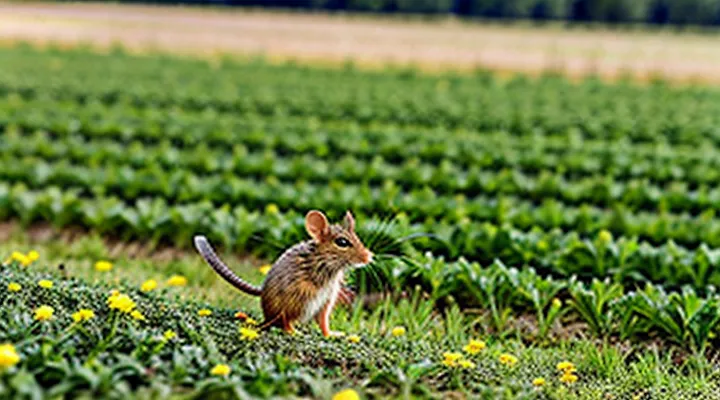
What are Field Mice?
Distinguishing Features
Field mice are small (5–10 cm body length) rodents with a slender build, soft fur, and a pointed snout. Their ears are relatively large, positioned high on the head, and their tails are short, covered with fine hair rather than scales. These physical traits differentiate them from larger rodents such as rats, which possess robust bodies, proportionally smaller ears, and longer, scaly tails.
Key behavioral markers that identify field mice include:
- Nocturnal activity; movement peaks during twilight hours.
- Preference for ground-level foraging; nests are built in shallow burrows, grassy clumps, or under debris.
- Rapid, erratic sprinting when threatened, often using zig‑zag routes to evade predators.
- Use of scent marking via urine droplets near food sources, leaving a distinctive musky odor.
Signs of field‑mouse presence in agricultural settings comprise:
- Small, crescent‑shaped droppings (approximately 2 mm long) scattered along crop rows.
- Gnawed seed heads, seedlings, or grain kernels, characterized by clean, round holes rather than the irregular bite marks of larger rodents.
- Fine, loosely woven nests composed of dry grasses, straw, and shredded plant material, typically located near the soil surface.
These distinguishing features enable accurate identification of field mice, supporting targeted monitoring and management decisions that address their specific impact on human health and crop production.
Habitat and Behavior
Field mice occupy a range of low‑lying environments where vegetation provides cover and food. Typical sites include:
- Meadow edges and grasslands with dense herbaceous growth.
- Agricultural fields, especially after harvest when residue remains.
- Riverbanks, hedgerows, and fallow plots offering shelter from predators.
- Urban green spaces such as parks, gardens, and vacant lots.
These rodents construct shallow burrows or use existing crevices, rarely digging deep tunnels. Burrow entrances are concealed by grasses or litter, allowing quick escape from disturbance. Seasonal variations affect location choice; during colder months mice seek insulated microhabitats, often nesting within stored grain or compost piles.
Behavioral patterns center on rapid reproduction and opportunistic feeding. A female can produce three to five litters annually, each containing four to eight offspring, leading to exponential population growth under favorable conditions. Diet consists primarily of seeds, grains, insects, and plant material, with a marked preference for high‑energy crops such as wheat, corn, and barley. Feeding activity peaks at dusk and dawn, when predator activity is lower.
Movement is characterized by short, erratic bursts and frequent use of cover. Field mice display strong territoriality within small home ranges, defending resources through vocalizations and scent marking. Their agility enables entry into storage facilities and machinery housings, where they may cause mechanical wear or contaminate products.
The combination of adaptable habitats, prolific breeding, and flexible foraging creates a direct pathway for interaction with human‑cultivated crops. Populations that infiltrate grain stores or field margins can reduce yields and increase post‑harvest losses. While the species does not pose a direct health threat to people, its presence can facilitate the spread of pathogens carried by ectoparasites or contaminate food supplies.
Field Mice and Human Health Concerns
Zoonotic Diseases Carried by Field Mice
Field mice serve as reservoirs for several pathogens that can infect humans directly or through intermediate vectors. Hantavirus, primarily the Sin Nombre strain, is transmitted by inhalation of aerosolized rodent excreta and can cause severe respiratory illness with a mortality rate up to 40 %. Bartonella spp. persist in mouse blood and may be transferred to humans via flea bites, leading to febrile illness and, in rare cases, endocarditis. Leptospira interrogans colonizes the renal tubules of mice; urine contamination of water sources results in leptospirosis, characterized by fever, jaundice, and renal failure. Tularemia, caused by Francisella tularensis, can be acquired through handling of infected rodents or inhalation of contaminated dust, producing ulcerating skin lesions and systemic infection.
In addition to direct transmission, field mice contribute to the spread of Lyme disease. Although Ixodes ticks are the primary vectors, mice maintain Borrelia burgdorferi in their bloodstream, ensuring the pathogen’s persistence in tick populations that subsequently bite humans.
Rodent-borne pathogens also affect agricultural products. Contamination of stored grain by mouse urine or feces introduces bacterial agents such as Salmonella and Staphylococcus, increasing the risk of foodborne outbreaks. Hantavirus particles deposited on grain dust can survive for weeks, posing inhalation hazards for farm workers during handling or processing.
Key zoonotic agents associated with field mice:
- Hantavirus (Sin Nombre)
- Bartonella spp.
- Leptospira interrogans
- Francisella tularensis (Tularemia)
- Borrelia burgdorferi (via tick vector)
- Salmonella spp. (food contamination)
Mitigation measures include sealing storage facilities, regular rodent monitoring, and personal protective equipment for personnel handling grain or cleaning rodent-infested areas. These actions reduce both direct human exposure and indirect contamination of crops.
Hantavirus
Field mice, especially species of the genus Microtus and Apodemus, serve as natural hosts for hantaviruses. The virus persists in rodent lungs and kidneys without causing disease in the animals, but it can be shed in urine, feces, and saliva.
Human infection occurs when aerosolized particles from contaminated rodent excreta are inhaled, or when skin abrasions contact these materials. Hantavirus pulmonary syndrome (HPS) and hemorrhagic fever with renal syndrome (HFRS) are the primary clinical manifestations, characterized by fever, respiratory distress, and renal impairment. Mortality rates for HPS can exceed 30 %, underscoring the public health threat.
Agricultural impact is indirect. Large field‑mouse populations increase the probability of virus presence in grain storage areas and farm buildings, raising exposure risk for farm workers. Crop loss results from rodent feeding damage rather than viral activity, but the need for intensified pest control can raise production costs.
Key points for risk management:
- Monitor rodent density in fields and storage facilities.
- Implement sanitation measures to reduce rodent nesting sites.
- Use protective equipment when cleaning areas with visible rodent droppings.
- Educate farm personnel on symptoms of hantavirus infection and the importance of early medical evaluation.
Effective control of field‑mouse populations and strict hygiene protocols reduce the likelihood of hantavirus transmission to humans, while also limiting economic losses associated with rodent damage to crops.
Lyme Disease (indirectly)
Field mice can influence Lyme disease transmission without being primary carriers. The bacterium Borrelia burgdorferi relies on ticks, particularly Ixodes species, for spread. Mice serve as hosts for immature ticks, providing blood meals that enable tick development and pathogen acquisition.
- Field mice host larval and nymphal ticks, increasing tick population density.
- Their small size and high reproductive rate sustain large host communities for ticks.
- Tick infection rates rise when a greater proportion of blood meals come from competent reservoirs such as white-footed mice; field mice can supplement this reservoir function.
Consequently, agricultural fields and adjacent habitats experience elevated tick pressure, raising the risk of human exposure in nearby communities. Crop workers and residents in rural areas may encounter infected ticks more frequently where field mouse populations thrive.
Control measures that reduce field mouse abundance—habitat modification, targeted trapping, and predator encouragement—contribute to lower tick numbers and indirectly diminish Lyme disease risk. Integrated pest management that addresses both rodent and tick dynamics offers the most effective strategy for protecting human health and crop productivity.
Leptospirosis
Leptospirosis is a bacterial disease caused by pathogenic spirochetes of the genus Leptospira. Infection occurs when humans or animals come into contact with water, soil, or food contaminated by the urine of infected carriers.
Field mice frequently harbor Leptospira species without showing clinical signs. Their urine contaminates the environment, especially in areas where rodents have easy access to irrigation channels, storage facilities, and fields. This contamination creates a direct pathway for the bacteria to reach crops and subsequently the people who handle or consume them.
Human exposure typically results in flu‑like symptoms, followed by potential complications such as kidney failure, meningitis, or hemorrhage. The incubation period ranges from 2 to 30 days. Individuals working in agriculture, outdoor recreation, or flood‑prone regions face the highest risk.
Crop contamination arises when Leptospira‑laden water contacts edible produce, particularly leafy vegetables and fruits consumed raw. Contaminated harvests can trigger food‑borne outbreaks, leading to product recalls and financial losses for growers.
Preventive actions include:
- Implementing rigorous rodent‑control programs (traps, bait stations, habitat modification).
- Ensuring water sources for irrigation are protected from wildlife intrusion.
- Maintaining clean storage and processing areas to prevent urine deposition.
- Providing personal protective equipment (gloves, boots) for workers handling soil or water.
- Monitoring livestock for leptospirosis and applying veterinary vaccines where available.
How Diseases are Transmitted to Humans
Field mice can serve as reservoirs for a range of zoonotic agents that reach humans through several pathways. Direct contact with live animals or carcasses transfers pathogens via skin abrasions or mucous membranes. Contamination of food, feed, or water with mouse urine, feces, or saliva creates a fecal‑oral route; grains, stored produce, and kitchen surfaces are especially vulnerable. Airborne particles generated by disturbed droppings or nesting material can carry hantaviruses and other respiratory agents. Ectoparasites such as fleas, ticks, and mites acquire infections from mice and subsequently bite humans, delivering bacteria like Bartonella spp. or viruses such as Crimean‑Congo hemorrhagic fever virus.
Typical agents linked to field mice include:
- Hantavirus, transmitted through inhalation of aerosolized rodent excreta.
- Salmonella enterica, spread by ingestion of contaminated food or water.
- Leptospira interrogans, introduced through skin contact with urine‑laden soil or water.
- Listeria monocytogenes, proliferating in silage and grain stores after mouse contamination.
Field mice also affect crops indirectly. Their foraging activity creates entry points for soil‑borne pathogens, while droppings deposited on foliage can harbor bacterial and fungal spores that survive on harvested produce. Mechanical transfer of pathogens occurs when mice move between fields, storage facilities, and residential areas.
Effective control relies on integrated pest management: sealing building entries, maintaining sanitation to eliminate food sources, using traps or rodenticides in accordance with safety regulations, and regularly monitoring rodent populations for disease indicators. Water treatment, thorough cooking of produce, and protective clothing for workers handling grain or feed further reduce transmission risk.
Direct Contact
Direct contact with field mice poses measurable health and agricultural concerns. Human exposure typically occurs through handling, cleaning contaminated equipment, or accidental bites. Laboratory studies and field surveys have identified several pathogens that can be transferred by skin contact or scratches, including hantavirus, leptospira, and salmonella. These agents may cause febrile illness, renal complications, or gastrointestinal distress, particularly in immunocompromised individuals. Preventive measures such as wearing gloves, using disinfectants, and avoiding direct handling reduce transmission risk.
Field mice also affect crops through physical contamination. When mice traverse rows of grain, vegetables, or fruit, they deposit urine, feces, and saliva on plant surfaces. This residue can:
- Introduce bacterial and fungal spores that accelerate spoilage.
- Attract secondary pests, such as insects drawn to organic matter.
- Impair marketability due to visible staining or odor.
Even brief contact between harvested produce and mouse excreta can render the product unsuitable for consumption under food‑safety regulations. Implementing sanitation protocols—regular cleaning of storage bins, sealing entry points, and employing trap‑based exclusion—limits direct contamination and protects both public health and crop quality.
Contaminated Food and Water
Field mice frequent agricultural fields, grain storage facilities, and rural water sources. Their foraging behavior brings them into direct contact with harvested produce, stored grains, and surface water, creating pathways for microbial and chemical contamination.
Typical contaminants introduced by these rodents include:
- Salmonella spp. – transferred from rodent feces to food items and drinking water.
- Campylobacter jejuni – spread through contaminated feed and irrigation water.
- Escherichia coli O157:H7 – deposited on crops via urine and droppings.
- Aflatoxins – accumulated when mice transport mold‑infested grains to storage bins.
- Pesticide residues – concentrated in rodent carcasses and subsequently leached into water supplies.
Contamination routes affect both human health and crop viability. Ingesting tainted food can cause acute gastroenteritis, septicemia, or long‑term renal damage. Polluted water supplies increase the risk of outbreaks, especially in communities lacking reliable treatment infrastructure. Moreover, microbial load on crops reduces marketability and may trigger regulatory recalls.
Mitigation strategies focus on exclusion, sanitation, and monitoring. Physical barriers such as sealed storage structures and rodent‑proof fences limit access. Regular cleaning of feeding areas and water troughs removes fecal deposits. Routine testing of harvested produce and water for bacterial indicators provides early detection of contamination events.
Airborne Particles
Field mice generate airborne particles through feces, urine, skin fragments, and nesting debris. These particles can travel short distances by wind or long distances attached to machinery, reaching human habitations and crop fields.
- Fecal aerosols may contain Hantavirus, Salmonella, and Leptospira, which can infect people after inhalation or mucosal contact.
- Skin and hair fragments are potent allergens; repeated exposure triggers respiratory irritation and asthma in sensitive individuals.
- Dust from nests carries mold spores and bacterial endotoxins, contributing to reduced air quality in storage facilities and greenhouses.
Particle size influences penetration depth: particles under 10 µm remain suspended longer, increasing inhalation risk, while larger fragments settle on foliage, contaminating edible plant parts. Contamination can lead to post‑harvest losses because consumers reject produce with visible residue or microbial spoilage.
Mitigation strategies focus on reducing mouse populations, sealing entry points, and employing air filtration in processing areas. Regular cleaning removes accumulated debris, limiting the source of airborne contaminants.
Field Mice and Agricultural Damage
Types of Crops Affected
Field mice frequently infiltrate cultivated areas, where they consume plant parts, contaminate harvests, and transmit pathogens that compromise food safety. Their activity reduces yield quality and marketability across a range of staple and specialty crops.
- Cereals: wheat, barley, oats, rye – mice gnaw kernels, stalks, and stored grain.
- Legumes: soybeans, peas, lentils – rodents feed on pods and seeds, weakening plant vigor.
- Oilseeds: canola, sunflower – damage includes chewing leaves and developing heads.
- Root vegetables: carrots, potatoes, turnips – burrowing creates tunnels that expose roots to rot.
- Fruit and berry crops: strawberries, raspberries, grape vines – mice strip foliage and eat fruit, facilitating fungal infection.
- Forage crops: alfalfa, clover – consumption lowers fodder quantity and nutritional value.
In cereals, mice target the grain during both field growth and post‑harvest storage, leading to direct loss and increased moisture that encourages mold. Legume pods suffer seed predation, reducing protein yield. Oilseed heads experience leaf and flower damage, impairing oil content. Root crops incur physical injury from tunneling, which also creates entry points for soil‑borne diseases. Fruit-bearing plants endure foliage loss and fruit feeding, accelerating decay. Forage species lose biomass essential for livestock, diminishing feed efficiency.
Grains and Cereals
Field mice frequently target grains and cereals during growth, harvest, and storage. Their feeding activity reduces yield, diminishes grain quality, and creates conditions for secondary infestations.
- Direct consumption of kernels lowers marketable weight by 5–15 % in typical infestations.
- Gnawing of stalks and ears weakens plant structure, promoting lodging and harvest loss.
- Excreta and urine contaminate grain surfaces, increasing moisture content and fostering mold growth.
- Presence of mice in storage facilities accelerates spoilage, shortens shelf life, and raises the risk of mycotoxin development.
Human health concerns arise from mouse‑associated contamination. Pathogens such as Salmonella spp. and Campylobacter can be transferred to grains via droppings, posing food‑borne illness risks. Allergens present in mouse hair and dander may trigger respiratory reactions for sensitive individuals handling contaminated grain.
Management strategies focus on exclusion, monitoring, and control. Structural sealing of storage bins, regular inspection of field margins, and targeted baiting reduce mouse populations and limit damage to cereals. Integrated pest‑management programs combine sanitation, habitat modification, and biological controls to protect grain integrity without excessive chemical use.
Vegetables
Field mice frequently enter garden beds, where they feed on tender foliage, fruits, and seeds of many vegetable species. Direct damage includes bite marks, defoliation, and consumption of immature produce, which reduces marketable yield and may require replanting. In root crops such as carrots, radishes, and turnips, mice gnaw at the underground portions, creating tunnels that expose the vegetables to soil‑borne pathogens and spoilage.
Contamination of vegetables occurs when mice leave droppings, urine, or hair on the plant surfaces. These residues can harbor bacteria (e.g., Salmonella, E. coli) and parasites that pose health risks if the produce is consumed raw or insufficiently washed. The primary pathways for human exposure are:
- Contact with contaminated leaves or fruits during harvest.
- Cross‑contamination of other foods via shared cutting boards or knives.
- Consumption of raw or lightly cooked vegetables that retain mouse‑derived microbes.
Integrated pest management (IPM) strategies mitigate the threat to vegetables and public health. Effective measures include:
- Physical barriers: fine‑mesh fencing, row covers, and underground wire screens to prevent entry.
- Habitat modification: removal of debris, tall grasses, and stored feed that attract mice.
- Population control: strategic trapping and, where legally permitted, use of rodenticides applied according to safety guidelines.
- Sanitation: regular cleaning of harvesting equipment and prompt disposal of plant debris.
When these practices are consistently applied, the incidence of mouse‑related crop loss and contamination declines markedly, protecting both vegetable production and consumer safety.
Fruit Trees
Field mice frequently forage on fruit trees, causing direct damage to developing fruits and foliage. Their gnawing creates entry points for pathogens, which accelerates rot and reduces marketable yield. In orchards with high mouse populations, fruit loss can reach 15‑30 % during peak season.
Key effects on fruit trees include:
- Consumption of buds, flowers, and immature fruits, directly lowering production.
- Chewing of bark and branches, which impairs nutrient transport and invites secondary infections.
- Soil disturbance around root zones, leading to reduced water infiltration and increased weed competition.
Human health concerns arise when mice contaminate harvested fruit with urine, feces, or parasites. These contaminants can transmit diseases such as hantavirus, leptospirosis, and salmonellosis if produce is consumed raw or inadequately washed.
Effective management strategies focus on habitat modification and exclusion:
- Install fine‑mesh fencing around tree rows to prevent entry.
- Maintain a clean orchard floor, removing debris and fallen fruit that attract mice.
- Deploy bait stations or snap traps, positioned away from harvest zones to minimize non‑target exposure.
- Encourage natural predators—owls, foxes, and raptors—by providing nesting boxes and perching sites.
Implementing these measures limits mouse‑induced damage to fruit trees, safeguards crop quality, and reduces the likelihood of zoonotic transmission to consumers.
Economic Impact on Farmers
Field mice frequently infest cultivated fields, directly reducing harvest yields and increasing production expenses for growers. Damage to grain, vegetables, and fruit stems from feeding activity, seed consumption, and burrowing, which lowers marketable output by 5‑15 % in heavily affected regions, translating into losses of $200‑$500 per hectare depending on crop value.
Beyond the immediate reduction in yield, farmers incur additional costs. Chemical control measures rise by 20‑30 % when mouse populations exceed economic thresholds, while machinery repairs increase due to gnawed wiring and clogged seed drills. Post‑harvest storage suffers contamination, prompting extra cleaning cycles and product discarding.
These expenses compress profit margins, forcing many producers to adjust cash flow. Lower net returns often trigger reduced investment in seed quality, irrigation, or labor, perpetuating a cycle of diminished productivity. Insurance claims for pest‑related damage rise, raising premiums and further eroding farm profitability.
Effective mitigation limits financial exposure. Proven interventions include:
- Habitat alteration: removing dense vegetation and debris near field edges to deter nesting.
- Predator encouragement: installing raptor perches and maintaining hedgerows for natural mouse predators.
- Targeted baiting: deploying rodenticides in calibrated doses to minimize non‑target impact.
- Monitoring programs: using snap traps and motion sensors to track population spikes and trigger timely action.
Implementing these practices can lower direct losses by up to 40 % and reduce ancillary expenses, preserving farmer income and stabilizing market supply.
Methods of Crop Damage
Field mice affect agricultural production primarily through direct and indirect mechanisms that compromise plant health and yield. Their small size allows rapid infiltration of fields, where they interact with crops in several destructive ways.
- Consumption of seeds, seedlings, and mature grains reduces the standing biomass and lowers marketable output.
- Gnawing on stems, leaves, and roots creates entry points for pathogens, accelerating disease spread.
- Excretion of urine and feces introduces nitrogenous compounds that alter soil chemistry, potentially encouraging fungal growth.
- Burrowing disrupts soil structure, impairing water infiltration and root anchorage, which can lead to plant lodging and reduced nutrient uptake.
- Transport of weed seeds and insect eggs during foraging expands the presence of competing flora and secondary pests.
These damage pathways collectively diminish crop quality and profitability, reinforcing the need for targeted management strategies that address mouse populations and their specific modes of plant interference.
Direct Consumption
Field mice are occasionally harvested for food in some cultures, yet their direct consumption presents several health concerns. Rodent meat can harbor pathogens such as hantavirus, leptospira, and salmonella, which survive cooking if temperatures are insufficient. Parasites, including tapeworms (Taenia spp.) and nematodes, may be present in muscle tissue and viscera, requiring thorough evisceration and high‑heat preparation to mitigate infection risk.
Nutritional analysis shows that mouse meat provides protein and micronutrients comparable to other small mammals, but the variability of wild diets introduces unpredictable toxin levels. Field mice often ingest agricultural chemicals—pesticides, herbicides, and rodenticides—accumulating residues in their bodies. Consuming contaminated tissue can lead to acute poisoning or chronic organ damage.
Key safety measures for those who consider eating field mice:
- Capture live specimens and euthanize humanely.
- Remove all internal organs, especially the gastrointestinal tract.
- Wash carcasses with clean water to eliminate surface contaminants.
- Cook meat to an internal temperature of at least 75 °C (167 °F) for a minimum of five minutes.
- Avoid consumption of any mouse found dead, injured, or exposed to known toxin sources.
When these protocols are followed, the direct ingestion of field mice poses a limited but measurable risk. Without strict hygiene and cooking standards, the practice can transmit infectious agents and chemical residues to humans.
Gnawing and Tunnelling
Field mice create extensive networks of tunnels beneath cultivated ground. Their burrowing displaces soil, reduces aeration, and destabilizes plant root systems. The resulting soil erosion accelerates runoff, lowers water retention, and can expose seeds to pests and disease.
Gnawing behavior directly damages crops and infrastructure. Mice chew young stems, leaves, and seed heads, leading to reduced yields and marketable quality. In storage facilities, gnawing compromises containers, allowing moisture ingress and fungal growth, which threatens food safety.
- Soil disturbance:
- Weakens root anchorage, increasing plant lodging.
- Promotes weed invasion by exposing bare soil.
- Structural impact:
- Undermines foundations of greenhouses and irrigation lines.
- Creates pathways for larger rodents and predators.
- Human health concerns:
- Contaminates harvested produce with urine, feces, and pathogens.
- Facilitates spread of rodent‑borne diseases through damaged food packaging.
Contamination
Field mice can introduce harmful agents into human environments and cultivated lands through direct contact, waste deposition, and vector activity. Their movements across fields, storage facilities, and residential areas create pathways for pathogens, toxins, and invasive plant seeds.
Typical contamination routes include:
- Excreta containing bacteria (Salmonella, Leptospira) and parasites (Echinococcus) that contaminate soil, water, and food surfaces.
- Carried grains and seed stock that become infected with fungal spores (Fusarium, Aspergillus) or weedy species, reducing crop quality and yield.
- External parasites (fleas, mites) that transfer to livestock or pets, facilitating secondary disease transmission.
Effective management requires regular monitoring of mouse populations, sanitation of storage structures, and implementation of physical barriers to limit access to vulnerable zones.
Prevention and Control Strategies
For Human Health Protection
Field mice can transmit pathogens that affect human health. Species such as Apodemus and Mus are carriers of hantavirus, leptospira, and Salmonella spp. Direct contact with droppings, urine, or contaminated food surfaces creates a route for infection. In residential settings, dust contaminated with mouse excreta may become inhaled, increasing the risk of respiratory illness.
Effective protection strategies focus on prevention, detection, and elimination:
- Seal entry points: install metal mesh or concrete around foundations, vents, and utility openings.
- Reduce attractants: store grain, pet food, and waste in airtight containers; maintain clean compost piles.
- Monitor activity: place snap traps or electronic sensors in high‑risk zones; record captures to assess population trends.
- Apply targeted rodenticides: use low‑toxicity baits approved for indoor use, following label instructions to minimize secondary poisoning.
- Conduct regular sanitation: vacuum and disinfect areas with proven disinfectants after any mouse sighting.
Education of occupants reinforces these measures. Training on proper handling of traps, safe disposal of carcasses, and personal protective equipment (gloves, masks) limits exposure during control operations. Integration of these practices into household or facility protocols reduces the likelihood of disease transmission and safeguards public health.
Rodent-Proofing Homes
Field mice can infiltrate residential structures, creating pathways for disease agents and contaminating stored food. Effective rodent-proofing reduces these risks and prevents accidental transport of pests to garden beds.
Sealing entry points is the first line of defense. Inspect foundations, walls, and utility penetrations; apply steel wool, copper mesh, or silicone caulk to gaps larger than ¼ inch. Install door sweeps and weather stripping to block gaps under entry doors.
Exterior maintenance limits attractants. Trim vegetation within two feet of the house, remove debris, and store firewood off the ground. Keep compost bins sealed and dispose of garbage in containers with tight-fitting lids.
Interior barriers protect stored provisions. Use airtight containers for grains, cereals, and pet food. Position pantry shelves away from walls to allow inspection for gnaw marks. Place traps or electronic deterrents in concealed locations, focusing on known travel routes such as baseboards and under cabinets.
Regular monitoring sustains protection. Conduct monthly visual checks for fresh droppings, gnaw marks, or nesting material. Replace worn sealants promptly and rotate trap placement to address emerging activity.
By combining structural sealing, habitat management, and vigilant inspection, homeowners can minimize the health hazards and crop‑related consequences associated with field mouse incursions.
Safe Food Storage Practices
Field mice can infiltrate storage facilities, contaminate food supplies, and spread pathogens that affect both consumers and cultivated plants. Implementing rigorous storage protocols minimizes these risks and protects public health and agricultural yields.
Sealed containers made of metal, glass, or heavy‑wall plastic prevent rodents from accessing grains, nuts, and processed foods. Containers should feature tight‑fitting lids with locking mechanisms and be stored on pallets to avoid direct floor contact. Regular inspection of seals identifies breaches before damage occurs.
Environmental controls reduce attraction. Maintain temperature and humidity levels below thresholds that encourage rodent activity. Keep storage areas clean; sweep debris, remove spilled grain, and dispose of waste in sealed bins. Eliminate potential nesting sites by sealing cracks, gaps, and openings in walls, doors, and ventilation ducts.
A systematic monitoring program strengthens defenses. Rotate inventory to avoid long‑term exposure, and label items with date stamps. Conduct monthly rodent sightings surveys and set traps or bait stations in accordance with local regulations. Record findings and adjust preventive measures promptly.
Key practices for safe food storage in the presence of field mice:
- Use rodent‑proof containers with gasketed lids.
- Store containers on raised platforms, away from walls.
- Maintain low humidity and stable temperature.
- Clean floors and remove food residues daily.
- Seal structural gaps and install metal mesh where ventilation is required.
- Implement a documented inspection and trap‑placement schedule.
Adhering to these procedures limits rodent entry, curtails contamination, and safeguards both human consumption and crop productivity.
Personal Protective Equipment
Personal protective equipment (PPE) serves as the primary barrier between field mouse activity and human health or crop integrity. When rodents infiltrate agricultural sites, they may carry pathogens such as hantavirus, leptospirosis, or salmonella, and their droppings can contaminate soil, stored produce, and equipment. Proper PPE reduces exposure risk for workers handling contaminated material, conducting pest‑control operations, or performing field inspections.
Essential items include:
- Disposable nitrile gloves to prevent hand‑to‑mouth transfer of bacteria and viruses.
- N95 or higher‑efficiency respirators for protection against aerosolized droppings and urine particles.
- Long‑sleeved, water‑resistant coveralls that seal at the wrists and ankles, limiting skin contact.
- Waterproof boots with steel toe caps to safeguard feet from sharp debris and rodent bites.
- Safety goggles or face shields to block splashes of contaminated fluids.
In addition to wearing PPE, workers should follow these practices:
- Inspect each piece for tears, punctures, or compromised seals before entry into infested zones.
- Remove and discard disposable items in sealed biohazard bags immediately after use.
- Decontaminate reusable gear with approved disinfectants, adhering to manufacturer‑specified contact times.
- Store clean PPE in a dry, rodent‑free area to avoid re‑contamination.
Adherence to these measures minimizes the likelihood that field mice compromise human safety or agricultural output.
For Crop Protection
Field mice frequently invade cultivated fields, feeding on seeds, seedlings, and mature plants. Their gnawing activity creates entry points for pathogens and reduces yield quality. Direct consumption of grain kernels can lower harvest weight by several percent, especially in cereals and legumes where the rodents prefer soft tissues.
Human health risks stem from contamination of food supplies. Mice excrete urine and feces onto crops, introducing bacterial agents such as Salmonella and Listeria. These contaminants survive processing and may cause food‑borne illness if not removed during cleaning or cooking. Additionally, rodents can carry ectoparasites that bite workers, transmitting diseases like hantavirus.
Effective crop protection against field mice requires integrated measures:
- Habitat modification – eliminate weed borders, manage crop residues, and maintain clean field edges to reduce shelter.
- Physical barriers – install fine‑mesh fencing or underground screens to prevent burrowing and entry.
- Population control – employ authorized rodenticides following label instructions; rotate active ingredients to avoid resistance.
- Biological agents – introduce predatory birds (e.g., owls) and mammals (e.g., feral cats) where permitted, and use avian nest boxes to encourage natural predation.
- Monitoring – place snap traps or electronic detectors along field perimeters; record capture rates to assess infestation levels and adjust interventions.
Combining these tactics lowers rodent pressure, safeguards grain integrity, and minimizes the likelihood of pathogen contamination, thereby protecting both agricultural output and consumer safety.
Integrated Pest Management (IPM)
Field mice can transmit pathogens to humans and cause significant loss of seed, grain and vegetable yields. Their foraging behavior creates holes in storage facilities, contaminates harvested produce and facilitates entry of other pests.
Integrated Pest Management (IPM) addresses these threats through a systematic, science‑based framework. IPM combines observation, prevention and control measures to keep mouse populations below economic injury levels while minimizing environmental impact.
Key components of an IPM program for field mice include:
- Monitoring: Regular trapping and visual surveys quantify activity and identify hotspots.
- Cultural practices: Removing excess vegetation, managing waste and maintaining clean storage areas reduce shelter and food sources.
- Physical barriers: Sealing building foundations, installing metal flashings and using rodent‑proof containers prevent entry.
- Biological agents: Encouraging predators such as owls, hawks and barn owls, or deploying feral cat colonies, lowers mouse numbers naturally.
- Chemical control: Targeted rodenticides applied only after other tactics have failed, with strict adherence to label instructions, limit non‑target exposure.
When implemented consistently, IPM reduces the likelihood of disease transmission to people and protects crop quality and quantity without reliance on indiscriminate pesticide use.
Trapping and Exclusion
Field mice can impair agricultural production and act as vectors for diseases that affect humans. Effective management therefore relies on two complementary strategies: capture devices and preventive barriers.
Capture devices include:
- Snap traps: steel or wooden models with a spring‑loaded bar; positioned along runways and near food sources; checked daily to prevent prolonged suffering.
- Live traps: cage‑type units that allow release elsewhere; require bait such as grain or peanut butter; must be emptied promptly to avoid stress‑induced mortality.
- Electronic traps: high‑voltage units that deliver an instantaneous kill; suitable for indoor storage areas; demand a reliable power supply.
Placement guidelines:
- Identify active pathways by observing fresh gnaw marks and droppings.
- Set traps perpendicular to the wall, with the trigger end facing the mouse’s approach.
- Use a minimal amount of bait to encourage quick entry.
- Maintain a spacing of 12–18 inches between traps along a single corridor.
Preventive barriers focus on denying access and reducing habitat suitability:
- Seal cracks, gaps, and utility openings with steel wool, cement, or metal flashing; rodents can squeeze through openings as small as 6 mm.
- Install hinged or self‑closing doors on livestock pens and feed storage facilities; ensure proper alignment to avoid gaps.
- Remove vegetation that provides cover near building foundations; trim grasses and eliminate debris piles that serve as nesting sites.
- Elevate feed bins and store grain in airtight containers; use metal or heavy‑duty plastic storage with tight‑fitting lids.
Combining regular trap monitoring with systematic exclusion measures creates a robust defense against field mouse incursions, protecting both human health and crop yields.
Natural Predators
Field mice pose a direct threat to agricultural output through seed consumption, root damage, and disease transmission. Their populations are naturally regulated by a suite of vertebrate and invertebrate predators that limit the intensity of crop loss and reduce the likelihood of human exposure to rodent‑borne pathogens.
Key predators include:
- Barn owls (Tyto alba) – nocturnal hunters that capture mice in open fields.
- Red foxes (Vulpes vulpes) – opportunistic feeders that patrol field margins.
- European kestrels (Falco tinnunculus) – aerial predators that hover to spot prey.
- Stoats (Mustela erminea) – agile carnivores that pursue mice in dense vegetation.
- Ground beetles (Carabidae family) – nocturnal insects that kill juvenile mice and eggs.
The presence of these predators creates a top‑down pressure that suppresses mouse reproductive cycles, lowers density peaks, and consequently diminishes the risk of crop damage and zoonotic spillover. Enhancing habitats that support predator populations—such as hedgerows, nesting boxes, and pesticide‑free refuge zones—strengthens this biological control, offering an effective, sustainable alternative to chemical rodent management.
Chemical Control (Use with Caution)
Chemical control offers a rapid means to suppress populations of field mice that can compromise food safety and reduce crop yields. Rodenticides containing anticoagulants, neurotoxicants, or zinc phosphide act by disrupting physiological processes, leading to mortality within hours to days after ingestion.
Effectiveness depends on correct formulation, bait placement, and timing. Improper use can result in non‑target poisoning, residual contamination of harvestable produce, and development of resistant strains. Environmental persistence varies among active ingredients; some persist in soil for months, increasing exposure risk for wildlife and humans handling harvested material.
Precautions for safe application:
- Select products labeled for the specific target species and approved for agricultural use.
- Apply baits only in designated stations, away from water sources, livestock feeding areas, and human traffic routes.
- Wear protective gloves and clothing; wash hands thoroughly after handling.
- Observe withdrawal periods indicated on the label before harvesting treated fields.
- Monitor bait stations regularly to replace depleted units and to assess efficacy.
Integrating chemical control with habitat management, exclusion techniques, and biological agents reduces reliance on toxicants and mitigates resistance buildup. Regular field scouting, population density assessments, and adherence to label instructions sustain effectiveness while protecting human health and crop integrity.
Coexistence and Ecological Role
The Role of Field Mice in Ecosystems
Field mice occupy a central position in temperate and agricultural ecosystems, linking primary producers with higher trophic levels. Their foraging activity regulates seed populations, influencing plant community composition and succession. By consuming a variety of seeds and insects, they moderate the abundance of potential weed species and pest insects, thereby affecting crop yields indirectly.
Key ecological functions include:
- Seed predation and dispersal – removal of viable seeds reduces competitive pressure on dominant crops; occasional transport of seeds away from parent plants promotes genetic diversity.
- Prey provision – serve as a primary food source for raptors, snakes, and carnivorous mammals, sustaining predator populations that also target agricultural pests.
- Soil disturbance – burrowing behavior aerates the soil, enhances water infiltration, and facilitates microbial activity essential for nutrient cycling.
Population dynamics of field mice respond to seasonal resource fluctuations. During mast years, increased seed availability can trigger population spikes, which may elevate the likelihood of crop intrusion. However, the same population surge supplies additional prey for natural enemies, potentially offsetting damage through heightened predation pressure.
Assessing risk to humans and agriculture requires weighing these ecosystem services against occasional crop loss. While field mice can consume grains and seedling material, their overall impact is moderated by predator activity and integrated pest‑management practices that exploit their role as a food resource for beneficial wildlife.
Balancing Control with Ecological Impact
Field mice can transmit zoonotic pathogens and cause grain loss, yet they also serve as prey for raptors, owls, and beneficial insects. Effective management requires measures that reduce human and crop risk while preserving these ecological functions.
- Habitat modification: eliminate dense vegetation and debris near storage facilities to deter nesting without broad‑scale disturbance.
- Mechanical barriers: install sealed doors, metal screens, and raised platforms to block entry, limiting reliance on toxicants.
- Targeted trapping: use snap or live traps positioned along known runways; monitor capture rates to adjust effort and prevent excessive removal.
- Biological control: encourage native predators by installing nest boxes for owls or perches for hawks; maintain hedgerows that support insectivorous birds.
Chemical applications remain an option for severe infestations but must follow strict dosage guidelines, rotate active ingredients, and limit exposure to non‑target species. Soil and water testing after treatment verifies that residues stay within regulatory limits, protecting surrounding flora and fauna.
Decision‑making should integrate pest‑population surveys, economic loss calculations, and biodiversity assessments. When data show low disease incidence and minimal grain damage, managers can reduce intervention intensity, allowing mouse populations to fulfill their role in food webs. Conversely, spikes in pathogen reports or harvest thresholds trigger escalated control actions, always accompanied by post‑action ecological monitoring to detect unintended consequences.