
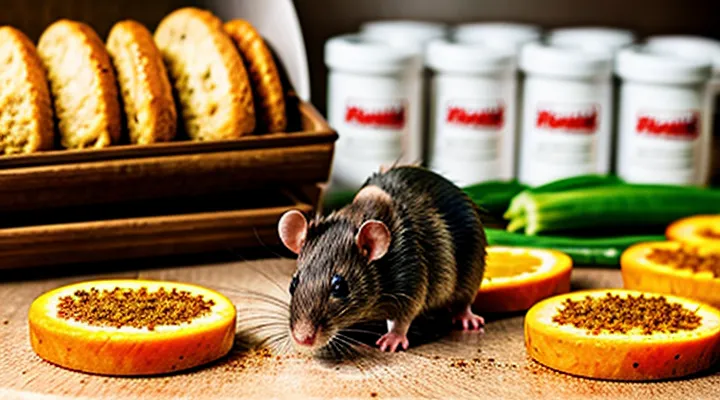
Understanding Rat Dietary Needs
The Basics of a Balanced Rat Diet
Essential Nutrients for Pet Rats
Pet rats require a balanced diet that supplies protein, fiber, vitamins, minerals, essential fatty acids, and adequate water. Protein supports growth, tissue repair, and immune function; a target of 15–20 % of total calories can be met with high‑quality laboratory pellets, cooked egg white, or lean cooked meat. Fiber, supplied by fresh vegetables such as carrots, broccoli, and leafy greens, aids gastrointestinal motility and prevents hairball formation.
Vitamins A, D, E, and K are fat‑soluble and must be present in sufficient quantities; natural sources include carrots (vitamin A), fortified pellets (vitamin D), and sunflower seeds (vitamin E). Water‑soluble vitamins B‑complex and C are found in small portions of fruit (apple, banana) and leafy greens. Minerals essential for bone health and metabolic processes include calcium, phosphorus, magnesium, and potassium; calcium can be provided by a small piece of cuttlefish bone or fortified pellet, while leafy vegetables contribute phosphorus and potassium.
Essential fatty acids, particularly omega‑3 and omega‑6, are required for neural development and skin health; a modest amount of unsalted, unflavored seeds or a commercial rat oil supplement fulfills this need. Fresh water should be available at all times, changed daily to prevent bacterial growth.
A concise feeding regimen might follow these guidelines:
- 80 % commercial rat pellets formulated for laboratory use
- 15 % fresh vegetables (varied daily)
- 5 % protein sources (cooked egg, lean meat) and occasional fruit
- Continuous access to clean water
Monitoring body condition and adjusting portions ensures that nutrient requirements are met without excess calories, which can lead to obesity and related health issues. Regular veterinary check‑ups confirm that dietary plans remain appropriate throughout the rat’s lifespan.
The Role of Commercial Rat Food
Commercial rat diets provide a consistent source of essential nutrients, formulated to meet the specific physiological requirements of laboratory and pet rodents. Ingredients are selected for digestibility, vitamin and mineral balance, and absence of contaminants that could interfere with health or experimental outcomes. Manufacturers adhere to regulatory guidelines that define permissible components, ensuring that each batch complies with safety standards established by veterinary and research authorities.
Key functions of pre‑packaged rat feed include:
- Delivery of calibrated protein levels that support growth, reproduction, and tissue maintenance.
- Inclusion of calibrated calcium‑phosphorus ratios to prevent skeletal abnormalities.
- Provision of defined fiber content to promote gastrointestinal health and normal fecal output.
- Incorporation of antioxidants and trace elements that reduce oxidative stress and support immune competence.
Standardized formulations simplify dietary management in research facilities. By eliminating the need for ingredient weighing and mixing, they reduce variability between experimental groups, thereby enhancing reproducibility of results. In pet‑keeping environments, ready‑made feed minimizes the risk of nutritional deficiencies that can arise from ad‑hoc homemade diets.
Regulatory oversight mandates labeling of each product with nutrient composition, ingredient source, and expiration date. This transparency enables caretakers to verify compliance with institutional protocols and to adjust supplement regimes when specific experimental conditions demand altered nutrient profiles.
Overall, commercial rat feed serves as a reliable, regulated foundation for rodent nutrition, supporting health, experimental integrity, and ease of husbandry.
Safe and Approved Food Items
Grains and Seeds
Cooked Grains
Cooked grains represent a safe and nutritionally valuable component of a balanced rodent diet. Heat‑treated cereals eliminate potential pathogens and improve digestibility, allowing rats to obtain essential carbohydrates, fiber, and modest protein without excessive fat.
Commonly accepted grains include:
- cooked oatmeal
- boiled rice (white or brown)
- steamed barley
- soft‑cooked quinoa
- well‑cooked whole‑wheat pasta
Each option supplies glucose for energy, soluble fiber for gastrointestinal health, and trace minerals such as iron, magnesium, and zinc. Excessive inclusion may displace protein‑rich foods; therefore, grains should not exceed 10 percent of total daily intake by weight.
Preparation requires thorough washing, boiling or steaming until soft, and cooling to room temperature before serving. Salt, butter, oils, and seasonings must be omitted, as they introduce sodium and additives unsuitable for small mammals. Portion sizes of cooked grains range from one to two teaspoons per adult rat, divided into multiple feedings to prevent spoilage and maintain freshness.
Regular monitoring for signs of digestive upset, such as loose stools or reduced appetite, ensures that grain inclusion remains beneficial. Adjustments to quantity or type should be made promptly if adverse reactions occur.
Healthy Seeds in Moderation
Rats benefit from occasional inclusion of nutrient‑dense seeds, which supply essential fatty acids, protein, and micronutrients. Excessive seed intake raises the risk of obesity and gastrointestinal disturbances; therefore, moderation is critical.
- Sunflower (unshelled, raw, low‑fat varieties)
- Pumpkin (de‑husked, raw)
- Hemp (whole, unsalted)
- Flax (ground, raw)
- Sesame (unsalted, raw)
Portion guidelines recommend no more than one teaspoon (approximately 2 g) per adult rat, offered two to three times per week. Seeds should be presented as a supplement to a staple diet of high‑quality pellets, fresh vegetables, and occasional fruits.
Observe each animal for changes in weight, coat condition, and stool consistency after seed consumption. Adjust frequency or eliminate seeds if signs of excess fat deposition or digestive upset appear.
Fruits
Safe Fruit Choices and Preparation
Rats can safely consume a limited selection of fresh fruits when offered in moderation. Each fruit should be washed thoroughly, pitted or seeded, and presented in bite‑size pieces to prevent choking hazards.
- Apples – core removed, skin left intact; limit to a few small cubes.
- Blueberries – whole, rinsed; ideal as a quick treat.
- Pears – seeds and core discarded; cut into small wedges.
- Strawberries – stems removed; sliced thinly.
- Bananas – peel removed; offer a thin slice no larger than a centimeter.
- Kiwi – skin peeled; slice into tiny cubes.
- Melon (cantaloupe, honeydew) – rind removed; provide small, seedless chunks.
- Grapes – seedless varieties only; halve to reduce size.
Preparation guidelines:
- Wash fruit under running water to eliminate pesticide residues.
- Remove all pits, seeds, and cores, as they may contain toxic compounds such as cyanogenic glycosides.
- Cut fruit into pieces not exceeding one centimeter in any dimension.
- Offer fresh fruit no more than once a day; excess should be discarded after two hours to prevent spoilage.
- Store unused portions in a sealed container in the refrigerator and use within 24 hours.
Fruits to Avoid
Rats can enjoy a varied diet, yet certain fruits pose health risks and must be excluded from their menu. The primary concerns include high acidity, excessive natural sugars, and toxic compounds found in seeds or pits.
- «Citrus» fruits such as oranges, lemons, limes and grapefruits
- Grapes and raisins
- Cherries, apricots, plums and peaches – pits contain cyanogenic glycosides
- Avocado – flesh and pit contain persin, a cardiotoxic agent
- Tomato – high acid content and solanine in unripe fruit
- Rhubarb leaves – oxalic acid concentration
Providing only safe fruit varieties supports optimal digestion, prevents gastrointestinal upset, and reduces the likelihood of toxic exposure. Regular review of ingredient lists ensures compliance with recommended rat nutrition guidelines.
Vegetables
Beneficial Vegetable Options
Vegetables provide essential nutrients, fiber, and hydration for pet rodents, supporting digestive health and preventing obesity. Selecting appropriate varieties ensures safe, balanced supplementation to the primary diet.
- Carrots – high in beta‑carotene, low in sugar; offer crunch that promotes dental wear.
- Broccoli – rich in vitamin C and calcium; feed in small portions to avoid gas formation.
- Spinach – source of iron and folate; limit to prevent oxalate buildup.
- Kale – supplies vitamin K and antioxidants; introduce gradually to monitor tolerance.
- Bell peppers – contain vitamin A and lutein; choose red or yellow for maximum nutrient density.
- Zucchini – moist texture aids hydration; low in calories, suitable for frequent feeding.
- Green beans – provide fiber and protein; serve cooked or raw, ensuring no added seasoning.
Introduce vegetables gradually, observing individual reactions. Remove uneaten portions within two hours to prevent spoilage. Combine with a stable base of pellets and occasional protein sources for a complete, health‑focused regimen.
Vegetables to Offer Sparingly
Vegetables can be included in a rodent’s diet, but several varieties should be given only in small amounts because of their high sugar, oxalate, or calcium content, which may lead to digestive upset or urinary problems.
Suitable vegetables for limited feeding include:
- Carrots, raw, thinly sliced; provide beta‑carotene but contain considerable sugar.
- Peas, fresh or frozen, thawed; supply protein and fiber, yet excess may cause gas.
- Sweet potatoes, cooked and unseasoned; rich in starch and vitamins, but high carbohydrate levels require moderation.
- Bell peppers, any colour, diced; contain vitamin C, but the seeds should be removed to avoid bitterness.
- Cucumber, peeled; high water content, useful for hydration, but low nutritional value.
Vegetables to avoid entirely or restrict to trace amounts are:
- Potatoes, raw; contain solanine, a toxic glycoalkaloid.
- Tomatoes, especially leaves and stems; also contain solanine.
- Spinach and beet greens; high oxalate levels increase the risk of kidney stones.
- Corn, whole kernels; excessive starch may promote obesity and digestive issues.
- Avocado flesh; contains persin, harmful to many small mammals.
When offering the listed vegetables, limit portions to no more than a teaspoon per feeding, two to three times weekly. Observe the animal for signs of diarrhea, bloating, or changes in urine colour, and adjust the diet accordingly.
Toxic Vegetables
Rats are sensitive to several common vegetables that contain compounds harmful to their health. Consumption of these plants can lead to gastrointestinal irritation, organ damage, or fatal outcomes.
- Potatoes (raw or green) – contain solanine, a neurotoxin that can cause vomiting and lethargy.
- Tomatoes (green or unripe) – also high in solanine; excessive intake may result in digestive upset.
- Eggplant – belongs to the nightshade family; contains similar alkaloids that are toxic to rodents.
- Rhubarb leaves – contain oxalic acid, which can induce kidney failure and cardiac arrhythmia.
- Onions and garlic – possess thiosulfates that damage red blood cells, leading to hemolytic anemia.
- Leeks and chives – share the same toxic compounds as onions and garlic, posing the same risk.
- Avocado (skin and pit) – contain persin, a toxin that can cause respiratory distress and fluid accumulation in the chest.
Avoid feeding these vegetables in any form, including raw, cooked, or processed. Substituting safe alternatives such as carrots, peas, and broccoli ensures a balanced diet without exposing rats to hazardous substances.
Protein Sources
Lean Meats
Lean meats provide high‑quality protein and essential amino acids that support growth, tissue repair, and overall health in laboratory and pet rodents. Their low fat content reduces the risk of obesity and related metabolic disorders, making them suitable for inclusion in a balanced diet.
Safe options include:
- Cooked chicken breast, skin removed
- Cooked turkey breast, skin removed
- Cooked lean beef, trimmed of visible fat
- Cooked rabbit meat, unseasoned
- Cooked fish such as white‑fleshed cod or tilapia, boneless
All meat should be boiled or baked without added salt, spices, or sauces. Cooling to room temperature before offering prevents thermal injury. Portion sizes should not exceed 5 % of total daily caloric intake; for an adult rat, this corresponds to roughly 0.5 g of cooked lean meat per day.
Frequency of feeding should be limited to two to three times per week to maintain dietary variety and prevent nutrient imbalances. Monitoring for signs of digestive upset after introduction ensures that the chosen meat is well tolerated.
Other Protein-Rich Foods
Rats benefit from a varied diet that includes additional protein‑rich items beyond the basic staples. Incorporating these foods supports muscle development, fur health, and overall vitality while maintaining nutritional balance.
• Cooked lean poultry, such as chicken breast or turkey, without skin or seasoning.
• Hard‑boiled eggs, peeled and chopped into small pieces.
• Low‑fat plain Greek yogurt, offered in modest portions.
• Unsalted, roasted soybeans or edamame, fully cooked and cooled.
• Small quantities of low‑fat cottage cheese, crumbled.
Preparation must eliminate additives, salt, spices, and sauces. All animal products should be cooked thoroughly to destroy pathogens; raw eggs or meat pose a health risk. Vegetarian protein sources require complete cooking to improve digestibility and remove anti‑nutritional factors.
Portions should not exceed 10 % of the daily caloric intake. For an adult rat, a serving of chicken or turkey typically ranges from ½ to 1 gram, while a half‑egg provides sufficient protein for a single feeding. Yogurt and cheese servings should be limited to a teaspoon or less to avoid excess fat. Introduce new items gradually, monitoring for digestive upset or allergic reactions.
Potential hazards include high sodium, excessive fat, and the presence of bone fragments. Avoid processed meats, cured products, and any food containing garlic, onion, or citrus, as these compounds are toxic to rodents. Consistent observation ensures that the supplemental protein contributes positively to health without introducing adverse effects.
Dairy and Other Treats
Safe Dairy Products
Rats tolerate a limited range of dairy products when introduced gradually and offered in small quantities. Dairy provides protein, calcium, and fat, but excessive intake can cause digestive upset.
• Plain low‑fat yogurt – probiotic cultures support gut health; serve no more than one teaspoon per adult rat.
• Small cubes of fresh, unsalted cheese (e.g., mozzarella, cottage cheese) – high in protein; limit to two to three grams per serving.
• Plain kefir – rich in beneficial bacteria; offer a few drops as an occasional treat.
• Hard, aged cheese (e.g., cheddar) – lower lactose content; provide sparingly to avoid excess sodium.
Portion sizes should not exceed 5 % of the total daily caloric intake. Frequency limited to two to three times per week prevents adaptation to high‑lactose foods and reduces risk of obesity.
Signs of intolerance include watery stool, bloating, or reduced activity. Persistent symptoms indicate the need to discontinue dairy and consult a veterinarian. Spoiled dairy emits a sour odor and develops mold; such products must be discarded immediately to avoid bacterial infection.
Store dairy items in a refrigerator at 4 °C or lower. Keep containers sealed to maintain freshness and prevent cross‑contamination with other foods. Use fresh portions within 48 hours to ensure nutritional quality and safety.
Occasional Healthy Treats
Occasional healthy treats enhance a rat’s balanced diet without compromising nutritional standards. Treats should complement staple foods such as pellets, fresh vegetables, and occasional fruits, providing enrichment and variety.
- Small pieces of fresh apple (core and seeds removed)
- Tiny cubes of cooked sweet potato, cooled to room temperature
- A few grains of unsalted popcorn, unbuttered
- Thin slices of cucumber or bell pepper, washed thoroughly
- A single pea or two cooked lentils, plain and unsalted
Treat portions must remain modest: no more than 5 % of daily caloric intake. Offer treats no more than two to three times per week. Ensure all items are free from added sugars, salts, or artificial flavorings. Remove any uneaten portions within two hours to prevent spoilage.
Feeding Guidelines and Best Practices
Portion Control and Frequency
Portion control and feeding frequency are critical components of a balanced diet for pet rodents. Over‑feeding leads to rapid weight gain, while irregular intervals can cause digestive distress. Guidelines must align with the nutritional profile of approved foods such as commercial pellets, fresh vegetables, and occasional protein treats.
- Fresh vegetables: 1 – 2 cm³ per 100 g body weight per day.
- Commercial pellets: 5 – 7 g per 100 g body weight, divided into two equal servings.
- Protein treats (e.g., boiled egg, cooked lean meat): no more than 0.5 g per 100 g body weight, offered once or twice weekly.
- Fruit pieces: limited to 2 % of total daily intake, provided as a single small portion.
Feeding intervals should reflect the animal’s natural foraging behavior. Adults benefit from two to three meals spaced evenly across a 24‑hour period; juveniles may require three to four smaller meals. Consistency in timing supports metabolic stability and reduces stress‑related behaviors.
Regular monitoring of body condition score and weight enables adjustment of portion sizes. Any deviation from the recommended amounts should prompt a reassessment of diet composition and feeding schedule. Maintaining precise control over quantity and frequency ensures optimal health and longevity for rats consuming safe, nutritionally balanced foods.
Introducing New Foods
Introducing novel foods into a rat’s diet requires a systematic approach to maintain health and prevent digestive upset. The process begins with selecting items that meet nutritional standards for rodents, avoiding high‑fat, high‑sugar, or toxic substances. Once an appropriate food is identified, the following steps ensure safe integration:
- Gradual proportion increase – start with a 5 % addition of the new item to the regular feed, observe for 48 hours, then raise to 10 % if no adverse signs appear.
- Separate presentation – place the new component in a clean dish distinct from usual pellets to encourage exploration without contamination.
- Monitoring – record intake volume, stool consistency, and activity levels daily; any signs of diarrhea, lethargy, or loss of appetite require immediate removal of the food.
- Rotation schedule – limit exposure to a single novel item to 2–3 weeks before introducing another, preventing overreliance on a specific flavor and supporting dietary variety.
When introducing fruits or vegetables, prioritize fresh, pesticide‑free produce and remove uneaten portions after 24 hours to avoid spoilage. For protein supplements such as boiled egg or cooked lean meat, ensure thorough cooking and cool to room temperature before offering. All additions must comply with the list of permissible rat foods, which excludes processed snacks, dairy products, and any items containing artificial sweeteners.
Consistent documentation of each trial aids in identifying tolerated foods and refining the overall diet plan, ultimately enhancing the animal’s wellbeing while expanding culinary options within safe parameters.
Hydration: The Importance of Fresh Water
Fresh water constitutes a non‑negotiable component of a rat’s diet, directly influencing organ function, nutrient absorption, and temperature regulation.
Adequate hydration supports renal clearance, facilitates enzymatic activity, and stabilizes blood pressure. Dehydration accelerates the onset of urinary tract issues, impairs digestion, and reduces immunity.
Guidelines for providing water:
- Use a sealed bottle with a stainless‑steel or chew‑proof tubing to prevent contamination.
- Position the dispenser at a height accessible to the animal without forcing awkward postures.
- Replace water daily; discard any residue that may develop after 24 hours.
- Clean the bottle and tubing weekly with mild, unscented detergent and rinse thoroughly.
- Keep the water source away from direct sunlight to avoid temperature fluctuations.
Observable indicators of insufficient fluid intake include reduced skin elasticity, sunken ocular sockets, lethargy, and unexplained weight loss. Promptly address these signs by verifying bottle functionality and confirming water freshness.
Routine monitoring—daily visual inspection of bottle integrity and weekly comprehensive cleaning—maintains optimal water quality and safeguards overall health.