
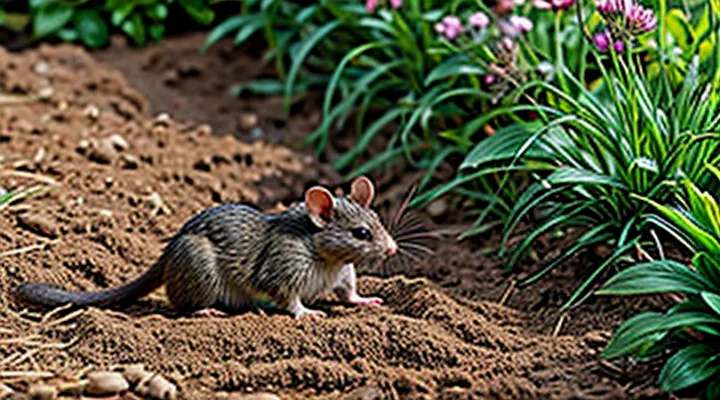
Understanding Ground Rat Burrows
Identifying Rat Burrows
Entrance and Exit Holes
Entrance and exit holes are the most visible components of ground‑rat tunnels. They provide the animals with access to the surface, ventilation, and a route for foraging. Recognizing these openings is essential for any garden management plan that aims to reduce damage.
Typical dimensions range from 2 cm to 5 cm in diameter, with a smooth, rounded rim. Holes often appear in clusters along a straight line, following the animal’s preferred travel direction. Soil around the opening may be compacted and slightly raised, indicating recent activity.
Effective control measures focus on eliminating the functional value of the holes:
- Install rigid metal or plastic mesh (minimum 1 mm gauge) over each opening, securing it with landscape staples.
- Apply a layer of coarse sand or gravel to fill the hole, then compact the surface to discourage re‑excavation.
- Use commercial rodent repellents (e.g., capsaicin‑based granules) around the perimeter of the opening, re‑applying after heavy rain.
- Deploy snap traps or live‑capture devices directly in the hole, positioning them at night when activity peaks.
- Introduce natural predators such as barn owls by installing nesting boxes nearby, reducing overall population pressure.
Regular inspection of the garden perimeter, especially after irrigation or rainfall, allows prompt detection of new entrances. Prompt sealing or treatment of each hole prevents the formation of extensive tunnel networks and minimizes plant damage.
Tunnel Diameter and Length
Ground-dwelling rodents construct tunnels that vary predictably in cross‑section and reach. The opening of a fresh tunnel typically measures between 2 cm and 5 cm in diameter, matching the animal’s body width. Older, frequently used passages may expand to 6 cm–8 cm as soil loosens and the burrow is reinforced by repeated traffic.
Length depends on soil composition, moisture, and the need for escape routes. In loamy garden soil, a single tunnel segment averages 30 cm–60 cm before branching. Networks can extend several meters, with the deepest chambers situated 40 cm–80 cm below the surface. Sandy substrates allow longer, straighter tunnels, sometimes exceeding 1 m in linear distance.
Understanding these dimensions guides effective control:
- Install physical barriers (e.g., mesh with 1 cm openings) at the estimated tunnel depth to intercept movement.
- Apply targeted bait or repellents within the 2 cm–8 cm diameter zone to ensure contact.
- Conduct regular inspections, focusing on the 30 cm–60 cm horizontal range from visible entry points, to locate and collapse active tunnels before they expand.
Accurate measurement of tunnel size and reach enables precise intervention, reducing damage to garden plants while minimizing unnecessary soil disturbance.
Presence of Runways and Droppings
Ground rats leave distinct surface tracks that appear as flattened, parallel lines of disturbed soil. These runways usually connect burrow entrances with feeding sites, water sources, or shelter. Their presence confirms active movement and indicates the extent of the colony’s foraging range.
Droppings are typically small, dark, and pellet-shaped, often found in clusters along runways, near plant foliage, and at the entrance of burrows. The concentration of feces provides a reliable measure of population density and the severity of infestation.
Effective management begins with accurate identification:
- Examine soil for continuous, shallow grooves radiating from a central mound.
- Look for fresh droppings on leaves, stems, and ground surfaces.
- Use a flashlight at dusk to reveal nocturnal activity on runways.
Control measures focus on disrupting both pathways and waste sites:
- Install physical barriers such as fine-mesh fencing or metal edging around vulnerable garden beds to block runway access.
- Apply targeted, low-toxicity baits directly into burrow openings; ensure placement along confirmed runways to maximize uptake.
- Employ habitat modification: remove dense ground cover, trim low vegetation, and keep mulch thin to reduce shelter opportunities.
- Introduce natural predators—owls, snakes, or feral cats—whose hunting patterns intersect with runway networks.
- Conduct regular sanitation: collect and dispose of droppings, then treat the area with a safe disinfectant to eliminate parasites and disease vectors.
Monitoring after intervention should focus on the disappearance of fresh runways and the reduction of droppings. Persistent tracks indicate the need for repeated treatment or a reassessment of barrier integrity.
Differentiating from Other Pests
Moles and Voles
Moles and voles are the principal agents responsible for the formation of shallow tunnels and mounds that resemble the work of ground rats in cultivated beds. Moles (Talpidae) excavate extensive networks of vertical shafts and horizontal galleries while searching for earthworms and insects. Their activity creates raised soil cones, often mistaken for rodent burrows, and can disrupt root systems. Voles (Microtus spp.) gnaw at plant stems and roots, then construct shallow surface runs that open into deeper burrows, leaving visible chew marks and small, clean entrances.
Identification hinges on distinguishing characteristics: mole mounds are typically conical, composed of loose soil, and accompanied by a network of deeper tunnels; vole runs appear as narrow, flattened pathways with visible gnawing on stems. Both pests favor moist, loamy soils and dense vegetation that provides cover and food sources.
Effective management combines cultural, physical, and chemical tactics:
- Reduce habitat suitability by keeping grass short, removing leaf litter, and limiting excess moisture through proper irrigation.
- Install underground barriers—mesh or hardware cloth—around vulnerable plantings to block tunnel penetration.
- Deploy humane traps specifically designed for moles and voles, placing them near active tunnels or runs.
- Apply targeted, low‑toxicity rodenticides or insecticidal baits in accordance with local regulations, focusing on vole entry points.
- Encourage natural predators such as birds of prey, snakes, and domestic cats by providing perches, nesting boxes, or safe access zones.
Monitoring after intervention is essential. Regular inspection of soil mounds and plant damage will reveal whether populations decline or if additional measures are required. Consistent habitat alteration combined with selective control methods minimizes the impact of these subterranean pests on garden productivity.
Gophers and Chipmunks
Ground-dwelling rodents such as gophers and chipmunks create distinctive tunnel systems that can undermine garden soil structure and damage plant roots. Gopher burrows are identified by smooth, circular mounds about 2–4 inches in diameter, often accompanied by a network of shallow tunnels that slope downhill. Chipmunk entrances appear as shallow depressions with a small mound of displaced soil and a single, short tunnel that typically ends near a food cache.
Both species feed on tender foliage, bulbs, and underground storage organs. Their activity reduces plant vigor, creates uneven ground, and facilitates weed invasion. Damage assessment should focus on the size and frequency of mounds, the direction of tunnel slopes, and the presence of fresh soil at the surface.
Effective control measures include:
- Physical barriers: Install ½‑inch hardware cloth or metal mesh around garden beds, extending at least 12 inches below ground and overlapping the surface by a few inches.
- Trapping: Use snap‑type or live‑capture traps placed directly in active tunnels; locate traps by probing soil with a screwdriver to find fresh passages.
- Habitat modification: Remove dense ground cover, mulch, and debris that provide shelter; maintain a clear perimeter of at least 3 feet around planting zones.
- Chemical deterrents: Apply granular rodent repellents containing ammonium carbonate or castor oil around burrow openings, re‑applying after heavy rain.
Monitoring should continue throughout the growing season. Regularly inspect for new mounds, reseat barriers as soil settles, and replace depleted traps. Combining physical exclusion with targeted removal offers the most reliable reduction of gopher and chipmunk activity in a garden environment.
Strategies for Combating Ground Rats
Non-Lethal Control Methods
Habitat Modification
Ground rats, such as voles and ground squirrels, create extensive tunnel systems that damage plant roots and undermine soil structure in garden beds. Their activity thrives where shelter, moisture, and food are abundant. Modifying the garden environment removes the conditions that attract these rodents and reduces the likelihood of new burrows forming.
Habitat modification focuses on three primary factors: vegetation density, ground cover, and resource availability. By altering each factor, gardeners can create an inhospitable setting for burrowing mammals.
- Trim dense groundcover, remove tumbleweeds, and prune low‑lying shrubs to eliminate hiding places.
- Replace thick mulch with coarse, well‑drained material; avoid wood chips that retain excessive moisture.
- Reduce seed heads and fallen fruit that serve as food sources; collect debris promptly after harvest.
- Install raised beds or hard‑scaped borders to separate soil zones from potential entry points.
- Ensure proper drainage to prevent waterlogged areas that attract rodents seeking shelter.
Implementing these measures systematically lowers the attractiveness of the garden to ground rats, limits the development of new tunnels, and supports long‑term plant health. Continuous monitoring and prompt adjustment of habitat conditions sustain the effectiveness of this approach.
Removing Food Sources
Ground rats locate gardens primarily by the presence of edible material left on the surface or near the soil. Eliminating these attractants interrupts the rodents’ foraging cycle and reduces the likelihood of new burrow formation.
- Promptly collect fallen fruit, vegetables, and seeds; discard them in sealed containers.
- Store compost in tightly sealed bins; avoid open piles that release scent cues.
- Remove bird feeders or position them on metal platforms with squirrel‑proof mechanisms, then clean spillage daily.
- Sweep pathways and beds after each harvest to eliminate residual plant debris.
- Keep pet food indoors or in rat‑proof containers; clean bowls after feeding.
Maintaining a clean garden removes the nutritional incentives that encourage ground rats to dig. Consistent application of these practices forms a core component of an integrated pest‑management strategy, directly limiting burrow development and safeguarding plant health.
Eliminating Shelter
Eliminating the shelter that ground rats create is the most effective way to stop their burrows from spreading in a garden. Removing cover objects such as rock piles, wood debris, and dense vegetation reduces the places where rats can hide and dig.
The soil surface should be kept firm and level. Lightly compacting the top few centimeters with a garden roller or a board eliminates loose patches that encourage tunneling. After each rain, inspect the area for new depressions and fill them promptly with soil or mulch.
Physical barriers prevent rats from entering planting zones. Install hardware cloth (minimum 1 mm mesh) around beds, securing it at least 30 cm deep to block existing tunnels. Edge the barrier with a 10‑cm high metal or plastic strip to deter climbing.
Chemical and biological controls complement habitat modification. Apply a registered rodenticide according to label directions, focusing on active burrow entrances. Encourage natural predators—owls, hawks, and snakes—by providing perches or shelter boxes.
Key actions for shelter elimination:
- Clear all ground cover that offers concealment.
- Compact and smooth soil after watering or heavy rain.
- Seal new burrow openings with soil, sand, or commercial sealant.
- Install underground mesh barriers around vulnerable plants.
- Use targeted rodenticides and promote predator presence.
Consistent implementation of these measures removes the conditions that allow ground rats to establish burrows, leading to a garden that remains free of their damage.
Repellents
Ground rats, commonly known as voles, create extensive tunnel systems that damage plant roots and destabilize soil structure. Effective repellents interrupt their activity without harming beneficial garden organisms.
Physical barriers such as hardware cloth or fine mesh placed around the base of plants prevent burrowing. The mesh must be buried at least 12 inches deep and extend outward 6 inches from the stem to block entry.
Chemical deterrents rely on scent or taste aversion. Common formulations include:
- Capsaicin‑based sprays – derived from hot peppers; create a burning sensation when voles chew foliage.
- Predator urine – extracts from foxes, coyotes, or owls; trigger fear response.
- Garlic or onion extracts – strong odor repels through olfactory irritation.
- Commercial granules – contain bitter compounds or plant‑derived oils; spread around the perimeter of garden beds.
Application guidelines:
- Apply liquid repellents early in the growing season, covering foliage and soil surface uniformly.
- Reapply after rainfall exceeding 0.5 inches or every 14 days for granular products.
- Use protective gloves and follow label instructions to avoid phytotoxicity.
Biological alternatives include encouraging natural predators. Installing raptor nesting boxes, fostering fox dens, or maintaining hedgerows creates an environment where voles face predation pressure, reducing the need for repeated chemical use.
Safety considerations:
- Verify that repellent ingredients are approved for edible crops if vegetables are present.
- Avoid excessive concentrations; high levels may damage plant tissue or contaminate soil.
- Store products in sealed containers away from children and pets.
Integrating multiple methods—physical exclusion, targeted chemical deterrents, and habitat management—provides the most reliable control of ground‑rat activity while preserving garden health.
Natural Repellents
Ground rodents create extensive tunnel networks that compromise soil structure and damage plant roots. Natural repellents offer a chemical‑free approach to discourage burrowing activity while preserving garden ecology.
Effective botanical deterrents include:
- Strong‑scented herbs – mint, rosemary, thyme, and sage release volatile oils that rodents find unpleasant. Plant these herbs along garden borders or crush fresh leaves and scatter the material near entry points.
- Citrus peels – orange, lemon, and grapefruit skins contain limonene, a compound that irritates rodent olfactory receptors. Distribute dried peels around vulnerable beds and replace them weekly to maintain potency.
- Garlic and onion extracts – dilute crushed garlic or onion in water (1 part to 10 parts) and spray the solution on soil surfaces and plant foliage. The sulfurous vapors act as a repellent without harming beneficial insects.
Predator‑derived cues also suppress digging behavior:
- Mink or fox urine – commercially available predator urine applied to the perimeter creates a perceived threat. Reapply after rain or irrigation.
- Bird of prey decoys – stationary models of owls or hawks placed near burrow clusters deter rodents by simulating aerial danger. Rotate positions regularly to prevent habituation.
Physical modifications complement chemical deterrents:
- Mesh or hardware cloth – bury a 1‑inch‑wide strip of galvanized mesh 6‑8 inches below the soil surface around plant rows. The barrier prevents rodents from accessing root zones while allowing water and air flow.
- Mulch with coarse texture – pine bark, crushed stone, or shredded coconut husk create an uneven surface that hampers tunnel construction. Apply a 2‑inch layer and replenish as it decomposes.
Implementation guidelines:
- Identify active tunnel entrances by observing fresh soil mounds and fresh droppings.
- Install mesh barriers before planting to secure root zones.
- Apply botanical repellents after planting, maintaining a weekly refresh cycle.
- Position predator cues at intervals of 3‑4 feet along the garden edge, reapplying after heavy rain.
- Monitor rodent activity for two weeks; adjust repellent density or combine methods if burrowing persists.
Integrating these natural repellents reduces tunnel formation, protects plant health, and maintains a balanced garden ecosystem without resorting to synthetic chemicals.
Commercial Repellents
Ground rats create extensive tunnel networks that undermine soil structure, damage plant roots, and increase susceptibility to weeds. Effective management often incorporates commercially available repellents, which provide a rapid, targeted response without extensive labor.
Commercial repellents fall into several categories. Chemical formulations typically contain capsaicin, piperine, or ammonium bicarbonate, delivering an unpleasant taste or odor that deters rodents. Ultrasonic devices emit high‑frequency sound waves that interfere with rodent hearing. Predator‑based products use synthetic urine or glandular secretions from natural enemies, such as foxes, to trigger avoidance behavior. Each type operates through a distinct sensory pathway, allowing growers to choose the most suitable option for their garden conditions.
Performance depends on active ingredient concentration, coverage area, and reapplication schedule. Chemical sprays require thorough coating of burrow entrances and surrounding soil; effectiveness wanes after rainfall or irrigation, demanding re‑treatment every 3–5 days during peak activity. Ultrasonic units function continuously but lose potency if obstacles block signal propagation; placement at regular intervals (approximately 15 feet apart) maximizes coverage. Predator‑based products maintain deterrent effect for 2–3 weeks, after which fresh application restores efficacy.
Selection criteria prioritize plant safety, non‑target species protection, and environmental compliance. Products labeled “garden‑safe” avoid phytotoxicity, while formulations free of rodenticides reduce risk to pets and wildlife. Certifications such as EPA‑approved or organic‑certified provide additional assurance of minimal ecological impact.
Implementation guidelines recommend a layered approach. Begin with a perimeter treatment using chemical repellent to block entry points, followed by spot‑application at active burrow mouths. Deploy ultrasonic units along garden edges to reinforce the barrier. Supplement with predator‑based sprays around high‑risk zones, especially where burrows intersect vegetable rows. Record observations of rodent activity, adjust dosage based on weather conditions, and rotate product classes to prevent habituation.
Limitations include short‑term effectiveness of sensory repellents, potential resistance development, and the need for consistent monitoring. Combining commercial repellents with cultural practices—such as removing debris, maintaining clean soil, and encouraging natural predators—enhances overall control and reduces reliance on repeated chemical interventions.
Lethal Control Methods
Trapping
Trapping provides a direct means of reducing ground rat populations that create extensive burrow networks in garden beds. Effective implementation relies on selecting appropriate devices, positioning them strategically, and maintaining regular checks.
-
Trap types:
- Live‑capture cages with spring‑loaded doors allow removal and relocation of captured rodents.
- Snap traps made of hardened steel deliver instantaneous kill, minimizing suffering.
- Glue boards, placed inside burrow entrances, immobilize individuals that attempt to pass.
-
Bait selection: Use high‑energy foods such as peanut butter, sunflower seeds, or dried fruit. Apply a pea‑sized amount to the trigger mechanism to ensure rapid activation.
-
Placement strategy: Identify active tunnels by observing fresh soil mounds and fresh droppings. Insert traps at right angles to the tunnel, with the trigger end facing the burrow opening. For snap traps, position the kill plate perpendicular to the tunnel floor to align with the rodent’s natural path.
-
Maintenance routine: Inspect traps daily. Remove dead or captured animals promptly to prevent odor buildup, which can deter further activity. Reset trigger mechanisms after each capture and replace bait as it loses potency.
-
Safety considerations: Wear thick gloves when handling traps to avoid accidental injury. Keep traps out of reach of children and non‑target wildlife by situating them within fenced sections or using protective covers.
When deployed consistently, trapping can interrupt breeding cycles, reduce tunnel stability, and complement other control measures such as habitat modification and predator encouragement. Regular monitoring of trap success rates informs adjustments in bait type, trap density, and placement, ensuring sustained management of ground rat incursions in the garden.
Snap Traps
Snap traps provide a direct, mechanical solution for controlling ground‑rat populations that create extensive tunnel networks in garden soil. The devices deliver an instantaneous, lethal strike, eliminating individual rodents that have been observed near entry points or fresh excavation sites.
Effective deployment requires attention to placement, bait selection, and trap maintenance:
- Position traps at the mouth of active burrows, along established runways, and near vegetable rows where damage is evident. Align the trigger mechanism with the expected direction of approach.
- Use fresh, high‑protein bait such as peanut butter, dried meat, or sunflower seeds. Secure the bait to the trigger arm to ensure consistent activation.
- Reset traps after each capture or after a missed strike. Inspect for wear on the spring and replace any compromised components to preserve killing power.
- Rotate trap locations weekly to prevent rats from learning avoidance patterns and to cover newly opened tunnels.
Safety considerations include situating traps out of reach of children and pets, wearing thick gloves when handling the spring mechanism, and storing unused traps in a locked container. Regular monitoring of trap performance allows rapid identification of population hotspots, enabling targeted escalation of control measures before burrow systems expand further.
Integrating snap traps with complementary tactics—such as habitat modification, removal of excess vegetation, and proper waste management—creates a comprehensive management plan that reduces the likelihood of re‑infestation and protects garden productivity.
Live Traps
Live traps provide a humane method for removing ground rats that create tunnel systems in garden beds. By capturing individuals alive, traps prevent further soil disturbance and protect nearby plantings without resorting to poisons.
Effective live traps share several characteristics:
- Sturdy construction that withstands gnawing.
- Secure latch mechanism that closes quickly when triggered.
- Sufficient interior space for a rat to enter and remain comfortable.
Placement and operation determine success. Position traps along active runways identified by fresh soil mounds, fresh droppings, or gnawed vegetation. Bait traps with high‑protein foods such as peanut butter, cooked egg, or small pieces of meat. Check traps at least twice daily; release captured rats at least one mile from the garden to discourage immediate return.
Maintenance ensures reliability. Clean traps after each capture to remove scent trails that could deter further activity. Inspect latch components for wear and replace damaged parts promptly. Rotate trap locations periodically to target different sections of the tunnel network.
Integrating live traps with complementary measures—soil compaction, vegetation management, and exclusion fencing—creates a comprehensive strategy for controlling ground rat burrows while preserving garden health.
Placement Strategies
Ground rats establish tunnels close to the garden perimeter, where soil is loose and vegetation provides cover. Proper placement of deterrents and structural elements can interrupt this pattern and reduce the likelihood of new burrows forming.
- Install raised beds with a minimum height of 30 cm; the elevated soil deters rats from entering directly and forces them to seek lower‑level routes.
- Position solid, buried edging (metal or PVC) at least 15 cm deep around vegetable rows; the barrier prevents rats from slipping under plant stems.
- Place dense, woody mulch (e.g., bark chips) at a depth of 5–10 cm near vulnerable crops; the coarse texture discourages rats from digging.
- Locate predator‑friendly habitats—such as hedgehog houses or owl nesting boxes—away from food sources but within the garden’s boundary; proximity encourages natural predation while keeping rats from concentrating in a single area.
- Deploy motion‑activated sprinklers at identified entry points; the sudden water burst interrupts burrowing activity and conditions the rats to avoid those zones.
Strategic spacing of these elements matters. Keep at least 1 m between raised beds and any existing burrow openings to prevent rats from using the bed edges as shortcuts. Align edging segments in continuous loops, eliminating gaps larger than 5 cm where rats could slip through. Position mulch piles at least 50 cm from the base of each plant, reducing the chance that rats will use them as launch pads for digging.
Consistent placement of barriers, elevated growing areas, and deterrent devices creates a layered defense that limits access, discourages tunnel expansion, and protects garden produce from ground rat damage.
Baits and Poisons
Baits and poisons provide a direct means of reducing ground‑rat populations that create extensive burrow networks in garden soils. Effective control relies on selecting appropriate toxicants, applying them correctly, and observing safety protocols to protect non‑target organisms and humans.
Commonly used baits include:
- Zinc phosphide blocks, activated by stomach acid to release phosphine gas; suitable for underground placement near active tunnels.
- Anticoagulant pellets (e.g., brodifacoum, difenacoum); effective when dispersed on the surface and ingested during foraging.
- Strychnine-coated grains; fast‑acting, but restricted in many regions due to high toxicity.
Poison formulations differ in mode of action:
- Acute toxins (strychnine) cause rapid respiratory failure, useful for immediate reduction but require careful containment.
- Chronic anticoagulants interfere with blood clotting, leading to death after several days; they allow secondary consumption by predators, contributing to ecosystem control.
- Phosphide compounds generate lethal gas internally, minimizing environmental residues.
Application guidelines:
- Identify active burrow entrances and concentrate bait within 30 cm of these points.
- Secure bait in tamper‑resistant containers or mesh cages to prevent access by pets and wildlife.
- Deploy bait in the early morning or late evening when target rodents are most active.
- Record placement locations, monitor signs of consumption, and re‑apply as needed after two weeks.
Safety measures:
- Wear gloves and protective clothing during handling.
- Store toxicants in locked, clearly labeled containers away from food sources.
- Notify household members and neighbors of ongoing rodent control activities.
Integrating baits and poisons with habitat modification—such as reducing ground cover and eliminating food sources—enhances overall effectiveness and limits reinfestation.
Types of Baits
Effective control of ground‑rat burrows begins with selecting the appropriate bait. The choice depends on species behavior, target area size, and safety considerations for non‑target organisms.
- Edible attractants – high‑protein seeds (sunflower, millet), root vegetables (carrots, potatoes), and legumes (peas, beans). These items stimulate foraging and increase encounter rates with bait stations.
- Rodenticides – anticoagulant pellets (warfarin, bromadiolone) and acute toxins (zinc phosphide). Formulated for ingestion, they provide rapid mortality but require strict placement to avoid accidental exposure of pets or wildlife.
- Live‑capture lures – baited snap‑traps or cage traps loaded with soft foods such as peanut butter or canned fish. Suitable for small infestations where removal rather than eradication is preferred.
- Natural deterrents – predator urine or feces applied to burrow entrances. While not lethal, they discourage re‑occupation and can complement lethal methods.
- Granular bait mixes – slow‑release formulations combining attractants with low‑dose toxins. Designed for broadcast over larger garden sections, they maintain efficacy for several weeks.
Placement strategy influences success. Position bait 5–10 cm below soil surface near active tunnels, replenish every 3–4 days during peak activity (early spring to late summer), and monitor for signs of consumption. Use tamper‑proof containers when deploying toxic baits to minimize risk to children and domestic animals. Combining multiple bait types, aligned with precise timing and secure deployment, maximizes reduction of ground‑rat activity in cultivated spaces.
Safety Precautions
Ground rats create extensive tunnel systems that can collapse soil, expose roots, and harbor pathogens. Handling these infestations demands strict safety measures to protect gardeners, pets, and the surrounding environment.
- Wear thick gardening gloves, long sleeves, and sturdy boots to prevent bites and contact with contaminated soil.
- Use a disposable respirator or N‑95 mask when digging or applying chemical treatments to avoid inhaling dust, rodent droppings, or fumes.
- Keep children and domestic animals away from the work area until the site is cleared and any applied substances have dried or been rinsed.
- Select tools with insulated handles; avoid using broken or rusted equipment that could cause injury.
- When applying rodenticides or repellents, follow label instructions precisely, measure doses accurately, and store products out of reach of non‑target species.
- Dispose of removed burrow material in sealed bags; place bags in a locked trash container to prevent re‑infestation or disease spread.
After removal, inspect the garden for remaining tunnels, seal entry points with soil or mulch, and monitor the area regularly. Maintaining a clean, debris‑free environment reduces the likelihood of new burrow formation and minimizes health risks.
Post-Extermination Measures
Preventing Reinfestation
Sealing Entry Points
Sealing entry points eliminates the most accessible pathways for ground rats to invade a garden. Identify all openings where soil meets structures, such as the base of raised beds, the underside of decking, and gaps around irrigation pipes. Close each aperture before rats can enlarge it into a functional tunnel.
- Inspect the garden perimeter weekly; look for cracks wider than ¼ inch.
- Apply a durable, weather‑resistant sealant or concrete patch to fill cracks and holes.
- Install metal flashing or hardware cloth (minimum ¼‑inch mesh) around the base of garden beds and under decks.
- Wrap exposed pipe sections with rigid conduit or embed them in a cement collar.
- Compact soil around sealed areas to prevent rats from re‑excavating.
Regular maintenance of these barriers sustains a hostile environment for burrowing rodents, reducing the likelihood of new tunnels forming.
Regular Garden Maintenance
Regular garden upkeep reduces the likelihood of subterranean rodent tunnels by removing shelter and food sources. Timely removal of fallen fruit, vegetable debris, and seed heads eliminates attractants that encourage burrowing activity.
Effective maintenance actions include:
- Weekly inspection of soil surfaces for fresh mounds or entry holes.
- Prompt filling of identified openings with compacted soil or mulch.
- Trimming of dense groundcover to expose hidden entrances.
- Routine clearing of weeds and grass clippings that conceal burrow sites.
- Proper storage of compost and feed in sealed containers.
Consistent application of these practices keeps the garden environment hostile to ground-dwelling rodents, preventing tunnel formation and protecting plant health.
Garden Restoration
Repairing Damage
Assess the affected area immediately after detecting a burrow network. Remove loose soil, roots, and any debris that could undermine the repair. Ensure the surrounding soil is firm enough to support subsequent filling material.
- Choose a fill that matches the existing soil texture; a blend of garden soil and sand provides adequate drainage and compaction.
- Pack the fill in layers of 2–3 cm, tamping each layer with a hand tamper or a flat board to eliminate air pockets.
- Add a layer of coarse compost or well‑rotted manure on top of the packed fill to improve nutrient content and encourage rapid vegetation establishment.
- Apply a 5 cm thick mulch blanket to protect the repaired surface from erosion and to suppress future excavation by rodents.
After the fill has settled, reseed or transplant groundcover species that spread quickly, such as creeping thyme, clover, or low‑growing sedum. These plants create a dense mat that discourages rodents from re‑digging and restores the visual continuity of the garden bed.
Monitor the repaired sections weekly for the first month. If new openings appear, repeat the filling and mulching process promptly to prevent larger gaps and maintain structural integrity. Regular inspection combined with immediate repair limits long‑term damage and preserves the garden’s appearance.
Soil Treatment
Soil treatment is essential for reducing ground rat burrow activity and protecting garden plants. Proper preparation of the substrate creates an environment that discourages excavation and limits food sources.
- Apply a thick layer of coarse mulch (e.g., wood chips, straw) to the surface; the material obstructs burrow entrances and hampers digging.
- Incorporate organic matter such as compost or well‑rotted manure to improve texture; dense, friable soil resists tunneling.
- Use gypsum or lime to raise soil pH when necessary; alkaline conditions decrease the attractiveness of the area for rodents.
- Perform deep tillage before planting; turning the soil to a depth of 30–40 cm disrupts existing tunnels and exposes hidden nests.
- Introduce natural deterrents like dried chili powder or powdered garlic; sprinkling these substances along the perimeter creates an olfactory barrier.
- Install a subsurface mesh (hardware cloth, 1 mm gauge) beneath planting beds; the barrier prevents rats from burrowing into the root zone.
Regular monitoring of soil moisture helps maintain optimal conditions. Over‑watering creates soft ground that facilitates digging, while consistent, moderate irrigation keeps the substrate firm. Periodic soil testing ensures nutrient balance and confirms that pH adjustments remain within target ranges.
Combining these treatments with vigilant garden hygiene—removing fallen fruit, clearing debris, and storing feed in sealed containers—provides a comprehensive strategy that limits ground rat burrow formation and safeguards plant health.