
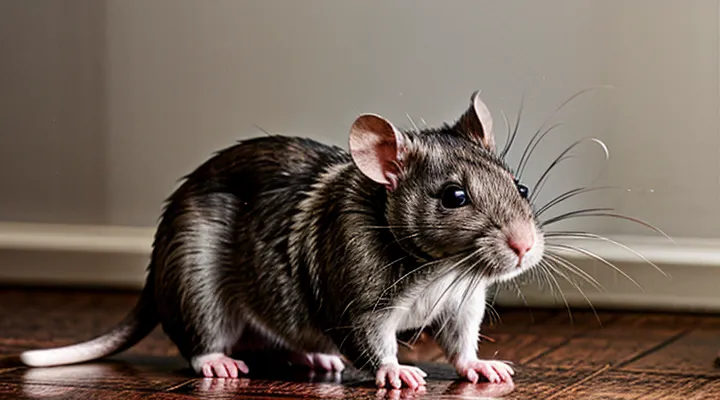
Understanding Domestic Rats
What are Domestic Rats?
Differentiating from Wild Rats
Domestic rats, commonly kept as pets, differ from their wild counterparts in morphology, behavior, health, and environmental needs.
Physical characteristics provide the first clear distinction. Domestic rats typically exhibit a broader head, larger ears, and a more robust body shape than wild rats, whose skulls are narrower and limbs more slender. Coat colors in pet rats range from solid black to agouti, while wild rats display uniform brown or gray pelage adapted for camouflage.
Behavioral traits also separate the two groups. Pet rats are accustomed to human interaction, display reduced aggression, and readily accept handling. Wild rats retain strong wariness of humans, rely on nocturnal foraging, and display heightened territoriality.
Health considerations reflect divergent living conditions. Domestic rats receive regular veterinary care, balanced nutrition, and controlled environments, resulting in lower parasite loads and fewer respiratory infections. Wild rats face constant exposure to parasites, pathogens, and environmental stressors, leading to higher morbidity rates.
Key differences can be summarized:
- Diet: Pet rats consume formulated pellets, fresh vegetables, and occasional protein treats; wild rats scavenge on waste, grains, and insects.
- Lifespan: Domestic rats live 2–3 years on average; wild rats often survive less than a year due to predation and disease.
- Reproduction: Both species breed rapidly, but pet rats are usually managed through controlled breeding programs, whereas wild populations experience unchecked cycles.
- Social structure: Domestic rats form small, stable groups within cages; wild rats establish large colonies with complex hierarchies.
Understanding these contrasts informs proper care, prevents misidentification, and supports responsible ownership of pet rats.
Common Breeds and Varieties
Domestic rats kept as pets fall into several well‑defined breeds, each recognized for distinct coat colors, patterns, and body types. Breeders and owners rely on these classifications to select animals that match aesthetic preferences and temperament expectations.
- Standard (or Fancy) Rat – Baseline phenotype with smooth, short hair; colors include black, brown, white, and agouti; body structure balanced for agility and health.
- Dumbo Rat – Characterized by oversized, low‑set ears that fold forward; coat may be smooth or rex; temperament noted for calm demeanor.
- Hairless (or Bald) Rat – Lacks fur, exposing pink skin; requires specialized care to prevent temperature loss and skin irritation; colors appear as pink, albino, or pigmented.
- Rex Rat – Possesses a curly, plush coat resulting from a recessive gene; common colors mirror those of the Standard breed; grooming demands are minimal due to texture.
- Satin Rat – Exhibits a glossy, satin‑like sheen on the fur; coat length remains short; color palette includes classic shades and rare dilutes.
- Marten Coat Rat – Features a longer, wavy coat resembling that of a marten; requires regular brushing to avoid matting; colors follow the Standard range.
- Manx Rat – Displays a naturally short tail, sometimes absent; tail length varies from stubby to missing; overall appearance similar to Standard rats.
- Himalayan Rat – Shows a white body with darker points on ears, nose, and tail; pattern results from temperature‑sensitive pigment genes; health comparable to Standard rats.
Each breed retains the species’ fundamental traits—high intelligence, social nature, and adaptability—while offering visual diversity that satisfies a wide array of hobbyist preferences.
The History of Pet Rats
Domestication Timeline
Domestication of rats spans several millennia, progressing from utilitarian roles to companionship. Early evidence places wild brown rats (Rattus norvegicus) in human settlements of the Fertile Crescent around 5,000 BCE, where they scavenged grain stores. By the 2nd millennium BCE, Egyptian tomb reliefs depict rats among domestic animals, indicating recognition of their presence in households.
In the 19th century, European naturalists began capturing wild specimens for scientific study, establishing the first breeding colonies. The 1850s saw the emergence of rat fanciers in England who selectively bred for temperament, producing the first true pet rats. The following decades introduced systematic breeding programs:
- 1888 – Introduction of the “Fancy” rat in the United Kingdom, emphasizing docile behavior.
- 1910 – Formation of the first rat‑keeping societies in the United States, standardizing care guidelines.
- 1930s – Development of the albino strain, facilitating genetic research and popularizing the animal as a laboratory model.
- 1950s – Expansion of commercial breeders, providing a steady supply of consistently bred pet rats.
- 1970s – Recognition of the “domestic rat” (Rattus norvegicus domestica) as a distinct lineage, with traits such as reduced aggression and enhanced sociability.
- 1990s – Growth of internet communities, accelerating the exchange of breeding information and health protocols.
- 2000s – Integration of rat ownership into mainstream pet culture, supported by veterinary specialization and comprehensive care resources.
Today, domesticated rats are bred for a range of characteristics—coat color, size, and temperament—while maintaining a genetic foundation distinct from their wild ancestors. The timeline reflects a transition from incidental cohabitation to deliberate breeding, resulting in a species widely accepted as a suitable companion animal.
Rats in Culture and Society
Rats have appeared in human storytelling for millennia, often embodying moral lessons or cultural anxieties. Ancient Egyptian murals depict rats as agricultural pests, while Hindu texts describe the deity Ganesha’s vehicle as a mouse, reflecting reverence for the animal’s agility. In classical literature, Aesop’s fable “The Rat and the Elephant” uses the rodent to illustrate cleverness, and medieval European bestiaries categorize rats among creatures of disease.
In visual arts, rats serve as symbols of urban decay and resilience. 19th‑century painters such as Jean-François Millet included them in rural scenes to highlight hardship, whereas contemporary street artists employ rat imagery to comment on gentrification. Film and television frequently cast rats as protagonists or antagonists, exemplified by “Ratatouille,” which portrays a rat as a culinary talent, and “The Secret of NIMH,” where the animal represents intelligence and survival.
Societal attitudes toward rats vary across regions:
- In many Asian countries, domestic rats are kept as pets, valued for their sociability and low maintenance.
- In Western urban environments, public health policies often label rats as vectors of disease, prompting eradication programs and building codes designed to limit access to food sources.
- Indigenous cultures sometimes consider rats sacred, integrating them into rituals that honor fertility and abundance.
Legal frameworks reflect these divergent views. Some municipalities enforce strict trapping and extermination ordinances, while others permit licensed breeding for research or pet ownership. Academic institutions rely on laboratory rats for biomedical studies, acknowledging the species’ genetic similarity to humans and its contribution to vaccine development.
Economic impact is measurable. Pest control industries generate substantial revenue through monitoring, baiting, and sanitation services. Conversely, the pet market benefits from breeding, accessories, and veterinary care tailored to domesticated rats, supporting niche businesses and specialty retailers.
Overall, rats occupy a complex position in human culture, simultaneously inspiring artistic expression, informing scientific progress, and influencing public policy. Their representation across media, tradition, and legislation underscores the animal’s enduring relevance to societies worldwide.
Care and Keeping of Domestic Rats
Housing Your Pet Rat
Cage Requirements
A proper cage provides safety, stimulation, and hygiene for a pet rat. Size, material, ventilation, and accessories determine the animal’s wellbeing and prevent health problems.
- Minimum floor space: 2 sq ft per rat; for a pair, at least 4 sq ft. Larger enclosures reduce stress.
- Height: 12–18 in to accommodate climbing and nesting platforms.
- Bar spacing: ½ in (12 mm) or less to prevent escape and injury.
- Material: Powder‑coated steel or stainless steel for durability; avoid painted wood that may chip.
- Floor: Solid base covered with absorbent bedding; wire floors are unsuitable.
- Ventilation: Open sides or mesh panels ensure airflow while maintaining security.
- Escape prevention: Secure latch mechanisms; check for gaps around doors and corners.
- Enrichment: Multiple levels, tunnels, chew toys, and hideouts to satisfy natural behaviors.
- Cleaning: Removable trays or liners simplify waste removal; design should allow daily spot cleaning and weekly deep cleaning.
Adequate lighting mimics a natural day‑night cycle; a 12‑hour light period is sufficient. Temperature should remain between 65 °F and 75 °F (18 °C–24 °C) with no drafts. Regular inspection of bars, locks, and accessories ensures ongoing safety.
Bedding and Substrate
Bedding provides insulation, moisture absorption, and a comfortable surface for rats to nest and explore. The material must be safe, low‑dust, and easy to replace.
- Paper‑based products (e.g., shredded paper, paper pellets). High absorbency, minimal dust, biodegradable. Suitable for most owners; replace weekly to prevent odor buildup.
- Aspen shavings. Low in aromatic oils, moderate dust, reusable after thorough cleaning. Requires regular rotation to avoid mold.
- Coconut fiber (coir). Excellent moisture control, natural scent, high fiber content. Can become compacted; fluff regularly to maintain aeration.
- Hemp bedding. Strong absorbency, low dust, renewable source. Slightly pricier; works well for larger colonies.
- Avoid cedar or pine shavings. Aromatic compounds can irritate respiratory passages and damage nasal tissue.
Substrate selection influences hygiene and health. Choose a material that balances absorbency with ease of cleaning. Replace the entire substrate at least once every two weeks, or more frequently if the enclosure houses multiple rats. Spot‑clean daily by removing soiled nests and droppings to reduce bacterial growth.
When setting up a new cage, lay a base layer of 1–2 cm of chosen bedding. Add a nesting corner with a soft, untreated fabric or a small nest box to encourage natural behavior. Monitor the enclosure for excessive odor, clumping, or visible mold; replace the substrate immediately if any of these signs appear.
Cage Accessories and Enrichment
A well‑equipped cage supports the physical health, mental stimulation, and natural behaviors of domestic rats. Selecting durable, easy‑to‑clean components reduces the risk of disease and simplifies routine maintenance.
Essential accessories include:
- Solid floor platform or mesh base with a removable tray for waste collection.
- Secure lid with latch to prevent escapes.
- Nesting material such as shredded paper or cotton fibers placed in a corner box.
- Water bottle with a stainless‑steel spout, calibrated to deliver a steady flow without leakage.
- Food dish made of ceramic or stainless steel to avoid rust and contamination.
Enrichment items encourage exploration and problem‑solving:
- Chew blocks crafted from untreated wood or mineral paste satisfy the rodents’ gnawing instinct and protect cage structures.
- Climbing ladders, tunnels, and angled ramps create vertical space, promoting agility and muscle development.
- Hideaways constructed from natural fibers or plastic provide shelter and reduce stress.
- Puzzle feeders that dispense treats when manipulated stimulate foraging behavior and cognitive function.
Routine care practices sustain a safe environment. Clean the waste tray daily, replace bedding weekly, and sterilize food dishes and water bottles with mild detergent followed by thorough rinsing. Inspect all accessories for wear; replace cracked chew blocks, frayed cables, or rusted metal parts immediately.
Safety considerations focus on material selection and placement. Avoid plastic items that can splinter, and ensure that all metal components are coated to prevent sharp edges. Position ladders and tunnels away from the cage’s opening to eliminate accidental falls.
A balanced combination of functional hardware and stimulating enrichment creates a habitat where domestic rats can thrive, exhibit natural behaviors, and remain healthy throughout their lifespan.
Nutrition for Domestic Rats
Recommended Diet
A balanced diet is essential for the health and longevity of pet rats. Commercially formulated rat blocks or pellets should form the core of each daily offering; they provide calibrated levels of protein, fat, fiber, vitamins, and minerals required for growth, reproduction, and immune function. Fresh water must be available at all times, preferably in a sipper bottle to prevent contamination.
Supplementary foods enrich variety and encourage natural foraging behavior. Acceptable items include:
- Fresh vegetables: carrots, broccoli, kale, spinach, bell peppers (wash thoroughly, remove any wilted parts).
- Fresh fruits: apple slices (core removed), banana, berries (offer in small quantities due to sugar content).
- Protein sources: cooked chicken breast, hard‑boiled egg, mealworms (limit to occasional treats).
- Whole grains: cooked oatmeal, whole‑grain rice, barley (ensure they are plain and unsalted).
Foods to avoid entirely are toxic or hazardous: chocolate, caffeine, alcohol, raw beans, avocado, onion, garlic, citrus peels, and any processed snacks containing artificial sweeteners or high salt levels. Seeds and nuts are high in fat; they may be given sparingly to prevent obesity.
Portion control is critical. A typical adult rat consumes approximately 15–20 g of dry pellets daily, supplemented by 2–3 g of fresh produce and 1–2 g of protein treats. Juvenile rats require slightly higher protein percentages, achieved by selecting pellets labeled for “growth” or “breeding” and increasing the proportion of lean meat or boiled egg.
Feeding schedule should be consistent. Offer fresh food each morning, remove uneaten perishables after 12 hours to prevent spoilage, and replenish pellets as needed. Regular monitoring of body condition and coat quality will indicate whether dietary adjustments are necessary.
Foods to Avoid
Domestic rats require a diet that excludes several common human foods because those items can cause acute toxicity, digestive upset, or long‑term health problems.
- Citrus fruits and juices – high acidity irritates the gastrointestinal tract and may lead to ulceration.
- Chocolate and cocoa products – contain theobromine, which rats metabolize poorly, resulting in cardiac arrhythmia and seizures.
- Caffeinated beverages – caffeine stimulates the central nervous system excessively, causing hyperactivity, tremors, and potential fatal overdose.
- Alcohol – depresses respiratory function and impairs coordination; even small amounts can be lethal.
- Raw or undercooked beans (especially kidney beans) – contain phytohaemagglutinin, a toxin that induces vomiting and diarrhea.
- High‑fat processed snacks (chips, crackers, fried foods) – promote obesity, hepatic lipidosis, and pancreatitis.
- Salty foods – excess sodium leads to electrolyte imbalance, dehydration, and kidney strain.
- Dairy products – most rats lack sufficient lactase; ingestion causes severe diarrhea and malnutrition.
- Artificial sweeteners (xylitol, sucralose) – can cause hypoglycemia and gastrointestinal distress.
- Onions, garlic, and related alliums – contain thiosulfates that damage red blood cells, resulting in hemolytic anemia.
Avoiding these items helps maintain optimal weight, organ function, and overall longevity in pet rats.
Supplements and Treats
Domestic rats require a balanced diet supplemented with nutrients that cannot be consistently provided by standard rodent pellets. High‑quality protein sources, such as cooked egg white or lean meat, supply essential amino acids for growth and tissue repair. Calcium‑rich treats—including small pieces of low‑fat cheese, plain yogurt, or fortified mineral blocks—support dental health and bone development, but should not exceed 10 % of daily intake to prevent hypercalcemia.
Vitamins A, D, and E are fat‑soluble and vulnerable to degradation in store‑bought feed. A few drops of a rodent‑specific multivitamin oil, administered once or twice weekly, restore adequate levels without risking toxicity. Water‑soluble B‑complex supplements, available in powdered form, dissolve readily in fresh water; a concentration of 1 g per 4 L ensures sufficient intake for energy metabolism.
Treats that double as enrichment enhance mental stimulation while providing nutritional benefits. Fresh vegetables—such as broccoli florets, carrot shavings, or spinach leaves—offer fiber, antioxidants, and micronutrients. Fruits, limited to small portions of apple, blueberry, or banana, deliver natural sugars for occasional reward. Insects, like dried mealworms or crickets, supply chitin and additional protein, but should be offered sparingly due to high fat content.
Safety considerations include:
- Verify that all supplements are labeled for rodents; human supplements may contain additives harmful to rats.
- Introduce new items gradually, monitoring for digestive upset or allergic reactions.
- Store treats in airtight containers at refrigeration temperature to prevent mold growth.
- Avoid sugary, salty, or processed foods, which can cause obesity, renal strain, and dental disease.
Regular veterinary check‑ups provide baseline blood work to detect deficiencies early. Adjust supplement regimens based on age, reproductive status, and health conditions, ensuring each rat receives nutrients tailored to its physiological needs without exceeding recommended limits.
Health and Wellness
Common Health Issues
Domestic rats commonly encounter several health conditions that require prompt recognition and treatment. Veterinarians identify the following issues as most prevalent:
- Respiratory infections – Bacterial agents such as Streptococcus and Klebsiella cause nasal discharge, sneezing, and labored breathing. Early antibiotic therapy reduces mortality.
- Dental disease – Continuously growing incisors may become overgrown or misaligned, leading to malocclusion, weight loss, and difficulty eating. Regular dental examinations and provision of chewable materials prevent progression.
- Gastrointestinal problems – Diarrhea, constipation, and gastric stasis often stem from dietary imbalances, stress, or parasitic infection. Adjusting fiber content and administering appropriate anthelmintics restore normal function.
- Skin disorders – Dermatitis, fungal infections, and ectoparasite infestations appear as hair loss, crusting, or itching. Topical antifungals and systematic ectoparasite control eliminate the cause.
- Tumors – Mammary adenomas and pituitary adenomas are frequent in older females. Surgical removal or hormonal therapy extends lifespan when detected early.
- Metabolic diseases – Diabetes mellitus and renal insufficiency manifest through polyuria, polydipsia, and lethargy. Blood glucose monitoring and renal-supportive diets manage these conditions.
Preventive care includes routine health checks, balanced nutrition, clean housing, and vaccination where available. Early detection through observation of appetite, coat condition, and behavior enables timely veterinary intervention and improves outcomes.
Recognizing Illness
Domestic rats often conceal health problems until conditions become severe. Regular observation of behavior, appearance, and physiological functions provides the most reliable early warning system.
Typical indicators of illness include:
- Reduced activity or reluctance to explore
- Loss of appetite or decreased water intake
- Unexplained weight loss or failure to gain weight
- Abnormal posture, such as hunching or dragging limbs
- Respiratory sounds like wheezing, sneezing, or labored breathing
- Nasal or ocular discharge, especially if thick or colored
- Diarrhea, abnormal stool consistency, or blood in feces
- Excessive grooming or hair loss in localized areas
- Changes in coat condition, such as dullness or clumping
Common conditions that present with these signs are respiratory infections (e.g., Mycoplasma pulmonis), gastrointestinal disturbances (e.g., dysbiosis, parasites), skin disorders (e.g., fungal infections, mites), and systemic diseases such as lymphoma. Each disease exhibits a distinct pattern of symptoms; for instance, respiratory infections often begin with sneezing and nasal discharge, while gastrointestinal issues manifest as altered stool and reduced food intake.
When any of the listed signs appear, immediate veterinary evaluation is essential. A qualified exotic animal practitioner can perform diagnostic tests, including radiographs, blood work, and fecal examinations, to identify the underlying cause. Prompt treatment—antibiotics for bacterial infections, antiparasitics for parasites, or supportive care for metabolic disorders—improves prognosis and reduces the risk of complications.
Consistent cage hygiene, balanced nutrition, and environmental enrichment minimize disease incidence. Monitoring the rat’s daily routine and recording deviations creates a reference point for early detection, ensuring timely medical intervention and sustained wellbeing.
Veterinary Care
Domestic rats require regular veterinary attention to maintain health and prevent disease. A qualified exotic‑animal veterinarian should perform a thorough physical examination at least once a year, with additional visits when symptoms arise.
Preventive care includes:
- Routine weight monitoring; adult rats typically weigh 200–300 g.
- Dental checks; incisors grow continuously and must be worn down by appropriate chewing material.
- Parasite control; external fleas and internal mites are uncommon but can be treated with approved products.
- Vaccination is generally unnecessary; focus remains on hygiene and early detection of illness.
Common health concerns:
- Respiratory infections caused by Mycoplasma pulmonis or viral agents; present with sneezing, nasal discharge, or labored breathing.
- Skin lesions from bites, burns, or ulcerative dermatitis; require cleaning, topical antibiotics, and environmental modification.
- Gastrointestinal disturbances such as diarrhea or constipation; indicate dietary imbalance, dehydration, or obstruction.
- Tumors, especially mammary adenomas in females; early surgical removal improves prognosis.
Nutrition supports veterinary care. Provide a balanced diet of high‑quality rodent pellets, fresh vegetables, and limited fruit. Avoid sugary treats that predispose to obesity and dental overgrowth.
Environmental management reduces veterinary burden. Maintain cage temperature between 18–24 °C, ensure adequate ventilation, and replace bedding weekly to limit ammonia buildup.
Recognize emergency signs:
- Sudden lethargy or collapse.
- Uncontrolled bleeding.
- Severe abdominal swelling.
- Inability to eat or drink for more than 12 hours.
In emergencies, contact an exotic‑animal clinic immediately; delay can result in irreversible damage.
Medication administration must follow veterinary prescription. Use rat‑appropriate dosages; human or rodent‑general products often cause toxicity. Record all treatments in a health log for future reference.
Overall, systematic veterinary oversight, combined with proper husbandry and prompt response to illness, ensures the longest, healthiest lifespan for pet rats.
Preventative Measures
Effective preventative measures protect domestic rats from disease, stress, and accidental injury. Maintaining a clean habitat is essential. Remove waste daily, replace bedding weekly, and disinfect cages with a mild, non‑toxic solution. Ensure that food bowls are washed after each feeding and that fresh water is supplied in a sealed container to prevent contamination.
Control exposure to pathogens by limiting contact with wild rodents. Keep cages indoors, away from garden soil or outdoor debris. When introducing a new rat, quarantine for at least two weeks, observing for signs of illness such as respiratory distress or abnormal behavior. Conduct a health check with a veterinarian before integrating the newcomer into the existing group.
Nutrition contributes to prevention. Provide a balanced commercial rat diet supplemented with small amounts of fresh vegetables. Avoid sugary treats that can lead to obesity and dental problems. Store food in airtight containers to prevent spoilage and pest intrusion.
Environmental enrichment reduces stress‑related ailments. Include chew toys, tunnels, and climbing structures made from safe materials. Rotate items regularly to maintain interest and prevent repetitive injuries.
Regular veterinary care includes annual examinations, vaccination where applicable, and prompt treatment of injuries. Keep records of weight, coat condition, and activity levels to detect subtle health changes early.
Implement these measures consistently to minimize health risks and promote a stable, thriving rat colony.
Grooming and Hygiene
Domestic rats require regular grooming to maintain a healthy coat, skin, and overall well‑being. Frequent brushing removes loose hair, reduces matting, and distributes natural oils. A soft, rounded brush or a grooming glove works best; brush each rat for one to two minutes daily, focusing on the back, sides, and tail base.
Nail trimming prevents overgrowth that can cause pain or impede movement. Adult rats typically need clipping every four to six weeks. Use a small animal nail clipper, trim only the transparent tip, and avoid the pink quick to prevent bleeding.
Dental health depends on constant wear of continuously growing incisors. Provide chewable items such as untreated wood blocks, cardboard tubes, or mineral chew sticks. These materials file teeth naturally, reducing the risk of malocclusion and related infections.
Ear and eye cleaning should be performed only when visible debris or discharge accumulates. Apply a warm, damp cotton swab to the outer ear rim; never insert objects into the ear canal. For eye secretions, use a sterile saline solution and a soft cloth, wiping gently from the inner corner outward.
Bathing domestic rats is generally unnecessary and can stress the animal. If a rat becomes excessively dirty, a brief spot cleaning with a damp cloth is sufficient. Avoid submerging the rat in water; if a full wash is unavoidable, use lukewarm water, a mild rodent‑safe shampoo, and dry the animal thoroughly with a low‑heat hair dryer.
Cage hygiene directly influences rat cleanliness. Spot‑clean waste daily, replace bedding weekly, and perform a complete cage clean monthly. Use rodent‑safe disinfectants, rinse thoroughly, and allow the cage to dry before re‑adding bedding and accessories. Regular cleaning eliminates ammonia buildup, reduces odor, and lowers the incidence of respiratory and skin infections.
A concise grooming routine—daily brushing, periodic nail clipping, dental chew provision, targeted ear/eye care, minimal bathing, and systematic cage maintenance—supports optimal health and a pleasant living environment for pet rats.
Socialization and Behavior
Understanding Rat Behavior
Domestic rats exhibit complex social dynamics that shape colony stability. Individuals form hierarchical groups where dominant members control access to resources, while subordinates maintain cohesion through grooming and shared nesting. Aggressive displays, such as upright posture and teeth baring, reinforce rank without escalating to physical conflict.
Communication relies on multimodal signals. Scent marks deposited from flank glands convey identity and reproductive status; pheromonal cues trigger mating readiness and territorial awareness. Ultrasonic vocalizations, ranging from 20 kHz to 80 kHz, encode emotional states: low‑frequency calls accompany distress, whereas high‑frequency chirps accompany play and exploration. Visual cues, including ear positioning and tail flicks, supplement auditory and olfactory information during close‑range interactions.
Foraging behavior reflects adaptability. Rats employ opportunistic feeding, selecting high‑calorie items and storing surplus in cheek pouches for later consumption. They display spatial memory that enables efficient navigation of maze‑like environments, recalling safe routes and avoiding hazards. Problem‑solving abilities emerge when rats manipulate objects to access hidden food, demonstrating trial‑and‑error learning enhanced by observation of conspecifics.
Reproductive activities follow a seasonal pattern influenced by photoperiod and resource availability. Females experience estrus cycles of approximately four days, with gestation lasting 21–23 days. Litters average six to eight pups, which receive maternal care through licking, grooming, and thermoregulation. Early tactile stimulation accelerates neural development and improves stress resilience.
Key behavioral traits can be summarized:
- Social hierarchy establishment through dominance displays
- Multimodal communication: scent marking, ultrasonic vocalizations, visual signals
- Opportunistic foraging with spatial memory and problem‑solving
- Seasonal reproduction with rapid gestation and intensive maternal care
- Grooming and nesting as mechanisms for hygiene and group cohesion
Understanding these patterns informs humane husbandry, effective pest management, and scientific research that leverages rat models for behavioral neuroscience.
Training Your Rat
Domestic rats respond well to consistent, positive‑reinforcement training, allowing owners to shape desirable behaviors and strengthen the human‑rat bond. Begin each session with a brief, calm interaction to establish focus, then introduce a clear cue such as a word or hand signal paired with an immediate reward.
- Use small, high‑value treats (e.g., bits of dried fruit or specialized rat pellets) to reinforce successful actions.
- Apply a clicker or a distinct sound to mark the exact moment the rat performs the target behavior.
- Keep sessions short, ranging from two to five minutes, to match the animal’s attention span.
- Gradually increase the difficulty of tasks by adding distractions or extending distances.
Common training objectives include:
- Targeting – teach the rat to touch a wand tip, enabling precise movement control.
- Recall – associate a word like “come” with a reward, encouraging the rat to return to the handler.
- Handling – condition the rat to accept gentle restraint, facilitating health checks and grooming.
- Trick performance – guide the rat through actions such as standing, rolling, or navigating obstacle courses.
Consistent timing, clear cues, and immediate reinforcement produce reliable results. Avoid punitive measures; they generate stress and undermine learning. Regular practice maintains skill retention and promotes mental stimulation, contributing to the rat’s overall well‑being.
Building a Bond
Establishing a strong relationship with a pet rat requires consistent interaction, respect for the animal’s natural behavior, and careful attention to its physical and emotional needs.
Begin by allowing the rat to explore a safe, enclosed area without pressure. Place food and water within reach, and keep hands still while the rat becomes accustomed to your presence. Gradual exposure to gentle touch reduces fear and encourages voluntary contact.
Key practices for deepening the bond include:
- Regular handling sessions – short, daily periods of calm handling improve trust; avoid abrupt movements.
- Positive reinforcement – offer small treats when the rat approaches or climbs onto a hand, reinforcing desired behavior.
- Enrichment activities – provide tunnels, chew toys, and climbing structures; shared playtime stimulates mental engagement.
- Consistent routine – feed, clean, and interact at the same times each day; predictability strengthens security.
Monitor body language closely. A relaxed rat displays a smooth coat, open ears, and exploratory movements, while signs of stress include rapid breathing, tail whipping, or attempts to flee. Adjust interaction length and intensity accordingly.
Maintain optimal health to support emotional connectivity. Balanced nutrition, regular veterinary checks, and a clean habitat prevent discomfort that can hinder bonding. A healthy rat is more likely to seek interaction and display affection.
Over weeks of patient, respectful engagement, the rat will recognize the caretaker as a reliable source of safety and reward, resulting in a mutually rewarding companionship.
Multi-Rat Dynamics
Domestic rats exhibit complex social structures that influence health, reproduction, and behavior. A stable hierarchy forms shortly after introduction, with dominant individuals asserting control through posture, grooming, and controlled access to resources. Subordinate members defer to higher‑ranking rats, reducing overt aggression and facilitating group cohesion.
Communication relies on a combination of ultrasonic vocalizations, scent marking, and tactile signals. High‑frequency calls convey alarm or excitement, while scent glands on the flank and anal region distribute pheromones that identify individuals and reproductive status. Physical contact, such as nose‑to‑nose sniffing and allogrooming, reinforces bonds and mitigates stress.
Reproductive dynamics depend on group composition. When multiple females coexist with a single male, estrous cycles synchronize, leading to overlapping litters. Overcrowding accelerates puberty and can increase the frequency of breeding, whereas adequate space and environmental enrichment delay premature sexual maturation.
Key considerations for managing multi‑rat households:
- Provide at least 0.5 sq ft of floor space per rat; larger enclosures reduce competition.
- Supply multiple nesting sites and shelters to allow subordinate rats private retreat.
- Install several water bottles and food dishes to prevent dominant individuals from monopolizing resources.
- Rotate enrichment objects regularly to maintain exploratory behavior and prevent hierarchy‑driven boredom.
Advanced Topics in Rat Ownership
Breeding Domestic Rats
Ethical Considerations
Ethical considerations surrounding the keeping, breeding, and study of domestic rats demand strict adherence to recognized welfare standards. Owners must provide environments that satisfy species‑specific needs, including adequate space, enrichment, and nutrition, to prevent stress and disease. Breeding programs should be limited to responsible facilities that maintain genetic health, avoid overpopulation, and implement humane handling protocols. When rats are used in scientific research, institutions are required to obtain approval from oversight committees, employ refinement techniques to reduce discomfort, and apply the principles of replacement, reduction, and refinement throughout the experimental design.
Key obligations for caretakers and professionals include:
- Providing bedding that is safe, absorbent, and free of toxic substances.
- Ensuring ventilation and temperature control consistent with the animal’s physiological limits.
- Offering daily opportunities for exploration, chewing, and social interaction to promote natural behaviors.
- Conducting regular health assessments by qualified veterinarians, with prompt treatment of injuries or illnesses.
- Implementing humane euthanasia methods approved by veterinary guidelines when necessary.
Compliance with regional animal welfare legislation and adherence to guidelines issued by organizations such as the American Veterinary Medical Association and the International Council for Laboratory Animal Science reinforce ethical practice and protect the well‑being of domestic rats in all contexts.
Genetics and Inheritance
Domestic rats (Rattus norvegicus domestica) possess a compact genome of approximately 2.75 gigabases, organized into 20 autosomes and two sex chromosomes (XY in males, XX in females). The species exhibits a high degree of polymorphism, with over 200 documented coat‑color alleles, ranging from albino and agouti to hooded and piebald patterns. These alleles follow classic Mendelian inheritance, allowing predictable outcomes in controlled breeding programs.
Key genetic characteristics include:
- Coat‑color loci: Agouti (A), Albino (a), Hooded (H), Piebald (p). Each locus displays dominant, recessive, or co‑dominant relationships that determine phenotype in heterozygotes.
- Body size genes: Growth hormone receptor (Ghr) mutations produce dwarfism; Insulin‑like growth factor (Igf1) variants influence weight gain.
- Behavioral traits: Neurotransmitter gene variants, such as Serotonin transporter (Slc6a4) polymorphisms, correlate with anxiety levels and exploratory behavior.
- Disease susceptibility: Mutations in the Mlh1 gene increase tumor incidence; Cyp2d alleles affect drug metabolism rates.
Inheritance patterns conform to established rules:
- Autosomal dominant: A single copy of the dominant allele expresses the trait; heterozygotes and homozygotes are phenotypically identical.
- Autosomal recessive: Two copies of the recessive allele are required for expression; carriers remain phenotypically normal.
- X‑linked: Genes located on the X chromosome manifest in males when a single mutant allele is present; females require homozygosity for phenotypic expression.
- Polygenic: Traits such as body size and temperament result from the additive effect of multiple loci, producing continuous variation.
Selective breeding relies on genotype verification through polymerase chain reaction (PCR) assays or sequencing of target loci. Accurate genotyping enables breeders to avoid unintended homozygosity for deleterious alleles, maintain genetic diversity, and achieve desired phenotypic outcomes efficiently. Regular monitoring of allele frequencies within a colony supports long‑term health and stability of domestic rat populations.
Care of Pregnant Does and Pups
Pregnant rats require a stable environment, balanced nutrition, and minimal stress to ensure healthy litters. Provide a cage with solid flooring, ample bedding, and a secure hideaway; avoid wire mesh that can cause injuries. Maintain a temperature between 18‑22 °C and keep humidity moderate to prevent respiratory issues.
Nutrition should shift gradually during gestation. Offer a high‑quality rodent pellet formulated for breeding, supplemented with fresh vegetables such as carrots, kale, and broccoli. Include a protein source like boiled egg or low‑fat cottage cheese once daily. Provide unlimited access to clean water, preferably in a sipper bottle to reduce contamination.
Monitor body condition and weight gain. A typical increase of 15‑25 % of pre‑pregnancy weight indicates normal development. Record weekly measurements; sudden loss or excessive gain may signal health problems requiring veterinary attention.
As parturition approaches (day 20‑22), prepare a nesting area with shredded paper or tissue. Limit cage disturbances and handle the doe only when necessary. After birth, observe the following:
- Check that each pup is nursing within the first hour.
- Ensure the mother’s nipples are clean and free of sores.
- Verify that pups are uniform in size and coloration; significant disparities may indicate developmental issues.
- Maintain cage temperature at 22‑25 °C to prevent hypothermia.
Post‑natal care focuses on the mother’s recovery and pup development. Continue feeding the doe a lactation‑enhanced diet rich in calories and calcium. Replace bedding regularly to keep the nest dry. Perform gentle health checks on pups after the first week, looking for active movement, bright eyes, and proper weight gain of 2‑3 g per day.
Wean pups at 21‑28 days by gradually introducing solid food alongside the mother’s diet. Separate males and females to prevent early breeding. Dispose of any unused nesting material to reduce odor and parasite risk.
Regular veterinary examinations, clean housing, and consistent feeding protocols form the foundation of successful breeding and healthy offspring in domestic rats.
Rat Showing and Competitions
Standards and Judging
Domestic rat exhibitions rely on established standards that define the ideal characteristics of each recognized variety. These standards serve as the reference for judges, breeders, and competitors, ensuring consistency across events.
The primary elements of the breed standards include:
- Overall conformation – proportionate body length, balanced shoulders, and a straight spine.
- Head shape – smooth, rounded skull with a symmetrical facial profile.
- Coat quality – uniform texture appropriate to the variety (e.g., glossy for standard, dense for rex), free of gaps or excessive shedding.
- Color and marking – precise hue and pattern as described in the variety description, with clear boundaries and no stray spots.
- Temperament – calm, inquisitive behavior; avoidance of excessive aggression or extreme timidity.
Judging proceeds through a structured evaluation process:
- Pre‑show inspection – judges verify health status, check for parasites, and confirm that each rat meets the basic eligibility criteria.
- Initial assessment – each rat is examined against the standard checklist, with points awarded for conformity and deductions for faults.
- Comparative judging – rats of the same variety are compared side by side; the animal with the highest net score receives the top placement.
- Award allocation – ribbons are presented in categories such as Best of Breed, Best of Class, and overall champion.
Scoring typically follows a weighted system: major attributes (conformation, coat, color) account for 70 % of the total, while minor traits (gait, ears, tail) contribute the remaining 30 %. Penalties apply for disqualifying faults, including severe health issues, missing limbs, or non‑conforming coat types.
Organizations that publish the official standards and oversee judging protocols include the American Fancy Rat Society (AFRS) and the National Rat Show Committee. Their publications provide detailed diagrams and photographs to aid judges in accurate assessment.
Adherence to these standards guarantees fair competition, promotes genetic health, and preserves the distinct characteristics that define each domestic rat variety.
Preparing Your Rat for Show
Preparing a rat for a show requires systematic attention to health, appearance, behavior, and transport. Begin with a veterinary examination to confirm the animal is free of parasites, respiratory infections, and other conditions that could affect performance. Obtain a health certificate if the show mandates documentation.
Maintain a clean coat by scheduling regular grooming sessions. Use a soft brush to remove loose hair and debris, then trim excess fur around the ears, tail base, and paws with sterilized clippers. Apply a mild, pet‑safe conditioner to keep the fur glossy and manageable.
Adjust the diet two weeks before the event to enhance coat quality and muscle tone. Provide a balanced mix of high‑protein pellets, fresh vegetables, and limited treats. Reduce fatty snacks to prevent excess weight gain, which can hinder agility and posture.
Condition the rat to remain calm in a confined space. Conduct short, daily handling drills in a portable carrier, rewarding relaxed behavior with treats. Practice brief exposure to bright lights and low‑level noise to simulate show conditions.
Prepare the transport container with breathable bedding, a water bottle, and a secure latch. Line the carrier with a soft towel to reduce stress during travel. Verify that the carrier complies with the venue’s size and safety regulations.
On the day of the show, conduct a final visual inspection: check for clean ears, trimmed nails, and a tidy tail. Ensure the rat is hydrated but not over‑fed, and allow a brief period of quiet acclimation in the carrier before entering the exhibition area.
Common Misconceptions About Rats
Rats are often judged by inaccurate beliefs that affect their care, legal status, and public perception. Clarifying these myths supports responsible ownership and humane treatment.
-
Myth 1: Rats spread plague to humans.
Fact: Modern plague cases are rare and linked to wild rodent populations, not domesticated rats kept as pets. Proper hygiene and regular veterinary care prevent disease transmission. -
Myth 2: All rats are aggressive and bite.
Fact: Domestic rats are social mammals that rarely bite unless provoked or stressed. Gentle handling from a young age cultivates calm behavior. -
Myth 3: Rats have a short, unremarkable lifespan.
Fact: Well‑cared pet rats live 2–3 years, with some individuals reaching four years. Nutrition, enrichment, and health monitoring extend longevity. -
Myth 4: Rats are dirty and unclean.
Fact: Rats groom themselves extensively, comparable to cats. Their waste is solid and easy to manage with regular cage cleaning. -
Myth 5: Rats cannot be trained.
Fact: Rats respond to positive reinforcement, learn tricks, and navigate mazes. Training improves mental stimulation and strengthens the human‑animal bond. -
Myth 6: Rats are unsuitable for families with children.
Fact: When supervised, rats provide gentle companionship. Their small size and low maintenance make them appropriate for many households, provided children are taught respectful handling. -
Myth 7: Rats are pests only; they have no positive traits.
Fact: Rats exhibit intelligence, social complexity, and emotional capacity. Research uses rats to advance scientific knowledge, and pet rats offer emotional support to owners.
Understanding the reality behind these misconceptions eliminates fear, encourages ethical pet ownership, and acknowledges rats as intelligent, clean, and trainable companions.
The Joy of Rat Ownership
Rats provide companionship that rivals many traditional pets. Their curiosity drives interactive play, encouraging owners to develop enrichment routines that strengthen the human‑animal bond.
Intelligence manifests in problem‑solving abilities observable during maze challenges, puzzle toys, and training sessions. Quick learning enables reliable response to simple commands such as “come,” “spin,” or target‑touch, offering measurable progress for owners.
Social nature requires at least two individuals, reducing loneliness and promoting natural grooming behaviors. Cohabiting pairs exhibit vocalizations and body language that signal contentment, allowing caretakers to assess welfare through observable cues.
Low maintenance contributes to overall satisfaction. Daily responsibilities include fresh water, balanced pellets, occasional fresh produce, and cage cleaning two to three times per week. Lifespan averages 2–3 years, providing a defined period for meaningful interaction.
Key benefits of rat ownership:
- High affection level demonstrated by gentle nibbling and grooming.
- Rapid adaptation to handling, reducing stress for both animal and owner.
- Small footprint suitable for apartments and limited spaces.
- Affordable care costs compared with larger mammals.
- Opportunity for educational involvement in animal behavior and genetics.
Health monitoring is straightforward. Regular checks for respiratory sounds, coat condition, and weight ensure early detection of issues. Veterinary care from small‑animal specialists addresses common concerns such as respiratory infections and tumors.
Overall, rat ownership delivers a rewarding experience rooted in intelligence, sociability, and manageable care requirements, making these rodents a compelling choice for dedicated pet enthusiasts.