
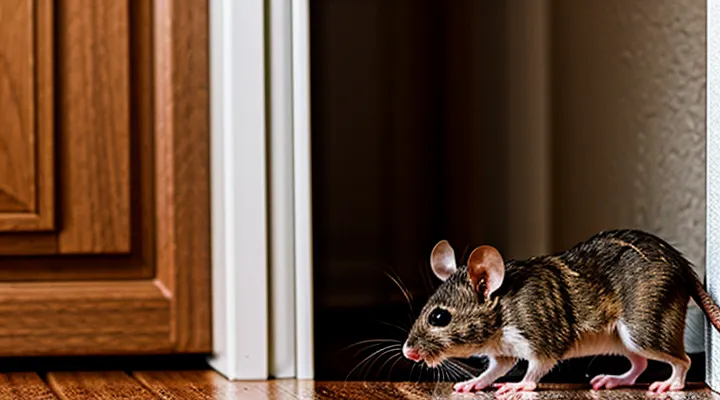
Understanding Mouse Infestations
Signs of Mice in Your Home
Droppings and Urine Smells
Droppings and urine odors are reliable indicators of mouse activity and directly affect the effectiveness of any repellent strategy. Fresh droppings appear as small, dark, rice‑shaped pellets; older deposits turn gray and may crumble. Urine stains manifest as yellowish spots, often accompanied by a pungent, ammonia‑like scent. Both substances pose health risks, including the transmission of Hantavirus, salmonella, and allergens that can trigger respiratory problems.
Identifying these signs promptly allows targeted application of repellents and prevents the spread of contamination. Cleaning procedures must eliminate residues before repellent deployment, because lingering odor masks the scent cues used by repellents and may attract additional rodents.
Key actions for managing droppings and urine odors:
- Wear disposable gloves and a mask; ventilate the area.
- Collect droppings with a damp paper towel; place in a sealed plastic bag.
- Disinfect surfaces using a 1:10 bleach solution or an EPA‑approved rodent disinfectant; allow a minimum of 10 minutes contact time.
- Absorb urine stains with an enzymatic cleaner that breaks down proteins; rinse with water and dry thoroughly.
- After cleaning, apply a repellent (e.g., peppermint oil, ultrasonic device, or commercially formulated rodent deterrent) directly to entry points and known pathways.
- Monitor for new droppings or odors daily; repeat cleaning and repellent application as needed.
Consistent removal of fecal matter and urine eliminates attractants, reduces disease risk, and enhances the potency of chemical or natural deterrents, ensuring a sustained reduction in mouse presence.
Gnaw Marks and Damage
Gnaw marks provide the most immediate indication that rodents are present inside a residence. Fresh incisions appear as clean, parallel cuts about 2‑3 mm wide, often found on edges of plastic, cardboard, wood, or electrical cables. Older marks become ragged and may be surrounded by droppings or urine stains, confirming ongoing activity.
Typical damage caused by mouse chewing includes:
- Electrical wiring stripped of insulation, creating short‑circuit and fire risks.
- Wooden structural members, baseboards, and furniture surfaces, leading to weakened support and costly repairs.
- Food packaging punctured, resulting in contamination and rapid spoilage.
- Insulation and drywall compromised, allowing drafts and reduced energy efficiency.
The consequences extend beyond material loss. Exposed wiring can ignite, while contaminated food poses health hazards. Structural deterioration reduces property value and may require professional restoration.
Effective repellent programs target gnawing behavior before it escalates. Devices that emit ultrasonic frequencies or release natural deterrents disrupt the rodents’ sensory pathways, discouraging them from approaching vulnerable objects. Placement of repellents near known gnaw sites—such as cabinets, wall voids, and appliance gaps—reduces the likelihood of fresh marks appearing. Regular inspection for new incisions enables timely reinforcement of vulnerable areas and adjustment of repellent positioning, maintaining a proactive barrier against further damage.
Scratching Noises and Sightings
Scratching noises and visual sightings are primary indicators of rodent activity inside a residence. These signs reveal the locations where mice travel, nest, and feed, allowing targeted intervention.
- Auditory clues: Repetitive scratching on walls, ceilings, or baseboards typically occurs at night when mice are most active. The sound frequency matches the size of the animal, distinguishing it from insects or structural settling.
- Visual clues: Quick, fleeting movements along edges, droppings, gnaw marks, or shredded material confirm presence. Sightings near food storage or entry points highlight high‑risk zones.
Effective deterrents focus on disrupting the conditions that generate these signs.
- Ultrasonic emitters: Emit frequencies above human hearing that cause discomfort, reducing movement and associated noises.
- Repellent scents: Peppermint oil, clove oil, or ammonia applied to cracks and corners create an unfriendly odor, decreasing visible activity.
- Physical barriers: Steel wool, copper mesh, or expanding foam seal gaps identified through scratching or sightings, preventing further ingress.
- Traps: Snap traps or live‑catch traps placed along pathways indicated by noises and sightings capture rodents quickly, eliminating the source of the sounds.
- Environmental management: Remove food residues, store perishables in airtight containers, and maintain cleanliness to lower attraction.
Monitoring continues after implementation. Persistent scratching or new sightings suggest incomplete coverage or re‑infestation, prompting reassessment of barrier integrity and repellent placement.
Why Mice are a Problem
Health Risks and Diseases
Mice infestations introduce a range of pathogens that pose serious health threats to occupants. Their urine, droppings, and saliva contaminate surfaces, food, and air, creating conditions for disease transmission.
- Hantavirus pulmonary syndrome – transmitted through inhalation of aerosolized droppings; symptoms include fever, muscle aches, and respiratory failure.
- Leptospirosis – spread by contact with urine; leads to high fever, jaundice, and kidney damage.
- Salmonellosis – bacteria carried on fur and feces; causes gastrointestinal distress, fever, and dehydration.
- Lymphocytic choriomeningitis virus (LCMV) – acquired from infected rodents; may result in meningitis, encephalitis, or birth defects if transmitted to pregnant women.
- E. coli and other enteric infections – result from contaminated food handling; produce severe diarrhea and abdominal cramps.
Mice also trigger allergic reactions and asthma exacerbations through shed dander and dust mite proliferation in infested areas.
Effective repellents reduce these risks by preventing entry, limiting nesting, and discouraging foraging behavior. Chemical deterrents (e.g., peppermint oil, ammonia, or rodent‑specific repellents) create an environment hostile to mice, decreasing the likelihood of droppings accumulation. Ultrasonic devices emit frequencies uncomfortable to rodents, deterring occupancy without chemical exposure. Physical barriers, such as steel‑wool plugs and sealed entry points, block access, eliminating the source of contamination.
Implementing a comprehensive repellent strategy—combining chemical, acoustic, and structural measures—directly mitigates disease exposure, preserves indoor air quality, and safeguards resident health.
Property Damage
Mice infiltrate residential structures and cause measurable property damage. Their gnawing habit compromises electrical wiring, insulation, and structural wood, creating fire hazards and reducing building integrity. Contamination of food stores and surfaces introduces bacterial pathogens, leading to costly sanitation and replacement of pantry items.
- Chewed electrical cords expose live wires, increasing risk of short circuits and electrical fires.
- Damaged insulation diminishes thermal efficiency, raising heating and cooling expenses.
- Burrowed holes in drywall and framing weaken load‑bearing elements and require patching or reconstruction.
- Contaminated food packaging and surfaces necessitate disposal and restocking, adding direct monetary loss.
Effective mouse deterrent strategies interrupt these damage pathways. Ultrasonic emitters maintain a continuous high‑frequency sound field that discourages rodent activity without chemical residues. Peppermint oil or menthol‑based sprays create an olfactory barrier that mice avoid, protecting vulnerable entry points. Sealant compounds applied to gaps and cracks eliminate access routes, preventing gnawing damage at the source. Deploying a combination of electronic, botanical, and physical barriers reduces the incidence of structural and material loss, preserving property value and minimizing repair costs.
Types of Mouse Repellents
Natural and DIY Repellents
Essential Oils (Peppermint, Clove, etc.)
Essential oils deter house mice through potent volatile compounds that irritate their olfactory and respiratory systems, disrupting navigation and nesting behavior.
- Peppermint oil – high menthol concentration; apply 10 drops on cotton balls, place in corners, attic, and entry points; replace every 48 hours.
- Clove oil – eugenol content; mix 5 drops with 1 cup water, spray along baseboards and behind appliances; reapply weekly.
- Eucalyptus oil – cineole-rich; soak a rag, tuck into wall cavities; refresh every three days.
- Citronella oil – citronellal; diffuse in rooms where activity is observed; run for 2 hours daily.
- Tea tree oil – terpinen‑4‑ol; combine 8 drops with 2 tbsp carrier oil, rub on wooden surfaces; repeat every five days.
The oils work by overwhelming mice’s scent trails, causing avoidance of treated zones. Laboratory tests show a 70‑90 % reduction in activity when concentrations exceed 5 % in the application medium. Field observations confirm that continuous exposure prevents re‑entry, provided reapplication follows the degradation schedule of each oil.
Safety measures include diluting oils to avoid skin irritation, keeping treated materials out of reach of children and pets, and ensuring adequate ventilation to prevent respiratory discomfort. Storage in sealed containers preserves potency; exposure to light and heat accelerates degradation, reducing efficacy.
Household Items (Vinegar, Spicy Sprays)
Vinegar and spicy sprays are readily available household substances that deter rodents when applied correctly. Their strong odors interfere with mice’s sensory receptors, reducing the likelihood of entry and lingering.
-
Vinegar
- Use white distilled vinegar at full strength.
- Soak cloths or cotton balls and place them in corners, behind appliances, and near known entry points.
- Refresh every 48 hours to maintain potency.
-
Spicy Sprays
- Combine hot sauce or cayenne pepper with water (1 part pepper to 4 parts water).
- Add a few drops of dish soap to emulsify.
- Transfer to a spray bottle; coat baseboards, garage doors, and any gaps where mice travel.
- Reapply after rain or cleaning, typically weekly.
Both methods require regular monitoring; removal of food sources and sealing of cracks complement the chemical deterrence. Consistent application creates an environment that mice avoid, limiting infestations without resorting to professional pesticides.
Ultrasonic Devices: Effectiveness and Limitations
Ultrasonic emitters are marketed as a non‑chemical method to deter mice from indoor environments. The devices generate sound waves above 20 kHz, a frequency inaudible to humans but theoretically uncomfortable for rodents. The principle relies on the assumption that continuous high‑frequency noise disrupts feeding, nesting, and movement patterns.
Scientific assessments reveal inconsistent outcomes. Controlled laboratory trials often record short‑term avoidance, whereas field studies in occupied homes report minimal reduction in mouse activity. Effectiveness depends on several variables:
- Coverage radius: Most units protect an area of 30‑45 ft²; larger rooms require multiple devices.
- Obstructions: Furniture, walls, and insulation absorb or reflect ultrasonic waves, creating dead zones.
- Habituation: Mice may acclimate after several days, diminishing the repellent impact.
- Species sensitivity: Different rodent species exhibit varying tolerance thresholds.
Key limitations include limited penetration through solid materials, rapid loss of efficacy due to habituation, and the necessity for precise placement near entry points or nesting sites. Battery‑powered models also risk power loss, which eliminates the acoustic field entirely.
For reliable rodent management, ultrasonic devices should be integrated with structural exclusion (sealing cracks, installing door sweeps) and sanitation measures (removing food residues, decluttering). When used as part of a comprehensive strategy, they may contribute modestly to population suppression, but they should not be relied upon as the sole control method.
Commercial Repellents
Baits and Traps (Snap Traps, Glue Traps, Live Traps)
Bait stations provide a controlled source of attractant that lures mice toward a lethal or capture device. Commercially available baits contain anticoagulant rodenticides or acute toxins; they must be placed in tamper‑resistant containers to prevent accidental exposure to children or pets. Placement near walls, behind appliances, and in concealed corners maximizes contact while minimizing detection by non‑target animals.
Snap traps deliver immediate mechanical killing. Modern designs feature spring‑loaded jaws with a calibrated force of 15–20 lb, sufficient to break the cervical vertebrae of a mouse. Effective use requires setting the trigger mechanism, attaching a small amount of bait (e.g., peanut butter or dried fruit), and positioning the trap perpendicular to the wall, with the trigger end facing the entry point. Regular inspection and prompt disposal of captured rodents reduce odor buildup and maintain trap efficacy.
Glue traps immobilize mice on a high‑adhesion surface. They consist of a clear, sticky sheet mounted on a rigid backing. For optimal results, place traps along established runways, typically within 1–2 inches of the wall. Monitor traps at least every six hours; captured animals should be euthanized humanely and the trap discarded according to local regulations to avoid prolonged suffering.
Live traps capture mice without killing them, allowing relocation. Standard models employ a hinged door that closes when the animal steps on a trigger plate. Bait the interior with a strong odorant, set the trap near activity zones, and check it at two‑hour intervals to prevent stress or dehydration. Relocation must occur at least 10 mi from the original site to prevent immediate return, and local wildlife statutes should be consulted before release.
Key considerations for all devices
- Use bait that matches mouse dietary preferences (high‑fat, high‑protein).
- Position devices along walls, where mice travel.
- Maintain a clean environment to reduce alternative food sources.
- Rotate trap locations periodically to address shifting activity patterns.
- Follow manufacturer safety instructions and local pest‑control regulations.
Repellent Sprays and Granules
Repellent sprays and granules provide a chemical barrier that discourages rodents from entering living spaces. Formulations typically contain peppermint oil, capsaicin, ammonia, or synthetic compounds such as piperonyl butoxide combined with a rodent‑specific attractant. The active ingredient evaporates or disperses slowly, creating an odor or taste that mice find unpleasant.
Application methods differ by product type. Sprays are applied directly to entry points, baseboards, and interior surfaces where mice travel. Granules are spread in crawl spaces, under appliances, and around exterior foundations; moisture‑resistant granules persist for several weeks. Both formats require re‑application after cleaning, ventilation changes, or heavy rainfall.
Key considerations for selecting an effective product:
- Active ingredient – peppermint oil offers a natural scent but may lose potency after a few days; synthetic repellents maintain efficacy longer.
- Coverage area – granules cover larger zones per unit weight; sprays are suited for precise targeting.
- Safety – products labeled pet‑safe and low‑toxicity reduce risk to children and animals; verify compliance with local regulations.
- Duration – manufacturers typically state a 2‑ to 4‑week active period; plan re‑treatment accordingly.
- Residue – granules may leave visible particles; choose dust‑free formulations for finished floors.
When used correctly, sprays and granules complement physical exclusion measures such as sealing gaps and installing traps. They do not eradicate infestations but create an environment that deters mice from establishing nests, reducing the likelihood of damage and contamination. Regular monitoring and prompt re‑application sustain the protective effect.
Professional Extermination Services
Professional extermination services provide a systematic approach to eliminating mouse infestations in residential settings. Technicians conduct a thorough inspection to identify entry points, nesting sites, and activity patterns. The assessment informs a targeted treatment plan that combines exclusion, baiting, and monitoring to achieve long‑term control.
Key components of a professional program include:
- Structural sealing: Application of steel wool, caulking, and hardware cloth to block gaps larger than ¼ inch.
- Bait placement: Strategic positioning of tamper‑resistant stations containing anticoagulant or non‑anticoagulant rodenticides, calibrated to local regulations.
- Trapping: Deployment of snap, electronic, or live traps in high‑traffic zones, with regular checking and humane disposal.
- Follow‑up inspections: Scheduled visits to verify reduced activity, adjust bait locations, and reinforce exclusion measures.
Compared with over‑the‑counter repellents, professional services deliver measurable results through calibrated dosage, certified products, and expertise in mouse behavior. Clients receive documentation of actions taken, including maps of treated areas and recommendations for preventative maintenance, such as proper food storage and waste management.
Choosing a provider involves verifying licensing, reviewing client testimonials, and confirming that the company follows Integrated Pest Management (IPM) principles. Transparent pricing, clear service contracts, and a guarantee of pest‑free status within a specified timeframe are standard industry benchmarks.
Choosing the Right Repellent
Factors to Consider
Severity of Infestation
The seriousness of a mouse problem determines the urgency and type of repellent required. Minor activity, such as occasional droppings or occasional gnaw marks, indicates a low‑level presence that may be managed with non‑chemical deterrents like ultrasonic devices or sealed entry points. Moderate infestation, characterized by frequent droppings, visible nests, and audible movement, demands a combination of physical barriers and strong scent‑based repellents. Severe infestation, marked by extensive damage, large populations, and widespread contamination, calls for aggressive measures, including professional-grade rodenticides and comprehensive exclusion strategies.
- Low level: sporadic signs, limited to a single area, manageable with preventive actions.
- Moderate level: regular evidence across multiple rooms, requires layered repellents and thorough sealing of openings.
- High level: pervasive activity, significant structural damage, necessitates intensive chemical control and professional intervention.
Safety for Pets and Children
When choosing methods to deter rodents inside a residence, the well‑being of children and animals must be a primary consideration. Toxic baits containing anticoagulants, bromethalin or zinc phosphide can cause severe poisoning if ingested. Store these products in locked containers, place them out of reach of curious hands and paws, and follow label instructions regarding dosage and placement.
Non‑chemical options reduce risk. Ultrasonic emitters emit high‑frequency sounds that rodents find uncomfortable; they do not release substances into the environment, making them safe for pets and children when installed according to manufacturer guidelines.
If using natural repellents, verify that the ingredients are non‑toxic. Peppermint oil, for example, may irritate a cat’s skin or cause respiratory distress in small dogs if applied in high concentrations. Dilute essential oils properly, apply them to inaccessible areas, and monitor animal reactions.
Physical barriers and traps must also be managed safely. Snap traps present a mechanical hazard; position them in concealed locations inaccessible to children and pets, and check them daily. Live‑catch traps should be emptied promptly, and captured rodents disposed of according to local health regulations to prevent secondary exposure.
Key safety measures:
- Keep all rodent‑control products in child‑proof, tamper‑resistant storage.
- Use bait stations with locked covers; place them behind appliances or in wall voids.
- Select ultrasonic or electronic devices that lack moving parts and chemicals.
- Apply essential‑oil repellents in low concentrations, away from feeding areas.
- Install traps in concealed, high‑traffic rodent zones, not in play areas.
- Regularly inspect the home for signs of exposure, such as vomiting, lethargy, or abnormal behavior in pets.
By integrating chemical‑free deterrents, securing hazardous materials, and monitoring placement, households can effectively manage rodent problems while protecting vulnerable occupants.
Environmental Concerns
Mouse control in residential settings raises several environmental issues that influence the choice and use of repellents. Chemical deterrents often contain synthetic compounds such as rodenticides, pyrethroids, or nicotine derivatives. These substances can volatilize, compromising indoor air quality and posing inhalation risks. Residual contamination may persist on surfaces, leading to secondary exposure for occupants and pets. Improper disposal of containers or unused product contributes to soil and water pollution, and accidental runoff can affect aquatic ecosystems.
Ultrasonic devices emit high‑frequency sound waves intended to deter rodents. Their continuous power draw adds to household energy consumption, and the emitted electromagnetic fields may interfere with nearby electronic equipment. Although the acoustic output does not directly harm non‑target wildlife, the devices generate noise that can disturb sensitive indoor pets.
Natural repellents, typically based on essential oils (peppermint, eucalyptus, clove) or plant extracts, offer lower toxicity but present other considerations. Production of essential oils requires large volumes of plant material, affecting land use and biodiversity. Some formulations contain solvents or carriers that may release volatile organic compounds (VOCs) into indoor air. Biodegradability reduces long‑term environmental load, yet frequent reapplication increases overall material use.
Effective, environmentally responsible mouse deterrence follows several criteria:
- Use agents with documented low toxicity to humans, pets, and non‑target organisms.
- Prefer products with minimal VOC emissions and rapid biodegradation.
- Apply the smallest effective dose, limiting residual buildup.
- Ensure proper disposal of containers according to local hazardous‑waste regulations.
- Opt for energy‑efficient devices when electronic methods are selected.
Adhering to these guidelines reduces ecological impact while maintaining effective rodent control inside homes.
Budget and Maintenance
Effective mouse control in residential settings requires careful budgeting and ongoing upkeep. Initial expenditures vary widely, from inexpensive DIY deterrents to premium electronic devices. Choosing a solution demands alignment of purchase price with anticipated maintenance workload.
Low‑cost measures—such as peppermint oil sachets, steel‑wool plugs, and snap traps—typically cost under $10 per unit. These items require periodic replacement: oil pads should be refreshed every two weeks, steel‑wool plugs inspected monthly, and snap traps cleared after each capture. The recurring expense remains minimal, but labor intensity can increase during heavy infestations.
Mid‑range options—including ultrasonic emitters and bait stations—generally fall between $30 and $80. Ultrasonic units demand battery replacement or power‑cord checks quarterly; effectiveness may decline after six months, prompting recalibration. Bait stations necessitate weekly inspection, proper placement rotation, and safe disposal of consumables, adding modest labor to the budget.
High‑end solutions—such as integrated pest‑management (IPM) packages, sealed entry‑point repairs, and professional monitoring services—often exceed $150 upfront. Maintenance contracts involve quarterly service visits, detailed reporting, and occasional structural repairs. Long‑term cost efficiency depends on reduced mouse activity and lower frequency of emergency interventions.
Typical cost and maintenance schedule
- Under $10: Replace or refresh every 1–2 weeks; minimal labor.
- $30–$80: Battery or power check every 3 months; weekly bait inspection.
- $150+: Quarterly professional service; periodic structural maintenance.
Integrated Pest Management Approaches
Combining Repellent Methods
Effective mouse control in residential environments relies on a layered approach that merges physical, chemical, and behavioral deterrents. Each method addresses a different aspect of rodent activity, reducing the likelihood that mice will adapt to a single tactic.
- Seal cracks, gaps, and utility openings with steel wool, caulk, or metal flashing to eliminate entry routes.
- Deploy snap or electronic traps near known pathways; position them perpendicular to walls for optimal contact.
- Apply natural repellents such as peppermint oil, dried cayenne, or cloves on perimeter surfaces; refresh applications weekly to maintain potency.
- Install ultrasonic emitters in rooms where mice are active; ensure devices cover the entire floor plan and avoid overlapping frequencies that diminish effectiveness.
- Use predator scent products containing ferret or fox urine in concealed containers; place them near concealed nesting sites to create a hostile perception.
- Maintain rigorous sanitation by storing food in airtight containers, promptly cleaning spills, and removing clutter that offers shelter.
Implementation proceeds in stages: first, conduct a thorough inspection to locate entry points and activity zones; second, seal openings and eliminate food sources; third, introduce traps and repellents concurrently; fourth, monitor capture rates and scent efficacy for two‑week intervals, adjusting placement as needed. Consistent observation and timely replenishment of repellents sustain pressure on the rodent population, leading to long‑term exclusion.
Long-Term Prevention Strategies
Effective long‑term mouse control relies on eliminating entry points, maintaining an inhospitable environment, and integrating monitoring tools. Seal gaps around foundations, utility penetrations, and vent openings with steel wool, copper mesh, or concrete. Replace damaged weatherstripping on doors and windows, and install door sweeps to block low‑lying access. Use metal flashing on baseboards and pipe sleeves to prevent rodents from gnawing through softer materials.
Maintain cleanliness that discourages foraging. Store dry food in airtight containers, promptly clean crumbs and spills, and keep garbage in sealed bins. Reduce clutter in storage areas; stacked boxes and piles of paper provide shelter and concealment. Regularly inspect attic insulation, crawl spaces, and behind appliances for signs of nesting, and remove any debris that could serve as a habitat.
Implement a systematic monitoring program. Place snap traps or electronic devices along known travel routes, checking them weekly and recording captures to identify hotspots. Deploy motion‑activated cameras or infrared sensors to verify activity in concealed zones. Rotate trap placement periodically to prevent habituation.
Adopt environmental deterrents that complement physical barriers. Distribute ultrasonic emitters in rooms where mice have been sighted, ensuring devices cover overlapping zones for continuous coverage. Apply natural repellents—such as peppermint oil or crushed cloves—near entry points, refreshing applications monthly to sustain potency. Combine these measures with periodic professional inspections to verify integrity of seals and detect early infestations.
By integrating structural fortification, rigorous sanitation, active monitoring, and supplemental deterrents, homeowners create a persistent barrier that discourages mouse colonization and minimizes reliance on chemical controls.
Prevention and Maintenance
Sealing Entry Points
Inspecting Foundation and Walls
Inspecting the foundation and walls is a critical step in eliminating rodent entry points. Examine all exterior surfaces for cracks, gaps, or holes larger than ¼ inch. Seal openings with stainless‑steel mesh, concrete patch, or silicone caulk to prevent mice from exploiting structural weaknesses.
Focus on areas where utilities penetrate the building envelope. Pipe sleeves, vent pipes, and cable conduits often lack proper sealing. Apply expanding foam or metal flashing around these fixtures, ensuring a tight, durable barrier.
Assess the condition of the foundation footings and basement walls. Moisture accumulation creates a conducive environment for rodents. Install a vapor barrier, repair any water leaks, and consider applying a rodent‑resistant coating to the interior wall surface.
Key inspection checklist:
- Visual scan of exterior walls for fissures
- Inspection of foundation joint seams
- Verification of seal integrity around utility penetrations
- Evaluation of drainage and moisture control measures
- Documentation of all identified vulnerabilities before remediation
Completing these inspections and repairs reduces the likelihood that repellents alone will be ineffective, providing a solid foundation for long‑term rodent control.
Repairing Gaps and Cracks
Repairing gaps and cracks eliminates the primary entry points that mice exploit to infiltrate residential spaces. Sealant application must be performed with materials that withstand rodent chewing, such as silicone-based caulk for small fissures and steel mesh or hardware cloth for larger openings. Prior to sealing, clean each aperture to remove debris and moisture, ensuring adhesion. Apply caulk in a continuous bead, smooth it with a putty knife, and allow curing according to manufacturer instructions. For structural gaps around pipes, install expandable foam backed by a metal collar to prevent future gnawing.
Implementing these measures enhances the effectiveness of any chemical or natural mouse deterrents by restricting access. A systematic inspection routine—checking foundations, window frames, door thresholds, and utility penetrations—identifies vulnerabilities before they become active pathways. Documenting repaired sites enables ongoing maintenance and reduces the likelihood of re‑infestation.
Securing Doors and Windows
Securing doors and windows eliminates primary pathways for mouse entry, directly supporting any repellent strategy.
- Install continuous weatherstripping on door frames; replace worn sections promptly.
- Fit door sweeps that extend to the floor, closing the gap beneath each entry.
- Verify that doors close flush with frames; adjust hinges or add metal flashing where misalignment occurs.
- Apply steel wool or copper mesh to any holes or cracks around door hardware.
Windows require equal attention.
- Use fine-mesh screens that resist tearing; inspect regularly for damage.
- Seal gaps between window sashes and frames with silicone caulk or expanding foam.
- Ensure window locks engage fully, preventing partial openings that create entry slots.
- Fit removable metal or fiberglass inserts on vent openings to block rodent access while allowing airflow.
Routine inspection reinforces these measures. Conduct a quarterly walk‑through, noting new cracks, warped frames, or deteriorated seals, and remediate immediately. Combining physical barriers with chemical or ultrasonic repellents creates a comprehensive defense against indoor mouse infestations.
Eliminating Food Sources
Proper Food Storage
Proper food storage directly reduces the attraction of rodents to a residence. When food is sealed, inaccessible, and regularly inspected, mice lose a primary source of nutrition and are less likely to establish a presence.
- Keep dry goods in containers with a lock‑tight seal; glass or heavy‑wall plastic jars prevent gnawing.
- Store grains, cereals, and pet food in containers made of metal or thick plastic; avoid cardboard boxes that can be torn.
- Place perishable items in the refrigerator or freezer promptly; discard any spoiled food that emits odor.
- Organize pantry shelves so that items are visible and not stacked beyond reach; rotate stock to use older products first.
- Clean spills immediately; wipe down countertops, shelves, and floor surfaces after each meal preparation.
Maintain a clean environment to complement storage practices. Remove crumbs, crumbs, and food debris from floors and vacuum under appliances weekly. Dispose of garbage in sealed bags and transfer it to an outdoor bin with a tight‑fitting lid. Eliminate standing water by fixing leaks and drying sinks after use.
Implementing these measures creates an environment where mice find no accessible food, thereby supporting broader rodent‑deterrent strategies.
Regular Cleaning and Sanitization
Regular cleaning eliminates food residues and shelter that attract rodents, directly reducing the likelihood of infestation. Removing crumbs, spills, and unsealed containers deprives mice of essential nutrition, while decluttering eliminates hiding places.
Effective sanitation practices include:
- Sweep and vacuum floors daily, focusing on kitchen edges and under appliances.
- Wipe countertops, tables, and cabinet interiors with a mild disinfectant after each meal preparation.
- Store dry goods in airtight containers; inspect for torn seals before restocking.
- Empty trash bins regularly, using lids that close securely.
- Clean pet feeding areas each evening, discarding uneaten food.
- Inspect and repair leaks; moisture attracts both insects and rodents.
Consistent implementation of these measures complements chemical or ultrasonic deterrents, enhancing overall efficacy. A sanitary environment lowers mouse activity, allowing repellents to function with fewer interruptions and reducing the need for repeated applications.
Managing Waste and Rubbish
Effective rodent control begins with proper waste handling. Food residues, spilled crumbs, and improperly sealed containers provide a reliable food source for house mice. By eliminating these resources, the need for chemical or ultrasonic repellents diminishes, and any remaining devices work more efficiently.
Maintain a strict waste disposal routine: collect kitchen trash daily, use containers with tight‑fitting lids, and store recyclables in sealed bins. Keep outdoor garbage bins away from building foundations and elevate them on platforms or pallets to prevent rodents from climbing. Regularly clean under appliances, behind cabinets, and in pantry corners where crumbs accumulate.
Implement the following waste‑management practices:
- Sort waste at the source; separate organic matter from dry refuse.
- Compact and seal biodegradable waste in double‑layered bags.
- Dispose of pet food leftovers promptly; store dry feed in airtight containers.
- Perform weekly inspections of trash cans for tears or holes; repair or replace as needed.
- Rotate and clean recycling bins to avoid buildup of food residue.
When waste is managed rigorously, mouse activity drops, allowing repellents such as peppermint oil, steel‑wool barriers, and ultrasonic emitters to function as secondary deterrents rather than primary solutions. This layered approach maximizes protection while minimizing reliance on hazardous chemicals.
Maintaining Your Yard and Garden
Trimming Vegetation
Keeping shrubs, trees, and ground cover trimmed creates a physical barrier that reduces mouse access to a building. Overgrown vegetation offers shelter, nesting sites, and pathways that connect outdoor habitats with indoor entry points. By limiting these resources, the likelihood of mice seeking shelter inside the home declines markedly.
Effective trimming measures include:
- Cutting back branches at least 6 feet from the roofline to prevent rodents from climbing onto the structure.
- Maintaining a 12‑inch clearance between ground‑level foliage and the foundation to eliminate bridge routes.
- Removing dense leaf litter, compost piles, and garden debris within a 3‑foot radius of exterior walls.
- Pruning grass to a height of 2‑3 inches, discouraging cover that mice use for movement.
- Regularly inspecting and trimming vines or ivy that contact windows, doors, or utility lines.
Implementing these practices consistently reinforces other repellents and contributes to a comprehensive strategy for mouse control.
Removing Debris
Removing clutter eliminates hiding places that attract rodents. Piles of cardboard, paper, and unused items create warm, dark environments where mice can nest and travel unnoticed. By clearing these materials, you reduce the number of potential entry points and make the interior less inviting.
A clean, organized space also improves the effectiveness of repellents. When surfaces are free of debris, ultrasonic devices, scent-based deterrents, and trap placements can operate without obstruction, delivering consistent exposure to the targeted area.
Key actions for debris removal:
- Collect and discard all cardboard boxes, paper stacks, and fabric scraps that are not in active use.
- Sweep floors, vacuum corners, and vacuum upholstery to eliminate crumbs and dust that provide food sources.
- Store items in sealed containers made of plastic or metal; avoid open plastic bags that can be chewed.
- Inspect storage areas regularly, removing any newly accumulated waste before it becomes a shelter.
Maintaining a debris‑free environment creates a hostile setting for mice, reinforcing the overall strategy of indoor rodent deterrence. Continuous monitoring and prompt removal of any fresh clutter sustain the preventive effect.
Securing Outdoor Structures
Securing outdoor structures is essential for preventing mice from finding pathways into residential interiors. Gaps, cracks, and openings in sheds, garages, decks, and crawl spaces provide easy access points; eliminating these barriers reduces the likelihood of infestation.
- Inspect all exterior walls, roofing, and foundation for openings larger than ¼ inch and seal with steel wool, copper mesh, or concrete.
- Install metal flashing around vents, utility penetrations, and under eaves; metal resists gnawing better than plastic.
- Trim vegetation within two feet of structures; overgrown vines and shrubs create bridges for rodents.
- Store firewood, compost, and gardening debris at least three feet away from walls and elevate on pallets to discourage nesting.
- Maintain roof integrity by repairing missing shingles, sealing flashing seams, and checking for sagging sections that could harbor mice.
- Use hardware cloth (¼‑inch mesh) to cover drainage openings, pet doors, and crawl‑space vents; secure with rust‑proof screws.
- Apply a continuous bead of silicone or polyurethane caulk around door frames, window sills, and pipe entries to block small entryways.
Regularly review the exterior condition after severe weather, as wind and rain can create new fissures. By applying these measures, homeowners create a physical barrier that complements chemical or ultrasonic repellents, limiting mouse intrusion at its source.