
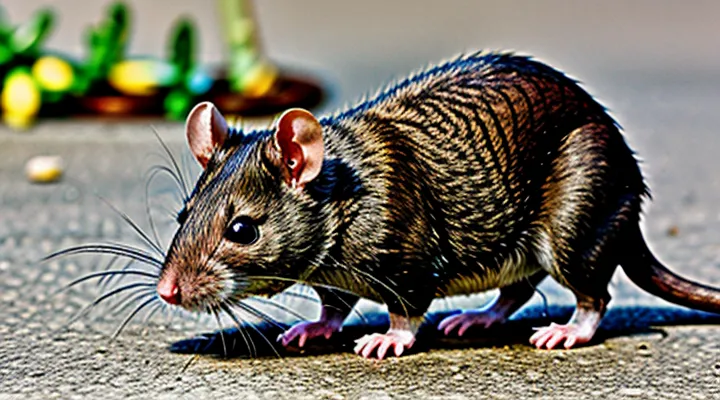
Standard Measurement Parameters
Body Length (Nose to Tail Base)
Adult rats exhibit a body length measured from the nose to the base of the tail that serves as a primary metric for size classification. Standard reference values for laboratory strains place this dimension between 15 cm and 20 cm for mature individuals, with most Sprague‑Dawley and Wistar specimens clustering around 17 cm.
Variability arises from several biological and environmental factors:
- Strain genetics: Inbred lines such as Long‑Evans may reach up to 22 cm, whereas outbred stocks often remain near the lower end of the range.
- Sex: Males typically exceed females by 1–2 cm, reflecting broader skeletal development.
- Nutrition: High‑calorie diets can add 0.5–1 cm to body length by promoting growth of the vertebral column.
- Housing conditions: Enriched environments that encourage locomotion tend to produce slightly longer rats due to enhanced musculoskeletal development.
Measurement protocols require precise positioning of the animal on a flat surface, with the head aligned straight and the tail gently lifted to expose the base. Calipers or a metric ruler accurate to 0.1 cm provide reliable data. Repeated measurements (minimum three per animal) reduce random error and allow calculation of an average length for each subject.
When comparing populations, researchers should report both the mean body length and the standard deviation, enabling assessment of overlap between groups. For example, a study of 30 adult male Wistar rats might yield a mean of 17.3 cm ± 0.8 cm, indicating a relatively narrow distribution within the expected range.
Understanding the precise dimensions of the nose‑to‑tail‑base segment facilitates accurate dosing, equipment sizing, and interpretation of phenotypic outcomes across experimental designs.
Tail Length
Adult rats exhibit a range of tail lengths that correlate with body size, genetics, and environmental conditions. The average tail of a mature laboratory rat measures 18–20 cm, representing approximately 70 % of the animal’s total length. Wild populations display broader dimensions; individuals from larger subspecies can have tails up to 25 cm, while smaller urban strains may fall below 15 cm.
Key determinants of tail length include:
- Genotype: Specific strains (e.g., Sprague‑Dawley, Wistar) possess characteristic tail dimensions documented in breeding records.
- Nutrition: Adequate protein and micronutrient intake supports normal skeletal growth, influencing tail elongation.
- Health status: Chronic disease, malnutrition, or traumatic injury can produce shortened or malformed tails.
- Temperature regulation: In colder climates, slightly longer tails aid heat dissipation, though this effect is modest compared to other adaptations.
Measurement protocols require precise positioning of the rat on a flat surface, extending the tail without stretching. Calipers or a flexible measuring tape provide accuracy to the nearest millimeter. Repeated assessments are recommended to account for growth phases and seasonal fluctuations.
Understanding tail length variation assists in strain identification, welfare monitoring, and comparative studies across rodent models.
Weight
Weight serves as the primary quantitative indicator of adult rat size. Researchers rely on precise weight data to compare phenotypes, assess health status, and calibrate experimental dosages.
Typical adult weight ranges differ among common laboratory strains:
- Sprague‑Dawley females: 250–300 g; males: 300–350 g.
- Wistar females: 270–320 g; males: 320–380 g.
- Long‑Evans females: 200–250 g; males: 250–300 g. These values represent median measurements from colonies maintained under standard housing and nutrition protocols.
Weight variation originates from several sources:
- Sex: males consistently exceed females by 15–25 %.
- Age within adulthood: individuals near the upper limit of the adult period weigh up to 10 % more than those just past sexual maturity.
- Genetic background: strain‑specific growth curves dictate baseline mass.
- Diet composition and caloric intake: high‑fat diets raise average weight by 5–12 %.
- Housing density and enrichment: crowding can reduce weight by 3–7 %.
- Health conditions: infections or metabolic disorders cause rapid fluctuations.
Standardized measurement procedures minimize error:
- Calibrate analytical balances weekly using certified weights.
- Weigh animals on a clean, low‑profile platform; record weight to the nearest 0.1 g.
- Perform measurements at consistent times of day to avoid diurnal weight shifts.
- If anesthesia is required, note the time elapsed between induction and weighing, as fluid loss may affect results.
Reporting conventions prescribe:
- Use grams (g) as the unit of measure.
- Present mean ± standard deviation alongside sample size (n).
- Include median and interquartile range when distribution deviates from normality.
- Specify strain, sex, and age range for each dataset.
Factors Influencing Rat Size
Genetic Predisposition
Genetic predisposition exerts a measurable influence on the dimensions of mature rats, shaping both average measurements and the range of deviations observed within populations. Specific alleles linked to growth hormone regulation, skeletal development, and adipose tissue distribution have been identified through quantitative trait locus mapping. Rats carrying high‑expression variants of the Gh1 gene consistently reach greater body lengths and masses than those with low‑expression alleles, while mutations in the Ghrhr receptor gene correlate with reduced stature and leaner body composition.
Key genetic contributors include:
- Growth hormone axis genes (Gh1, Ghrhr, Igf1) – determine overall somatic growth.
- Bone morphogenetic protein pathways (Bmp2, Bmp4) – affect skeletal elongation.
- Adipogenic regulators (Lepr, Pparγ) – modulate fat deposition and body weight.
Environmental factors such as diet and housing conditions modulate the expression of these genes, but the underlying genetic architecture establishes the baseline for size standards. Inbred laboratory strains illustrate this principle: the Sprague‑Dawley line exhibits a broader size distribution due to heterogeneous genetic backgrounds, whereas the inbred Wistar strain shows narrower variance, reflecting a more uniform allele composition.
Selective breeding experiments confirm that intentional manipulation of allelic frequencies can shift population averages by up to 20 % in body mass and 15 % in length over several generations. These data underscore the capacity of hereditary factors to define both the normative size parameters and the extent of natural variation among adult rats.
Nutritional Status
Adult rats typically weigh between 250 g and 350 g and exhibit a body length of 20–25 cm, but these figures vary with dietary composition, caloric density, and nutrient balance. Nutritional status directly modifies growth trajectories, influencing both overall mass and skeletal dimensions.
Key dietary determinants of adult rat size include:
- Protein content: diets containing 18–20 % crude protein support maximal lean tissue development; reductions below 12 % lead to proportionally smaller specimens.
- Energy density: caloric levels of 3.5–4.0 kcal g⁻¹ maintain standard growth rates; excess energy (>5 kcal g⁻¹) induces adipose accumulation without proportional skeletal elongation.
- Essential fatty acids: omega‑3 and omega‑6 ratios of 1:4 to 1:6 optimize membrane integrity and affect body composition.
- Micronutrients: adequate levels of zinc, copper, and vitamin D are required for proper bone mineralization; deficiencies result in reduced bone length and density.
Experimental protocols that aim to compare size standards must control for these variables. Feeding regimens should be standardized for protein, energy, and micronutrient content, and animals should be monitored for body weight and length at weekly intervals from weaning to adulthood. Deviations from the established nutritional baseline produce measurable shifts in the size distribution, allowing researchers to quantify the impact of specific dietary manipulations on adult rat morphology.
Environmental Conditions
Environmental factors exert measurable influence on the body dimensions of mature rats. Research shows that ambient temperature, nutritional availability, population density, photoperiod, and humidity each correlate with variations in weight and length across laboratory and wild specimens.
Temperature regulates metabolic rate; rats kept at cooler temperatures (≈18 °C) exhibit increased body mass compared to those housed at warmer conditions (≈30 °C). Dietary composition determines growth potential; high‑protein, calorie‑dense diets produce larger individuals, whereas fiber‑rich, low‑calorie rations limit size. Population density affects growth through competition for resources; high‑density cages yield smaller rats due to restricted food access and elevated stress hormones.
Photoperiod modulates endocrine activity; longer daylight exposure (≥14 h) aligns with greater lean mass, while shortened cycles reduce overall size. Humidity influences respiratory efficiency; environments with relative humidity between 40–60 % support optimal growth, whereas extreme dryness or dampness correlates with reduced weight.
Key environmental parameters:
- Ambient temperature: 18–22 °C optimal for maximal adult size.
- Diet: protein ≥ 20 % of caloric intake, balanced lipids, adequate micronutrients.
- Housing density: ≤ 2 rats per 0.1 m² to prevent size suppression.
- Light cycle: 12–14 h of illumination per day.
- Relative humidity: 40–60 % to maintain physiological homeostasis.
Adjusting these conditions allows researchers to standardize adult rat dimensions or intentionally induce size variations for experimental purposes.
Age and Maturity
Adult rats reach sexual maturity between 5 and 7 weeks of age. At this stage, body mass typically ranges from 150 g to 250 g, depending on strain and sex. Growth continues for several weeks after puberty, with the most rapid increase occurring between weeks 8 and 12. By week 12, most individuals attain dimensions classified as adult, though final size may still be influenced by genetic background, nutrition, and housing conditions.
Key developmental milestones:
- Post‑weaning (3–4 weeks): rapid weight gain, skeletal growth, emergence of adult dentition.
- Sexual maturation (5–7 weeks): testicular descent in males, estrous cycling in females; hormonal changes trigger secondary sexual characteristics.
- Peak growth (8–12 weeks): body length stabilizes, muscle mass accrues; weight approaches adult plateau.
- Maturity plateau (≥12 weeks): weight fluctuations minor; physiological systems fully functional.
Variability among adult specimens stems from:
- Strain differences: laboratory strains (e.g., Sprague‑Dawley, Wistar) exhibit distinct average weights and lengths.
- Sexual dimorphism: males generally exceed females by 10–20 % in mass.
- Environmental factors: diet quality, cage density, and temperature modulate growth rate and final size.
Understanding the relationship between age, maturity, and physical dimensions is essential for experimental design, ensuring appropriate selection of rats that match the intended size criteria. Accurate age classification prevents misinterpretation of data caused by inadvertent inclusion of sub‑adult or overly mature individuals.
Sex Differences
Male rats consistently exceed females in both body mass and linear dimensions. Across commonly used laboratory strains, adult males typically weigh 300–500 g, whereas females range from 200–350 g. Corresponding nose‑to‑tail lengths average 20–25 cm for males and 18–22 cm for females. These figures represent standard benchmarks; individual values deviate according to genetics, diet, and housing conditions.
Key factors influencing sex‑specific size variation include:
- Genetic background – Inbred strains (e.g., Sprague‑Dawley, Wistar) display distinct male‑female differentials; outbred stocks often exhibit broader ranges.
- Hormonal milieu – Testosterone drives greater muscle mass and skeletal growth in males; estrogen moderates adipose deposition in females.
- Growth trajectory – Males reach peak weight later than females, extending the rapid growth phase by 1–2 weeks.
- Environmental inputs – Caloric density, cage enrichment, and temperature modulate absolute size but preserve relative sex differences.
Researchers must account for these disparities when designing experiments that involve body size as a variable. Dosage calculations, metabolic assessments, and biomechanical testing require sex‑adjusted reference values to avoid systematic bias. Failure to incorporate appropriate male‑female standards can compromise data interpretation and reproducibility.
Variations Across Rat Strains
Common Laboratory Strains (e.g., Sprague-Dawley, Wistar, Long-Evans)
Adult rat dimensions are a fundamental parameter in biomedical research, influencing dosing calculations, cage selection, and interpretation of physiological data. Three widely used laboratory strains—Sprague‑Dawley, Wistar, and Long‑Evans—exhibit distinct size profiles that researchers must consider when planning experiments.
- Sprague‑Dawley: mature males weigh 300–500 g, females 250–350 g; body length (nose‑to‑base of tail) averages 20–25 cm. Weight distribution shows modest inter‑individual variability, reflecting the outbred nature of the strain.
- Wistar: mature males weigh 280–460 g, females 230–340 g; body length typically 19–24 cm. Size range overlaps with Sprague‑Dawley but leans slightly lower on average.
- Long‑Evans: mature males weigh 250–400 g, females 200–300 g; body length generally 18–22 cm. As a pigmented, outbred strain, Long‑Evans rats display the greatest variability in both weight and length among the three.
Size differences arise from genetic background, sex, and age. Males consistently exceed females by 15–20 % in weight across strains. Growth curves plateau between 10 and 12 weeks; earlier measurements may underestimate adult dimensions. Environmental factors—diet composition, housing density, and temperature—modulate final body mass, contributing up to 10 % variation within a given cohort.
Accurate knowledge of strain‑specific size ranges ensures appropriate selection of gavage needles, injection volumes, and enclosure dimensions, thereby reducing procedural errors and enhancing reproducibility. Researchers should reference strain‑specific growth charts and adjust experimental protocols to accommodate the documented variability.
Wild vs. Domesticated Rats
Adult rats exhibit distinct size ranges that reflect ecological pressures and selective breeding. Wild specimens typically achieve body lengths of 18–25 cm, with tails adding a comparable 15–20 cm. Weight averages 250–350 g, though individuals in resource‑rich habitats may exceed 400 g. Domesticated lines, especially those bred for companionship or research, display broader variation: miniature strains remain under 100 g and 12 cm in body length, while giant breeds surpass 1 kg and reach 30 cm or more.
Key factors influencing these differences include:
- Genetic selection: domestication prioritizes traits such as coat color, temperament, and extreme size, producing outliers on both ends of the spectrum.
- Nutrition: captive diets provide consistent calories, enabling maximum genetic potential; wild rats experience fluctuating food availability.
- Habitat constraints: dense burrow systems limit growth in wild populations, whereas laboratory cages impose no spatial restriction.
Growth curves converge after the juvenile phase, with most rats reaching adult dimensions by 10–12 weeks. Skeletal measurements (e.g., skull length, femur length) correlate tightly with overall body size, allowing precise classification of specimens into standard categories for research or breeding programs.
Strain-Specific Averages and Ranges
Adult rats exhibit measurable differences in body mass and length that correspond to their genetic background. Researchers rely on strain‑specific data to standardize dosing, housing, and physiological assessments.
Typical adult values (10–12 weeks) for frequently used laboratory strains are:
- Sprague‑Dawley: 300–350 g; total length 250–280 mm; tail 100–120 mm.
- Wistar: 280–330 g; total length 240–270 mm; tail 95–115 mm.
- Long‑Evans: 260–310 g; total length 230–260 mm; tail 90–110 mm.
- Fischer 344: 200–250 g; total length 210–240 mm; tail 85–105 mm.
- Brown Norway: 220–270 g; total length 220–250 mm; tail 90–110 mm.
Sex, nutritional regimen, and environmental temperature shift these ranges by up to ±15 %. Males consistently exceed females in both mass and length; high‑calorie diets expand the upper bound, whereas ambient cooling contracts it. Age beyond the 10–12‑week window introduces a plateau in growth for most strains, with minor increases in body mass up to 18 weeks.
Applying strain‑specific averages ensures accurate calculation of drug concentrations, humane endpoint criteria, and comparable physiological endpoints across studies.
Health Implications of Size Deviations
Underweight: Causes and Consequences
Adult rats that fall below the accepted weight range for fully mature individuals exhibit a condition commonly classified as underweight. This status reflects a discrepancy between the animal’s body mass and the standard adult rat measurements, which typically span 250–350 g for common laboratory strains and 300–500 g for larger wild‑type specimens.
Primary causes
- Insufficient caloric intake due to inadequate diet formulation or restricted feeding schedules.
- Gastrointestinal malabsorption resulting from parasitic infections, inflammatory bowel disease, or pancreatic insufficiency.
- Chronic stressors that suppress appetite, including environmental noise, overcrowding, or frequent handling.
- Metabolic disorders such as hyperthyroidism or hyperglycemia that accelerate energy expenditure.
- Genetic mutations affecting growth hormone pathways or nutrient utilization efficiency.
Physiological consequences
- Reduced lean muscle mass, leading to diminished grip strength and impaired locomotor performance.
- Compromised immune function, evidenced by lower leukocyte counts and increased susceptibility to bacterial and viral agents.
- Delayed wound healing and slower tissue regeneration, raising the risk of secondary infections.
- Altered hormone profiles, including elevated corticosterone and reduced leptin, which further destabilize energy balance.
- Decreased reproductive capacity, manifested as lower sperm counts in males and irregular estrous cycles in females.
Accurate identification of the underlying etiology is essential for corrective interventions. Nutritional rehabilitation should match the specific caloric and micronutrient deficits, while pharmacologic treatment targets any concurrent disease processes. Continuous monitoring of body weight, body condition scoring, and biochemical markers ensures that the animal returns to, and maintains, the appropriate weight range for its adult size classification.
Overweight/Obesity: Risks and Management
Overweight and obesity in adult laboratory rats represent deviations from established size standards, affecting physiological functions and experimental outcomes. Excess body mass correlates with impaired glucose tolerance, elevated plasma lipids, and heightened inflammatory markers, which together increase the probability of insulin resistance, atherosclerotic changes, and reduced reproductive efficiency. Studies also document shortened lifespan, altered drug metabolism, and compromised behavioral performance in obese rats, emphasizing the need for precise weight monitoring in research protocols.
Effective management relies on systematic interventions:
- Nutritional regulation: Implement calibrated feed rations based on caloric density and individual growth curves; replace high‑energy pellets with balanced formulations containing adequate fiber and reduced fat.
- Physical activity enhancement: Provide enrichment items such as running wheels, tunnels, and climbing structures to stimulate voluntary locomotion and energy expenditure.
- Environmental control: Maintain ambient temperature within the thermoneutral zone for rats (20‑24 °C) to prevent thermoregulatory suppression of activity.
- Regular assessment: Record body weight weekly, calculate body condition scores, and perform periodic body composition analysis using non‑invasive methods (e.g., dual‑energy X‑ray absorptiometry).
- Pharmacological options: Apply approved anti‑obesity agents (e.g., leptin analogs) only when dietary and environmental measures fail, and document dosage and response meticulously.
Integrating these strategies aligns individual rat weights with normative size ranges, minimizes health risks, and preserves the validity of experimental data.
Growth Stunting and Developmental Issues
Growth stunting in rats directly alters expected adult dimensions, reducing both length and mass relative to established size benchmarks. Nutritional deficits, chronic disease, and early‑life stressors interrupt the normal trajectory of somatic growth, resulting in adult specimens that fall below the lower percentile of size ranges documented for the species.
Key contributors to stunted development include:
- Insufficient protein or caloric intake during the weaning period, which limits muscle accretion and skeletal elongation.
- Persistent infections (e.g., viral, bacterial, parasitic) that divert metabolic resources from growth toward immune function.
- Exposure to endocrine disruptors such as bisphenol A or phthalates, which interfere with growth hormone signaling.
- Early‑life social deprivation or overcrowding, leading to elevated corticosterone levels that suppress anabolic processes.
These factors produce measurable deviations in adult rat size. Standard morphometric assessments—body weight, nose‑to‑tail length, and tibial length—often reveal a consistent pattern: weight reduction of 15–30 % and length shortening of 5–12 % compared with non‑stunted cohorts. Such differences can confound comparative studies that rely on size as a proxy for physiological status, especially when size variation is used to infer genetic or environmental effects.
Developmental abnormalities associated with stunting extend beyond gross morphology. Skeletal dysplasia, altered organ-to‑body‑mass ratios, and impaired thermoregulation are frequently reported in stunted adults. These secondary issues may influence experimental outcomes, including drug metabolism rates and behavioral responses, thereby necessitating careful screening for growth‑related anomalies before inclusion in research protocols.
To mitigate the impact of stunting on adult rat size data, researchers should implement:
- Controlled feeding regimens that meet species‑specific protein and energy requirements from weaning onward.
- Routine health monitoring to detect and treat infections promptly.
- Environmental enrichment and appropriate housing densities to reduce stress‑induced hormonal suppression.
- Periodic measurement of growth markers (e.g., plasma IGF‑1) to identify deviations from expected growth curves early.
By addressing these variables, investigators can maintain adult rat size within the defined standards, ensuring that size‑related data remain reliable and comparable across studies.
Measurement Techniques and Considerations
Accurate Weighing Methods
Accurate measurement of adult rat body mass underpins reliable physiological, pharmacological, and genetic studies. Consistent weighing protocols reduce variability introduced by handling stress, diurnal fluctuations, and instrument drift.
- Analytical balances with a readability of 0.01 g provide the resolution required for typical adult rat weights (200–500 g).
- Platform scales calibrated weekly against certified mass standards maintain linearity across the relevant range.
- Tare the container (e.g., a small, ventilated cage or weighing cup) before each session to eliminate material weight from the record.
The weighing procedure should follow a fixed sequence: gently transfer the rat to the pre‑tared container, allow a 30‑second acclimation period, record the mass, then return the animal to its home cage. Conduct measurements at the same circadian phase each day; early light‑phase readings minimize metabolic variation. Avoid food or water deprivation unless explicitly required, as fasting can produce rapid weight shifts that obscure baseline values.
Environmental conditions influence balance performance. Maintain laboratory temperature between 20–22 °C and relative humidity below 60 %. Shield the balance from air currents and vibrations; place it on a stable bench with a vibration‑isolating platform if necessary. Record ambient temperature alongside each weight to detect systematic bias.
Quality control demands duplicate readings for each animal. If the two measurements differ by more than 0.1 g, repeat the procedure until convergence is achieved. Store data in a structured database with timestamps, operator identifiers, and calibration logs to facilitate retrospective audits and statistical analysis.
Proper Handling for Length Measurement
Accurate length measurement of adult rats depends on consistent handling from capture to data entry.
Before measurement, habituate the animal to gentle restraint to reduce stress‑induced movement. Use a clean, flat surface with a non‑slippery background; a calibrated measuring board or digital caliper provides the reference scale. Ensure ambient temperature remains within the species’ comfort range (20‑24 °C) to prevent postural changes.
Procedure
- Grasp the rat by the base of the tail with one hand, supporting the body against the measuring surface with the other hand.
- Align the animal’s nose and tail tip along the measurement axis; keep the spine straight without forcing extension.
- Place the caliper or ruler gently against the dorsal surface, avoiding pressure on the thorax or abdomen.
- Record the distance from the tip of the nose to the end of the tail (including the tail length unless a body‑only metric is required).
- Repeat the measurement three times; calculate the mean value for each individual.
Document the observer’s name, instrument calibration date, and any deviations observed during handling. Reject data points that show >2 mm variance between repeats, and repeat the measurement after a brief acclimation period.
Standardizing these steps eliminates operator bias, aligns results with established size benchmarks for adult rodents, and supports reliable comparison across studies.
Recording and Interpreting Data
Accurate measurement of adult rat body dimensions underpins reliable comparisons across laboratories and strains. Researchers must capture each datum with precision, document conditions, and apply consistent analytical frameworks.
- Use calibrated digital calipers or laser scanners to record total length, tail length, and body mass.
- Conduct measurements at a fixed time of day to minimize circadian influence.
- Record ambient temperature, animal sex, and age in days alongside each value.
- Log data in a spreadsheet with separate columns for raw measurements, units, and metadata.
Organize the dataset into a table that separates individual observations from summary statistics. Include column headings that specify the parameter (e.g., “Body mass (g)”), the measurement instrument, and the observer identifier. Preserve original entries to allow audit trails and re‑analysis.
Interpretation requires statistical treatment that distinguishes normal variability from outliers. Apply descriptive metrics—mean, median, standard deviation—to establish reference ranges for each strain. Use analysis of variance (ANOVA) or mixed‑effects models when comparing groups with differing genetic backgrounds or environmental exposures. Report confidence intervals to convey the precision of estimated size standards.
When deviations exceed established thresholds, examine potential sources such as measurement error, health status, or experimental manipulation. Correlate size anomalies with physiological or behavioral data to determine whether they reflect biologically meaningful variation or methodological artifacts.
Future Research and Applications
Genetic Studies on Growth
Genetic investigations provide quantitative data on the determinants of adult rat body dimensions, enabling precise definition of size norms and the range of natural variation.
Mapping approaches such as quantitative trait locus (QTL) analysis and genome‑wide association studies (GWAS) identify chromosomal regions that correlate with weight, length, and girth measurements. Inbred strains serve as reference populations for QTL detection, while outbred colonies supply the genetic diversity required for high‑resolution GWAS.
Key loci have been repeatedly confirmed across studies. Notable regions include:
- Chromosome 2: linked to IGF‑1 expression, accounts for up to 12 % of weight variance.
- Chromosome 5: harbors the growth hormone receptor (GHR) gene, influences body length by 8–10 %.
- Chromosome 12: contains the leptin receptor (LEPR) allele, associated with adiposity and overall mass.
Heritability estimates for adult size traits range from 0.45 to 0.70, indicating a substantial genetic component. Strain‑specific alleles generate predictable deviations from population averages; for example, Sprague‑Dawley rats exhibit a median body weight 15 % higher than that of Wistar rats under identical housing conditions.
Gene‑environment interactions modulate phenotypic outcomes. Nutritional regimes, temperature, and housing density alter the expression of growth‑related genes, producing measurable shifts in size metrics even among genetically identical individuals.
These genetic insights inform the establishment of standardized size references for laboratory rats. By incorporating identified loci into breeding programs, researchers can generate cohorts with predetermined size characteristics, reducing variability in pharmacological and toxicological assays. The resulting consistency enhances reproducibility across experimental sites and aligns observed measurements with genetically defined expectations.
Nutritional Impact on Development
Nutrition determines the final body dimensions of laboratory rats. Adequate protein, essential fatty acids, vitamins, and minerals establish the baseline weight and length expected for a given strain. Deficiencies in these components reduce growth velocity, leading to adult specimens that fall below standard size ranges. Excess caloric intake, particularly from high‑fat diets, produces overweight individuals whose measurements exceed typical limits.
Key nutritional factors influencing development:
- Protein: 18–20 % of diet by weight; supports lean tissue accretion and skeletal growth.
- Essential fatty acids: 1–2 % of diet; contribute to membrane integrity and neural maturation, indirectly affecting body mass.
- Calcium and phosphorus: 0.5–1 % of diet; regulate bone mineralization, influencing length measurements.
- Vitamins A, D, and E: required in microgram quantities; deficiencies impair growth plate activity and overall size.
- Energy density: 3.0–3.5 kcal/g; excessive energy promotes adiposity, altering weight standards.
Variations arise when diet composition deviates from recommended formulations. For example, a 10 % reduction in protein content can decrease adult body weight by 8–12 % across multiple strains. Conversely, supplementation with omega‑3 fatty acids has been shown to increase lean mass without proportionally raising fat stores, resulting in taller, more muscular rats that still conform to length standards.
Monitoring feed composition and adjusting macronutrient ratios during the juvenile period ensures that adult rats achieve size parameters consistent with established benchmarks, while also allowing controlled manipulation of size for experimental purposes.
Animal Models for Human Health
Adult rats serve as a primary vertebrate model for investigating human disease mechanisms, drug metabolism, and toxicology. Precise knowledge of adult rat body mass and length ranges enables reproducible experimental design and reliable extrapolation of findings to human health.
Standard size criteria for mature laboratory rats typically fall within 250–500 g body weight and 20–25 cm nose‑to‑tail length, depending on strain, sex, and age at maturity. Variability arises from genetic background (e.g., Sprague‑Dawley versus Wistar), nutritional regimen, housing density, and environmental temperature. These factors can shift average weight by up to 30 % within a single strain, altering pharmacokinetic parameters and disease phenotype expression.
Consistent reporting of rat size parameters reduces inter‑study variability and improves meta‑analysis reliability. Researchers should document:
- Strain and source
- Sex and exact age at measurement
- Body weight (mean ± SD) and length
- Housing conditions (temperature, cage density)
- Diet composition and feeding schedule
When selecting rats for translational studies, align the chosen size range with the physiological endpoint of interest. For cardiovascular research, larger rats provide clearer hemodynamic signals; for neurobehavioral assays, smaller rats facilitate maneuverability in testing apparatuses. Dose calculations based on body surface area rather than weight alone accommodate size differences and enhance safety margins.
Failure to control for rat size variation can lead to misinterpretation of drug efficacy, toxicity thresholds, and disease progression rates. Implementing standardized size metrics across laboratories strengthens the predictive value of animal models for human health outcomes.