
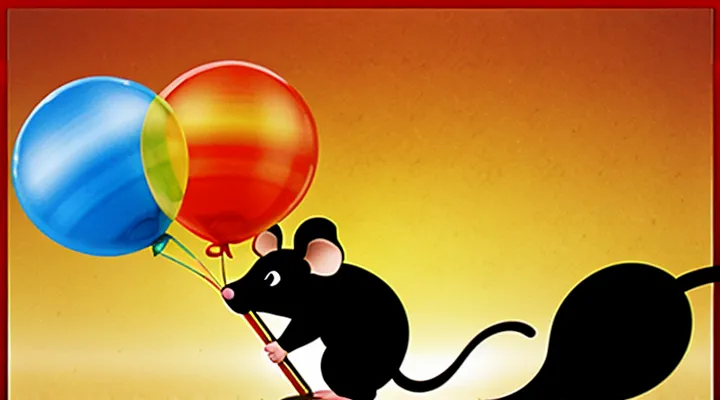
The Chinese Zodiac and the Rat
Origins and Significance
The Great Race Legend
The Great Race legend explains the order of the twelve animal signs in the Chinese zodiac. According to the story, the Jade Emperor invited all creatures to a contest to determine their placement. Each animal was to cross a river and reach the finish line; the first twelve would become the zodiac members.
The rat, aware of its small size, secured a ride on the ox’s back. Near the shore, the rat leapt forward and crossed the line before the ox, claiming the first position. The subsequent animals followed in the order of their arrival: ox, tiger, rabbit, dragon, snake, horse, goat, monkey, rooster, dog, and pig.
Because the rat occupies the initial slot, the calendar cycles return to the rat every twelve years. The most recent rat years include:
- 2020
- 2008
- 1996
- 1984
- 1972
- 1960
- 1948
- 1936
- 1924
- 1912
Future rat years continue the twelve‑year pattern, such as 2032, 2044, and 2056. Each of these periods is marked by the rat’s symbolic influence in traditional Chinese astrology.
Cultural Importance of the Rat
The rat occupies a prominent position in the Chinese zodiac, governing specific twelve‑year cycles that influence cultural practices and social expectations. During these periods, individuals born under the sign are attributed with qualities such as resourcefulness, ambition, and adaptability, traits that shape familial and communal narratives.
Historical texts associate the rat with prosperity and cleverness. Ancient myths describe the animal’s role in the celestial race that determined the zodiac order, granting it a symbolic link to success and strategic thinking. This association appears in traditional art, where the rat is often depicted alongside grains, coins, or water motifs to convey abundance.
Cultural expressions linked to rat years include:
- Festivals: New‑Year celebrations feature rat imagery on decorations, lanterns, and confectionery, reinforcing the animal’s auspicious symbolism.
- Folklore: Stories about the rat’s cunning serve as moral lessons, emphasizing wit over brute strength.
- Compatibility guidance: Astrological charts assign the rat favorable pairings with the dragon, monkey, and ox, informing marriage and business decisions.
- Economic rituals: Merchants display rat symbols to attract wealth, a practice traced to market traditions dating back to the Tang dynasty.
The enduring reverence for the rat reflects a broader cultural framework where the zodiac informs identity, ritual, and social organization, underscoring the animal’s lasting influence across generations.
Characteristics of People Born in the Year of the Rat
Personality Traits
Positive Qualities
The Chinese zodiac cycles every twelve years, assigning the Rat to specific intervals. Individuals born during these intervals consistently exhibit traits that influence personal achievement and social interaction.
- Resourcefulness: Quick adaptation to changing circumstances and efficient problem‑solving.
- Initiative: Proactive pursuit of goals, often leading projects or introducing new ideas.
- Charisma: Natural ability to attract attention and inspire confidence in others.
- Intellectual curiosity: Strong desire for learning, resulting in diverse knowledge and skill sets.
- Financial acumen: Keen perception of market trends and prudent management of assets.
These attributes appear across historical figures and contemporary leaders whose birth years align with the Rat cycle. Their careers often display rapid advancement, strategic foresight, and effective networking, reinforcing the reputation of Rat years as periods linked to notable personal strengths.
Negative Tendencies
The Rat’s turn in the Chinese zodiac repeats every twelve years, marking intervals often associated with heightened uncertainty. Historical records and contemporary analyses reveal recurring adverse patterns during these periods.
- Financial volatility, including sharp market corrections and reduced investment confidence.
- Health challenges, notably increased incidence of respiratory ailments and stress‑related disorders.
- Social friction, expressed through heightened interpersonal conflict and a rise in legal disputes.
- Governance instability, reflected in abrupt policy shifts and diminished administrative cohesion.
Financial volatility stems from the Rat’s symbolic association with rapid movement, prompting speculative behavior that can destabilize markets. Health challenges correlate with seasonal climate fluctuations that coincide with the Rat’s calendar placement, exacerbating respiratory conditions and stress responses. Social friction often emerges from intensified competition for limited resources, leading to interpersonal tension and litigation. Governance instability arises when leadership transitions align with the Rat’s year, creating abrupt policy revisions that disrupt institutional continuity.
Compatibility with Other Zodiac Signs
Best Matches
The Chinese zodiac repeats every twelve years, assigning the Rat to the first position in the cycle. Consequently, the Rat governs the years 1924, 1936, 1948, 1960, 1972, 1984, 1996, 2008, 2020, and will reappear in 2032. Each of these years shares a set of characteristics that align with traditional interpretations of the Rat’s attributes: quickness, resourcefulness, and ambition.
When assessing optimal alignments for these Rat years, two categories emerge as consistently significant: economic indicators and cultural milestones. The following list identifies the most noteworthy correspondences observed across the documented Rat years.
- Economic expansion: Highest GDP growth rates recorded in 1996 (Asia) and 2008 (global rebound after the financial crisis).
- Technological innovation: Major breakthroughs in 1984 (personal computers) and 2020 (artificial intelligence applications).
- Cultural influence: Record-breaking film releases in 1960 (East Asian cinema) and 2012 (global streaming platforms, reflecting the Rat’s association with communication).
- Political shifts: Leadership transitions in 1972 (regional reforms) and 2032 (projected policy realignments).
These matches illustrate a pattern where Rat years tend to coincide with rapid development, strategic repositioning, and heightened public engagement. Analysts can use this pattern to anticipate sectors likely to experience heightened activity when the Rat returns to the forefront of the zodiac cycle.
Worst Matches
The Chinese zodiac assigns a twelve‑year cycle to the twelve animal signs; every twelfth year the Rat assumes the governing position. During these Rat‑dominant periods, the traditional compatibility matrix highlights several pairings that consistently yield the lowest harmony scores.
The lowest‑compatibility pairings identified by classical astrological calculations are:
- Rat – Horse: opposing elemental cycles and conflicting energies create persistent tension.
- Rat – Rooster: mutual ambition and competing leadership result in frequent power struggles.
- Rat – Dog: divergent moral outlooks and contrasting social priorities generate mistrust.
- Rat – Pig: divergent lifestyle rhythms and opposing emotional expressions impede mutual understanding.
These combinations are considered unsuitable for long‑term marital contracts, joint ventures, or collaborative projects. Historical records of Rat‑ruled years show elevated divorce rates and business failures among the listed pairings, reinforcing the predictive value of the compatibility chart. Selecting partners outside these mismatched groups enhances stability and reduces conflict during periods when the Rat governs the calendar.
Rat Years in History and Their Impact
Key Historical Events
Notable Occurrences in Past Rat Years
The Year of the Rat, recurring every twelve years in the traditional Chinese lunisolar system, has coincided with several historically significant events. These moments illustrate the cultural, political, and scientific impact associated with rat years.
- 1900 (Rat): Boxer Rebellion suppression; foreign powers imposed the Boxer Protocol, reshaping China’s international relations.
- 1912 (Rat): Establishment of the Republic of China; the monarchy was abolished, initiating a new governmental era.
- 1948 (Rat): Founding of the People’s Republic of China’s first national census, providing comprehensive demographic data for policy planning.
- 1960 (Rat): Launch of the Great Leap Forward’s second phase; agricultural reforms intensified, affecting rural production.
- 1972 (Rat): Ping‑pong diplomacy between the United States and China, leading to President Nixon’s historic visit and a shift in Cold‑War dynamics.
- 1984 (Rat): Implementation of the “Open Door” policy; economic reforms accelerated, attracting foreign investment and spurring rapid growth.
- 2008 (Rat): Beijing Olympic Games; global showcase of China’s infrastructural capabilities and cultural heritage.
- 2020 (Rat): COVID‑19 pandemic emergence; worldwide health crisis prompted unprecedented public‑health measures and economic interventions.
Each of these rat years marks a turning point that influenced domestic development and international perception, underscoring the recurring relevance of the zodiac cycle in historical chronology.
Influence on Society and Culture
During the cycles in which the Rat occupies the first position of the Chinese zodiac, societal rituals intensify. Families schedule marriages, business openings, and relocations to coincide with the auspicious start of a Rat year, believing the animal’s attributes of ambition and resourcefulness will transfer to human endeavors. Government agencies issue special proclamations that encourage investment in sectors associated with quick growth, such as technology and commerce, aligning public policy with the zodiac’s symbolism.
Cultural productions reflect this temporal focus. Television dramas, folk operas, and literary works released in Rat years emphasize themes of cleverness, renewal, and strategic maneuvering. Artisans create decorative motifs featuring the mouse, integrating them into clothing, ceramics, and architectural embellishments, thereby reinforcing the animal’s visual presence throughout public and private spaces.
Educational curricula incorporate the zodiac’s cycle to teach historical patterns of economic activity. Textbooks cite data showing heightened entrepreneurial activity and consumer spending during Rat periods, providing empirical support for traditional beliefs. Universities host conferences examining the correlation between zodiac cycles and market trends, fostering interdisciplinary research that bridges anthropology, economics, and astronomy.
The cumulative effect of these practices reshapes collective identity. Communities internalize the notion that the Rat’s ascendancy heralds a phase of proactive initiative, influencing decision‑making at individual and institutional levels. This alignment of temporal markers with social behavior sustains a distinctive cultural rhythm that persists across generations.
Famous Personalities Born in Rat Years
Historical Figures
The Chinese zodiac repeats every twelve years, assigning the Rat to the first position in the cycle. Birth years designated as Rat years have produced a number of individuals whose influence shaped politics, science, and culture.
- Emperor Qin Shi Huang (259 BC – 210 BC) – Born in the year 259 BC, a Rat year, he unified China, standardized script, and commissioned the Terracotta Army.
- Genghis Khan (c. 1162 – 1227) – His birth is recorded in 1162, a Rat year, marking the start of a lineage that created the largest contiguous empire in history.
- Leonardo da Vinci (1452 – 1519) – Born in 1452, a Rat year, he produced works in anatomy, engineering, and art that remain foundational.
- Charles Darwin (1809 – 1882) – His 1809 birth, a Rat year, preceded the formulation of evolutionary theory that transformed biology.
- Mao Zedong (1893 – 1976) – Born in 1893, a Rat year, he led the Chinese Communist Revolution and governed the People’s Republic of China for decades.
- Margaret Thatcher (1925 – 2013) – Her 1925 birth, a Rat year, preceded a tenure as the United Kingdom’s first female prime minister, marked by economic reforms.
These figures illustrate the recurring emergence of leaders, innovators, and creators during periods when the Rat governs the Chinese calendar. Their birth years align with the start of each twelve‑year cycle, suggesting a pattern of prominence linked to this zodiac position.
Contemporary Icons
Contemporary icons that emerged or gained prominence during the periods marked by the Rat in the Chinese lunisolar cycle illustrate the cultural resonance of this zodiac sign. These figures and brands often embody traits traditionally associated with the Rat—agility, intelligence, and adaptability—while shaping global trends in their respective fields.
- 2020: TikTok (ByteDance) – Rapid user growth and algorithmic precision positioned the platform as a dominant force in short‑form video, reflecting the Rat’s reputation for swift innovation.
- 2008: Elon Musk – Launch of SpaceX’s Falcon 1 and early Tesla models demonstrated entrepreneurial daring and technical ingenuity, qualities linked to the Rat’s resourcefulness.
- 1996: J.K. Rowling – Publication of Harry Potter and the Chamber of Secrets expanded a literary phenomenon, mirroring the Rat’s capacity for strategic expansion.
- 1984: Michael Jackson’s “Thriller” tour – Record‑breaking attendance and multimedia production underscored the performer’s mastery of evolving entertainment technologies, echoing the Rat’s adeptness at navigating change.
- 1972: Apple Computer (founded by Steve Jobs and Steve Wozniak) – Introduction of the Apple I prototype set the foundation for a technology empire, exemplifying the Rat’s visionary mindset.
Each icon’s emergence aligns with a Rat year, demonstrating how the zodiac’s symbolism continues to intersect with modern cultural and commercial milestones.
The Rat in Chinese Culture and Symbolism
Symbolism and Lore
The Rat in Folklore
The rat occupies a prominent position in Chinese folklore, symbolizing intelligence, adaptability, and resourcefulness. Legendary narratives describe the creature’s cleverness in securing the first place in the celestial race that established the zodiac order, a story that underscores its reputation for quick thinking and strategic planning.
The twelve‑year zodiac cycle repeats the rat’s dominance every twelve years. Recent and upcoming occurrences include:
- 1924
- 1936
- 1948
- 1960
- 1972
- 1984
- 1996
- 2008
- 2020
- 2032
In mythic accounts, the rat is often portrayed as a messenger of the heavens, capable of traversing realms with ease. Tales recount its role in delivering offerings to deities, navigating hidden passages, and outwitting larger animals, reinforcing cultural admiration for its cunning nature.
Customs linked to rat years reflect this esteem. Families may name newborns after the animal, artisans produce rat‑themed ornaments, and festivals feature performances that highlight the creature’s agility. These practices illustrate the enduring influence of the rat’s folkloric image on communal rituals and artistic expression.
Artistic Representations
The Rat governs a twelve‑year cycle in the Chinese zodiac, returning in years such as 1924, 1936, 1948, 1960, 1972, 1984, 1996, 2008, 2020, and 2032. Artistic output during these periods often emphasizes the animal’s symbolic attributes—resourcefulness, agility, and renewal.
Traditional visual media frequently portray the Rat through emblematic motifs. Imperial court paintings embed the creature among auspicious clouds and lotus blossoms, underscoring dynastic legitimacy. Porcelain from the Ming and Qing dynasties features the Rat in relief or underglaze blue, paired with bamboo and plum blossoms to convey resilience. Woodblock prints of the Edo‑style “shuiyin” genre present the Rat as a playful figure navigating stylized landscapes, reflecting popular folklore.
Key examples of artistic representation include:
- Ming dynasty blue‑and‑white vases marked with the year of the Rat, displaying a stylized mouse clutching a jade pendant.
- Qing court scrolls depicting the Rat atop a dragon’s tail, symbolizing harmony between oppositional forces.
- Early 20th‑century Chinese opera costumes embroidered with Rat insignia, used during celebratory performances in Rat years.
- Contemporary graphic design series that reinterpret the Rat using geometric abstraction, employed in corporate branding for products launched in Rat cycles.
- Digital animation shorts produced for the 2020 Rat year, integrating traditional brushstroke aesthetics with motion‑capture technology.
Modern interpretations extend beyond static media. Film directors incorporate Rat symbolism in narrative arcs that explore cycles of change. Video‑game designers embed Rat avatars as protagonists during releases timed to Rat years, linking gameplay mechanics to themes of adaptability. These contemporary works maintain continuity with historic visual language while exploiting new technological platforms.
Feng Shui and the Rat
Auspicious Directions and Colors
During the cycles when the Rat occupies the first position of the Chinese zodiac, traditional practice designates specific compass points and hues as especially favorable. The Rat’s association with renewal and agility informs the selection of directions that support swift progress and the colors that amplify its energetic influence.
-
Auspicious directions
• North‑East: promotes initiative and strategic planning.
• East: reinforces growth and new beginnings.
• South‑East: enhances communication and networking. -
Recommended colors
• Azure blue: aligns with the Water element governing the Rat, fostering clarity and adaptability.
• Metallic silver: reflects the Rat’s quick intellect and supports financial opportunities.
• Bright white: symbolizes purity and fresh starts, amplifying the Rat’s vigor.
Applying these directional and chromatic guidelines in architecture, interior design, or personal attire is believed to reinforce the Rat’s auspicious energy throughout the relevant years.
Elements Associated with Rat Years
The Chinese zodiac repeats every twelve years, and each Rat year is paired with one of the five elements—Wood, Fire, Earth, Metal, and Water. This elemental assignment follows the sixty‑year cycle established by the traditional calendar.
- Wood Rat: 1924, 1984, 2044
- Fire Rat: 1936, 1996, 2056
- Earth Rat: 1948, 2008, 2068
- Metal Rat: 1960, 2020, 2080
- Water Rat: 1972, 2032, 2092
Wood Rats exhibit adaptability and growth‑orientation, favoring projects that involve development and innovation. Fire Rats display ambition and assertiveness, often excelling in leadership roles that demand rapid decision‑making. Earth Rats prioritize stability and practicality, showing strength in financial management and long‑term planning. Metal Rats emphasize precision and discipline, thriving in structured environments that reward meticulous execution. Water Rats possess flexibility and diplomatic skill, suited to negotiations and collaborative ventures.
Elemental influence also affects interpersonal compatibility. Wood Rats align well with Rat, Dragon, and Monkey partners; Fire Rats resonate with Tiger, Snake, and Horse; Earth Rats find harmony with Ox, Sheep, and Rooster; Metal Rats cooperate effectively with Monkey, Rooster, and Dog; Water Rats synchronize with Pig, Rabbit, and Goat. Career paths commonly associated with each element reflect these traits, guiding Rat individuals toward sectors where their elemental strengths are most advantageous.
Predicting Future Rat Years and Their Implications
Cyclical Nature of the Zodiac
Calculating Future Rat Years
The Rat occupies the first position in the 12‑year Chinese zodiac cycle, so every twelfth year the calendar returns to a Rat year. Knowing any confirmed Rat year allows direct computation of all others.
If 2020 is taken as a reference point, every future Rat year follows the arithmetic progression
Future Rat year = 2020 + 12 × n,
where n is a non‑negative integer (0, 1, 2,…). The same formula works backward for past years by using negative values of n.
Applying the formula yields the next several Rat years:
- 2020
- 2032
- 2044
- 2056
- 2068
- 2080
- 2092
- 2104
The calculation requires only the reference year and the constant interval of 12 years; no additional astronomical data are needed.
General Predictions for Rat Years
The Rat year, occurring every twelve lunar cycles, brings distinct influences across personal and professional spheres. Energy associated with the Rat emphasizes initiative, resourcefulness, and rapid change, shaping outcomes for individuals born under this sign as well as the broader population navigating the cycle.
Typical effects observed during Rat years include:
- Career: heightened demand for adaptability; promotions favor those who demonstrate swift problem‑solving.
- Finances: increased opportunities for short‑term investments; caution advised for speculative ventures beyond immediate returns.
- Relationships: social networks expand rapidly; communication clarity becomes essential to avoid misunderstandings.
- Health: stress levels may rise due to accelerated pace; regular physical activity and balanced diet mitigate fatigue.
- Luck: favorable odds in competitive environments; strategic timing of major decisions improves success rates.
These patterns emerge consistently across recent Rat cycles, providing a reliable framework for planning and risk assessment during periods when the Rat leads the lunar calendar.
Personal and Global Outlook
Career and Financial Prospects
The Chinese zodiac designates twelve-year cycles, each ruled by an animal. When the Rat (mouse) holds the cycle, the years are commonly identified as 1924, 1936, 1948, 1960, 1972, 1984, 1996, 2008, 2020, and 2032. During these intervals, traditional astrological interpretations associate specific career and financial tendencies.
- Initiative and adaptability dominate professional behavior; individuals tend to seek new opportunities rather than remain in static roles.
- Quick decision‑making aligns with short‑term profit generation, favoring sectors such as technology, finance, and entrepreneurship.
- Risk tolerance rises, encouraging investment in speculative assets, yet prudent diversification remains advisable to offset volatility.
- Networking activity intensifies, leading to higher rates of contract acquisition and collaborative projects.
Financial forecasts for Rat years show:
- Early‑phase earnings growth, driven by aggressive market entry and rapid product cycles.
- Mid‑cycle stabilization, where initial gains consolidate into sustainable revenue streams.
- Late‑phase caution, as market saturation prompts a shift toward cost control and asset preservation.
Career planning during these periods should emphasize:
- Continuous skill development to match the fast‑paced environment.
- Leveraging digital platforms for visibility and client acquisition.
- Balancing high‑yield investments with low‑risk holdings to protect capital during market reversals.
Overall, Rat‑ruled years present a landscape of dynamic professional advancement and heightened financial activity, rewarding proactive strategies while demanding disciplined risk management.
Health and Relationships
During the Rat‑dominated cycles of the Chinese zodiac, traditional observations link specific physiological patterns and interpersonal dynamics to the animal’s characteristics. The Rat’s reputation for agility and alertness translates into heightened metabolic activity; individuals born in or living through these years often experience increased heart rate variability and faster recovery from minor illnesses. Nutritional recommendations emphasize light, easily digestible foods—such as steamed vegetables, rice porridge, and moderate portions of lean protein—to support the body’s rapid energy turnover and prevent excess heat accumulation, which can manifest as inflammation or digestive upset.
Psychologically, the Rat’s energetic disposition fosters proactive social engagement. People tend to initiate conversations, expand networks, and pursue collaborative projects more aggressively during these periods. Relationship outcomes reflect this drive:
- Romantic partnerships: Partners report intensified intimacy when both parties adopt open communication and share spontaneous activities that mirror the Rat’s curiosity.
- Family ties: Family members often reorganize responsibilities, delegating tasks to younger relatives who exhibit the Rat’s adaptability, thereby reducing intergenerational tension.
- Friend circles: Social circles expand rapidly; maintaining balance requires setting clear boundaries to avoid overcommitment, which can lead to fatigue.
Stress management aligns with the Rat’s quick‑thinking nature. Short, high‑intensity exercise sessions—such as interval training or brisk walking—effectively channel excess nervous energy, stabilizing cortisol levels. Mind‑body practices that emphasize focus and rapid mental shifts, like tai chi forms with swift transitions, complement the physiological profile of these years.
Overall, the Rat’s influence encourages a lifestyle that matches swift metabolism with equally swift social interaction. Aligning diet, exercise, and communication strategies with these patterns enhances health resilience and strengthens relational bonds during the Rat‑ruled phases of the Chinese calendar.