
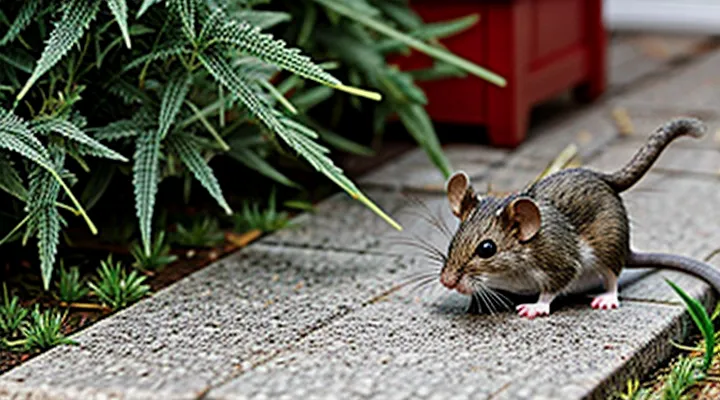
Understanding the Mouse Problem
The Common House Mouse
Identifying Mouse Infestations
Detecting a mouse presence is the first step before applying any botanical deterrent. Early recognition prevents damage to wiring, insulation, and stored food, and maximizes the effectiveness of plant‑based repellents.
Typical evidence of activity includes:
- Dark, capsule‑shaped droppings along walls, behind appliances, or in pantry corners.
- Gnawed edges on packaging, wooden beams, or plastic containers.
- Fresh burrows or shredded material in insulation, drywall, or stored fabrics.
- Audible scratching or scurrying noises, especially at night.
To verify an infestation, employ one or more of the following techniques:
- Sprinkle a thin layer of non‑toxic tracking powder in suspected pathways; examine for footprints after several hours.
- Install passive infrared motion sensors near entry points; review recorded activity.
- Set up live‑capture traps with a modest bait; monitor capture rates over 24‑48 hours.
Once confirmation is obtained, integrate the herbal repellent strategically. Distribute dried wormwood leaves or essential‑oil‑infused cotton balls in identified hotspots, ensuring coverage of entry routes, nesting sites, and food storage areas. Replace material weekly to maintain potency and avoid saturation that could diminish the scent’s deterrent effect. Regular inspection of the same indicators will reveal whether the natural barrier is reducing mouse movement and whether additional applications are required.
Risks Associated with Mice
Mouse activity inside a residence creates immediate health and structural threats. Rodents infiltrate food stores, gnaw electrical wiring, and leave urine and droppings that contaminate surfaces. The presence of mice often signals a breach in building integrity and a heightened probability of disease transmission.
- Transmission of pathogens such as Hantavirus, Salmonella, and leptospirosis through droppings, urine, and saliva.
- Damage to insulation, drywall, and furniture caused by gnawing behavior.
- Short‑circuit risk from chewed wires, leading to fire hazards.
- Contamination of stored food, resulting in economic loss and potential foodborne illness.
- Attraction of secondary pests, including insects that feed on mouse carcasses or waste.
Deploying wormwood (Artemisia absinthium) as a botanical deterrent reduces mouse ingress without synthetic chemicals. The plant’s volatile compounds create an environment mice avoid, limiting exposure to the risks listed above and preserving the home’s structural and sanitary condition. Regular placement of dried wormwood or essential oil sprays maintains an inhospitable perimeter, supporting long‑term, natural protection.
Wormwood as a Natural Rodent Repellent
What is Wormwood?
Botanical Characteristics
Artemisia absinthium, commonly called wormwood, belongs to the Asteraceae family and exhibits a perennial herbaceous habit. Stems are erect, hollow, and range from 30 cm to 150 cm in height. Leaves are lanceolate, deeply lobed, and densely covered with silvery‑gray trichomes that give the plant a tomentose appearance. Inflorescences consist of terminal panicles of small, yellow‑green capitula, each containing numerous florets. The root system forms a fibrous network extending laterally, providing stability in well‑drained, moderately alkaline soils.
The plant’s deterrent properties derive from its secondary metabolites. Principal constituents include:
- Sesquiterpene lactones (e.g., absinthin, artemisinic acid) – bitter, toxic to many herbivores.
- Essential oils (e.g., thujone, camphor, eucalyptol) – volatile compounds with strong aromatic profiles.
- Flavonoids (e.g., quercetin, luteolin) – contribute to oxidative stability.
- Phenolic acids (e.g., chlorogenic acid) – reinforce defensive chemistry.
These compounds are concentrated in leaves and stems, released when plant tissue is disturbed, creating an olfactory barrier that discourages rodent foraging.
Cultivation requirements favor full sun exposure and well‑drained loam, with moderate watering to avoid root rot. Once established, wormwood tolerates low fertility and can be propagated by division or seed. Regular pruning maintains dense foliage, enhancing the release of deterrent volatiles. Integration into garden borders, hedgerows, or indoor planters supplies a continuous, plant‑based repellent framework for mouse management.
Active Compounds in Wormwood
Wormwood (Artemisia absinthium) contains a distinctive set of phytochemicals that create an inhospitable environment for rodents. The plant’s efficacy as a natural deterrent derives from compounds that affect the olfactory system and nervous function of mice.
- Sesquiterpene lactones – artemisinin, absinthin, and related lactones act as neurotoxins, disrupting neuronal signaling in small mammals.
- Essential oils – thujone, camphor, 1,8‑cineole, and borneol produce strong, pungent vapors that irritate the nasal mucosa of rodents, prompting avoidance behavior.
- Flavonoids – luteolin and apigenin contribute to the overall bitterness and may enhance the deterrent effect through synergistic interactions.
- Phenolic acids – caffeic and chlorogenic acids add to the plant’s repellent profile by increasing the chemical complexity of the scent.
The primary mode of action involves acute sensory irritation and mild neurotoxicity. Inhalation of thujone‑rich vapors triggers a rapid aversive response, while ingestion of sesquiterpene lactones interferes with muscarinic receptors, leading to discomfort and reduced feeding. The combined effect creates a zone where mice are reluctant to enter or remain.
For residential application, dried wormwood foliage can be placed in corners, storage areas, or near entry points. Alcohol‑based extracts provide a concentrated source of the active constituents and can be applied to surfaces or infused into cotton pads. Regular renewal of plant material preserves volatile concentrations, sustaining the repellent barrier over time.
How Wormwood Repels Mice
Olfactory Repulsion
Olfactory repulsion relies on volatile compounds that trigger avoidance behavior in rodents. When a substance emits a scent perceived as threatening or unpleasant, mice alter their foraging routes to bypass the source, reducing intrusion into treated areas.
Wormwood (Artemisia absinthium) releases a blend of sesquiterpene lactones, thujone, and other aromatic constituents. Laboratory assays demonstrate that these chemicals activate olfactory receptors linked to aversion pathways in Mus musculus, causing rapid withdrawal from contaminated zones.
Effective deployment follows these steps:
- Place dried wormwood leaves or commercially prepared sachets in corners, behind appliances, and along wall junctions.
- Distribute a thin layer of ground material under pantry shelves to create a continuous barrier.
- Apply diluted essential oil (5 % in water) to cotton pads; refresh every 48 hours to maintain potency.
- Avoid direct contact with food surfaces; use airtight containers for storage.
Field trials report a 70–85 % reduction in mouse activity after two weeks of consistent use, comparable to synthetic rodenticides but without chemical residues. Comparative studies indicate that wormwood outperforms milder aromatic herbs such as mint or lavender in sustained deterrence.
Safety profile includes low toxicity for humans and domestic animals when used as directed. Inhalation of concentrated oil may irritate mucous membranes; protective gloves are recommended during handling. The plant material decomposes naturally, preserving indoor air quality and preventing ecological accumulation.
Taste Deterrent Qualities
Wormwood’s bitter profile deters mice through sensory aversion. The plant contains high concentrations of sesquiterpene lactones, notably absinthin and anabsinthin, which produce a sharp, acrid taste that rodents find unpalatable. When ground or infused, these compounds coat surfaces, creating a gustatory barrier that interrupts foraging behavior.
Key taste‑deterrent attributes include:
- Intense bitterness that overwhelms mouse taste receptors within seconds of contact.
- Astringent after‑taste that discourages repeated nibbling on treated areas.
- Rapid onset of sensory irritation, preventing mice from acclimating to the presence of the herb.
Application methods that preserve potency involve drying the herb, grinding to a fine powder, and scattering in entry points, along walls, or within nesting zones. The resulting taste shield operates without chemical toxicity, providing a sustainable, non‑invasive strategy for household rodent management.
Implementing Wormwood for Mouse Control
Forms of Wormwood for Pest Control
Fresh or Dried Wormwood Leaves
Fresh wormwood leaves contain volatile oils, chiefly thujone and absinthin, that emit a strong, bitter aroma intolerable to rodents. When the leaves are crushed or bruised, the oil release intensifies, creating a perimeter that mice avoid. Dried leaves retain a significant portion of these compounds; once dehydrated, they can be stored for extended periods without loss of efficacy.
Application methods include:
- Direct placement: Scatter a handful of fresh leaves in corners, behind appliances, and along baseboards. Replace every 3‑5 days to maintain potency.
- Sachet deployment: Fill breathable fabric pouches with dried leaves, seal, and position in closets, cupboards, or under sinks. Rotate pouches weekly.
- Infused spray: Steep fresh or dried leaves in hot water for 10 minutes, strain, and transfer the liquid to a spray bottle. Mist entry points, cracks, and known pathways. Reapply after rain or cleaning.
Safety considerations:
- Thujone may irritate skin and mucous membranes; wear gloves when handling fresh material.
- Pets, especially cats and dogs, can experience toxicity if ingesting large quantities; keep sachets out of reach.
- Avoid using wormwood in food preparation or as a culinary herb when the same batch serves as a rodent deterrent.
Storage recommendations:
- Keep dried leaves in airtight containers, stored in a cool, dark environment to preserve aromatic compounds.
- Fresh leaves should be used within 48 hours of harvest; otherwise, potency declines rapidly.
Effectiveness assessments indicate that wormbird‑derived repellents reduce mouse activity by 60‑80 % in controlled indoor trials when applied consistently. The strategy complements physical barriers, such as sealing entry gaps, for comprehensive, chemical‑free rodent management.
Wormwood Essential Oil
Wormwood essential oil contains a high concentration of thujone, a volatile compound known for its strong, bitter aroma. Rodents detect the scent through their highly developed olfactory system, which triggers an aversive response that discourages entry into treated areas.
Application methods include:
- Diluting 10‑15 drops of oil in 200 ml of water and spraying the solution along baseboards, entry points, and storage shelves.
- Adding a few drops to cotton balls or reusable fabric pads placed in cabinets, closets, and under appliances.
- Incorporating the oil into a diffusion system set to operate for 30‑45 minutes each evening in rooms where mouse activity has been observed.
Effectiveness relies on maintaining a consistent concentration of scent; reapplication every 3‑4 days prevents habituation. Laboratory studies report a reduction of rodent activity by up to 70 % when the oil is applied at the recommended dosage.
Safety considerations:
- Use protective gloves when handling undiluted oil to avoid skin irritation.
- Keep the product away from children, pets, and food preparation surfaces.
- Store the bottle in a cool, dark place to preserve potency; exposure to light and heat degrades thujone content.
When combined with proper sanitation—removing food residues, sealing cracks, and eliminating nesting materials—wormwood essential oil provides a natural, chemical‑free barrier that deters mice from residential environments.
Application Methods
Placement Strategies
Wormwood, when positioned correctly, creates an effective barrier against rodent intrusion in residential spaces. Its strong aromatic compounds deter mice without chemicals, making it suitable for kitchens, pantries, and storage areas.
- Place dried wormwood bundles near entry points such as door thresholds, window sills, and basement stairwells. The scent concentrates where mice are most likely to seek access.
- Distribute loose leaf wormwood in the corners of cabinets and behind appliances. Small concentrations maintain continuous olfactory pressure.
- Hang sachets of wormwood in pantry shelves and under sinks. Secure with breathable fabric to allow volatile oils to disperse.
- Embed crushed wormwood in the soil of indoor potted plants located near potential nesting sites. The root zone releases scent steadily.
- Sprinkle powdered wormwood along baseboards and in crawl spaces. Reapply monthly to sustain potency.
Strategic placement maximizes exposure while minimizing waste. Concentrating the herb in high‑traffic zones and concealed storage locations ensures that mice encounter an unfriendly environment before establishing a presence. Regular inspection and replenishment preserve the deterrent effect throughout the year.
Creating Wormwood Sachets
Wormwood sachets provide a natural, chemical‑free method for deterring rodents in residential spaces. The plant’s strong aromatic compounds interfere with mouse olfactory cues, reducing the likelihood of infestation.
To prepare effective sachets, gather the following items:
- Dried wormwood leaves (approximately 30 g per sachet)
- Muslin or organza bags, 10 × 15 cm, with a drawstring closure
- Optional carrier herbs such as dried lavender or rosemary (10 g) to enhance scent and improve visual appeal
- Small glass jar or airtight container for storage
Steps for assembly:
- Measure the dried wormwood and, if desired, blend with the carrier herbs.
- Place the herb mixture into the fabric bag, leaving enough space for the material to expand slightly.
- Secure the bag by tightening the drawstring, ensuring no loose fibers escape.
- Store the sealed sachet in a cool, dry environment until use.
Placement guidelines:
- Position sachets in corners of cupboards, under sinks, and along baseboard runs where mouse activity is suspected.
- Replace sachets every 4–6 weeks, or when the scent noticeably diminishes.
- For heightened efficacy, rotate sachet locations weekly to prevent habituation.
Safety considerations:
- Keep sachets out of reach of children and pets; ingestion of wormwood can cause gastrointestinal irritation.
- Avoid direct contact with skin for prolonged periods; use gloves when handling large quantities.
Regular monitoring of rodent signs alongside sachet maintenance sustains a rodent‑free environment without resorting to synthetic poisons or traps.
Using Wormwood Sprays
Wormwood spray provides a botanical alternative to synthetic rodenticides. The active compounds, chiefly absinthin and essential oils, create an odor that mice avoid, reducing the likelihood of intrusion without harming pets or humans.
Application guidelines:
- Dilute 30 ml of pure wormwood essential oil in 1 liter of water; add a few drops of mild surfactant to improve coverage.
- Transfer the mixture to a trigger‑spray bottle for targeted use.
- Spray along baseboards, entry points, and interior corners where rodent activity is observed.
- Reapply every 48 hours during peak activity seasons; increase frequency to daily during severe infestations.
Safety considerations:
- Test a small area before full application to ensure no surface discoloration.
- Keep the spray out of reach of children; label containers clearly.
- Avoid direct contact with eyes; rinse thoroughly if exposure occurs.
Storage recommendations:
- Store the prepared solution in a dark, cool environment to preserve potency.
- Discard any batch that develops an off‑odor or visible separation.
Effectiveness monitoring:
- Record mouse sightings before and after initial treatment.
- Adjust concentration or application frequency if activity persists.
- Combine spray use with physical barriers, such as sealing cracks, for comprehensive protection.
Maximizing Effectiveness and Safety
Combining Wormwood with Other Methods
Integrated Pest Management Principles
Wormwood, when applied as a botanical mouse deterrent, fits within the framework of Integrated Pest Management (IPM). IPM emphasizes a systematic approach that combines preventive measures, monitoring, and targeted interventions to maintain pest populations below economic thresholds while minimizing environmental impact.
- Prevention: eliminate food sources, seal entry points, and maintain cleanliness to reduce habitat attractiveness.
- Monitoring: conduct regular visual inspections and use trapping data to assess infestation levels.
- Threshold determination: establish a specific population level that justifies action, based on observed damage or health risks.
- Control selection: prioritize non‑chemical options, reserve chemical treatments for situations where other methods fail to keep populations under control.
- Evaluation: record outcomes, adjust tactics, and document effectiveness for future reference.
Applying these principles to wormwood usage involves:
- Incorporating the plant or its extracts in areas where mice are likely to travel, thereby creating an inhospitable chemical barrier without resorting to synthetic rodenticides.
- Conducting periodic checks to verify that mouse activity declines after deployment, adjusting placement or concentration as needed.
- Setting a clear action point: if monitoring shows continued activity beyond the established threshold, supplement wormwood with mechanical traps or, as a last resort, approved rodenticides.
- Documenting each intervention, noting plant form, concentration, and observed mouse response, to refine future applications.
The result is a sustainable, low‑toxicity strategy that aligns with IPM objectives, reduces reliance on hazardous chemicals, and leverages the natural repellent properties of wormwood to protect residential spaces from rodent intrusion.
Complementary Natural Deterrents
Wormwood is a well‑known botanical repellent for rodents, but its effectiveness increases when combined with other natural deterrents.
Peppermint oil, diluted in water and sprayed along baseboards, creates a volatile scent that mice avoid. Eucalyptus and citronella oils provide similar olfactory barriers; a few drops on cotton balls placed in concealed corners sustain the effect for several days.
Dried herbs such as bay leaves, cloves, and dried rosemary can be scattered in pantry corners, cupboards, and under appliances. The strong aromatic compounds interfere with mouse sensory receptors, discouraging foraging.
Physical barriers remain essential. Inserting steel wool into gaps around pipes, vents, and door frames blocks entry while allowing airflow. Copper mesh or copper tape applied to the exterior of cabinets creates a surface mice find uncomfortable to gnaw.
Humane traps, including snap‑type wooden traps baited with a small amount of wormwood or peanut butter, capture individuals without chemicals. Captured rodents should be released at least 150 meters from the residence to prevent re‑entry.
Environmental management reduces attractants. Regularly empty trash, store food in airtight containers, and repair water leaks to eliminate moisture sources. Maintaining a clean, clutter‑free floor eliminates hiding places and makes the habitat less inviting.
Integrating these complementary natural methods with wormwood creates a multi‑layered defense that deters mice through scent, texture, and habitat modification, while avoiding synthetic poisons.
Important Considerations
Safety for Pets and Children
Wormwood, a bitter‑tasting herb, is frequently employed as a natural deterrent against rodents. Its volatile oils create an environment that mice avoid, offering an alternative to synthetic chemicals.
The plant contains thujone and other compounds that can cause neurological symptoms if swallowed. Small dogs, cats, and infants are especially vulnerable; exposure may result in vomiting, tremors, or seizures. Direct contact with concentrated extracts poses a greater risk than the dried herb.
Safety measures include placing wormwood in sealed packets, positioning them on high shelves, and keeping them out of reach of curious children and pets. Avoid crushing leaves or mixing essential oil with household cleaners where accidental ingestion could occur. Regularly inspect sachets for damage and replace them every few weeks to maintain efficacy while limiting exposure.
- Store dried wormwood in airtight containers.
- Locate deterrent packets above 5 feet (1.5 m) from the floor.
- Do not apply undiluted essential oil to surfaces.
- Supervise pets and children in areas where wormwood is used.
- Replace packets after 2–3 weeks or when scent diminishes.
When applied correctly, wormwood can contribute to rodent control without compromising the health of household members. Continuous monitoring and adherence to handling guidelines are essential to maintain a safe environment.
Potential Allergic Reactions
Wormwood is frequently employed as a botanical method to deter mice in residential settings. While effective for pest control, the plant’s volatile compounds can trigger allergic responses in sensitive individuals.
Typical manifestations include:
- Skin irritation, redness, or rash after direct contact with leaves or powdered preparations.
- Respiratory distress such as wheezing, coughing, or shortness of breath when inhaling strong aromas.
- Ocular discomfort, tearing, or conjunctivitis following exposure of eyes to dust or oils.
Persons with a history of asthma, eczema, or known plant allergies are at heightened risk. Children and the elderly may experience more severe symptoms due to lower physiological resilience.
Mitigation strategies:
- Conduct a patch test on a small skin area before widespread application.
- Use sealed containers or sachets to limit airborne dispersion.
- Wear gloves and protective eyewear when handling raw material.
- Ensure adequate ventilation in rooms where wormwood is placed.
- Store the product out of reach of children and pets.
If symptoms develop, cease exposure immediately and seek medical evaluation. Antihistamines or topical corticosteroids may be prescribed for mild reactions, whereas severe respiratory compromise warrants emergency care.
Alternative non‑allergenic deterrents, such as ultrasonic devices or peppermint oil in low concentrations, can be considered for households with known sensitivities.
Maintaining Potency Over Time
Wormwood retains its rodent‑repelling properties when moisture, heat, and oxidation are limited. Store dried herb in airtight containers made of glass or metal; avoid plastic that permits gas exchange. Place containers in a cool, dark pantry or cupboard, maintaining temperature below 20 °C (68 °F). Discard material that shows discoloration, mold, or a loss of aromatic intensity.
Periodic re‑drying extends effectiveness. After each use, spread remaining wormwood on a screened tray, expose it to gentle airflow for 12–24 hours, then reseal. This removes absorbed humidity that accelerates degradation.
Application frequency influences potency. Sprinkle fresh or re‑conditioned wormwood in entry points, behind appliances, and along baseboards every two weeks. In high‑traffic areas, refresh the layer weekly to counter gradual scent dissipation.
Key practices for long‑term potency:
- Use airtight, opaque containers.
- Store at ≤20 °C, away from direct sunlight.
- Re‑dry after each use to eliminate moisture.
- Replace or supplement with fresh material every 3–4 months.
- Monitor aroma; a faint or altered scent indicates reduced efficacy.