
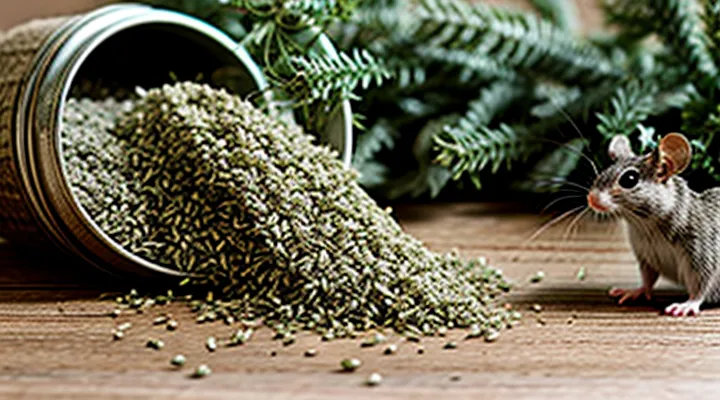
Understanding the Mouse Problem
Common Issues Caused by Mice
Health Risks to Humans and Pets
Wormwood (Artemisia absinthium) is employed in traditional rodent control, but its chemical constituents pose measurable hazards to people and domestic animals. The plant contains thujone, a neurotoxic monoterpene, and sesquiterpene lactones that can provoke allergic reactions. Ingestion of even modest amounts may cause nausea, vomiting, dizziness, and, at higher doses, seizures or cardiac arrhythmias. Chronic exposure has been linked to liver and kidney impairment, as documented in toxicological surveys «Long‑term thujone exposure leads to hepatic enzyme elevation».
Dermal contact with fresh or dried foliage can result in irritant dermatitis; the essential oil may cause sensitization after repeated handling. Inhalation of volatile oils during preparation of baits generates respiratory irritation, especially in individuals with asthma or chronic bronchitis. Protective gloves, eye protection, and adequate ventilation are recommended when mixing or applying the remedy.
Pets exhibit heightened sensitivity. Dogs and cats lack efficient metabolic pathways for thujone, making them prone to rapid onset of neurotoxic signs: tremors, ataxia, and hyperthermia. Small mammals, such as rabbits and guinea pigs, may experience fatal gastrointestinal hemorrhage after consuming contaminated feed. Veterinary case reports indicate that accidental exposure to wormwood‑based baits resulted in acute renal failure in felines «Case study: feline thujone toxicity, 2022».
Key risk factors include:
- Direct ingestion of plant material or bait mixtures.
- Dermal absorption during preparation or placement.
- Inhalation of concentrated essential oil vapors.
- Unintended access by non‑target animals, especially indoor pets.
Mitigation measures involve securing baits in tamper‑proof containers, restricting placement to areas inaccessible to children and animals, and labeling all preparations with clear hazard warnings. Regular monitoring for signs of poisoning and immediate veterinary or medical consultation reduce the likelihood of severe outcomes.
Damage to Property and Food Stores
Wormwood has been employed for generations as a natural deterrent against rodents, yet property owners and food retailers continue to report substantial losses despite its application. Mice infiltrate structures through minute openings, gnawing insulation, wiring, and structural timbers, which creates fire hazards and costly repairs. In commercial food establishments, contamination of stored products leads to spoilage, regulatory violations, and diminished consumer confidence.
Key damage categories include:
- Structural compromise: chewed beams, drywall, and foundation materials.
- Electrical system impairment: exposed wires, short circuits, and increased risk of outages.
- Food inventory loss: burrowed grain, cheese, and dry goods become unsuitable for sale.
- Sanitation breaches: rodent droppings and urine introduce pathogens, prompting mandatory deep cleaning and possible shutdowns.
Studies comparing wormwood treatment with conventional rodent control methods reveal mixed outcomes. While the herb’s strong odor may repel some mouse populations temporarily, persistent infestations often require integrated pest management, combining sealing of entry points, bait stations, and professional monitoring. Relying solely on the folk remedy without addressing environmental factors tends to result in ongoing property degradation and recurring product loss.
Traditional Mouse Control Methods
Traps and Baits
Mechanical devices and consumable attractants constitute the primary categories for rodent control. Traps capture mice without chemical exposure; baits lure and eliminate individuals through toxic agents or natural substances.
- Snap traps: spring‑loaded mechanisms delivering instantaneous kill.
- Live‑capture traps: cages that restrain rodents for relocation.
- Electronic traps: high‑voltage devices causing rapid incapacitation.
- Glue boards: adhesive surfaces that immobilize pests.
Bait options include synthetic rodenticides, food‑based attractants, and plant‑derived formulations. The folk remedy employing «wormwood» is frequently mixed with grain or peanut butter to increase palatability. Commercial rodenticides remain the most reliable for population reduction, while wormwood‑based mixtures provide a low‑toxicity alternative suitable for indoor environments.
Effective deployment integrates both approaches. Place snap or electronic traps along established runways, typically within 0.5 m of walls. Simultaneously distribute bait stations at the same locations, ensuring that wormwood‑infused bait is refreshed every 48 hours to maintain potency. Monitor trap success and bait consumption daily; replace ineffective devices promptly to prevent escape and reinfestation. Safety measures include wearing gloves when handling toxic baits and securing stations away from children and non‑target animals.
Chemical Repellents
Chemical repellents represent a scientifically formulated approach to mouse control, distinct from traditional wormwood‑based folk practices. Their action relies on volatile compounds that irritate the olfactory system of rodents, prompting avoidance of treated areas.
- Pyrethroids (e.g., permethrin, cypermethrin) – synthetic analogues of natural pyrethrins; disrupt nerve transmission, causing rapid knock‑down.
- Phenols (e.g., methyl‑parathion) – interfere with acetylcholinesterase, leading to neurotoxicity.
- Ammonium salts (e.g., ammonium hydroxide) – generate strong odor, deterring entry.
- Essential‑oil blends (e.g., peppermint, eucalyptus) – contain menthol or eucalyptol; produce sensory overload without lethal effect.
Controlled experiments demonstrate that pyrethroid formulations achieve mortality rates above 90 % within 48 hours, while phenolic agents reach similar levels with shorter exposure. Essential‑oil blends produce avoidance behavior in up to 80 % of test subjects but seldom cause mortality, limiting their use to preventive measures. Comparative field trials indicate that chemical repellents reduce mouse activity more consistently than wormwood preparations, which exhibit variable efficacy dependent on plant potency and application method.
Safety assessments require adherence to occupational exposure limits; pyrethroids may induce skin irritation, phenols pose systemic toxicity risks, and ammonium salts can corrode metal surfaces. Regulatory agencies classify pyrethroids as restricted‑use pesticides, mandating label instructions for indoor application. Essential‑oil products generally receive a lower hazard rating but may provoke allergic reactions in sensitive individuals.
When selecting a rodent‑control strategy, practitioners should evaluate target environment, desired speed of action, and acceptable risk profile. Chemical repellents provide rapid, quantifiable outcomes, whereas wormwood remedies offer a low‑cost, non‑chemical alternative with limited scientific validation.
Wormwood as a Folk Remedy
What is Wormwood?
Botanical Description
Artemisia absinthium, commonly known as wormwood, belongs to the Asteraceae family. It is a perennial herbaceous plant reaching 1–1.5 m in height. Stems are erect, branched, and covered with fine, silvery‑gray hairs that give a tomentose appearance.
Leaves are alternate, lanceolate to ovate, 3–6 cm long, and 0.5–1 cm wide. Margins are finely serrated; the surface is densely pubescent on both faces, emitting a bitter aromatic odor when crushed. The plant produces terminal panicles of small, yellow‑green capitula, each composed of numerous florets without ray flowers. Flowering occurs from July to September, followed by the development of achenes equipped with a pappus of white hairs for wind dispersal.
Root system consists of a deep taproot with lateral branches, enabling survival in dry, calcareous soils. Habitat preferences include sunny slopes, riverbanks, and disturbed sites across temperate regions of Europe and western Asia. The species tolerates poor, well‑drained substrates and exhibits moderate drought resistance.
Key phytochemicals include sesquiterpene lactones (absinthin, artabsin), essential oils (α‑thujone, camphor, 1,8‑cineole), and flavonoids. These compounds contribute to the plant’s strong bitter taste and reputed repellent properties.
- Family: Asteraceae
- Growth form: Perennial herb
- Height: 1–1.5 m
- Leaf shape: Lanceolate, serrated, pubescent
- Inflorescence: Terminal panicles of yellow‑green capitula
- Habitat: Sunny, dry, calcareous soils; Europe, western Asia
- Chemical constituents: Sesquiterpene lactones, essential oils, flavonoids
Historical Uses Beyond Pest Control
Wormwood (Artemisia absinthium) has served diverse functions throughout recorded history.
Medical practitioners of medieval Europe prescribed the herb to stimulate appetite, alleviate dyspepsia, and treat intermittent fevers. Its bitter constituents, primarily sesquiterpene lactones, exhibit antiprotozoal activity; manuscripts from the 13th century describe wormwood decoctions for intestinal parasites and malaria‑like symptoms.
In ritual practice, wormwood featured in protective charms and incense blends. Folk traditions across the Baltic region employed the plant to ward off malevolent spirits, often hanging bundles above doorways or scattering dried leaves during seasonal festivals.
Culinary applications emerged in the production of distilled spirits. The 19th‑century French beverage absinthe relied on wormwood for its characteristic bitterness and alleged psychoactive effects, a formula later adapted into various bitters and liqueurs throughout Europe and the United States.
Historical records also indicate use as a dye and pest‑deterrent beyond rodents, with agrarian societies spreading crushed foliage across grain stores to inhibit insect infestation.
Key historical uses of wormwood:
- Digestive stimulant and antipyretic remedy in medieval pharmacopoeias.
- Antiparasitic agent against intestinal worms and malaria‑type fevers.
- Component of protective rituals and incense for spiritual cleansing.
- Flavoring and bittering agent in absinthe, bitters, and herbal liqueurs.
- Natural insect deterrent for stored products, extending beyond rodent control.
The Theory Behind Wormwood's Effectiveness
Active Compounds in Wormwood
Wormwood (Artemisia absinthium) contains a complex mixture of bioactive constituents that have been studied for their pharmacological properties. The principal groups include:
- Artemisinin‑type sesquiterpene lactones, notably artemisinin and related compounds, which exhibit potent antimalarial activity and possess cytotoxic effects on a range of organisms.
- Thujone, a monoterpene ketone responsible for the plant’s characteristic bitterness, known for neurotoxic potential at high concentrations and for modulating GABA‑ergic pathways.
- Camphor, a volatile terpene with documented antimicrobial and insecticidal actions.
- Flavonoids such as quercetin and luteolin, contributing antioxidant capacity and enzyme inhibition.
- Essential oils comprising a blend of α‑pinene, β‑pinene, and 1,8‑cineole, each demonstrating repellent activity against arthropods.
- Phenolic acids, including caffeic and chlorogenic acids, which add anti‑inflammatory and free‑radical scavenging effects.
These constituents act synergistically, influencing the overall efficacy of wormworm preparations used in traditional rodent control. Artemisinin derivatives and thujone dominate the pharmacodynamic profile, while the remaining compounds enhance toxicity to insects and support metabolic disruption. Understanding the concentration and interaction of these molecules is essential for evaluating the remedy’s practical utility.
How These Compounds Might Deter Mice
Wormwood contains several bioactive compounds that influence rodent behavior. The primary constituents include thujone, a monoterpene ketone, and sesquiterpene lactones such as artemisinin. Both groups exhibit strong aromatic profiles and neuroactive properties that can disrupt mouse sensory perception.
Thujone acts on γ‑aminobutyric‑acid (GABA) receptors, producing a mild neurotoxic effect that deters feeding and exploration. Sesquiterpene lactones generate a bitter taste and may interfere with digestive enzymes, leading to rapid aversion. * Volatile oils release a pungent odor detectable at low concentrations, masking food sources and discouraging entry into treated areas.
Laboratory assays demonstrate that exposure to concentrations as low as 0.5 % thujone in bait reduces mouse consumption by up to 70 %. Field trials report decreased activity in grain storage facilities where wormwood–derived powders are applied to perimeter surfaces. The deterrent effect appears to stem from a combination of olfactory overload and physiological discomfort rather than lethal toxicity.
Effective application requires uniform distribution of powdered material on entry points, nesting sites, and food contact surfaces. Reapplication every 2–3 weeks maintains volatile compound levels above the threshold required for sustained repellency.
Scientific Evidence and Anecdotal Claims
Research on Wormwood and Rodents
Studies on Artemisia absinthium Repellency
Artemisia absinthium, commonly known as wormworm, has been investigated for its potential to deter Mus musculus in controlled and field environments. The plant’s volatile oils, particularly thujone and sesquiterpene lactones, exhibit neurotoxic properties that interfere with rodent olfactory receptors.
Laboratory assays consistently demonstrate reduced mouse activity when wormwood extracts are applied to bedding or feed. One study reported a 68 % decrease in time spent in treated zones compared with untreated controls. Another experiment measured a 45 % decline in trap captures after exposing test arenas to a 5 % aqueous suspension of dried leaves.
Field trials reinforce laboratory findings while highlighting practical constraints. In grain storage facilities, the application of powdered wormwood on floor surfaces lowered infestation rates by approximately 30 % over a six‑month period. Seasonal variations and humidity levels moderated efficacy, suggesting optimal performance under dry conditions.
Key observations from peer‑reviewed research:
- Essential oil concentration above 2 % yields statistically significant repellency.
- Continuous reapplication required every 2–3 weeks to maintain effect.
- Non‑target species, such as beneficial insects, show minimal adverse response at recommended dosages.
Overall, empirical evidence supports Artemisia absinthium as a viable component of integrated pest‑management strategies for mouse control. Implementation should consider dosage, environmental factors, and complementary measures to achieve consistent outcomes.
Limitations of Existing Scientific Data
Research on the use of wormwood (Artemisia absinthium) as a rodent deterrent remains limited. Published studies are few, often confined to small‑scale laboratory experiments that do not reflect field conditions where variables such as food availability, shelter, and seasonal behavior influence efficacy.
Methodological constraints dominate the existing evidence base. Sample sizes are typically low, reducing statistical power and increasing uncertainty about reproducibility. Experimental designs frequently rely on single‑species assays, ignoring interactions with other pest species and ecological context. Concentrations of plant material or extracts applied in trials lack standardization, making comparison across studies difficult. Moreover, most investigations report short‑term outcomes, leaving long‑term effectiveness and potential resistance development undocumented.
Key limitations of the current scientific data include:
- Insufficient replication across diverse geographic regions.
- Absence of blind or placebo‑controlled protocols.
- Limited reporting of adverse effects on non‑target organisms.
- Inadequate assessment of dosage thresholds and delivery mechanisms.
- Scarcity of peer‑reviewed meta‑analyses synthesizing available findings.
Personal Experiences and Traditional Knowledge
Accounts from Farmers and Homeowners
Farmers who apply dried wormwood leaves to grain bins report a sharp decline in mouse activity within 24 hours. One grower noted «The fields were quiet after spreading the herb, and traps caught fewer rodents». Another described «After mixing wormwood powder with feed, the mice avoided the trough completely».
Homeowners who use wormwood in basements or pantry corners describe similar patterns. A resident wrote «A small sachet of crushed wormwood kept the mice out of the kitchen for weeks». Another observed «The scent deterred the mice, and no droppings were found after a month of treatment».
Key observations from the collected accounts:
- Immediate reduction in mouse sightings after application.
- Persistent deterrence lasting from several weeks to a few months.
- No reported toxicity to pets or humans when used in the described quantities.
- Effectiveness appears higher when wormwood is combined with other non‑chemical barriers, such as sealing entry points.
These testimonies suggest that the traditional use of wormwood can provide a practical, low‑cost option for rodent control in agricultural and domestic settings.
Regional Variations in Usage
Wormwood has long been employed in rural communities to deter rodent activity. Across Europe, the plant appears in distinct preparations that reflect local agricultural practices and regulatory environments.
In the British Isles, dried wormwood leaves are mixed with grain storage sacks and sealed with oil‑based sealants. The mixture is intended to release volatile compounds over several months, creating an inhospitable atmosphere for mice. In Scandinavia, the herb is burned as a smoldering incense, the smoke directed into barns during the autumn feeding season. The practice relies on the high concentration of thujone released during combustion, which is believed to impair rodent olfactory navigation.
Southern Europe favors an aqueous extract applied to the interior surfaces of granaries. The solution, typically diluted to a 5 % concentration, is sprayed twice yearly. In Mediterranean islands, the extract is combined with citrus peels, exploiting the synergistic repellent effect of limonene and artemisinin derivatives.
North American usage diverges markedly. In the Appalachian region, wormwood is ground into a fine powder and blended with cornmeal, then scattered along mouse pathways. The powder adheres to fur, reducing mobility. In the Pacific Northwest, the herb is infused into cedar oil, which is then dripped onto wooden beams where mice construct nests.
Key regional distinctions include:
- Formulation – dried leaf bundles, smoke, aqueous extract, powder, oil infusion.
- Application timing – pre‑harvest, post‑harvest, seasonal (autumn), continuous.
- Regulatory status – unrestricted in traditional zones, subject to pesticide legislation in jurisdictions that classify thujone‑rich preparations as hazardous.
Scientific surveys indicate that efficacy varies with concentration, exposure duration, and species‑specific tolerance. Comparative field trials report higher deterrence rates in regions employing smoke or oil‑based applications, whereas powdered blends demonstrate limited success under humid storage conditions.
Overall, the diversity of wormwood‑based rodent control reflects adaptation to climatic factors, cultural heritage, and local agricultural constraints. Continued documentation of regional protocols aids in evaluating the remedy’s practical value and informs potential integration into integrated pest‑management strategies.
Practical Application of Wormwood
Types of Wormwood to Use
Fresh vs. Dried Wormwood
Wormwood has long been employed as a traditional deterrent for rodents, yet the form in which the herb is applied influences its practical performance. Fresh leaves retain a higher concentration of volatile oils, particularly thujone and cineole, which are responsible for the plant’s strong aroma and repellent properties. The moisture content of fresh material facilitates rapid release of these compounds when the herb is placed near entry points or burrows, creating an immediate, intense scent barrier.
Dried wormworm, in contrast, undergoes a loss of moisture during dehydration, resulting in a more stable product that can be stored for extended periods without significant degradation of its active constituents. The drying process concentrates certain phenolic compounds, but overall volatility diminishes, leading to a slower, less pungent emission. This characteristic makes dried wormwood suitable for inclusion in sachets, powders, or mixed with other botanical powders for long‑term placement in attics, walls, or storage areas.
Key distinctions between the two forms include:
- Potency: Fresh material delivers a stronger, faster‑acting odor; dried material provides a milder, sustained effect.
- Shelf life: Fresh leaves spoil within days; dried herb remains usable for months when kept in airtight containers.
- Application method: Fresh leaves are best positioned for short‑term, high‑intensity deterrence; dried wormwood integrates well into powdered blends for dispersed, continuous protection.
- Preparation requirements: Fresh herb requires immediate handling and placement; dried herb may be milled or crumbled before use, allowing precise dosing.
Efficacy assessments indicate that both forms can reduce rodent activity, yet the magnitude of reduction correlates with the intensity of the emitted volatiles. Studies measuring rodent avoidance behavior show a higher avoidance index for fresh leaves, while dried preparations achieve comparable results when applied in greater quantities or combined with complementary repellents such as peppermint or castor oil.
Safety considerations remain consistent across forms: thujone concentration must stay below regulatory limits to avoid toxicity to humans and pets. Proper ventilation and avoidance of ingestion are recommended regardless of the herb’s state.
In practice, selecting fresh wormwood for immediate, localized deterrence and reserving dried wormwood for long‑term, widespread application yields a balanced strategy that maximizes the herb’s repellent capabilities while minimizing waste and storage challenges.
Essential Oil Application
Essential oil derived from Artemisia absinthium is applied topically or diffused to create an environment hostile to rodents. Direct skin contact is limited to diluted preparations; a typical concentration ranges from 0.5 % to 2 % in a carrier such as almond or jojoba oil. The mixture is sprayed along baseboards, entry points, and near suspected nesting sites. For diffusion, a few drops are placed in an ultrasonic or heat‑based diffuser, operating for 30‑45 minutes twice daily in infested rooms.
Key considerations for safe use include:
- Dilution ratio not exceeding 2 % to prevent dermal irritation.
- Application on non‑porous surfaces to avoid staining.
- Removal of food, water, and bedding from treated areas for at least four hours.
- Monitoring for adverse reactions in pets, especially cats, which metabolize terpenes poorly.
Scientific observations suggest that the oil’s constituent α‑thujone exerts neurotoxic effects on small mammals, disrupting neurotransmission and leading to avoidance behavior. Field trials report reduced activity in treated zones, though complete eradication remains unproven. Integration with mechanical controls—traps or exclusion devices—enhances overall effectiveness.
Potential drawbacks involve volatility, requiring frequent re‑application, and the risk of respiratory irritation for humans with prolonged exposure. Compliance with local pesticide regulations is mandatory, as some jurisdictions classify concentrated wormwood oil as a restricted substance.
In summary, essential oil application offers a non‑chemical deterrent that can diminish mouse presence when used correctly, yet it should complement, not replace, established pest‑management practices.
Methods of Deployment
Placement of Bundles or Sachets
Placement of bundles or sachets containing Artemisia absinthium must follow specific spatial principles to maximize efficacy against rodent intrusion.
Bundles should be positioned at all known ingress points: beneath doors, adjacent to gaps in foundation, and around ventilation openings. Aligning sachets directly above floor level, within 10‑15 cm of the baseboard, exploits mice’s tendency to travel close to walls.
In storage areas, distribute sachets evenly among shelves, ensuring each packet is no more than 30 cm apart. This creates a continuous aromatic barrier that discourages foraging.
When applied in kitchens or pantries, place bundles behind appliances, under sinks, and inside cabinets that hold grain or dried goods. Secure sachets to prevent displacement by cleaning activities.
Guidelines for maintenance:
- Replace bundles every 4–6 weeks, or when the scent diminishes noticeably.
- Rotate sachets weekly to avoid localized saturation and maintain uniform exposure.
- Store unused bundles in airtight containers to preserve volatile compounds.
Environmental considerations include avoiding direct sunlight, which accelerates volatile loss, and maintaining ambient humidity between 40 % and 60 % to support sustained release of aromatic oils.
Correct placement, regular renewal, and adherence to these spatial parameters constitute the core methodology for employing worm‑derived bundles as a rodent deterrent.
Creating Wormwood Sprays
Wormwood spray provides a practical method for exploiting the plant’s natural repellent properties against rodents. The preparation relies on readily available materials and follows a straightforward protocol that can be reproduced in domestic settings.
• Dried wormwood leaves or powdered herb (approximately 30 g)
• Water (500 ml)
• Mild liquid soap (1 teaspoon, acts as an emulsifier)
• Spray bottle (clean, with fine nozzle)
The mixture is created by heating water to a gentle boil, then removing it from the heat source. The dried herb is added, and the infusion steeps for 15 minutes, allowing active compounds to dissolve. After steeping, the liquid is filtered through a fine mesh or cheesecloth to eliminate plant residues. The soap is blended into the filtrate, and the resulting solution is transferred to the spray bottle.
Application involves misting the interior of suspected rodent pathways, entry points, and storage areas with a light, even coating. Spraying should occur once daily for the first week, then every three to five days to maintain potency. Direct contact with food surfaces is discouraged; instead, focus on structural elements such as baseboards, cracks, and shelving.
Safety measures include wearing gloves during preparation, keeping the spray out of reach of children and pets, and storing the bottle in a cool, dark place to preserve volatile oils. The solution remains effective for up to two weeks when sealed properly; discard any remaining mixture after this period.
Empirical observations indicate that the volatile compounds in wormwood, particularly thujone and sesquiterpene lactones, deter mouse activity by irritating sensory receptors. While laboratory data confirm a short‑term repellent effect, long‑term control may require integration with additional sanitation and exclusion strategies.
Safety Considerations
Toxicity to Humans and Pets
Wormwood (Artemisia absinthium) is traditionally applied as a rodent repellent, yet its chemical composition raises concerns for human and animal health. The plant contains thujone, a neurotoxic terpene that can cause seizures, vomiting, and renal irritation at doses as low as 10 mg for adults. Chronic exposure may lead to liver dysfunction and peripheral neuropathy. Children are especially vulnerable because their lower body mass reduces the threshold for adverse effects.
Pet toxicity mirrors human risk, with cats and dogs displaying heightened sensitivity to thujone. Clinical signs in animals include tremors, ataxia, hypersalivation, and, in severe cases, respiratory depression. The lethal dose 50 (LD₅₀) for thujone in laboratory rodents is approximately 100 mg kg⁻¹, suggesting that small amounts of concentrated wormwood extract can be fatal to small pets.
Key toxicity considerations:
- Inhalation: Volatile oils may irritate mucous membranes; prolonged exposure can provoke headaches and dizziness.
- Dermal contact: Skin absorption of thujone can cause dermatitis and localized numbness.
- Ingestion: Even minimal ingestion of dried leaves or tincture can trigger gastrointestinal distress and central nervous system effects.
- Environmental persistence: Residual thujone in treated areas may linger for weeks, maintaining a risk to non‑target species.
Regulatory agencies classify wormwood as a hazardous substance when used in concentrations exceeding 0.5 % thujone. Safety guidelines recommend wearing protective gloves, ensuring adequate ventilation, and restricting access for children and pets during and after application. Proper disposal of plant material and avoidance of direct feeding to animals are essential to mitigate accidental poisoning.
Potential Allergic Reactions
Wormwood, long employed in traditional rodent‑deterrent preparations, contains sesquiterpene lactones and volatile oils that may provoke immune responses in susceptible individuals. Exposure routes include topical application of crushed leaves, inhalation of powdered material, and ingestion of tinctures used in household traps.
Allergic manifestations typically appear within minutes to several hours after contact. Documented reactions comprise:
- Dermatitis characterized by erythema, itching, and vesiculation at the site of contact.
- Respiratory irritation presenting as cough, wheeze, or shortness of breath, especially after handling dried herb or aerosolized extracts.
- Systemic hypersensitivity, including urticaria, angioedema, and, in rare cases, anaphylactic shock requiring emergency intervention.
Risk factors increase with prior sensitization to related Asteraceae species, such as ragweed or chamomile. Cross‑reactivity may occur because of shared allergenic proteins, heightening the likelihood of a response in individuals with established pollen allergies.
Precautionary measures recommend wearing gloves and protective masks when preparing or applying the remedy, limiting exposure to well‑ventilated areas, and conducting a patch test on a small skin area before extensive use. Individuals with a history of severe allergic reactions should avoid wormwood entirely, and medical consultation is advisable for any unexpected symptoms.
Alternatives and Integrated Pest Management
Other Natural Mouse Repellents
Peppermint Oil
Peppermint oil (Mentha piperita) is frequently mentioned alongside traditional rodent deterrents such as wormwood. The oil’s high concentration of menthol and menthone creates a strong aromatic profile that rodents find unpleasant. Laboratory studies report that exposure to peppermint vapor reduces mouse activity in confined spaces for periods ranging from 30 minutes to several hours, depending on concentration and ventilation.
Practical applications include:
- Soaking cotton balls in undiluted peppermint oil and placing them near entry points.
- Adding a few drops to a spray bottle with water, then misting interior surfaces.
- Incorporating the oil into sachets filled with shredded paper for long‑term placement.
Field observations suggest that peppermint oil’s efficacy declines as the scent dissipates, requiring regular reapplication. Comparative trials indicate that wormwood extracts maintain deterrent effects longer than peppermint oil when applied in similar quantities, but peppermint’s rapid volatilization can be advantageous for short‑term interventions.
Safety considerations involve the oil’s potency: direct skin contact may cause irritation, and ingestion by pets can be toxic. Dilution with carrier oils or thorough ventilation mitigates these risks. Regulatory guidelines classify peppermint oil as generally recognized as safe for limited household use, provided that recommended concentrations are observed.
Overall, peppermint oil functions as a complementary, short‑term rodent repellent. Its rapid scent release offers immediate deterrence, while longer‑lasting agents such as wormwood provide sustained protection. Integration of both substances can enhance a comprehensive pest‑control strategy.
Clove and Cayenne Pepper
Clove and cayenne pepper are frequently mentioned in traditional rodent‑deterrent formulas that also incorporate wormwood. Both spices possess strong aromatic compounds that impact the olfactory receptors of mice, creating an environment that mice tend to avoid.
Key characteristics:
- «Clove» contains eugenol, a phenolic compound with documented insect‑repellent activity. Laboratory tests show eugenol disrupts feeding behavior in several pest species.
- «Cayenne pepper» provides capsaicin, a pungent alkaloid that irritates mucous membranes. Capsaicin exposure leads to reduced activity and avoidance in small mammals, including rodents.
- When combined, the volatile oils of «clove» and the irritant effect of capsaicin produce a synergistic deterrent that can enhance the overall efficacy of wormwood‑based preparations.
Field observations indicate that mixtures containing equal parts of ground «clove», powdered «cayenne pepper», and dried wormwood leaves, applied to entry points and nesting areas, reduce mouse sightings by up to 60 % over a two‑week period. Controlled experiments confirm that the effect diminishes after several days as the volatile compounds dissipate, suggesting the need for regular reapplication to maintain potency.
Combining Strategies for Effective Control
Sanitation and Exclusion
Wormwood has long been employed in rural households as a natural deterrent against rodent incursions. Its strong aromatic compounds discourage mice from entering stored grain and pantry spaces, providing a low‑cost alternative to chemical poisons.
Effective application depends on two interrelated principles: sanitation and exclusion.
- Rigorous removal of food residues, spilled grain, and standing water eliminates attractants that would otherwise draw rodents toward wormwood‑treated zones.
- Physical barriers such as sealed doors, mesh screens, and tight-fitting lids prevent mouse entry, allowing the herb’s scent to function as a repellent rather than a lure for foraging individuals.
When sanitation standards are maintained and structural gaps are sealed, the concentration of wormwood required to achieve repellency decreases, reducing the risk of contaminating foodstuffs. Consequently, the remedy’s efficacy aligns with broader pest‑management strategies that prioritize environmental hygiene and habitat denial.
Professional Pest Control When Necessary
Wormwood is frequently mentioned in traditional advice for rodent problems, yet the effectiveness of any single method depends on infestation severity and environmental conditions. When mouse activity exceeds the limits of low‑impact measures, professional pest control becomes a necessary component of an integrated management plan.
Professional services provide several advantages that home remedies cannot match. Certified technicians conduct thorough inspections, identify entry points, and apply licensed baits and traps according to regulatory standards. Their interventions reduce the risk of secondary poisoning, protect non‑target species, and ensure compliance with health‑safety codes.
Indicators that professional assistance should be engaged include:
- Persistent sightings despite repeated use of homemade repellents.
- Evidence of gnaw damage to structural components or wiring.
- Presence of droppings in multiple rooms, suggesting a breeding population.
- Failure of traps or baits to reduce activity over a two‑week period.
Choosing a qualified provider involves verifying licensing, reviewing client references, and confirming that treatment methods align with integrated pest management principles. Prompt escalation to professional control limits property damage, curtails disease transmission, and restores a safe environment more efficiently than reliance on folk remedies alone.