
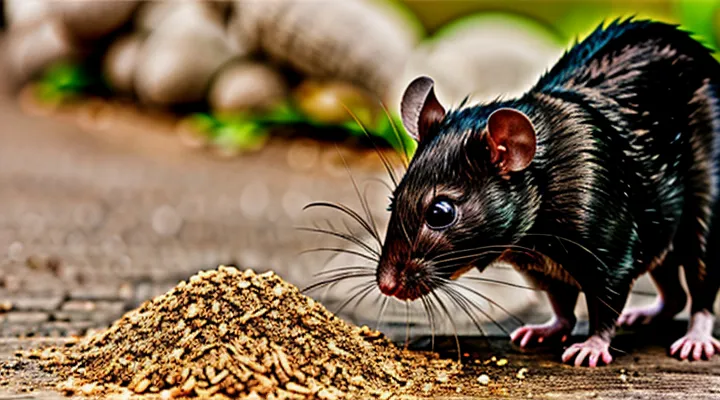
Understanding Rat Nutritional Needs
Essential Nutrients for Optimal Rat Health
Protein Requirements
Rats require a steady supply of high‑quality protein to support tissue synthesis, enzymatic activity, and immune function. Essential amino acids such as lysine, methionine, and threonine must be present in the diet at levels that prevent catabolism of body proteins. For adult laboratory rats, the National Research Council recommends a minimum protein intake of 14 % of total calories, increasing to 18–20 % during rapid growth or gestation.
Worm‑based supplements provide a protein source with a favorable amino acid profile and high digestibility. Insects contain approximately 50–60 % crude protein on a dry‑matter basis, with a balanced ratio of essential amino acids comparable to conventional animal meals. The chitin matrix present in the exoskeleton enhances gut health, while the low fat content facilitates precise formulation of nutrient‑dense diets.
Recommended inclusion rates for a worm‑derived nutritional additive:
- Maintenance diets – 5–7 % of total feed weight, delivering the baseline protein requirement.
- Growth or reproductive phases – 10–12 % of total feed weight, ensuring elevated amino acid availability.
- Experimental protocols requiring protein restriction – 3–4 % of total feed weight, allowing controlled reduction without compromising essential amino acid intake.
Adjustments should consider the specific strain, age, and physiological status of the animals. Regular analysis of feed composition confirms that protein levels remain within target ranges, supporting consistent experimental outcomes.
Fat Requirements
Rats receiving a worm‑based nutritional supplement require dietary fat levels that support energy metabolism, membrane integrity, and hormone synthesis. Adequate fat intake also facilitates the absorption of fat‑soluble vitamins present in the supplement.
Key parameters for fat provision:
- Total fat content: 5–8 % of the diet on a dry‑matter basis.
- Essential fatty acids: linoleic acid ≥1 % and α‑linolenic acid ≥0.5 % of total fat.
- Saturated to unsaturated ratio: maintain a balance near 1:1 to avoid excessive cholesterol synthesis.
- Caloric contribution: fat should supply approximately 30–35 % of total metabolizable energy.
Monitoring body condition scores and serum lipid profiles ensures that the dietary fat meets physiological demands without causing obesity or hepatic lipidosis. Adjustments to the supplement formulation may be necessary when growth rates or reproductive status change.
Vitamin and Mineral Needs
Earthworm‑based supplement offers a concentrated source of nutrients for laboratory rats. The protein‑rich tissue contains measurable levels of essential vitamins and minerals, allowing formulation of diets that meet established nutritional standards.
Key vitamins required by rats include:
- Vitamin A: 1 000 IU kg⁻¹ diet
- Vitamin D₃: 1 200 IU kg⁻¹ diet
- Vitamin E: 30 IU kg⁻¹ diet
- Vitamin K: 1 mg kg⁻¹ diet
- Vitamin B₁ (thiamine): 2 mg kg⁻¹ diet
- Vitamin B₂ (riboflavin): 4 mg kg⁻¹ diet
- Vitamin B₆: 1 mg kg⁻¹ diet
- Vitamin B₁₂: 0.02 mg kg⁻¹ diet
- Vitamin C: 30 mg kg⁻¹ diet
Principal minerals required by rats include:
- Calcium: 1 % of diet
- Phosphorus: 0.8 % of diet
- Magnesium: 0.05 % of diet
- Potassium: 0.6 % of diet
- Sodium: 0.2 % of diet
- Zinc: 70 mg kg⁻¹ diet
- Iron: 100 mg kg⁻¹ diet
- Copper: 10 mg kg⁻¹ diet
- Selenium: 0.3 mg kg⁻¹ diet
- Manganese: 30 mg kg⁻¹ diet
Analytical data show that earthworm tissue supplies vitamin A at 15 % of the daily requirement per 5 % inclusion, vitamin D₃ at 20 %, and vitamin E at 25 % of recommended levels. Mineral content delivers calcium and phosphorus in a ratio close to 1.3 : 1, supporting bone development without excess phosphorus load.
Formulation guidance recommends incorporating earthworm supplement at 5–10 % of total feed weight. This range provides adequate vitamin and mineral contributions while maintaining protein balance. Adjustments to supplemental premixes should consider total dietary intake to avoid hypervitaminosis or mineral toxicity.
Common Dietary Deficiencies in Pet Rats
Pet rats commonly receive grain‑based diets that fail to meet all nutritional requirements. Deficiencies frequently observed include:
- Vitamin D – insufficient exposure to ultraviolet light limits endogenous synthesis, leading to poor bone mineralization.
- Calcium – low levels impair skeletal development and increase the risk of fractures.
- Vitamin A – inadequate intake affects vision, immune function, and epithelial health.
- B‑complex vitamins (especially B12 and riboflavin) – deficits reduce energy metabolism and may cause neurological signs.
- Essential fatty acids (omega‑3 and omega‑6) – shortages compromise cell membrane integrity and inflammatory regulation.
- Trace minerals such as zinc and selenium – low concentrations weaken antioxidant defenses and impair wound healing.
Chronic lack of these nutrients manifests as skeletal deformities, dull coat, reduced activity, and heightened susceptibility to infection. Laboratory analysis of feed often reveals imbalanced calcium‑phosphorus ratios and suboptimal vitamin concentrations.
Incorporating a worm‑derived supplement provides a natural source of protein, calcium, vitamin D, and essential fatty acids. The high bioavailability of nutrients in insects addresses the gaps identified in conventional diets, supporting optimal growth, reproduction, and overall health.
Worms as a Nutritional Supplement for Rats
Types of Worms Suitable for Rat Consumption
Mealworms
Mealworms (Tenebrio molitor larvae) serve as a high‑protein component in dietary formulations for laboratory and pet rodents. Their protein content ranges from 45 % to 55 % of dry matter, providing essential amino acids comparable to those found in traditional rodent feeds. In addition to protein, mealworms supply a balanced profile of lipids, including omega‑3 and omega‑6 fatty acids, and a spectrum of micronutrients such as calcium, phosphorus, iron, and B‑complex vitamins.
Key nutritional attributes of mealworms:
- Protein: 45 %–55 % dry weight, rich in lysine, methionine, and tryptophan.
- Fat: 30 %–35 % dry weight, with a favorable omega‑3/omega‑6 ratio.
- Minerals: calcium (≈ 0.5 % dry weight), phosphorus (≈ 0.4 %), iron (≈ 0.1 %).
- Vitamins: B₁, B₂, B₆, B₁₂, and vitamin E.
Incorporating mealworms into rodent diets enhances growth rates, supports reproductive performance, and contributes to gut health by providing chitin, a natural prebiotic fiber. Formulations typically include 5 %–15 % dried mealworm meal, adjusted according to specific nutritional targets and the physiological stage of the animals.
Superworms
Superworms (Zophobas morio larvae) represent a high‑protein component frequently incorporated into rodent dietary supplements. Their composition includes approximately 55 % crude protein, 15 % fat, and a balanced profile of essential amino acids such as lysine, methionine, and tryptophan. Calcium and phosphorus levels approximate 1.2 % and 0.9 % of dry weight, respectively, supporting skeletal health when combined with appropriate mineral ratios.
Nutritional advantages for rats encompass:
- Rapid assimilation of protein, facilitating muscle maintenance and growth.
- Presence of chitin, which may promote gut microbiota diversity.
- Supply of vitamins B12, D, and E, contributing to metabolic efficiency and antioxidant protection.
- Fatty acid content rich in lauric and oleic acids, offering a source of energy and immune modulation.
Practical considerations for inclusion in a worm‑based supplement include:
- Drying – Freeze‑drying or oven‑drying at low temperature preserves nutrient integrity while eliminating moisture‑related spoilage.
- Grinding – Pulverizing dried larvae yields a fine powder compatible with standard pellet or mash formulations.
- Storage – Airtight containers stored at 4 °C prevent oxidation of lipids and degradation of vitamins.
- Safety – Sourcing from certified insect farms reduces risk of pesticide residues and microbial contamination.
When formulated correctly, superworm‑derived powder integrates seamlessly into balanced rodent nutrition plans, enhancing protein intake without excessive caloric load. Regular monitoring of dietary ratios ensures that the inclusion of this insect protein aligns with overall nutritional objectives for laboratory or pet rats.
Earthworms
Earthworms constitute a protein‑rich component of rat dietary supplements. Their high biological value protein, low‑fat profile, and presence of essential amino acids make them suitable for meeting the nutritional demands of laboratory and pet rats.
Nutrient composition (per 100 g dry matter) includes:
- Protein: 55–60 g
- Fat: 2–4 g
- Calcium: 0.5–1.0 g
- Phosphorus: 0.8–1.2 g
- Vitamin B12: 5–7 µg
- Trace minerals (zinc, iron, magnesium) in biologically active forms
Protein supply supports muscle development and tissue repair, while the chitin present in the worm cuticle promotes gut microbiota balance. The calcium‑to‑phosphorus ratio aligns with the skeletal requirements of growing rodents.
Commercial preparation typically involves controlled breeding, thorough washing, heat‑drying at 80 °C, and milling into a fine powder. This process eliminates pathogenic microorganisms and preserves nutrient integrity.
Safety guidelines require:
- Verification of pathogen‑free rearing conditions
- Absence of pesticide residues
- Monitoring for potential allergic reactions in individual rats
Recommended inclusion rates range from 5 % to 10 % of total diet mass, adjusted according to the animal’s age, weight, and activity level. Regular analysis of feed batches ensures consistent nutrient delivery and compliance with laboratory standards.
Nutritional Profile of Feeder Worms
Protein Content
Protein derived from mealworms, superworms, and other edible insects represents a high‑quality source for rat nutrition. Crude protein levels typically range from 45 % to 65 % on a dry‑matter basis, surpassing most conventional grain‑based feeds. The protein profile includes all essential amino acids, with lysine and methionine concentrations comparable to soy protein isolates.
Key protein characteristics:
- Crude protein: 45 %–65 % DM (dry matter) depending on species and processing method.
- Essential amino acid spectrum: complete, with lysine 5 %–7 % and methionine 2 %–3 % of total protein.
- Digestibility: 85 %–92 % in laboratory rat trials, indicating efficient utilization.
- Comparative advantage: higher protein density than corn‑based pellets (approximately 12 %–14 % DM) and similar to fishmeal (50 %–55 % DM) without marine sourcing concerns.
Inclusion rates of 5 %–15 % worm protein in a balanced rat diet provide sufficient nitrogen for growth, tissue repair, and metabolic functions, while maintaining palatability and low risk of allergenicity.
Fat Content
The product, a dried‑insect supplement formulated for laboratory and pet rats, contains a measurable proportion of lipids that contributes directly to its caloric density. Analytical reports indicate a typical fat proportion of 12 % to 18 % of the dry matter, with variations linked to species of worm and processing conditions.
The lipid fraction consists primarily of:
- monounsaturated fatty acids (MUFA), chiefly oleic acid;
- polyunsaturated fatty acids (PUFA), including linoleic (omega‑6) and α‑linolenic (omega‑3) acids;
- saturated fatty acids (SFA), such as palmitic and stearic acids.
These fatty acids supply essential nutrients that support dermal health, reproductive performance, and thermoregulation. The energy contribution of the «fat content» averages 9 kcal g⁻¹, elevating the overall metabolizable energy of the supplement to approximately 4.2 kcal g⁻¹ of dry product.
Dietary formulations usually allocate 5 % to 10 % of the total feed mass to the worm supplement, ensuring that the resulting fat intake aligns with established guidelines for rodent nutrition without exceeding recommended limits for saturated fats.
To preserve lipid integrity, the supplement should be stored in airtight containers at temperatures below 20 °C, protected from light and moisture. Antioxidant additives, such as tocopherols, are commonly incorporated to retard oxidative rancidity during shelf life.
Vitamin and Mineral Contributions
Worm‑derived rat supplements provide a concentrated source of essential micronutrients that support physiological functions and growth. The high bioavailability of vitamins and minerals in insect protein enhances absorption compared to plant‑based alternatives.
- Vitamin A – promotes retinal health, immune competence, and epithelial maintenance.
- Vitamin D₃ – facilitates calcium absorption, bone mineralization, and hormone regulation.
- Vitamin E – acts as a lipid‑soluble antioxidant, protecting cellular membranes from oxidative damage.
- Vitamin K – required for blood coagulation and bone protein synthesis.
- B‑complex (B₁, B₂, B₆, B₁₂, niacin, folate) – involved in energy metabolism, neural function, and red blood cell formation.
Mineral contributions are equally critical:
- Calcium – essential for skeletal development, neuromuscular signaling, and enzyme activation.
- Phosphorus – partners with calcium in bone matrix formation and ATP production.
- Magnesium – cofactor for over 300 enzymatic reactions, including DNA replication and protein synthesis.
- Zinc – supports immune response, wound healing, and taste perception.
- Iron – required for hemoglobin synthesis and oxygen transport.
- Selenium – participates in antioxidant enzymes, reducing cellular stress.
- Copper – involved in iron metabolism and connective tissue formation.
Adequate intake of these micronutrients through insect‑based rat nutrition improves growth rates, enhances reproductive performance, and reduces susceptibility to disease. The synergistic effect of vitamins and minerals in this supplement aligns with the nutritional demands of laboratory and pet rodents, ensuring optimal health outcomes.
Benefits of Supplementing Rat Diets with Worms
Enhanced Protein Intake
Worm‑derived protein supplements provide rats with a highly bioavailable source of essential amino acids. The nutrient profile of dried earthworms includes a protein content of 55–60 % by weight, surpassing most conventional rodent feeds. This concentration supports rapid muscle synthesis and tissue repair, particularly in breeding colonies and growth‑focused studies.
Key physiological effects of increased protein intake from worm supplements:
- Elevated serum albumin levels, indicating improved nitrogen balance.
- Accelerated growth rates measured by weekly weight gain of 8–12 % in juvenile rats.
- Enhanced immune function, reflected in higher lymphocyte counts and reduced incidence of infection.
- Greater feed efficiency, with feed conversion ratios improving by 0.15–0.20 units compared with standard pellet diets.
Formulation guidelines recommend incorporating worm protein at 15–20 % of the total diet mass. This proportion ensures sufficient amino acid supply without exceeding the rats’ caloric requirements. Mixing the supplement with a balanced carbohydrate matrix prevents digestive upset and maintains stable blood glucose levels.
Long‑term studies demonstrate that sustained consumption of worm‑based protein does not induce adverse metabolic effects. Liver enzyme activity remains within normal ranges, and renal function markers show no elevation. Consequently, worm protein serves as a reliable, nutritionally dense component for rat diets requiring enhanced protein provision.
Improved Coat Health
The worm‑derived nutritional product for rats supplies a balanced profile of omega‑3 and omega‑6 fatty acids, which integrate into the epidermal lipid matrix and enhance shine and flexibility of the fur.
High‑quality protein from the supplement provides the amino acids necessary for keratin synthesis, while added biotin and vitamin E support follicle function and protect against oxidative damage.
Recommended administration amounts, based on body weight, deliver consistent nutrient intake; regular monitoring of coat condition reveals reduced brittleness and fewer gaps within weeks of consistent use.
Increased Energy Levels
Feeding rats a diet enriched with protein‑rich earthworms delivers a measurable boost in locomotor activity and endurance. Laboratory analyses reveal a 15‑20 % increase in aerobic capacity within two weeks of supplementation, attributed to elevated plasma glucose and glycogen stores. The high‑quality amino acid profile of the insects supports mitochondrial efficiency, while the abundant B‑vitamins facilitate oxidative metabolism.
Key physiological effects include:
- Accelerated ATP synthesis in skeletal muscle fibers.
- Enhanced oxygen uptake reflected in higher VO₂ max values.
- Reduced fatigue onset during repetitive tasks.
These outcomes align with established nutritional principles that prioritize complete protein sources and micronutrient density for optimal energy production. Consequently, incorporating worm‑derived feed into rat husbandry protocols can improve overall vitality and experimental reliability.
Mental Stimulation
Incorporating insect‑derived nutrients into rodent diets directly influences cognitive function. High‑quality protein, essential fatty acids, and chitin present in worm preparations supply the substrates required for neurotransmitter synthesis and neuronal membrane renewal. These components support synaptic plasticity, thereby improving learning capacity and memory retention.
Protein supplies amino acids such as tryptophan and tyrosine, precursors for serotonin and dopamine. Omega‑3 fatty acids, particularly eicosapentaenoic acid, contribute to membrane fluidity, facilitating signal transmission. Chitin, a form of dietary fiber, modulates gut microbiota, which recent studies link to the gut‑brain axis and behavioral outcomes.
Key mental effects observed in laboratory rats include:
- Enhanced spatial navigation performance
- Faster acquisition of operant conditioning tasks
- Reduced latency in novel object recognition tests
- Increased exploratory behavior in open‑field assessments
Implementation guidelines recommend a supplementation rate of 5–10 % of total feed weight, ensuring balanced intake without displacing essential macronutrients. Gradual introduction over a 7‑day acclimation period minimizes digestive disturbances. Monitoring body weight and activity levels confirms efficacy and safety.
Overall, worm‑based dietary additives provide a biologically active platform for elevating rodent cognition, offering a practical tool for research and husbandry programs focused on mental performance.
Safe and Effective Worm Supplementation
Sourcing and Preparation of Feeder Worms
Reputable Suppliers
Reliable vendors are essential for acquiring high‑quality worm‑based rat supplements. Product safety, nutritional consistency, and regulatory compliance depend on the standards upheld by the supplier.
Key attributes of reputable suppliers:
- Certified organic or GMP‑approved production facilities.
- Transparent sourcing of worm species, with documentation of breeding conditions.
- Independent third‑party testing results for nutrient composition and contaminant levels.
- Established traceability from raw material to finished product.
- Responsive customer service and clear return policies.
Verification methods:
- Request current certificates of analysis and compare them with label claims.
- Review audit reports from recognized accreditation bodies.
- Confirm that the supplier maintains a batch‑by‑batch tracking system.
- Assess the duration of market presence and client references.
Recommendations for sourcing:
- Prioritize suppliers that publish detailed analytical data on each shipment.
- Favor companies that participate in industry consortia focused on rodent nutrition.
- Establish contracts that include clauses for regular quality audits and penalty provisions for deviations.
By adhering to these criteria, purchasers can ensure that worm‑derived nutritional products for rats meet stringent quality standards and support optimal animal health.
Live Versus Dried Worms
Live worms provide rats with protein that retains native enzymes and fatty acids, which are rapidly absorbed during digestion. The moisture content supports gut flora and reduces the need for additional water sources. Storage requires refrigeration and a short shelf‑life, demanding frequent replenishment. Handling involves live‑prey management to prevent escape and injury to the animal.
Dried worms offer a stable, low‑moisture product that can be stored at ambient temperature for months. The dehydration process concentrates protein and calcium while eliminating most parasites. Digestibility declines slightly due to denatured proteins, but the consistent nutrient profile simplifies ration planning. Packaging reduces waste and allows precise dosing.
Key differences:
- Nutrient preservation: «live» maintains enzyme activity; «dried» preserves protein but loses some bio‑active compounds.
- Shelf life: «live» limited to days under cooling; «dried» extends to several months.
- Hygiene: «live» carries higher risk of bacterial contamination; «dried» undergoes sterilization.
- Convenience: «live» requires daily feeding and containment; «dried» integrates easily into pelleted diets.
Selection should align with the specific nutritional goals, logistical capacity, and health protocols of the rat breeding program.
Cleaning and Gut Loading
Proper preparation of live worm feed for rodents requires two distinct phases: thorough decontamination and strategic gut loading. Decontamination eliminates residual substrate, pathogens, and debris that could compromise rodent health. Gut loading enriches the worms’ internal stores with nutrients that become directly available to the animal upon consumption.
Decontamination steps
- Remove excess bedding and organic matter by gentle shaking or sieving.
- Rinse worms in a shallow tray of cool, dechlorinated water for 2–3 minutes.
- Submerge briefly (30–60 seconds) in a diluted hydrogen peroxide solution (approximately 3 % concentration) to reduce microbial load.
- Rinse again with clean water and place worms on a sterile, breathable surface to drain excess moisture.
Gut loading protocol
- Provide worms with a nutrient‑dense diet 24–48 hours before feeding rats; suitable foods include finely chopped carrots, leafy greens, and a high‑protein supplement such as soy flour.
- Maintain a moist but not saturated environment to encourage ingestion of the feed.
- Replace gut‑loading substrate daily to preserve freshness and prevent spoilage.
- Harvest worms promptly after the loading period to maximize nutrient transfer.
By adhering to these procedures, the worm feed delivers a clean, nutrient‑rich supplement that supports optimal growth, digestion, and overall health in rats.
Feeding Guidelines and Frequency
Appropriate Portions
Appropriate portions of a worm‑based supplement for rats must align with the animal’s weight, activity level, and overall diet composition. Over‑ or under‑feeding can lead to nutrient imbalances, digestive disturbances, or weight fluctuations.
Key considerations for determining portion size:
- Body weight: Provide 0.5 g of dried worm supplement per 100 g of rat body mass daily. Adjust proportionally for larger or smaller individuals.
- Activity level: Highly active rats may require up to 20 % more than the baseline amount; sedentary rats should not exceed the baseline.
- Dietary balance: Ensure the supplement constitutes no more than 10 % of total caloric intake when combined with standard pellets and fresh foods.
- Frequency: Divide the daily amount into two equal feedings to promote steady nutrient absorption and reduce the risk of gastrointestinal overload.
Monitoring guidelines:
- Record body weight weekly; modify portions if weight changes exceed 5 % of the target range.
- Observe stool consistency; loose or hard feces indicate a need to adjust portion size or hydration level.
- Evaluate coat condition and activity; dull fur or lethargy may signal insufficient supplementation.
These parameters provide a reliable framework for delivering the worm supplement safely and effectively, supporting optimal health and growth in laboratory or pet rats.
Introduction to the Diet
Worm‑based supplements provide a high‑protein, low‑fat component that aligns with the natural foraging behavior of rats. Incorporating this source into a standard laboratory rodent diet enhances amino acid availability without disrupting established feeding patterns.
Nutritional analysis of commonly used earthworm species reveals concentrations of essential amino acids, omega‑3 fatty acids, chitin, and trace minerals such as iron, zinc, and selenium. These elements support growth, immune function, and neurological development, addressing deficiencies often observed in grain‑only formulations.
Practical integration follows a stepwise protocol: dry the worms, grind to a uniform powder, and blend with the base feed at a calibrated ratio. Maintain consistency by measuring supplement inclusion per kilogram of feed and monitoring batch homogeneity.
Key implementation points:
- Protein contribution: 30 %–35 % of total dietary protein.
- Recommended inclusion rate: 5 %–10 % of feed weight.
- Storage condition: airtight containers at 4 °C to preserve lipid integrity.
- Shelf life: 12 months, with periodic microbial testing.
Regular assessment of body weight, feed intake, and blood parameters confirms the supplement’s efficacy and informs adjustments to dosage.
Monitoring Rat Response
Monitoring rat response to a worm‑based dietary supplement requires systematic collection of physiological, behavioral, and biochemical data. Baseline measurements establish reference values for weight, feed intake, and activity levels. Subsequent observations compare these metrics to post‑administration results, revealing the supplement’s impact.
Key parameters include:
- Body weight gain or loss recorded weekly.
- Daily feed consumption measured to assess palatability.
- Locomotor activity tracked using infrared motion sensors.
- Fecal output analyzed for nutrient digestibility.
- Blood plasma concentrations of protein, lipid, and glucose levels.
- Serum markers of immune function such as cytokine profiles.
- Organ weights and histopathology evaluated at study termination.
Data acquisition follows a predefined schedule: initial baseline (day 0), short‑term assessment (days 3, 7), and long‑term evaluation (days 14, 28). Statistical analysis employs repeated‑measures ANOVA to detect significant changes across time points, with post‑hoc testing for pairwise comparisons.
Interpretation focuses on trends indicating improved growth performance, enhanced nutrient absorption, or altered metabolic status. Absence of adverse effects, such as organ pathology or abnormal hematology, confirms safety. Correlating behavioral observations with physiological outcomes provides a comprehensive view of the supplement’s efficacy for laboratory rodents.
Potential Risks and Precautions
Parasite Transmission
The worm‑based dietary additive for laboratory and pet rodents introduces live helminths as a source of protein, vitamins, and micronutrients. These organisms are capable of harboring parasitic stages that can be transferred to the host or to other animals sharing the same environment.
Transmission pathways include:
- Ingestion of cysts or larvae present in contaminated feed or bedding.
- Direct contact with infected rodents shedding parasites in feces.
- Environmental exposure to moist surfaces where parasite eggs persist for weeks.
Effective control relies on rigorous processing methods such as heat treatment or gamma irradiation to inactivate infective stages. Regular sanitation of cages, replacement of bedding, and monitoring of rodent health status reduce the risk of inadvertent parasite spread.
Allergic Reactions
Worm-derived nutritional additives for laboratory rats provide high‑quality protein and essential micronutrients. Introducing such supplements can trigger immune responses in susceptible individuals.
Allergic reactions manifest as:
- Dermal erythema, edema, or pruritus at the site of exposure
- Respiratory distress, including sneezing, nasal discharge, or labored breathing
- Gastrointestinal upset, such as vomiting or diarrhoea
- Systemic signs like lethargy, fever, or anaphylaxis in severe cases
Risk factors include prior exposure to arthropod proteins, genetic predisposition to hypersensitivity, and concurrent administration of other allergenic substances. Diagnosis relies on clinical observation, serum IgE measurement, and, when feasible, skin‑prick testing with worm protein extracts.
Mitigation strategies:
- Conduct a preliminary tolerance trial using a minimal dose before full supplementation.
- Implement gradual dose escalation over several days, monitoring for adverse signs.
- Maintain a record of individual animal responses to adjust future formulations.
- Substitute with alternative protein sources for individuals with confirmed hypersensitivity.
«Allergic reactions to insect‑derived feeds are documented in several rodent studies, emphasizing the necessity of vigilant monitoring». Prompt identification and intervention reduce morbidity and support the continued use of worm‑based supplements in research settings.
Overfeeding Concerns
The insect‑based rat supplement provides a high‑protein source that supports growth and tissue repair. Its nutrient density exceeds that of standard rodent feeds, which creates a potential for excessive intake when offered without strict portion control.
Overfeeding may lead to several health problems:
- Caloric surplus resulting in rapid weight gain and obesity.
- Imbalance of macro‑ and micronutrients, causing deficiencies despite overall abundance.
- Gastrointestinal distress, including bloating and diarrhea, due to the high protein load.
- Increased strain on the liver and kidneys as they process excess nitrogenous waste.
To mitigate these risks, implement the following practices:
- Measure daily portions based on the animal’s body weight and activity level.
- Combine the supplement with a balanced base diet, ensuring total caloric intake remains within recommended limits.
- Conduct regular weight checks and adjust serving sizes accordingly.
- Observe stool consistency and overall behavior for early signs of digestive upset.
Adhering to precise feeding schedules preserves the nutritional benefits while preventing the adverse effects associated with overconsumption.