
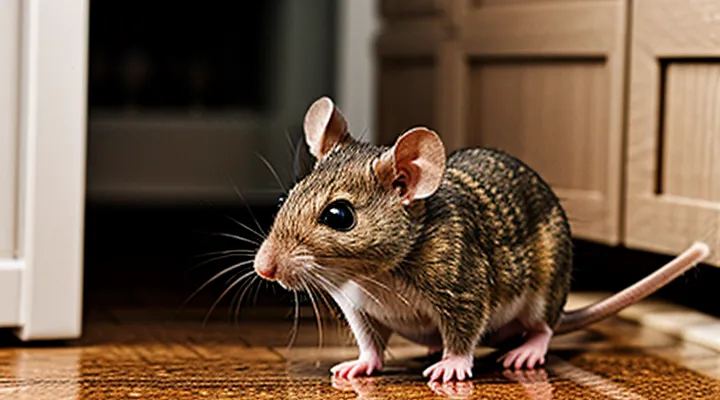
Understanding Mouse Behavior and Biology
Mouse Species Commonly Found Indoors
Several mouse species adapt to indoor environments, each exploiting specific conditions that facilitate entry and survival.
- House mouse (Mus musculus) – thrives in human dwellings, feeds on stored food, nests in wall voids, attics, and cabinets.
- Deer mouse (Peromyscus maniculatus) – primarily a field dweller, enters homes seeking shelter during extreme weather, often found in basements and crawl spaces.
- White‑footed mouse (Peromyscus leucopus) – similar to the deer mouse, colonizes structures adjacent to vegetation, may occupy insulation and ceiling voids.
- Field mouse (Apodemus sylvaticus) – occasionally penetrates homes via cracks, prefers dry, clutter‑free areas such as pantry shelves.
Identification of the species informs control measures: house mice require sealing of small openings and removal of food residues; deer and white‑footed mice demand exclusion of exterior vegetation and maintenance of foundation integrity; field mice are deterred by eliminating access points near ground level. Accurate species recognition supports targeted prevention and eradication strategies.
Reproductive Cycles and Rapid Population Growth
Mice reproduce quickly, allowing small numbers to become noticeable infestations within weeks. A female can become fertile after 4–6 weeks of age, and the estrous cycle lasts only 4–5 days, enabling mating almost continuously when conditions are favorable.
Key reproductive parameters include:
- Gestation period: 19–21 days.
- Average litter size: 5–8 pups.
- Number of litters per year: up to 10 in warm environments.
- Weaning age: 3 weeks, after which juveniles can breed.
These figures create exponential growth. Starting with a pair, the population can increase from 2 to over 200 individuals in a single season if food, shelter, and water are readily available inside a residence.
Rapid multiplication shortens the interval between initial detection and a full‑scale problem. Early signs—droppings, gnaw marks, or nesting material—should trigger immediate control measures, because each additional breeding pair can double the colony size within a month.
Mouse Senses and Navigational Abilities
Mice rely on a highly developed sensory suite to locate food, avoid predators, and infiltrate human dwellings. Their olfactory system detects volatile compounds at concentrations as low as parts per billion, enabling identification of grain, crumbs, and other organic residues. Auditory receptors are tuned to ultrasonic frequencies, allowing mice to perceive subtle vibrations generated by appliances or footfalls. Vibrissae (whiskers) provide tactile feedback about surface textures and spatial constraints, while a limited visual field, optimized for low‑light conditions, assists in navigating dimly lit interiors.
These senses combine to produce precise navigation strategies:
- Chemical mapping: Mice create scent trails and follow pheromone gradients to maintain routes between nesting sites and food sources.
- Tactile exploration: Whisker input guides movement through narrow gaps, such as wall voids and insulation cavities.
- Auditory cueing: Detection of ambient sounds helps mice avoid human activity and locate safe passages.
- Spatial memory: Repeated use of established pathways reinforces neural maps, reducing reliance on trial‑and‑error exploration.
The integration of olfactory, auditory, tactile, and visual data permits mice to exploit minute entry points, travel within concealed structures, and persist in residential environments despite preventive measures.
Primary Attractants for Mice
Food Sources within the Home
Pantry Items and Spills
Pantry supplies create a direct food source that draws mice into residential spaces. Open packages, loosely stored grains, cereals, nuts, dried fruit, pet food, and sugary snacks release odors that rodents detect from great distances. When these items are not sealed, mice can chew through packaging and access the contents, establishing a sustainable feeding site.
Spills contribute additional attraction. Crumbs, sugary residues, and liquid leaks leave scent trails and moisture that encourage exploratory behavior. Even minor accumulations on shelves or floor surfaces provide enough nutrition to sustain a small population.
- Seal all dry goods in airtight containers made of metal or thick plastic.
- Store pet food in resealable containers and limit the amount left out overnight.
- Clean up crumbs and food particles daily; use a vacuum or damp cloth to remove residues.
- Wipe down shelves after any spill, ensuring no sticky or sugary film remains.
- Inspect packaging for tears before placing items in the pantry; replace damaged bags promptly.
By eliminating accessible food and promptly addressing spills, the primary incentive for mice to enter the home is removed, reducing the likelihood of an infestation.
Pet Food and Bird Seed
Pet food left uncovered or stored in soft containers creates an easy source of nutrition for mice seeking shelter indoors. The high protein and fat content of dry kibble satisfies the rodents’ dietary needs, encouraging repeated foraging trips from walls and crawl spaces into kitchens and pantry areas.
Bird seed placed near windows, balconies, or on open feeders spills onto floors and countertops. Cracked hulls and discarded kernels remain accessible, providing a constant attractant that can draw mice from exterior vegetation into the home’s interior.
Key factors that amplify the risk:
- Improper storage: Plastic bags or cardboard boxes that do not seal tightly allow scent diffusion and easy access.
- Spillage: Dropped kibble or seed fragments on the floor create feeding trails.
- Proximity to entry points: Feeders positioned close to cracks, gaps, or vents give rodents a short route to food sources.
- Seasonal scarcity: During colder months, outdoor food becomes limited, prompting mice to search indoors for pet provisions.
Mitigation measures:
- Transfer pet food to airtight metal containers; discard any stale or damp portions promptly.
- Use feeder designs with sealed bottoms; clean up seed spills daily and keep feeders away from structural openings.
- Inspect and seal gaps around doors, windows, and utility penetrations to block ingress.
- Rotate stock regularly, removing expired products that may emit stronger odors.
By controlling the availability and accessibility of pet food and bird seed, homeowners can significantly reduce the attraction that drives mice to infiltrate living spaces.
Compost and Garbage Bins
Mice are attracted to compost and garbage containers because these sites provide readily available food, moisture, and shelter. Organic waste releases odors that signal a reliable nutrient source, while the structure of bins offers nesting opportunities protected from predators and environmental extremes.
Improperly sealed lids, gaps in bin walls, and accumulation of debris around containers create entry points and travel routes for rodents. Frequent removal of waste without cleaning residual residues reduces the attractiveness of the area, but neglect allows food particles to remain accessible for extended periods.
Key factors that encourage mouse activity near compost and trash bins:
- Loose or damaged seals on lids and lids that do not close tightly
- Gaps between the bin and the surrounding surface, such as cracks in the floor or baseboard
- Wet or decomposing organic material that emits strong odors
- Stacked bins that create vertical pathways and hideaways
- Lack of regular cleaning, leaving food residues on the bin exterior
Mitigation measures include installing tightly fitting, lockable lids; positioning bins away from walls and entryways; using metal or heavy‑duty containers that resist chewing; regularly cleaning bin interiors and surrounding areas; and employing rodent‑proof barriers such as mesh screens or concrete pads. Consistent application of these practices diminishes the appeal of compost and waste stations, thereby lowering the likelihood of mouse infestations inside the home.
Water Sources and Moisture
Leaky Pipes and Faucets
Mice are drawn to any reliable water source inside a residence. Leaking pipes generate moisture that seeps into walls, insulation, and floor cavities, creating a humid microenvironment that supports insects and fungi. These secondary food sources attract mice, which follow the scent of moisture and the presence of prey.
A continuously dripping faucet supplies liquid without interruption. The sound and scent of water signal a safe drinking point, allowing mice to reduce the risk of dehydration. The steady flow also softens surrounding materials, making it easier for rodents to gnaw and expand entry routes.
Both conditions reduce the effort required for mice to establish a foothold, turning otherwise dry spaces into habitable zones.
- Repair all pipe leaks promptly; replace corroded sections.
- Tighten faucet connections and replace worn washers.
- Inspect under sinks, behind appliances, and in crawl spaces for signs of moisture.
- Seal gaps around pipes with silicone or metal flashing.
- Install leak‑detection alarms in vulnerable areas.
Condensation and Standing Water
Condensation and standing water create a reliable moisture source that encourages mice to enter residential spaces. Mice require water for survival; when humidity accumulates on cold surfaces, droplets form and pool in concealed areas such as under sinks, behind appliances, or within wall cavities. These micro‑environments supply the necessary hydration without forcing rodents to travel far, reducing the energy cost of foraging.
Moist environments also support insect populations, which in turn provide an additional food supply for mice. The presence of insects like beetles and larvae in damp corners creates a self‑reinforcing supply chain that sustains rodent activity. Moreover, excessive moisture weakens building materials, opening gaps and enlarging existing entry points. Cracks in plaster, warped wood, and deteriorated sealants become accessible pathways for small rodents.
Key impacts of condensation and standing water:
- Direct water source eliminates the need for mice to seek external supplies.
- Elevated humidity promotes insect growth, offering supplemental food.
- Material degradation expands entry routes and nesting sites.
- Persistent dampness signals a hospitable habitat, increasing the likelihood of infestation persistence.
Mitigating these factors involves eliminating sources of condensation, repairing leaks, and ensuring proper ventilation to maintain low indoor humidity levels. By removing the moisture incentive, the environment becomes less attractive to mice, reducing the probability of a rodent problem developing.
Shelter and Nesting Opportunities
Dark and Unused Spaces
Mice seek shelter where light is scarce and activity is minimal. Dark, seldom‑used areas provide the concealment and stable temperature that small rodents require for nesting and foraging.
Typical locations include:
- Under kitchen cabinets and behind appliances where illumination is limited.
- Inside wall cavities, attics, and crawl spaces that are rarely entered.
- Beneath stored furniture, piles of cardboard, or seasonal items left in basements.
- Within insulation, ceiling tiles, and unused closets that remain closed for long periods.
These environments offer protection from predators, reduce disturbance from human movement, and maintain humidity levels conducive to mouse survival. The absence of regular cleaning or inspection allows droppings, food residues, and nesting material to accumulate, further encouraging colonization.
Preventive measures focus on eliminating darkness and inactivity:
- Install motion‑activated lights or keep existing lights on in vulnerable zones.
- Regularly inspect and purge storage areas, discarding unnecessary boxes and debris.
- Seal gaps around vents, pipes, and structural joints to block entry points.
- Maintain a schedule of cleaning and vacuuming in seldom‑used rooms to remove potential food sources.
By reducing the availability of dim, unused spaces, homeowners diminish the most attractive habitats for tiny rodents and lower the risk of infestation.
Insulation and Wall Voids
Insufficient or damaged insulation creates temperature gradients that draw mice seeking warmth. Gaps in cavity sealant allow rodents to move from exterior walls into interior spaces, where the material offers protection from predators and drafts. The combination of heat retention and concealed pathways makes wall voids an attractive habitat for small rodents.
Common insulation types differ in susceptibility:
- Loose‑fill cellulose or fiberglass can be displaced by chewing, forming tunnels that connect to exterior openings.
- Spray‑foam seals small cracks but, if applied unevenly, leaves voids that serve as nesting chambers.
- Rigid board insulation may contain gaps at seams, providing entry points when not fastened securely.
Preventive measures focus on eliminating access and reducing habitat suitability:
- Inspect all exterior sheathing for cracks, gaps around utility penetrations, and damaged flashing; seal each opening with stainless‑steel mesh or expanding foam rated for pest control.
- Replace compromised insulation with tightly packed material; ensure dense packing eliminates voids that mice could exploit.
- Install a continuous barrier of rodent‑proof material (e.g., metal flashing) at the top of wall cavities before re‑insulating.
- Conduct periodic visual checks of attic and basement insulation for signs of nesting material, droppings, or gnaw marks, and address findings immediately.
By reinforcing wall cavities and maintaining intact insulation, homeowners remove the primary environmental incentives that encourage mice to inhabit residential structures.
Entry Points and Access Routes
Cracks and Gaps in Foundations
Cracks and gaps in a building’s foundation create direct pathways for mice to infiltrate interior spaces. Even narrow openings as small as a quarter of an inch permit entry, because mice can compress their bodies to slip through minute fissures.
- Structural settlement or shifting soil generates new cracks, expanding existing ones and exposing fresh entry points.
- Poorly sealed utility penetrations—plumbing, electrical conduit, or HVAC ducts—leave gaps that connect the foundation to interior rooms.
- Water intrusion softens concrete, causing spalling and widening of fissures, which further facilitates rodent movement.
- Foundation cracks near crawl spaces or basements provide sheltered routes that conceal mouse activity from occupants.
Addressing these vulnerabilities requires systematic inspection and repair. Seal all visible cracks with appropriate hydraulic cement or epoxy filler, ensuring material adheres to both concrete and surrounding masonry. Install metal flashing or rodent‑proof mesh around utility penetrations, and verify that vent covers are tightly fitted. Maintain exterior drainage to prevent water accumulation against the foundation, thereby reducing concrete degradation. Regularly monitor repaired areas for signs of re‑opening, and re‑seal promptly to sustain an effective barrier against mouse intrusion.
Gaps Around Utility Lines and Pipes
Gaps surrounding utility lines and plumbing fixtures create direct pathways for mice to enter residential structures. These openings often appear where cables, water, gas, or drainage pipes penetrate exterior walls, foundations, or crawl spaces. Over time, shifting foundations, weathering of sealants, and improper installation enlarge the voids, allowing rodents to squeeze through spaces as small as a quarter of an inch.
Mice exploit these routes to reach interior environments that provide shelter and food. Once inside, they travel along the concealed pathways, using the voids to avoid detection while moving between rooms, attics, and basements. The proximity of utility lines to heating and electrical systems also offers additional warmth, encouraging persistent occupancy.
Effective control requires systematic identification and sealing of each entry point. Recommended actions include:
- Conduct a thorough visual inspection of all exterior walls, foundation seams, and utility penetrations.
- Use a flashlight and mirror to locate hidden cracks around conduit sleeves, vent stacks, and pipe flanges.
- Apply steel wool or copper mesh to fill narrow gaps before applying a sealant.
- Seal larger openings with expanding polyurethane foam, followed by a layer of cement or metal flashing for durability.
- Replace damaged or improperly sized conduit sleeves with properly fitted, insulated collars.
Regular maintenance—checking for new cracks after seasonal temperature shifts or after landscaping work—prevents re‑establishment of these access routes and reduces the likelihood of mouse intrusion.
Damaged Screens and Open Doors/Windows
Damaged window and door screens, as well as unsecured openings, serve as primary pathways for small rodents to enter residential spaces. Even minor tears or gaps create enough clearance for mice, whose bodies can compress to pass through spaces as small as ¼ inch. When screens are compromised, insects attract mice, providing an additional food source that encourages lingering activity.
Typical screen failures include:
- Tears from pets or sharp objects
- Loose mesh that detaches from the frame
- Corroded or warped frames that no longer hold the mesh tightly
- Missing or broken fasteners
Open doors or windows without proper sealing contribute similarly. Gaps around hinges, weatherstripping, or sliding tracks often remain unnoticed, yet they offer unobstructed routes for rodents seeking shelter and warmth.
Preventive actions:
- Inspect all screens regularly; replace or repair any torn sections immediately.
- Secure frames with rust‑resistant screws and ensure mesh tension is uniform.
- Apply weatherstripping to door and window frames; check for gaps after each season.
- Install door sweeps and window stoppers to eliminate gaps when closures are not in use.
- Use fine‑mesh screens rated for rodent exclusion on vents and pet doors.
By maintaining intact barriers and eliminating unsealed openings, homeowners significantly reduce the likelihood of mouse intrusion.
Roof Vents and Eaves
Roof vents provide direct access to the attic space, a warm and sheltered environment that mice seek for nesting and food storage. Gaps around vent covers, cracked louvers, or missing screens create openings as small as a quarter‑inch, allowing mice to squeeze through. Once inside, they can travel along insulation, reach stored items, and contaminate surfaces with droppings and urine.
Eaves form a natural bridge between the exterior and the roof cavity. Overhanging soffits often contain gaps where the siding meets the roof line, and deteriorated flashing can leave cracks. Mice exploit these weaknesses to move from the yard into the attic without exposure to predators. The underside of eaves also offers protection from rain, making it an attractive travel route.
Key factors that increase vulnerability of vents and eaves:
- Unscreened or damaged vent covers
- Loose or missing soffit panels
- Cracked or corroded flashing
- Accumulated debris that hides entry points
Mitigation measures:
- Inspect vent covers annually; replace broken screens and seal gaps with steel‑wool or caulk.
- Repair or replace cracked soffit panels and ensure all seams are tightly sealed.
- Apply metal flashing around eave edges; use a durable sealant to close cracks.
- Install a fine‑mesh barrier (no larger than 1/4 inch) over all exterior openings.
- Maintain clear vegetation around the house to reduce shelter for mice near the roof line.
Regular maintenance of roof vents and eaves eliminates the primary pathways mice use to enter homes, reducing the likelihood of a rodent problem developing in the attic and interior spaces.
Unsealed Gaps Around Doors and Windows
Unsealed gaps around doors and windows provide the most direct route for mice to enter residential spaces. Mice can squeeze through openings as small as ¼ inch, allowing entry through weatherstripping that is worn, cracked, or missing entirely. Gaps often appear at the edges of door frames, around sliding glass panels, and between the window sash and the surrounding wall.
These openings serve two functions for rodents: a pathway to the interior and a conduit for air currents that mask their presence. Once inside, mice exploit the same gaps to travel between rooms, spreading contamination and damage.
Detecting vulnerable points requires systematic inspection:
- Examine the perimeter of each door and window for visible cracks, gaps, or deteriorated sealant.
- Feel for drafts with a hand or use a smoke pencil to reveal airflow through minute openings.
- Look for signs of gnawing, nesting material, or droppings near suspected entry points.
Sealing measures must address both the size of the gap and the durability of the material used:
- Apply high‑quality silicone or polyurethane caulk to fill cracks less than ½ inch wide.
- Install new compression or silicone weatherstripping on door frames where existing strips are compressed or torn.
- Fit metal or PVC flashing around window frames, securing it with appropriate screws and sealant.
- For larger openings, use steel wool or copper mesh as a temporary barrier before applying a permanent sealant.
Regular maintenance of these seals prevents re‑entry. Replace weatherstripping annually, inspect after severe weather, and ensure that any renovations maintain a continuous barrier. By eliminating unsealed gaps, homeowners remove the primary access points that enable mice to infiltrate the dwelling.
Environmental Factors Contributing to Infestations
Seasonal Changes and Weather Conditions
Cold Weather Driving Mice Indoors
Cold temperatures reduce the availability of natural shelter and food, prompting mice to seek the warmth and resources offered by human dwellings. As outdoor temperatures drop, the metabolic rate of mice rises, increasing their need for calories and safe nesting sites.
The drive to enter homes is reinforced by several observable factors:
- Heat loss: Insulated walls, attics, and basements retain warmth, creating micro‑environments that attract rodents seeking to conserve body heat.
- Food scarcity: Snow cover and frozen ground limit access to seeds, insects, and plant material, forcing mice to explore indoor kitchens and pantries.
- Reduced predator activity: Cold weather diminishes the presence of natural predators such as hawks and foxes, lowering the risk of predation inside structures.
- Structural gaps: Cracks in foundations, gaps around pipes, and poorly sealed doors provide easy entry points that become more appealing when exterior conditions are hostile.
Effective prevention focuses on eliminating these incentives. Seal all openings larger than ¼ inch, reinforce insulation to prevent interior heat buildup in crawl spaces, and store food in airtight containers. Regularly inspect attics and basements for signs of nesting material, and maintain a clean environment to reduce attractants. By addressing the specific pressures of cold weather, homeowners can significantly lower the likelihood of mouse intrusion.
Heavy Rains and Flooding
Heavy rainfall forces mice to abandon nests that become water‑logged or unstable. When floodwaters rise, ground‑level burrows fill with moisture, eliminating safe shelter and driving rodents toward elevated, dry environments. The immediate need for refuge pushes them into basements, crawl spaces, and interior walls where humidity is lower.
The influx of water also disrupts food supplies. Outdoor grain stores, garden produce, and natural foraging zones become inaccessible or contaminated, prompting mice to seek stored food inside homes. Flood‑damaged structures develop cracks and gaps, creating new entry points that rodents exploit without hesitation.
Key mechanisms linking precipitation events to indoor mouse activity:
- Saturated soil collapses burrow systems, causing displacement.
- Flooded vegetation eliminates cover, increasing exposure to predators and prompting movement indoors.
- Structural damage generates openings around foundations, utility penetrations, and roof eaves.
- Moisture‑rich debris accumulates near entrances, providing concealment and nesting material.
- Disrupted outdoor food sources redirect foraging behavior toward pantry items, crumbs, and waste inside residences.
Consequently, periods of intense rain and subsequent flooding often precede spikes in mouse sightings and damage reports. Preventive measures—sealing foundation cracks, elevating stored goods, and installing flood‑resistant barriers—mitigate the risk of infestation during these climatic events.
Landscaping and Exterior Conditions
Overgrown Vegetation Near the Home
Overgrown vegetation surrounding a residence creates an environment that attracts wild mice and facilitates their entry into indoor spaces. Dense plant growth offers protection from predators, maintains higher humidity, and generates abundant food sources such as seeds, insects, and fallen fruit. These conditions increase the likelihood that mice will establish nests close to the home and eventually explore entry points.
Key mechanisms by which unmanaged greenery contributes to rodent intrusion:
- Thick foliage contacts building foundations, roof eaves, and window sills, providing a bridge for mice to climb onto the structure.
- Roots and stems accumulate debris that can block drainage, leading to damp areas where mice seek shelter.
- Ground cover conceals burrows and tunnels, allowing populations to expand unnoticed.
- Fruit‑bearing shrubs drop edible material near doors and vents, creating attractants that draw mice toward potential openings.
Mitigation requires regular trimming of hedges, removal of low‑lying branches, and clearance of leaf litter around the perimeter. Maintaining a clear zone of at least two feet between vegetation and the building surface eliminates convenient pathways and reduces habitat suitability, thereby lowering the risk of indoor mouse activity.
Woodpiles and Debris Piles
Woodpiles and debris piles create sheltered environments that meet the basic needs of house mice, offering protection from predators and extreme weather. The dense arrangement of logs, branches, and discarded materials retains heat, maintaining a stable microclimate suitable for nesting and foraging.
Key factors that make these accumulations attractive to mice include:
- Concealed entry points – gaps between stacked wood or loose debris provide easy access to interior spaces.
- Food sources – insects, seeds, and organic matter trapped in the piles serve as a readily available diet.
- Moisture retention – dampness within the pile supports humidity levels preferred by rodents.
- Proximity to structures – piles placed near foundations or external walls shorten the travel distance to potential entry sites.
Eliminating or properly managing wood and debris accumulations reduces the likelihood of mouse colonization. Strategies involve storing firewood off the ground, maintaining a clear perimeter around the house, and regularly removing litter or compost that could serve as a habitat. Implementing these measures directly diminishes the conditions that encourage mouse intrusion.
Neighboring Properties and Infestation Pressure
Adjacent Infested Homes
Mice frequently migrate from neighboring properties that already harbor infestations. Shared walls, foundations, and utility conduits create direct pathways for rodents to travel between homes. When an adjacent house has unchecked mouse activity, the pressure to find food and shelter drives individuals toward vacant or vulnerable spaces in nearby dwellings.
Key mechanisms of cross‑property spread include:
- Structural connections: cracks in shared walls, gaps around plumbing, and open crawl spaces allow mice to move without exposure to the external environment.
- Utility lines: electrical wiring, water pipes, and HVAC ducts often run through multiple residences, providing concealed routes.
- Landscape continuity: dense shrubbery, overgrown lawns, and stacked firewood adjacent to a home create cover and bridge gaps between properties.
- Food sources: unsecured trash bins, pet food, and open pantry items in one house attract mice, which then explore neighboring homes in search of additional resources.
- Human activity: frequent visitors, moving trucks, and delivery services can inadvertently transport rodents from an infested dwelling to a nearby one.
Effective mitigation requires coordinated action among neighboring owners. Sealing all exterior openings, maintaining clear perimeters, and implementing regular pest‑monitoring schedules in each property reduce the likelihood of inter‑home migration. When adjacent residences adopt consistent exclusion and sanitation practices, the overall rodent pressure in the area diminishes, lowering the risk of mice establishing a foothold in any single home.
Commercial Properties with Rodent Issues
Commercial buildings provide ample shelter, food sources, and pathways that attract small rodents. Open loading docks, storage areas, and waste collection points create entry opportunities, while cluttered interior spaces offer nesting sites. These conditions enable mice to establish colonies that can spread rapidly throughout the facility.
- Gaps around utility penetrations and door thresholds allow rodents to infiltrate interior spaces.
- Accumulated food waste in break rooms, cafeterias, and vending areas supplies a constant nutrient source.
- Improperly sealed dumpsters and recycling containers generate odors that draw foraging mice.
- Cluttered inventory zones and unused shelving create concealed harborage for breeding.
- HVAC and ventilation ducts provide concealed routes for movement between floors and zones.
Rodent presence in commercial premises leads to material damage, contamination of products, and health‑code violations. Immediate measures include sealing structural openings, implementing rigorous waste management protocols, maintaining regular sanitation schedules, and conducting professional inspections to identify hidden infestations. Continuous monitoring and prompt remediation prevent escalation and protect operational integrity.
Signs of a Mouse Infestation
Droppings and Urine Stains
Droppings left by house mice are typically ¼‑inch dark pellets, often found along walls, behind appliances, and in hidden corners. Fresh specimens are moist and may have a faint odor; older droppings become dry, brittle, and may crumble when handled. Their presence confirms active infestation because mice must feed regularly and produce waste every few hours.
Urine stains appear as yellow‑to‑brown discolorations on fabrics, wood, or drywall. Stains may be invisible on light surfaces but can be detected with a blacklight, which causes rodent urine to fluoresce. Both droppings and urine contain pathogens such as Hantavirus, Salmonella, and Leptospira, posing health risks through inhalation of dried particles or direct contact.
- Collect droppings with disposable gloves; seal in a plastic bag for laboratory analysis if needed.
- Disinfect surfaces with a 1:10 bleach solution, allowing a minimum of ten minutes contact time.
- Replace heavily soiled insulation, upholstery, or drywall, as absorption can retain contaminants.
- Install traps or exclusion measures promptly to prevent further contamination.
Gnaw Marks on Structures and Food Packaging
Gnaw marks on building components and food containers are reliable evidence of a mouse presence. Rodents use their incisors to breach wood, insulation, plastic, and cardboard, leaving characteristic V‑shaped or parallel bite patterns. These openings provide access to shelter, nesting material, and nutrition, allowing a small population to expand rapidly.
Typical gnaw‑damage includes:
- Clean, shallow cuts on baseboards, beams, and cabinet doors, often at a 45‑degree angle.
- Rounded holes in cereal boxes, chip bags, and foil wrappers, with jagged edges where the animal chewed through.
- Severed wiring or plastic pipe sleeves, exposing conductive material that can cause electrical hazards.
Identifying such marks early enables prompt remediation. Seal all compromised openings with steel wool or metal mesh, replace damaged packaging, and eliminate sources of food debris to prevent further intrusion.
Scratching and Scurrying Noises
Scratching and scurrying noises are auditory indicators of active mouse presence. The sounds arise when rodents move across insulation, crawl spaces, or stored items, and when they gnaw or rearrange nesting material.
These noises occur most frequently in wall cavities, attics, and beneath floorboards, where mice seek shelter and food. Activity peaks during nighttime hours, aligning with the animals’ nocturnal habits.
Distinguishing mouse sounds from other pests involves noting the cadence and pitch. Mice produce rapid, high‑frequency scurrying and intermittent scratching, whereas rats generate heavier, deeper thuds, and insects emit continuous rustling.
Effective identification follows a systematic approach:
- Pause in a quiet room and listen for intermittent scratching behind walls or under cabinets.
- Use a flashlight to inspect exposed seams, vents, and storage areas for droppings, gnaw marks, or shredded material.
- Set up motion‑activated sensors or acoustic detectors to confirm activity patterns.
Once confirmed, control measures include sealing entry points larger than a quarter‑inch, removing food sources, and deploying snap traps or bait stations in identified pathways. Regular monitoring of noise levels helps gauge the success of remediation and indicates whether additional intervention is required.
Nests and Nesting Materials
Mice construct nests to protect themselves from predators, temperature extremes, and to rear offspring. Nests are typically located in concealed areas such as wall cavities, attics, basements, behind appliances, and inside stored boxes. The choice of site reflects the availability of shelter and proximity to food sources.
Common nesting materials include:
- shredded paper, cardboard, and tissue
- cotton fibers from clothing or towels
- insulation fragments
- dried plant matter such as leaves or grass
- soft plastics and foam
The presence of these materials in clusters or compacted piles signals active rodent habitation. Nesting debris often appears as irregular mounds, flattened cushions, or tangled bundles near entry points, behind cabinets, or within stored items. Identifying such accumulations enables early detection of an infestation.
Preventive measures focus on eliminating suitable nesting environments. Strategies include:
- Removing clutter and storing items in sealed containers.
- Repairing gaps, cracks, and openings larger than ¼ inch.
- Securing insulation and sealing vent covers.
- Maintaining cleanliness to reduce paper and fabric waste.
Effective control requires prompt removal of existing nests, thorough cleaning of the surrounding area, and ongoing exclusion practices to deter future colony establishment.
Unpleasant Odors
Unpleasant odors frequently signal the presence of mice inside a residence. Rodent urine, feces, and secretions contain volatile compounds such as ammonia, sulfur‑rich metabolites, and pheromonal substances that produce sharp, acrid smells. These odors persist in hidden areas—behind appliances, within wall cavities, and under insulation—where mice build nests and store food.
Typical odor sources include:
- Concentrated urine spots near entry points, emitting a pungent, ammonia‑like scent.
- Accumulated droppings in concealed spaces, releasing a musky, fecal odor.
- Grease and food residue contaminated by rodent saliva, generating a sour, rancid smell.
- Decomposing carcasses of dead mice, producing a strong, putrid odor that intensifies with time.
Detecting these smells early allows homeowners to confirm an infestation, locate breeding sites, and implement targeted control measures before the problem escalates.