
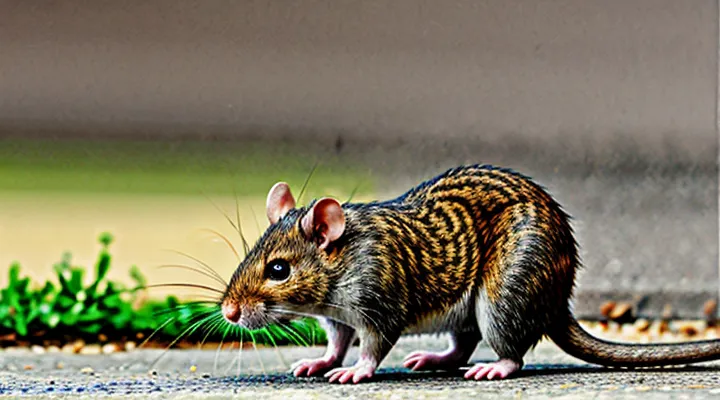
Transmission Routes of Rodent-Borne Diseases
Direct Transmission
Bites and Scratches
Rodent bites and scratches constitute a direct pathway for the transmission of infectious agents to humans. The injuries breach the skin barrier, allowing pathogens present in the animal’s oral and claw surfaces to enter the bloodstream or surrounding tissue.
Typical health consequences include:
- Bacterial infections such as Streptobacillus moniliformis (rat‑bite fever) and Pasteurella spp., which can cause fever, rash, and septic arthritis.
- Viral diseases like hantavirus and lymphocytic choriomeningitis virus, both capable of severe respiratory or neurological manifestations after exposure through wounds.
- Parasitic infestations where ectoparasites introduced during a bite may carry Leptospira spp., leading to leptospirosis with hepatic and renal involvement.
Prompt cleansing of the wound with antiseptic, followed by medical evaluation, reduces the likelihood of systemic infection. Prophylactic antibiotics are often recommended for deep puncture injuries or when exposure to known rodent‑borne bacteria is suspected.
Contact with Urine and Feces
Rodent urine and feces harbor a wide range of pathogenic microorganisms capable of causing serious illness in humans. Direct handling of contaminated material, inhalation of aerosolized particles, or indirect exposure through contaminated surfaces and food supply constitute primary routes of infection.
- Hantavirus: transmitted by inhaling dried urine or fecal dust; can lead to hemorrhagic fever with renal syndrome or hantavirus pulmonary syndrome.
- Leptospira spp.: bacteria present in urine; entry through skin abrasions or mucous membranes results in leptospirosis, characterized by fever, jaundice, and renal failure.
- Salmonella enterica: found in feces; ingestion of contaminated food or water causes gastroenteritis and, in severe cases, systemic infection.
- Lymphocytic choriomeningitis virus (LCMV): shed in urine and feces; exposure may produce meningitis, encephalitis, or febrile illness.
- Rat-bite fever (Streptobacillus moniliformis): fecal contamination of wounds or mucosa leads to fever, rash, and arthralgia.
Aerosolization occurs when dry droppings are disturbed, allowing microscopic particles to remain suspended and be inhaled. Skin contact with moist excreta can introduce bacteria through cuts or microtears. Contamination of food preparation areas, utensils, and stored products creates an indirect pathway for ingestion.
Effective mitigation requires strict hygiene protocols: immediate removal of droppings with damp cloths to reduce dust, use of gloves and masks during cleanup, thorough hand washing with antimicrobial soap, and disinfection of surfaces with bleach‑based solutions. Integrated pest management—sealing entry points, eliminating food sources, and deploying traps—reduces rodent populations and limits excreta accumulation. Regular monitoring of water and food storage facilities further prevents accidental exposure.
Inhalation of Aerosolized Contaminants
Rodents generate dust‑borne particles that contain urine, feces, saliva, skin fragments and microbial colonies. When these materials dry, they detach from surfaces and become suspended in indoor air. Mechanical disturbance, ventilation systems and human activity lift the particles, creating aerosolized contaminants that can be inhaled.
Inhaled rodent‑derived aerosols may carry:
- Hantavirus, causing severe respiratory syndrome.
- Lymphocytic choriomeningitis virus, leading to febrile illness and meningitis.
- Bacterial agents such as Salmonella and Leptospira, which can provoke pneumonia.
- Fungal spores and allergenic proteins that trigger asthma and hypersensitivity pneumonitis.
Health outcomes depend on pathogen virulence, exposure concentration and host susceptibility. Acute infections present with fever, cough, shortness of breath and, in some cases, rapid progression to pulmonary edema. Chronic exposure to allergenic particles produces persistent wheezing, reduced lung function and heightened risk of occupational asthma.
Risk intensifies in densely infested structures, poorly ventilated rooms and areas with accumulated dust. High‑traffic zones, storage facilities and food‑processing plants are especially vulnerable.
Mitigation actions include:
- Regular inspection and sealing of entry points to prevent colonization.
- Prompt removal of droppings and nesting material using wet‑method cleaning to avoid aerosol generation.
- Installation of high‑efficiency particulate air (HEPA) filters in HVAC systems.
- Routine monitoring of indoor air quality for rodent‑associated bioaerosols.
- Integrated pest‑management programs that combine chemical, biological and environmental controls.
Effective control of aerosolized rodent contaminants reduces respiratory disease incidence and protects occupational and residential populations.
Indirect Transmission
Contaminated Food and Water
Rodents frequently infiltrate food storage areas and water sources, introducing pathogens that can cause serious illness in humans. Their droppings, urine, and saliva contain bacteria such as Salmonella, E. coli, and Campylobacter, as well as viruses like hantavirus and hepatitis E. When these contaminants contact consumables, they create a direct route for infection.
Key mechanisms of contamination include:
- Physical breach: gnawing of packaging, grain bins, and pipelines allows direct deposition of rodent waste onto food and water.
- Cross‑contamination: rodents moving between waste containers and preparation surfaces transfer microorganisms to utensils, cutting boards, and cooking equipment.
- Biofilm formation: urine residues promote bacterial growth in moist environments, especially in water storage tanks and beverage dispensers.
Effective control requires regular inspection of storage facilities, sealing entry points, and implementing rodent‑proof waste management. Sanitizing affected areas with appropriate disinfectants eliminates residual pathogens and reduces the risk of outbreaks linked to contaminated provisions.
Vectors (Fleas, Ticks, Mites)
Rodents host ectoparasites that act as efficient disease carriers, directly linking rodent populations to human health threats. Fleas, ticks, and mites acquire pathogens while feeding on infected rodents and subsequently transmit them to people through bites or contaminated environments.
- Fleas (e.g., Xenopsylla cheopis) transmit Yersinia pestis, the bacterium responsible for plague, and Rickettsia species causing murine typhus.
- Ticks (e.g., Ixodes spp.) acquire Borrelia burgdorferi and Anaplasma phagocytophilum from rodent reservoirs, leading to Lyme disease and anaplasmosis in humans.
- Mites (e.g., Sarcoptes scabiei) feed on rodent skin, facilitating scabies outbreaks and serving as vectors for rickettsial agents.
Control measures targeting rodent infestations reduce ectoparasite prevalence, thereby lowering the incidence of vector-borne illnesses in human communities.
Specific Health Risks Associated with Rodents
Bacterial Diseases
Leptospirosis
Rodents serve as primary reservoirs for Leptospira bacteria, maintaining the pathogen in their kidneys and shedding it in urine. Contaminated urine can enter soil, surface water, or food sources, creating a direct route for human exposure.
Transmission occurs when people contact infected urine or water, either through occupational activities (e.g., farming, sewage work) or recreational exposure (e.g., swimming in stagnant ponds). The bacteria penetrate intact mucous membranes or abraded skin, reaching the bloodstream within hours.
Clinical presentation ranges from mild flu‑like illness to severe organ dysfunction. Typical symptoms include sudden fever, severe headache, muscle tenderness, and conjunctival suffusion. In advanced cases, jaundice, renal failure, and pulmonary hemorrhage may develop, leading to high mortality if untreated.
Laboratory confirmation relies on serologic testing (microscopic agglutination test) or polymerase chain reaction detection of bacterial DNA. Prompt administration of doxycycline or penicillin reduces disease duration and prevents complications.
Preventive actions focus on limiting rodent contact and reducing environmental contamination:
- Secure food storage and waste disposal to deter rodent infestation.
- Wear protective gloves and boots when handling soil or water in high‑risk areas.
- Ensure drinking water is filtered or boiled before consumption.
- Implement rodent control programs using traps and baits in residential and occupational settings.
- Educate at‑risk populations about early symptoms and the importance of seeking medical care promptly.
Salmonellosis
Salmonellosis is an infection caused by Salmonella bacteria that typically produces diarrhea, fever, abdominal cramps, and vomiting. The disease can range from mild gastrointestinal upset to severe, life‑threatening systemic illness, especially in young children, the elderly, and immunocompromised individuals.
Rodents frequently harbor Salmonella in their gastrointestinal tracts without showing signs of illness. Their feces, urine, and contaminated fur become sources of bacterial spread in homes, food storage areas, and agricultural settings. When rodents infiltrate grain bins, kitchens, or food‑processing facilities, they introduce the pathogen directly onto consumable products.
Transmission to humans occurs through several routes:
- Direct handling of contaminated food or surfaces after rodent activity.
- Ingestion of food or water tainted with rodent droppings or urine.
- Indirect exposure when rodents contaminate equipment, packaging, or storage containers, allowing bacteria to persist and multiply.
Outbreak investigations consistently link a significant proportion of sporadic and cluster cases of salmonellosis to rodent‑associated contamination. Surveillance data reveal that regions with poor rodent control report higher incidence rates, underscoring the public‑health relevance of this vector.
Effective risk mitigation includes:
- Implementing integrated pest‑management programs to reduce rodent populations.
- Sealing entry points, maintaining clean storage environments, and regularly inspecting food‑handling areas.
- Applying rigorous sanitation protocols: disinfecting surfaces, promptly removing droppings, and using appropriate protective equipment during cleaning.
- Enforcing proper food‑handling practices: washing produce, cooking meat to safe temperatures, and storing food in rodent‑proof containers.
By addressing rodent infestations and maintaining stringent hygiene standards, the transmission chain of Salmonella can be interrupted, reducing the burden of salmonellosis on human health.
Plague
Rodents serve as primary reservoirs for Yersinia pestis, the bacterium that causes plague. Their close association with human habitats facilitates pathogen maintenance and spillover.
The bacterium persists in rodent populations through several mechanisms:
- Flea vectors acquire infection while feeding on an infected rodent and transmit it during subsequent blood meals.
- Infected rodents shed bacteria in their urine, feces, and tissues, contaminating the environment.
- Population fluctuations, driven by food availability and climate, increase the likelihood of rodent mortality, prompting fleas to seek alternative hosts, including humans.
Human infection occurs via:
- Bite from an infected flea.
- Direct contact with contaminated rodent carcasses or excreta.
- Inhalation of aerosolized bacteria from rodent nests or burial sites.
Historical pandemics illustrate the disease’s capacity for rapid mortality, while contemporary outbreaks remain limited to regions with endemic rodent reservoirs. Surveillance programs focus on:
- Monitoring rodent density and flea infestation rates.
- Testing rodent samples for Y. pestis presence.
- Implementing rodent control measures in peri‑urban and rural settings.
- Educating communities about safe handling of dead rodents and proper use of protective equipment.
Prompt antibiotic therapy significantly reduces case fatality. Ongoing research aims to develop vaccines targeting both rodents and fleas, thereby interrupting transmission cycles before human exposure occurs.
Viral Diseases
Hantavirus Pulmonary Syndrome
Rodents serve as natural reservoirs for hantaviruses, viruses that can cause severe respiratory illness in humans known as Hantavirus Pulmonary Syndrome (HPS). Infection occurs when aerosolized particles from rodent urine, droppings, or saliva are inhaled, typically in enclosed spaces such as cabins, barns, or homes where rodent infestations are present.
Early clinical presentation includes fever, muscle aches, and headache, progressing within 24–48 hours to coughing, shortness of breath, and rapid onset of pulmonary edema. The disease has a case‑fatality rate of 30–40 percent, emphasizing the need for prompt recognition and medical intervention.
Key aspects of HPS management:
- Diagnosis: Reverse‑transcriptase polymerase chain reaction (RT‑PCR) or serologic testing for hantavirus‑specific IgM and IgG antibodies.
- Supportive care: Intensive‑care unit admission, mechanical ventilation, and careful fluid management to avoid worsening pulmonary edema.
- Therapeutics: No specific antiviral approved; ribavirin shows limited efficacy, making supportive treatment the primary approach.
Prevention focuses on reducing rodent exposure:
- Seal entry points and eliminate food sources to deter nesting.
- Use protective equipment (gloves, masks) when cleaning areas with visible rodent droppings.
- Wet down contaminated surfaces before removal to minimize aerosolization.
- Conduct regular rodent‑population monitoring in high‑risk facilities.
Epidemiologically, HPS cases concentrate in the Americas, with the highest incidence in the United States’ western states. Seasonal peaks correspond to increased human activity in rodent‑habitat areas during spring and summer, aligning with higher rodent population densities.
Understanding the transmission pathway from rodents to humans, recognizing early symptoms, and implementing rigorous environmental controls are essential components of reducing HPS incidence and mitigating its public‑health impact.
Lymphocytic Choriomeningitis (LCMV)
Lymphocytic choriomeningitis virus (LCMV) is an arenavirus carried primarily by the common house mouse (Mus musculus). Infected rodents shed the virus in urine, feces, saliva, and nasopharyngeal secretions, creating a persistent environmental source of exposure for humans who handle, consume, or share habitats with these animals.
Human infection occurs through inhalation of aerosolized particles, direct contact with contaminated surfaces, or bites from infected rodents. The virus can also be transmitted vertically from mother to fetus, leading to congenital LCMV with severe neurological outcomes.
Clinical manifestations range from asymptomatic seroconversion to febrile illness, meningitis, or encephalitis. Symptoms typically include headache, fever, neck stiffness, and photophobia; severe cases may progress to seizures or coma. Immunocompromised individuals face higher risk of persistent infection and organ involvement.
Diagnosis relies on serologic testing for LCMV‑specific IgM and IgG antibodies, complemented by polymerase chain reaction (PCR) detection of viral RNA in cerebrospinal fluid or blood. Imaging studies are not diagnostic but may reveal meningeal enhancement.
No antiviral therapy has proven efficacy; treatment is supportive, focusing on fever control, hydration, and management of neurological complications. Prognosis is favorable in immunocompetent patients, with most recovering fully within weeks.
Prevention strategies:
- Eliminate rodent infestations in homes, laboratories, and food‑storage areas.
- Use sealed containers for waste and food; maintain clean surfaces.
- Wear gloves and masks when cleaning rodent‑contaminated spaces.
- Screen laboratory mouse colonies for LCMV; discard infected breeding stock.
- Educate personnel handling rodents about transmission routes and protective measures.
Parasitic Diseases
Toxoplasmosis
Toxoplasmosis is a zoonotic infection caused by the protozoan Toxoplasma gondii. Rodents serve as intermediate hosts, harboring tissue cysts that become infectious when consumed by felids, the definitive hosts that shed environmentally resistant oocysts. Human exposure often follows indirect contact with rodent‑derived cysts, either through ingestion of contaminated food or via occupational activities that bring workers into close proximity with rodent populations.
The parasite’s life cycle integrates rodents, cats, and the environment. After a cat ingests infected rodent tissue, the parasite undergoes sexual reproduction, producing oocysts that contaminate soil, water, and surfaces. Oocysts persist for months, facilitating transmission to humans who handle soil, consume unwashed produce, or encounter rodent droppings.
Human disease ranges from asymptomatic seroconversion to severe manifestations. Acute infection may produce fever, lymphadenopathy, and muscle pain. In pregnant women, vertical transmission can cause miscarriage, stillbirth, or congenital abnormalities such as hydrocephalus and chorioretinitis. Immunocompromised patients risk encephalitis, pneumonitis, and ocular disease.
Epidemiological surveys identify higher seroprevalence in regions with abundant rodent activity, agricultural settings, and urban areas where rodent control is inadequate. Occupational groups—farm workers, pest control personnel, and laboratory staff—exhibit elevated infection rates compared with the general population.
Preventive actions focus on interrupting the rodent‑cat‑human transmission chain:
- Implement comprehensive rodent management programs (traps, bait stations, habitat modification).
- Restrict cat access to areas where rodents are abundant; keep domestic cats indoors.
- Maintain rigorous food hygiene: wash fruits and vegetables, cook meat to safe temperatures, avoid raw or undercooked game.
- Use protective equipment (gloves, masks) when handling rodent carcasses or cleaning contaminated environments.
- Educate at‑risk workers about proper sanitation and the importance of hand washing after contact with soil or animal material.
These measures reduce the likelihood of T. gondii exposure, thereby mitigating the health risks associated with rodent‑borne toxoplasmosis.
Rat Lungworm Disease
Rat lungworm disease, caused by the nematode Angiostrongylus cantonensis, exemplifies a serious health threat linked to rodent populations. Infected rats serve as definitive hosts, shedding first‑stage larvae in their feces. Terrestrial snails and slugs acquire these larvae, becoming intermediate hosts. Humans contract the parasite by ingesting raw or undercooked snails, slugs, contaminated vegetables, or by consuming raw produce washed with water containing larval stages.
Typical clinical manifestations include:
- Severe headache
- Neck stiffness
- Nausea and vomiting
- Photophobia
- Neurological deficits ranging from mild paresthesia to paralysis
Symptoms appear within one to three weeks after exposure and may progress to eosinophilic meningitis, a condition marked by elevated eosinophil counts in cerebrospinal fluid. Diagnostic confirmation relies on lumbar puncture, serologic testing, and imaging studies that reveal meningeal inflammation.
Prevention strategies focus on interrupting the parasite’s lifecycle:
- Control rodent populations in residential and agricultural settings
- Restrict access of snails and slugs to garden produce
- Thoroughly wash and, when possible, cook vegetables likely to harbor intermediate hosts
- Educate communities in endemic regions about the risks of raw snail consumption
Treatment is primarily supportive; corticosteroids reduce inflammation, while analgesics manage pain. Anthelmintic drugs such as albendazole may be administered, but their efficacy varies and must be weighed against potential exacerbation of inflammatory responses. Early medical intervention improves prognosis and reduces the likelihood of permanent neurological damage.
Preventing Rodent-Related Health Issues
Rodent Control Strategies
Exclusion (Sealing Entry Points)
Rodents transmit pathogens, contaminate food, and cause structural damage that can compromise sanitation. Preventing their access to buildings directly reduces the likelihood of disease exposure and material degradation.
Exclusion involves identifying and sealing all openings that permit rodent entry. Effective exclusion eliminates the primary route by which rodents infiltrate residential and commercial spaces, thereby interrupting the chain of infection and contamination.
Key actions for sealing entry points:
- Inspect exterior walls, foundations, and rooflines for gaps larger than ¼ inch.
- Install steel wool or copper mesh in cracks before applying caulk or cement.
- Fit weather‑stripping around doors and windows; ensure tight closure.
- Repair damaged screens, vent covers, and utility penetrations with durable materials such as metal flashing or heavy‑duty sealant.
- Maintain a clear perimeter by trimming vegetation, removing debris, and storing firewood away from structures.
Regular maintenance of sealed openings sustains the barrier against rodent intrusion, preserving public health and property integrity.
Sanitation (Food Storage and Waste Management)
Rodents frequently infiltrate food storage areas, directly contaminating supplies with saliva, urine, and feces. These biological residues introduce bacteria such as Salmonella and Listeria, viruses like Hantavirus, and parasites including Giardia, which can survive on food surfaces and cause illness after consumption. Moreover, gnawed packaging compromises barrier integrity, allowing further microbial exposure and accelerating spoilage.
Effective sanitation measures reduce rodent‑related health threats by limiting access to food and eliminating attractants:
- Seal all containers with rodent‑proof lids; use metal or heavy‑gauge plastic that resists gnawing.
- Store bulk commodities on elevated racks, away from walls and floors, to prevent nesting.
- Implement a strict rotation system; discard items past their shelf life to avoid prolonged exposure.
- Conduct regular inspections for signs of gnaw marks, droppings, or urine stains; remediate immediately.
- Maintain waste bins with tight‑fitting lids; empty them daily and keep the exterior clean of residue.
- Position waste containers away from food‑preparation zones and ensure they are constructed of durable, non‑penetrable material.
By enforcing these sanitation protocols, facilities diminish the probability of rodent‑borne pathogen transmission, protect food quality, and safeguard human health.
Trapping and Baiting
Rodent control through trapping and baiting directly reduces the transmission of pathogens that affect human health. Effective capture eliminates breeding populations, limits contamination of food stores, and curtails the spread of diseases such as hantavirus, leptospirosis, and salmonellosis.
Successful programs combine mechanical traps with strategically placed toxic baits. Mechanical traps provide immediate removal of visible individuals, while baits target hidden or nocturnal specimens. Proper placement, regular inspection, and safe disposal prevent secondary exposure and reduce the likelihood of resistance.
Key practices for trapping and baiting:
- Use snap or live‑catch traps in high‑traffic areas, such as along walls, near entry points, and adjacent to food sources.
- Select anticoagulant or non‑anticoagulant baits according to local regulations and species susceptibility.
- Position bait stations at least 1.5 m from children’s play zones and pet pathways.
- Rotate bait formulations every 4–6 weeks to avoid habituation.
- Inspect traps daily; record captures to assess population trends.
- Dispose of trapped rodents and used bait containers in sealed, labeled containers for incineration or sanitary landfill.
Implementing these measures interrupts the chain of infection, protecting public health by removing the primary vector from residential and commercial environments.
Personal Protective Measures
Hand Hygiene
Rodents frequently carry bacteria, viruses, and parasites that can be transferred to people through direct contact, contaminated surfaces, or food. When a person touches a rodent, its droppings, urine, or nesting material, pathogens may adhere to the skin and be introduced into the body via the mouth, eyes, or open wounds. Effective hand hygiene interrupts this transmission pathway and reduces infection risk.
Proper hand hygiene consists of three core actions:
- Wash hands with soap and clean water for at least 20 seconds after handling rodents, cleaning cages, or disposing of droppings.
- Use an alcohol‑based hand rub (minimum 60 % ethanol) when soap and water are unavailable, ensuring thorough coverage of all hand surfaces.
- Dry hands with a disposable paper towel or air dryer; avoid reusable cloths that can retain contaminants.
Additional measures reinforce protection:
- Perform hand hygiene before eating, preparing food, or touching the face.
- Maintain nail length short to prevent pathogen accumulation.
- Replace gloves promptly if they become torn or heavily soiled; follow the same washing protocol after glove removal.
Consistent application of these practices limits the spread of rodent‑borne diseases such as leptospirosis, hantavirus pulmonary syndrome, and salmonellosis, safeguarding public health.
Avoiding Contact with Rodents and Their Droppings
Rodents transmit bacteria, viruses, and parasites through bites, scratches, urine, and feces. Direct contact with droppings introduces pathogens such as hantavirus, leptospira, and salmonella into the human body, while indirect exposure occurs when particles become airborne or contaminate food and surfaces.
Preventive actions focus on eliminating opportunities for contact and reducing contamination risk. Seal gaps around doors, windows, and utility entries to block entry. Store food in airtight containers and remove waste promptly. Maintain sanitation in basements, attics, and storage areas to deter nesting.
Practical steps for handling existing contamination:
- Wear disposable gloves and a mask before entering affected zones.
- Damp‑wipe surfaces with a disinfectant solution (e.g., 1 % bleach) to prevent aerosolization of particles.
- Collect droppings with a shovel or scoop, place them in a sealed bag, and dispose of them according to local hazardous‑waste guidelines.
- Launder clothing worn during cleanup separately at high temperature.
Regular inspection of property perimeters, prompt removal of dead rodents, and immediate reporting of infestations to pest‑control professionals complete the risk‑reduction strategy.
Wearing Protective Gear During Cleanup
Rodent infestations generate urine, feces, and saliva that can contain pathogens such as hantavirus, leptospira, and salmonella. Direct contact with these contaminants during cleanup creates a pathway for infection, making personal protection essential.
Protective equipment isolates the worker from hazardous material and reduces inhalation or dermal exposure. Each item serves a specific function:
- Disposable nitrile gloves – prevent skin contact with contaminated surfaces.
- N95 or higher‑efficiency respirator – filter aerosolized particles and dust.
- Safety goggles or face shield – guard eyes against splashes and airborne debris.
- Waterproof disposable coveralls – create a barrier against liquids and droplet penetration.
- Closed‑toe, slip‑resistant boots – protect feet and provide stable footing on potentially wet floors.
Proper usage requires that gear be donned before entering the affected area, inspected for damage, and removed in a controlled sequence to avoid cross‑contamination. Hand hygiene and thorough disposal of single‑use items complete the safety protocol.
Adhering to these measures limits the transfer of rodent‑borne microorganisms to humans, thereby mitigating the health risks associated with rodent exposure.
Impact on Human Environments
Residential Settings
Home Contamination
Rodents infiltrate residential spaces and introduce hazardous agents that compromise indoor hygiene. Their activities generate three primary sources of contamination:
- Excreta – feces and urine contain bacteria (e.g., Salmonella, Leptospira) and viruses that become aerosolized when disturbed.
- Carcasses and nesting material – decaying tissue releases pathogens and supports fungal growth, while shredded insulation or fabric provides a medium for microbial proliferation.
- Parasite vectors – fleas, mites, and ticks hitch rides on rodents, later detaching onto humans or pets and transmitting rickettsial or tapeworm infections.
These contaminants persist on surfaces, in ventilation ducts, and within food storage areas. Direct contact with droppings or inhalation of dust laden with rodent‑derived particles can lead to respiratory illnesses such as hantavirus pulmonary syndrome, allergic reactions, and gastrointestinal infections. Moreover, gnawed wiring and structural damage create additional pathways for mold colonization, further degrading indoor air quality.
Effective mitigation requires sealing entry points, maintaining rigorous sanitation, and employing integrated pest‑management strategies to eliminate rodent populations and their contaminating residues.
Food Spoilage
Rodents infiltrate storage areas, chew packaging, and deposit urine and feces directly onto food products. Their gnawing creates entry points for bacteria, molds, and insects, accelerating decay. Contamination often occurs before detection because rodents are nocturnal and hide within structural voids.
Key mechanisms of spoilage include:
- Mechanical damage that exposes nutrients to ambient microbes.
- Introduction of pathogenic microorganisms such as Salmonella, E. coli, and Listeria via saliva, urine, and droppings.
- Transfer of spores and fungal growth agents that thrive on compromised surfaces.
- Release of enzymes that break down fats and proteins, producing off‑flavors and odors.
The presence of rodent‑derived contaminants shortens shelf life, reduces nutritional value, and increases the risk of foodborne illness. Economic losses arise from product recalls, waste disposal, and heightened sanitation expenses.
Effective control measures involve sealing entry points, implementing regular pest monitoring, and applying rodent‑proof storage solutions. Prompt removal of contaminated items prevents further spread of spoilage agents and protects public health.
Agricultural Settings
Crop Damage and Contamination
Rodents infiltrate fields, gnaw stems, and consume seeds, directly reducing harvest yields. Their foraging activity creates entry points for insects and weeds, further compromising plant health and increasing the need for chemical interventions.
Contamination of crops occurs through several mechanisms:
- Deposition of urine and feces introduces bacteria such as Salmonella and E. coli onto produce.
- Salivary enzymes transferred during chewing can promote fungal growth.
- Carried ectoparasites deposit pathogens that survive on plant surfaces.
- Physical damage creates wounds that facilitate post‑harvest spoilage.
These processes lower the nutritional quality of food, elevate the risk of food‑borne disease, and impose additional costs for testing, decontamination, and loss replacement. The combined impact on agricultural productivity and public health underscores the significance of rodent control measures.
Livestock Disease Transmission
Rodents commonly inhabit agricultural facilities, sharing space with cattle, swine, and poultry. Their presence creates a direct pathway for pathogen exchange between wild and domestic animal populations.
Transmission occurs through several routes: contamination of feed and water with urine, feces, or saliva; physical contact with skin lesions; and carriage of ectoparasites such as fleas and mites that migrate onto livestock.
Key diseases transferred from rodents to livestock include:
- Leptospirosis, causing reproductive loss and renal failure in cattle and pigs.
- Hantavirus pulmonary syndrome, occasionally identified in farmed rodents and capable of infecting swine.
- Salmonella enterica serovars, leading to enteric illness in poultry and ruminants.
- Lymphocytic choriomeningitis virus, documented in rodent‑to‑sheep transmission.
- Mycoplasma spp., contributing to respiratory disease in swine.
When livestock become infected, pathogens can enter the human food chain via meat, milk, or eggs, and through direct occupational exposure. Outbreaks linked to contaminated animal products have resulted in severe public‑health incidents, underscoring the zoonotic bridge created by rodent reservoirs.
Effective mitigation requires integrated biosecurity: structural exclusion of rodents, routine trapping and baiting, sanitation of feed stores, regular health monitoring of herds, and vaccination where available. Maintaining these controls reduces pathogen load in livestock, thereby lowering the risk of human infection.
Urban and Public Spaces
Public Health Outbreaks
Rodents act as reservoirs for pathogens that can trigger widespread disease events in human populations. Their close proximity to food storage, waste sites, and residential structures creates pathways for microorganisms to move from animal hosts to people. Contamination of grain, produce, and water supplies occurs when rodents shed urine, feces, or saliva, while ectoparasites such as fleas and mites transfer infections through bites.
Key mechanisms that convert rodent‑borne agents into public‑health emergencies include:
- Direct ingestion of contaminated food or water.
- Inhalation of aerosolized particles from dried rodent excreta.
- Transmission via ectoparasites that feed on both rodents and humans.
- Mechanical spread by rodents moving between facilities, carrying pathogens on their fur or paws.
Historical and recent outbreaks illustrate the threat:
- Hantavirus pulmonary syndrome – linked to deer mouse urine and droppings in North America; rapid onset of respiratory failure.
- Leptospirosis – caused by Leptospira bacteria in rat urine; outbreaks in flood‑prone regions.
- Plague – Yersinia pestis transmitted by rat fleas; periodic resurgence in urban settings.
- Salmonellosis – Salmonella species carried by rodents contaminating food processing environments.
- Lassa fever – rodent reservoirs in West Africa; occasional spillover to humans.
Public‑health systems respond by integrating rodent surveillance into disease monitoring programs, enforcing sanitation standards that limit food and water exposure, and implementing targeted rodent control campaigns. Early detection of rodent population surges, combined with rapid laboratory confirmation of pathogenic agents, reduces the likelihood of extensive transmission. Effective mitigation relies on coordinated actions among epidemiologists, environmental health officers, and community stakeholders to interrupt the chain from rodent host to human case.
Infrastructure Damage
Rodent activity compromises building systems, creating conditions that increase the likelihood of disease transmission to people.
- Chewed electrical wiring can cause short circuits, fire hazards, and loss of power to critical medical equipment.
- Gnawed water pipes introduce leaks, fostering mold growth and providing a moist environment for bacteria and parasites.
- Damaged structural elements, such as insulation and support beams, reduce building integrity, leading to collapse risks in hospitals, schools, and residential complexes.
- Contaminated ventilation ducts spread rodent droppings and urine throughout indoor air, elevating exposure to hantavirus, leptospirosis, and other pathogens.
These failures create direct pathways for pathogens to enter human spaces, amplify aerosolized contaminants, and disrupt sanitation protocols. The resulting environment supports the survival and spread of infectious agents, raising public‑health concerns.
Effective control requires routine inspections, sealing of entry points, and integrated pest‑management programs that address both rodent populations and the integrity of infrastructure components.