
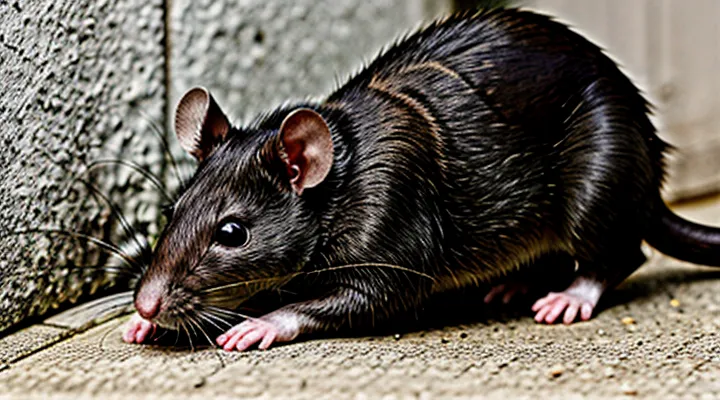
The Science Behind Rat Sneezing
Understanding Rat Respiratory Systems
Anatomy of Rat Nostrils
Rats possess a pair of external nares positioned on the rostral end of the snout, each leading to a complex nasal cavity. The cavity is divided by a bony septum into left and right passages, which contain lateral and medial nasal turbinates. These turbinate bones are covered with a highly vascularized mucous membrane that humidifies inhaled air and traps particulate matter. The mucosa houses serous and goblet cells that produce mucus, providing a sticky surface that captures dust, allergens, and microbial particles before they reach deeper respiratory structures.
Within the nasal cavity, the olfactory epithelium occupies the dorsal region of the turbinates. This epithelium contains olfactory receptor neurons, supporting sustentacular cells, and basal progenitor cells. Sensory innervation originates from the olfactory nerve (cranial nerve I) and the trigeminal nerve, which also supplies pain and reflex pathways that can trigger a sneeze response. Blood supply is delivered by branches of the external carotid artery, ensuring rapid mucosal swelling and increased mucus secretion when irritants are detected.
Key anatomical features relevant to sneezing:
- External nares: entry points for air and contaminants
- Nasal septum: divides passages, providing structural support
- Turbinates: increase surface area for filtration and humidification
- Mucous membrane: produces mucus, contains immune cells
- Olfactory epithelium: detects chemical stimuli, contributes to reflex arcs
- Trigeminal innervation: mediates irritant detection and sneeze initiation
- Vascular network: enables swift mucosal response to irritants
Understanding these structures clarifies how foreign particles or pathogens can provoke the rapid, involuntary expulsion of air that characterizes the rat’s sneeze reflex.
The Role of Cilia
Cilia line the respiratory passages of rats, generating coordinated waves that transport mucus and trapped particles toward the throat for clearance. Their rapid beating creates a directional flow, preventing accumulation of debris that could stimulate sensory nerves and trigger a sneeze reflex.
When ciliary motion slows or becomes irregular, mucus stagnates, allowing irritants such as dust, fungal spores, or bacterial endotoxins to remain in contact with the nasal epithelium. Persistent exposure to these agents increases the likelihood of sudden, forceful expulsions of air, which manifest as sneezing episodes. Additionally, inflammatory conditions can impair ciliary beat frequency, further compromising the animal’s ability to clear inhaled contaminants.
Maintaining optimal ciliary function reduces the frequency of sneezing events. Effective strategies include:
- Providing a stable, moderate humidity environment (40‑60 % relative humidity) to prevent mucus desiccation.
- Supplying a balanced diet rich in omega‑3 fatty acids and antioxidants that support cellular membrane integrity.
- Limiting exposure to airborne pollutants, strong fragrances, and excessive bedding dust.
- Scheduling regular veterinary examinations to detect and treat respiratory infections early.
- Administering veterinary‑approved mucolytic agents when mucus viscosity becomes excessive.
By addressing the physiological mechanisms that underlie ciliary activity, caretakers can minimize the triggers that lead to sneezing and promote overall respiratory health in rats.
Common Causes of Rat Sneezing
Environmental Factors
Dust and Allergens
Dust particles suspended in a rat’s environment act as mechanical irritants for the nasal mucosa. When inhaled, they trigger a reflex that forces the animal to expel the foreign matter through a sneeze. Common household dust contains cellulose fibers, skin flakes, and microscopic debris that readily lodge in the narrow passages of a rat’s respiratory tract.
Allergens such as mold spores, pollen, and rodent-specific proteins attach to dust particles, increasing the likelihood of an immune‑mediated response. Exposure leads to histamine release, mucosal swelling, and heightened sensitivity, which together amplify the frequency and intensity of sneezing episodes.
Preventive measures:
- Maintain a dust‑free cage by cleaning bedding weekly and using low‑dust substrates.
- Replace paper‑based bedding with paper‑free alternatives such as aspen shavings or specialized low‑dust pellets.
- Ensure adequate ventilation; avoid stagnant air by providing a modest airflow without drafts.
- Limit exposure to known allergens by storing food in sealed containers and removing mold‑prone items.
- Conduct regular health checks; any persistent sneezing should prompt veterinary assessment for allergic or infectious conditions.
Irritants and Chemical Exposure
Rats sneeze when airborne particles irritate the nasal mucosa or trigger a reflex response in the respiratory tract. Dust from bedding, wood shavings, or straw contains fine fibers that settle in the nasal passages, causing mechanical stimulation of the sensory nerves. Inhalation of strong odors, such as ammonia from urine accumulation, also provokes sneezing by activating chemoreceptors.
Chemical agents pose a significant risk. Common culprits include:
- Formaldehyde vapors from disinfectants or building materials.
- Phenolic compounds found in cleaning solutions.
- Aerosolized pesticides and rodent‑control products.
- Volatile organic compounds released by paint, glue, or solvents.
Exposure to these substances can damage the delicate epithelium, leading to inflammation and repeated sneezing episodes. Reducing risk requires controlling environmental factors. Maintain low humidity, replace soiled bedding daily, and use low‑dust substrates. Ensure proper ventilation to disperse fumes, and select fragrance‑free, non‑volatile cleaning agents. When chemicals are necessary, apply them in well‑ventilated areas and allow thorough drying before re‑entering the enclosure.
Preventive measures also involve monitoring air quality. Installing activated‑carbon filters or HEPA filtration systems removes particulate matter and volatile compounds. Regular health checks for signs of respiratory distress enable early intervention, minimizing the impact of irritants on the rat’s well‑being.
Temperature and Humidity Fluctuations
Temperature swings stress the respiratory mucosa of rats. Rapid cooling or heating causes the nasal epithelium to contract, leading to irritation that triggers sneezing. Humidity shifts produce similar effects: low humidity dries the nasal passages, while high humidity promotes mucus accumulation. Both conditions alter the particle clearance rate, allowing allergens and irritants to remain longer in the nasal cavity.
Fluctuations also affect the immune response. Cold, dry air suppresses local immune activity, increasing susceptibility to viral and bacterial agents that provoke sneezing. Conversely, warm, moist environments encourage the growth of mold spores and dust mites, which act as additional triggers.
Preventive measures focus on stabilizing the microclimate of the rat’s enclosure:
- Maintain temperature within a 20‑24 °C (68‑75 °F) range; use thermostatically controlled heating pads or cooling fans as needed.
- Keep relative humidity between 45 % and 55 %; employ a hygrometer and a humidifier or dehumidifier to correct deviations.
- Insulate the cage from drafts and direct sunlight to avoid sudden temperature changes.
- Ensure proper ventilation without creating rapid air exchange that could lower humidity abruptly.
- Clean the habitat regularly to remove mold, dust, and other particulate matter that thrive under unstable humidity.
Monitoring devices provide real‑time data, allowing swift adjustments before conditions become hazardous. Consistent environmental parameters reduce nasal irritation, lower the frequency of sneezing episodes, and support overall respiratory health in laboratory and pet rats.
Poor Ventilation
Rats exposed to inadequate air exchange often develop respiratory irritation, leading to frequent sneezing. Stagnant air allows dust, mold spores, and ammonia from urine to accumulate; these particles irritate the nasal mucosa and trigger reflexive expulsions. Elevated humidity in poorly ventilated spaces promotes fungal growth, adding allergenic spores to the environment. Additionally, insufficient removal of carbon dioxide raises its concentration, causing subtle mucosal swelling that further predisposes rats to sneeze.
Preventive measures focus on improving airflow and reducing contaminant buildup:
- Install exhaust fans or passive vents to ensure continuous replacement of indoor air with fresh outdoor air.
- Maintain a minimum air change rate of 10 – 15 cubic feet per minute per square foot in rodent housing.
- Use high-efficiency particulate air (HEPA) filters on intake vents to capture dust and spores before they enter the enclosure.
- Keep humidity below 60 % by employing dehumidifiers or adjusting ventilation settings.
- Perform daily cleaning to remove urine and feces, limiting ammonia production.
By controlling ventilation quality, the concentration of irritants declines, respiratory health improves, and the incidence of sneezing in rats diminishes.
Health-Related Issues
Respiratory Infections
Rats sneeze primarily when the respiratory tract is irritated by infectious agents. Bacterial, viral, and fungal pathogens invade the nasal passages, trachea, or lungs, triggering inflammation and the reflex expulsion of air. The most prevalent microorganisms include Streptococcus pneumoniae, Mycoplasma pulmonis, rat coronavirus, and Pneumocystis species. These agents multiply rapidly in the moist environment of the upper airway, compromising ciliary function and prompting frequent sneezing episodes.
Effective control relies on three core actions:
- Environmental sanitation: Remove waste, damp bedding, and standing water; maintain low humidity to deter microbial growth.
- Health monitoring: Conduct regular veterinary examinations, isolate symptomatic individuals, and perform diagnostic testing (culture, PCR, serology) to identify the specific pathogen.
- Immunoprophylaxis and treatment: Administer appropriate vaccines where available; treat confirmed infections with targeted antibiotics, antivirals, or antifungal agents according to susceptibility results.
Additional measures reduce exposure risk. Implement strict quarantine for new arrivals, use HEPA filtration in housing areas, and provide balanced nutrition to support immune competence. Prompt identification of respiratory signs and immediate implementation of the outlined protocols minimize disease spread and decrease the frequency of sneezing in laboratory or pet rat populations.
Nasal Polyps and Tumors
Rats that exhibit frequent sneezing often suffer from nasal abnormalities, among which polyps and tumors are clinically significant. Both conditions obstruct airflow, irritate mucosal surfaces, and trigger reflexive sneezing episodes.
Nasal polyps are non‑cancerous lesions arising from chronic inflammation of the respiratory epithelium. Persistent exposure to dust, ammonia, or allergens promotes mucosal edema and subsequent polyp formation. Observable signs include unilateral nasal discharge, intermittent sneezing, and occasional epistaxis. Polyps rarely progress to malignancy but may enlarge enough to impair breathing.
Nasal tumors encompass a spectrum from benign adenomas to aggressive squamous cell carcinomas. In laboratory and pet rats, the most reported malignancies are olfactory epithelial carcinomas and adenocarcinomas of the nasal cavity. Clinical presentation mirrors that of polyps—recurrent sneezing, unilateral or bilateral nasal discharge, and facial swelling—but tumors often produce progressive weight loss and reduced activity due to systemic effects.
Diagnosis relies on a combination of visual inspection, radiographic or computed tomography imaging, and histopathological confirmation. Endoscopic examination provides direct visualization of intranasal masses, while biopsy specimens differentiate benign polyps from malignant neoplasms.
Prevention and early intervention focus on minimizing irritants and monitoring health status:
- Maintain cage bedding low in dust; replace soiled substrate weekly.
- Ensure ventilation reduces ammonia buildup; clean water bottles and food dishes daily.
- Provide a balanced diet rich in omega‑3 fatty acids to support mucosal health.
- Conduct routine health checks; record frequency and intensity of sneezing episodes.
- Seek veterinary evaluation promptly if sneezing persists beyond a few days or is accompanied by discharge.
Implementing these measures reduces the likelihood of polyp development and limits tumor progression, thereby decreasing the incidence of sneezing in rat populations.
Dental Problems Affecting Nasal Passages
Dental overgrowth is a frequent source of nasal irritation in rats. When incisors grow beyond normal limits, they can press against the hard palate or the nasal turbinates, creating mechanical obstruction that triggers sneezing. Malocclusion, often resulting from uneven wear, forces the teeth to shift sideways, increasing the likelihood of contact with the nasal cavity. Infected or abscessed tooth roots may extend into adjacent sinus tissue, producing inflammation that manifests as frequent sneezes.
Typical signs accompanying dental‑related sneezing include:
- Nasal discharge that may become purulent
- Visible drooping of the whisker pads
- Reduced appetite due to oral discomfort
- Facial swelling near the eyes or cheeks
Preventive measures focus on maintaining proper dental health:
- Provide a high‑fiber diet rich in chewable materials such as timothy hay, which promotes natural wear of the incisors.
- Offer safe wooden blocks or chew toys designed for rodents to ensure continuous grinding action.
- Schedule regular veterinary examinations at least biannually, allowing early detection of overgrowth or malocclusion.
- Monitor tooth length weekly; any protrusion beyond the gum line warrants immediate professional trimming.
By controlling dental growth and preventing infection, the mechanical and inflammatory stimuli that provoke sneezing can be effectively reduced, leading to healthier respiratory function in pet rats.
Identifying the Cause: When to Worry
Observing Sneezing Patterns
Frequency and Severity
Rats sneeze with a measurable regularity that reflects both external irritants and internal health status. Healthy laboratory rats typically exhibit fewer than two sneezes per hour, while individuals exposed to dusty bedding, high ammonia levels, or respiratory pathogens may exceed ten episodes in the same period. Seasonal changes amplify this pattern; winter heating raises indoor humidity, promoting mold growth and increasing sneeze frequency, whereas summer ventilation reduces airborne particles and lowers the count.
Severity ranges from brief, isolated expulsions to prolonged bouts accompanied by nasal discharge, facial swelling, and altered breathing rhythm. Mild events resolve within seconds and leave no residual signs. Moderate episodes persist for several minutes, produce clear or serous mucus, and may briefly impair feeding. Severe reactions involve persistent sneezing for more than fifteen minutes, thick purulent discharge, audible wheezing, and weight loss, indicating possible underlying infection such as Mycoplasma pulmonis or allergic rhinitis.
Key determinants of frequency and severity:
- Ambient dust concentration
- Ammonia level in enclosure
- Presence of respiratory pathogens (bacterial, viral, fungal)
- Allergen load (mold spores, pollen)
- Stress factors (overcrowding, temperature extremes)
- Genetic predisposition to hypersensitivity
Monitoring these variables enables early detection of elevated sneeze rates and escalation of symptoms, allowing timely intervention to mitigate health risks.
Accompanying Symptoms: Discharge, Lethargy, Weight Loss
Rats that exhibit sneezing often present additional clinical signs that indicate underlying respiratory distress. Nasal or ocular discharge appears as clear, serous fluid or, in advanced cases, as purulent material. Lethargy manifests as reduced activity, diminished responsiveness to stimuli, and a preference for rest in secluded corners. Progressive weight loss results from decreased appetite, impaired nutrient absorption, and the metabolic cost of chronic inflammation.
These accompanying symptoms help differentiate simple irritant-induced sneezing from more serious conditions such as bacterial pneumonia, viral infections, or allergic reactions. Recognizing discharge, lethargy, and weight loss early enables timely veterinary intervention, which may include antimicrobial therapy, environmental decontamination, and supportive care to restore nutrition and hydration. Prompt management reduces the risk of complications and improves the likelihood of full recovery.
When to Seek Veterinary Care
Rats that sneeze occasionally may be experiencing a mild irritation, but certain signs indicate that professional veterinary assessment is necessary.
- Sneezes occur more than ten times per hour and continue for several days.
- Nasal discharge is thick, blood‑stained, or foul‑smelling.
- The animal shows difficulty breathing, wheezing, or open‑mouth respiration.
- There is a sudden loss of appetite, weight loss, or lethargy accompanying the sneezing.
- Eyes are watery, crusted, or exhibit swelling.
- The rat exhibits facial swelling, especially around the nose or forehead.
- Fever is suspected, indicated by a noticeably higher body temperature or warm extremities.
If any of these conditions appear, immediate veterinary care is advised to diagnose underlying infections, allergic reactions, dental problems, or respiratory diseases that can rapidly become life‑threatening. Early intervention improves treatment outcomes and reduces the risk of chronic complications.
Prevention and Management Strategies
Optimizing the Rat«s Environment
Cage Cleaning and Bedding Choices
Regular cleaning of a rat’s enclosure reduces the concentration of airborne irritants that trigger sneezing. Dust, mold spores, and ammonia from urine accumulate quickly in poorly maintained cages; inhalation of these particles irritates the nasal passages and leads to frequent sneezes. Maintaining low humidity and removing waste daily limits microbial growth, which also contributes to respiratory irritation.
Effective cleaning routine:
- Remove all bedding and dispose of it in a sealed container.
- Wash the cage with warm water and a mild, scent‑free detergent.
- Rinse thoroughly to eliminate detergent residues.
- Disinfect with a diluted, rodent‑safe solution (e.g., 1 % hydrogen peroxide) and allow complete drying.
- Re‑fill with fresh bedding before returning the rats.
Bedding selection directly influences air quality. Materials that shed particles or retain moisture create an environment conducive to sneezing. Preferred options include:
- Paper‑based bedding (compressed pellets or shredded paper) – low dust, high absorbency.
- Aspen shavings – minimal aromatic oils, moderate dust levels when finely milled.
- Coconut husk – excellent absorbency, low dust, but may retain moisture if not changed frequently.
Avoid cedar or pine shavings; volatile oils released from these woods irritate the respiratory tract and increase sneeze frequency. Synthetic fibers and cotton fibers generate significant dust and should be excluded from the habitat.
Consistent replacement of bedding—at least once a week for paper products and every two to three days for wood shavings—prevents buildup of allergens. Monitoring the cage for visible mold, strong odors, or excessive dampness provides early warning of conditions that could provoke sneezing.
By integrating rigorous cleaning schedules with low‑dust, moisture‑controlled bedding, owners can substantially lower the incidence of sneezing in pet rats and support overall respiratory health.
Air Filtration and Purification
Airborne particles, dust, and volatile compounds often trigger sneezing in rodents. When indoor air contains high concentrations of allergens such as mold spores, grain dust, or chemical vapors, rats’ sensitive nasal mucosa reacts reflexively. Effective filtration and purification reduce these irritants, directly influencing the frequency of sneezing episodes.
High‑efficiency particulate air (HEPA) filters capture particles as small as 0.3 µm with 99.97 % efficiency. Activated‑carbon filters adsorb odor‑causing gases and volatile organic compounds (VOCs). Ultraviolet (UV) germicidal units destroy microbial contaminants that may provoke respiratory irritation. Combining these technologies yields comprehensive air quality improvement.
Key practices for maintaining optimal filtration:
- Replace HEPA filters according to manufacturer schedule; clogged media restores irritant levels.
- Regenerate or replace activated‑carbon cartridges before saturation; diminished adsorption permits VOC buildup.
- Clean pre‑filters regularly to prevent dust bypass.
- Verify proper airflow; insufficient circulation reduces filter performance.
- Position units away from cages to avoid direct drafts that could stress rodents.
Monitoring indoor air quality supports preventive measures. Portable particle counters provide real‑time data on particulate load, while VOC detectors flag chemical spikes. Adjusting ventilation rates or adding supplemental filtration when thresholds exceed safe limits mitigates sneezing triggers.
In environments where rats are housed for research or breeding, integrating a multi‑stage filtration system with routine maintenance constitutes a reliable strategy to limit respiratory irritants and reduce sneezing incidents.
Avoiding Harsh Cleaners and Scented Products
Harsh chemical cleaners and scented products release volatile compounds that irritate the respiratory tracts of rodents. Even low‑level exposure can trigger sneezing, nasal discharge, and inflammation in rats, increasing the risk of secondary infections. The sensitivity of rodent mucosa makes them more vulnerable than many other pets to aerosols from bleach, ammonia, phenolic disinfectants, and heavily fragranced sprays.
To reduce respiratory irritation, replace toxic agents with the following options:
- Diluted white vinegar or mild soap solutions for surface cleaning.
- Unscented, plant‑based cleaners labeled “pet‑safe.”
- Warm water and microfiber cloths for routine wiping.
- Natural enzymatic cleaners for organic stains, applied in well‑ventilated areas.
Maintain a cleaning schedule that limits the frequency of aerosol generation. Allow treated surfaces to dry completely before re‑entering the enclosure, and ensure the room is ventilated for at least 15 minutes after each cleaning session. These practices minimize exposure to irritants and help keep rats’ nasal passages clear.
Dietary Considerations
Hydration and Nutrition
Adequate fluid intake and balanced diet directly influence the respiratory health of laboratory and pet rats. Dehydration reduces the moisture of nasal passages, making the mucous membranes more prone to irritation and collapse. Dry mucosa cannot effectively trap dust, allergens, or pathogens, increasing the frequency of sneezing episodes.
Nutrient deficiencies weaken the immune system, allowing viral or bacterial agents to proliferate in the upper airway. Low levels of vitamin A, vitamin C, and zinc impair the production of protective secretions and the function of ciliary cells that clear irritants. Over‑rich diets high in fat or sugar can promote obesity, which is associated with chronic inflammation and reduced airway clearance.
Preventive measures focus on maintaining optimal hydration and nutrition:
- Provide fresh water daily; consider a sipper bottle to reduce contamination.
- Include moist foods such as fresh vegetables or fruit pieces to supplement fluid intake.
- Formulate a commercial rodent chow that meets the recommended percentages of protein, fat, and fiber.
- Supplement with a multivitamin blend containing vitamin A, vitamin C, and zinc, especially during breeding or stress periods.
- Monitor body condition; adjust caloric density if weight gain or loss is observed.
- Eliminate dry, dusty bedding; replace with low‑dust alternatives to reduce inhaled particles.
Implementing these practices stabilizes the mucosal environment, supports immune defenses, and diminishes the incidence of sneezing in rats.
Supplementation for Respiratory Health
Supplementation can strengthen the respiratory system of rats, reducing the frequency of sneezing episodes linked to environmental irritants and infectious agents. Targeted nutrients support mucosal integrity, modulate immune responses, and promote clearance of airborne particles.
Key nutrients include:
- Vitamin A: maintains epithelial health, enhances barrier function in the nasal passages.
- Vitamin C: antioxidant that mitigates oxidative stress in airway tissues.
- Vitamin D: regulates immune activity, decreasing susceptibility to respiratory infections.
- Omega‑3 fatty acids: reduce inflammatory mediators in the respiratory tract.
- Zinc: essential for the development and function of immune cells involved in pathogen defense.
Effective supplementation strategies involve:
- Providing a balanced diet formulated with the listed nutrients at levels appropriate for the species and life stage.
- Monitoring serum concentrations periodically to avoid deficiencies or excesses.
- Adjusting dosages during periods of increased exposure to dust, ammonia, or pathogens.
When combined with proper ventilation, humidity control, and regular health assessments, these supplements contribute to a measurable decline in sneezing incidents among laboratory and pet rats.
Veterinary Interventions
Diagnostic Procedures
Accurate diagnosis is essential for identifying the factors that trigger sneezing in laboratory and pet rats, enabling effective control measures.
A thorough clinical examination begins with observation of the animal’s environment, respiratory rate, and nasal discharge. The examiner should note the presence of irritants, recent changes in bedding, and any concurrent symptoms such as lethargy or weight loss. Palpation of the nasal passages and sinus area helps detect swelling or foreign material.
Laboratory analysis provides objective data. Recommended tests include:
- Nasal swab culture for bacterial and fungal pathogens.
- PCR panels targeting common viral agents (e.g., Sendai virus, rat coronavirus).
- Complete blood count to assess leukocytosis or eosinophilia.
- Serum chemistry for renal and hepatic function, which can influence susceptibility to respiratory irritants.
Imaging supplements physical and laboratory findings. High‑resolution micro‑CT scans reveal sinusitis, nasal cavity obstruction, or neoplastic growths. Radiographs can identify chronic pneumonia or lung infiltrates when CT is unavailable.
Interpretation of results guides preventive action. Positive pathogen identification directs targeted antimicrobial or antiviral therapy, while detection of environmental irritants prompts changes in ventilation, bedding, and cleaning protocols. Follow‑up examinations at two‑week intervals confirm resolution of sneezing and prevent recurrence.
Treatment Options: Antibiotics, Anti-inflammatories, Surgery
Rats that exhibit frequent sneezing often suffer from bacterial or fungal infections, inflammatory airway disease, or obstructive lesions; effective treatment must address the underlying pathology.
Antibiotics are indicated when microbial cultures identify pathogenic bacteria or when clinical signs suggest a bacterial pneumonia. Broad‑spectrum agents such as enrofloxacin, doxycycline, or trimethoprim‑sulfamethoxazole are commonly employed; therapy should be adjusted according to sensitivity results and continued for a minimum of ten days to prevent relapse.
Anti‑inflammatories reduce mucosal edema and alleviate discomfort. Non‑steroidal drugs (e.g., meloxicam) provide analgesic and anti‑edematous effects, while corticosteroids (e.g., prednisolone) are reserved for severe inflammation after evaluating the risk of immunosuppression. Dosage must be calculated per kilogram body weight and tapered gradually.
Surgical intervention is reserved for cases where physical obstruction, abscess formation, or neoplastic growth impedes nasal passages. Procedures may include sinus lavage, abscess drainage, or excision of neoplastic tissue. Post‑operative care requires antibiotics and anti‑inflammatory medication to minimize infection and swelling.
- Antibiotics: culture‑guided, broad‑spectrum options, minimum ten‑day course
- Anti‑inflammatories: NSAIDs for mild to moderate edema, corticosteroids for severe cases
- Surgery: indicated for obstructive masses or abscesses, followed by medical support
Maintaining Overall Rat Health
Stress Reduction Techniques
Rats exhibit sneezing when physiological stress disrupts normal airway function. Elevated cortisol and adrenaline increase mucosal inflammation, narrowing nasal passages and prompting reflex expulsions. Reducing stress directly lowers the frequency of these episodes.
Effective stress mitigation for rats includes:
- Environmental enrichment: Provide nesting material, tunnels, and chewable objects to encourage natural behaviors and prevent boredom‑induced anxiety.
- Predictable handling: Conduct brief, gentle interactions at consistent times to build habituation and reduce fear responses.
- Stable climate: Maintain temperature between 18‑22 °C and humidity around 45‑55 % to avoid thermal discomfort that can trigger respiratory irritation.
- Balanced nutrition: Supply a diet rich in omega‑3 fatty acids and antioxidants, supporting immune resilience and reducing inflammatory susceptibility.
- Regular health monitoring: Detect early signs of illness or dental problems, which can compound stress and exacerbate sneezing.
- Calming scents: Apply diluted lavender or chamomile essential oil on bedding, ensuring concentrations remain below irritant thresholds.
- Auditory masking: Use low‑level white noise to drown out sudden sounds that may startle the animal.
Implementing these measures creates a low‑stress environment, decreasing hormonal spikes that provoke nasal irritation. Consistent application yields measurable reductions in sneezing incidents, supporting overall respiratory health in rat colonies.
Regular Health Checks
Regular health examinations are essential for identifying the factors that provoke sneezing in rats and for implementing measures that reduce respiratory incidents. Veterinarians assess nasal passages, lung tissue, and surrounding structures, allowing early detection of infections, allergic reactions, or environmental irritants that trigger sneezing episodes.
A systematic health check typically includes:
- Visual inspection of the face and nostrils for discharge, swelling, or lesions.
- Palpation of the thorax to detect abnormal sounds or tension.
- Otoscopic examination to rule out ear infections that may affect the upper airway.
- Laboratory analysis of nasal swabs or blood samples to identify bacterial, viral, or fungal agents.
- Evaluation of housing conditions, focusing on dust, bedding material, and ventilation quality.
Consistent monitoring of these parameters enables prompt therapeutic intervention, such as antimicrobial treatment, allergen avoidance, or environmental modification, thereby lowering the frequency of sneezing events. Maintaining a schedule of quarterly examinations, supplemented by additional visits when symptoms appear, ensures that health issues are addressed before they develop into chronic respiratory problems.