
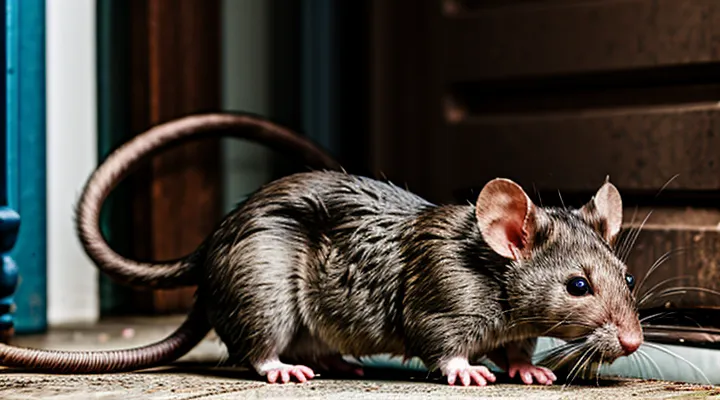
Understanding Nocturnal Rat Activity
Common Reasons for Nighttime Scratching
Parasitic Infestations
Parasitic infestations are a primary cause of continuous nocturnal scratching in rats. Mites (e.g., Myobia spp.), fleas, and lice attach to the skin, feed on blood, and release irritants that provoke intense pruritus. Infestations often worsen during the night when rats are most active, leading to observable skin lesions and hair loss.
Typical indicators include:
- Red, inflamed patches on the ears, face, and tail base
- Scabs or crusts formed from repeated biting
- Visible parasites on a fine-toothed comb or under magnification
- Decreased grooming efficiency and weight loss
Veterinary diagnosis relies on skin scrapings, adhesive tape tests, or microscopic examination of fur samples. Prompt identification distinguishes parasitic causes from allergic dermatitis or fungal infections, which require different interventions.
Effective control measures consist of:
- Topical acaricides (e.g., selamectin or ivermectin) applied according to weight and species guidelines
- Environmental decontamination: wash bedding at >60 °C, vacuum enclosures, and treat surrounding areas with insecticidal dusts
- Routine prophylaxis: schedule quarterly parasite checks and administer preventive medications when available
- Isolation of affected individuals until treatment completion, followed by observation for reinfestation
Implementing these steps reduces nocturnal scratching, improves welfare, and prevents secondary infections that can arise from compromised skin integrity.
Skin Irritations and Allergies
Rats experience intense skin irritation when allergens penetrate the epidermis, triggering histamine release and nerve activation. The reaction produces pruritus that intensifies during the dark phase, when rodents are most active, leading to continuous scratching.
Common sources of irritation include:
- Dust mites and bedding fibers that accumulate in cages.
- Mold spores in humid environments.
- Food allergens such as soy, wheat, or certain proteins.
- Parasites, especially mites and fleas, that feed on skin secretions.
Clinical signs consist of localized erythema, hair loss, scabs, and excessive grooming. Persistent lesions often develop secondary infections, which exacerbate discomfort and may spread systemically if untreated.
Effective management requires a three‑step protocol:
- Environmental control – Replace bedding with low‑dust, hypoallergenic material; maintain humidity below 50 %; clean cage weekly to eliminate mold and debris.
- Topical therapy – Apply veterinary‑approved corticosteroid ointments or antihistamine sprays to reduce inflammation; monitor for adverse reactions.
- Nutritional adjustment – Eliminate suspect proteins from the diet; introduce novel‑protein or hypoallergenic formulas; supplement with omega‑3 fatty acids to support skin barrier function.
If symptoms persist after these measures, obtain a veterinary assessment for possible systemic antihistamines, antibiotics for secondary infection, or allergy testing to identify specific triggers. Prompt intervention restores comfort and reduces nocturnal scratching, improving overall health and behavior.
Behavioral Scratching (Grooming and Nesting)
Rats engage in frequent scratching during the night to maintain fur condition and to prepare a secure nesting environment. The behavior combines two distinct activities: grooming, which removes debris and parasites, and nesting, which involves arranging bedding material to create a comfortable resting area. Both actions are driven by innate circadian rhythms that peak in darkness, ensuring the animal is clean and insulated before periods of rest.
Grooming serves as a self‑maintenance mechanism. Rats use their forepaws and teeth to comb through fur, dislodge loose hairs, and disperse skin oils. This process reduces the risk of skin infections and improves thermoregulation. Nesting follows grooming, as rats collect shredded paper, cloth, or wood shavings, then compact them into a cohesive structure. The resulting nest retains heat, buffers against drafts, and provides a sense of safety.
When scratching becomes excessive, it may signal environmental stressors or health issues. Common triggers include:
- Inadequate bedding depth or inappropriate material that fails to retain shape.
- High humidity or temperature fluctuations that cause skin irritation.
- Parasite infestation, such as mites or fleas, prompting relentless grooming.
- Nutritional deficiencies, particularly low protein or essential fatty acids, affecting coat integrity.
Interventions focus on optimizing the habitat and monitoring health:
- Supply at least three inches of soft, absorbent bedding; replace it regularly to maintain dryness.
- Keep ambient temperature between 68–75 °F (20–24 °C) and humidity around 40–60 % to prevent skin discomfort.
- Perform routine health checks, looking for signs of ectoparasites, skin lesions, or abnormal fur loss; consult a veterinarian if abnormalities appear.
- Ensure a balanced diet rich in protein, omega‑3 fatty acids, and vitamins A and E to support coat health.
- Provide enrichment items, such as tunnels and chew toys, to reduce stress‑induced over‑grooming.
By addressing these factors, caretakers can reduce nocturnal scratching, promote healthier grooming cycles, and encourage the construction of stable nests that improve overall well‑being.
Environmental Factors (Dry Air, Stress)
Rats that scratch continuously through the night often react to external conditions that compromise skin integrity and trigger anxiety. Two primary contributors are low humidity and heightened stress levels.
Dry air removes moisture from the epidermis, leading to flaky skin and increased itch sensation. It also accelerates evaporation of natural oils that protect the fur and underlying tissue. In arid environments, the nasal passages become irritated, prompting rodents to rub their faces against surfaces, which appears as scratching.
Stress arises from factors such as overcrowding, loud noises, sudden temperature shifts, and the presence of predators or unfamiliar scents. Chronic activation of the hypothalamic‑pituitary‑adrenal axis elevates cortisol, which suppresses immune function and intensifies skin inflammation. The resulting discomfort manifests as persistent nocturnal scratching.
Mitigation strategies focus on humidity control and stress reduction:
- Install a humidifier to maintain indoor relative humidity between 45‑55 %.
- Provide a water‑rich substrate (e.g., soaked wood shavings) that encourages skin hydration.
- Ensure cage density does not exceed recommended limits; allow at least 0.5 sq ft per animal.
- Use sound‑absorbing materials to dampen sudden noises.
- Introduce enrichment items (tunnels, chew sticks) to occupy the rats and lower anxiety.
- Implement a consistent light‑dark cycle to stabilize circadian rhythms.
Applying these measures directly addresses the environmental triggers of nocturnal scratching, leading to healthier skin and reduced distress.
When Scratching Becomes a Concern
Signs of Excessive Scratching
Excessive scratching in rats manifests through observable symptoms that signal skin irritation, parasites, or underlying health issues. Recognizing these indicators allows timely intervention and improves the animal’s comfort during nocturnal activity.
- Red or inflamed patches on the fur, especially around the neck, back, or tail base.
- Visible bite marks, scabs, or crusted lesions where the rat repeatedly scratches.
- Excessive fur loss, creating bald spots or thinning coats in specific areas.
- Constant agitation or restlessness, with the rat repeatedly shifting positions to relieve discomfort.
- Presence of blood, pus, or foul odor emanating from scratched regions.
- Behavioral changes such as reduced grooming, decreased appetite, or lethargy accompanying the scratching episodes.
Monitoring these signs and documenting their frequency assists caregivers in diagnosing the cause—whether mites, fungal infections, allergic reactions, or stress‑related behaviors—and guides appropriate treatment strategies.
Secondary Skin Infections
Rats that engage in persistent nocturnal scratching often suffer from secondary skin infections. These infections develop when primary irritants—such as mites, wounds, or allergic reactions—break the epidermal barrier, allowing opportunistic bacteria (Staphylococcus spp., Streptococcus spp.) or fungi (Dermatophytes) to colonize the tissue. Clinical signs include erythema, pustules, crusted lesions, and an increase in grooming activity that intensifies after dark. Laboratory analysis of swabs or biopsies confirms the pathogen and guides antimicrobial selection.
Effective management requires a three‑step protocol:
- Identify and eradicate the primary irritant – administer appropriate acaricides, treat allergic dermatitis with antihistamines, and clean wounds with antiseptic solutions.
- Apply targeted antimicrobial therapy – select bactericidal or fungicidal agents based on culture results; common choices include enrofloxacin for bacterial infections and terbinafine for dermatophyte involvement.
- Support skin regeneration – provide a balanced diet rich in essential fatty acids, maintain optimal humidity (45‑55 %), and use topical barrier creams containing lanolin or aloe to reduce further trauma.
Monitoring includes daily inspection of lesion size, frequency of scratching, and weight stability. Adjust treatment promptly if signs persist beyond five days or if systemic symptoms such as fever appear.
Hair Loss and Lesions
Rats that scratch continuously through the night often exhibit localized hair loss and skin lesions. Hair loss results from repeated mechanical trauma; each scratch removes fur and damages follicular structures, creating an open wound. Lesions develop when the skin barrier is breached, allowing bacterial colonization and inflammation, which intensify itching and perpetuate the scratching cycle.
Underlying causes include ectoparasites such as mites or fleas, allergic reactions to bedding or food, and dermatological conditions like dermatitis. Stress and environmental factors—high humidity, inadequate ventilation, or overcrowding—can exacerbate skin irritation, leading to more severe alopecia and ulceration.
Effective intervention requires a systematic approach:
- Identify and eliminate parasites with appropriate acaricides or insecticides.
- Replace bedding with hypoallergenic, low‑dust materials.
- Adjust housing conditions to maintain optimal temperature and airflow.
- Apply topical antiseptics or corticosteroid creams to reduce inflammation and prevent infection.
- Monitor diet for potential allergens; introduce a balanced, protein‑rich regimen.
- Conduct regular health checks to detect early signs of hair loss or lesions.
Prompt treatment halts the progression of tissue damage, restores fur growth, and reduces nocturnal scratching, improving overall welfare. Continuous observation and preventive husbandry practices are essential for long‑term control.
Strategies to Alleviate Nighttime Scratching
Veterinary Consultation and Diagnosis
Identifying Underlying Medical Conditions
Rats that scratch continuously through the night often do so because of an underlying health problem. Recognizing the medical source of the behavior allows targeted treatment and reduces distress for both the animal and its caretaker.
Common conditions that provoke nocturnal scratching include:
- External parasites such as mites, fleas, or lice that bite and irritate the skin.
- Bacterial or fungal skin infections that cause inflammation, pustules, or crusting.
- Allergic dermatitis triggered by food ingredients, bedding materials, or environmental allergens.
- Metabolic disorders like renal insufficiency or liver disease, which can lead to pruritus as a secondary symptom.
- Neurological disorders that alter sensory perception and induce compulsive grooming.
Identifying the cause follows a systematic process:
- Visual inspection – look for visible parasites, redness, hair loss, scabs, or swelling.
- Behavioral record – note the frequency, duration, and timing of scratching episodes.
- Environmental review – assess bedding type, diet, and exposure to potential allergens.
- Veterinary assessment – obtain a physical exam, skin scrapings, cytology, and, if needed, blood work to detect infection, organ dysfunction, or allergic markers.
- Diagnostic imaging – use radiographs or ultrasound when systemic disease is suspected.
Owners can contribute to the diagnostic effort by maintaining a clean cage, providing dust‑free bedding, rotating diet components to identify food sensitivities, and documenting any changes in the rat’s appearance or activity. Prompt veterinary consultation after the initial observations ensures that the underlying condition is addressed quickly, ultimately reducing nocturnal scratching and improving the animal’s quality of life.
Prescription Treatments
Rats that engage in continuous nocturnal scratching often suffer from dermatological or systemic conditions that require medical intervention. Veterinarians prescribe specific pharmaceuticals to alleviate irritation, eliminate underlying pathogens, and prevent secondary infections.
Effective prescription options include:
- Antihistamines (e.g., diphenhydramine, cetirizine) to reduce histamine‑mediated itching.
- Corticosteroids (e.g., prednisolone, dexamethasone) for rapid anti‑inflammatory control in severe cases.
- Broad‑spectrum antibiotics (e.g., enrofloxacin, amoxicillin‑clavulanate) when bacterial infection is confirmed or highly suspected.
- Antiparasitic agents (e.g., ivermectin, selamectin) targeting mites, lice, or internal parasites that trigger cutaneous reactions.
- Analgesics (e.g., meloxicam, buprenorphine) to manage pain associated with intense scratching.
Dosage must be calculated based on body weight, species‑specific pharmacokinetics, and the severity of symptoms. Treatment plans typically begin with a loading dose followed by maintenance intervals, adjusted according to clinical response and laboratory monitoring.
Monitoring protocols require regular observation of skin condition, behavioral changes, and appetite. Blood work may be necessary to detect hepatic or renal stress, especially when long‑term corticosteroids or antibiotics are employed. Adjustments, such as tapering steroids or switching to alternative agents, are made when adverse effects emerge.
Prescription regimens should be administered under veterinary supervision, with clear instructions on administration route (oral, subcutaneous, topical) and duration. Compliance ensures reduction of nocturnal scratching, promotes healing, and minimizes the risk of chronic dermatological damage.
Environmental Modifications
Humidity Control
Rats become restless and scratch surfaces throughout the night when the environment is too dry. Low relative humidity dries the skin on their paws and whiskers, causing irritation that triggers constant grooming and scratching. Maintaining optimal moisture levels reduces this behavior and improves overall health.
Ideal indoor humidity for rodent habitats ranges from 45 % to 55 % RH. Values below 30 % increase skin desiccation; values above 65 % encourage mold growth and respiratory problems. Monitoring devices calibrated to ±2 % provide reliable readings for adjustments.
Practical steps for humidity control:
- Install a digital hygrometer in each enclosure to track real‑time conditions.
- Use a humidifier with an automatic humidistat set to maintain the target range.
- Add moisture‑retaining substrates such as dampened wood shavings; replace them regularly to prevent bacterial buildup.
- Seal gaps in the enclosure to avoid drafts that lower humidity.
- Perform weekly checks; adjust humidifier output if readings drift outside the 45‑55 % window.
Consistent humidity management eliminates the skin irritation that drives nocturnal scratching, leading to calmer rats and fewer disturbances for owners.
Allergen Reduction
Rats that scratch continuously through the night often react to environmental allergens that irritate their skin and respiratory system. Common allergen sources include untreated bedding, residual food particles, dust mites, and mold spores that accumulate in enclosed habitats.
Reducing these triggers improves comfort and curtails nocturnal scratching. Effective strategies are:
- Replace cotton or wool bedding with hypoallergenic, polyester‑based alternatives that resist dust accumulation.
- Wash all bedding, cages, and accessories weekly in hot water (≥ 60 °C) to eliminate residual proteins and mites.
- Store food in sealed containers; discard uneaten portions promptly to prevent mold growth.
- Install a small exhaust fan or open windows periodically to increase airflow and lower humidity, which discourages fungal proliferation.
- Use HEPA‑rated air purifiers near the enclosure to capture airborne particles.
- Apply a non‑toxic, pet‑safe anti‑mite spray on surfaces that cannot be removed easily, following manufacturer guidelines.
Monitoring the environment after each intervention helps identify the most impactful measures. Consistent application of these practices lowers allergen load, reduces itching, and promotes healthier nocturnal behavior in rats.
Providing Enrichment and Stress Reduction
Rats that engage in continuous nocturnal scratching often do so because their environment lacks sufficient stimulation and they experience chronic stress. Providing a varied, enriching habitat directly addresses these motivations and reduces the frequency of disruptive behavior.
Enrichment strategies that produce reliable results include:
- Rotating chewable objects such as untreated wood blocks, cardboard tubes, and mineral sticks to maintain novelty.
- Installing multi‑level platforms, tunnels, and climbing ropes that encourage natural foraging and exploration.
- Offering puzzle feeders that release small food portions only after the animal manipulates a mechanism.
- Introducing scent cues like fresh herbs (e.g., mint, rosemary) or bedding changes on a weekly schedule.
Stress‑reduction measures complement physical enrichment:
- Maintaining a consistent light‑dark cycle (12 hours light, 12 hours dark) stabilizes circadian rhythms.
- Keeping ambient temperature between 20 °C and 24 °C prevents thermal discomfort that can trigger agitation.
- Limiting exposure to loud noises and sudden movements reduces anxiety spikes.
- Providing a quiet, hidden nest box with soft bedding offers a secure retreat for rest.
Combining these practices creates a dynamic environment that satisfies rats’ instinctual needs, thereby decreasing nocturnal scratching and promoting overall wellbeing. Regular observation of behavior patterns allows fine‑tuning of enrichment items and stress‑mitigation techniques to sustain optimal outcomes.
Home Remedies and Supportive Care
Topical Treatments (Vet Approved)
Veterinarians prescribe several topical products that address nocturnal itching in pet rats. These formulations combine antiparasitic, anti‑inflammatory, and barrier‑repair ingredients to interrupt the cycle of irritation and self‑trauma.
- Chlorhexidine‑based antiseptic gels (2 % concentration) – reduce bacterial load and soothe inflamed skin.
- Lime sulfur dips (1 % solution) – effective against mites and mange; applied for 5‑10 minutes before rinsing.
- Hydrocortisone cream (0.5 %) – short‑term relief of localized inflammation; limited to 3‑5 days to avoid systemic effects.
- Vitamin E oil or lanolin ointment – restores lipid barrier, mitigates dryness, and supports healing after parasite control.
Application guidelines: clean the affected area with warm saline, dry gently, then apply a thin layer of the chosen product. Allow the rat to groom for a brief period before returning to its cage to prevent ingestion of excess medication. Repeat according to the veterinarian’s schedule, typically every 24 hours for the first week, then taper as symptoms improve.
Monitoring includes daily inspection for redness, hair loss, or secondary infection. If the condition persists beyond two weeks despite proper topical therapy, a veterinarian should reassess for underlying allergies, nutritional deficiencies, or systemic disease.
Dietary Supplements for Skin Health
Rats that exhibit continuous nocturnal scratching often suffer from skin irritation, inflammation, or parasitic infection. Nutritional support can strengthen the integumentary system, reduce pruritus, and accelerate tissue repair.
Key supplements that enhance dermal resilience include:
- Omega‑3 fatty acids (e.g., fish oil, algal oil): Incorporate eicosapentaenoic and docosahexaenoic acids to modulate inflammatory pathways and improve skin barrier function.
- Vitamin E (mixed tocopherols): Acts as an antioxidant, protecting cellular membranes from oxidative damage and supporting wound healing.
- Zinc picolinate: Essential for collagen synthesis, keratinocyte proliferation, and immune competence, thereby reducing susceptibility to skin lesions.
- Biotin (vitamin B7): Facilitates fatty acid metabolism and keratin formation, promoting healthy fur and epidermal integrity.
- Probiotic strains (Lactobacillus rhamnosus, Bifidobacterium longum): Modulate gut microbiota, indirectly influencing skin immunity and reducing inflammatory responses.
Implementing these nutrients requires precise dosing calibrated to the animal’s weight and health status. Excessive supplementation may lead to toxicity; for instance, hypervitaminosis E can impair coagulation, while zinc overload may cause copper deficiency. Regular veterinary assessment ensures optimal levels and monitors progress.
In practice, combine dietary enrichment with environmental hygiene—clean bedding, temperature control, and parasite prophylaxis—to address the underlying causes of nocturnal scratching. The synergy of targeted supplements and proper husbandry creates a robust defense against skin disorders, ultimately reducing the need for nocturnal self‑trauma.
Maintaining a Clean Habitat
A dirty enclosure encourages parasites, odors, and irritants that can trigger nocturnal scratching in rodents. By keeping the habitat spotless, you remove the primary stimuli that provoke the behavior and create a healthier environment for the animal.
Regular cleaning should follow a schedule that matches the cage size and the number of occupants. Replace bedding completely at least once a week; spot‑clean soiled areas daily. Wash food dishes, water bottles, and accessories with hot, soapy water, then rinse thoroughly before returning them to the cage. Inspect the enclosure for droppings, urine stains, and mold, and address any issues immediately.
Key practices for maintaining hygiene:
- Remove uneaten food and debris each evening.
- Use absorbent, dust‑free bedding and change it regularly.
- Disinfect surfaces with a rodent‑safe solution (e.g., diluted vinegar or a commercial sanitizer) once per week.
- Provide multiple nesting spots to distribute waste and reduce concentration of contaminants.
- Monitor temperature and ventilation to prevent excess humidity, which fosters fungal growth.
A clean habitat reduces skin irritation, limits exposure to allergens, and minimizes stress, all of which help stop persistent nighttime scratching. Consistent upkeep is the most effective method for supporting calm, comfortable rodents.