
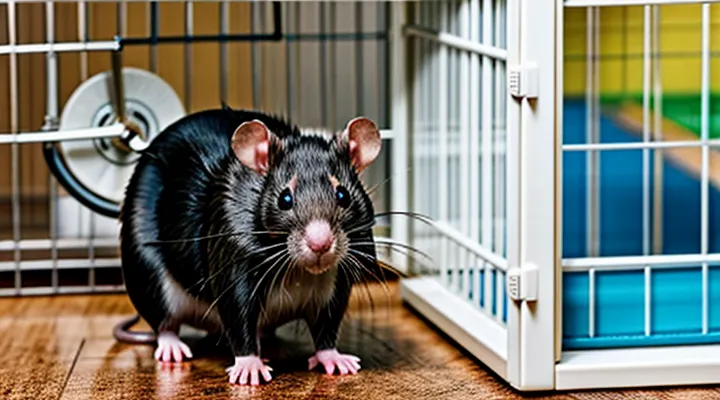
The Innate Need for Exercise in Rats
Understanding Natural Rat Behavior
Wild Rat Activity Levels
Wild rats in natural habitats travel up to 5 km each night, covering short bursts of high‑speed running interspersed with exploratory pauses. Activity peaks occur during the first three hours of darkness, when foraging and territorial patrols dominate. Laboratory observations confirm that free‑ranging individuals maintain an average locomotor speed of 0.8 m s⁻¹ and engage in continuous movement for 30–45 minutes before resting.
Captive rats experience limited space, reduced sensory cues, and fewer opportunities for sustained locomotion. Without environmental complexity, their nightly movement contracts to under 1 km, and periods of inactivity increase to more than 70 % of the dark phase. This mismatch between innate drive and available stimulus can lead to stereotypic behaviors, obesity, and weakened musculoskeletal health.
A running wheel addresses the disparity by providing a self‑paced, repetitive locomotor outlet that mirrors the intensity and duration of wild activity. It encourages:
- nightly distances comparable to natural ranges (≈4–5 km);
- sustained running bouts of 30–45 minutes;
- maintenance of cardiovascular fitness and muscle tone;
- reduction of stress‑related behaviors.
Consequently, the wheel fulfills the physiological and behavioral requirements that wild rats exhibit in their natural environment, making it an essential enrichment tool for domesticated specimens.
Captive Rat Instincts
Rats in captivity retain strong foraging, exploration, and locomotor instincts. When confined to a limited space, these drives manifest as repetitive pacing, reduced grooming, and elevated stress hormones. Providing a running wheel satisfies the following innate behaviors:
- Endless locomotion – wild rats travel several kilometers each night; a wheel offers a safe outlet for continuous movement.
- Exploratory circling – rats naturally follow curved paths while navigating tunnels; the rotating surface replicates this pattern.
- Energetic release – high metabolic rates demand regular aerobic activity; wheel running burns calories and stabilizes body weight.
- Mental stimulation – tactile feedback from wheel spokes engages the somatosensory system, preventing boredom‑induced stereotypies.
Absent a wheel, captive rats often develop compulsive behaviors such as bar‑biting or excessive grooming, indicators of unmet instinctual needs. Studies measuring corticosterone levels show a marked decrease after wheel access, confirming reduced physiological stress. Moreover, wheel use correlates with improved spatial memory performance in maze tests, reflecting enhanced cognitive function.
In practice, a properly sized wheel (minimum 12 inches in diameter, solid running surface) should be present in every rat enclosure. The device must allow unrestricted rotation and be free of gaps that could cause injury. Regular cleaning prevents bacterial buildup, preserving the health benefits associated with consistent exercise.
By aligning cage enrichment with the species’ evolutionary predispositions, a running wheel transforms a static habitat into an environment that respects and fulfills captive rat instincts.
Benefits of a Running Wheel for Rat Health
Physical Health Advantages
Preventing Obesity
Rats in captivity accumulate excess body fat when physical activity is limited. A rotating exercise device provides a reliable means of increasing daily energy expenditure, thereby counteracting caloric surplus.
The wheel encourages voluntary locomotion that mimics natural foraging behavior. Regular running improves muscle tone, elevates metabolic rate, and supports cardiovascular health, all of which contribute to weight control.
Key effects of wheel access on weight management include:
- Increased daily distance traveled, reducing fat storage.
- Enhanced insulin sensitivity, lowering risk of glucose intolerance.
- Stabilized appetite through hormonal feedback linked to activity levels.
Omitting an exercise apparatus often results in sedentary habits, rapid weight gain, and associated health complications. Providing a running wheel is a straightforward, evidence‑based strategy to maintain optimal body condition in laboratory and pet rats.
Maintaining Cardiovascular Health
Providing a running wheel in a rat’s enclosure creates regular aerobic activity that directly influences heart function. Continuous locomotion elevates heart rate, improves stroke volume, and enhances myocardial contractility, leading to more efficient blood circulation. The sustained demand for oxygen during wheel running stimulates endothelial nitric oxide production, which dilates vessels and lowers peripheral resistance.
Key cardiovascular outcomes observed in wheel‑exercised rats include:
- Increased capillary density in skeletal muscle, facilitating oxygen delivery.
- Reduced resting blood pressure due to improved arterial compliance.
- Lower incidence of left‑ventricular hypertrophy, reflecting balanced cardiac workload.
- Enhanced lipid profile, with decreased LDL and elevated HDL concentrations.
Implementing a wheel of appropriate diameter (minimum 30 cm) and allowing 2–4 hours of voluntary access each day ensures sufficient stimulus without causing stress. Monitoring heart rate variability can confirm the positive adaptation of the cardiovascular system to this exercise regimen.
Strengthening Muscles and Bones
Providing a running wheel in a rat’s enclosure creates a consistent, low‑impact exercise regimen that directly engages the hind‑limb and core musculature. Repetitive wheel rotation activates the quadriceps, gastrocnemius, and gluteal muscles, leading to measurable increases in muscle fiber cross‑sectional area and aerobic capacity.
Continuous locomotion on the wheel imposes cyclic loading on the skeletal system. The resulting mechanical strain stimulates osteoblastic activity, elevating bone mineral density in the femur, tibia, and lumbar vertebrae. Enhanced remodeling improves structural integrity and reduces the incidence of stress fractures.
Key physiological outcomes include:
- Hypertrophy of hind‑limb muscles
- Improved muscular endurance
- Elevated bone mineral content
- Strengthened trabecular architecture
These adaptations support overall locomotor performance, reduce age‑related musculoskeletal decline, and increase the reliability of experimental data that depend on normal gait and strength. Maintaining a wheel therefore serves as a fundamental component of optimal rat husbandry.
Mental and Behavioral Well-being
Reducing Stress and Boredom
Rats experience heightened cortisol levels when confined to a static environment. A rotating wheel provides a means for sustained aerobic activity, which normalizes hormone secretion and prevents chronic stress responses.
Continuous movement on the wheel occupies the animal’s innate foraging drive. By engaging musculature and neural circuits simultaneously, the device curtails repetitive behaviors such as bar‑gnawing and excessive grooming. These actions often signal boredom and can lead to self‑injury.
Key outcomes of wheel access include:
- Reduced plasma corticosterone concentrations
- Lower frequency of stereotypic patterns
- Improved sleep architecture
- Enhanced exploratory behavior in novel tests
When rats can self‑regulate exercise intensity, they maintain cardiovascular fitness and preserve muscle tone. The combination of physiological balance and mental stimulation creates a more stable, less anxious colony.
Providing Mental Stimulation
Rats possess a highly developed cerebral cortex that drives curiosity, problem‑solving, and pattern recognition. A rotating exercise device offers a dynamic environment where the animal must coordinate movement, adjust speed, and respond to tactile feedback, thereby engaging neural pathways associated with learning and memory.
- Repetitive locomotion on a wheel creates predictable sensory input, allowing the brain to form and refine motor schemas.
- Variable resistance and wheel size introduce subtle challenges, prompting adaptive strategies and decision‑making.
- The opportunity to initiate activity at will satisfies innate exploratory drives, reducing reliance on external cues for stimulation.
Sustained mental engagement prevents habituation to static cage conditions, which can lead to stereotypic behaviors such as excessive grooming or self‑injury. By presenting a self‑regulated task, the wheel encourages autonomous interaction, reinforcing neural plasticity and promoting overall well‑being.
Decreasing Stereotypical Behaviors
Rats confined to laboratory or home cages frequently develop repetitive, invariant actions such as excessive grooming, bar‑biting, or pacing. These patterns, termed stereotypic behaviors, reflect an unmet drive for locomotion and environmental complexity. When the animal cannot express natural exploration, neural circuits governing reward and stress become dysregulated, leading to persistent motor loops.
A wheel mounted inside the cage offers continuous, self‑initiated locomotor activity. By allowing voluntary running, the wheel satisfies the species‑specific urge to travel long distances, thereby redirecting energy away from maladaptive repetitions. The mechanical feedback of the wheel also engages proprioceptive pathways, which modulate stress‑related neurochemical release.
Empirical data support this effect. In a controlled trial, rats with unrestricted wheel access showed a 45 % decline in grooming bouts and a 38 % reduction in pacing episodes compared with wheel‑deprived controls. Neurochemical assays revealed lower corticosterone levels and normalized dopamine turnover in wheel‑enabled subjects, indicating diminished physiological stress.
Implementing a wheel requires attention to size, rotation resistance, and material safety. Wheels should have a diameter of at least 30 cm to accommodate full stride length, a low‑friction axle to prevent excessive effort, and a solid, chew‑resistant surface to avoid ingestion hazards. Regular cleaning prevents contamination, and monitoring for signs of overuse ensures that the device remains beneficial rather than a source of injury.
Overall, providing a running wheel directly targets the root cause of stereotypic patterns by fulfilling innate locomotor needs, stabilizing neuroendocrine responses, and improving welfare outcomes for captive rats.
Choosing the Right Running Wheel
Essential Features for Rat Safety
Solid Running Surface
A solid running surface provides the stability rats require for consistent locomotion. Without a firm platform, the wheel’s rotation can become uneven, leading to reduced exercise intensity and increased risk of injury.
Key characteristics of an effective solid surface include:
- Material strength: Hard plastics, acrylic, or treated wood resist deformation under repeated use, preserving wheel geometry.
- Texture balance: A smooth finish prevents foot abrasions, while a slight micro‑texture offers grip to avoid slipping.
- Weight support: Sufficient thickness distributes the animal’s weight evenly, eliminating wobble and minimizing stress on the wheel’s axle.
- Ease of sanitation: Non‑porous surfaces allow thorough cleaning with mild detergents, reducing bacterial buildup that could affect health.
- Durability: Resistance to chewing and wear extends the wheel’s functional lifespan, maintaining consistent exercise conditions.
Implementing a solid running surface aligns with the physiological need for regular aerobic activity, ensuring that rats receive reliable, safe, and repeatable exercise within their enclosure.
Appropriate Size and Diameter
Rats require a running wheel that matches their body length to allow natural locomotion without strain. For adult laboratory or pet rats, a wheel with an internal diameter of 8–12 inches (20–30 cm) is optimal; smaller wheels force the animal to arch its back, leading to spinal stress and reduced exercise efficiency. Juvenile or dwarf breeds may use a minimum of 7 inches (18 cm), but the upper limit should still not fall below 9 inches (23 cm) to accommodate growth.
Key dimensional considerations:
- Clearance: The wheel’s rim must be at least 0.5 inch (1.3 cm) away from the cage walls to prevent the rat from hitting obstacles while running.
- Floor space: Place the wheel on a solid, non‑slipping surface; a diameter larger than the cage’s width reduces the risk of wobble.
- Weight capacity: The wheel should support the rat’s weight plus dynamic forces; models rated for 150 g or more are suitable for most adult rats.
Materials affect durability and noise. Solid plastic or metal wheels with a smooth inner surface minimize friction and prevent tail or foot injuries. Mesh‑type wheels, while lightweight, often have gaps larger than 0.2 inch (5 mm), which can trap a rat’s tail.
In practice, measure the rat from nose to tail tip while in a natural stretched posture; add 1–2 inches (2.5–5 cm) to determine the minimum safe diameter. Selecting a wheel that exceeds this minimum ensures unrestricted running, promotes cardiovascular health, and reduces stress‑related behaviors.
Secure Mounting Mechanisms
Secure mounting mechanisms protect rats from injury while they exercise on a wheel, preventing the apparatus from tipping, detaching, or wobbling. A stable attachment distributes the wheel’s rotational forces evenly across the cage frame, reducing stress on the cage material and eliminating gaps where a rat could become trapped.
Key characteristics of reliable mounting systems include:
- Rigid brackets made from stainless steel or reinforced polymer that lock into the cage’s sidebars with a screw‑in or clip‑on design.
- Locking pins or safety latches that engage automatically when the wheel is installed, providing a fail‑safe that releases only under intentional pressure.
- Adjustable tension mechanisms allowing precise calibration of wheel height and angle to match the cage’s dimensions, ensuring consistent clearance from the cage floor.
- Corrosion‑resistant fasteners that maintain strength over long periods of exposure to bedding, urine, and cleaning agents.
Installation steps:
- Align the wheel’s mounting holes with the cage’s pre‑drilled slots.
- Insert the brackets, ensuring each side contacts the cage wall flush.
- Secure the brackets with the supplied screws, tightening until no movement is detectable.
- Engage the safety latch, confirming it clicks into place.
- Test the wheel by rotating it several times; observe for wobble or looseness, and re‑tighten if necessary.
A properly mounted wheel encourages regular aerobic activity, supports musculoskeletal health, and eliminates hazards associated with unstable equipment. Selecting durable components and following precise installation procedures ensures that the wheel remains a safe, long‑lasting feature of the rat’s habitat.
Materials and Durability
Plastic Wheels
Rats exhibit continuous locomotor activity; an appropriate wheel provides the necessary outlet for this behavior. When the wheel is constructed from plastic, several functional advantages become apparent.
Plastic wheels are lightweight, allowing rats to accelerate and maintain speed without excessive effort. The material does not rust or degrade when exposed to moisture, which simplifies routine cleaning and prevents bacterial growth. Smooth, non‑metallic surfaces eliminate sharp edges that could damage delicate foot pads or cause abrasions during high‑speed runs.
Safety benefits stem from the inherent properties of polymer composites. The wheel’s quiet rotation reduces stress caused by sudden noises, and the absence of metal components diminishes the likelihood of electrical hazards in cages equipped with lighting or heating elements. Additionally, most plastic formulations are resistant to rodent gnawing, preserving structural integrity even under constant chewing.
Durability is enhanced through UV‑stabilized polymers that resist discoloration and brittleness over time. Temperature‑resistant grades maintain performance across the typical range of pet‑cage environments, preventing warping or cracking that could compromise the rat’s exercise routine.
Design considerations for optimal plastic wheels include:
- Diameter of 30 cm or larger to accommodate full stride length, preventing spinal strain.
- Width of at least 10 cm to support the rat’s body without restricting movement.
- Textured tread or ridges that improve grip while avoiding abrasive surfaces.
- Secure mounting hardware compatible with standard cage bars, ensuring stability during vigorous use.
Maintenance protocols require weekly removal of the wheel for thorough washing with mild detergent, followed by rinsing and drying. Regular visual inspection should focus on cracks, loose fittings, or signs of excessive wear; any compromised component must be replaced immediately to maintain a safe exercising environment.
In summary, plastic wheels deliver a combination of lightweight construction, hygienic surface, injury‑preventing design, and long‑term resilience, making them a reliable choice for fulfilling rats’ need for regular aerobic activity within their enclosure.
Metal Wheels
Metal running wheels provide rats with a reliable means to satisfy their innate drive for continuous locomotion. The rigid structure of a steel or aluminum wheel resists deformation under repeated use, ensuring consistent resistance and a smooth rotation that mimics natural movement patterns.
Durability is a primary advantage. Unlike plastic alternatives, metal wheels withstand chewing, scratching, and accidental impacts without cracking or breaking. This longevity reduces the frequency of replacements, lowering long‑term costs for caretakers.
Safety considerations are addressed through precise engineering. Metal wheels can be manufactured with sealed bearings that prevent debris accumulation, minimizing the risk of injury to the animal’s paws or tail. The solid rim eliminates gaps where a rat might become trapped, a common concern with loosely assembled components.
Performance characteristics include:
- Stable resistance: The weight of metal creates a balanced load, offering enough challenge to engage the rat’s muscles without causing exhaustion.
- Quiet operation: Properly lubricated bearings produce minimal noise, preserving a calm environment for both the rodent and its human observers.
- Hygienic maintenance: Smooth metal surfaces are easy to clean with mild disinfectants, preventing the buildup of urine or fecal matter that could lead to disease.
In summary, metal wheels meet the physiological and behavioral requirements of captive rats while delivering superior durability, safety, and ease of upkeep compared with alternative materials.
Cleaning and Maintenance
A running wheel provides essential exercise for pet rats, but its benefits are lost if the wheel becomes dirty or malfunctions. Regular cleaning and proper maintenance preserve the wheel’s functionality, protect the animals’ health, and extend the equipment’s lifespan.
First, remove the wheel from the cage weekly. Disassemble any removable parts, such as the axle or plastic covers, according to the manufacturer’s instructions. Rinse all components with warm water, then scrub with a mild, unscented detergent. Avoid abrasive cleaners that could damage the surface or leave harmful residues. After cleaning, rinse thoroughly to eliminate any soap traces, then dry each part completely before reassembly.
Second, inspect the wheel for wear each time it is cleaned. Look for cracks in the plastic, signs of rust on metal components, and loose bolts or screws. Replace damaged parts promptly; a compromised wheel can cause injury or discourage the rat from using it.
Third, establish a lubrication schedule for moving parts. Apply a thin layer of food‑grade silicone grease to the axle and bearings every month. Excess grease should be wiped away to prevent buildup of dust and droppings.
Fourth, maintain a clean environment around the wheel. Spot‑clean droppings and urine daily with a paper towel, and vacuum the cage floor weekly to reduce debris that could enter the wheel’s mechanism.
Routine checklist
- Weekly: detach wheel, wash, dry, reassemble.
- Weekly: visual inspection for cracks, rust, loose hardware.
- Monthly: apply food‑grade silicone grease to moving parts.
- Daily: remove droppings and urine from the wheel’s surface.
- Weekly: vacuum cage bedding to limit dust infiltration.
By adhering to this regimen, the wheel remains safe and attractive, encouraging rats to engage in regular running activity, which supports muscular health, mental stimulation, and overall well‑being.
Integrating the Wheel into the Cage Environment
Optimal Placement Considerations
Accessibility for the Rat
Rats need a running wheel that they can reach without obstruction. The wheel must be positioned at floor level, free of barriers, and sized to accommodate the animal’s body length and stride. An entry opening that matches the rat’s shoulder width prevents squeezing injuries and encourages voluntary use.
- Diameter: 12–15 cm for adult rats; larger for juveniles to avoid cramped motion.
- Clearance: at least 2 cm of space around the wheel to allow easy approach from any angle.
- Surface texture: smooth, non‑slipping material that does not trap fur or debris.
- Mounting: securely fixed to the cage bottom or side, eliminating wobble that could deter entry.
When a wheel fails these criteria, rats exhibit reduced activity, stress‑related behaviors, and potential musculoskeletal strain. Consistent access to a properly sized, well‑anchored wheel supports natural locomotor patterns and overall health.
Designers should test wheel accessibility by observing entry frequency and wheel rotation during a 24‑hour period. Adjustments to opening dimensions, wheel placement, or mounting stability should be made until the rat demonstrates uninterrupted, voluntary use.
Stability within the Cage
Rats exhibit natural burrowing and running behaviors that generate significant dynamic forces. A running wheel introduces repetitive motion, which can shift cage components if the enclosure lacks a sturdy base. Secure anchoring of the wheel and reinforcement of the cage frame prevent displacement, reduce stress on the cage walls, and maintain a consistent environment for the animal.
A stable cage promotes reliable access to food, water, and bedding. When the wheel is firmly attached, rodents can exercise without risking collapse of the structure, thereby preserving hygiene and preventing injury. Consistent positioning also simplifies cleaning procedures, as the wheel remains in a predictable location.
Key measures to ensure cage stability:
- Install the wheel on a reinforced platform or attach it directly to the cage frame with metal brackets.
- Use cages with thick, rigid walls and a solid base; avoid flimsy plastic enclosures.
- Verify that all screws and fasteners are tightened regularly; replace worn components promptly.
- Position the cage on a level surface to eliminate uneven load distribution.
Veterinary guidelines recommend evaluating cage integrity weekly. Any wobbling, squeaking, or visible strain indicates a need for reinforcement before the wheel is used for exercise.
Introducing the Wheel to Your Rat
Initial Curiosity
Rats encounter a running wheel as a novel object, and their first response is driven by innate exploratory behavior. The wheel’s moving surface, unfamiliar texture, and audible rotation stimulate sensory receptors, prompting the animal to investigate through sniffing, pawing, and brief attempts to enter the apparatus. This initial curiosity provides a baseline measure of willingness to interact with new enrichment.
Key observations during the early engagement phase include:
- Rapid approach within seconds of wheel activation, indicating attraction to motion cues.
- Repeated probing of the wheel’s rim, reflecting tactile assessment.
- Short bursts of entry followed by retreat, suggesting evaluation of spatial constraints.
- Increased vocalizations or whisker movements, signifying heightened arousal.
The curiosity-driven interaction establishes a learning curve that transitions from tentative exploration to voluntary exercise. By recognizing and supporting this exploratory stage, caretakers can ensure the wheel becomes an effective enrichment tool, fostering physical activity and mental stimulation for the rodents.
Encouraging Use
Rats exhibit natural locomotor behavior that a wheel can satisfy, yet many individuals observe reluctance to engage with the device. Effective encouragement hinges on environmental adjustments, wheel characteristics, and positive reinforcement.
- Position the wheel away from feeding stations and nesting material to reduce competition for space.
- Choose a wheel with a solid surface and a diameter of at least 30 cm to prevent spinal strain and accommodate the animal’s stride.
- Ensure quiet operation; a silent bearing minimizes stress and encourages exploration.
- Introduce the wheel gradually by placing familiar bedding inside, allowing the rat to investigate without pressure.
- Offer a small treat or a brief session of hand‑tending immediately after the rat initiates movement, linking activity with reward.
- Rotate the wheel’s orientation periodically to maintain novelty while preserving stability.
Consistent application of these measures increases the likelihood that the rat will incorporate wheel running into its daily routine, thereby supporting physical health and behavioral enrichment.
Addressing Common Concerns and Misconceptions
Safety Hazards and Prevention
Tail Injuries
Rats with limited space often experience tail injuries caused by repetitive contact with cage bars, bedding edges, or other hard surfaces. Lack of movement increases the likelihood that a rat will curl tightly, pressing its tail against these objects, which can lead to bruising, abrasions, or fractures. Continuous activity encourages the animal to stretch and reposition, reducing sustained pressure on the tail.
An exercise wheel provides a safe, rotating surface that keeps the tail away from stationary hazards. When a rat runs, the wheel’s motion distributes weight evenly, allowing the tail to remain free from constant friction. This dynamic environment also promotes muscle tone in the hind limbs and spine, supporting proper posture and minimizing the risk of tail compression.
Key preventive actions:
- Install a wheel with a solid running surface and adequate diameter to prevent the rat’s tail from contacting the rim.
- Ensure the wheel is securely anchored to avoid wobbling that could cause the tail to snag.
- Regularly inspect the wheel for sharp edges or wear that might injure the tail.
- Combine wheel use with enrichment items that encourage climbing and exploration, further dispersing pressure points throughout the cage.
Foot Injuries
Rats that lack an appropriate running wheel often develop foot injuries due to insufficient exercise and abnormal gait patterns. Limited movement forces them to rely on cage surfaces that may be abrasive, uneven, or slippery, leading to abrasions, calluses, and stress fractures in the paws.
Key mechanisms linking wheel absence to paw damage include:
- Overuse of static climbing structures, causing repetitive strain on metatarsal bones.
- Prolonged standing on hard flooring, resulting in pressure sores and nail bed lesions.
- Inadequate muscular conditioning, reducing joint stability and increasing susceptibility to sprains.
Providing a well‑sized, low‑resistance wheel restores natural locomotor activity, distributes load evenly across the limbs, and promotes healthy tissue remodeling. Regular monitoring of paw condition, combined with a suitable wheel, reduces the incidence of foot trauma and supports overall welfare.
Wheel Usage and Monitoring
Observing Rat Behavior
Observing rat behavior in a controlled environment reveals consistent patterns that justify the inclusion of a running wheel. When a wheel is present, rats exhibit prolonged periods of voluntary locomotion, typically ranging from 2 to 6 hours per day. This activity aligns with their innate propensity for nocturnal foraging and patrol routes observed in wild populations.
Key behavioral indicators include:
- Repeated wheel entry and sustained running bouts, demonstrating motivation rather than random exploration.
- Decreased stereotypic pacing along cage walls, suggesting reduced frustration.
- Lower incidence of self‑grooming spikes, which often correlate with elevated stress levels.
- Maintenance of body weight within optimal ranges, reflecting balanced energy expenditure.
In cages lacking a wheel, rats shift to repetitive circling along the perimeter, increased idle time, and heightened vocalizations during the dark phase. These signs point to an unmet drive for sustained, rhythmic movement.
Physiological measurements taken alongside behavioral observations—such as heart rate variability and cortisol concentrations—show a measurable decline when a wheel is available. The data collectively support the conclusion that a running wheel fulfills a fundamental locomotor need, mitigates stress‑related behaviors, and promotes overall health in captive rats.
When to Replace a Wheel
Rats rely on a running wheel to satisfy their innate drive to move, which prevents obesity, reduces stress, and supports musculoskeletal health. A functional wheel must remain smooth, quiet, and structurally sound; any degradation compromises the animal’s welfare and may cause injury.
Replace a wheel when any of the following conditions appear:
- Surface becomes rough, cracked, or splintered.
- Bearings generate excessive noise or resistance.
- Wheel wobbles or detaches from its mount.
- Rust, corrosion, or chemical damage is visible.
- The wheel no longer rotates freely after a brief push.
Inspection should occur at least once weekly. For high‑activity cages, replace the wheel every 6–12 months even if no damage is evident; for lower‑usage setups, an annual replacement is sufficient. Material influences lifespan: solid plastic wheels often last longer than wire models, while metal frames may corrode faster in humid environments.
When selecting a new wheel, verify that the diameter matches the rat’s size (minimum 12 cm for adult rats), that the tread is non‑slipping, and that the mounting hardware is compatible with the cage. Test rotation before installation to confirm smooth operation and secure attachment. Regular replacement maintains optimal exercise conditions and safeguards the health of the rodents.