
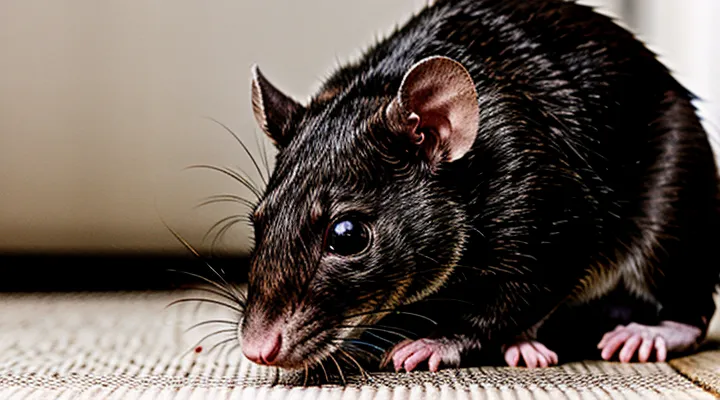
Understanding Hair Loss in Rats
What is Patchy Hair Loss?
Patchy hair loss in rats refers to the development of distinct, non‑contiguous areas where fur is absent or markedly thinned, while surrounding coat remains intact. The condition manifests as smooth skin patches that may vary in size from a few millimeters to several centimeters and can appear on any body region, most commonly on the back, flanks, and tail base.
Typical features include:
- Abrupt onset or gradual progression
- Absence of visible parasites in the affected zone
- Normal grooming behavior, indicating the loss is not self‑induced
- Possible underlying skin inflammation, scaling, or erythema
Common contributors to localized fur loss are:
- Dermatophyte or bacterial infections that invade specific skin sections
- Allergic reactions to bedding, food, or environmental chemicals
- Hormonal imbalances such as hypothyroidism or excess glucocorticoids
- Nutritional deficiencies, particularly in essential fatty acids and vitamins A and E
- Stress‑related physiological responses, which can trigger a temporary shedding pattern
- Parasitic infestations limited to certain areas, e.g., mite colonies confined to the tail base
Diagnostic steps generally involve visual inspection, skin scrapings for microscopic analysis, fungal culture, and blood work to assess endocrine and nutritional status. Biopsy may be required when inflammatory or neoplastic processes are suspected.
Treatment protocols target the identified cause:
- Antifungal or antibacterial agents for confirmed infections
- Antihistamines or corticosteroids to mitigate allergic inflammation
- Hormone replacement or adjustment therapy for endocrine disorders
- Supplementation with balanced rodent diets enriched in essential fatty acids and vitamins
- Environmental modification, including hypoallergenic bedding and dust‑free cages
- Stress reduction through enrichment, stable social grouping, and consistent handling
Effective resolution depends on accurate cause identification, timely intervention, and ongoing monitoring of coat regeneration. Continuous observation ensures that recurrence is detected early and preventive measures are maintained.
Common Misconceptions About Rat Hair Loss
Rats often experience localized hair loss, yet many owners hold inaccurate beliefs that delay proper care.
- Mites cause immediate bald spots – Infestations can lead to hair thinning, but lesions typically develop gradually and are accompanied by itching or skin inflammation. Early detection requires microscopic examination, not visual inspection alone.
- Dietary deficiency is the sole cause – Poor nutrition may exacerbate shedding, but it rarely produces distinct patches without an underlying health issue such as hormonal imbalance or infection. Balanced feedings support overall coat health but do not eliminate other etiologies.
- Stress produces clean‑cut bald areas – Chronic stress can trigger diffuse thinning, yet stress‑induced loss lacks the sharply defined edges characteristic of dermatological conditions. Behavioral changes and cortisol measurements help differentiate stress from pathological alopecia.
- Cutting hair prevents further loss – Trimming does not treat the underlying problem and may conceal early signs, making diagnosis more difficult. Veterinary assessment remains essential regardless of grooming practices.
Correcting these misconceptions enables timely veterinary intervention, improves treatment outcomes, and reduces unnecessary experimentation with home remedies.
Primary Causes of Patchy Hair Loss
Parasitic Infestations
Mites
Mites are a primary parasitic factor that can produce localized alopecia in rodents. Infestations typically involve the hair‑loss mite (Notoedres muris) or the fur mite (Myobia musculi). These ectoparasites attach to the skin, feed on epidermal tissue, and provoke inflammatory reactions that result in patchy hair loss, erythema, and crusting.
The life cycle of fur and hair‑loss mites includes egg, larva, protonymph, deutonymymph, and adult stages. All stages occur on the host, allowing rapid population expansion when environmental conditions are favorable. High humidity, crowding, and inadequate sanitation accelerate reproduction, leading to visible lesions within days.
Clinical signs are confined to affected areas; the surrounding skin may appear normal. Microscopic examination of skin scrapings or tape preparations reveals characteristic mite morphology—rounded bodies with short legs for fur mites, and elongated bodies with legs positioned near the anterior for hair‑loss mites. Accurate identification guides targeted therapy.
Effective management combines environmental control and pharmacologic intervention:
- Thorough cleaning of cages, bedding, and accessories with hot water or a disinfectant approved for rodent use.
- Replacement of all soft furnishings to eliminate residual mite habitats.
- Topical acaricides (e.g., selamectin, ivermectin) applied according to manufacturer dosage, repeated after 7–10 days to cover the full mite life cycle.
- Systemic treatment with oral ivermectin or milbemycin oxime for severe infestations, administered under veterinary supervision.
Monitoring after treatment includes weekly skin examinations for at least four weeks. Persistent lesions warrant repeat microscopy to confirm eradication. Maintaining low humidity, regular cage sanitation, and routine health checks reduce the likelihood of recurrence.
Lice
Lice infestations are a primary factor in the development of patchy hair loss in rats. Adult lice attach to the skin, feed on blood, and irritate the epidermis, leading to localized alopecia. The mechanical damage caused by chewing mouthparts and the host’s inflammatory response accelerate follicular disruption.
Key characteristics of lice‑induced hair loss include:
- Concentrated lesions on the back, neck, and tail base where lice populations thrive.
- Red, moist skin surrounding the bald area, often with crusted debris from dead insects.
- Rapid progression from a few missing hairs to larger bald spots if untreated.
Diagnosis relies on direct observation of live lice or nits in the fur, supplemented by microscopic examination of skin scrapings. Absence of other parasites and a lack of systemic illness help differentiate lice from fungal or nutritional causes.
Effective management combines immediate parasite eradication and supportive care:
- Topical insecticides formulated for rodents, such as permethrin‑based solutions, applied according to label dosage.
- Systemic ivermectin administered subcutaneously or orally, with dosage adjusted for the animal’s weight.
- Environmental decontamination: thorough cleaning of cages, bedding replacement, and disinfection of accessories to prevent reinfestation.
- Post‑treatment monitoring for residual lice and skin healing; topical antiseptics may be used to reduce secondary bacterial infection.
Implementing these measures halts further follicular damage and promotes regrowth of the affected fur. Regular health checks and strict hygiene protocols reduce the likelihood of recurrence.
Fleas
Fleas are a frequent trigger of localized hair loss in rats. Adult fleas attach to the skin, feed on blood, and inject saliva that contains anticoagulants and irritants. The irritation provokes scratching and biting, which damages hair follicles and creates bald patches. Repeated feeding can lead to secondary bacterial infection, worsening the condition.
Key indicators of flea‑induced alopecia include:
- Small, dark moving insects on the fur or skin surface.
- Red, inflamed skin surrounding the hair‑less area.
- Presence of flea feces (tiny black specks) near the affected site.
- Excessive grooming or scratching behavior.
Diagnosis relies on visual inspection, skin scrapings examined under a microscope, and, when necessary, laboratory analysis of flea specimens. Ruling out other parasites or dermatological disorders ensures accurate treatment.
Effective management combines immediate parasite control and supportive care:
- Apply a veterinarian‑approved topical flea medication to the entire body, avoiding the eyes and nose.
- Treat the living environment with an insecticide spray or fogger, focusing on bedding, cages, and surrounding surfaces.
- Wash all bedding and accessories in hot water, then dry at high temperature.
- Administer a short course of broad‑spectrum antibiotic ointment to any infected skin lesions.
- Monitor the rat for signs of relapse and repeat flea treatment according to the product’s schedule.
Preventive measures include regular inspection of the coat, routine use of long‑acting flea preventatives, and maintaining a clean, low‑humidity habitat. Consistent application of these steps minimizes the risk of recurring hair loss caused by fleas.
Fungal Infections
Ringworm
Ringworm, a dermatophyte infection caused by fungi such as Trichophyton and Microsporum, is a common reason for localized alopecia in rodents. The pathogen colonizes keratinized tissue, breaking down hair shafts and skin cells, which results in circular, hair‑free patches often surrounded by a scaly margin. Transmission occurs through direct contact with infected animals, contaminated bedding, or fomites. Environmental spores persist for weeks, especially in warm, humid conditions, facilitating rapid spread within a colony.
Clinical signs include:
- Smooth, round bald spots
- Red or crusted edges
- Scratching or gnawing behavior
Diagnosis relies on microscopic examination of hair plucks or skin scrapings, revealing fungal hyphae, and on culture on Sabouraud agar to identify the specific species. Wood’s lamp fluorescence may aid detection for certain Microsporum strains.
Effective management combines hygiene, isolation, and antifungal therapy:
- Remove and disinfect bedding, cages, and equipment with a 1% bleach solution or commercial fungicidal disinfectant.
- Treat affected rats with topical antifungal ointments containing miconazole or clotrimazole, applied twice daily for at least two weeks after lesions disappear.
- Administer systemic therapy—such as oral itraconazole (5 mg/kg once daily) or terbinafine (10 mg/kg once daily)—for severe or widespread infection, following veterinary guidance.
- Monitor the colony for new cases, repeat diagnostic testing after treatment, and maintain low humidity to reduce spore viability.
Prompt identification and comprehensive treatment prevent recurrence and protect the health of the entire rodent population.
Bacterial Infections
Bacterial infections can produce focal alopecia in rats by damaging hair follicles and surrounding skin tissue. Pathogens such as Staphylococcus aureus, Streptococcus spp., Pseudomonas aeruginosa, and Corynebacterium are frequently isolated from lesions that present as discrete, hair‑free patches.
Typical manifestations include:
- sharply demarcated areas lacking hair,
- erythema or swelling around the affected region,
- crusting, serous or purulent discharge,
- occasional foul odor indicating secondary infection.
Veterinary evaluation relies on:
- visual inspection and palpation,
- skin scrapings or fine‑needle aspirates for cytology,
- bacterial culture and sensitivity testing, -, when indicated, polymerase chain reaction to identify fastidious organisms.
Therapeutic measures focus on eliminating the infectious agent and supporting tissue repair:
- systemic antibiotics selected according to culture results (e.g., enrofloxacin, amoxicillin‑clavulanate),
- topical antiseptic preparations (chlorhexidine solution, silver sulfadiazine cream),
- regular cleaning of the lesion with sterile saline,
- analgesics or anti‑inflammatory drugs to reduce discomfort,
- monitoring for recurrence during the treatment course.
Prevention emphasizes environmental control:
- maintain clean cage bedding and feeding equipment,
- isolate new or sick animals until health status is confirmed,
- provide adequate ventilation to reduce moisture accumulation,
- implement routine health checks to detect early signs of infection.
Allergies
Environmental Allergies
Rats often develop patchy hair loss when exposed to airborne or contact allergens. These substances provoke skin inflammation that leads to itching, scratching, and ultimately localized alopecia.
Common environmental allergens affecting rodents include:
- Dust mites and their droppings
- Mold spores and damp bedding
- Pollen carried on fur
- Household cleaning agents containing volatile solvents
- Fibrous bedding materials such as cedar shavings
Allergic dermatitis initiates an immune response that releases histamine and cytokines. The resulting irritation causes the animal to bite or groom the affected area, destroying hair follicles and preventing regrowth.
Accurate diagnosis requires:
- Visual assessment of lesion pattern
- Skin scrapings to rule out parasites
- Allergy testing (intradermal or serum IgE assays)
- Evaluation of cage conditions, ventilation, and bedding
Effective management combines allergen elimination with medical therapy:
- Replace contaminated bedding with low‑dust, hypoallergenic options
- Improve cage ventilation and reduce humidity to prevent mold growth
- Use antihistamines (e.g., diphenhydramine) to lessen itching
- Apply topical corticosteroids or calcineurin inhibitors for acute inflammation
- Monitor response and adjust environmental controls as needed
Consistent removal of the offending agent, coupled with targeted pharmacologic treatment, restores hair growth and prevents recurrence.
Food Allergies
Food allergies are a recognized trigger of localized hair loss in rats. When a rat ingests an allergenic protein, the immune system produces IgE antibodies that bind to mast cells in the skin. Subsequent exposure to the same protein causes mast cell degranulation, releasing histamine and other inflammatory mediators. The resulting dermatitis manifests as erythema, pruritus, and self‑inflicted excoriation, which often appear as distinct bald patches.
Typical indicators of a dietary hypersensitivity include:
- Sudden onset of patchy alopecia without obvious parasites or wounds
- Red, inflamed skin surrounding the affected area
- Excessive scratching or grooming behavior
- Presence of scabs or crusts that develop after the rat rubs the region
Diagnosing a food allergy requires systematic elimination of suspect ingredients. The standard protocol involves:
- Switching the rat to a novel protein source (e.g., hydrolyzed fish or rabbit) and a carbohydrate base free of common allergens such as wheat, soy, and dairy.
- Maintaining the new diet for a minimum of four weeks while monitoring skin condition.
- Re‑introducing original ingredients one at a time to identify the specific trigger.
Treatment focuses on removing the offending food and managing the inflammatory response. Effective measures include:
- Providing a nutritionally complete, hypoallergenic diet formulated for laboratory rodents.
- Administering antihistamines (e.g., diphenhydramine) to reduce itching during the transition period.
- Applying topical corticosteroid creams to inflamed patches for short‑term relief, under veterinary supervision.
- Ensuring a clean environment to prevent secondary bacterial infection of excoriated skin.
Long‑term management consists of maintaining the identified safe diet and conducting periodic skin examinations to detect any recurrence early.
Behavioral Causes
Barbershop Behavior
Barbershop behavior, characterized by repetitive cutting motions, social hierarchy enforcement, and heightened sensory stimulation, mirrors the grooming patterns that can provoke localized alopecia in rodents. When rats experience similar repetitive self‑grooming or receive excessive stimulation from conspecifics, the mechanical stress on hair follicles can interrupt the growth cycle, leading to patchy hair loss.
Key behavioral factors that contribute to this condition include:
- Chronic over‑grooming triggered by social dominance disputes.
- Repetitive tactile stimulation resembling barber scissors, which irritates the skin.
- Elevated stress levels from crowded or noisy environments, comparable to bustling barbershops.
- Inadequate cage hygiene that allows debris to accumulate, prompting compulsive grooming.
Effective management focuses on mitigating the underlying behavioral triggers and supporting follicular health:
- Reduce crowding and establish clear social hierarchies to lower aggression.
- Provide enrichment items that redirect grooming impulses toward non‑destructive activities.
- Maintain a clean, low‑noise habitat to diminish stress‑induced over‑grooming.
- Supplement diet with essential fatty acids and vitamins that reinforce hair shaft integrity.
- Apply topical antiseptic or anti‑inflammatory agents to affected patches under veterinary guidance.
Stress-Induced Hair Loss
Rats experiencing localized hair loss often show a direct link to chronic stress. Elevated corticosterone levels disrupt the hair growth cycle by shortening the anagen phase and prolonging catagen, resulting in uneven patches. Stress also triggers excessive grooming, which physically removes fur and creates irritative lesions that further hinder regrowth. Additionally, stress‑induced immunosuppression can allow opportunistic skin infections that exacerbate alopecia.
Key indicators of stress‑related alopecia include:
- Irregularly sized bald spots, typically on the back, neck, or tail base
- Increased grooming frequency, sometimes observable as repetitive licking or scratching
- Elevated fecal corticosterone or plasma cortisol concentrations when measured
- Absence of parasitic infestation or dermatological disease upon microscopic examination
Effective management focuses on removing the stressor and supporting follicular recovery:
- Enrich the cage environment with nesting material, tunnels, and objects that encourage natural foraging behavior.
- Minimize handling stress by using gentle restraint techniques and limiting frequency of invasive procedures.
- Provide a stable social structure; avoid overcrowding and aggressive pairings.
- Administer anxiolytic agents (e.g., low‑dose benzodiazepines or selective serotonin reuptake inhibitors) under veterinary supervision when behavioral modification is insufficient.
- Supplement diet with omega‑3 fatty acids and vitamins A, E, and biotin to promote healthy skin and hair growth.
Regular monitoring of grooming patterns and hormonal markers enables early detection of relapse. Prompt intervention restores coat integrity and reduces the likelihood of permanent follicular damage.
Hormonal Imbalances
Hormonal imbalances disrupt the normal hair‑growth cycle in rats, leading to localized thinning or complete loss of fur. Elevated or deficient levels of thyroid hormones, glucocorticoids, and sex steroids each interfere with the transition between anagen (growth) and telogen (resting) phases, causing premature shedding and failure of new hair formation.
Thyroid dysfunction accelerates metabolism and shortens the anagen phase, resulting in fragile, easily lost hair. Chronic stress raises cortisol, which suppresses keratinocyte proliferation and weakens follicular structures. Imbalances in estrogen or testosterone alter sebaceous gland activity, creating an inhospitable environment for follicle health.
Clinical signs include smooth, hair‑free patches on the back, flanks, or tail, often accompanied by dull skin, weight fluctuation, or changes in behavior. Diagnosis relies on serum assays for T3, T4, cortisol, and reproductive hormones, supplemented by a physical examination to rule out parasites or dermatological infections.
Treatment focuses on restoring hormonal equilibrium:
- Thyroid hormone replacement (levothyroxine) for hypothyroidism; antithyroid medication for hyperthyroidism.
- Stress reduction and glucocorticoid antagonists (e.g., mifepristone) for cortisol‑related alopecia.
- Hormone modulation (spaying/neutering, estrogen or androgen blockers) to correct sex‑hormone excess.
- Nutrient‑rich diet containing iodine, selenium, and vitamin E to support endocrine function.
Regular monitoring of hormone levels ensures therapeutic adjustments, promotes regrowth of fur, and prevents recurrence of patchy hair loss.
Nutritional Deficiencies
Rats that develop localized hair loss often suffer from inadequate intake of nutrients required for follicle maintenance. Insufficient protein limits keratin synthesis, resulting in fragile shafts that break near the skin surface. A deficit of essential fatty acids reduces the lipid layer that protects the epidermis, permitting inflammation and shedding. Vitamin imbalances disrupt cellular turnover:
- Vitamin A deficiency impairs epidermal differentiation, leading to dry, scaly patches.
- Vitamin E shortage diminishes antioxidant protection, increasing oxidative damage to hair follicles.
- B‑complex vitamins (especially biotin) are co‑factors in keratin production; low levels cause brittle coats.
Mineral shortfalls also contribute. Zinc is vital for DNA synthesis in rapidly dividing follicular cells; copper participates in melanin formation and connective‑tissue integrity; selenium supports antioxidant enzymes that safeguard follicle cells. When any of these minerals are lacking, the hair cycle stalls, and patches of alopecia appear.
Clinical assessment should include visual inspection of coat condition, measurement of body condition score, and laboratory analysis of serum protein, fatty‑acid profile, and specific vitamin and mineral concentrations. Histopathology may reveal follicular atrophy consistent with nutritional stress.
Corrective measures focus on restoring a balanced diet. Recommended actions are:
- Provide a high‑quality rodent chow formulated with adequate crude protein (minimum 18 % for adult rats).
- Supplement essential fatty acids using fish‑oil or flaxseed oil, ensuring a 1:1 ratio of omega‑6 to omega‑3 fatty acids.
- Add a multivitamin mix containing retinol, tocopherol, biotin, and B‑complex vitamins at levels matching established rodent nutritional guidelines.
- Incorporate mineral supplements with zinc sulfate, copper gluconate, and selenium yeast, calibrated to avoid toxicity.
- Monitor weight, coat condition, and blood parameters weekly until normal growth and full regrowth of lost hair are observed.
Prompt dietary correction eliminates the underlying deficiency, halts further patch formation, and promotes restoration of a uniform, healthy coat.
Autoimmune Conditions
Autoimmune disorders provoke the immune system to attack hair follicles, resulting in localized hair loss in rats. The reaction destroys keratinocytes and disrupts the hair growth cycle, producing irregular bald patches.
Common autoimmune conditions associated with rat alopecia include:
- Alopecia areata‑like disease, characterized by abrupt, well‑circumscribed hair‑free zones.
- Systemic lupus erythematosus, which may cause diffuse or focal hair loss alongside skin lesions.
- Autoimmune thyroiditis, leading to secondary hair thinning and patchy baldness.
Pathogenesis involves autoreactive T‑cells infiltrating the dermal papilla, cytokine release, and up‑regulation of MHC class II molecules on follicular cells. These events trigger follicular apoptosis and premature catagen entry, halting shaft production.
Diagnostic work‑up relies on:
- Clinical inspection of lesion pattern and distribution.
- Histopathology of skin biopsies to identify lymphocytic infiltrates and follicular degeneration.
- Serological assays for autoantibodies (e.g., ANA, anti‑thyroglobulin) to confirm systemic involvement.
Therapeutic measures focus on immunomodulation:
- Systemic corticosteroids (prednisone) to suppress acute inflammation.
- Calcineurin inhibitors (tacrolimus ointment, cyclosporine) for targeted T‑cell inhibition.
- Antimetabolites (azathioprine, mycophenolate) for long‑term disease control.
- Topical immunosuppressants and moisturizers to support barrier function and reduce secondary infection.
Monitoring includes regular assessment of hair regrowth, weight stability, and laboratory parameters to adjust dosage and prevent adverse effects. Effective management restores follicular activity and minimizes recurrence of patchy alopecia.
Tumors and Cysts
Tumor growth within the skin or subcutaneous tissue can disrupt normal hair follicles, leading to localized alopecia. Common neoplasms include fibrosarcomas, mast cell tumors, and sebaceous gland adenomas. These masses often appear as firm, irregular nodules that may ulcerate, causing surrounding hair loss. Surgical excision with clean margins is the primary treatment; incomplete removal increases recurrence risk. Adjunctive therapies such as radiation or chemotherapy may be indicated for aggressive or metastatic lesions.
Cysts, particularly epidermoid and sebaceous cysts, accumulate keratin or lipid material beneath the skin, exerting pressure on adjacent follicles. The resulting mechanical irritation and inflammation frequently produce circular or oval patches of hair loss. Aspiration provides temporary relief but does not eliminate the cyst wall. Definitive management involves surgical drainage and complete excision of the cyst sac to prevent recurrence. In cases of secondary infection, systemic antibiotics are prescribed based on culture results.
Accurate diagnosis relies on physical examination, fine‑needle aspiration, and histopathology. Imaging modalities—ultrasound or radiography—assist in assessing lesion depth and involvement of surrounding structures. Early identification allows prompt intervention, reducing the extent of hair loss and improving cosmetic outcome.
Routine health monitoring, including weekly inspection of the coat for unusual bald spots, supports early detection. Maintaining a clean cage environment and providing a balanced diet contribute to overall skin health, but they do not replace veterinary evaluation when tumors or cysts are suspected.
Diagnosing the Cause
Veterinary Examination
Physical Examination
Physical examination provides the initial framework for diagnosing localized alopecia in rats. Direct observation of the coat and skin reveals the extent and pattern of hair loss, which guides subsequent diagnostic decisions.
Inspect the affected area for color changes, scaling, crust formation, ulceration, or erythema. Note the shape of the patches—whether they are circular, irregular, or linear—and record their dimensions. Compare the lesional skin with adjacent intact fur to detect subtle differences in texture or moisture.
- Visual inspection of the entire body surface, focusing on common sites such as the dorsal midline, tail base, and facial region.
- Palpation of the lesions to assess firmness, tenderness, and the presence of nodules or granulomas.
- Use of a dermatoscope or magnifying lens to examine hair follicles, epidermal thickness, and potential parasites.
- Collection of skin scrapings for microscopic evaluation of mites, fungi, or bacterial colonies.
- Swabbing of exudate for culture if infection is suspected.
Measure body weight and temperature to identify systemic involvement. Observe behavior for signs of pruritus, grooming excess, or lethargy, which may indicate underlying metabolic or endocrine disorders. Evaluate the condition of nails, mucous membranes, and oral cavity to detect concurrent health issues.
The findings from the physical exam narrow differential diagnoses, inform the selection of laboratory tests, and shape therapeutic strategies for rats experiencing patchy hair loss.
Skin Scrapes and Biopsies
Skin scrapes and biopsies are essential diagnostic procedures when investigating alopecia in rodents. A skin scrape collects superficial cells from the epidermis and hair follicles, allowing microscopic evaluation for mites, fungal spores, or bacterial colonies. The technique involves gently scraping the affected area with a sterile blade, spreading the material on a glass slide, staining with Giemsa or Wright stain, and examining under high magnification. Results can identify ectoparasites such as Demodex or Sarcoptes, which often cause localized hair loss.
Biopsies provide deeper tissue insight, revealing inflammatory infiltrates, neoplastic changes, or vascular abnormalities that surface sampling may miss. The procedure requires anesthetizing the rat, excising a 3–5 mm full‑thickness piece of skin from the patch, preserving the specimen in formalin, and processing for histopathology. Stains such as H&E, PAS, and immunohistochemical markers help differentiate between allergic dermatitis, autoimmune alopecia, and neoplastic processes.
Key considerations for both methods:
- Sterile technique to prevent secondary infection.
- Accurate labeling of specimens with animal ID, site, and date.
- Prompt fixation of biopsies to preserve cellular detail.
- Adequate training of personnel to minimize tissue trauma.
Interpreting scrape and biopsy findings guides targeted therapy, including antiparasitic agents, antifungal medication, immunosuppressants, or surgical excision of tumors. Combining superficial and deep sampling maximizes diagnostic yield, leading to effective management of patchy hair loss in rats.
Blood Tests
Blood analysis is essential when investigating patchy hair loss in rats. Laboratory results reveal systemic conditions that may manifest as dermatological symptoms, allowing clinicians to differentiate primary skin disorders from underlying metabolic or infectious diseases.
Commonly ordered panels include:
- Complete blood count (CBC) – detects anemia, leukocytosis, or eosinophilia indicative of infection, inflammation, or parasitic infestation.
- Serum chemistry profile – evaluates liver and kidney function, electrolyte balance, and glucose levels; abnormalities suggest organ dysfunction that can impair hair follicle health.
- Thyroid hormone assay – measures T3, T4, and TSH; hypo‑ or hyperthyroidism can disrupt the hair growth cycle.
- Hormonal panels (e.g., cortisol, sex steroids) – assess stress‑related or endocrine disorders that may trigger alopecia.
- Serologic tests for specific pathogens – identify bacterial, viral, or fungal agents (e.g., Mycoplasma, Rat coronavirus) known to cause cutaneous lesions.
Interpretation of these results guides therapeutic decisions. For instance, elevated eosinophils coupled with positive serology for parasites justify antiparasitic treatment, while liver enzyme elevation prompts hepatoprotective medication and dietary adjustments. Hormonal imbalances require targeted hormone replacement or suppression therapy. Follow‑up blood work confirms treatment efficacy and monitors for adverse effects.
Routine blood testing, combined with physical examination and histopathology, forms a comprehensive diagnostic framework. Early detection of systemic abnormalities accelerates recovery, reduces recurrence, and supports overall health in affected rodents.
Observing Your Rat's Behavior
Observing a rat’s daily actions provides essential clues about the underlying reasons for patchy hair loss and guides effective intervention.
Routine grooming patterns reveal whether the animal is over‑scratching or excessively licking specific areas. Frequent, intense grooming of a single spot often signals irritation, parasites, or a localized skin infection. In contrast, scattered, gentle grooming suggests normal maintenance.
Activity levels indicate systemic health. A sudden decline in exploration, reduced climbing, or prolonged inactivity may accompany nutritional deficiencies, hormonal imbalances, or chronic stress, all of which can contribute to fur loss. Conversely, hyperactivity paired with repetitive biting of fur points to anxiety‑related behaviors.
Appetite and water intake are direct indicators of internal disorders. Loss of interest in food, weight reduction, or excessive drinking can accompany metabolic diseases that manifest as hair thinning. Monitoring these parameters alongside coat condition helps differentiate primary skin issues from systemic problems.
Social interactions also matter. Aggressive encounters with cage mates that result in bite marks or wounds often lead to localized alopecia. Observing hierarchy dynamics and noting any recurrent fights can identify trauma‑related hair loss.
Key observations to record daily:
- Areas of excessive grooming or licking
- Frequency and intensity of grooming sessions
- Changes in locomotion, climbing, and exploration
- Variations in food consumption and body weight
- Water consumption patterns
- Occurrence of fights or bite wounds
Collecting consistent data on these behaviors enables accurate diagnosis of the cause of hair loss and informs targeted treatment, whether it involves parasite control, dietary adjustment, stress reduction, or medical therapy.
Effective Treatment Strategies
Antiparasitic Treatments
Topical Medications
Topical medications are the primary non‑systemic option for addressing localized alopecia in rodents. They deliver active agents directly to the skin, minimizing systemic exposure while concentrating therapeutic effects where hair loss occurs.
Common formulations include:
- Antifungal creams (e.g., miconazole, clotrimazole). Target dermatophyte infections that cause patchy hair loss; applied twice daily for 7‑14 days.
- Antibiotic ointments (e.g., bacitracin, neomycin). Treat secondary bacterial dermatitis; thin layer applied once or twice daily, avoiding excess to prevent maceration.
- Corticosteroid gels (e.g., hydrocortisone 1 %). Reduce inflammatory-mediated follicular damage; limited to short courses (3‑5 days) to avoid skin thinning.
- Immunomodulatory agents (e.g., tacrolimus 0.1 %). Suppress autoimmune reactions affecting hair follicles; applied twice daily, monitored for irritation.
- Regenerative creams containing growth factors or vitamin A derivatives. Promote follicle cycling; used for chronic, non‑infectious alopecia, with application every other day.
Effective use requires:
- Accurate diagnosis. Identify infectious, inflammatory, or autoimmune causes before selecting a product.
- Clean application site. Gently remove debris and dry the area to enhance absorption.
- Appropriate dosing volume. A thin layer sufficient to cover the affected patch prevents occlusion and excess systemic uptake.
- Monitoring for adverse reactions. Look for erythema, edema, or worsening hair loss; discontinue if signs appear.
- Adjunctive care. Combine with environmental hygiene, proper nutrition, and, when indicated, systemic therapy for extensive disease.
When applied correctly, topical agents can halt progression of hair loss, reduce discomfort, and support regrowth of normal fur in affected rats.
Oral Medications
Oral medications provide a systemic approach to managing patchy hair loss in rats when the underlying cause is identified as an infection, hormonal imbalance, or nutritional deficiency. Administration of a drug that reaches the circulatory system ensures treatment of internal pathogens and supports physiological processes that influence fur growth.
- Antiparasitic agents – ivermectin (0.2 mg/kg) or milbemycin oxime (0.5 mg/kg) target mite infestations and internal parasites that can trigger alopecia.
- Antifungal drugs – itraconazole (5 mg/kg) or terbinafine (10 mg/kg) address dermatophytosis and systemic fungal infections responsible for localized hair loss.
- Hormonal modulators – deslorelin implants, although primarily injectable, are sometimes combined with oral gonadotropin‑releasing hormone analogs to correct endocrine disorders affecting coat quality.
- Nutritional supplements – oral omega‑3 fatty acid capsules (50 mg per kg) and biotin tablets (2 mg per kg) correct deficiencies that impair keratin synthesis.
Prescriptions must derive from a veterinary diagnosis; inaccurate dosing can produce toxicity, gastrointestinal upset, or immunosuppression. Monitoring includes weekly weight checks, observation of coat condition, and periodic fecal or blood analyses to verify therapeutic response. Adjustments to dosage or drug selection should follow documented changes in clinical signs.
A typical treatment plan begins with laboratory confirmation of the causative factor, proceeds to selection of the appropriate oral agent, continues for a defined course (often 2–4 weeks for antiparasitics, up to 6 weeks for antifungals), and ends with a reassessment of hair regrowth and overall health. Successful resolution of patchy fur loss depends on precise medication administration, regular veterinary oversight, and supportive care such as proper diet and environmental hygiene.
Antifungal Treatments
Rats commonly develop patchy alopecia when dermatophyte fungi colonize the skin, leading to inflammation, keratin degradation, and localized hair loss. Effective antifungal therapy targets the pathogen, reduces inflammation, and promotes regrowth.
Topical agents provide direct contact with lesions and are suitable for mild to moderate infections. Common options include:
- Miconazole nitrate 2 % cream – applied twice daily for 14 days; high affinity for fungal cell membranes.
- Clotrimazole 1 % ointment – applied three times daily; effective against Trichophyton spp.
- Terbinafine 1 % solution – applied once daily; inhibits squalene epoxidase, leading to fungal cell death.
Systemic therapy is required for extensive or deep infections, rapid progression, or when topical treatment fails. Preferred oral medications are:
- Itraconazole – 5 mg/kg once daily for 7–10 days; broad spectrum, good bioavailability.
- Fluconazole – 10 mg/kg once daily for 5–7 days; effective against many yeasts and dermatophytes.
- Griseofulvin – 10–20 mg/kg divided into two doses for 3–4 weeks; slower onset but useful for resistant strains.
Treatment protocols must consider the rat’s weight, renal and hepatic function, and potential drug interactions. Monitoring includes weekly visual assessment of hair regrowth and periodic skin scrapings to confirm fungal clearance. Adjustments to dosage or drug selection are made if clinical response is inadequate after the initial treatment period.
Preventive measures complement therapy. Maintain dry bedding, reduce humidity, and isolate affected animals during treatment. Regular cleaning of cages with a dilute chlorhexidine solution reduces environmental spore load and lowers the risk of reinfection.
Antibiotics for Bacterial Infections
Rats often develop localized hair loss when bacterial skin infections compromise follicular integrity. Common pathogens include Staphylococcus aureus, Streptococcus spp., and Pseudomonas aeruginosa. Infection triggers inflammation, tissue necrosis, and follicle damage, resulting in bald patches.
Effective antimicrobial therapy requires accurate identification of the causative organism. Culture and sensitivity testing guide drug choice and reduce the risk of resistance. Empirical treatment may begin with agents known to cover typical skin flora while awaiting results.
-
First‑line options
• Amoxicillin–clavulanate (10 mg/kg, orally, twice daily) – broad coverage of Gram‑positive and some Gram‑negative bacteria.
• Enrofloxacin (5–10 mg/kg, subcutaneously, once daily) – effective against Pseudomonas and resistant staphylococci. -
Alternative agents
• Trimethoprim‑sulfamethoxazole (30 mg/kg, orally, twice daily) – useful for susceptible strains.
• Clindamycin (10 mg/kg, orally, twice daily) – targets anaerobic and Gram‑positive organisms.
Duration of therapy typically spans 7–14 days, adjusted according to clinical response and follow‑up cultures. Incomplete courses increase relapse risk and promote resistant populations.
Adjunctive measures support recovery: cleaning lesions with sterile saline, applying topical antiseptics, and maintaining optimal husbandry to reduce stress and secondary infection. Monitoring for adverse drug reactions—gastrointestinal upset, hepatotoxicity, or nephrotoxicity—is essential, especially with prolonged use.
When bacterial infection is confirmed and appropriately treated, hair regrowth usually resumes within weeks, provided follicular structures remain viable. Persistent alopecia may indicate deeper tissue damage or concurrent dermatologic conditions requiring separate intervention.
Managing Allergies
Dietary Changes
Dietary imbalances frequently trigger localized hair loss in rats. Deficiencies in essential fatty acids, particularly omega‑3 and omega‑6, reduce skin elasticity and impair keratin formation, resulting in thin, fragile fur that detaches in patches. Excessive protein without adequate vitamins can also weaken hair follicles, while an overabundance of simple carbohydrates may provoke inflammation that accelerates follicular shedding.
Effective nutritional correction requires precise adjustments. Recommended actions include:
- Increase sources of omega‑3 (e.g., flaxseed oil, fish oil) to 1 % of total caloric intake.
- Supplement vitamin E and biotin at 10–20 mg/kg feed to support epidermal health.
- Reduce high‑glycemic grains; replace with complex carbohydrates such as oats or barley.
- Ensure a balanced protein‑to‑fat ratio (approximately 20 % protein, 5 % fat) to avoid excess nitrogen load.
- Add trace minerals (zinc, selenium) at 50–100 ppm to promote follicle regeneration.
Monitoring outcomes involves weekly visual inspection of affected areas and periodic measurement of serum fatty‑acid profiles. Improvement typically appears within 2–4 weeks after diet normalization; persistent alopecia may indicate secondary infection or genetic predisposition, necessitating veterinary intervention.
Environmental Modifications
Rats that develop localized hair loss often react to conditions in their surroundings. Excessive humidity, temperature fluctuations, abrasive bedding, and exposure to dust or chemicals can irritate the skin, provoke inflammation, and accelerate follicular damage. Adjusting these variables reduces stress on the integumentary system and supports regrowth.
- Maintain relative humidity between 40 % and 60 %; use a hygrometer and a humidifier or dehumidifier as needed.
- Keep ambient temperature stable, ideally 20 °C–24 °C; avoid drafts and sudden heat spikes.
- Choose soft, lint‑free bedding such as shredded paper or aspen shavings; replace it weekly to prevent accumulation of waste and allergens.
- Ensure cage ventilation without direct airflow onto the animal; install filtered vents to limit dust and airborne irritants.
- Eliminate strong scents, cleaning agents, or aerosols; opt for fragrance‑free, mild disinfectants and rinse thoroughly before reuse.
- Provide nesting material that allows the rat to build a dry, insulated microenvironment; monitor for mold or moisture buildup.
Implement changes gradually, observe the rat’s coat for new growth, and record any reduction in patch size. Complement environmental adjustments with routine health checks to rule out parasitic or nutritional contributors. Consistent control of humidity, temperature, bedding quality, and air purity creates a stable habitat that minimizes skin irritation and promotes natural hair regeneration.
Addressing Behavioral Issues
Enrichment and Stimulation
Enrichment and stimulation directly influence the factors that cause hair loss in rats. A stimulating environment reduces chronic stress, which is known to trigger hormonal imbalances and immune suppression that damage fur. By providing varied sensory input, rats are less likely to develop compulsive grooming habits that create patchy hair loss.
Effective enrichment includes:
- Multi‑level cages with tunnels, platforms, and hiding places.
- Regular introduction of novel objects such as chew toys, climbing ropes, and textured surfaces.
- Structured foraging tasks that require problem‑solving, for example hidden food puzzles.
- Controlled social interaction with compatible conspecifics, ensuring adequate space to prevent aggression.
These elements address physiological and behavioral contributors to fur deterioration. Reduced stress hormones improve skin blood flow, supporting follicle health. Mental challenges elevate neurochemical activity, enhancing immune response and facilitating tissue repair.
Integrating enrichment into a treatment plan involves:
- Assessing the rat’s baseline behavior and hair condition.
- Implementing a tiered enrichment schedule, gradually increasing complexity.
- Monitoring changes in grooming frequency, coat appearance, and overall activity.
- Adjusting enrichment components based on observed outcomes, maintaining a balance between stimulation and rest.
Consistent application of enrichment and stimulation creates a stable environment that mitigates the underlying causes of patchy hair loss and supports recovery.
Reducing Stressors
Rats experiencing localized hair loss often show a physiological response to chronic stress. Elevated cortisol disrupts the hair growth cycle, shortening anagen and prolonging telogen phases, which results in patchy alopecia. Mitigating environmental and procedural stressors therefore forms a critical component of any therapeutic plan.
Key strategies for stress reduction include:
- Stable housing conditions: Maintain consistent temperature (20‑22 °C), humidity (45‑55 %), and lighting cycles (12 h light/12 h dark). Avoid sudden changes that trigger adrenal activation.
- Minimized handling stress: Limit handling to essential procedures, use gentle restraint techniques, and provide habituation sessions to accustom rats to human contact.
- Enrichment provision: Offer nesting material, chewable objects, and shelters to satisfy natural foraging and exploratory behaviors, thereby decreasing anxiety levels.
- Noise control: Shield cages from loud equipment, ventilation fans, and sudden acoustic disturbances. Use sound‑absorbing barriers where feasible.
- Social grouping: Keep compatible individuals together to prevent isolation‑induced stress, while monitoring for aggression that could create new stressors.
Implementation of these measures lowers circulating glucocorticoids, allowing hair follicles to resume normal cycling. When combined with topical or systemic treatments targeting the underlying dermatological pathology, the probability of hair regrowth in affected areas increases markedly. Regular monitoring of coat condition and stress indicators (e.g., weight, behavior, corticosterone assays) ensures that adjustments can be made promptly, optimizing recovery outcomes.
Nutritional Support
Adequate nutrition directly influences fur integrity and regrowth in rats experiencing localized alopecia. Deficiencies in specific micronutrients disrupt keratin synthesis, weaken hair follicles, and predispose the skin to inflammatory conditions that accelerate patch formation.
Key dietary components include:
- Protein: High‑quality animal or plant proteins supply essential amino acids such as cysteine and methionine, which are building blocks of keratin.
- Biotin (Vitamin B7): Supports epidermal health and promotes hair shaft development.
- Zinc: Facilitates cell division within the follicular matrix and aids immune function.
- Essential fatty acids (Omega‑3 and Omega‑6): Maintain skin barrier integrity and reduce inflammation.
- Vitamin A and Vitamin E: Contribute to epithelial cell turnover and antioxidant protection.
Practical feeding strategies involve offering a balanced commercial rodent chow formulated to meet the above nutrient profile, supplementing with small amounts of boiled egg, lean meat, or fortified rodent treats, and providing a daily source of omega‑rich oils such as flaxseed or fish oil. Water should be fresh and abundant to support metabolic processes.
Regular assessment of body condition, coat appearance, and weight helps identify emerging deficiencies. When clinical signs persist despite dietary adjustments, targeted supplementation—administered in measured doses according to veterinary guidelines—can correct specific gaps and promote uniform fur regeneration.
Surgical Intervention for Tumors
Patchy hair loss in rats frequently signals an underlying neoplastic process; tumors that disrupt dermal architecture or produce inflammatory mediators are common culprits.
Neoplastic lesions such as cutaneous fibrosarcoma, mast cell tumor, and squamous cell carcinoma cause alopecia by eroding hair follicles, inducing ulceration, and releasing cytokines that arrest the hair cycle. The resulting necrotic tissue and edema further impair follicular function, producing distinct bald zones.
Accurate diagnosis requires a systematic approach: visual inspection, palpation of the lesion, radiographic or ultrasonographic assessment for depth and metastasis, and histopathologic confirmation via incisional biopsy. Early identification of a malignant mass guides timely surgical planning.
Surgical removal becomes indicated when the tumor is localized, resectable, and the animal can tolerate anesthesia. Pre‑operative evaluation includes complete blood count, serum chemistry, and assessment of cardiopulmonary status. Isoflurane inhalation or injectable protocols tailored to the rat’s size minimize peri‑operative risk.
The operative technique follows these steps:
- Position the rat in dorsal recumbency; expose the lesion with sterile drapes.
- Administer a local infiltrative anesthetic around the margins to augment analgesia.
- Excise the mass with a 2–3 mm cuff of healthy tissue to achieve clear margins; use sharp dissection to preserve surrounding musculature.
- Submit the specimen for frozen section or permanent histology to verify margin status.
- Close the defect with simple interrupted sutures of absorbable material; consider a skin flap or graft if primary closure would tension the wound.
Post‑operative management includes analgesic administration (e.g., buprenorphine), daily wound inspection, and prophylactic antibiotics if contamination occurred. Monitoring for signs of infection, dehiscence, or recurrence is essential during the first two weeks.
When complete excision is achieved, recurrence rates drop below 15 % for low‑grade tumors; higher‑grade lesions may require adjunctive radiation or chemotherapy. In cases where the tumor invades critical structures or metastasizes, surgery is contraindicated, and palliative measures become the primary option.
Overall, surgical intervention provides the most definitive cure for tumor‑induced alopecia in rats, restoring integument integrity and preventing further hair loss when performed with appropriate margins and diligent postoperative care.
Preventing Future Hair Loss
Maintaining Good Hygiene
Cage Cleaning Protocols
Effective cage sanitation directly influences the incidence of patchy alopecia in laboratory rats. Accumulated urine, feces, and bedding debris create a moist environment that fosters bacterial overgrowth, fungal colonization, and ectoparasite proliferation—all recognized triggers of localized hair loss. Consistent cleaning eliminates these pathogens, reduces skin irritation, and supports normal coat maintenance.
A standard cleaning cycle includes:
- Removal of all animals and transfer to a temporary, sanitized holding enclosure.
- Disposal of soiled bedding and any visible debris; avoid reuse of contaminated material.
- Scrubbing of cage surfaces with a soft brush and a neutral‑pH detergent; focus on corners and water bottle rims where residue accumulates.
- Rinsing with distilled water to eliminate detergent traces that could irritate skin.
- Application of an approved disinfectant (e.g., 0.5% quaternary ammonium solution) for the manufacturer‑specified contact time; ensure the product is non‑toxic to rodents.
- Thorough drying of all components, preferably with forced air or a clean absorbent cloth; moisture left on surfaces encourages microbial growth.
- Reassembly with fresh, low‑dust bedding and reintroduction of the rats after verifying that the cage is dry and odor‑free.
Frequency guidelines recommend daily spot cleaning of waste, weekly full‑cycle cleaning, and monthly deep sanitation that includes disassembly of accessories and inspection for wear. Monitoring water bottle and food dispenser integrity prevents leaks that could compromise hygiene.
Adherence to these protocols reduces external stressors on the integumentary system, minimizes the risk of secondary infections, and forms a critical component of any comprehensive strategy addressing rat hair loss.
Grooming Practices
Rats groom themselves frequently; excessive or abnormal grooming can create localized hair loss. Stress, skin irritation, or infestation often trigger the behavior, leading to bald patches that may become infected if left unchecked.
Common grooming‑related factors that result in patchy fur loss include:
- Self‑induced over‑grooming caused by anxiety or boredom.
- Persistent scratching from ectoparasites such as mites or fleas.
- Contact dermatitis from harsh bedding, cleaning agents, or contaminated food.
- Mechanical damage from rough cage accessories or inappropriate grooming tools.
Effective management focuses on eliminating the underlying irritant and restoring healthy coat condition. Remove sources of stress by providing enrichment, ensure regular cage cleaning with mild, non‑irritating detergents, and replace abrasive bedding with soft alternatives. Inspect the skin for parasites; if detected, apply a veterinarian‑prescribed acaricide or antiparasitic treatment. For established bald areas, keep the skin clean, apply a topical antiseptic, and consider a short course of anti‑inflammatory medication to reduce irritation. Regular health checks and prompt veterinary intervention prevent recurrent grooming‑induced hair loss.
Providing a Balanced Diet
A balanced diet supplies the nutrients required for healthy fur growth and skin maintenance in rats. Deficiencies in protein, essential fatty acids, vitamins, and minerals can impair keratin synthesis, leading to localized hair loss.
- Protein: High‑quality animal or plant proteins deliver amino acids such as cysteine and methionine, which are building blocks of keratin. Include lean meat, eggs, or soy‑based feeds in daily rations.
- Essential fatty acids: Omega‑3 and omega‑6 fatty acids support skin barrier function and reduce inflammation. Sources include fish oil, flaxseed, and sunflower seed oil, administered in measured quantities to avoid excess caloric intake.
- Vitamins: Vitamin A regulates epithelial cell turnover; vitamin E protects cell membranes from oxidative damage; B‑complex vitamins aid metabolic processes involved in hair formation. Commercial rat pellets are fortified with these vitamins, but supplementation may be necessary for custom diets.
- Minerals: Zinc and selenium are critical for enzymatic reactions in hair follicle development. Adequate calcium and phosphorus maintain overall health but should be balanced to prevent metabolic disturbances.
Consistent feeding schedules prevent stress‑induced hormonal fluctuations that can exacerbate alopecia. Monitor food intake to ensure caloric needs are met without overfeeding, which may lead to obesity and secondary skin problems. Regularly assess body condition and adjust nutrient ratios in response to growth stages, pregnancy, or illness.
When dietary imbalances are identified, corrective measures should include:
- Replace low‑protein components with higher‑quality protein sources.
- Add a calibrated dose of fish oil or flaxseed oil to supply essential fatty acids.
- Introduce a vitamin‑mineral supplement formulated for rodents, following manufacturer dosage guidelines.
- Re‑evaluate the overall diet composition with a veterinary nutritionist to confirm that all micronutrient requirements are satisfied.
A well‑structured diet, combined with routine health checks, reduces the likelihood of patchy fur loss and supports rapid recovery when hair shedding occurs.
Regular Veterinary Check-ups
Regular veterinary examinations provide the most reliable means of detecting early signs of dermatological problems in pet rats. During each visit the clinician evaluates coat condition, skin integrity, and any lesions, allowing identification of hair loss before it becomes extensive.
The assessment includes inspection for ectoparasites, fungal spores, bacterial infection, nutritional deficits, and hormonal imbalance. Laboratory samples—skin scrapings, fur plucks, blood work—confirm the underlying cause of patchy alopecia, distinguishing between mite infestation, ringworm, systemic disease, or dietary insufficiency.
When a problem is recognized promptly, treatment can be targeted and effective. Options range from topical antifungals and anti‑inflammatory creams to oral antibiotics, antiparasitic medication, and diet reformulation. Environmental modifications, such as improving cage hygiene and reducing stressors, complement medical therapy and reduce recurrence risk.
Key advantages of scheduled check‑ups for rats with hair‑loss concerns:
- Early identification of parasitic or infectious agents
- Precise diagnosis through laboratory testing
- Immediate initiation of appropriate pharmacological treatment
- Ongoing monitoring of therapeutic response and adjustment of care plans
- Prevention of secondary complications, such as skin infections or systemic illness
Consistent veterinary oversight therefore minimizes the progression of hair‑loss conditions, supports rapid recovery, and promotes overall health in laboratory and companion rats.
Environmental Enrichment
Environmental enrichment directly influences the health of laboratory and pet rats by modifying stress levels, activity patterns, and grooming behavior. When rats experience a monotonous environment, chronic stress can trigger hormonal imbalances that disrupt hair follicle cycles, leading to localized alopecia. Providing varied stimuli reduces cortisol production, stabilizes the endocrine system, and encourages normal grooming, which together diminish the risk of patchy hair loss.
Key enrichment components include:
- Physical structures: tunnels, climbing frames, and multi‑level platforms promote locomotion and muscle development, preventing sedentary postures that can impair circulation to the skin.
- Manipulable objects: chewable wood blocks, plastic tubes, and puzzle feeders engage oral and forelimb activity, decreasing boredom‑induced self‑grooming or over‑grooming that can damage fur.
- Sensory variation: scented herbs, textured bedding, and auditory stimuli offer novel experiences that lower anxiety and support normal autonomic function.
- Social opportunities: group housing with compatible peers provides affiliative interactions, reducing isolation stress that often precedes dermatological issues.
Implementing a structured enrichment schedule—rotating items weekly, monitoring interaction levels, and adjusting complexity to the rat’s age and health status—optimizes the therapeutic impact. Regular observation of coat condition, combined with enrichment, can reduce the frequency of dermatological interventions and improve overall welfare.