
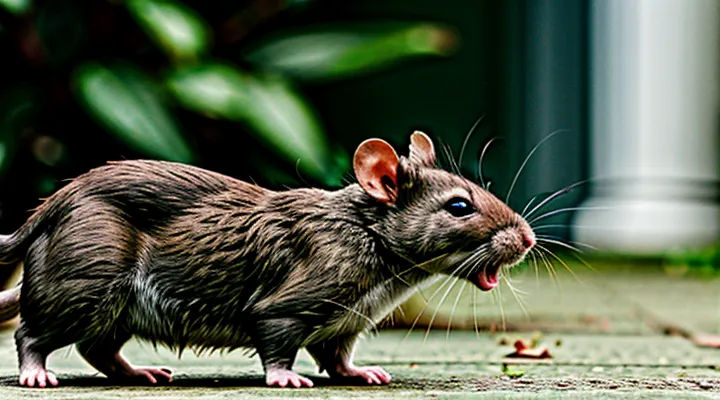
The Social Nature of Rats
Grooming Behavior in Rodents
Allogrooming in Rat Colonies
Allogrooming, the mutual licking and cleaning of conspecifics, is a fundamental social interaction in rat colonies. It serves multiple functions that shape group dynamics and individual wellbeing.
- Exchange of chemical cues that reinforce colony identity.
- Reduction of cortisol levels, indicating stress mitigation.
- Establishment and maintenance of dominance hierarchies through selective grooming.
- Promotion of wound healing by removing debris and distributing saliva‑borne antimicrobial peptides.
Rats extend allogrooming toward humans when they perceive a person as a reliable source of tactile stimulation or as a surrogate social partner. Repeated gentle handling creates a conditioned association between human contact and the soothing effects of grooming. Consequently, rats may lick human skin to replicate the tactile feedback they receive from conspecifics, seeking the same neurochemical rewards—primarily oxytocin release and lowered arousal. This behavior intensifies in environments where access to fellow rats is limited, prompting the animal to redirect grooming instincts toward available caregivers.
Self-Grooming and Hygiene
Rats devote a large portion of their daily activity to self‑maintenance. Their grooming routine includes licking, nibbling, and pawing to eliminate debris, control ectoparasites, and distribute natural oils across the fur. This behavior stabilizes coat condition, reduces heat loss, and supports sensory function.
When a rat encounters a human, it often transfers the same grooming actions onto the person’s skin. The animal interprets the surface as an extension of its own body, especially if the human’s skin feels warm, moist, or carries familiar scents. By licking a human, the rat achieves several objectives:
- removes perceived contaminants from the skin surface, mirroring its own cleaning process;
- reinforces a social bond, as grooming in rodents functions as a affiliative signal;
- gathers chemical cues that help the rat assess the health and emotional state of the caretaker;
- satisfies a tactile stimulus that mirrors the proprioceptive feedback received during self‑grooming.
The propensity to lick humans therefore reflects the rat’s innate hygiene strategy, adapted to the presence of a trusted companion. The behavior is not random but a direct extrapolation of the animal’s self‑grooming repertoire onto an external substrate that offers similar sensory and hygienic benefits.
Communication Through Licking
Expressing Affection and Trust
Bonding with Cage Mates
Rats lick humans primarily to extend social behaviors that they display toward cage companions. The act of licking serves as a tactile signal of affiliation, reducing tension and reinforcing group cohesion. When a rat perceives a human as part of its social environment, it applies the same affiliative mechanisms used with conspecifics.
Key aspects of bonding with cage mates that translate to human interaction:
- Mutual grooming reduces stress hormones and stabilizes heart rate.
- Close physical contact triggers the release of oxytocin‑like peptides, fostering trust.
- Repeated gentle licking creates a predictable pattern, allowing the rat to anticipate safe interactions.
These mechanisms explain why a rat that frequently grooms its peers will also direct licking toward a caretaker who provides consistent handling, food, and shelter. The behavior reflects the animal’s innate drive to maintain harmonious social networks, extending those bonds beyond the cage to include familiar humans.
Extending Trust to Humans
Rats display licking toward humans when they perceive the caretaker as a reliable source of safety and resources. The act transfers saliva, which contains pheromones that reinforce social bonds, and signals that the human is accepted as part of the rat’s group.
Licking emerges from several behavioral mechanisms:
- Reciprocal grooming – rats that receive regular handling develop a pattern of grooming the handler in return.
- Stress alleviation – oral contact lowers corticosterone levels, indicating reduced anxiety for both parties.
- Scent integration – saliva deposits the rat’s unique chemical signature on the human, creating a shared olfactory profile.
- Positive reinforcement – repeated feeding or gentle interaction conditions the rat to associate licking with reward.
When a rat extends licking to a person, it demonstrates confidence that the individual will not pose a threat and will continue to provide care. This trust can be measured by increased proximity, reduced flight responses, and higher rates of social play. Understanding these dynamics informs humane handling protocols and improves welfare outcomes for laboratory and pet rodents.
Scent Marking and Identification
Pheromones in Saliva
Rats frequently lick human skin because saliva contains volatile chemicals that the animals interpret as social signals. These chemicals, classified as pheromones, are released during grooming, feeding, or when a rat’s mouth contacts a surface.
Saliva hosts a mixture of proteinaceous and lipid-derived compounds. Among the most studied are:
- Major urinary proteins (MUPs) that bind hydrophobic molecules and convey individual identity.
- Short-chain fatty acids such as acetate and butyrate, which signal nutritional status.
- Peptide fragments derived from the enzyme lysozyme, which can indicate health condition.
Rats detect these substances through the vomeronasal organ and the main olfactory epithelium. Receptor cells bind specific pheromonal structures, triggering neural pathways that associate the source with familiarity, safety, or reproductive relevance.
When a rat encounters human saliva, the detected pheromones provoke grooming-like licking. This behavior reinforces a perceived social bond, reduces the animal’s stress hormones, and may increase the likelihood of continued proximity to the human caretaker.
Understanding the pheromonal content of saliva clarifies why rats exhibit licking toward humans and informs handling practices that minimize unwanted contact while preserving beneficial interaction.
Recognizing Familiar Scents
Rats possess a highly developed olfactory system that distinguishes individual odor profiles. When a human’s scent repeatedly appears in a rat’s environment, neural circuits encode that pattern as familiar. The resulting recognition reduces uncertainty and activates affiliative behaviors.
Licking directed at a human often follows scent recognition. The act functions as a tactile extension of grooming, reinforcing a perceived social bond. Familiar odors trigger the release of oxytocin‑like peptides, which lower stress levels and encourage close contact.
Key mechanisms include:
- Olfactory receptors detecting volatile compounds on skin and clothing.
- The vomeronasal organ processing pheromonal cues linked to individual identity.
- Hippocampal pathways storing scent memories and guiding motor output toward licking.
Understanding this link allows caretakers to manage interactions. Consistent exposure to a specific scent strengthens the rat’s perception of safety, while sudden changes in odor may increase exploratory licking or avoidance. Adjusting fragrance use, laundering frequency, or personal hygiene products can modulate the frequency of licking episodes.
Resource Exploration and Sensory Input
Taste and Olfactory Sensing
Exploring Novel Surfaces
Rats lick humans primarily to gather tactile and chemical information about unfamiliar surfaces. When a rat contacts a new texture, licking serves as a rapid method to assess moisture, temperature, and scent cues that are not detectable through whisker or paw contact alone. This exploratory behavior reduces uncertainty about the substrate and guides subsequent interactions such as grooming, nesting, or foraging.
The novelty of a surface influences licking intensity. Rats increase lick frequency on materials that differ from their typical environment—plastic, fabric, or human skin—because each presents a distinct combination of micro‑topography and chemical residues. By sampling these variables, rats can determine whether the surface is safe for habitation, a potential food source, or a threat.
Key factors examined during surface exploration include:
- Moisture level: wet areas retain scent molecules that convey information about recent activity.
- Temperature gradient: heat or cold spots indicate metabolic processes or environmental conditions.
- Texture roughness: fine ridges or smooth planes affect grip and locomotion.
- Chemical composition: residues from sweat, oils, or environmental contaminants signal the presence of other organisms.
Through repeated licking, rats construct a sensory map of the human body, integrating data from novel surfaces into their broader behavioral repertoire. This mapping supports adaptive decisions, such as selecting optimal sites for nesting or avoiding areas that may harbor pathogens.
Identifying Edible Substances
Rats lick humans primarily when they detect substances on the skin that can be consumed. Salty sweat provides sodium, a mineral rats seek to maintain electrolyte balance. Residual food particles, especially sugars and proteins, offer quick energy sources. Skin oils contain lipids that rats can metabolize for calories. Traces of blood supply iron and protein, prompting investigative licking. Urine or fecal contaminants left on clothing introduce nitrogenous compounds attractive to rodents.
Key edible cues include:
- Sodium chloride from perspiration
- Glucose and fructose from food residue
- Amino acids from skin secretions or minor wounds
- Lipids present in sebum
- Iron and hemoglobin from fresh blood
Rats assess these cues through their highly sensitive olfactory and gustatory systems. Presence of any listed substance increases the likelihood of licking behavior. Eliminating or reducing these edible traces diminishes the propensity for rodents to engage in this interaction.
Seeking Salty Residues
Mineral Needs and Diet
Rats often lick humans to obtain minerals that are scarce in their standard diet. Laboratory and field studies show that a deficiency in sodium, calcium, magnesium, or trace elements such as zinc triggers oral exploration of available sources, including human skin, sweat, and saliva. When environmental supplies are limited, the animal’s chemosensory system directs it toward salty or mineral‑rich secretions, which are perceived as valuable nutrients.
Key dietary gaps that provoke licking behavior include:
- Sodium deficiency – low‑salt feed or drought‑affected habitats reduce sodium intake; human perspiration provides a readily accessible alternative.
- Calcium shortage – insufficient calcium in grain‑based diets leads rats to seek calcium‑rich fluids on skin or in sweat.
- Magnesium and zinc deficits – these trace minerals support enzyme function; licking can deliver minute quantities sufficient to alleviate deficiency symptoms.
Supplementing captive or pet rats with balanced mineral blocks, electrolyte solutions, or fortified chow reduces the frequency of human licking. In wild populations, access to natural mineral licks or salt deposits produces similar effects, confirming that the behavior serves a nutritional corrective function rather than a social gesture.
The Appeal of Human Skin
Rats lick human skin primarily because it provides sensory and nutritional cues that trigger innate foraging and grooming behaviors. The moist surface of skin contains salts, proteins, and fatty acids that rats detect through their highly sensitive whisker and tongue receptors. These chemical signals resemble the compounds found in natural food sources, prompting exploratory licking as a means of assessing edibility.
- Salt concentration: Human sweat supplies sodium and chloride, essential electrolytes that rats seek to maintain osmotic balance.
- Protein fragments: Skin cells shed keratin and other proteins, offering a low‑cost protein source for opportunistic feeders.
- Microbial odorants: The skin microbiome releases volatile compounds that rats associate with potential prey or carrion, reinforcing licking as a scouting behavior.
- Thermal gradient: Warm skin creates a localized heat source, attracting rats that prefer higher temperatures for metabolic efficiency.
In addition to chemical attraction, licking serves a social function. Rats use oral contact to gather information about an individual’s health status, stress levels, and hormonal changes, which can influence group dynamics and disease transmission risk. The behavior also fulfills a self‑grooming need; the act of licking reduces foreign particles on the rat’s tongue and stimulates saliva production, aiding digestion.
Overall, human skin presents a combination of electrolyte richness, protein availability, microbial scent, and warmth that aligns with rats’ evolutionary foraging and sensory strategies, making it an appealing target for licking.