
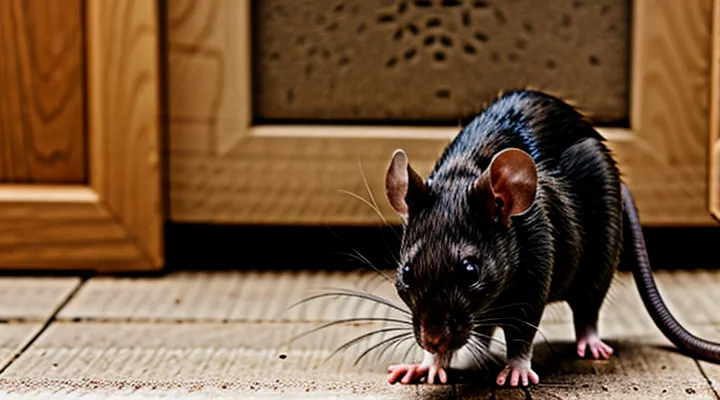
Understanding Rodent Behavior
The Biological Imperative to Chew
Continuous Tooth Growth
Rats possess continuously growing incisors; each tooth erupts at a rate of approximately 0.2 mm per day. The persistent growth creates a constant need for abrasive contact to maintain functional length. When a rodent’s incisors become over‑grown, the animal experiences difficulty handling food and building materials, prompting it to seek readily available surfaces for wear.
Electrical wiring offers an ideal abrasive substrate. Copper, aluminum, and insulated polymer coatings are soft enough to be filed down quickly, while their linear shape allows repeated, precise gnawing motions. Consequently, the presence of exposed or loosely secured cables directly satisfies the dental wear requirement, leading to frequent damage in residential and industrial settings.
Key factors that drive this behavior include:
- Insufficient natural gnawing material in the environment.
- Over‑grown incisors that have not been trimmed by natural foraging.
- Access to low‑resistance metal that reduces the effort needed for tooth filing.
- Seasonal changes that increase metabolic demand, heightening the need for food and, indirectly, for dental maintenance.
Preventive actions focus on eliminating the dental incentive and restricting access:
- Install metal conduit or rigid steel plates around all wiring; hardness prevents rapid filing.
- Use cable sleeves made of hard‑plastic or ceramic materials that resist gnawing.
- Seal entry points with steel mesh or concrete to block rodent ingress.
- Provide alternative gnawing stations such as hardwood blocks or commercially available chew toys to satisfy the tooth‑wear instinct.
- Conduct regular inspections and replace any damaged insulation promptly to remove attractive targets.
By addressing the root cause—continuous tooth growth—and removing or hardening potential gnawing surfaces, the incidence of wire damage caused by rodents can be substantially reduced.
Natural Instincts and Exploration
Rats approach wiring because their species‑specific drive to bite and explore objects satisfies two biological imperatives. Their incisors grow continuously; constant gnawing prevents overgrowth and maintains dental health. Simultaneously, rats investigate unfamiliar structures to locate food, shelter, and nesting material. Electrical cables present a combination of tactile texture, insulation material, and occasional scent trails that attract curiosity. When a rodent encounters a cable, the instinctual bite quickly becomes a method of environmental assessment, often resulting in damage to the conductor.
Understanding these motivations informs effective mitigation. Measures that counteract the natural urge to gnaw and limit exploratory access include:
- Installing hard, metal‑clad conduit around vulnerable sections; metal resists chewing and eliminates the tactile appeal of soft insulation.
- Applying rodent‑repellent polymers or bitter‑tasting coatings directly to cable surfaces; the unpleasant taste interrupts the gnawing response.
- Sealing entry points with steel‑mesh screens or concrete; restricting access reduces the opportunity for exploratory contact.
- Removing food residues and nesting material from the vicinity of wiring; depriving rats of attractive cues lowers the incentive to investigate.
- Deploying ultrasonic deterrents calibrated to frequencies that disrupt rodent exploratory behavior without affecting humans.
By aligning preventive strategies with the innate biting and curiosity of rats, property owners can substantially reduce the incidence of wire damage.
Nutritional and Environmental Factors
Seeking Food and Water Sources
Rats search for food and water relentlessly, and their foraging behavior often brings them into contact with building infrastructure. Electrical cables frequently run alongside plumbing, behind walls, or near storage areas where food residues and moisture accumulate. When rats encounter these zones, they investigate the materials for potential nourishment or hydration.
Moisture on the surface of insulated wires can attract rats, especially in humid environments or where condensation forms. Leaking pipes create damp spots that draw rodents, and the proximity of cables to these leaks makes the wires a convenient target. Rats also gnaw to reach hidden cavities that may contain spilled grains, pet food, or standing water, using the wire as a pathway or a tool to breach barriers.
Chewing serves a dual purpose: it tests the material’s edibility and creates openings that lead to concealed food or water sources. The act of gnawing also sharpens teeth, a necessary physiological process for rodents, reinforcing the behavior whenever a potential resource is perceived.
Preventive actions
- Store all food in sealed, rodent‑proof containers; remove crumbs and spills promptly.
- Fix leaks, dry damp areas, and ensure proper ventilation to eliminate moisture buildup.
- Install conduit or protective sleeves around cables, especially in high‑risk zones.
- Seal entry points with steel wool, cement, or metal mesh to block access to interior spaces.
- Deploy bait stations or ultrasonic deterrents in accordance with local regulations.
Eliminating accessible food and water removes the primary incentive for rats to approach and damage wiring, reducing the likelihood of electrical failures caused by rodent activity.
Shelter and Nesting Material
Rats select environments that provide protection from predators and harsh weather. When a building contains concealed spaces—such as crawl‑spaces, wall cavities, or stacked debris—rats establish shelters close to electrical wiring. The proximity reduces the distance rats must travel to reach food sources, increasing the likelihood of wire contact.
Typical shelter sites include:
- Loose insulation within walls or ceilings
- Stacks of cardboard, paper, or fabric left in storage areas
- Unused equipment or furniture placed against walls
These materials serve as nesting substrates. Rats gnaw wires not only to create pathways through their shelters but also to file down continuously growing incisors. Contact with conductive metal accelerates dental wear, making chewing behavior a direct response to the availability of suitable nesting material.
Prevention focuses on eliminating shelter and nesting resources:
- Remove clutter from basements, attics, and storage rooms.
- Store paper, fabric, and similar items in sealed, rodent‑proof containers.
- Install metal or concrete barriers to block access to wall voids and crawl‑spaces.
- Replace soft insulation with rodent‑resistant alternatives, such as mineral wool.
Additional measures include regular inspections of wiring for bite marks, use of conduit or protective sleeves on exposed cables, and prompt repair of any gaps that could admit rodents. By denying rats safe shelter and appropriate nesting material, the incentive to gnaw wires diminishes substantially.
Curiosity and Boredom
Rats exhibit a strong drive to explore novel objects; curiosity compels them to investigate any unfamiliar material within reach, including insulated cables. When a wire protrudes from a wall or lies exposed on a surface, the animal perceives it as a potential source of tactile and olfactory information, prompting immediate contact and subsequent gnawing.
In the absence of stimulating surroundings, boredom induces repetitive chewing behavior. Rats deprived of enrichment objects or adequate foraging opportunities redirect their natural gnawing instinct toward the nearest accessible substrate, often electrical wiring. This self‑reinforcing activity satisfies the need for oral stimulation and reduces stress, while simultaneously damaging the infrastructure.
Wire damage caused by these motivations can lead to short circuits, fire hazards, and costly repairs. The risk escalates in structures where wires are poorly concealed, where gaps allow rodent entry, and where food sources attract rodent populations.
Preventive measures focus on eliminating the stimuli that trigger curiosity and boredom:
- Install solid conduit or metal sheathing to make cables physically inaccessible.
- Seal entry points, gaps, and vents with steel wool, caulking, or mesh.
- Provide rodent‑specific enrichment such as chew blocks, nesting material, and foraging stations to satisfy exploratory urges.
- Deploy non‑toxic deterrents (e.g., peppermint oil, ultrasonic devices) near vulnerable wiring.
- Maintain strict sanitation to reduce attractants that draw rats into the environment.
By addressing both the psychological drivers and the physical exposure of cables, the likelihood of rodents gnawing wires can be substantially reduced.
The Dangers of Wire Gnawing
Electrical Hazards
Short Circuits and Power Outages
Rats that chew electrical cables remove insulation, allowing conductors to touch each other or grounded surfaces. This contact creates a low‑resistance path, producing a short circuit that instantly trips protective devices and cuts power to the affected circuit.
When a short circuit occurs, the sudden surge of current generates heat, which can melt insulation, ignite surrounding material, and damage connected equipment. The resulting power outage disrupts operations, increases maintenance costs, and may compromise safety in critical environments.
Preventing rodent‑induced electrical failures requires a combination of physical and procedural controls:
- Install metal conduit or rigid PVC sleeves around vulnerable wiring.
- Seal entry points with stainless‑steel mesh, cement, or expanding foam.
- Deploy bait stations and snap traps in areas with known rodent activity.
- Conduct quarterly visual inspections and use infrared cameras to detect gnaw marks.
- Replace standard insulation with rodent‑resistant compounds where feasible.
Implementing these measures reduces the likelihood of short circuits and maintains reliable power delivery.
Fire Risk
Rats chew insulation and conductive cores of electrical cables, exposing live conductors and creating short circuits. When a short circuit occurs, excessive current flows through the damaged section, generating heat that can ignite surrounding combustible materials. The resulting fire can spread rapidly, especially in confined spaces where wiring bundles are densely packed.
The likelihood of fire increases when:
- Insulation is made of soft, easily gnawed materials such as PVC or rubber.
- Wiring runs through wall cavities, attics, or crawl spaces that provide shelter and easy access for rodents.
- Electrical loads are high, raising the temperature of already compromised conductors.
Preventive actions focus on eliminating rodent attraction and protecting the wiring:
- Seal entry points with steel mesh, cement, or metal flashing to block access.
- Install conduit or metal‑clad cable in vulnerable areas, preventing direct contact with teeth.
- Deploy bait stations and traps to reduce the local rat population.
- Conduct regular inspections, using visual checks and thermal imaging to locate hot spots or damaged insulation.
- Maintain a clean environment by removing food sources and debris that encourage nesting.
Implementing these measures reduces the probability of wire damage, limits heat generation from electrical faults, and lowers the overall fire hazard associated with rodent activity.
Appliance Damage
Rats chew wiring to access insulation, which compromises the power supply to household appliances. Severed conductors cause intermittent operation, loss of functionality, and can trigger short circuits that destroy motors, heating elements, and electronic control boards.
The damage occurs when rodents gnaw through the protective sheath, exposing live wires. Exposed conductors create arcing, generate heat, and may ignite surrounding materials. Faulty connections resulting from chewed wires increase resistance, leading to overheating and premature failure of appliance components.
Preventive actions
- Seal entry points: install steel mesh or cement around vents, gaps, and utility openings.
- Use rodent‑resistant conduit: employ metal or hardened plastic sleeves for all exposed wiring.
- Deploy bait stations and traps: position in known rodent pathways to reduce population.
- Maintain cleanliness: eliminate food sources and clutter that attract rats.
- Conduct regular inspections: check for gnaw marks, insulation damage, and abnormal appliance behavior.
Implementing these measures reduces the likelihood of rat‑induced appliance damage and protects electrical systems from fire hazards.
Health and Safety Risks
Exposure to Live Wires
Rats encounter live wires when they infiltrate building cavities, crawl along conduit, or gnaw at exposed insulation. Direct contact with energized conductors can cause electrocution, short‑circuiting, and ignition of surrounding materials. The danger intensifies in structures where wiring lacks protective sheathing or where gaps permit rodent entry.
The primary mechanisms that bring rats into contact with live conductors include:
- Warmth emitted by current‑carrying cables, which attracts nocturnal foragers.
- Loose or damaged insulation that presents a chewable surface.
- Gaps around penetrations (pipes, ducts, vents) that serve as unobstructed pathways.
- Accumulated debris that creates nesting sites adjacent to electrical runs.
Preventive actions focus on eliminating access and reducing attraction:
- Seal all entry points with steel mesh or cement‑based caulk, prioritizing openings larger than ¼ inch.
- Replace vulnerable insulation with rodent‑resistant, metal‑clad conduit.
- Install protective sleeves or conduit covers on exposed sections of wiring.
- Conduct routine visual inspections, especially in attic, crawl‑space, and wall voids, to detect gnaw marks or bite evidence.
- Deploy integrated pest‑management strategies—trap placement, bait stations, and habitat reduction—to lower rodent populations near electrical infrastructure.
By systematically removing pathways, reinforcing vulnerable wiring, and maintaining active rodent control, exposure of live wires to rats can be substantially reduced, preventing electrical failures and associated safety hazards.
Contamination
Rats often introduce contaminants that accelerate wire degradation. Urine and feces deposit corrosive salts and organic matter onto insulation, weakening dielectric strength and creating conductive paths. These deposits attract moisture, further reducing resistance and increasing the likelihood of short circuits.
Contamination also encourages bacterial growth, which can produce acids that eat away at copper conductors. Over time, the combined effect of chemical attack and mechanical gnawing compromises the integrity of the entire electrical system.
Effective mitigation focuses on eliminating sources of contamination and protecting vulnerable components:
- Seal all building penetrations with metal flashing or rodent‑proof mesh.
- Install conduit or armored cable in areas prone to rodent activity.
- Apply rodent‑resistant coating to exposed wiring, creating a barrier against urine and saliva.
- Conduct regular inspections for droppings, stains, or corrosion; clean identified sites with neutralizing agents.
- Maintain a clean environment by removing food sources and storing waste in sealed containers.
By addressing contaminant buildup directly, the risk of wire failure due to rat activity diminishes markedly.
Effective Prevention Strategies
Rodent-Proofing Your Environment
Sealing Entry Points
Rats reach wiring by exploiting gaps in building envelopes, utility penetrations, and poorly fitted conduit. Eliminating these pathways removes the primary incentive for gnawing, forcing rodents to seek food elsewhere.
Typical entry points include:
- Openings around pipe stacks, vent pipes, and HVAC ducts
- Gaps around electrical boxes, switch plates, and junction boxes
- Cracks in foundation walls, basement floors, and crawl‑space walls
- Unsealed holes for cable bundles, fiber optic lines, and telephone wires
Effective sealing requires durable, rodent‑resistant materials and meticulous installation. Recommended actions are:
- Inspect all exterior and interior penetrations; document dimensions and locations.
- Apply steel‑wool or copper mesh (minimum ¼‑inch gauge) into gaps larger than ¼ inch; mesh resists chewing.
- Cover mesh with high‑grade silicone sealant or expanding polyurethane foam; ensure complete adhesion.
- Install metal flashing or heavy‑gauge conduit around utilities that pass through walls or floors; secure with stainless‑steel screws.
- Use cement‑based mortar or epoxy to fill cracks in masonry and concrete; allow full cure before re‑exposing surfaces.
Regular audits detect new openings created by settling, renovation, or pest activity. Prompt repair maintains a continuous barrier, reducing the likelihood of rodent interference with electrical systems.
Securing Food Sources
Rats are attracted to readily available food, and unsecured supplies create a direct incentive to explore building interiors. When rodents find a reliable source of nourishment, they increase activity near electrical conduits, raising the probability of wire damage. Limiting this attraction requires strict control of food access.
Effective measures include:
- Store all grains, cereals, and pet food in sealed, metal containers with tight-fitting lids.
- Remove spills and crumbs from countertops, floors, and equipment immediately.
- Install waste bins with lockable lids and empty them regularly to prevent odor buildup.
- Keep pantry doors closed and consider using door sweeps to block entry points.
- Conduct routine inspections of storage areas for signs of gnawing or contamination.
By eliminating easy food sources, the motivation for rats to infiltrate wiring zones diminishes, reducing the risk of electrical faults and associated hazards.
Proper Waste Management
Proper waste management directly influences the likelihood of rodents targeting electrical installations. When food residues, organic debris, or unsecured trash accumulate, they create a reliable food source that draws rats into buildings. The presence of abundant waste encourages gnawing behavior, as rats seek shelter and nourishment near wiring pathways.
Key factors linking waste practices to wire damage include:
- Open dumpsters or bins without tight-fitting lids.
- Overflowing containers that allow scavenging.
- Improper segregation of compostable material, which emits strong odors.
- Accumulation of discarded packaging that provides nesting material.
Implementing strict waste controls reduces these attractants. Effective measures consist of:
- Using sealed, rat‑proof containers for all refuse.
- Scheduling frequent collection to prevent overflow.
- Maintaining a clear perimeter around utility rooms, removing all debris.
- Separating organic waste into closed compost units located away from electrical infrastructure.
- Conducting regular inspections to identify and seal entry points for rodents.
By eliminating food sources and nesting sites, the pressure on rats to explore and gnaw wiring diminishes, resulting in fewer electrical failures and lower maintenance costs.
Deterrents and Repellents
Ultrasonic Devices
Rats damage electrical wiring by gnawing insulation, which creates fire hazards and system failures. Their activity is driven by instinctual chewing, nutritional deficiencies, and the warmth of concealed cables. Preventing this damage requires a strategy that deters rodents without compromising equipment integrity.
Ultrasonic devices emit high‑frequency sound waves beyond human hearing, producing an uncomfortable environment for rodents. The sound propagates through solid and air mediums, reaching gaps around conduit and conduit trays. Continuous exposure interrupts rats’ communication and navigation, reducing their presence near vulnerable wiring.
Effectiveness depends on proper installation and maintenance:
- Position emitters at least 12 inches from cable bundles to avoid acoustic dead zones.
- Ensure unobstructed line of sight; dense insulation or metal shielding can block ultrasonic transmission.
- Replace batteries or verify power supply every six months to maintain consistent output.
- Combine with physical barriers such as sealed conduit and steel mesh for comprehensive protection.
Limitations include habituation, where rats may become tolerant after prolonged exposure, and reduced efficacy in highly reverberant spaces. Regular monitoring of rodent activity, coupled with periodic adjustment of frequency settings, mitigates these issues and sustains deterrence.
Natural Repellents
Rats are attracted to electrical wiring because the insulation provides a warm, protected environment and the material’s scent mimics food sources. Natural repellents disrupt this attraction without introducing chemicals that could damage equipment or pose health risks.
- Peppermint oil: strong scent overwhelms rat olfactory receptors; apply a few drops on cotton balls placed near cables, replace weekly.
- Clove oil: contains eugenol, which irritates rodent respiratory pathways; dilute 1 % in water and spray onto wire bundles.
- Citronella: volatile compounds repel rodents; use commercially prepared citronella granules around conduit entry points.
- Garlic powder: releases sulfur compounds that rats avoid; sprinkle lightly on exposed insulation surfaces.
- Predator urine (e.g., fox or ferret): mimics presence of a natural enemy; distribute on fabric pads near vulnerable wiring.
Effective deployment requires consistent reapplication because volatile compounds evaporate rapidly. Combine repellents with physical barriers—steel mesh sleeves, conduit covers—to prevent gnawing access. Monitor rodent activity with motion‑activated cameras; adjust repellent concentration if signs of adaptation appear.
Safety considerations: test each repellent on a small insulated section to confirm no corrosion or degradation of the jacket material. Avoid direct contact with live wires to prevent electrical hazards. Store oils in sealed containers away from heat sources.
Integrating natural repellents into a broader pest‑management plan reduces reliance on toxic rodenticides, lowers the likelihood of wiring damage, and supports long‑term protection of electrical infrastructure.
Commercial Deterrents
Commercial deterrents address rodent‑induced cable chewing by creating environments that rodents avoid or cannot access. Products fall into three functional groups: chemical, physical, and electronic.
-
Chemical repellents: aerosol sprays, impregnated tapes, and granular formulations containing bitter agents or rodent‑specific scents. Apply directly to exposed wiring, conduit, or surrounding insulation. Reapplication is required every 30‑60 days, depending on environmental conditions and product durability.
-
Physical barriers: metal mesh sleeves, hardened conduit, and wire‑covering wraps made from stainless steel or reinforced polymer. Install before wire placement; secure with clamps or zip ties to prevent gaps. Barriers eliminate direct contact, thereby removing the chewing stimulus.
-
Electronic devices: ultrasonic emitters and electromagnetic pulse units that generate frequencies or fields uncomfortable to rats. Position devices near cable trays or junction boxes; ensure coverage of the entire target area. Effectiveness diminishes if obstacles block sound propagation, so combine with physical barriers for optimal results.
Selection criteria include toxicity, compatibility with existing infrastructure, maintenance frequency, and regulatory compliance. Choose low‑toxicity chemicals for occupied spaces, verify that barrier materials meet fire‑rating standards, and confirm that electronic emitters do not interfere with nearby equipment.
Installation best practices involve sealing entry points, routing cables through protected conduits, and inspecting joints for wear after each maintenance cycle. Document product specifications, application dates, and observed rodent activity to evaluate long‑term efficacy. Continuous monitoring enables timely replacement of depleted repellents or damaged barriers, sustaining protection against wire damage.
Professional Pest Control
When to Call an Expert
Rats chewing electrical cables create immediate fire hazards, disrupt power supply, and can damage expensive equipment. When the problem escalates beyond simple deterrents, professional intervention becomes essential.
Indicators that an expert should be contacted:
- Visible bite marks on insulated wires or exposed copper.
- Repeated short circuits despite replacing damaged sections.
- Persistent gnawing sounds heard through walls or ceilings.
- Unexplained outages in critical areas such as server rooms or medical facilities.
- Evidence of rodent activity (droppings, nests) near electrical panels.
Attempting DIY repairs after any of these signs risks incomplete remediation and violates safety codes. Certified electricians and pest‑control specialists possess the tools and knowledge to locate hidden infestations, assess structural vulnerabilities, and implement rodent‑proof wiring solutions that comply with regulations.
If the infestation is confined to a single, easily accessible location, a homeowner may apply approved traps and seal entry points. However, once damage spreads across multiple circuits, involves high‑voltage systems, or occurs in commercial settings, only qualified professionals can guarantee thorough elimination and prevent recurrence.
Promptly engaging experts reduces downtime, protects property value, and safeguards occupants from electrical fires caused by rodent activity.
Integrated Pest Management (IPM)
Rats gnawing electrical wiring creates fire hazards and costly equipment downtime. Integrated Pest Management (IPM) offers a structured framework that reduces rodent activity by targeting the conditions that attract and sustain populations.
- Monitoring – regular inspections of wiring routes, insulation gaps, and droppings identify early signs of infestation.
- Identification – species‑specific behavior informs choice of control tactics; for example, Norway rats prefer low‑lying pathways near food sources.
- Thresholds – predefined activity levels trigger intervention before damage escalates.
- Control tactics – combine exclusion, sanitation, mechanical traps, and targeted baiting; chemical options remain a last resort.
Exclusion measures include sealing entry points with steel mesh, installing conduit covers, and maintaining clear zones around cables. Sanitation practices remove food residues and nesting material, decreasing attractants. Mechanical traps placed at identified travel routes provide immediate reduction, while bait stations positioned away from human traffic limit non‑target exposure. When appropriate, predatory birds or feral cat programs complement other actions without introducing toxins.
Integration requires continuous data collection, assessment of each method’s efficacy, and adjustment of the action plan. Documentation of outcomes supports evidence‑based decisions and ensures resources focus on the most effective controls.
The result is a measurable decline in wire damage, lower reliance on rodenticides, and improved safety for facilities that depend on uninterrupted power supplies.
Long-Term Solutions
Rats gnaw wiring because they seek nesting material, food residues, and a protected path for movement. Persistent damage requires solutions that eliminate attraction, block access, and deter future incursions.
- Seal all entry points with steel‑grade mesh, cement, or concrete; rodents can chew softer materials but cannot penetrate hardened barriers.
- Replace susceptible cable sheathing with rodent‑resistant conduit such as armored steel or reinforced PVC.
- Install physical guards—metal plates, cable sleeves, or spiral wire—around bundles that pass near walls, ceilings, or floor joists.
- Relocate food storage, waste containers, and water sources away from electrical installations; keep areas clean and free of crumbs.
- Maintain vegetation at least two feet from building foundations; trim overgrown shrubs and remove debris that provides shelter.
- Deploy an integrated monitoring program: periodic visual inspections, motion‑activated cameras, and bait stations calibrated for long‑term use.
Effective long‑term control combines structural reinforcement, material upgrades, environmental sanitation, and continuous surveillance. Implementing these measures reduces the likelihood of future wire damage and protects both equipment and safety.