
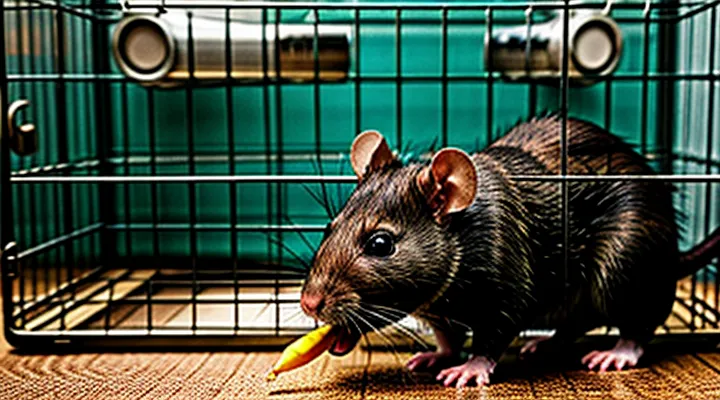
Understanding Rat Behavior
Natural Instincts of Rats
The Need to Chew
Rats possess continuously erupting incisors; without regular abrasion, teeth become overgrown, causing pain, difficulty eating, and potential injury. Chewing supplies the necessary wear to keep the dental arc functional.
- Constant tooth growth demands material to file down enamel.
- Natural foraging behavior includes gnawing on hard objects.
- Stress relief achieved through oral activity reduces stereotypic movements.
- Exploration of environment expressed through tactile manipulation of cage components.
- Nutritional deficiency may increase gnawing as a compensatory search for fiber.
Effective cage design incorporates chew‑safe materials such as untreated wood, sturdy plastic, and mineral blocks. Providing dedicated gnawing objects redirects the behavior from structural elements, preserving cage integrity and promoting dental health.
Teeth Growth and Maintenance
Rats possess a single pair of continuously growing incisors in each jaw. The enamel covers only the front surface, while dentin forms the rear, creating a self‑sharpening edge as the softer dentin wears away during use. Growth rate averages 0.1 mm per day, requiring regular abrasion to prevent overgrowth that can interfere with feeding and respiration.
- Incisors erupt from the mandibular and maxillary alveoli.
- Enamel‑dentin differential causes a chisel‑like profile.
- Growth is driven by stem cells in the cervical loop of the tooth germ.
- Wear is achieved through gnawing on hard objects.
Rats satisfy the abrasion requirement by gnawing on any available material, including the bars and plastic of their cages. Each bite removes excess enamel and dentin, maintaining functional length and curvature. The behavior also stimulates blood flow to the periodontal ligament, supporting tooth health. Consequently, cage gnawing reflects a physiological necessity rather than mere curiosity.
Reasons for Cage Gnawing
Environmental Factors
Lack of Enrichment
Rats chew cage bars when their environment fails to provide sufficient mental and physical stimulation. Without objects that encourage exploration, foraging, or problem‑solving, the animals experience boredom, which triggers repetitive gnawing behavior as a self‑directed outlet.
Key aspects of inadequate enrichment include:
- Absence of chewable materials such as untreated wood, cardboard, or safe plastic toys.
- Lack of vertical space or climbing structures, limiting natural locomotor activity.
- No opportunities for nest building, burying, or manipulating nesting material.
- Minimal change in the habitat; static layouts prevent curiosity from being satisfied.
When these elements are missing, the rat’s instinct to gnaw intensifies. The behavior serves both to wear down continuously growing incisors and to alleviate stress caused by sensory deprivation. Providing a rotating selection of safe chew items, tunnels, platforms, and nesting substrates reduces the impulse to damage cage bars and promotes healthier, more natural activity patterns.
Cage Size and Design
Rats gnaw cage components when the enclosure fails to meet their spatial and structural needs. Insufficient floor area limits natural exploration, prompting repetitive chewing as a stress‑relief mechanism. A cage that restricts movement also reduces opportunities for nesting and foraging, increasing the likelihood of destructive behavior.
Adequate dimensions must accommodate the animal’s size, activity level, and social grouping. Minimum recommendations include:
- Floor space of at least 1 ft² per adult rat; larger groups require proportionally more area.
- Height of 12–18 inches to allow vertical climbing and placement of enrichment platforms.
- Clearance of 2–3 inches between bars to prevent paw entrapment while limiting easy escape.
Design features that deter gnawing focus on material durability and enrichment integration. Solid acrylic or stainless‑steel panels resist incisors, while rounded bar edges eliminate pressure points that stimulate chewing. Incorporating chew‑safe accessories—such as untreated wood blocks, cardboard tunnels, and mineral chews—provides alternative outlets for incisors, reducing the impulse to target the cage itself.
Ventilation must balance airflow with structural integrity. Mesh panels fabricated from stainless steel, with a 1/4‑inch aperture, supply sufficient oxygen without presenting a chewable surface. Regular inspection for wear and prompt replacement of compromised components prevent escalation of gnawing behavior.
Overall, a cage that offers ample space, robust construction, and dedicated chew items satisfies physiological drives, thereby minimizing the propensity of rats to gnaw the enclosure.
Physiological Needs
Dietary Deficiencies
Rats maintain their incisors by chewing continuously; insufficient nutrients increase the drive to gnaw cage bars. When diets lack essential components, rodents seek alternative sources of material to compensate for the deficit.
Key nutritional gaps that trigger cage chewing include:
- Low protein levels, which reduce tissue repair and enzyme production.
- Inadequate calcium and phosphorus, leading to weakened dental structures and bone metabolism.
- Deficiency of essential fatty acids, impairing skin health and hormone balance.
- Insufficient vitamin B complex, especially thiamine, which affects neural function and appetite regulation.
- Lack of dietary fiber, decreasing gastrointestinal motility and prompting oral activity.
Correcting these deficiencies typically reduces destructive gnawing. Balanced commercial rodent chow, supplemented with fresh vegetables, calcium blocks, and occasional protein treats, provides the required nutrients. Monitoring feed composition and adjusting portions according to the animal’s age and health status ensures that the rats’ chewing behavior remains directed toward appropriate enrichment items rather than cage infrastructure.
Stress and Anxiety
Rats frequently chew the bars of their enclosures as a direct response to heightened stress levels. The act reduces tension by stimulating oral activity, which releases endorphins and temporarily dampens the activation of the hypothalamic‑pituitary‑adrenal (HPA) axis. Elevated corticosterone concentrations, typical of chronic stress, intensify the urge to gnaw.
Anxiety in laboratory or pet settings arises from several identifiable conditions:
- Inconsistent lighting or temperature fluctuations
- Absence of nesting material or objects for manipulation
- Solitary housing without visual or olfactory contact with conspecifics
- Sudden noises or vibrations from nearby equipment
Each factor disrupts the animal’s sense of predictability, prompting a state of hypervigilance. The resulting physiological cascade includes increased heart rate, heightened respiration, and amplified release of stress hormones, all of which reinforce repetitive gnawing.
Persistent gnawing can damage cage structures, lead to self‑injury, and mask underlying health issues. Addressing the root causes—providing stable environmental parameters, enriching the habitat with chewable items, and maintaining appropriate social grouping—reduces anxiety-driven behavior and promotes overall welfare.
Seeking Attention or Escape
Boredom
Rats chew cage bars when they lack sufficient mental stimulation. The activity satisfies a natural urge to explore and manipulate objects, but in a barren environment the behavior becomes a coping mechanism for monotony. When the enclosure provides no novel textures, puzzles, or opportunities for foraging, the animal redirects its innate gnawing instinct toward the cage itself.
Typical indicators of insufficient stimulation include:
- Repetitive chewing of the same surface for extended periods.
- Repeated pacing along the cage walls without a clear purpose.
- Decreased use of enrichment items that were previously engaged.
- Elevated cortisol levels detectable in urine or blood samples.
Mitigating boredom‑driven gnawing involves introducing varied, species‑appropriate enrichment:
- Rotate chewable objects (e.g., untreated wood blocks, cardboard tubes) every few days.
- Provide foraging puzzles that require manipulation to release food.
- Install climbing structures and tunnels to expand the three‑dimensional space.
- Change cage layout regularly, altering the positions of shelters and toys.
Consistent implementation of these measures reduces the frequency of cage gnawing, promotes natural exploratory behavior, and improves overall welfare.
Desire to Explore
Rats gnaw their enclosures primarily because their innate drive to explore compels them to test and map every accessible surface. The urge to investigate unfamiliar objects triggers repetitive biting, which simultaneously reduces anxiety and provides sensory feedback about the environment.
- Chewing creates openings that reveal new pathways, satisfying the animal’s need to assess spatial boundaries.
- The act of gnawing generates vibrations and sounds that inform the rat about structural integrity, aiding future navigation.
- Continuous dentition wear demands regular abrasion; exploration‑induced gnawing fulfills this physiological requirement while extending the animal’s reach.
These behaviors reflect an adaptive strategy: by altering the cage, rats expand their perceived territory, acquire information about potential resources, and maintain dental health, all of which reinforce their exploratory competence.
Preventing Cage Gnawing
Enrichment Strategies
Providing Chew Toys
Rats instinctively gnaw to maintain dental health and alleviate stress. When an enclosure lacks appropriate outlets, the animals turn to the cage itself, causing damage and potential injury. Supplying suitable chew items redirects this behavior toward safe, controlled objects.
Effective chew toys share the following characteristics:
- Made from untreated wood, safe for ingestion.
- Textured surfaces that encourage prolonged gnawing.
- Size large enough to prevent accidental swallowing.
- Durable enough to withstand continuous use.
Implementing a rotation schedule for chew toys preserves novelty and reduces boredom. Replace worn items promptly to maintain hygiene and prevent the spread of pathogens. Regular observation of each rat’s preferences allows owners to tailor selections, ensuring optimal engagement and preserving the integrity of the enclosure.
Introducing New Objects
Rats chew cage bars to satisfy a natural drive for dental wear and environmental exploration. When a cage lacks stimulating elements, the animal redirects its gnawing instinct toward the enclosure itself, increasing the risk of injury and damage.
Introducing novel items into the habitat interrupts this pattern. New objects provide alternative surfaces for incisors, satisfy curiosity, and reduce stress. Effective choices include:
- Hardened wooden blocks with rough textures
- Ceramic chew toys designed for rodents
- Natural branches of untreated hardwood
- Polypropylene tunnels with varied diameters
Each item should be securely anchored to prevent displacement and positioned at varying heights to encourage vertical movement. Rotation of objects on a weekly schedule maintains novelty, preventing habituation and preserving the deterrent effect on cage gnawing.
Monitoring behavior after implementation allows fine‑tuning of the selection. A decline in bar damage, coupled with increased interaction with the introduced items, confirms that the strategy mitigates the underlying gnawing impulse.
Cage Modifications
Appropriate Cage Materials
Rats possess an instinctive drive to gnaw, which protects their teeth from overgrowth. When cage components are too soft or easily damaged, the animals will target them, leading to structural failure and potential injury.
Choosing cage material requires attention to durability, safety, and hygiene. Materials must resist continuous chewing, avoid toxic leaching, allow thorough cleaning, and provide adequate airflow.
- Stainless steel (304 or 316 grade) – highly resistant to bite marks, corrosion‑free, easy to sterilize.
- Powder‑coated metal – offers a hard surface while reducing glare; coating must be certified as rodent‑safe.
- High‑density polyethylene (HDPE) – tough, non‑porous, withstands repeated gnawing; suitable for tunnels and accessories.
- Polycarbonate panels – clear, impact‑resistant, can be reinforced with metal framing to prevent breakage.
- Acrylic with metal reinforcement – provides visibility; reinforcement prevents cracks from gnawing pressure.
Routine inspection identifies early wear. Replace compromised sections promptly and supplement the enclosure with chew‑approved items such as untreated wood blocks or mineral rods to satisfy the animal’s natural behavior without jeopardizing cage integrity.
Enhancing Cage Environment
Rats chew cage components when the environment lacks stimulation, proper material, or adequate enrichment. Providing a varied and secure habitat reduces destructive behavior and promotes natural foraging instincts.
Key enhancements include:
- Material diversity: Add chew‑safe items such as untreated wooden dowels, natural fiber ropes, and mineral blocks. Rotate objects weekly to maintain interest.
- Structural complexity: Install multiple levels, tunnels, and platforms that mimic burrow networks. Ensure each element is anchored to prevent collapse.
- Foraging opportunities: Hide small portions of food within puzzle feeders or folded paper tubes. This encourages problem‑solving and diverts gnawing from cage bars.
- Sensory enrichment: Introduce safe scents (e.g., lavender or cedar chips) and tactile surfaces (e.g., textured mats). Change scents periodically to avoid habituation.
- Regular inspection: Check all components for wear, replace damaged pieces promptly, and maintain clean bedding to prevent health issues that may trigger stress‑related chewing.
Implementing these measures creates a stimulating, safe enclosure that satisfies chewing urges while preserving cage integrity.
Behavioral Interventions
Training and Interaction
Rats chew cage components to keep incisors at a functional length, to alleviate boredom, and to respond to environmental stimuli. Consistent interaction and targeted training redirect this instinct toward acceptable objects and reduce damage to the enclosure.
Effective training relies on timing, reinforcement, and environmental enrichment.
- Provide chew‑safe materials such as untreated wood blocks, cardboard tubes, and mineral chews.
- Introduce short, daily handling sessions to build trust and lower stress‑induced gnawing.
- Use clicker or verbal cues paired with treats to signal when chewing is appropriate.
- Rotate enrichment items weekly to maintain novelty and prevent habituation.
Interaction should focus on mental stimulation and physical activity. Structured play sessions with tunnels, climbing ropes, and puzzle feeders engage natural foraging behavior, decreasing the urge to gnaw cage bars. Regularly inspect the cage for worn areas and replace damaged sections before rats can exploit them.
By combining appropriate chew outlets, positive reinforcement, and varied enrichment, caretakers channel the rats’ natural gnawing into beneficial behaviors, preserving cage integrity while supporting animal welfare.
Addressing Stressors
Rats chew cage bars when they encounter conditions that threaten their well‑being. Identifying and mitigating these conditions reduces destructive behavior and promotes health.
Common stressors include:
- Overcrowding that limits personal space.
- Lack of chewable materials, leaving bars as the only option.
- Inconsistent lighting or temperature fluctuations.
- Excessive noise from nearby equipment or human activity.
- Inadequate nesting sites or shelter.
Effective interventions:
- Provide a variety of safe gnawing objects such as wooden blocks, cardboard tubes, and untreated paper. Rotate items regularly to maintain interest.
- Keep cage density within recommended limits, allowing each animal at least 200 cm² of floor space.
- Stabilize environmental parameters: maintain temperature between 20‑24 °C, humidity around 50 %, and a regular light‑dark cycle of 12 hours.
- Install acoustic dampening panels or locate cages away from high‑traffic zones to lower ambient sound levels.
- Supply nesting material (e.g., shredded paper, cotton) and hideaways to satisfy shelter needs.
Monitoring behavior after each adjustment confirms efficacy. Persistent chewing despite these measures may indicate underlying health issues; veterinary assessment becomes necessary. By systematically addressing the identified stressors, caretakers can curtail cage gnawing and enhance overall welfare.
Potential Consequences of Gnawing
Health Risks to Rats
Dental Problems
Rats maintain continuously growing incisors; insufficient wear leads to malocclusion, overgrowth, and pain. The discomfort prompts them to gnaw cage bars, plastic, or any available material in an effort to reshape teeth.
Key dental conditions that trigger gnawing behavior include:
- Overgrown incisors that curl inward, creating ulcerations on the palate.
- Misaligned teeth that prevent normal chewing of food, causing chronic irritation.
- Periodontal disease, characterized by inflammation and infection of the gums.
- Dental abscesses, which generate localized pressure and swelling.
When any of these problems arise, rats increase gnawing activity to apply mechanical pressure, attempting to shorten or straighten their teeth. Regular inspection of oral health, provision of appropriate chew objects, and veterinary assessment can mitigate excessive cage chewing caused by dental distress.
Mouth and Paw Injuries
Rats chew on their enclosures to maintain dental health, but the activity frequently results in oral and limb injuries.
Mouth injuries commonly include:
- Fractured incisors from excessive pressure on metal bars
- Gingival lacerations caused by sharp edges of cage components
- Soft‑tissue abrasions where teeth contact rough surfaces
Paw injuries arise when rats grip bars while gnawing. Typical problems are:
- Nail overgrowth leading to claw deformation and skin puncture
- Puncture wounds or amputations from broken cage wires
- Pressure sores on pads that press against narrow openings
Repeated trauma can impair feeding, cause infection, and reduce mobility. Regular inspection of teeth and paws, prompt veterinary care, and provision of safe gnawing materials reduce injury incidence and support overall health.
Damage to Cages and Surroundings
Structural Weakness
Rats frequently target cage bars because the metal or plastic often contains points of reduced thickness, weld seams, or joints that lack reinforcement. These areas concentrate stress when the animal applies bite force, allowing the material to deform and fracture more easily than the surrounding structure.
- Thin sections created during manufacturing provide minimal resistance to gnawing.
- Inadequate bonding between components generates micro‑gaps that serve as entry points for incisors.
- Poorly designed corners concentrate force, accelerating crack propagation.
When structural weakness is present, the cage’s integrity deteriorates rapidly, leading to escape routes and increased risk of injury to both animal and handler. Selecting enclosures with uniform wall thickness, welded seams, and reinforced corners eliminates the primary mechanical advantage rats exploit, thereby reducing the incidence of chewing damage.
Escape Opportunities
Rats chew cage components primarily to create or enlarge passages that allow movement beyond confined space. Their incisors continuously grow, requiring regular abrasion; the cage offers a readily available material that also serves the animal’s instinct to explore.
- Loose joints or hinges present weak points that can be widened with minimal effort.
- Wire mesh with large apertures permits insertion of a head or forelimb, prompting further enlargement.
- Gaps between panels, especially around doors or ventilation slots, attract gnawing because they already suggest a potential exit.
The presence of any structural flaw increases the likelihood of successful escape. When a rat discovers a gap, it concentrates biting effort on that area, progressively enlarging the opening until the animal can pass through. Repeated gnawing at the same location reinforces the path, reducing the need to search for new escape routes.
Effective cage design eliminates these opportunities by using reinforced bars, uniform spacing, and secure locking mechanisms. Regular inspection for wear, corrosion, or loosened fittings prevents rats from exploiting minor defects.