
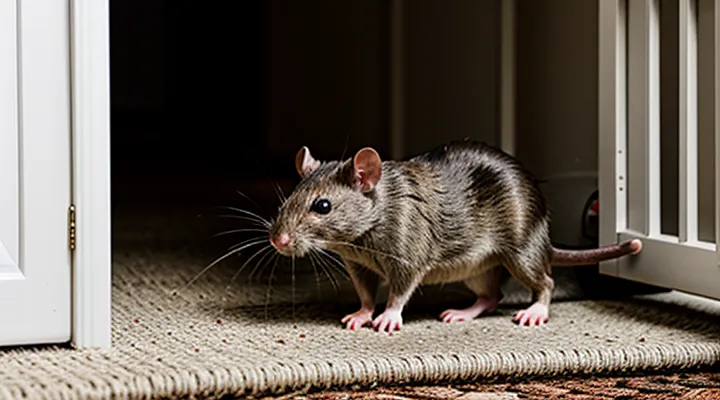
Understanding Rat Behavior
The Drive for Shelter
Protection from Predators
Rats seek refuge when exposed to natural predators. The threat of owls, hawks, snakes, feral cats, and larger mammals forces them to abandon open foraging areas and move toward concealed environments.
- Owls and hawks hunt from above, detecting movement in fields and barns.
- Snakes patrol ground cover, ambushing rodents that travel along established routes.
- Feral cats patrol perimeters, relying on scent and sound to locate prey.
- Larger mammals such as weasels and foxes pursue rats through burrows and vegetation.
Predator pressure reduces the safety of exterior habitats, prompting rats to explore structures that offer permanent shelter, limited visibility, and fewer entry points for hunters. Buildings provide cracks, wall voids, and insulated spaces where predators cannot easily follow.
Consequently, the drive to avoid predation becomes a primary factor in rodent intrusion, compelling rats to enter homes in search of secure nesting sites and uninterrupted access to food sources.
Escape from Harsh Weather
Rats seek refuge inside buildings when external conditions become hostile. Severe cold, heavy precipitation, and strong winds reduce the availability of food and safe nesting sites outdoors, prompting rodents to move toward warmer, drier environments that human dwellings provide.
- Low temperatures drop below the rats’ thermoregulatory threshold, increasing the risk of hypothermia.
- Heavy rain saturates burrows and ground cover, forcing rats to abandon exposed shelters.
- Snow accumulation blocks access to foraging areas, limiting food intake.
- High wind speeds erode surface debris that rodents use for concealment, exposing them to predators.
Indoor spaces offer stable temperature, protection from moisture, and continuous access to food residues. Cracks, gaps, and utility openings serve as entry points, allowing rats to infiltrate structures quickly when weather deteriorates.
Once inside, rodents may establish temporary nests in insulation, walls, or stored materials. Their presence can lead to contamination, structural damage, and increased health risks for occupants. Prompt sealing of openings and removal of attractants reduce the likelihood that harsh weather will drive rats into homes.
The Search for Food
Readily Available Food Sources
Rats are drawn to residences by the presence of easily accessible nutrition. Household waste and stored provisions create an environment where rodents can obtain the calories they need with minimal effort.
- Uncovered garbage cans or overflowing bins
- Open pantry items such as cereal, grains, and pet food
- Fruit bowls, vegetable drawers, and leftover meals left on counters
- Spilled sugar, flour, or dried herbs on kitchen surfaces
- Birdseed or squirrel feeders placed near windows or eaves
These sources share three critical traits: visibility, lack of barriers, and high energy content. When food is left unattended, rats quickly learn the location, establish foraging routes, and may expand their activity to adjacent rooms. Proper storage—sealed containers, regular trash removal, and prompt cleaning of spills—removes the incentive for entry and reduces the likelihood of infestation.
Inadequate Outdoor Food Supply
Insufficient food resources in the yard or surrounding environment compel rats to expand their foraging range into residential spaces. When natural or supplemental outdoor supplies diminish, rats experience a deficit that triggers instinctive search behavior aimed at locating reliable nutrition.
Rats maintain a rapid metabolism and require frequent intake; a shortfall in external food sources creates a pressure to locate alternative caches. This pressure translates into increased movement toward structures where food is more readily available, such as kitchens, pantries, and garbage receptacles.
Typical indoor attractions that replace lacking outdoor provisions include:
- Unsealed containers holding grains, cereals, or pet food.
- Food residues on countertops, floors, and appliances.
- Open garbage cans or compost bins.
- Accessible pantry shelves without child‑proof locks.
Mitigation focuses on restoring adequate outdoor feeding conditions and eliminating indoor food access points. Strategies involve:
- Securing outdoor waste in rat‑proof containers.
- Removing or regularly cleaning bird feeders and pet feeding stations.
- Maintaining vegetation at a distance from the house to reduce cover for foraging rats.
- Ensuring indoor storage is sealed and surfaces are kept free of crumbs.
By addressing the scarcity of external food, the incentive for rats to breach the home environment diminishes, reducing the likelihood of infestation.
The Need for Water
Leaks and Standing Water
Rats are drawn to residences that provide reliable water sources. Leaking pipes, roof drips, and appliance malfunctions generate moisture that satisfies the rodents’ need for hydration and creates an environment conducive to survival.
A continuous leak supplies not only drinking water but also softens building materials, allowing rats to gnaw and create nests more easily. Moisture also encourages the growth of mold and insects, which serve as additional food items for the pests.
Standing water in basements, crawl spaces, or under appliances offers a permanent drinking supply and a cool refuge during hot weather. These conditions reduce the energy rats must expend to locate water, increasing the likelihood of colonization.
Typical scenarios that attract rats include:
- Dripping faucets or showerheads that create puddles on floors.
- Condensation buildup on cold water pipes that drips onto cabinetry.
- Leaky washing‑machine hoses that pool beneath the unit.
- Faulty roof flashing that allows rainwater to collect in attic insulation.
- Accumulated water in pet‑food trays or dishwashers left open.
Eliminating leaks and removing standing water deprives rats of essential resources, diminishing the probability that they will establish a presence inside the home.
Pet Water Bowls
Pet water bowls provide a reliable source of fresh liquid that can attract rodents seeking hydration, especially during dry seasons. Open or loosely covered containers allow rats to detect scent cues and enter homes in search of water. Placement near walls, gaps, or unscreened openings facilitates easy access, turning a simple feeding accessory into a point of entry.
Key factors linking water bowls to rodent intrusion:
- Unsealed lids or rims that rats can gnaw.
- Placement on low surfaces where rats can climb without obstruction.
- Proximity to cracks, vents, or utility openings.
- Lack of regular cleaning, resulting in odor buildup that draws foraging rats.
Preventive measures focus on eliminating the bowl as a lure. Use tightly sealed, rat‑proof containers; position them on elevated, stable platforms away from structural weaknesses; clean daily to remove residue; and inspect surrounding areas for signs of gnawing or nesting. By treating pet water bowls as potential attractants and applying these controls, homeowners reduce the likelihood that rodents will use the bowl as a reason to breach the interior environment.
Common Entry Points
Structural Weaknesses
Gaps in Foundations
Gaps in a building’s foundation create direct pathways for rodents to move from soil to interior spaces. Cracks, unfinished joint seals, and deteriorated concrete allow rats to bypass exterior barriers and reach the crawl space or basement without detection.
These openings develop through settlement, moisture erosion, or poor construction practices. Even narrow fissures—down to a few centimeters—are sufficient because rats can compress their bodies and squeeze through openings smaller than their head diameter. Once inside, they locate food, water, and shelter, establishing a permanent presence.
Typical foundation vulnerabilities include:
- Horizontal cracks caused by soil movement
- Openings around utility penetrations (pipes, cables)
- Unsealed expansion joints
- Gaps at the perimeter where the slab meets the footing
Addressing foundation gaps reduces the likelihood of rodent entry. Effective measures consist of:
- Inspecting the perimeter annually for new or widening cracks.
- Sealing all identified openings with cement‑based mortar, polyurethane foam, or steel mesh, depending on size and location.
- Installing metal flashing around utility conduits to prevent future gaps.
- Maintaining proper drainage to limit moisture that accelerates concrete deterioration.
Eliminating these structural weaknesses removes a primary route for rats, thereby decreasing the overall risk of infestation within residential properties.
Damaged Roofs
Rats exploit structural weaknesses; a compromised roof creates a direct path to shelter and food sources inside a house.
Common roof problems that allow entry include:
- Missing or broken shingles
- Cracked or detached flashing
- Open eaves or vent openings without screens
- Deteriorated roofing material that creates holes
- Loose or missing roofing nails that leave gaps
These defects form openings as small as a quarter of an inch, sufficient for an adult rat to squeeze through. Once inside the attic, rats can travel along insulation, wiring, and joists, reaching living spaces and contaminating stored goods. The heat and protection offered by a damaged roof also attract nesting activity, increasing the likelihood of a sustained infestation.
Preventive actions:
- Inspect the roof annually, focusing on seams, vent covers, and flashing.
- Replace missing shingles and repair cracks promptly.
- Install metal mesh or steel wool in vent openings and gaps.
- Secure loose roofing nails and seal any holes with steel-capped roofing cement.
- Trim tree branches that contact the roof, reducing easy access routes.
Addressing roof damage eliminates the primary ingress route, reducing the probability that rodents will establish a presence within the home.
Utility Openings
Pipes and Vents
Rats exploit structural openings to gain access to interior spaces. Pipes and vents create direct routes from the exterior environment to the interior, allowing rodents to move inside without needing to breach walls or floors.
Sewer and drainage pipes extend from street sewers to household fixtures. Gaps around pipe sleeves, cracked sealants, and unsealed joints provide entry points. Rats can climb sewer lines, follow gravity, and emerge through these imperfections directly into kitchens, bathrooms, or basements.
Ventilation openings serve the same purpose. Dryer exhausts, attic vents, roof vents, and utility vent shafts often lack proper screening or have damaged flashing. Missing or torn vent covers leave gaps that rats can squeeze through, especially when the vent is positioned near food sources or water lines.
Common vulnerabilities:
- Uncapped pipe penetrations in foundation walls
- Cracked or deteriorated pipe sealant around water supply lines
- Open or damaged vent louvers and screens
- Gaps around vent pipe collars and flashing
- Loose or missing vent covers in attic or crawl spaces
Mitigation actions:
- Install stainless‑steel mesh or heavy‑gauge screen on all vent openings
- Apply rodent‑resistant sealant to pipe penetrations and joints
- Replace damaged vent covers with tightly fitting, lockable models
- Inspect and repair flashing around roof vents regularly
- Conduct periodic visual checks for new gaps after construction or remodeling
By sealing pipe and vent pathways, the likelihood of rodent intrusion drops significantly, reducing the need for reactive pest control measures.
Unsealed Wires
Unsealed electrical wiring creates a direct incentive for rats to enter residential spaces. The exposed insulation offers a soft, easily accessible material that rodents instinctively gnaw to wear down continuously growing incisors.
Rats target loose wires for several reasons:
- Insulation contains polymers rich in carbon, providing a source of energy.
- Chewed wires generate heat, which can be used to warm nests.
- Damaged cables create gaps that facilitate movement through walls and ceilings.
These activities compromise circuit integrity, increase the risk of short circuits, and can ignite surrounding materials, turning a simple infestation into a severe safety hazard.
Mitigation measures focus on eliminating the attraction:
- Encase all wiring in metal conduit or rigid PVC sleeves.
- Apply rodent‑resistant tape or sealant to any junction boxes and entry points.
- Inspect and repair any gaps where cables emerge from walls or floors.
By securing wiring, the primary lure for rats is removed, reducing the likelihood of their presence inside the home.
Doors and Windows
Gaps Under Doors
Rats routinely exploit openings that appear insignificant to homeowners, and the space beneath a door is one of the most common pathways. A clearance as narrow as ½ inch (12 mm) can accommodate a juvenile rat, while an adult can pass through gaps up to 1 inch (25 mm). These gaps arise from uneven flooring, worn door sweeps, or misaligned thresholds, providing a direct route from the exterior to interior shelter and food sources.
The presence of such openings compromises structural integrity and facilitates rodent ingress without the need for larger breaches. Once inside, rats can gnaw through insulation, wiring, and stored goods, creating health hazards and property damage. The risk escalates in multi‑unit buildings where a single gap may serve as a conduit for infestation throughout adjacent units.
Preventive actions focus on eliminating the void:
- Install a metal or rubber door sweep that contacts the floor when the door closes.
- Apply silicone‑based caulk or weather‑stripping to seal irregularities along the threshold.
- Replace worn or damaged sweeps annually, especially after seasonal temperature shifts.
- Verify that floor level differences between rooms do not exceed a quarter‑inch; adjust with a shim or threshold reducer if necessary.
Regular inspection of door undercuts, combined with prompt sealing, removes a primary vector for rodent entry and reduces the likelihood of indoor infestation.
Open or Damaged Screens
Open or damaged window and door screens create a direct pathway for rats to move from the exterior into living spaces. The gaps in mesh, torn corners, or loose fastening points are large enough for an adult Norway rat to squeeze through, especially when the animal seeks shelter, food, or water. Rats exploit these openings during night hours when visibility is low, relying on the unobstructed route to reach interior walls, attics, or crawl spaces.
A compromised screen also reduces the effectiveness of other barriers, such as weather stripping or door sweeps, by allowing rodents to bypass them entirely. Once inside, rats can gnaw on insulation, electrical wiring, and structural components, leading to health hazards and property damage.
Typical signs of screen-related entry include:
- Fresh gnaw marks on the edges of mesh or surrounding framing.
- Presence of droppings near window sills or door thresholds.
- Small tracks or burrows in nearby vegetation that converge on the opening.
To eliminate this entry point, follow a systematic approach:
- Inspect all screens for tears, gaps, or loose fasteners.
- Replace torn sections with heavy‑gauge mesh rated for rodent resistance.
- Secure the mesh with stainless‑steel staples or screws to prevent loosening.
- Apply a weather‑proof sealant around the frame to close any residual spaces.
- Install a secondary barrier, such as a rigid metal screen, in high‑risk areas.
Regular maintenance, including quarterly checks and prompt repair of any damage, prevents rats from exploiting screen vulnerabilities and contributes to overall rodent control in the home.
Signs of Infestation
Visual Evidence
Droppings and Urine Trails
Rats leave droppings and urine marks wherever they travel, creating a detectable trail that guides conspecifics into a dwelling. Fresh feces appear as small, dark pellets, typically ½‑inch long, and are often found along walls, behind appliances, or in hidden corners. Each pellet contains scent glands that release volatile compounds, signaling a safe passage and food availability to other rats.
- Urine is deposited in high‑traffic routes, such as gaps under doors, vents, and pipe openings. The liquid evaporates quickly, leaving a concentrated odor that can travel several meters.
- The scent of droppings and urine persists for weeks, even after visual evidence is removed, encouraging additional rodents to follow the established path.
- Accumulated waste contaminates surfaces, attracting insects and providing a nutrient source that further sustains the rat population inside the house.
Identifying these signs early allows homeowners to locate entry points, seal them, and implement targeted sanitation measures that disrupt the chemical cues rats rely on for navigation and colonization.
Gnaw Marks on Surfaces
Gnaw marks on surfaces serve as direct evidence that rats have penetrated a dwelling. Their presence confirms that the animals have found a reason to cross the building envelope, typically seeking food, shelter, or water.
The marks exhibit a uniform, crescent‑shaped bite pattern about 2–4 mm deep, with clean edges on wood, plastic, or insulation. Metal surfaces show shallow, parallel scratches where incisors have contacted softer alloys. Consistent spacing indicates repetitive chewing, suggesting a persistent access point rather than occasional foraging.
When gnaw marks appear near doorframes, utility openings, or foundation cracks, they identify the exact locations rats exploit to enter. Repeated damage to structural members weakens load‑bearing elements, creating additional pathways that accelerate infestation.
Typical surfaces and the information they convey:
- Wooden studs and joists: Preference for soft timber; indicates interior movement and nesting proximity.
- PVC piping and cable sheathing: Preference for plastic; suggests search for water lines or electrical concealment.
- Insulation material: Evidence of nest construction; confirms long‑term habitation.
- Baseboard and trim: Marks along seams point to entry through floor or wall gaps.
Inspection should focus on these areas, documenting depth, orientation, and frequency of marks. Immediate sealing of identified openings, replacement of compromised material, and placement of bait stations near gnawed zones reduce the likelihood of further intrusion. Regular monitoring of gnaw marks provides measurable feedback on control effectiveness.
Auditory Clues
Scratching Noises in Walls
Rats produce distinct scratching sounds when they move along studs, insulation, or behind drywall. The noise often follows a rhythmic pattern, intensifying at night when rodents are most active. Recognizing these sounds allows homeowners to confirm an infestation before visible damage occurs.
The presence of scratching indicates several underlying motivations for rats to enter a residence:
- Access to food sources such as uncovered pantry items, pet feed, or garbage.
- Shelter from predators and extreme weather conditions.
- Availability of nesting material like shredded paper, fabric, or insulation.
- Structural gaps that provide entry points, including cracks around pipes, vents, and foundation seams.
When the noise is heard, immediate inspection should focus on:
- Locating the exact wall segment by listening for the loudest point.
- Checking for gnaw marks on wood, plastic, or wiring.
- Identifying droppings, urine stains, or shredded material near the source.
- Sealing visible openings with steel wool and caulking, then reinforcing with metal mesh or hardware cloth.
Prompt action based on these observations reduces the risk of further property damage, electrical hazards, and disease transmission associated with rodent activity.
Squeaking Sounds
Rats produce high‑pitched squeaks when they move through confined spaces, gnaw on building components, or communicate with conspecifics. These sounds often signal the presence of structural gaps, moisture‑rich environments, or accessible food supplies that attract rodents to residential interiors.
The squeaking can be traced to specific conditions:
- Loose joist or floorboard joints that allow rats to slip through walls.
- Damp insulation or leaky pipes that create a favorable habitat for nesting.
- Open cabinets, pantry doors, or trash containers that emit odors encouraging foraging activity.
When homeowners hear intermittent squeaks, the noise usually originates from a concealed pathway. Identifying the source involves inspecting:
- Areas where flooring meets walls for visible gaps.
- Utility rooms for condensation or standing water.
- Storage spaces for unsealed food items.
Addressing the underlying factors that generate squeaking eliminates the auditory cue that indicates rat activity and reduces the likelihood of further intrusion.
Olfactory Indicators
Musty Odor
A persistent musty smell frequently signals rodent presence inside a dwelling. The odor originates from accumulated urine, feces, and decomposing nesting materials, which release ammonia and microbial by‑products that linger in confined spaces.
When the scent becomes detectable, it indicates that rats have established a habitat, often in attics, basements, or wall cavities. Exposure to these contaminants can trigger respiratory irritation, allergic reactions, and the spread of pathogens carried by the animals.
To address the problem, follow these steps:
- Identify the area where the odor is strongest; use a flashlight and a scented‑sensitive cloth to locate traces of urine or droppings.
- Remove contaminated debris with disposable gloves, seal it in a plastic bag, and dispose of it according to local regulations.
- Clean the affected surface with an enzymatic cleaner that neutralizes ammonia and breaks down organic residues.
- Inspect the structure for gaps, cracks, or openings larger than ¼ inch; seal them with steel wool, caulk, or metal flashing.
- Install traps or bait stations, or engage a licensed pest‑control professional for comprehensive eradication.
Early detection of a musty odor prevents the escalation of infestation and reduces health risks associated with rodent activity.
Strong Ammonia Smell
Rats are attracted to environments where ammonia concentrations are high. The odor signals the presence of urine or waste, indicating a reliable food source and potential nest material. This chemical cue can override rats’ natural aversion to human habitation.
Key factors linking strong ammonia scent to indoor rat activity:
- Accumulated pet urine or cleaning residues create a persistent ammonia cloud.
- Decomposing organic matter, such as rotting food, releases ammonia as a by‑product.
- Poor ventilation traps the smell, making the area more detectable to rodents.
When ammonia levels rise, rats interpret the signal as evidence of abundant resources. They enter through gaps in walls, foundations, or utility openings to exploit the perceived bounty. Once inside, they may amplify the odor by adding their own waste, reinforcing the attraction cycle.
Mitigation requires eliminating ammonia sources: promptly clean pet accidents, use enzymatic cleaners, and ensure adequate airflow. Sealing entry points reduces the likelihood that rats will follow the scent into the home.
Preventing Rat Entry
Sealing Entry Points
Caulking Cracks and Holes
Rats invade residences to obtain food, water, and shelter; they exploit any opening that connects the interior with the exterior environment. Small gaps around windows, doors, utility penetrations, and foundation cracks provide unobstructed pathways for these pests.
Every opening larger than a quarter‑inch can accommodate a rat. Unsealed joints in siding, gaps around pipe sleeves, and cracks in the foundation allow rodents to bypass exterior barriers and reach hidden food sources inside the home.
Caulking eliminates these access points and creates a durable seal that resists rodent chewing. Effective application includes:
- Clean the surface to remove debris, dust, and old sealant.
- Choose a polyurethane or silicone‑based caulk rated for exterior use.
- Apply the caulk with a steady pressure, filling the gap completely.
- Smooth the bead to ensure full contact with both sides of the opening.
- Allow the material to cure according to the manufacturer’s instructions before exposing the area to moisture.
Regular inspection of exterior joints and prompt repair of new cracks maintain a rat‑proof envelope around the structure.
Installing Door Sweeps
Rats exploit gaps beneath exterior doors to gain access to food, shelter, and warmth. A door sweep creates a physical barrier that eliminates the most common entry point. The sweep consists of a flexible strip—often rubber, silicone, or brush—mounted on a metal or plastic carrier that slides against the threshold when the door closes. This design blocks rodents while allowing the door to operate smoothly.
Effective installation follows these steps:
- Measure the door width and the clearance between the bottom edge and the floor.
- Cut the sweep to match the measured width, leaving a small margin for trimming.
- Position the carrier so the strip contacts the floor without lifting the door.
- Secure the carrier with screws or adhesive, ensuring alignment across the entire length.
- Test the door by opening and closing it several times; adjust the sweep if the strip scrapes or leaves a gap.
Materials matter. Rubber and silicone provide durable, weather‑resistant seals that retain flexibility in cold temperatures. Brush sweeps tolerate uneven surfaces but may require more frequent cleaning. Metal carriers with pre‑drilled holes simplify attachment and resist corrosion.
Maintenance involves visual inspection for wear, debris accumulation, and attachment integrity. Replace damaged strips promptly; a compromised sweep restores the gap that rats can exploit. Combining door sweeps with other exclusion measures—such as sealing cracks around windows and maintaining a clean interior—reduces the overall likelihood of rodent intrusion.
Eliminating Food Sources
Storing Food in Sealed Containers
Storing food in sealed containers directly reduces the attraction that draws rats into residential spaces. Unsealed packages emit odors and provide easy access to nutrients, creating a reliable food source that encourages rodents to explore and enter homes. By eliminating these cues, the likelihood of rat intrusion diminishes.
Sealed containers must meet the following criteria:
- Airtight lids that prevent scent leakage.
- Materials resistant to gnawing, such as heavy‑duty plastic or metal.
- Proper placement away from walls, appliances, and clutter.
- Regular inspection for damage or compromised seals.
When food is confined in containers that meet these standards, rats lose a primary incentive to breach entry points. The reduced availability of edible waste also discourages exploratory behavior, limiting the frequency of rodents venturing into living areas. Consequently, proper food storage serves as a practical barrier that addresses one of the main motivations behind rat presence in homes.
Regular Cleaning Practices
Regular cleaning removes food residues that attract rodents. When crumbs, spills, and pet waste are promptly cleared, the scent of available nourishment disappears, reducing the incentive for rats to explore a dwelling.
Consistent sanitation also eliminates nesting material. Accumulated paper, fabric scraps, and organic debris provide shelter for breeding colonies. By discarding or storing such items in sealed containers, the environment becomes unsuitable for nest construction.
Effective cleaning routines include:
- Sweeping and vacuuming floors daily to collect dropped food particles.
- Washing dishes immediately after use; storing utensils in closed cabinets.
- Emptying trash bins each night and using containers with tight-fitting lids.
- Cleaning pet feeding areas after meals; storing pet food in airtight storage.
- Removing clutter from basements, attics, and storage rooms; organizing items on shelves rather than on the floor.
- Inspecting and cleaning behind appliances, under sinks, and around pipe penetrations where food debris may accumulate.
Implementing these practices creates a hostile setting for rats, limiting their access to food and shelter and thereby decreasing the likelihood of intrusion.
Removing Water Sources
Fixing Leaky Faucets
Leaking faucets provide a constant water source that draws rats into residential spaces. The moisture encourages rodents to explore walls, cabinets, and floors where they can find shelter and food. Eliminating this attraction reduces the likelihood of rodent entry.
To stop a faucet leak, follow these precise actions:
- Turn off the water supply at the shut‑off valve beneath the sink.
- Release residual pressure by opening the faucet.
- Disassemble the faucet handle using the appropriate screwdriver or Allen key.
- Inspect the O‑ring, washer, and cartridge for wear or damage.
- Replace defective components with parts matching the faucet model.
- Reassemble the handle, ensuring all connections are tight but not over‑tightened.
- Restore water flow and verify that the leak is resolved by observing for drips.
Regular inspection of faucet seals and prompt repair of any moisture problems deny rats the water they seek, thereby supporting long‑term rodent control.
Draining Standing Water
Standing water creates a reliable drinking source for rats, encouraging them to explore nearby structures. When water accumulates in basements, crawl spaces, or around foundations, it lowers the effort required for rodents to meet their hydration needs, making the property more attractive.
Effective elimination of standing water involves:
- Inspecting all low‑lying areas for puddles, leaks, or condensation.
- Repairing broken pipes, faulty gutters, and malfunctioning drainage systems.
- Installing proper grading to direct rainwater away from the building.
- Using dehumidifiers or ventilation in damp rooms to reduce moisture buildup.
- Removing containers that collect rainwater, such as buckets, plant saucers, and pet dishes left outdoors.
By removing these water sources, the incentive for rats to approach the residence diminishes, reducing the likelihood of infestation.
Landscaping for Prevention
Trimming Overhanging Branches
Rats often use trees and shrubs as pathways to reach a house. Overhanging branches create a direct bridge from the roof or eaves to the building, allowing rodents to climb and enter through gaps, vents, or damaged siding. Removing or trimming these limbs eliminates the bridge, forcing rats to seek longer, more exposed routes that increase their exposure to predators and reduce the likelihood of successful entry.
Key benefits of branch management:
- Reduces the number of accessible entry points on the roof and attic.
- Limits shelter and nesting sites near the foundation.
- Decreases the chance of rats reaching open windows, crawl spaces, or utility openings.
Effective trimming practices:
- Cut branches at least 6 feet (1.8 m) away from the house.
- Maintain a clear zone around eaves, gutters, and vents.
- Remove dead or diseased limbs that could fall and create new access routes.
- Schedule regular inspections, especially after seasonal growth.
Implementing these measures directly lowers the probability that rodents will use vegetation as a conduit into the residence, contributing to a more secure, rat‑free environment.
Keeping Yards Tidy
A cluttered yard offers shelter, food, and travel routes that draw rodents toward residential structures. When the perimeter of a property is orderly, the incentives for rats to explore and eventually enter a home diminish sharply.
- Remove leaf piles, wood stacks, and other debris that can conceal nests.
- Trim grass, shrubs, and overgrown vines to eliminate cover and reduce access points.
- Store garbage in sealed containers and relocate compost bins away from the house foundation.
- Repair leaks, drain standing water, and keep irrigation systems well‑maintained to deny water sources.
- Keep firewood elevated and away from walls to prevent it from becoming a bridge for rodents.
Each measure directly reduces the resources rats seek: shelter disappears, food becomes inaccessible, and pathways to the building are blocked. Consistent yard hygiene therefore serves as a primary barrier against rodent intrusion.