
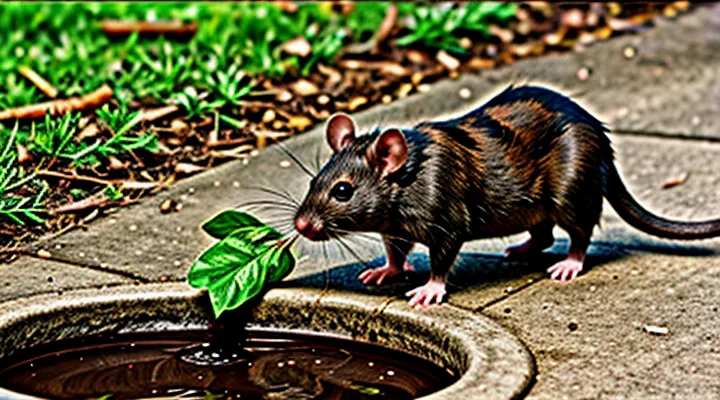
Understanding Coprophagy in Rats
The Phenomenon of Coprophagy
Coprophagy, the consumption of fecal material, is a documented behavior in rats and other rodents. The practice enables the retrieval of nutrients that escape absorption during the first passage through the gastrointestinal tract. Rats ingest soft, freshly excreted cecal pellets rich in B‑vitamins, amino acids, and short‑chain fatty acids produced by microbial fermentation.
Nutrient recovery drives the behavior. The cecum hosts a dense microbial community that synthesizes essential vitamins and degrades complex carbohydrates. Reingestion of cecal pellets delivers these compounds directly to the small intestine, where absorption efficiency is highest. This mechanism compensates for the relatively low nutritional quality of typical rodent diets.
Behavioral drivers include innate feeding patterns and environmental cues. Young rats display coprophagy shortly after weaning, suggesting a developmental component. Elevated population density, limited food availability, and heightened stress levels increase the frequency of the act. Observational studies report a correlation between cage enrichment deprivation and intensified fecal consumption.
From an evolutionary perspective, coprophagy offers a survival advantage in habitats where dietary resources fluctuate. By recycling nutrients internally, rats reduce dependence on external food sources and maintain microbial balance essential for digestion. This trait likely persisted because it enhances reproductive success under resource‑scarce conditions.
Health implications are twofold. Positive effects involve stabilization of the gut microbiota and prevention of vitamin deficiencies. Negative aspects encompass the potential transmission of pathogens, especially in laboratory colonies where strict biosecurity is required. Researchers must account for coprophagy when designing feeding protocols, as it can alter drug pharmacokinetics and experimental outcomes.
Key factors influencing rat coprophagy:
- Rapid nutrient reclamation from cecal pellets
- Maintenance of a functional gut microbiome
- Response to environmental stressors and crowding
- Adaptive advantage in nutrient‑limited settings
Types of Coprophagy in Rats
Autocoprophagy
Autocoprophagy refers to the consumption of an individual’s own fecal material. In rodents, this behavior is distinct from general coprophagy, which includes ingestion of conspecific or environmental droppings, and is observed primarily in laboratory and wild rats.
Rats practice autocoprophagy to reclaim nutrients that escape absorption during the first intestinal passage. The process enables:
- recovery of B‑vitamins synthesized by gut microbes,
- reclamation of short‑chain fatty acids and amino acids,
- re‑colonization of the distal gut with beneficial bacteria.
These benefits compensate for the limited efficiency of the small intestine in extracting certain micronutrients, especially when dietary intake is marginal.
During early development, juvenile rats exhibit heightened autocoprophagy. The behavior coincides with the transition from milk to solid food, supporting the establishment of a mature microbiome and the synthesis of essential vitamins before the enzymatic capacity of the gastrointestinal tract fully matures.
External factors modulate the frequency of autocoprophagy. Nutrient‑deficient diets, high‑density housing, and stressors such as temperature fluctuations increase reliance on fecal re‑ingestion. Conversely, provision of a balanced, nutrient‑rich feed reduces the behavior to occasional occurrences.
Understanding autocoprophagy informs experimental design and animal welfare protocols. Recognizing its physiological role prevents misinterpretation of fecal consumption as pathological and guides nutritional formulations that minimize unnecessary reliance on self‑ingestion.
Allocoprophagy
Allocoprophagy, the consumption of conspecific feces, is a documented behavior in laboratory and wild rats. This practice supplements nutrition, recycles gut microbiota, and mitigates deficiencies that arise from limited dietary variety.
Nutritional benefits include:
- Re‑ingestion of B‑complex vitamins and amino acids produced during microbial fermentation.
- Recovery of nitrogenous compounds lost in primary digestion.
- Access to short‑chain fatty acids generated by intestinal bacteria.
Microbial considerations involve the transfer of beneficial symbionts. By ingesting fresh fecal material, rats acquire strains that enhance cellulose breakdown, improve immune modulation, and stabilize gut pH. The repeated exposure maintains a diverse and resilient microbiome, which correlates with higher growth rates and reduced susceptibility to pathogenic invasion.
Behavioral drivers are linked to environmental constraints. In densely populated colonies, competition for high‑quality food intensifies, prompting individuals to exploit feces as an auxiliary resource. Stressful conditions, such as limited bedding or overcrowding, increase the frequency of allocoprophagy, indicating a coping mechanism that offsets physiological stressors.
Research demonstrates that preventing fecal consumption in controlled settings leads to measurable declines in weight gain, altered serum nutrient profiles, and disrupted microbial communities. These findings confirm that allocoprophagy functions as an adaptive strategy rather than a pathological anomaly.
Behavioral and Physiological Drivers
Nutritional Imperatives
Vitamin K Synthesis
Rats habitually re‑ingest soft feces to recover nutrients that escape absorption in the small intestine. Among these nutrients, vitamin K is critical for blood clotting and bone metabolism. The colon houses bacteria that synthesize menaquinones (vitamin K₂). Because the colon’s epithelium absorbs little vitamin K, rats retrieve the bacterial product by consuming cecal pellets, where the vitamin remains bioavailable.
Menaquinone production occurs primarily through the bacterial conversion of dietary precursors such as phylloquinol (vitamin K₁) and short‑chain fatty acids. After coprophagy, the re‑ingested material passes through the small intestine, where active transport mechanisms efficiently absorb the vitamin. This process compensates for the limited endogenous synthesis and dietary variability typical of wild and laboratory rat diets.
Experimental data show that rats prevented from eating feces develop prolonged prothrombin times and reduced bone mineral density. Re‑introduction of fecal material restores normal clotting parameters within 24 hours, confirming the functional importance of the behavior for vitamin K homeostasis.
Key outcomes of vitamin K deficiency in rats:
- Impaired coagulation cascade
- Increased bleeding tendency
- Decreased osteocalcin carboxylation
- Lowered bone mineral content
Thus, coprophagy serves as a physiological strategy to secure sufficient vitamin K, linking microbial synthesis in the gut to the animal’s overall health.
B Vitamin Acquisition
Rats obtain essential B‑complex vitamins through coprophagy, a behavior that recycles nutrients otherwise lost in feces. The gastrointestinal tract of rats harbors microbes that synthesize B vitamins; however, these compounds are largely confined to the colon and are not absorbed before excretion. By ingesting soft fecal pellets, rats re‑expose the vitamins to the small intestine, where active transport mechanisms efficiently absorb them.
Key B vitamins recovered via this process include:
- Vitamin B1 (thiamine): supports carbohydrate metabolism and neural function.
- Vitamin B2 (riboflavin): participates in redox reactions and energy production.
- Vitamin B3 (niacin): essential for NAD/NADP synthesis.
- Vitamin B5 (pantothenic acid): precursor for coenzyme A.
- Vitamin B6 (pyridoxine): involved in amino‑acid metabolism.
- Vitamin B7 (biotin): required for fatty‑acid synthesis.
- Vitamin B9 (folate): critical for nucleic‑acid synthesis.
- Vitamin B12 (cobalamin): necessary for methylation reactions and red‑blood‑cell formation.
Physiological outcomes of effective B‑vitamin acquisition through fecal consumption include sustained growth rates, enhanced reproductive performance, and resilience to dietary deficiencies. Disruption of coprophagic behavior—whether by environmental constraints or experimental manipulation—correlates with measurable declines in plasma B‑vitamin concentrations, confirming the adaptive significance of this feeding strategy.
Protein and Fiber Digestion
Rats practice coprophagy to recover nutrients that escape the small intestine. Protein that is partially digested in the stomach and duodenum remains in the colon, where bacterial colonies break down peptide bonds and release amino acids. These amino acids become available when the rat re‑ingests soft feces, allowing the animal to supplement its dietary protein intake without increasing food consumption.
Fiber, primarily cellulose and hemicellulose, resists enzymatic digestion in the upper gut. In the cecum and large intestine, a dense microbial community ferments fiber, producing short‑chain fatty acids (acetate, propionate, butyrate) and vitamins such as B12 and K. The soft fecal pellets retain a high concentration of these fermentation products. By consuming them, rats obtain additional energy and essential micronutrients that would otherwise be lost in the excreta.
Key aspects of this nutritional recovery include:
- Microbial proteolysis: bacteria hydrolyze residual proteins, generating free amino acids for absorption after re‑ingestion.
- Fermentation of insoluble carbohydrates: cecal microbes convert fiber into metabolically valuable short‑chain fatty acids.
- Vitamin synthesis: microbial production of B‑group vitamins and vitamin K occurs in the colon; coprophagy returns these to the host’s circulation.
- Efficient nitrogen utilization: re‑absorbed amino acids reduce the need for high‑protein diets, supporting rapid growth and reproduction.
The combined effect of protein salvage and fiber fermentation creates a self‑reinforcing loop: the rat’s digestive system extracts maximal nutritional value from limited resources, and coprophagy serves as the final step in this extraction process.
Social and Developmental Factors
Maternal Coprophagy and Neonatal Development
Maternal coprophagy, the act of a lactating female rat consuming her own or conspecific feces, supplies her with essential nutrients, microbial communities, and bioactive compounds that are scarce in standard chow. The process enriches the mother’s gut microbiota with fermentative bacteria, which are subsequently transferred to the offspring through milk and direct grooming.
Neonatal development benefits from this transfer in several measurable ways:
- Enhanced growth rates; pups exhibit higher weight gain during the first three weeks compared to those reared by non‑coprophagic dams.
- Accelerated gut colonization; early exposure to a diverse microbial pool improves intestinal barrier function and enzymatic activity.
- Strengthened immune competence; increased prevalence of beneficial bacterial taxa correlates with reduced incidence of opportunistic infections.
Experimental removal of maternal coprophagy, achieved by preventing access to fecal material, results in delayed weaning, lower serum vitamin B12 levels, and altered behavioral responses such as increased anxiety‑like activity. These outcomes underscore the direct link between maternal ingestion of feces and the physiological readiness of the young.
The adaptive value of this behavior lies in its capacity to compensate for the limited nutrient density of the maternal diet and to inoculate the next generation with a resilient microbial ecosystem, thereby supporting optimal development and survival.
Social Transmission of Microflora
Rats practice coprophagy primarily to re‑ingest microbial communities that have colonized the distal gut. The behavior supplies a reservoir of beneficial bacteria, enzymes, and metabolites that are otherwise scarce in the small intestine.
Microbial populations spread among conspecifics through several social channels. Direct consumption of fresh feces introduces donor strains into the recipient’s gastrointestinal tract. Shared nesting material, impregnated with fecal microbes, serves as an indirect vector. Allogrooming transfers microbes from fur and skin to the mouth, completing the exchange cycle.
Key pathways of social microflora transmission include:
- Ingestion of freshly deposited feces.
- Contact with contaminated bedding or nest material.
- Mutual grooming that moves bacteria to oral cavities.
- Aggressive encounters that cause oral exposure to fecal residues.
The influx of foreign microbes stabilizes the gut ecosystem, enhances enzymatic capacity for fiber degradation, and fortifies mucosal immunity. Repeated exposure aligns the microbiota of group members, leading to synchronized digestive efficiency and reduced susceptibility to pathogenic invasion.
Exploratory Behavior
Rats display a strong drive to investigate novel objects, textures, and odors within their environment. This drive, known as exploratory behavior, is mediated by the hippocampus and the dopaminergic system, prompting frequent bouts of locomotion, sniffing, and whisker‑based assessment.
During exploration, rats encounter fecal deposits left by conspecifics. The same sensory mechanisms that detect food cues also register the chemical composition of feces, which contains partially digested nutrients, vitamins, and microbial metabolites. The exploratory impulse therefore increases the probability that a rat will sample fecal material, even when alternative food sources are available.
Laboratory observations reveal that:
- Rats approach fresh fecal pellets within seconds of entering a new enclosure.
- Repeated exposure to the same pellet reduces latency but does not eliminate contact.
- Deprivation of protein or B‑vitamins amplifies the frequency of fecal sampling, indicating a nutritional feedback loop that reinforces exploratory contact.
Understanding the link between exploratory behavior and coprophagy informs housing protocols, dietary formulation, and interpretation of behavioral assays. Reducing unnecessary fecal exposure, or providing enriched foraging opportunities, can modulate the tendency to ingest feces without suppressing the animal’s innate investigative drive.
Environmental and Stress-Related Triggers
Resource Scarcity
Rats resort to coprophagy when nutritional resources become insufficient. Limited availability of proteins, vitamins, and essential amino acids in the primary diet drives the behavior, allowing the animal to re‑ingest microbial‑rich fecal matter and recover lost nutrients.
Resource scarcity intensifies competition within colonies. Individuals that can extract additional nutrients from feces gain a survival advantage, especially during seasonal food shortages or in densely populated habitats where food stores deplete rapidly.
Key factors linking scarcity to fecal consumption:
- Low protein content in available food sources.
- Deficiency of B‑complex vitamins, particularly B12.
- High microbial load in feces providing fermentable substrates.
- Increased metabolic demand during growth or reproduction phases.
Environmental stressors, such as drought or human‑induced habitat loss, exacerbate scarcity, prompting more frequent coprophagic episodes. The behavior thus functions as an adaptive response, mitigating the effects of temporary or chronic nutrient deficits.
Confinement Stress
Confinement stress triggers physiological and psychological responses that increase the likelihood of coprophagy in laboratory rats. Elevated cortisol levels, altered gut motility, and heightened anxiety reduce the animal’s ability to discriminate between nutritive and non‑nutritive material, leading to the ingestion of fecal pellets.
Key mechanisms linking confinement stress to feces consumption:
- Hormonal surge: Stress‑induced glucocorticoids suppress appetite regulation, prompting opportunistic feeding on available substrates, including feces.
- Microbiota disruption: Chronic stress reshapes intestinal flora, creating nutrient deficiencies that rats attempt to compensate for through coprophagy.
- Behavioral compulsivity: Restricted environments limit exploratory behavior; repetitive actions such as gnawing and ingesting waste become stereotypic coping strategies.
- Immune modulation: Stress compromises mucosal immunity, weakening barriers that normally discourage fecal intake.
Mitigating confinement stress—through environmental enrichment, reduced crowding, and predictable handling—decreases the incidence of fecal consumption and improves overall welfare.
Dietary Imbalances
Rats resort to consuming their own feces when nutritional intake fails to meet physiological requirements. Insufficient protein, vitamins, or minerals trigger a physiological feedback loop that increases the drive for coprophagy, allowing the animal to re‑absorb nutrients that were not fully extracted during the initial digestion.
Typical dietary deficiencies linked to this behavior include:
- Low levels of B‑complex vitamins, especially thiamine and riboflavin.
- Deficient calcium or phosphorus ratios, impairing bone metabolism.
- Inadequate dietary fiber, reducing gastrointestinal motility and microbial fermentation.
- Insufficient essential amino acids, limiting tissue repair and growth.
Laboratory observations confirm that correcting these imbalances eliminates the need for fecal consumption. Providing a balanced diet with adequate macro‑ and micronutrients restores normal digestive efficiency, reducing the physiological incentive for rats to ingest their excreta.
Evolutionary Significance
Survival Advantage
Rats practice coprophagy to recover nutrients that escape absorption during the first passage through the gut. The process restores B‑vitamins, amino acids, and microbial metabolites, directly enhancing metabolic efficiency. By re‑ingesting soft feces, rats maintain a balanced microbiome, which supports immune function and reduces susceptibility to pathogens.
The behavior also conserves energy. Digesting already processed material requires less enzymatic activity than extracting nutrients from fresh food, allowing rats to allocate caloric reserves to locomotion, reproduction, and thermoregulation. In environments where food quality fluctuates, coprophagy provides a reliable source of essential compounds without the need for foraging.
Key survival benefits include:
- Rapid replenishment of deficient nutrients.
- Stabilization of gut flora, which fortifies barrier defenses.
- Lowered metabolic cost for nutrient acquisition.
- Increased resilience during periods of scarcity.
Collectively, these advantages improve individual fitness and contribute to the species’ capacity to thrive in diverse habitats.
Ecological Role
Rats practice coprophagy to maximize nutrient extraction from their diet, thereby influencing energy flow within ecosystems. By re‑ingesting soft feces, they recover B‑vitamins, amino acids, and microbial proteins that would otherwise be lost, supporting higher growth rates and reproductive output. Increased rat populations affect seed dispersal, soil turnover, and predation dynamics, reshaping community structure.
Ecological contributions of this behavior include:
- Enhanced nutrient cycling through repeated digestion and excretion, accelerating organic matter decomposition.
- Redistribution of microbial communities, as fecal re‑consumption transfers gut symbionts to new substrates.
- Amplified food‑web connectivity; larger rat numbers provide additional prey for raptors, snakes, and carnivorous mammals.
These effects illustrate how the practice of feces consumption by rats integrates individual physiology with broader environmental processes, reinforcing their role as active participants in ecosystem function.
Implications for Research and Management
Laboratory Rat Studies
Laboratory investigations provide the most reliable data on the mechanisms that lead rats to consume their own feces. Controlled environments eliminate external variables, allowing precise measurement of physiological and psychological factors.
Experimental designs typically involve:
- Isolation of dietary deficiencies to assess nutrient‑driven motivation.
- Manipulation of gut microbiota through antibiotics or probiotic administration.
- Observation of stress‑induced behaviors using standardized restraint or crowding protocols.
- Monitoring of hormonal fluctuations, particularly corticosterone and leptin levels, in relation to coprophagic episodes.
Results consistently show that rats ingest fecal material when essential vitamins, such as B12 and K, are insufficient in the supplied diet. Restoration of these nutrients reduces the behavior within 24 hours. Alterations in microbial composition also modify the frequency of fecal consumption; a balanced microbiome correlates with lower incidence, while dysbiosis elevates it. Stressors elevate corticosterone, which in turn amplifies the propensity for coprophagy, suggesting a link between anxiety‑related neuroendocrine pathways and the behavior. Hormonal assays reveal that leptin suppression, indicative of energy deficit, coincides with increased fecal intake, reinforcing the role of metabolic signaling.
Long‑term studies demonstrate that repeated exposure to coprophagy does not impair growth or reproductive performance when nutritional needs are met, but chronic stress combined with nutrient scarcity can lead to gastrointestinal inflammation and altered immune responses. These findings underscore the importance of comprehensive dietary formulation and environmental enrichment in laboratory settings to minimize confounding variables related to fecal consumption.
Pest Control Considerations
Rats consume their own and conspecific feces as a normal part of their digestive strategy, which influences population dynamics and disease transmission. This habit creates hidden reservoirs of pathogens and makes detection of infestations more difficult, because signs such as droppings may be removed or redistributed within nesting sites. Effective pest control must therefore address both the physical presence of rodents and the ecological consequences of coprophagy.
- Maintain strict sanitation: eliminate food residues, remove clutter, and regularly clean areas where droppings could accumulate.
- Implement exclusion: seal entry points, repair structural gaps, and install barriers to prevent access to walls, ceilings, and utility conduits.
- Deploy bait stations: locate devices near suspected nesting zones, use rodenticides formulated for secondary poisoning, and monitor consumption rates to assess efficacy.
- Apply environmental modification: reduce moisture, limit vegetation growth, and control waste storage to diminish shelter and food sources that support feces‑eating behavior.
- Conduct routine inspection: schedule visual surveys for gnaw marks, burrows, and residual droppings; employ tracking powders or infrared cameras for nocturnal activity verification.
Integrating these actions within an Integrated Pest Management framework ensures that chemical interventions complement physical barriers and sanitation efforts, reducing the likelihood of reinfestation and limiting the public health risks associated with rat fecal consumption. Continuous evaluation of control outcomes, adjusted for seasonal variations in rodent behavior, sustains long‑term effectiveness.