
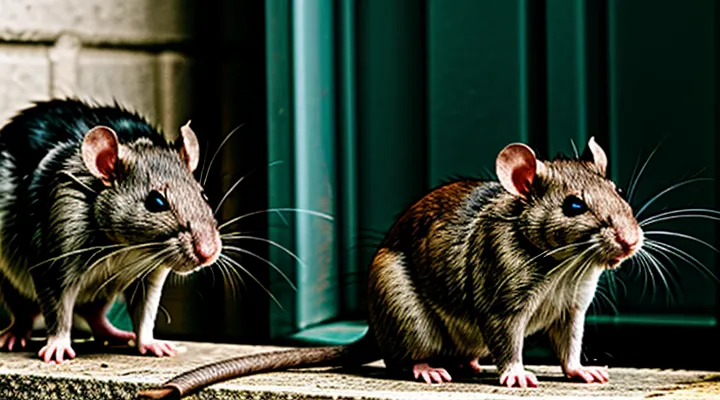
Understanding Rat Teeth Clicking
What is Bruxism in Rats?
The Mechanics of Teeth Grinding
Rats produce audible tooth‑clicking through a coordinated sequence of mandibular and maxillary movements. The process begins with the activation of the masseter and temporalis muscles, which generate a rapid closing force on the incisors. Simultaneously, the lateral pterygoid muscle contracts, pulling the mandible slightly forward and creating a grinding motion. As the lower incisors contact the upper incisors, friction generates vibrations that travel through the jawbone, producing the characteristic click.
Key mechanical elements include:
- Occlusal alignment: Precise contact between upper and lower incisors ensures efficient energy transfer.
- Muscle tone modulation: Adjustments in muscle contraction intensity regulate the amplitude of the click.
- Joint articulation: The temporomandibular joint permits the slight forward‑backward and lateral shifts required for grinding.
Neural control originates in the brainstem’s trigeminal nucleus, which synchronizes motor output with sensory feedback from periodontal mechanoreceptors. This feedback loop allows the animal to maintain consistent click patterns during exploratory or stress‑related behaviors.
The resulting acoustic signal serves as a non‑vocal communication cue, signaling agitation or territorial claim without expending vocal effort. Understanding the biomechanics of this behavior aids in interpreting rodent social interactions and in designing environments that minimize stress‑induced dental wear.
Distinguishing from Normal Chewing
Rats generate rapid, audible tooth‑clicking sounds that are frequently mistaken for ordinary chewing. The behavior occurs in the absence of food, often during social interaction, stress, or anticipation of a reward.
Key differences from typical mastication:
- Clicking consists of brief, high‑frequency contacts between the incisors; chewing involves prolonged, rhythmic grinding of material.
- No ingestion accompanies clicking; chewing is accompanied by ingestion and digestion.
- Clicking is usually unilateral and intermittent; chewing displays bilateral, continuous motion.
- Auditory pattern of clicking is sharp and repetitive, whereas chewing produces a softer, irregular noise.
Observing these criteria allows researchers to separate the communicative or stress‑related tooth‑clicking from genuine feeding activity, thereby improving behavioral assessments and experimental accuracy.
Behavioral Contexts of Teeth Clicking
Pleasure and Contentment
The «Happy Brux» Phenomenon
Rats produce rapid tooth‑clattering movements as part of a distinct behavioral pattern linked to positive affect. The phenomenon known as «Happy Brux» appears when individuals engage in exploratory feeding, grooming, or social interaction, and the audible clicks serve multiple functions.
The acoustic signal conveys internal state, modulates group dynamics, and may facilitate physiological regulation. Specific roles include:
- Indicator of contentment, allowing conspecifics to assess the well‑being of nearby individuals.
- Reinforcement of affiliative bonds during shared activities such as nesting or communal feeding.
- Activation of mechanoreceptors in the jaw, providing sensory feedback that reduces tension in masticatory muscles.
Neurochemical analysis shows elevated dopamine and serotonin levels concurrent with «Happy Brux», supporting the association with reward pathways. Electromyographic recordings reveal coordinated contraction of the masseter and temporalis muscles, producing the characteristic high‑frequency clicks without mastication.
Environmental triggers that consistently elicit this behavior comprise:
- Availability of palatable food items.
- Presence of familiar cage mates.
- Enrichment structures that encourage exploration.
Understanding «Happy Brux» refines the broader explanation of rodent dental chattering, highlighting its role as a positive, communicative, and physiologically modulatory response rather than a mere byproduct of oral activity.
Associated Body Language
Rats exhibit a distinct set of body‑language cues that accompany dental chattering, providing insight into the underlying motivation. The posture typically becomes more rigid, with the forepaws drawn close to the body and the tail held low. Facial muscles tighten, especially around the whisker pads, creating a focused expression that signals heightened attention.
Key visual signals associated with the sound include:
- Erected ears oriented forward, indicating auditory vigilance.
- Slight elevation of the head, aligning the nasal region with potential stimuli.
- Reduced locomotion, often pausing in place while the chattering persists.
These behaviors combine to form a coherent display that communicates the rat’s internal state, whether it reflects aggression, territorial assertion, or a reaction to environmental stressors. Understanding this repertoire enhances interpretation of the acoustic signal within the broader context of rodent communication.
Stress and Anxiety
Indicators of Distress
Rats produce rapid, audible tooth movements when experiencing heightened arousal or discomfort. Recognizing accompanying signs of distress clarifies the behavioral context of this action.
- Excessive grooming or self‑inflicted bites
- Sudden cessation of normal exploratory activity
- Elevated respiratory rate and irregular breathing patterns
- Vocalizations such as high‑pitched squeaks or chattering bursts
- Body posture changes, including hunching, crouching, or rigid stance
- Reduced food and water intake leading to noticeable weight loss
- Increased aggression toward conspecifics or humans
These indicators appear concurrently with dental chattering, suggesting that the sound functions as a physiological response to negative emotional states rather than a random habit. Monitoring the listed behaviors provides reliable assessment of animal welfare and informs experimental interpretation.
Responses to Threat or Discomfort
Rats produce rapid, audible tooth‑clicking when confronted with imminent danger or persistent irritation. The behavior functions as an immediate defensive response, signaling heightened arousal and preparing the animal for rapid escape or confrontation.
Typical triggers include:
- Sudden exposure to predators or predator cues
- Unexpected loud noises or vibrations
- Physical discomfort such as skin irritation or painful stimuli
- Confinement in cramped or unfamiliar environments
Physiological mechanisms involve activation of the sympathetic nervous system, which increases muscle tension in the jaw and accelerates mandibular movements. The resulting clicks generate a low‑frequency sound that can serve both as a self‑alerting cue and as a warning to conspecifics.
Ecologically, dental chattering enhances survival by:
- Communicating threat level within a social group
- Facilitating quick transition to locomotor escape circuits
- Deterring predators through acoustic startle effects
Laboratory observations confirm that the frequency and intensity of tooth‑clicking correlate directly with the severity of the perceived threat, providing a reliable metric for assessing stress levels in experimental rodent populations.
Pain and Illness
A Sign of Underlying Health Issues
Rats produce a rapid chattering of their incisors, commonly described as «tooth clicking». When the sound occurs sporadically, it may serve as a social or exploratory signal; however, persistent or intensified clicking often signals physiological disturbance.
Typical health concerns associated with this behavior include:
- Malocclusion of incisors, leading to uneven wear and pain.
- Periodontal disease, characterized by gum inflammation and infection.
- Oral abscesses or other localized infections.
- Systemic illnesses such as respiratory or gastrointestinal disorders that generate discomfort.
- Neurological impairments affecting muscle control of the jaw.
- Nutritional deficiencies that weaken dental structures.
Veterinary assessment should incorporate a thorough oral examination, radiographic imaging of the skull, and laboratory analysis of blood and saliva samples. Correlating the frequency of «tooth clicking» with additional indicators—weight loss, reduced activity, or changes in grooming—enhances diagnostic accuracy and guides targeted treatment.
Observation in Sick or Injured Rats
Observations of dental‑chattering in compromised rodents reveal a consistent pattern of increased frequency and intensity compared to healthy counterparts. Laboratory studies document that rats experiencing infection, inflammation, or traumatic injury emit rapid, high‑amplitude clicks during periods of rest and grooming. Electromyographic recordings indicate heightened activation of the masseter and temporalis muscles, suggesting a physiological response to nociceptive signaling.
The phenomenon serves several measurable functions. First, the audible clicks correlate with elevated plasma corticosterone levels, confirming stress‑related endocrine activation. Second, the behavior precedes observable changes in locomotor activity, often appearing before reduced ambulation or altered feeding patterns. Third, the occurrence aligns with increased heart rate variability, reflecting autonomic nervous system involvement.
Key observational findings include:
- Persistent clicking during the dark phase when rats normally exhibit peak activity.
- Amplified click rate following administration of analgesics, indicating a modulatory effect of pain relief.
- Reduction of chattering after surgical removal of a limb or after systemic antibiotic treatment, demonstrating a direct link to injury resolution.
- Co‑occurrence of clicking with facial grimacing scores, reinforcing the association with discomfort.
These data support the interpretation that dental‑chattering functions as an overt behavioral marker of physiological distress in sick or injured rats, providing researchers with a non‑invasive indicator for assessing animal welfare and the efficacy of therapeutic interventions.
The Neuroscience Behind Rat Teeth Clicking
Neural Pathways Involved
Role of Dopamine and Serotonin
Rats exhibit rapid, repetitive tooth‑clicking movements that often accompany heightened arousal or stress. Neurochemical systems governing motivation and affect regulate the frequency and intensity of this behavior, with dopamine and serotonin providing opposing modulatory signals.
Dopamine enhances the propensity for dental chattering by increasing motor drive and reward‑related activation. Administration of dopamine agonists raises the occurrence of clicks, whereas antagonists targeting D1 or D2 receptors suppress them. Elevated extracellular dopamine in the nucleus accumbens correlates with spontaneous chattering episodes, indicating a direct link between dopaminergic tone and the motor pattern.
Serotonin exerts an inhibitory influence on the same motor circuit. Selective serotonin reuptake inhibitors reduce click frequency, while depletion of serotonergic transmission or blockade of 5‑HT1A receptors amplifies the behavior. The balance between dopaminergic excitation and serotonergic suppression determines the net expression of tooth‑clicking, reflecting an interaction that shapes the animal’s behavioral response to environmental challenges.
Brain Regions Associated with Bruxism
Rats exhibit frequent tooth‑grinding, a behavior analogous to human bruxism, which provides a model for investigating the neural substrates of repetitive jaw movements. Research identifies a network of cerebral structures that coordinate motor output, sensory feedback, and affective modulation during this activity.
«Motor cortex» initiates voluntary jaw‑closing commands; activity recorded in the primary motor area correlates with the onset of grinding cycles.
«Somatosensory cortex» processes periodontal and muscle proprioception, enabling precise force regulation.
«Basal ganglia», particularly the striatum, modulate the rhythm and persistence of the movement, integrating dopaminergic signals that influence repetitive patterns.
«Trigeminal brainstem nuclei» receive afferent input from the mandibular branch and generate reflexive jaw closure, acting as a relay between cortical commands and musculature.
«Cerebellum» fine‑tunes timing and coordination, adjusting the amplitude of each grind to maintain consistent force.
«Amygdala» and adjacent limbic structures contribute affective context; heightened anxiety elevates grinding frequency through stress‑related neurotransmission.
«Hypothalamus» regulates hormonal and autonomic states that can potentiate or suppress the behavior, linking metabolic cues to motor output.
Collectively, these regions form an integrated circuit that governs the initiation, execution, and modulation of dental chattering in rodents, offering insight into the neurobiological basis of bruxism across species.
Hormonal Influences
Impact of Stress Hormones
Rats produce rapid, rhythmic tooth clicks when exposed to acute or chronic stressors. The behavior correlates with elevated levels of «stress hormones», which modify central and peripheral pathways governing jaw muscle activity.
Key hormonal effects include:
- «Corticosterone» increases neuronal excitability in the brainstem, enhancing the firing rate of trigeminal motor neurons that control incisors.
- «Adrenaline» raises sympathetic tone, causing heightened muscle tension and faster jaw movements.
- «Cortisol» suppresses inhibitory interneurons, reducing the threshold for motor output and facilitating repetitive clicking.
Elevated hormone concentrations shift the balance between excitatory and inhibitory signals in the mesencephalic nucleus. The resulting hyperactivity of the masseter and temporalis muscles manifests as the characteristic dental clicking observed in stressed rodents.
Hormonal Changes and Behavior
Rats produce rapid tooth‑clicking sounds during periods of heightened hormonal activity. Elevated testosterone levels, typical of the breeding season, increase aggression and territorial displays, which often manifest as repetitive gnashing. Cortisol surges associated with stress trigger heightened arousal, leading to frequent dental oscillations as a coping mechanism. Estradiol fluctuations in females correlate with estrus cycles; during peak estrogen, females exhibit increased exploratory behavior accompanied by intermittent tooth clicks that accompany scent‑marking and social investigation.
Key hormonal influences include:
- Testosterone – amplifies dominance behaviors, intensifies tooth‑click frequency.
- Cortisol – links stress response to repetitive dental movements, serves as an indicator of physiological tension.
- Estradiol – modulates reproductive readiness, associates with brief bursts of clicking during mate‑searching.
- Progesterone – dampens overall activity, reduces incidence of clicking in post‑ovulatory phases.
Neuroendocrine pathways connect hormone receptors in the hypothalamus to motor circuits controlling jaw muscles. Activation of the hypothalamic‑pituitary‑adrenal axis adjusts muscle tone, while gonadal hormone receptors in the limbic system influence motivation to engage in social signaling. Consequently, dental clicking functions as a measurable behavioral output reflecting underlying hormonal states, providing researchers with a non‑invasive indicator of reproductive and stress physiology in rodent models.
Implications for Rat Owners and Researchers
Interpreting Rat Behavior
When to Be Concerned
Rats that grind or click their teeth may be displaying normal grooming or communication behavior, yet certain patterns merit closer observation. Recognize the following indicators as potential signs of health or environmental issues:
- Sudden increase in frequency or intensity of tooth clicking, especially if accompanied by agitation or vocalization.
- Persistent clicking during rest periods, suggesting discomfort rather than social signaling.
- Visible signs of oral distress, such as drooling, blood around the mouth, or difficulty handling food.
- Changes in weight, appetite, or activity level concurrent with the dental sounds.
- Presence of foul odor from the mouth, indicating possible infection or decay.
When multiple criteria appear together, veterinary assessment becomes advisable. Early intervention can prevent progression to more severe conditions, including dental malocclusion, respiratory infections, or systemic illness. Monitoring behavior consistently provides the most reliable basis for determining when professional care is required.
When to Reassure
Rats often produce audible dental chattering during activities such as grooming, feeding, or social interaction. Observers may mistake this sound for distress, prompting the need to determine when reassurance is appropriate.
Reassurance is warranted under the following conditions:
- The animal exhibits normal posture, with alert eyes and steady breathing.
- The dental chattering occurs in conjunction with routine behaviors (e.g., chewing, nest building) rather than during sudden movements or escape attempts.
- No additional stress indicators are present, such as excessive grooming, vocalizations of alarm, or aggressive posturing.
- The environment remains stable, with consistent temperature, lighting, and minimal sudden noises.
If any of the above signs are absent, further assessment should be conducted before offering reassurance. Continuous monitoring of behavior patterns will help distinguish benign chattering from genuine anxiety.
Enhancing Rat Welfare
Creating a Stimulating Environment
Rats produce rapid tooth‑clicking as a response to stress, boredom, or anticipation. A well‑designed habitat that offers continual novelty reduces the frequency of this behavior by satisfying innate exploratory drives.
Key components of a stimulating environment include:
- Varied nesting material such as shredded paper, cotton pads, and tissue strips to encourage construction activity.
- Foraging devices that hide food pellets, requiring manipulation of tunnels, tubes, or puzzle wheels.
- Multi‑level platforms and climbing structures that provide vertical space and diverse textures.
- Regular rotation of objects (e.g., chew sticks, PVC pipes, cardboard tubes) to prevent habituation.
- Controlled auditory background, such as low‑frequency rustling sounds, to mimic natural habitats without causing alarm.
- Opportunities for social interaction with compatible conspecifics, ensuring adequate group size and hierarchy stability.
Implementation guidelines:
- Assess each cage weekly for signs of monotony, such as increased tooth‑clicking or reduced activity.
- Introduce at least one new enrichment item every 3–5 days, removing the previous item after a short exposure period.
- Maintain a schedule that alternates between physical challenges (climbing, tunneling) and cognitive tasks (puzzle feeders).
- Monitor health indicators, including weight and dental condition, to confirm that enrichment does not introduce injury risks.
- Document behavioral changes in a log, noting reductions in «tooth‑clicking» episodes correlated with specific enrichment modifications.
A consistently refreshed environment aligns with rats’ natural proclivity for exploration, thereby mitigating excessive tooth‑clicking and promoting overall welfare.
Reducing Stressors
Rats exhibit tooth‑clicking when confronted with acute or chronic stress. The behavior serves as a non‑vocal alarm signal, indicating heightened arousal and potential discomfort.
Key stressors include:
- Unpredictable lighting cycles
- Loud or sudden noises
- Inadequate cage space and poor ventilation
- Irregular feeding times
- Rough handling or restraint
Mitigation measures focus on environmental stability and sensory buffering:
- Install sound‑absorbing panels to lower ambient noise levels.
- Maintain a consistent light‑dark schedule aligned with the species’ circadian rhythm.
- Provide spacious cages equipped with nesting material, tunnels, and chew objects.
- Implement fixed feeding intervals and measured food portions.
- Train staff in gentle handling techniques, employing restraint devices that minimize pressure on the animal’s body.
Reducing these stressors correlates with a measurable decline in tooth‑clicking frequency, reflecting improved physiological balance and welfare. Continuous monitoring of vocal and mechanical signals enables early detection of stress, guiding further refinements in husbandry protocols.
Comparative Analysis with Other Species
Similar Behaviors in Other Rodents
Guinea Pigs and Hamsters
Guinea pigs and hamsters, though not rodents that exhibit the characteristic teeth‑clicking of rats, provide comparative insight into oral‑vocal behaviors linked to stress, communication, and dental health. Both species produce audible mouth noises, yet the mechanisms differ: guinea pigs emit high‑pitched squeaks and occasional chattering when alarmed, while hamsters generate soft grinding sounds during grooming or agitation. Observations reveal that these noises serve as immediate signals to conspecifics, reducing the need for more conspicuous displays.
Key comparative observations:
- Teeth‑clicking in rats functions primarily as a self‑regulatory behavior to relieve jaw tension; guinea pigs display similar tension‑relief through brief chewing motions without audible clicks.
- Hamsters employ mandibular grinding during nesting activities, a behavior that parallels the rat’s dental percussion in its role of maintaining enamel wear.
- All three species demonstrate that oral sound production correlates with heightened arousal states, suggesting a shared evolutionary pathway for using the masticatory apparatus as a communication channel.
Understanding the nuances of guinea pig and hamster oral sounds refines the broader interpretation of rodent dental acoustics, emphasizing that while the explicit clicking pattern is rat‑specific, analogous behaviors across small mammals underscore common adaptive functions.
Volitional vs. Involuntary Grinding
Rats produce audible dental clicks through two distinct mechanisms. One mechanism involves deliberate jaw movements that accompany the processing of hard or fibrous food items. The second mechanism consists of reflexive, often stress‑related, jaw activity that occurs without an explicit feeding goal.
Deliberate grinding is initiated by cortical motor regions that coordinate mandibular muscles during mastication. Electromyographic recordings reveal synchronized bursts of activity in the masseter and temporalis muscles, corresponding to the rhythmic closure and opening of the incisors. This pattern aligns with the animal’s need to fracture or reduce particle size, and it ceases when the food item is fully processed.
Reflexive grinding emerges from subcortical circuits, particularly those within the brainstem reticular formation. It manifests during heightened arousal, after exposure to novel stressors, or in the presence of certain neuroactive substances. Muscle activity is less coordinated, producing rapid, repetitive clicks that persist even in the absence of food. The behavior often appears during quiet wakefulness or REM‑like sleep phases, indicating an involuntary origin.
Key distinctions:
- Control origin – cortical motor planning versus brainstem reflex pathways.
- Triggering context – active feeding versus stress, sleep, or pharmacological influence.
- Muscle coordination – synchronized, high‑amplitude bursts versus irregular, low‑amplitude tremors.
- Functional outcome – material breakdown versus non‑functional jaw movement.
Understanding the separation between purposeful and reflexive jaw activity clarifies why dental clicking occurs under varied behavioral states in rats.
Evolutionary Perspectives
The Adaptive Value of Bruxism
Rats exhibit a repetitive mandibular movement that produces audible clicks, commonly identified as bruxism. This behavior occurs primarily during periods of heightened arousal, social interaction, and environmental challenges. The mechanical action involves rapid occlusal contact, resulting in measurable acoustic emissions.
Adaptive benefits of this mandibular activity include:
- Maintenance of dental occlusion: systematic tooth wear prevents overgrowth, preserving functional bite geometry essential for gnawing efficiency.
- Auditory signaling: click emissions function as short‑range communication cues, conveying information about individual identity, territorial status, or immediate threat.
- Stress mitigation: repetitive jaw movement activates somatosensory pathways that reduce corticosterone spikes, contributing to physiological homeostasis.
- Thermoregulatory assistance: muscular contractions generate localized heat, supporting temperature regulation during nocturnal activity bouts.
Evolutionarily, populations displaying frequent bruxism demonstrate higher foraging success and lower incidence of dental pathology, indicating positive selection for individuals capable of integrating mechanical wear control with social signaling. Comparative analyses across murid species reveal a correlation between bruxism frequency and ecological niches demanding precise gnawing performance.
Research employing electrophysiological monitoring and acoustic profiling confirms that click production aligns with specific neural circuits governing motor pattern generation and auditory processing. Understanding the adaptive value of mandibular clicking refines behavioral models of rodent communication and informs experimental designs targeting stress‑related phenotypes.
Communication Through Sound
Rats produce brief, high‑frequency clicks by rapidly grinding their incisors. The sound originates from the rapid closure of the jaw, generating a pulse that propagates through the surrounding air and substrate. These acoustic events serve as a primary channel for intra‑specific communication.
The clicks convey specific information about the emitter’s physiological and social state. When an individual encounters a novel object or a potential threat, the frequency of chattering increases, signaling heightened arousal to conspecifics. During territorial encounters, the intensity of the sound correlates with dominance rank, allowing subordinate rats to assess the risk of escalation without direct physical contact. In reproductive contexts, females emit softer, rhythmic clicks to attract males, while males respond with louder, irregular patterns that indicate readiness to mate.
Acoustic characteristics of the clicks are measurable and consistent. Typical peak frequencies range between 10 and 20 kHz, with sound pressure levels of 60–70 dB at a distance of 10 cm. The temporal pattern—single versus series of clicks—modifies the perceived urgency. Substrate vibrations complement airborne sound, enabling communication through walls and bedding material.
Neural processing of the clicks involves the auditory cortex and the somatosensory pathways that detect jaw‑muscle activity. Rats exhibit rapid habituation to repetitive clicks, suggesting a capacity for selective attention and contextual filtering. The perception system distinguishes between self‑generated and external clicks, preventing self‑interference during foraging or grooming.
Key functions of rat tooth‑clicking communication:
- Alerting group members to potential danger.
- Establishing and maintaining social hierarchy.
- Facilitating mate attraction and selection.
- Coordinating collective activities such as foraging.