
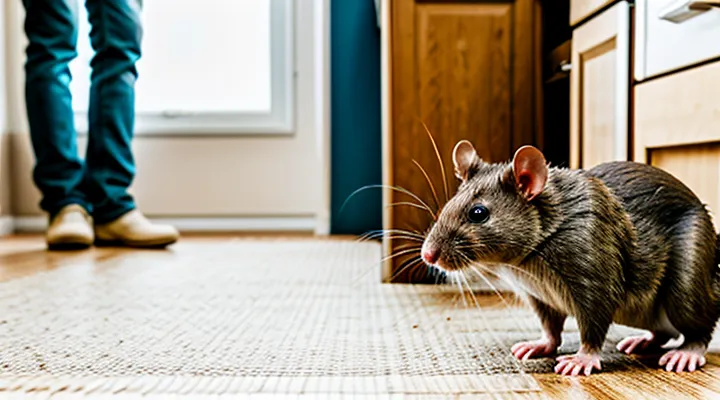
The Allure of Shelter: Why Rats Choose Your Home
Easy Access Points: Uninvited Guests
Gaps and Cracks: Structural Weaknesses
Rats infiltrate residences primarily through openings that compromise the building envelope. Small fissures in foundations, poorly sealed utility penetrations, and deteriorating wall sheathing create unobstructed pathways. Cracks around windows, doors, and vents often go unnoticed, yet they permit entry for rodents as small as half an inch in diameter. Loose or missing weatherstripping further reduces barrier integrity, allowing rats to exploit seasonal temperature changes.
Typical structural vulnerabilities include:
- Gaps around pipe sleeves and conduit entries
- Cracks in concrete slabs or basement walls
- Openings beneath stairwells and soffits
- Damaged or untrimmed eaves and roof decking
- Unsealed gaps around HVAC ducts and chimney flues
Remediation requires sealing all identified openings with appropriate materials such as steel wool, caulk, expanding foam, or metal flashing. Regular inspections of foundation joints, exterior cladding, and roof penetrations help maintain a continuous barrier, limiting rat access and reducing infestation risk.
Openings in Foundations: Entry Below Ground
Rats often gain access to a dwelling through gaps in the foundation that lie below the soil line. Cracks in concrete slabs, unfinished crawl‑space walls, and unsealed utility penetrations create direct pathways from the subterranean environment to interior spaces. Because rats can squeeze through openings as small as ½ inch, even minor defects provide viable entry points.
Common sources of below‑ground entry include:
- Horizontal cracks caused by settlement or thermal movement.
- Vertical fissures around pipe sleeves, vent stacks, and conduit runs.
- Gaps around foundation footings where soil erosion has exposed the structure.
- Unsealed joints between concrete and masonry or between slab and foundation wall.
Repair measures must address both the physical opening and the conditions that promote its formation. Sealing cracks with hydraulic cement, installing stainless‑steel flashing around penetrations, and applying waterproof membranes to crawl‑space walls prevent moisture accumulation that can expand gaps. Regular inspections after heavy rain or ground movement help identify new openings before rats exploit them.
Preventive design considerations—such as continuous footing insulation, proper grading away from the building, and the use of rat‑proof vent covers—reduce the likelihood of subterranean intrusion. Maintaining these barriers eliminates one of the primary routes by which rodents infiltrate residential properties.
Unsealed Pipes and Vents: Utility Inroads
Unsealed pipes and vents create direct pathways for rats to enter residential structures. Gaps around water, gas, and sewage lines often remain after installation or renovation, providing hidden routes that bypass doors and windows. Vent openings without proper screens allow rodents to travel from the exterior directly into attic spaces, crawl spaces, or basements. These utility inroads are especially attractive because they connect to areas with consistent temperature, moisture, and potential food sources.
Key characteristics of vulnerable utility penetrations include:
- Gaps larger than ¼ inch around pipe sleeves or conduit collars.
- Missing or damaged vent covers, especially in roof or wall assemblies.
- Improperly sealed wall penetrations where pipe insulation has been removed.
- Unfinished basement or crawl‑space walls with exposed pipe entries.
Remediation requires sealing each opening with appropriate materials. Use steel wool or copper mesh to fill gaps, then apply high‑temperature silicone caulk or expanding foam rated for pest control. Replace damaged vent screens with metal grates that have mesh openings no larger than ¼ inch. Conduct a thorough inspection of all utility lines, including dishwasher, washing‑machine, and dryer exhausts, to ensure no entry points remain. Regular maintenance of seals prevents re‑infestation and eliminates the primary conduit for rodent ingress.
Damaged Screens and Doors: Compromised Barriers
Rats exploit any opening that compromises the integrity of a home’s exterior envelope. When window screens, door frames, or weather‑stripping are torn, warped, or missing, rodents can push through with minimal resistance.
Typical failures include:
- Torn or punctured mesh that no longer blocks small bodies.
- Gaps around hinges, hinges bolts, or door sweeps that have shifted out of alignment.
- Cracked or warped door panels that create cracks larger than a rat’s head.
- Deteriorated caulking around doors and windows that leaves seams exposed.
Inspection should focus on visible wear and hidden seams. Use a flashlight to trace the perimeter of each screen and door, checking for loose threads, rusted hinges, and displaced seals. Any breach larger than 1 cm permits entry.
Remediation steps:
- Replace damaged screens with reinforced mesh designed to resist chewing.
- Realign door frames, tighten screws, and reinstall or upgrade weather‑stripping.
- Apply a durable, rodent‑resistant sealant to all gaps around hinges, locks, and thresholds.
- Conduct periodic maintenance to detect new damage before it enlarges.
By restoring the continuity of these barriers, homeowners eliminate one of the most common pathways rats use to infiltrate living spaces.
The Feast Awaits: Food and Water Attractants
Accessible Food Sources: A Rodent's Buffet
Unsecured Food Storage: Open Pantry
Rats are attracted to food that is easily reachable. An open pantry provides constant visual and olfactory cues, allowing rodents to locate and access stored items without obstruction. Loose packaging, exposed grains, and uncovered snacks create a reliable food source, encouraging rats to enter and remain in the home.
The presence of unsecured food supplies also supports rapid population growth. Rats can consume small quantities daily; a single pantry can sustain dozens of individuals. Continuous access reduces the need for foraging outside, increasing the likelihood of nesting within walls, ceilings, or cabinets adjacent to the pantry.
Preventive actions
- Store all dry goods in airtight containers made of metal or heavy‑wall plastic.
- Keep pantry doors closed; install self‑closing hinges if necessary.
- Remove spilled crumbs and debris daily; vacuum shelves after each use.
- Rotate stock regularly; discard expired or stale items promptly.
- Conduct routine inspections for gnaw marks or droppings and seal any gaps in the pantry structure.
Pet Food and Bird Seed: Easy Pickings
Pet food left uncovered provides a reliable source of protein and fat that rats quickly learn to exploit. When bowls are placed on countertops, floors, or pet crates without lids, crumbs and spills create a persistent attractant. Even small amounts of dry kibble can sustain a breeding pair, allowing the population to expand rapidly.
Bird seed stored in open containers or scattered near feeders becomes an additional food supply. Seeds are high in calories and easy for rodents to gnaw. Feeders that dispense seed onto the ground or lack protective mesh enable rats to harvest the material without obstruction. The combination of pet food and bird seed creates a continuous buffet that reduces the need for rats to search beyond the immediate area.
Key practices to eliminate these food sources:
- Store pet kibble in airtight containers made of metal or thick plastic.
- Clean feeding areas after each meal; sweep up dropped pieces and wipe surfaces.
- Keep bird seed in sealed bins; use feeder designs that block rodent access.
- Position feeders away from building foundations and elevate them on sturdy poles.
- Inspect storage rooms regularly for spilled seed or broken containers.
Removing readily available nourishment forces rats to seek alternative, less hospitable environments, thereby decreasing the likelihood of a household infestation.
Food Waste and Compost: Delectable Leftovers
Food waste left in open containers creates a reliable source of nutrition for rats, encouraging them to explore and inhabit residential spaces. The scent of decomposing matter travels easily through walls and floorboards, guiding rodents toward potential feeding sites.
- Unsealed trash cans allow easy access to scraps, reducing the effort required for rats to obtain food.
- Compost piles placed near the home emit strong odors that attract foraging behavior.
- Residual crumbs on countertops, floors, or in appliance interiors provide continuous, low‑effort nourishment.
- Improperly stored pet food or birdseed offers additional caloric resources that rats can exploit.
When these food sources are consistently available, rats establish regular foraging routes, expand their burrow networks, and increase reproductive activity. Eliminating exposed waste, securing compost containers, and maintaining a clean kitchen environment directly diminish the incentives that drive rat infestation.
Available Water Sources: Quenching Thirst
Leaky Pipes and Faucets: Constant Supply
Leaking water lines and dripping fixtures create a reliable moisture source that sustains rat populations. Continuous water flow eliminates the scarcity that would otherwise limit rodent activity, allowing individuals to remain active throughout the day and night.
A steady supply of water influences rats in several ways:
- Increases foraging range because hydration needs are met locally.
- Supports reproductive cycles; females can produce larger litters when water is abundant.
- Encourages nesting near the leak, reducing exposure to predators and human detection.
- Facilitates movement through walls and floors, as moisture softens building materials and creates pathways.
Addressing leaks removes the primary attractant, disrupting the habitat conditions that enable rat colonies to thrive inside homes.
Pet Water Bowls: Readily Available
Pet water bowls placed outdoors or near entry points provide a reliable moisture source that can sustain rat activity. Rats require water daily; an accessible bowl eliminates the need for them to search elsewhere, increasing the likelihood of repeated visits and eventual colonization.
Key factors linking water bowls to infestations:
- Location near doors, windows, or cracks offers rats immediate access to the interior.
- Open‑top designs allow easy drinking without obstruction.
- Materials that retain condensation create additional humidity, attracting rodents.
- Frequent refilling maintains a constant supply, preventing natural scarcity from limiting rat presence.
Mitigation strategies focus on eliminating the bowl as a water reservoir while preserving pet hydration:
- Relocate bowls to interior rooms with closed doors and no direct rodent pathways.
- Use sealed containers or bowls with weighted lids that permit pet access but block rodents.
- Install a drip‑free feeder that supplies water through a valve activated by the animal’s presence.
- Regularly inspect and clean bowls to remove spills that could create secondary moisture sources.
By controlling the placement and design of pet water containers, homeowners reduce one of the most readily available attractants for rats, thereby lowering the risk of a household infestation.
Standing Water Outdoors: Natural Reservoirs
Standing water outdoors creates natural reservoirs that sustain rat populations near homes. These water sources supply hydration, support vegetation and insects that serve as food, and provide shelter for nesting and movement. When rats can access reliable water, their survival rates increase, raising the likelihood that individuals will explore nearby structures in search of additional resources.
Common outdoor reservoirs include:
- Puddles formed after rain, especially in low‑lying areas or depressions.
- Ditches and swales that collect runoff and remain wet for extended periods.
- Storm drains with stagnant water when debris blocks flow.
- Birdbaths, ornamental ponds, and decorative fountains lacking regular cleaning.
- Clogged gutters or downspouts that retain water behind debris.
- Discarded containers such as tires, buckets, or plastic bins left in open spaces.
- Piles of mulch, leaf litter, or compost that retain moisture.
These sites attract rats by offering:
- A constant drinking supply, reducing the need to seek water inside the building.
- A habitat for insects and small invertebrates, expanding the food base.
- Protective cover that shields rats from predators and harsh weather.
- Pathways that facilitate movement between exterior food sources and interior entry points.
Mitigating the risk involves eliminating standing water through proper grading, regular cleaning of drainage systems, removal of water‑holding containers, and ensuring that ornamental water features are maintained with circulation or filtration. By reducing outdoor water reservoirs, the incentive for rats to approach residential structures diminishes, lowering the probability of indoor infestation.
Nesting Nook: Ideal Living Conditions
Abundant Hiding Spots: Secluded Sanctuaries
Cluttered Areas: Undisturbed Havens
Cluttered spaces provide rats with secure, undisturbed shelters that support population growth. Piles of paper, cardboard, clothing, or stored items create labyrinthine structures that conceal movement, limit human disturbance, and maintain stable micro‑climates.
Rats exploit these environments for several reasons. The dense arrangement of objects blocks visual detection, reducing the likelihood of encounters with residents or predators. Accumulated debris retains heat, offering warmth during colder periods. Hidden food residues—crumbs, pet feed, or discarded waste—remain accessible within the clutter, sustaining the rodents without requiring them to venture into open areas.
Mitigating the risk involves systematic reduction of concealed habitats:
- Remove unnecessary items from closets, basements, and attics; retain only essential belongings.
- Store remaining objects on shelves or in sealed containers; avoid stacking on the floor.
- Perform regular cleaning to eliminate food particles and debris.
- Inspect storage areas for gaps, holes, or openings; seal them with steel wool or caulk.
- Schedule periodic inspections to detect early signs of rodent activity, such as gnaw marks or droppings.
By eliminating undisturbed havens, the environment becomes inhospitable, directly decreasing the likelihood of rat colonization.
Storage Boxes and Attics: Prime Real Estate
Rats are drawn to storage boxes and attic spaces because these areas provide shelter, food sources, and unobstructed travel routes. The enclosed environment protects rodents from predators and weather, while the abundance of concealed materials offers nesting opportunities.
Key attributes that make storage containers and attics attractive to rats include:
- Accumulated debris and cardboard that supply building material for nests.
- Residual food particles or spills that serve as a low‑effort diet.
- Stable temperatures that remain warm in winter and cool in summer, reducing the energy rats need to maintain body heat.
- Limited human disturbance, especially in rarely accessed attic zones.
- Structural gaps, such as vents, roof eaves, or poorly sealed boxes, that allow easy entry and exit.
These conditions collectively create a microhabitat conducive to rodent colonization, directly contributing to household infestations. Mitigating the risk involves sealing entry points, maintaining cleanliness within storage containers, and regularly inspecting attic insulation for signs of activity.
Basements and Crawl Spaces: Dark and Quiet
Basements and crawl spaces frequently serve as entry points for rodent populations because they combine shelter, darkness, and minimal human activity. The absence of light discourages predators and encourages nocturnal species to establish nests where they remain undisturbed.
These areas maintain relatively constant temperatures, typically ranging from 55 °F to 70 °F, which creates an optimal microclimate for breeding and survival. Structural openings—such as foundation cracks, vent covers, and utility penetrations—offer direct pathways from the exterior to the interior environment.
Moisture accumulation from leaking pipes, condensation, or groundwater provides a reliable water source. Accumulated debris, insulation, and stored items supply food and nesting material, further enhancing suitability for infestation.
Effective mitigation requires a systematic approach:
- Inspect and seal all gaps larger than ¼ inch with steel wool, concrete, or metal flashing.
- Repair plumbing leaks and install vapor barriers to eliminate excess humidity.
- Remove clutter, cardboard, and excess insulation that could serve as nesting sites.
- Install rodent‑proof vent covers and maintain clear clearance around utility entries.
- Deploy bait stations or snap traps in concealed locations, monitoring activity regularly.
Consistent implementation of these measures reduces the attractiveness of basements and crawl spaces, limiting the likelihood of rat colonies establishing within residential properties.
Warmth and Protection: Comfortable Environment
Insulation and Wall Voids: Cozy Retreats
Insulation materials and wall cavities create stable temperature, humidity, and protection from predators, making them attractive shelters for rats seeking permanent residence within a building. Dense fibrous insulation retains heat and moisture, while gaps between studs, ducts, and pipe penetrations form concealed pathways that rats can navigate without detection. The combination of warm, dry conditions and hidden routes enables rapid colony establishment and expansion.
Rats exploit these features by:
- gnawing through insulation to enlarge entry points,
- using voids to store food and nest material,
- traveling between rooms through concealed channels, and
- avoiding exposure to exterior threats by remaining within the building envelope.
Mitigation requires sealing all openings larger than a quarter inch, replacing damaged insulation, and insulating exterior walls with materials that resist rodent chewing. Regular inspections of attics, basements, and crawl spaces, coupled with professional pest‑control assessments, reduce the likelihood that insulation and wall voids will serve as permanent rat habitats.
Appliance Gaps: Hidden Warmth
Appliance gaps provide rats with concealed sources of heat, encouraging them to establish nests inside residential structures. Small openings around refrigerators, dishwashers, ovens, and laundry machines allow warm air to escape, creating micro‑environments that remain above ambient temperature even during cold weather.
These micro‑climates reduce the energy rats must expend to maintain body heat, increasing the likelihood of colonization in otherwise cool areas such as basements and crawl spaces. The constant warmth also supports the growth of insects and fungi, which serve as additional food sources for rodents.
Typical locations where gaps occur:
- Space between refrigerator back panel and wall
- Gap behind dishwasher door
- Clearance around oven vent or stovetop exhaust
- Opening around dryer exhaust duct
- Void beneath washing‑machine pedestal
Preventive measures focus on sealing and insulating these openings. Recommended actions include:
- Measuring each gap and applying fire‑rated silicone or metal mesh to close it.
- Installing weatherstripping around appliance doors and panels.
- Ensuring vent ducts are properly fitted and insulated.
- Conducting regular inspections for wear or displacement of seals.
By eliminating hidden warmth, homeowners remove a critical attractant, thereby lowering the probability of rat intrusion and subsequent infestation.
Environmental Factors: External Pressures
Seasonal Changes: Seeking Refuge
Cold Weather: Indoor Migration
Cold temperatures reduce outdoor habitat suitability, prompting rats to seek warmth inside homes. The shift occurs when ambient temperature falls below the species’ thermal comfort zone, typically around 10 °C (50 °F).
Key drivers of indoor migration include:
- Diminished food availability in fields and gardens as crops die or are harvested.
- Frozen ground that prevents burrowing and hampers nest construction.
- Increased competition for limited shelter among conspecifics, forcing individuals to explore new sites.
- Snow cover that isolates surface pathways, directing movement toward building openings.
Indicators of rat entry during cold periods:
- Fresh gnaw marks on insulation, wiring, or structural beams near foundation cracks.
- Accumulated droppings in attics, basements, and concealed corners.
- Fresh urine stains on walls or floors, often accompanied by a musky odor.
- Visible tracks in dust or powder near entry points such as utility penetrations, vent hatches, or door sweeps.
Mitigation measures focus on eliminating access and reducing attraction:
- Seal gaps larger than ¼ in. (6 mm) using steel wool, cement, or metal flashing.
- Install door sweeps and weather stripping on all exterior doors.
- Maintain a temperature gradient by insulating crawl spaces and basements, discouraging heat loss that draws rodents.
- Store food in sealed containers, remove outdoor waste promptly, and keep compost bins away from structures.
- Conduct regular inspections during fall and early winter to detect early signs of intrusion and address them before populations establish.
Heavy Rains and Flooding: Displacement
Heavy rainfall and subsequent flooding often force rodents to abandon their natural habitats. Saturated soil collapses burrows, while rising water levels submerge nests, prompting rats to seek dry shelter.
When their outdoor environment becomes inhospitable, rats migrate toward structures that offer protection from moisture and predators. Homes provide stable temperatures, elevated flooring, and readily available food sources, making them attractive alternatives during flood events.
The migration typically coincides with the onset of the rainy season, and signs of displacement include increased sightings near basements, crawl spaces, and utility openings shortly after floodwaters recede.
To limit infiltration after flooding:
- Inspect and repair cracks in foundations, walls, and around utility penetrations.
- Install metal flashing or sealants on vent openings, sewer pipes, and drainage outlets.
- Elevate stored food and waste containers above ground level.
- Maintain proper yard grading to direct surface water away from the building.
- Conduct regular traps and monitoring in high‑risk areas during and after heavy rain periods.
Nearby Construction: Disrupted Habitats
Excavation and Land Clearing: Forced Relocation
Excavation and land clearing frequently trigger forced relocation, which directly alters the environment that households depend on for rodent resistance. The process disrupts subterranean habitats, removes natural predators, and introduces abundant shelter and food sources that attract rats to new residential areas.
- Soil disturbance releases hidden burrows, allowing rats to migrate into nearby homes.
- Removal of vegetation eliminates cover that normally confines rodent activity to open fields.
- Construction debris creates nesting sites and accumulates organic waste.
- Increased waste generation from building activities supplies a steady food supply.
- Displacement of established rodent colonies forces individuals to seek refuge in human dwellings.
Each factor contributes to a rapid rise in rodent sightings after communities are moved. Disturbed soil exposes tunnels, while debris and waste provide immediate shelter and nourishment, encouraging rats to establish colonies within the perimeter of newly occupied houses.
Effective mitigation requires coordinated actions: prompt removal of construction refuse, secure storage of food waste, sealing of potential entry points, and rapid restoration of cleared land with vegetation that discourages rodent habitation. Implementing these measures during the relocation phase reduces the likelihood of long‑term household infestation.
Demolition of Old Buildings: Seeking New Homes
Demolition of aging structures frequently forces resident rat populations to abandon established burrows. When a building is razed, underground tunnels collapse, food sources disappear, and shelter becomes unavailable. The sudden loss of habitat compels rodents to explore nearby environments in search of safety.
New housing developments, especially those built adjacent to former demolition sites, often present attractive alternatives. Fresh construction provides gaps in foundations, unsecured utility lines, and temporary storage areas that rats can infiltrate. The proximity of these sites to residential neighborhoods increases the likelihood that displaced rodents will enter homes.
Key factors linking demolition to household rodent activity:
- Disruption of existing tunnel networks forces rats to travel farther.
- Accumulation of demolition debris creates temporary shelters near homes.
- Construction waste offers additional food sources.
- Incomplete sealing of new structures leaves entry points exposed.
Mitigation measures include sealing gaps in new buildings before occupancy, promptly removing demolition waste, and monitoring for rodent activity during and after construction. Implementing these actions reduces the chance that displaced rats will establish colonies within residential properties.