
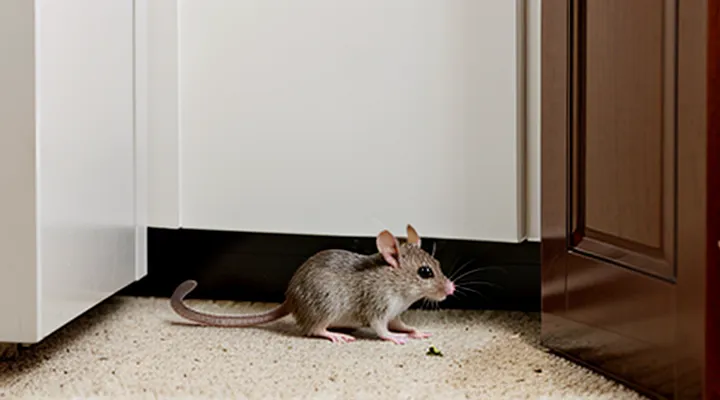
The Allure of Shelter: Why Homes Are Appealing
Protection from the Elements
Cold Weather Refuge
Mice seek shelter inside homes when outdoor temperatures drop below their comfort range. The interior of a house provides a stable, warm environment that protects them from frost and wind. Access points such as gaps around doors, windows, and utility lines allow rodents to enter unnoticed.
Key factors that make a residence attractive during cold periods include:
- Consistent heat: Central heating or residual warmth from appliances creates a temperature range suitable for mouse metabolism.
- Protection from predators: Indoor spaces eliminate exposure to cats, owls, and other natural hunters.
- Availability of food: Stored grains, pantry items, and spilled crumbs offer a reliable energy source when foraging outside becomes difficult.
- Nesting sites: Insulated walls, attics, and crawl spaces provide materials and corners ideal for building nests.
- Moisture control: Heated interiors reduce condensation, preventing the dehydration risk that cold weather imposes.
Effective prevention requires sealing entry points, maintaining cleanliness to limit food residues, and monitoring hidden areas for signs of nesting activity. By addressing these conditions, homeowners can reduce the likelihood that mice will use their property as a winter refuge.
Rain and Snow Avoidance
Mice seek shelter when rain saturates their burrows, destroys insulation, and forces food sources underground. Wet conditions reduce the stability of nesting material, prompting rodents to relocate to drier environments.
Snow creates a cold, hard surface that limits access to ground foraging and raises the energy cost of maintaining body temperature. The combination of low ambient temperature and reduced food availability drives mice to enter heated structures where warmth and stored provisions are readily available.
Key factors linking precipitation to indoor intrusion:
- Ground moisture compromises nest integrity, making external shelters untenable.
- Flooding displaces rodents, forcing immediate relocation.
- Snow cover isolates food caches, increasing the need for alternative sources.
- Low temperatures elevate metabolic demand, encouraging the search for warm habitats.
These weather‑driven pressures constitute a primary motive for mice to breach the exterior barrier of a house.
Predator Evasion
Mice seek shelter inside human dwellings primarily to escape natural predators. When outdoor environments become unsafe due to the presence of owls, hawks, snakes, or feral cats, rodents instinctively move toward concealed, predator‑free zones. Residential structures provide multiple advantages: tight wall cavities, insulated attics, and concealed gaps that limit visual contact and reduce the likelihood of aerial or terrestrial attacks.
- Small entry points prevent larger predators from following.
- Warm, quiet rooms diminish the activity of nocturnal hunters.
- Food storage areas offer sustenance without exposing mice to foraging risks.
By relocating to a house, mice minimize encounters with species that rely on sight, sound, or scent to locate prey. The reduction in predation pressure increases survival rates, allowing rodents to allocate energy toward reproduction rather than constant vigilance. Consequently, predator evasion stands as a critical driver behind their intrusion into human habitats.
Abundant Food Sources
Accessible Pantry Items
Mice enter homes primarily in search of food, and poorly secured pantry supplies provide a reliable source. When containers are left open, packaging is damaged, or items are stored on low shelves, rodents can easily reach the contents.
- Grains (rice, oats, wheat)
- Cereals and granola bars
- Dried fruits and nuts
- Pet food and treats
- Sugary snacks (cookies, candy)
- Flour, sugar, and baking mixes
These products contain high carbohydrate or protein levels, which satisfy the mice’s dietary needs. Loose packaging or crumbs left on countertops create additional entry points, encouraging repeated visits.
Effective control requires airtight containers, elevated storage, and regular cleaning of surfaces to eliminate residual particles. By removing accessible food sources, the incentive for mice to breach a residence diminishes markedly.
Pet Food Spills
Pet food spills create a readily available, high‑calorie resource that attracts mice. When kibble, wet food, or treats fall onto floors or carpets, crumbs and moisture remain accessible for foraging rodents.
- Food particles left on surfaces provide a scent trail that guides mice into interior spaces.
- Moisture from wet food accelerates decomposition, releasing odors that intensify the attraction.
- Uncleaned spills encourage population growth by supporting breeding cycles and reducing competition for scarce resources.
- Repeated exposure to spilled food conditions mice to associate the household with reliable nourishment, increasing the likelihood of repeated entry.
Prompt removal of food debris, regular cleaning of feeding areas, and secure storage of pet provisions eliminate this primary lure, reducing the probability of a mouse infestation.
Unsealed Trash Cans
Unsealed trash cans provide a direct source of nourishment that draws mice into residential spaces. Food residues emit strong odors, which mice detect from considerable distances. When a container lacks a tight lid, crumbs, spills, and soft waste remain exposed, allowing rodents to feed without expending effort to locate alternative supplies.
Key factors linking open waste containers to mouse entry:
- Persistent scent trails that guide mice toward the interior of the home.
- Immediate access to high‑calorie items such as bread, fruit, and processed foods.
- Reduced need for foraging outside, increasing the likelihood of establishing a nest nearby.
- Accumulation of moisture and organic matter that supports bacterial growth, further attracting rodents.
Securing trash with fitted lids and regularly cleaning containers eliminates these incentives, thereby decreasing the probability of mouse infestation.
Leftovers and Crumbs
Mice seek out environments where food is readily available, and unattended leftovers or crumbs provide precisely that. The presence of even minute food residues creates a reliable energy source, encouraging mice to explore and eventually establish a foothold inside a dwelling.
- Visible crumbs on countertops, floors, or near cooking appliances.
- Unsealed packages of snacks, cereal, or baked goods.
- Pet food left out overnight or stored in open containers.
- Food spills or residues in garbage bins that are not emptied regularly.
- Crumbs that accumulate in pantry shelves, especially behind items.
Removing these attractants reduces the probability of mouse entry. Consistent cleaning, airtight storage of all consumables, and prompt disposal of waste are essential practices for preventing infestations.
Readily Available Water
Leaky Faucets and Pipes
Leaking faucets and pipes create a persistent water source that draws mice into residential structures. The constant moisture satisfies rodents’ need for hydration, especially during dry periods when external water is scarce. Additionally, leaks often produce small droplets and damp surfaces that provide ideal conditions for nesting material to remain soft and pliable.
- Dripping fixtures raise indoor humidity, softening insulation and wall cavities, which mice exploit for shelter.
- Accumulated water stains signal a reliable supply, encouraging exploratory behavior and establishing foraging routes.
- Moisture attracts insects and other small prey, generating a secondary food source that supports mouse populations.
- Persistent leaks may erode seals and create gaps in plumbing, offering entry points that bypass exterior barriers.
Addressing these issues reduces the attractiveness of a home to rodents. Repairing faulty fixtures, sealing pipe joints, and promptly drying affected areas eliminate the water incentive. Regular inspections of under‑sink cabinets and crawl spaces help detect early signs of leakage before mice can exploit them.
Pet Water Bowls
Pet water bowls create a consistent source of moisture that attracts rodents seeking hydration. Open containers allow water to evaporate, leaving damp surfaces and occasional spills that provide easy access to liquid.
- Uncovered bowls expose water to the environment, encouraging mice to investigate.
- Spilled water accumulates on floors or cabinets, forming hidden reservoirs.
- Bowls placed near feeding stations combine scent trails of food and water, reinforcing foraging pathways.
- Plastic or ceramic vessels can develop cracks that retain moisture, offering concealed drinking spots.
- Frequent refilling without cleaning leaves residue that signals a reliable resource.
Mitigation strategies focus on eliminating these attractants. Use sealed, spill‑proof dispensers made of metal or heavy‑duty plastic. Position bowls away from pantry edges and clean the surrounding area daily to remove dampness. Replace water at regular intervals and disinfect containers to prevent residue buildup. These actions reduce the likelihood that a household’s pet water supply will serve as a catalyst for mouse intrusion.
Condensation Accumulation
Condensation accumulation creates persistent damp areas that attract mice seeking water and shelter. Moisture settles on ceilings, walls, and hidden corners, softening building materials and facilitating the growth of fungi and insects, which become additional food sources.
Damp environments also provide ideal nesting conditions. Wet insulation, cardboard, and fabric retain heat and humidity, allowing mice to construct comfortable nests without the need for extra material.
Key effects of condensation that encourage mouse intrusion include:
- Persistent moisture that supplies a reliable water source.
- Softened structural components that are easier to gnaw and penetrate.
- Increased presence of insects and mold, expanding available food.
- Creation of warm, humid microhabitats suitable for nesting.
Addressing condensation through ventilation, insulation upgrades, and moisture barriers reduces these attractants, making the interior less hospitable to mice.
Entry Points and Access
Gaps and Cracks in Foundations
Utility Line Openings
Utility line openings create direct pathways for rodents to enter residential structures. Gaps around water, gas, electricity, and communication cables often remain unsealed after installation or repair. These apertures offer protection from predators, stable temperature, and easy access to interior spaces, making them attractive to mice seeking shelter and food sources.
Typical entry points include:
- Service‑entry holes where main lines penetrate exterior walls.
- Conduit sleeves that lack proper sealing around the pipe perimeter.
- Cable‑run gaps left after drilling for wiring or fiber optic lines.
- Ventilation ducts that intersect utility shafts without flashing.
Mice exploit these openings because they provide continuous routes from the outdoors to interior voids, such as wall cavities and crawl spaces. Once inside, the rodents can travel along the utility infrastructure to reach kitchen areas, stored food, and nesting sites.
Preventive measures require systematic inspection and closure of all utility penetrations. Effective sealing materials consist of steel wool, copper mesh, or expanding foam combined with silicone or acrylic caulk. Metal flashing should be installed around larger conduit entries to create a durable barrier. Regular maintenance checks after construction or renovation help identify newly created gaps before they become established entry routes.
By eliminating utility line openings, homeowners remove one of the most reliable access routes for mice, thereby reducing the likelihood of infestation.
Weep Holes
Weep holes are small openings deliberately left in foundations, walls, and drainage systems to allow moisture to escape. Their size, typically ranging from ¼ inch to ½ inch, matches the dimensions that house mice can easily squeeze through. When these gaps are not sealed, they become direct pathways for rodents seeking shelter, food, and a stable microclimate.
Mice exploit weep holes for several practical reasons:
- Access to interior spaces without exposing themselves to predators on the exterior.
- Ability to travel along moisture‑laden surfaces, which support their need for water.
- Opportunity to enter basements, crawl spaces, and wall cavities where food residues often accumulate.
The presence of weep holes also creates a pressure differential that draws air into a building’s envelope. This airflow can carry scent particles, alerting mice to the interior environment and encouraging further exploration. Unsealed weep holes therefore act as both physical and sensory conduits.
Mitigation measures include installing fine mesh screens, using expandable foam sealants, or retrofitting with adjustable weep covers that maintain drainage while preventing rodent entry. Regular inspection of foundation walls, brick veneer, and drainage systems ensures that any new or enlarged openings are promptly addressed, reducing the likelihood of mouse intrusion.
Unsealed Doors and Windows
Damaged Weatherstripping
Damaged weatherstripping creates gaps around doors and windows that eliminate the physical barrier mice rely on to stay outside. When the seal wears, cracks widen, allowing rodents to squeeze through openings as small as a quarter of an inch. The compromised barrier also disrupts the pressure differential that normally pushes air outward, making the interior more inviting for mice seeking shelter from temperature extremes.
- Cracks expose interior spaces to outdoor scents, signaling a safe route to food and nesting material.
- Gaps reduce the effectiveness of other exclusion methods, such as door sweeps and screen meshes.
- Openings increase airflow, drawing in warmth during winter and cooling air in summer, conditions that mice favor for nesting.
Repairing or replacing weatherstripping restores a continuous seal, eliminates entry points, and reinforces overall pest‑prevention measures. Regular inspection of the material’s condition prevents small tears from expanding into larger vulnerabilities that mice can exploit.
Gaps Under Doors
Mice frequently exploit the space beneath exterior doors because it offers an unobstructed pathway from the outdoors to interior rooms. The gap, often created by uneven flooring, settling foundations, or poorly fitted door sweeps, can be as narrow as a quarter‑inch yet still large enough for a mouse to squeeze through. Once inside, mice can travel along walls, locate food sources, and establish nests, increasing the likelihood of infestation.
Key factors that make under‑door gaps attractive to rodents:
- Accessibility: The opening connects directly to the exterior, eliminating the need for mice to climb over obstacles.
- Protection: The gap provides a sheltered route, shielding mice from predators and weather while they move inward.
- Proximity to food: Exterior doors often lead to kitchens or pantries, placing mice near readily available nutrition.
- Ease of concealment: Small openings are difficult to detect during routine inspections, allowing mice to remain hidden for extended periods.
Mitigation measures focus on eliminating the passage. Installing tight‑fitting door sweeps, sealing cracks with steel wool and caulk, and ensuring the threshold sits flush with the floor reduce the risk of entry. Regular inspection of door perimeters, especially after seasonal temperature changes that can shift building materials, helps maintain a barrier against mouse intrusion.
Roof and Attic Access
Damaged Shingles
Damaged shingles create openings that allow mice to bypass the roof’s protective barrier. Cracked, missing, or loosened tiles expose the underlying sheathing, providing a direct path for rodents to climb and enter attic spaces. Once inside, mice can access insulation, wiring, and stored food, establishing a foothold that leads to further infestation.
Key effects of compromised roofing material include:
- Easy entry points: gaps as small as ¼ inch permit mouse passage.
- Reduced deterrence: intact shingles conceal interior conditions, while damage signals vulnerability.
- Increased shelter: exposed beams and insulation become attractive nesting sites.
- Accelerated spread: mice navigate from attic to lower floors through ceiling joists and wall cavities.
Repairing or replacing damaged shingles eliminates these access routes, restoring the roof’s integrity and removing a primary factor that draws mice into residential structures. Regular inspection and prompt maintenance are essential to prevent roof degradation and subsequent rodent intrusion.
Unscreened Vents
Unscreened vents create direct openings that match the size of adult house mice, allowing them to slip inside without obstruction. The absence of mesh or grating eliminates any physical barrier, turning a ventilation system into a convenient passageway.
Key factors that make unscreened vents attractive to rodents include:
- Appropriate aperture – openings typically range from 1 to 2 inches, sufficient for a mouse to enter and exit.
- Warm, sheltered environment – vents channel heated indoor air, offering a stable microclimate that reduces exposure to external predators and weather.
- Proximity to food sources – vents are often located near kitchens, pantries, or garbage disposals, placing mice close to nourishment immediately after entry.
- Ease of navigation – smooth interior surfaces of ductwork provide unobstructed routes to hidden corners, wall voids, and attic spaces where mice can establish nests.
- Reduced detection – because vents are concealed behind walls or ceilings, occupants may not notice mouse activity until damage or droppings appear.
Installing fine mesh screens or metal grates over all vent openings blocks entry points, forces mice to seek alternative, less accessible routes, and limits the likelihood of infestation. Regular inspection of vent covers ensures that damage or gaps do not reappear, maintaining the integrity of the barrier over time.
Plumbing and Utility Intrusions
Gaps Around Pipes
Gaps that form around plumbing and ventilation pipes create direct pathways for mice to enter a building. The openings typically appear where pipe sleeves intersect walls, floors, or ceilings, and their size often matches the small body dimensions of common house mice, allowing effortless passage.
- Unsealed joints between pipe and structural material leave holes as small as ¼ inch, sufficient for mouse heads.
- Shifts in building settlement or temperature changes cause cracks to widen around pipe collars, increasing the size of existing gaps.
- Moisture condensation on pipe surfaces attracts rodents, which seek humid environments for nesting and food storage.
- Improper installation of pipe sleeves or lack of steel wool or foam insulation leaves voids that are not easily detected during routine inspections.
Mice exploit these weaknesses because they provide concealed routes that bypass exterior barriers such as doors, windows, and screens. Once inside, the animals can travel along the pipe network to reach hidden areas, including attics, crawl spaces, and utility rooms, where they establish nests and contaminate stored food. Regularly sealing pipe penetrations with appropriate caulking, metal mesh, or expanding foam eliminates the primary conduit for rodent intrusion and reduces the likelihood of infestation.
Dryer Vents
Dryer vents often provide the easiest route for mice to enter a dwelling. The exterior opening connects directly to the interior ductwork, creating a continuous passage that rodents can exploit without encountering barriers.
Mice are drawn to dryer vents for three primary reasons. Warm air expelled during drying creates a temperature gradient that attracts the animals. The vent’s interior offers a protected tunnel away from predators. Food particles and lint that accumulate in the duct present an additional source of nourishment.
Key vulnerabilities in dryer vent systems include:
- Unscreened exterior openings that lack metal or mesh protection.
- Gaps around the vent pipe where the duct meets the wall or roof.
- Deteriorated or missing vent covers that fail to seal the passage.
Effective preventive measures consist of:
- Installing a stainless‑steel mesh or screen over the external vent opening.
- Sealing all joints with caulk or metal flashing to eliminate gaps.
- Replacing damaged vent covers with units that lock securely in place.
- Conducting quarterly inspections to verify the integrity of the vent assembly.
Addressing these issues removes a common entry point, reducing the likelihood that mice will use dryer vents to infiltrate a house.
Nesting and Breeding Opportunities
Secluded and Undisturbed Areas
Wall Voids
Mice frequently exploit the empty spaces that exist behind interior walls. These cavities form when construction leaves gaps around studs, electrical wiring, plumbing, and insulation. Small openings, often less than a quarter of an inch, allow rodents to slip inside without detection.
Once inside a wall void, mice gain shelter, a stable temperature, and proximity to food sources such as pantry items or pet feed stored nearby. The darkness and protection from predators make the cavity an ideal nesting site, encouraging repeated entry and population growth.
Typical indicators of rodent activity in wall voids include:
- Scratching sounds heard within walls, especially at night.
- Droppings found near baseboards, vents, or electrical outlets.
- Gnaw marks on wiring, insulation, or framing material.
- Visible entry holes around utility penetrations or exterior siding.
Preventive measures focus on sealing all openings larger than 1/4 in., installing steel wool or copper mesh in gaps, and maintaining airtight insulation. Regular inspection of utility entries and prompt repair of damaged drywall reduce the likelihood that mice will establish a foothold within the wall cavity.
Attic Insulation
Attic insulation creates an environment that attracts mice. Loose or damaged material offers nesting material, while gaps around vents and joists provide easy entry points. Warm, dry insulation reduces the need for mice to seek shelter elsewhere, making the attic a preferred habitat.
Key factors linking insulation to rodent intrusion:
- Accessible entry points – Unsealed openings in the roof or around utility penetrations allow mice to slip into the insulated cavity.
- Abundant nesting material – Fiberglass batts, cellulose, or foam chips can be shredded and used for burrows.
- Stable microclimate – Insulation maintains consistent temperature and humidity, eliminating external weather fluctuations that would otherwise deter mice.
- Food proximity – Insulated attics often sit above kitchens or storage areas; mice can travel downward to access stored grains or crumbs.
Improving insulation integrity reduces these attractions. Seal all gaps with steel wool or caulk, replace damaged batts, and install rodent‑proof mesh over vent openings. Regular inspections detect early signs of nesting or chew damage, preventing mouse populations from establishing in the attic.
Basement Clutter
Mice are drawn to basements that contain excessive clutter because such environments offer shelter, food sources, and unobstructed pathways. Disorganized storage creates hidden pockets where rodents can hide, nest, and move without detection.
- Piles of cardboard, fabric, or paper provide insulation and nesting material, reducing the need for mice to seek alternative sites.
- Accumulated debris often includes food residues or packaging, presenting readily available nutrition.
- Stacked items obstruct sightlines, allowing mice to travel along walls and ceilings without exposure to predators or human activity.
- Clutter creates gaps and openings around stored objects, facilitating entry points for rodents from the soil or crawl spaces.
Reducing basement clutter eliminates these advantages, making the area less attractive to mice and easier to monitor for signs of infestation.
Readily Available Nesting Materials
Fabric Scraps
Fabric scraps left in a home create an attractive environment for mice. Loose textile fibers serve as readily available building material, allowing rodents to construct nests quickly and with minimal effort. The presence of such material reduces the time required for a mouse to establish a secure shelter, increasing the likelihood that a house will be colonized.
In addition to nesting, fabric remnants can retain odors from food spills, body sweat, or pet products. These scent cues signal a source of nourishment or a safe habitat, drawing mice from surrounding areas. When fabric pieces are scattered in corners, closets, or under appliances, they also provide concealed pathways that facilitate movement and hide the animals from predators or human detection.
Key ways fabric scraps contribute to rodent intrusion:
- Supply for nest construction, accelerating settlement.
- Retention of food‑related odors, acting as attractants.
- Creation of concealed routes that enhance mobility within the structure.
- Accumulation in hidden spaces, increasing shelter options and reducing exposure.
Paper Products
Paper products create a strong pull for rodents seeking shelter, food, and nesting material. Cardboard boxes, shredded newspaper, and loose sheets absorb moisture and emit faint odors that signal a safe environment, encouraging mice to explore and establish a presence inside a dwelling.
- Nesting material: Soft fibers in tissue, paper towels, and toilet paper provide easily manipulated building blocks. Mice collect and shred these items to construct insulated nests, reducing exposure to temperature fluctuations.
- Food source: Some paper products contain residual starches, sugars, or grease, especially in packaging from processed foods. These trace nutrients supply supplemental calories that support rapid reproduction.
- Moisture retention: Absorptive paper holds ambient humidity, creating a micro‑climate favorable for mouse survival. Elevated moisture levels also attract insects, which become additional prey.
- Concealment: Stacked magazines, folders, and cardboard create concealed pathways that facilitate discreet movement throughout a home, allowing mice to evade predators and human detection.
- Chemical cues: Certain inks and adhesives release volatile compounds that can mimic pheromones or other attractants, subtly guiding mice toward areas rich in paper waste.
Managing paper clutter—regularly discarding cardboard, storing documents in sealed containers, and maintaining dry conditions—directly reduces the incentives that drive rodents to enter and remain in residential spaces.
Insulation Fibers
Mice frequently target homes where insulation fibers are present. The fibers offer a readily available source of soft material that mice use to construct nests, reducing the energy required to gather suitable bedding. Gaps around insulation, such as poorly sealed attic vents or wall cavities, create concealed pathways that allow rodents to enter without detection. Additionally, loose fibers can accumulate near entry points, masking the sound of movement and making it harder for occupants to notice intrusion.
Key ways insulation fibers contribute to mouse intrusion:
- Provide nesting material that meets the species’ preference for warmth and softness.
- Hide structural imperfections, allowing mice to exploit tiny openings.
- Retain moisture, creating an environment conducive to rodent activity.
- Reduce visibility of tracks and droppings, delaying identification of an infestation.
Effective mitigation includes sealing all gaps around insulation, using dense, non‑fibrous insulation types where possible, and regularly inspecting attics and walls for displaced fibers. Prompt removal of accumulated material further discourages rodents from establishing a foothold.
Proximity to Human Activity
Accidental Introductions
Grocery Bags
Grocery bags often become a focal point for mouse activity inside homes. Plastic and paper bags left open or stored in corners create easy access to food residues, providing a reliable energy source. The material itself can serve as a nesting substrate, especially when bags are crumpled or contain soft items such as produce or bread crumbs. Additionally, bags placed near entry points conceal pathways, allowing mice to move undetected from the exterior to interior spaces.
Key factors linking grocery bags to mouse intrusion:
- Unsealed bags expose food scraps that attract foraging rodents.
- Bag interiors retain moisture, promoting bacterial growth that further draws mice.
- Loose or torn bags offer material for constructing nests.
- Storing bags on the floor or in basements places them close to potential entry holes.
- Reusing bags without cleaning transfers scent trails, signaling a safe feeding location.
Mitigation measures include sealing bags tightly, discarding them promptly, storing unused bags in sealed containers, and regularly cleaning areas where bags are handled. These actions reduce the availability of food and shelter, diminishing the likelihood that mice will target a residence.
Moving Boxes
Moving boxes often become a primary factor in mouse intrusion. Cardboard provides a warm, dry environment that mimics natural burrows, encouraging rodents to seek refuge inside.
Key aspects that make moving boxes attractive to mice:
- Shelter – Stacked boxes create hidden cavities and tunnels, offering protection from predators and weather.
- Food source – Boxes may contain packaging material, paper, or crumbs, supplying a readily available nutrient supply.
- Access routes – Gaps between boxes and walls form entry points that mice can exploit to move deeper into the home.
- Moisture retention – Cardboard absorbs humidity, creating a micro‑climate favorable for rodent habitation.
To reduce the risk, store boxes in sealed containers, keep them off the floor, and inspect for torn seams before bringing them indoors. Regularly cleaning the moving area eliminates residual food particles that could sustain an infestation.
High Population Density Areas
High population density areas create conditions that attract mice to residential structures. The concentration of human activity generates abundant food sources, such as waste, pet food, and stored pantry items, which provide a reliable nutritional supply for rodents. Structural crowding also leads to the proliferation of small openings, cracks, and gaps in walls, foundations, and utility lines, offering easy entry points for mice seeking shelter.
Key factors linking dense environments to house invasion include:
- Abundant food waste: Frequent disposal of organic material near homes supplies a continuous attractant.
- Limited natural habitats: Urban expansion reduces outdoor nesting sites, compelling mice to seek refuge indoors.
- Increased shelter opportunities: High-rise buildings and tightly packed housing create numerous concealed voids ideal for burrowing and nesting.
- Elevated competition: Overcrowded rodent populations intensify competition for resources, prompting individuals to explore new territories, including private dwellings.
- Human movement patterns: Frequent foot traffic and transportation networks facilitate the accidental transport of mice into houses via clothing, boxes, and delivery vehicles.
Research indicates that mitigating these factors—by securing waste containers, sealing entry points, and maintaining clean indoor environments—substantially reduces the likelihood of rodent intrusion in densely populated neighborhoods.