
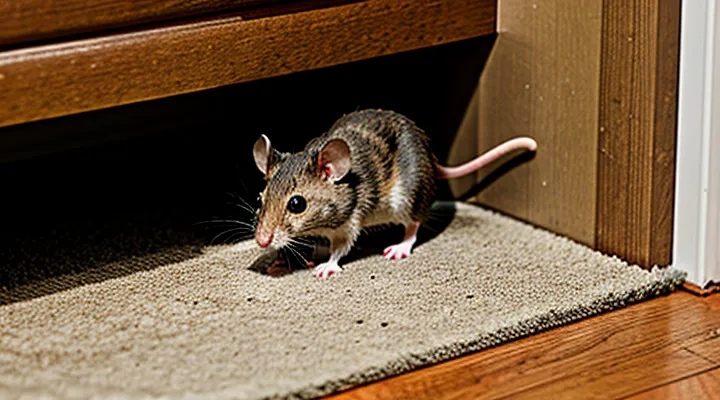
Understanding Mouse Behavior and Seasonal Ingress
Natural Instincts and Survival Drivers
Mice increase indoor activity during particular periods because instinctual and survival mechanisms align with seasonal changes.
When external temperatures fall, thermoregulatory behavior compels the species to locate environments that maintain a stable, warmer microclimate. Human dwellings provide insulation that reduces energy expenditure required for body heat maintenance.
Reproductive cycles peak in spring, creating a heightened demand for secure nesting sites. Structural cavities, wall voids, and attic spaces satisfy the need for protected brood chambers, reducing exposure to predators and environmental fluctuations.
Food availability declines in late summer and early autumn as natural foraging resources become scarce. Stored grains, pantry items, and waste within homes offer a reliable caloric source, supporting both adult sustenance and offspring growth.
Predation pressure intensifies during periods of increased predator activity, prompting mice to seek refuge in locations where visual and auditory cues are minimized. Indoor environments limit encounters with natural hunters, enhancing survival odds.
Key natural drivers of seasonal indoor incursions:
- Thermoregulation during colder months
- Breeding-driven need for safe nesting areas
- Scarcity of external food supplies in late summer/fall
- Avoidance of heightened predation risk
These factors collectively shape the pattern of mouse entry into residential structures across the year.
Environmental Factors Influencing Movement
Food Scarcity in Outdoor Environments
Food scarcity in natural habitats intensifies during colder months, prompting rodents to seek alternative sources. As vegetation dies back and stored seeds become depleted, the caloric deficit forces mice to expand their foraging range. Limited availability of insects and reduced plant growth further diminish the outdoor food supply.
During winter and early spring, the combination of low temperatures and diminished vegetation creates a predictable period of nutritional stress. Mice respond by moving closer to human dwellings, where waste, stored grains, and pet food provide reliable sustenance. The attraction to indoor environments increases proportionally with the severity of external scarcity.
Key factors that drive mice toward homes in these seasons:
- Decline of seed production in fields and gardens.
- Reduced insect activity caused by low temperatures.
- Frost‑induced loss of ground cover, exposing mice to predators and limiting hiding places.
- Increased human waste generation during holiday periods, offering accessible food sources.
The result is a measurable rise in indoor rodent activity coinciding with the seasonal dip in outdoor nourishment. Monitoring outdoor food availability can help predict periods of heightened entry risk and guide preventative measures. «Effective control strategies focus on eliminating indoor attractants while enhancing outdoor habitat resilience».
Water Availability Changes
Seasonal fluctuations in water sources drive rodents to seek shelter within human dwellings. During dry periods, natural reservoirs such as puddles, streams, and moist soil diminish, reducing the availability of drinking water in outdoor habitats. Consequently, mice expand their foraging range to locate reliable hydration, often leading them to enter basements, kitchens, and other interior spaces where water is accessible from sinks, leaky pipes, or condensation.
When precipitation increases, temporary water abundance can temporarily satisfy rodents’ needs, decreasing interior incursions. However, rapid transitions between wet and dry conditions create unstable water supplies. In such intervals, mice exhibit heightened movement toward structures that provide consistent moisture, especially in early spring and late autumn when rainfall patterns shift.
Key factors linking water scarcity to indoor activity:
- Reduced outdoor moisture compels mice to explore interior environments for drinking sources.
- Leaking fixtures or condensation offer attractive, steady water, encouraging entry.
- Seasonal temperature changes influence evaporation rates, altering surface moisture availability.
- Drought‑induced vegetation loss limits cover, increasing exposure and prompting relocation to protected indoor areas.
Shelter from Predators
During colder periods, the availability of natural cover declines, exposing rodents to heightened predation pressure. Outdoor habitats become less secure as leaves fall and snow reduces hiding places, prompting mice to seek environments where predators are less prevalent.
Typical predators that influence this behavior include:
- Owls and hawks, which hunt from the air and can reach ground nests.
- Snakes, which exploit ground litter and burrows.
- Domestic and feral cats, which patrol perimeters and enter structures.
- Raptors such as kestrels, which target open fields during dusk.
Indoor spaces provide structural features that limit predator access: sealed walls, limited entry points, and environments lacking the visual cues that trigger hunting. The combination of reduced exposure and physical barriers makes residences an effective refuge during seasons when external threats intensify.
Seasonal Patterns of Mouse Incursions
Autumn: The Peak Season for Home Invasion
Declining Outdoor Food Sources
Mice are driven indoors when natural food supplies diminish. During late summer, seed production tapers as plants complete their reproductive cycle, leaving fewer kernels on the ground. Autumn brings leaf fall, which reduces ground cover and the insects that thrive beneath it. Winter eliminates most vegetation and freezes remaining seeds, making outdoor foraging ineffective.
The scarcity forces rodents to expand their search radius toward human dwellings, where stored grains, pet food, and pantry items remain accessible. Buildings offer consistent temperature, protection from predators, and a reliable food source, all of which become attractive as external options wane.
Typical outdoor food items that decline seasonally:
- Mature seeds of grasses and weeds
- Fallen fruit and nuts
- Insect larvae and adult insects
- Fresh plant shoots and buds
When these resources disappear, mice increasingly exploit indoor supplies, explaining the seasonal pattern of household intrusion.
Dropping Temperatures and Search for Warmth
Dropping ambient temperatures create a thermal gradient that drives small rodents toward environments where heat is retained. As outdoor air approaches freezing, the metabolic cost of maintaining body temperature rises sharply. Mice respond by seeking shelter that offers a stable, higher temperature than the surrounding climate.
Homes provide several sources of warmth: central heating systems, insulated walls, warm appliances, and stored bedding materials. These conditions reduce the energy required for thermoregulation and protect against frost damage to tissues.
Key factors influencing the movement into residential spaces:
- Significant decrease in external temperature
- Availability of insulated cavities and crevices
- Presence of continuous heat sources (radiators, heating ducts)
- Reduced exposure to wind and precipitation
The combination of these elements makes indoor habitats attractive during colder periods, prompting mice to enter residences in search of thermal refuge.
Reproductive Cycles and Population Growth
Mice exhibit heightened indoor activity during periods when reproductive cycles intensify. Breeding peaks in late spring and early autumn, coinciding with optimal temperature and food availability. Hormonal changes trigger estrus in females, leading to frequent mating and rapid conception.
Key reproductive characteristics include:
- Average litter size of five to eight pups.
- Gestation lasting approximately 19‑21 days.
- Ability to produce up to five litters per year under favorable conditions.
- Early weaning, with juveniles reaching sexual maturity at 6‑8 weeks.
Population growth accelerates when successive litters overlap, creating exponential increases in local density. Elevated numbers intensify competition for external resources, prompting individuals to seek shelter and sustenance within human structures. Consequently, the months surrounding peak breeding exhibit the greatest frequency of mouse ingress into homes.
Winter: Seeking Sustenance and Shelter
Harsh Weather Conditions Driving Indoors
Harsh weather conditions compel mice to seek shelter inside human dwellings.
During autumn, decreasing temperatures and increasing precipitation reduce the availability of natural cover and food sources. Mice respond by moving into insulated structures where heat loss is minimized and moisture is controlled.
Winter intensifies these pressures. Freezing ground temperatures limit foraging opportunities, while snow accumulation blocks access to burrows. Indoor environments provide stable warmth, protection from predators, and consistent food supplies.
Summer heat also triggers indoor migration. Excessive temperatures dehydrate surface habitats, and drought reduces seed and insect populations. Buildings offer cooler interiors, especially in basements and crawl spaces, that maintain survivable humidity levels.
Key factors driving this seasonal relocation include:
- Temperature extremes that exceed physiological tolerance thresholds.
- Reduced outdoor food availability caused by seasonal scarcity.
- Increased exposure to predators when foraging conditions become hostile.
- Structural openings created by weather‑induced wear, which facilitate entry.
Understanding these environmental drivers assists in implementing preventive measures, such as sealing entry points before temperature shifts and eliminating indoor food sources that attract rodents.
Limited Resources Outside
Mice are compelled to infiltrate human dwellings when external supplies diminish. Food sources such as seeds, insects, and fallen fruit become scarce as autumn progresses, prompting rodents to seek stored provisions within houses. Water availability contracts during dry spells, and frozen ground limits access to subterranean reservoirs, further intensifying the drive toward indoor environments.
Winter intensifies these pressures. Low temperatures reduce metabolic efficiency, increasing the need for caloric intake. Snow cover isolates surface foraging areas, while wind and precipitation erode natural burrows, leaving few viable shelters. Consequently, mice exploit the warmth, consistent humidity, and readily available food stores found inside residential structures.
Key external constraints that trigger indoor migration include:
- Declining seed and grain reserves after harvest
- Reduced insect activity during colder months
- Frozen soil preventing root access to water
- Diminished vegetative cover exposing predators
Understanding the correlation between limited outdoor resources and seasonal indoor intrusion enables targeted preventive measures, such as sealing entry points before resource scarcity peaks and managing external attractants throughout vulnerable periods.
Spring and Summer: Reduced but Persistent Activity
Increased Outdoor Opportunities
During the transition from winter to spring, outdoor environments provide mice with abundant food, nesting material, and expanded territory. The increase in natural resources reduces the necessity to remain confined to limited winter shelters.
- Fresh vegetation and seed heads appear, offering high‑calorie sustenance.
- Insect activity rises, supplementing protein intake.
- Ground cover becomes denser, allowing concealment from predators.
- Reproductive cycles accelerate, prompting the establishment of new burrows.
These favorable conditions encourage mice to extend their foraging range. As individuals travel farther from original nests, the likelihood of encountering building foundations, vents, and gaps rises. Entry points that were previously unused become attractive pathways for rodents seeking temporary shelter or additional food stores. Consequently, the seasonal surge in outdoor opportunities directly correlates with increased indoor presence.
Continued Search for Nesting Sites
Mice persistently seek suitable nesting locations as temperatures shift and natural shelters become scarce. In autumn, leaf litter and ground debris diminish, reducing outdoor cover and prompting rodents to explore interior spaces where insulation and warmth are readily available. Winter deepens this drive; heated rooms provide stable microclimates that support reproductive cycles and reduce energy expenditure required for thermoregulation.
Key aspects of the ongoing nesting‑site search include:
- Decline of external burrows due to frozen ground or moisture saturation.
- Availability of concealed crevices in walls, attics, and basements that mimic natural burrows.
- Presence of stored food supplies that sustain breeding pairs and offspring.
- Reduced predation pressure inside structures compared with open environments.
These factors collectively explain the seasonal pattern of indoor entry, highlighting the role of continuous nesting‑site acquisition in mouse behavior.
Common Entry Points and Prevention
Identifying Vulnerabilities in Home Structures
Gaps and Cracks in Foundations
Mice exploit structural weaknesses in building foundations, especially when seasonal conditions drive them indoors. Cracks formed by soil movement, frost heave, or settling create passages that align with the animals’ search for stable temperatures and shelter.
Typical entry points include:
- Horizontal fissures along the perimeter wall where soil pressure fluctuates.
- Gaps around utility penetrations such as water, gas, and electrical lines.
- Openings at the junction of the foundation and the crawl‑space floor.
- Deteriorated mortar or missing lintels in older masonry.
Seasonal patterns intensify these vulnerabilities. In autumn, dropping temperatures prompt mice to seek warm interior spaces; expanding soil contracts, widening existing cracks. Winter freezes the ground, causing frost heave that pushes foundation walls outward, further enlarging gaps. Spring thaw reverses the process, but moisture saturation softens soil, allowing new fissures to develop as the structure adjusts.
Effective mitigation focuses on identifying and sealing these openings before peak rodent activity. Recommended actions are:
- Conduct a thorough visual inspection of the foundation exterior and interior, noting any visible cracks wider than ¼ inch.
- Apply durable sealants—such as polyurethane caulk or epoxy mortar—to fill gaps, ensuring adhesion to both concrete and masonry.
- Install metal flashing or stainless‑steel mesh around utility penetrations to prevent re‑entry.
- Maintain proper grading away from the building to reduce water accumulation and pressure on the foundation wall.
- Schedule periodic re‑inspection after extreme weather events to verify the integrity of repairs.
Addressing foundation gaps and cracks directly reduces the likelihood that seasonal temperature shifts will compel mice to infiltrate residential spaces.
Unsealed Utility Openings
Unsealed utility openings—gaps surrounding water lines, gas pipes, electrical conduits, and ventilation ducts—create direct pathways for rodents seeking refuge inside residential structures.
During colder periods, mice migrate indoors to maintain body temperature; unsealed gaps provide immediate entry without the need for climbing exterior walls. In warmer intervals, the same openings grant access to food sources stored in kitchens and basements, as well as dry nesting material. The seasonal drive for shelter and sustenance converges on these vulnerable points.
Typical utility entry locations include:
- Spaces around water supply pipes penetrating foundations
- Openings at the base of gas lines entering the home
- Gaps surrounding electrical service cables entering through walls
- Uncapped vent shafts and dryer exhaust ducts
- Seams around outdoor lighting fixtures and security cameras
Effective mitigation requires sealing each aperture with appropriate materials: steel wool combined with caulking for small gaps, metal flashing for larger penetrations, and insulated pipe sleeves where temperature differentials exist. Regular inspection of utility connections before seasonal transitions ensures that potential entryways remain blocked, reducing the likelihood of rodent intrusion.
Damaged Screens and Vents
Damaged screens and vents provide direct pathways for rodents during periods when outdoor temperatures drive them to seek shelter. Cracks, torn mesh, or missing sections in window screens allow mice to slip inside without confronting barriers designed to block entry. Similarly, vents that lack proper screening or have become corroded create openings large enough for small mammals to navigate.
Key factors linking compromised openings to seasonal infestations include:
- Temperature fluctuations that push mice to move indoors for warmth in colder months and for protection from heat in summer.
- Increased humidity and food availability near damaged vents, attracting rodents seeking favorable conditions.
- Reduced effectiveness of other exclusion measures when entry points remain unsealed.
Repairing or replacing screens and vent covers eliminates these access routes. Installing reinforced mesh, sealing gaps with weather‑resistant caulk, and regularly inspecting for wear maintain structural integrity. Routine maintenance, especially before seasonal transitions, prevents mice from exploiting vulnerable points and reduces the likelihood of indoor colonization.
Open Doors and Windows
Open doors and windows serve as primary entry points for rodents, especially when seasonal conditions drive mice to seek shelter and food sources inside buildings. During colder periods, mice migrate from outdoor nests to warmer interiors; the availability of unrestricted openings accelerates this movement.
When temperatures drop, mice increase activity near human dwellings, attracted by heat and stored provisions. Openings left unattended during these months create direct pathways, eliminating the need for mice to gnaw through walls or crawl under foundations. Conversely, in warmer seasons, heightened vegetation and insect populations draw mice outward, yet occasional open windows still permit accidental entry during nighttime foraging.
Key aspects of open doors and windows that influence seasonal mouse ingress:
- Gaps larger than 1 cm allow adult mice to pass without obstruction.
- Unscreened vents or poorly fitted frames provide additional routes.
- Doorways left ajar during daylight hours expose interiors to foraging rodents seeking shelter from sudden temperature changes.
- Window openings without secure screens enable entry during rain or wind, conditions that prompt mice to retreat quickly.
- Seasonal maintenance lapses, such as delayed replacement of damaged screens in autumn, increase vulnerability.
Securing all openings with tight-fitting closures, weatherstripping, and robust screens reduces the likelihood of rodent intrusion throughout the year. Regular inspection of door and window seals, especially before temperature shifts, eliminates the most common access points for seasonal mouse activity.
Proactive Measures for Mouse Exclusion
Sealing Entry Points
Mice seek refuge inside structures when external conditions become unfavorable. During colder months, low temperatures drive rodents toward heated interiors, while warm, dry periods encourage movement toward homes offering consistent moisture and food sources. Openings such as cracks around foundations, gaps beneath doors, and unsealed utility penetrations serve as primary pathways for seasonal infiltration.
Effective prevention focuses on eliminating these pathways. The following actions constitute a systematic approach:
- Inspect exterior walls, roof eaves, and crawl spaces for visible gaps larger than ¼ inch.
- Apply steel‑wool or copper mesh to fill holes in siding, then cover with a durable sealant.
- Install door sweeps and weatherstripping on all exterior doors, ensuring a tight seal when closed.
- Replace deteriorated flashing around windows and vents with corrosion‑resistant material.
- Use expanding polyurethane foam to seal irregular openings around pipes, cables, and vents.
- Verify that attic and basement access points, including ventilation grilles, are fitted with mesh screens rated for rodent exclusion.
Regular maintenance checks, especially after seasonal weather changes, confirm that repaired sections remain intact. Continuous attention to structural integrity reduces the likelihood of rodents establishing indoor residence throughout the year.
Maintaining a Clean and Tidy Environment
Mice seek shelter and food when temperatures drop in autumn and winter, and they look for warm, accessible entry points during spring breeding surges. Food residues, clutter, and unsealed containers create attractants that guide rodents to homes during these periods. A tidy interior removes visual and olfactory cues, lowering the likelihood of seasonal incursions.
Effective measures include:
- Storing dry goods in airtight containers made of metal or thick plastic.
- Removing spilled grains, crumbs, and pet food promptly after each meal.
- Sweeping and vacuuming floors weekly to eliminate trace food particles.
- Discarding expired or unused food items from pantries and cupboards.
- Keeping storage areas, such as basements and garages, free of cardboard boxes, paper stacks, and other debris that can serve as nesting material.
- Sealing gaps around doors, windows, and utility penetrations with steel wool or caulking to block potential entry routes.
Regular inspection of interior spaces for signs of gnaw marks, droppings, or nesting material supports early detection. By maintaining a consistently clean and organized environment, the attraction for rodents during vulnerable seasonal windows diminishes significantly.
Storing Food Properly
Mice increase indoor activity during cooler months when natural food sources diminish. Accessible pantry items create an immediate attractant, encouraging rodents to breach structural barriers. Limiting this lure requires strict control of food availability within the dwelling.
Effective food storage practices include:
- Sealing all dry goods in containers made of metal or thick plastic with airtight lids.
- Placing pet feed and birdseed in locked cupboards or in containers that cannot be opened without a tool.
- Removing crumbs and spills promptly, cleaning surfaces with a damp cloth after each meal.
- Rotating supplies regularly to avoid spoilage that emits strong odors.
- Installing secondary barriers such as zip‑lock bags inside larger containers for an added layer of protection.
When food supplies are inaccessible, mice lose incentive to explore entry points, reducing the likelihood of seasonal incursions. Consistent application of these measures sustains a hostile environment for rodents, ultimately limiting their presence inside homes during vulnerable periods.
Landscaping Considerations Near the Home
Seasonal patterns of rodent activity often correlate with the condition of vegetation surrounding a residence. Proper landscaping can reduce the likelihood that mice seek shelter inside during colder or wetter periods.
Key considerations include:
- Maintaining a clear perimeter by trimming shrubs, grass, and groundcover to within one meter of the foundation; dense plantings create protected pathways for rodents.
- Removing fallen leaves, mulch, and debris that accumulate near the house; these materials retain moisture and provide nesting material.
- Selecting plant species with low seed production and minimal fruiting in late summer and autumn, thereby limiting food sources that attract mice as temperatures drop.
- Elevating compost piles and storing garden waste in sealed containers; organic matter left outdoors becomes a seasonal attractant.
- Installing hardscape barriers such as stone or brick edging to separate soil beds from the building envelope, preventing easy burrow entry.
Regular inspection of irrigation systems is essential. Leaking hoses or over‑watering create damp soil, which mice favor for nesting during colder months. Repairing leaks and adjusting watering schedules to match seasonal rainfall reduces moisture‑rich habitats.
Ground-level structures, including decks, sheds, and firewood racks, should be positioned away from the house and raised on concrete pads. This limits direct contact between the building foundation and potential rodent shelters.
Implementing these landscaping practices creates an environment less conducive to seasonal mouse intrusion, thereby supporting overall home protection.