
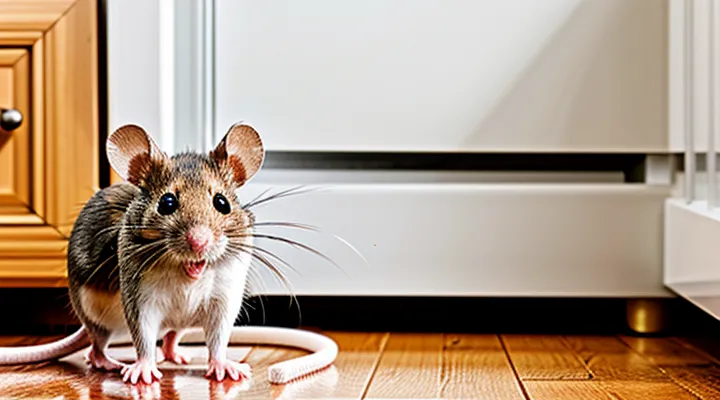
Understanding the Mouse Problem
Common Reasons for Mouse Infestations
Seeking Shelter and Warmth
Mice enter residential spaces primarily to escape cold temperatures and find protected nesting sites. Outdoor conditions below 15 °C trigger a physiological drive for warmth; the interior of a home offers stable temperatures, insulated walls, and concealed cavities that satisfy this need. Access points such as gaps around doors, utility penetrations, and poorly sealed foundations provide the routes mice exploit to reach these favorable micro‑environments.
Preventing entry based on the shelter‑seeking behavior involves eliminating both the incentive and the pathways:
- Seal all exterior cracks larger than ¼ inch with steel wool, caulk, or metal flashing.
- Install door sweeps and weather stripping on exterior doors and windows.
- Insulate crawl spaces and attics to reduce temperature differentials that attract rodents.
- Store firewood, compost, and stored food at least 30 feet from the building’s perimeter.
- Maintain vegetation at a distance of 3 feet from the foundation to limit cover for climbing.
Monitoring interior conditions further discourages habitation. Keep indoor humidity between 30 % and 50 % to deter nesting material buildup, and regularly inspect hidden areas such as behind appliances, under sinks, and within wall voids for signs of gnawing or droppings. Prompt removal of any detected activity prevents colony establishment and reduces the likelihood of repeated incursions.
Access to Food and Water
Mice are attracted to homes primarily because they can locate reliable sources of nourishment and hydration. Food residues left on countertops, crumbs under appliances, or unsecured pet feed provide the calories required for rapid reproduction. Even small amounts of spilled grain, cereal, or sugary liquids can sustain a colony. Water, whether from leaky pipes, dripping faucets, or pet water bowls left unattended, completes the nutritional circuit and encourages mice to establish permanent nests.
To eliminate these incentives, follow a systematic approach:
- Store all dry goods in airtight containers made of metal or thick plastic.
- Clean eating areas after each meal; sweep floors and wipe surfaces to remove residues.
- Dispose of garbage in sealed bins and remove trash regularly.
- Keep pet food in sealed containers and feed only the amount needed for each feeding.
- Inspect and repair leaks in kitchens, bathrooms, and basements; dry any standing water promptly.
- Position water dishes on elevated surfaces and refill only when empty.
By denying mice access to consumable resources, the likelihood of infestation diminishes dramatically, reducing the need for further control measures.
Breeding and Proliferation
Mice reproduce rapidly under conditions common in residential environments. A female can produce a litter of 4‑8 offspring after a gestation period of 19‑21 days, and she may become fertile again within 24 hours of giving birth. Consequently, a single pair can generate several hundred descendants within a year if unchecked.
Successful breeding requires three elements: food availability, shelter, and access to water. Food sources include stored grains, pet feed, and crumbs left on countertops. Shelter is provided by clutter, insulation gaps, and wall voids that protect young from predators and temperature extremes. Water is obtained from leaking pipes, pet dishes, or condensation in basements.
Proliferation intensifies when these resources are abundant and when entry points remain open. Mice exploit cracks as small as ¼ inch, gaps around utility lines, and unsealed door sweeps. Once inside, they establish nests near heat sources, facilitating faster development of pups.
Preventive actions focus on disrupting the breeding cycle:
- Eliminate food residues: store products in airtight containers, clean surfaces after meals, and secure pet feed.
- Reduce shelter: declutter storage areas, seal cracks with steel wool and caulk, and install door sweeps.
- Control moisture: repair leaks, dry damp basements, and avoid standing water.
- Limit access: install mesh over vents, maintain exterior trim, and inspect for new openings regularly.
By targeting reproduction drivers and denying entry, the mouse population within a dwelling can be kept below levels that cause infestations.
Signs of Mouse Presence
Droppings and Urine Smells
Mice leave droppings and urine that emit a sharp, ammonia‑like odor. The presence of these residues confirms activity, even when the animals are not seen. Droppings are typically 3‑5 mm long, dark, and found along walls, behind appliances, or in pantry corners. Urine stains appear as discolored patches, often near food sources or entry points.
These waste products carry pathogens such as Hantavirus, Salmonella, and Leptospira, which can be transmitted through inhalation of dried particles or direct contact. The odor also signals deteriorating indoor air quality, potentially aggravating respiratory conditions.
To eliminate contamination and reduce attraction:
- Wear disposable gloves and a mask; ventilate the area.
- Collect droppings with a damp paper towel; place in a sealed bag.
- Disinfect surfaces with a 1 % bleach solution or an EPA‑approved rodent sanitizer.
- Launder fabrics and replace porous insulation if heavily soiled.
- Seal cracks, install door sweeps, and store food in airtight containers to deny future access.
Regular inspection and prompt cleaning remove the sensory cues that draw mice back into the home.
Gnaw Marks and Damage
Mice leave characteristic gnaw marks on wood, plastic, wiring, and insulation. The incisors grow continuously, forcing the rodents to chew constantly to keep teeth at a functional length. As a result, they create shallow, crescent‑shaped holes that expand with repeated activity.
These bite marks compromise structural integrity. In furniture, gnawed joints weaken load‑bearing capacity. In walls, chewed insulation reduces thermal efficiency and creates gaps for air leakage. Damaged electrical cables expose conductors, raising the risk of short circuits and fire.
Visible gnaw evidence signals an active infestation and predicts further damage if unchecked. Early detection enables targeted action before rodents reach critical components such as HVAC ducts or plumbing.
- Seal entry points larger than ¼ inch with steel wool, caulk, or metal flashing.
- Install rigid metal or concrete barriers around vulnerable openings.
- Replace damaged wiring and insulation promptly, using rodent‑resistant materials where possible.
- Deploy snap traps or electronic bait stations near gnaw sites, monitoring and removing captured specimens daily.
- Maintain a clean environment: store food in sealed containers, eliminate standing water, and keep clutter to a minimum.
Implementing these measures stops gnawing activity, preserves property, and reduces health hazards associated with rodent‑induced damage.
Scratches and Squeaking Sounds
Mice generate characteristic scratches and high‑pitched squeaks that can pinpoint an infestation before visual evidence appears.
The noises arise when rodents travel along concealed pathways such as wall voids, attic rafters, or beneath floorboards. Scratching results from claws gripping rough surfaces, while squeaking is produced by rapid jaw movements during communication or feeding. Both sounds intensify at night when mice are most active.
Recognizing these auditory cues enables early intervention. The following actions reduce the likelihood that such sounds will develop into a full‑scale problem:
- Seal entry points larger than a quarter‑inch with steel wool, caulk, or copper mesh.
- Install solid‑core doors and weather‑stripping to block gaps around frames.
- Eliminate interior clutter that creates hidden routes for movement.
- Maintain a clean kitchen: store food in airtight containers, promptly clean crumbs, and dispose of garbage in sealed bins.
- Place ultrasonic deterrents or motion‑activated traps in areas where scratching or squeaking is heard.
Regular inspection of potential travel routes—especially behind appliances, in ceiling spaces, and beneath cabinets—allows detection of fresh gnaw marks or fresh droppings accompanying the noises. Promptly addressing these signs prevents mice from establishing nests, thereby averting structural damage and health risks associated with their presence.
Preventing Mouse Incursions
Sealing Entry Points
Inspecting Foundation and Walls
Inspecting the foundation and walls is essential for identifying entry points that allow mice to infiltrate a residence. Cracks, gaps, and deteriorated sealants create direct pathways for rodents. Moisture accumulation weakens concrete and wood, expanding openings over time. Vegetation growing against the exterior foundation can bridge the gap between soil and structure, providing a convenient ramp for mice.
Key inspection points:
- Visible cracks in concrete footings, foundation walls, and basement slabs; measure width and monitor for widening.
- Gaps around utility penetrations, such as water, gas, and electrical lines; ensure fittings are tight and sealed.
- Openings around windows, doors, and basement egresses; verify that weatherstripping and door sweeps are intact.
- Areas where siding, brick, or stucco is damaged or missing; replace or repair to eliminate voids.
- Soil grading that slopes toward the building; regrade to direct water away and reduce soil pressure on walls.
When deficiencies are found, remediate immediately. Fill cracks with appropriate concrete repair mortar or epoxy, install steel wool or copper mesh before sealing to deter chewing, and apply a durable silicone or polyurethane caulk. Replace damaged siding and ensure all exterior penetrations are fitted with rodent‑proof sleeves. Maintain a clear perimeter by trimming shrubs, removing debris, and keeping mulch at least six inches from the foundation.
Regularly repeat the inspection, especially after heavy rain or seasonal changes, to confirm that repairs remain effective and no new vulnerabilities have emerged. Consistent monitoring and prompt maintenance reduce the likelihood of mouse intrusion and support long‑term pest prevention.
Securing Doors and Windows
Mice exploit any opening that permits access to interior spaces, and doors and windows provide the most frequent routes. Gaps beneath door sweeps, cracks in frames, loose hinges, and damaged screens create pathways that rodents can navigate with ease.
To eliminate these routes, follow a systematic sealing protocol:
- Install door sweeps that extend fully to the floor, ensuring no space larger than ¼ inch remains.
- Apply continuous weatherstripping around door and window perimeters; choose silicone or rubber strips for durability.
- Fill all visible cracks and gaps in frames, sills, and walls with acrylic‑latex caulk or expanding foam, targeting openings as small as 1 mm.
- Replace torn or missing screen mesh with steel‑reinforced material; secure with tight‑fit spline.
- Fit hinged or sliding windows with latch mechanisms that fully close; verify that latches engage flush with the frame.
- Add a layer of ½‑inch hardware cloth over larger ventilation openings, securing it with stainless‑steel staples.
Regular inspection sustains effectiveness. Conduct a visual check each month, focusing on high‑traffic entry points after weather events. Replace worn weatherstripping, reapply caulk to any new cracks, and verify that sweeps remain in contact with the floor. Consistent maintenance prevents re‑establishment of entry routes and reduces the likelihood of rodent intrusion.
Repairing Gaps in Utilities
Mice exploit openings around water lines, gas pipes, electrical conduits, and ventilation ducts to enter residential structures. These gaps often result from aging construction, improper installation, or damage during renovations. When left unsealed, they provide direct pathways to food sources, shelter, and nesting sites, increasing the likelihood of infestation.
Effective prevention begins with a systematic inspection of all utility penetrations. Identify any visible cracks, gaps larger than a quarter‑inch, and deteriorated sealant. Pay special attention to areas where different building materials meet, such as where a metal pipe passes through a wooden wall or where a conduit exits the foundation.
Repair measures include:
- Removing old caulk, foam, or damaged flashing.
- Inserting steel wool or copper mesh into narrow openings before sealing.
- Applying high‑quality, rod‑resistant sealant or expanding polyurethane foam, ensuring the product is rated for the specific utility (e.g., fire‑rated for gas lines).
- Installing metal plates or conduit sleeves over larger gaps, fastening them with corrosion‑resistant screws.
- Re‑checking sealed areas after seasonal temperature changes to verify integrity.
Routine maintenance reinforces these actions. Schedule bi‑annual reviews of utility entry points, especially after severe weather or construction activity. Document repaired locations and materials used to track effectiveness and plan future upgrades. By consistently eliminating structural vulnerabilities, the entry opportunities for rodents diminish markedly.
Eliminating Food Sources
Storing Food in Airtight Containers
Mice locate homes by scent and by visible food sources. Unsealed packages release odors that guide rodents to kitchens and pantries, increasing the likelihood of infestation.
Airtight containers eliminate both the odor and physical access. The sealed environment prevents mice from gnawing through packaging and from detecting food through smell, thereby removing a primary attractant.
- Choose containers made of heavy‑wall plastic or glass with silicone seals.
- Verify that lids close flush without gaps; replace worn seals promptly.
- Store grains, cereals, nuts, and dried fruit in containers no larger than needed to minimize empty space.
- Label each container with the purchase date and use a first‑in‑first‑out system to avoid prolonged storage.
- Keep containers on shelves away from walls and floor level, reducing easy reach for rodents.
Consistent use of sealed storage reduces food availability, discourages mouse activity, and supports broader rodent‑prevention measures.
Cleaning Up Spills and Crumbs Promptly
Prompt removal of spills and crumbs eliminates the food sources that draw mice into residential spaces. Even minor residues on countertops, floors, or behind appliances provide enough nutrition for rodents to establish a foraging route. Consistent cleaning deprives them of the incentive to explore interior rooms, thereby reducing the likelihood of infestation.
Effective practices include:
- Wipe countertops and tables immediately after meals or food preparation.
- Sweep or vacuum floors daily, focusing on corners and under furniture.
- Use a damp cloth to collect sticky residues on cabinets, shelves, and appliance exteriors.
- Store bulk items in sealed containers; discard packaging that has been opened.
- Empty trash bins regularly and line them with tight‑fitting lids.
By integrating these actions into routine housekeeping, homeowners remove the primary attractant for mice and reinforce a hostile environment for potential intruders.
Managing Pet Food and Bird Seed
Pet food and bird seed provide high‑calorie resources that attract mice seeking shelter and nourishment. When these items are left unsecured, crumbs and spilled seeds create a consistent food supply, encouraging rodents to enter living spaces and establish nests.
Effective management reduces the likelihood of rodent incursions:
- Store dry pet food in sealed, metal or heavy‑plastic containers with gasket lids.
- Transfer only the portion needed for each feeding session to a separate bowl; return leftovers promptly.
- Place feeding dishes on sturdy, non‑movable surfaces; avoid paper plates or flimsy trays that can be tipped over.
- Keep bird seed in airtight containers; dispense to feeders that feature squirrel‑proof designs and restrict seed spillage.
- Clean feeding areas after each meal; sweep or vacuum debris, and wipe surfaces with a mild detergent.
- Position feeders away from building foundations, preferably on raised platforms that prevent direct access to walls or eaves.
By eliminating accessible food sources, the incentive for mice to explore the interior of a home diminishes, supporting long‑term prevention of rodent presence.
Maintaining a Clean Environment
Decluttering and Organizing
Mice are attracted to clutter because piles conceal food, provide nesting material, and create pathways that bypass barriers. Reducing these conditions removes essential resources and forces rodents to seek alternative shelter.
- Eliminate food residues by storing pantry items in sealed containers and promptly cleaning crumbs from countertops and floors.
- Remove paper stacks, cardboard boxes, and fabric piles that can serve as insulation or bedding.
- Keep garbage bins covered and empty them regularly to prevent odor buildup.
- Organize storage areas so that items are placed on shelves rather than on the floor, leaving open space for inspection and treatment.
A systematic approach to organization involves assessing each room, identifying high‑risk zones, and implementing a schedule for maintenance. Regularly inspect under appliances, behind furniture, and in attic or basement corners for signs of activity; immediate removal of debris in these spots interrupts the rodents’ habitat formation.
By maintaining a clear, orderly environment, the incentives for mice to enter and establish colonies are significantly diminished, supporting long‑term exclusion efforts.
Regular Vacuuming and Mopping
Mice are drawn to food particles, spilled liquids, and debris that accumulate on floors. These materials provide both nourishment and concealment, encouraging rodents to enter living spaces.
Regular vacuuming eliminates crumbs, dried food, and mouse droppings that would otherwise serve as a food source. The suction also removes nesting material such as shredded paper or fabric fibers left behind by rodents.
Mopping follows vacuuming by dissolving sticky residues and eradicating scent trails that mice use for navigation. A clean, damp surface leaves no moisture for the animals to exploit.
Practical routine:
- Vacuum high‑traffic zones (kitchen, dining area, pantry) daily.
- Use a brush‑roll attachment to dislodge particles from edges and corners.
- Mop floors with a mild detergent solution after each vacuuming session.
- Focus on under‑cabinet spaces, behind appliances, and near entry points.
- Replace vacuum bags or filters regularly to maintain suction efficiency.
Consistent execution of these steps reduces food availability and habitat suitability, decreasing the likelihood of rodent intrusion.
Proper Waste Disposal
Improperly managed refuse creates a reliable food source that draws mice into residential spaces. Food residues, spilled crumbs, and exposed garbage emit odors that mice detect from considerable distances, prompting them to explore entry points such as gaps around doors, vents, and utility lines.
Effective waste management eliminates this attraction. The following measures are essential:
- Store all waste in containers equipped with tight‑fitting lids; plastic bins with snap‑on closures are preferable to open‑top models.
- Transfer household trash to an external bin no more than once daily; avoid accumulation that permits decomposition and odor buildup.
- Clean the interior of waste containers regularly with a disinfectant solution to remove residual food particles.
- Position outdoor refuse containers away from building foundations, preferably on a non‑porous surface and at least two meters from doors and windows.
- Use sealed, rodent‑proof bags for kitchen scraps; dispose of them directly into the external bin rather than leaving them in countertop receptacles.
By maintaining a sealed, regularly emptied waste system, residents remove a primary incentive for mice to enter homes, thereby supporting broader pest‑prevention strategies.
Natural Deterrents and Repellents
Peppermint Oil and Other Scents
Peppermint oil is widely recognized for its strong menthol aroma, which overwhelms the olfactory receptors of mice and discourages entry into living spaces. The scent interferes with the rodents’ ability to detect food sources, prompting them to seek alternative habitats. Application methods include soaking cotton balls in undiluted oil and placing them in potential entry points, such as gaps around doors, windows, and baseboards, or mixing a few drops with water in a spray bottle for periodic surface treatment.
Other volatile compounds exhibit similar repellent properties:
- Eucalyptus oil – high in eucalyptol, creates a sharp, refreshing odor that mice avoid.
- Clove oil – contains eugenol, a potent irritant for rodent sensory nerves.
- Citronella – produces a citrus‑type fragrance that masks food cues.
- Lavender – emits a floral scent that disrupts rodent navigation.
Effectiveness depends on concentration, frequency of reapplication, and environmental conditions. Oils evaporate quickly; refresh the treatment every 3–5 days, especially in warm or well‑ventilated areas. Combine scent deterrents with structural measures—seal cracks, install door sweeps, and eliminate food debris—to achieve reliable control of mouse activity inside the home.
Ultrasonic Devices
Ultrasonic repellents emit sound waves above 20 kHz, a frequency beyond human hearing but audible to rodents. The emitted pulses create a hostile acoustic environment that interferes with the mice’s communication and navigation systems, prompting avoidance of the treated area.
Key factors for successful deployment:
- Position the unit at least 12 inches from walls or furniture to prevent sound reflection that reduces coverage.
- Install devices in each room where activity is detected; overlapping fields improve continuity.
- Operate continuously; intermittent use allows rodents to acclimate to the noise pattern.
- Replace batteries or power supplies according to manufacturer specifications to maintain output intensity.
Effectiveness varies with environmental conditions. Soft furnishings and dense insulation absorb ultrasonic energy, diminishing reach. Open spaces and high ceilings may require multiple units to achieve uniform coverage. Laboratory studies report short‑term reduction in mouse presence, while field observations indicate diminishing impact after several weeks as rodents habituate.
Safety considerations include:
- No known risk to humans or pets with hearing ranges below the emitted frequency, though cats and dogs may perceive the sound and exhibit discomfort.
- Avoid placement near infant cribs or wildlife habitats where sensitive species could be affected.
Maintenance involves cleaning the transducer surface monthly to prevent dust buildup, which can attenuate signal strength. Monitoring mouse activity with traps or motion sensors helps assess whether the ultrasonic system remains effective or if supplementary methods, such as exclusion sealing or bait stations, are required.
Introducing Predators «Such as Cats»
Cats are natural hunters whose presence reduces rodent activity. Their scent, visual detection, and predatory instincts create an environment that discourages mice from establishing nests.
A cat’s effectiveness depends on several factors:
- Age and health: young, alert cats hunt more consistently.
- Indoor adaptation: cats accustomed to indoor life are more likely to stay inside and target house‑bound rodents.
- Motivation: regular feeding does not eliminate hunting drive; occasional food puzzles sustain interest in prey.
Potential drawbacks include:
- Incomplete eradication: a single cat may not eliminate a large infestation.
- Allergies or fear: household members with sensitivities may react negatively.
- Wildlife impact: free‑roaming cats can affect non‑target species.
To integrate cats into a rodent‑control plan, follow these steps:
- Choose a cat with proven hunting behavior or a breed known for predatory activity.
- Provide safe indoor spaces, including vertical perches and hiding spots, to encourage natural stalking.
- Keep the cat’s health up to date with vaccinations and parasite prevention to avoid disease transmission.
- Monitor mouse activity; if signs persist, combine feline presence with exclusion methods such as sealing entry points and removing food sources.
When managed responsibly, cats serve as an effective biological deterrent, complementing structural and sanitation measures to keep mice out of residential spaces.
Dealing with Existing Infestations
Trapping Methods
Snap Traps
Snap traps provide a rapid, mechanical solution for eliminating house mice. The device consists of a spring‑loaded bar that releases when a mouse triggers a sensitive trigger plate, delivering a lethal blow to the neck or spine. Because the action is instantaneous, snap traps result in minimal suffering and immediate reduction of the population.
Effective deployment requires strategic placement. Mice travel along walls, behind appliances, and within concealed pathways; positioning traps perpendicular to these routes maximizes contact. Ideal locations include:
- Behind baseboards where droppings are visible.
- Near food storage areas, avoiding direct contact with consumables.
- In dark corners of closets or under sinks.
Bait selection influences capture rates. Peanut butter, dried fruit, or small pieces of cheese generate strong olfactory cues. Apply a pea‑sized amount to the trigger plate; excess bait may discourage entry by creating a barrier.
Safety considerations protect occupants and pets. Use traps with a protective shield that prevents accidental activation. Keep devices out of reach of children, and inspect regularly to remove captured rodents promptly. Dispose of dead mice in sealed bags, then clean the trap with a mild disinfectant before reuse.
Choosing the appropriate model enhances reliability. Heavy‑duty traps with a reinforced base resist displacement on uneven surfaces, while lightweight versions are suitable for tight spaces. Some manufacturers incorporate a plastic cover that reduces noise, beneficial in residential settings.
When snap traps are part of an integrated control plan, they complement preventive measures such as sealing entry points, maintaining cleanliness, and eliminating food sources. Regular monitoring of trap performance guides adjustments in placement and bait type, ensuring sustained effectiveness against mouse intrusion.
Live Traps
Live traps provide a humane method for reducing mouse activity inside residential structures. They capture rodents without killing them, allowing owners to remove the pests and prevent further damage.
Several designs dominate the market. Metal cage traps feature a spring‑loaded door that closes when a mouse enters to reach bait. Plastic snap‑back models rely on a weighted door that tilts inward under the animal’s weight. Multi‑catch cages hold several individuals before requiring emptying, useful in heavily infested areas.
Effective deployment follows basic principles:
- Position traps along walls, behind appliances, and near known droppings; mice rarely cross open space.
- Use fresh food items such as peanut butter, oats, or dried fruit as bait; replace bait daily to maintain scent.
- Set traps at night, when mouse activity peaks, and check them each morning to reduce stress on captured animals.
When a mouse is caught, wear disposable gloves, gently close the trap, and transport it to a release site at least two miles from the home to discourage return. Verify local regulations regarding wildlife release; some jurisdictions require permits or prohibit release of certain species.
Pros of live trapping include:
- No chemical exposure for occupants.
- Ability to monitor the exact number of intruders.
- Compatibility with households that object to lethal methods.
Cons include:
- Necessity for frequent monitoring to avoid animal suffering.
- Potential for captured mice to escape if the trap is not secured properly.
- Requirement for proper release practices to prevent ecological impact.
Integrating live traps with sanitation measures—sealing entry points, storing food in airtight containers, and removing clutter—enhances overall effectiveness. Combining humane capture with structural exclusion creates a comprehensive strategy for controlling mouse incursions.
Electronic Traps
Electronic traps offer a rapid, humane solution for rodent control in residential settings. These devices detect a mouse through motion or infrared sensors and deliver a high‑voltage shock that kills instantly, eliminating the need for poisons or snap traps.
Key characteristics to consider when selecting an electronic trap:
- Voltage output sufficient to ensure immediate lethality (typically 2,500–3,500 V).
- Battery or AC power source; battery‑operated units provide placement flexibility.
- Capacity for multiple captures; some models hold several dead rodents before requiring emptying.
- Audible or visual indicator that signals a successful kill, facilitating timely disposal.
- Safety lockout or insulated housing to prevent accidental contact by children or pets.
Effective deployment follows a few simple principles:
- Identify high‑traffic zones such as along walls, behind appliances, and near entry points where mice frequently travel.
- Position the device with the sensor side facing the anticipated path; avoid obstructing the sensor with clutter.
- Keep the surrounding area clear of food sources and nest materials to increase the likelihood of contact.
- Check the indicator daily; remove and dispose of captured rodents according to local regulations, then reset the device.
Maintenance requirements are minimal. Replace batteries according to manufacturer specifications, typically every 6–12 months, and clean the interior chamber with a mild detergent after each removal to prevent odor buildup. Regular inspection ensures the sensor remains unobstructed and the power source functions reliably.
When integrated with broader exclusion measures—sealing entry gaps, storing food in airtight containers, and maintaining cleanliness—electronic traps significantly reduce mouse populations and prevent re‑infestation. Their quick action, low maintenance, and safety features make them a preferred choice for homeowners seeking an effective, non‑chemical method of rodent management.
When to Call Professionals
Persistent Infestations
Mice that return after an initial removal indicate a persistent infestation. Re‑entry occurs because food sources, shelter, or entry points remain accessible, allowing survivors to repopulate quickly. Signs of a chronic problem include continuous droppings, gnaw marks on structural elements, and repeated sightings in the same zones despite previous control measures.
Effective interruption of the cycle requires simultaneous action on three fronts: elimination of attractants, sealing of access routes, and ongoing monitoring. The following steps constitute a comprehensive protocol:
- Remove all unsecured food, store items in airtight containers, and clean crumbs or spills promptly.
- Inspect foundation, walls, windows, and utility penetrations; install steel wool, metal flashing, or cement‑based sealants to block gaps larger than ¼ inch.
- Deploy snap traps or electronic devices in high‑activity areas, checking and resetting them daily for at least two weeks.
- Establish a schedule for visual inspections and trap maintenance, recording locations and capture data to detect patterns.
- Engage a licensed pest‑management professional for periodic audits, especially if infestations persist beyond a month.
Consistent application of these measures eliminates the conditions that enable mice to thrive, thereby preventing the recurrence of the problem.
Large Numbers of Mice
Large mouse populations inside a residence signal severe breaches in structural integrity, food storage, and sanitation. Common triggers include abundant accessible food, water sources, and concealed entry points such as gaps around pipes, vents, and foundation cracks. When these conditions persist, breeding cycles accelerate; a single pair can produce dozens of offspring within weeks, rapidly swelling the colony.
Consequences extend beyond nuisance. Heavy contamination by droppings and urine introduces pathogens, while gnawed wiring creates fire hazards. Structural damage to insulation, cabinetry, and stored goods further escalates repair costs. Detecting multiple sightings, fecal pellets, and gnaw marks confirms infestation intensity and necessitates immediate action.
Effective control of extensive mouse presence relies on coordinated measures:
- Seal all exterior openings larger than ¼ inch; use steel wool, caulk, or metal flashing.
- Store food in airtight containers; eliminate crumbs and pet food left out overnight.
- Install multiple snap or electronic traps along walls, behind appliances, and near known pathways; replace bait regularly.
- Deploy certified rodenticide baits in tamper‑resistant stations, following label instructions and safety protocols.
- Conduct a thorough inspection of attic, crawl spaces, and basements; remove clutter that offers nesting material.
Sustained monitoring, regular maintenance of building envelopes, and prompt removal of any new signs prevent re‑establishment of large mouse colonies.
Health Concerns
Mice entering residential spaces introduce several medical hazards. Their urine, droppings, and saliva contain pathogens such as Hantavirus, Leptospira bacteria, and Salmonella, which can contaminate food, surfaces, and air. Direct contact or inhalation of aerosolized particles from dried droppings may trigger respiratory infections, fever, and kidney problems. Secondary infestations of insects, notably fleas and mites, often accompany rodent activity, increasing the risk of additional vector‑borne diseases.
Key health implications include:
- Respiratory irritation – allergens from mouse dander provoke asthma and allergic rhinitis.
- Gastrointestinal illness – ingestion of contaminated food leads to nausea, vomiting, and diarrhea.
- Blood‑borne infections – bites or scratches transmit bacteria that cause cellulitis and sepsis.
- Psychological stress – persistent rodent presence can elevate anxiety and disrupt sleep.
Preventive actions focus on eliminating conditions that support rodent survival and limiting exposure to contaminants. Effective measures are:
- Seal entry points: install metal mesh or steel wool in gaps around doors, windows, and utility penetrations.
- Maintain cleanliness: store food in airtight containers, promptly clean spills, and remove clutter that offers shelter.
- Control moisture: repair leaks, use dehumidifiers in damp areas, and ensure proper drainage around the foundation.
- Employ traps or baits responsibly: place devices along walls and in concealed locations, following label instructions to avoid accidental poisoning.
- Conduct regular inspections: check for signs of activity, such as gnaw marks, nests, or droppings, and address findings immediately.
By addressing these health risks with targeted sanitation, structural repairs, and vigilant monitoring, homeowners can reduce the likelihood of disease transmission associated with mouse infestations.