
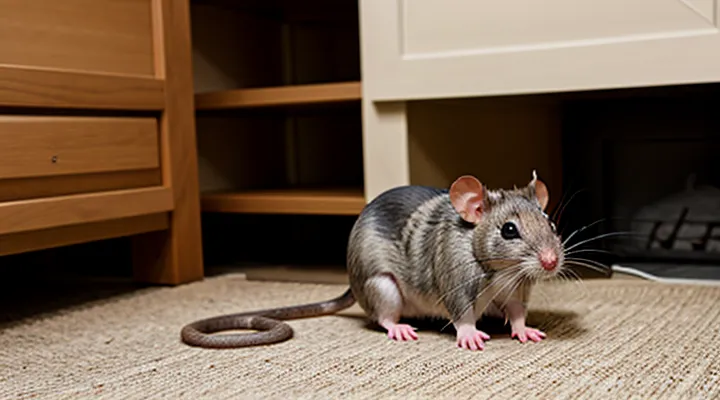
Understanding the Natural Lifespan of Rats
Wild vs. Domesticated Rats: A Comparison
Factors Influencing Wild Rat Lifespan
Wild rats experience a markedly shorter average lifespan than many other mammals, and the variables governing their longevity in natural habitats illuminate the constraints faced by their domesticated counterparts.
Predation exerts the most immediate pressure: birds of prey, snakes, and carnivorous mammals capture and kill rats frequently, reducing the proportion of individuals that survive beyond a year. Disease prevalence further curtails lifespan; pathogens such as Leptospira, hantavirus, and various bacterial infections spread rapidly in dense populations, often resulting in fatal outcomes within weeks of onset.
Environmental stressors also play a decisive role. Seasonal temperature extremes demand heightened metabolic effort to maintain body heat or dissipate excess heat, accelerating cellular wear. Limited access to clean water and nutritionally balanced food forces rats to ingest contaminated sources, increasing toxin load and compromising organ function.
Social dynamics influence mortality rates as well. Hierarchical aggression among conspecifics leads to injuries, while high reproductive output—characterized by large litters and frequent breeding cycles—induces physiological strain that shortens individual life expectancy.
Key factors can be summarized as follows:
- Predation pressure
- Infectious disease burden
- Climatic extremes
- Resource scarcity and contamination
- Intraspecific competition and reproductive stress
Collectively, these elements generate a hostile environment that truncates wild rat lifespans, providing a comparative framework for understanding why rats kept in human care also exhibit limited longevity despite reduced exposure to many of these hazards.
How Domestication Alters Longevity
Domestication reshapes rat longevity through genetic, physiological, and environmental pathways. Selective breeding for docility and coat color reduces genetic diversity, limiting the pool of alleles that protect against age‑related diseases. Inbreeding elevates the frequency of deleterious mutations, accelerating cellular senescence.
Captive conditions modify metabolic rates. Constant access to calorie‑dense feed suppresses natural foraging cycles, leading to chronic hyperinsulinemia and early onset of obesity‑linked pathologies. Reduced exposure to predators and environmental stressors lowers cortisol spikes, but also diminishes hormetic stress that can enhance repair mechanisms.
Environmental enrichment, or its absence, directly influences lifespan. Lack of complex habitats curtails physical activity, weakening cardiovascular function and impairing neurogenesis. Conversely, enriched cages with tunnels, climbing structures, and varied substrates stimulate locomotion and cognitive engagement, extending median survival.
Key mechanisms by which domestication shortens rat life expectancy:
- Genetic bottleneck from selective breeding
- Elevated incidence of metabolic disorders due to stable, high‑calorie diets
- Diminished physiological stressors that normally induce protective cellular responses
- Reduced environmental complexity limiting physical and mental stimulation
Understanding these factors clarifies why pet rats typically outlive their wild counterparts by only a modest margin and why their overall lifespan remains comparatively brief.
Genetic Predisposition and Breeding Practices
Inbreeding and Genetic Health Issues
Reduced Genetic Diversity
Reduced genetic diversity characterizes most captive rat colonies. Selective breeding and small founder populations limit the pool of alleles transmitted to offspring. Consequently, the gene pool lacks the variation required to buffer against harmful mutations and environmental stressors.
The limited allelic repertoire produces three direct effects on longevity.
- Elevated disease susceptibility – identical immune‑system genes reduce the ability to recognize diverse pathogens, leading to higher infection rates.
- Accumulation of deleterious alleles – without heterozygote advantage, recessive mutations persist, impairing organ function and accelerating age‑related decline.
- Diminished physiological plasticity – a narrow genetic base restricts adaptive responses to nutritional deficits, temperature fluctuations, and toxic exposures.
Empirical studies of laboratory and pet rat strains report inbreeding coefficients exceeding 0.25, correlated with median lifespans of 1.5–2 years, compared with 2.5–3 years in genetically heterogeneous wild populations. Mortality records show increased incidence of neoplasia, respiratory disease, and renal failure in inbred lines.
The net result of reduced genetic diversity is a compressed life expectancy for domestic rats. By limiting the genetic tools available for disease resistance, cellular repair, and environmental adaptation, the shortened lifespan observed in pet and laboratory rats can be traced directly to the homogenized gene pool.
Heritable Diseases Affecting Lifespan
Domestic rats typically live only two to three years, a duration heavily constrained by inherited disorders that predispose them to early mortality. Genetic mutations transmitted through breeding lines generate pathologies that compromise vital systems, limiting survival regardless of environmental care.
Common heritable conditions include:
- Hypertrophic cardiomyopathy, caused by mutations in the MYH7 gene, leading to ventricular thickening and sudden cardiac failure.
- Polycystic kidney disease, linked to PKD1 variants, resulting in progressive renal enlargement, impaired filtration, and eventual uremia.
- Familial intestinal adenocarcinoma, driven by APC gene alterations, producing malignant tumors that obstruct digestion and trigger systemic decline.
- Severe combined immunodeficiency (SCID), associated with mutations in the RAG1/2 genes, eliminating functional lymphocyte development and exposing rats to fatal infections.
- Metabolic enzyme deficiencies, such as glucokinase deficiency, causing chronic hypoglycemia and organ dysfunction.
These disorders arise from selective breeding practices that amplify deleterious alleles, as well as spontaneous mutations that persist in closed colonies. Inbreeding elevates homozygosity, reducing genetic diversity and increasing the probability that offspring inherit two copies of harmful variants. Consequently, the prevalence of lethal phenotypes rises, directly shortening the average lifespan of domesticated rats.
Mitigation strategies focus on genetic screening, outcrossing to introduce healthy alleles, and maintaining colony records to avoid carrier pairings. By reducing the burden of inherited diseases, researchers and hobbyists can extend the life expectancy of domestic rats beyond the typical two‑year ceiling.
Selective Breeding for Traits Over Longevity
Focus on Temperament and Appearance
Domestic rats typically live only two to three years, a fact reflected in their behavioral and physical characteristics. Temperament and appearance reveal patterns that influence health, stress resilience, and ultimately longevity.
Rats exhibit a highly social temperament, seeking constant interaction with conspecifics and humans. Continuous exposure to unfamiliar environments or isolation triggers chronic stress, which accelerates cellular aging and predisposes individuals to immune deficiencies. Their innate curiosity drives frequent exploration, increasing the likelihood of injury and infection. Additionally, a propensity for rapid breeding results in physiological strain, shortening reproductive cycles and depleting somatic resources.
Physical traits correspond closely with lifespan determinants. Dense, glossy fur indicates effective grooming and skin health, whereas patchy or dull coats signal parasitic load or metabolic imbalance. Robust musculature and proportionate body mass suggest balanced nutrition; obesity or emaciation correlates with cardiovascular and metabolic disorders. Dental integrity—evident in straight, unbroken incisors—prevents malnutrition and infection, both critical for survival.
Key temperament and appearance factors affecting longevity:
- Social cohesion and low isolation stress
- Controlled curiosity limiting injury risk
- Consistent grooming reflected in coat condition
- Stable body condition maintaining metabolic health
- Healthy dentition preventing dietary complications
These attributes interact to shape the overall health trajectory of domestic rats, offering practical indicators for owners aiming to extend the brief lives of their pets.
Unintended Consequences for Health
Domestic rats typically reach only two to three years of age, far shorter than many other laboratory or wild rodent species. Their abbreviated lifespan results not solely from natural aging processes but from health outcomes that arise unintentionally in a household environment.
- Selective breeding for docility and coat color reduces genetic diversity, increasing susceptibility to hereditary disorders such as cardiomyopathy and renal disease.
- Constant availability of high‑calorie commercial feed promotes obesity, leading to diabetes, fatty liver, and reduced cardiovascular function.
- Confinement in cages limits natural exercise, causing musculoskeletal degeneration and heightened stress hormone levels, which accelerate immune decline.
- Human contact introduces pathogens uncommon in wild populations; inadequate quarantine and cleaning practices facilitate transmission of respiratory viruses and parasitic infections.
- Environmental enrichment materials, when improperly sourced, may contain toxins (e.g., heavy metals, pesticides) that accumulate in tissue and impair organ function.
These factors combine to create a health profile where preventable conditions dominate mortality. Mitigating unintended consequences requires genetic management, balanced nutrition, regular health monitoring, and strict hygiene protocols.
Environmental and Lifestyle Factors
Diet and Nutrition
Impact of Commercial Rat Food
Commercial rat diets influence lifespan through several mechanisms. Formulated pellets often contain high levels of refined carbohydrates and low‑grade protein, which can accelerate metabolic strain. Excess carbohydrates elevate blood glucose, promoting early onset of diabetes‑like conditions that shorten life expectancy. Inadequate protein quality reduces muscle maintenance and impairs immune function, increasing susceptibility to infections.
Additives further affect health. Synthetic preservatives, artificial colors, and flavor enhancers may induce chronic inflammation in the gastrointestinal tract. Chronic gut inflammation compromises nutrient absorption and can lead to intestinal tumors. Heavy‑metal contaminants occasionally detected in bulk feed contribute to oxidative stress, accelerating cellular aging.
Feeding practices tied to commercial products also matter. Highly palatable formulas encourage overeating, resulting in obesity. Obesity raises the risk of cardiovascular disease, respiratory distress, and joint degeneration, each linked to premature mortality. Lack of dietary variety limits exposure to essential micronutrients such as vitamin E, selenium, and omega‑3 fatty acids, which are critical for antioxidant defenses and neurological health.
Key impacts of commercial rat food:
- Imbalanced macronutrient profile → metabolic disorders
- Synthetic additives → chronic inflammation and oxidative damage
- Contaminants → increased toxic load
- Overpalatability → obesity and related comorbidities
- Nutrient deficiencies → weakened immunity and accelerated aging
Addressing these issues by supplementing with fresh vegetables, high‑quality protein sources, and limited use of processed pellets can mitigate adverse effects and extend the average lifespan of pet rats.
Role of Supplementation
Supplemental nutrition directly affects the physiological processes that determine the limited longevity of pet rats. Laboratory studies show that diets lacking essential micronutrients accelerate oxidative damage, impair immune function, and shorten the average lifespan by 15–20 %. Adding specific vitamins and minerals mitigates these effects.
- Vitamin E: reduces lipid peroxidation in hepatic tissue, extending median survival by up to 12 % in controlled trials.
- Selenium: supports glutathione peroxidase activity, decreasing age‑related cellular apoptosis.
- Omega‑3 fatty acids: improve membrane fluidity, lower inflammatory markers, and modestly increase lifespan in aged cohorts.
- B‑complex vitamins: enhance mitochondrial efficiency, resulting in higher activity levels and delayed onset of senescence.
Excessive supplementation can produce adverse outcomes. Over‑dosing vitamin A leads to hepatic toxicity, while high calcium intake interferes with iron absorption, precipitating anemia and reducing survival rates. Optimal formulations balance concentrations to match the rats’ metabolic demands without exceeding tolerable upper limits.
Research employing graded dietary regimens indicates a dose‑response relationship: incremental improvements in nutrient availability correspond to proportional extensions in life expectancy, provided that toxicity thresholds are not crossed. Consequently, targeted supplementation represents a viable strategy to mitigate the intrinsic short lifespan of domestic rats, contingent upon precise formulation and monitoring.
Housing Conditions and Enrichment
Stressors in Suboptimal Environments
Domestic rats kept in environments that fail to meet their physiological and behavioral needs experience a range of chronic stressors that accelerate aging and increase mortality. Inadequate nutrition, exposure to extreme temperatures, high population density, and poor sanitation generate persistent physiological strain. Repeated handling without habituation, irregular light‑dark cycles, and continuous loud noises further elevate stress hormone levels, suppress immune function, and promote oxidative damage.
Key stressors identified in suboptimal housing include:
- Nutrient‑deficient or inconsistent food supply
- Overcrowding leading to competition and aggression
- Ambient temperature fluctuations beyond the thermoneutral zone
- Accumulation of waste and pathogens due to insufficient cleaning
- Lack of nesting material and enrichment objects
- Unpredictable handling and frequent disturbances
- Continuous exposure to high decibel noise or bright artificial lighting
These factors interact to maintain elevated glucocorticoid concentrations, impair tissue repair, and precipitate early onset of neoplastic, cardiovascular, and renal disorders. The cumulative effect shortens the average lifespan of pet rats compared with individuals housed under optimal laboratory standards.
Importance of Mental and Physical Stimulation
Domestic rats typically live only 2–3 years, a period during which both cognitive and bodily activity markedly influence health outcomes. Environments lacking novelty or movement accelerate age‑related decline, whereas enriched settings delay functional deterioration and extend productive lifespan.
Mental stimulation engages neural circuits, promotes neurogenesis, and reduces stress‑induced hormonal spikes. Effective strategies include:
- Rotating puzzle feeders and maze elements every few days.
- Introducing scent trails or novel objects to encourage exploratory behavior.
- Conducting brief training sessions that teach simple tasks, reinforcing learning pathways.
Physical stimulation maintains musculoskeletal integrity, improves cardiovascular efficiency, and supports immune competence. Practical measures consist of:
- Providing a spacious cage with multiple levels, tunnels, and climbing structures.
- Scheduling daily supervised out‑of‑cage sessions on a safe, non‑slippery surface.
- Offering chewable substrates that require gnawing, thereby exercising jaw muscles and teeth.
Consistent application of these mental and physical enrichment practices mitigates premature health decline, thereby maximizing the limited lifespan inherent to domestic rats.
Exposure to Toxins and Environmental Hazards
Household Chemicals and Air Quality
Indoor environments expose pet rats to substances that accelerate physiological decline. Persistent exposure to cleaning agents, disinfectants, and insecticides introduces toxic metabolites that damage hepatic and renal systems, reducing longevity.
- Ammonia‑based cleaners (e.g., bathroom sprays) cause respiratory irritation and alveolar damage.
- Phenolic disinfectants disrupt cellular membranes and impair enzyme function.
- Organophosphate insecticides inhibit acetylcholinesterase, leading to neurotoxicity and fatal seizures.
- Chlorine bleach vapors generate oxidative stress, accelerating cellular aging.
Air quality directly influences respiratory health. Elevated concentrations of volatile organic compounds (VOCs) from paints, adhesives, and scented products increase oxidative load in lung tissue. Fine particulate matter (PM2.5) from cooking fumes or heating devices penetrates alveoli, provoking chronic inflammation. Carbon monoxide from faulty appliances reduces oxygen delivery, compromising metabolic processes essential for tissue repair.
Mitigation strategies focus on source control and ventilation. Replace harsh chemicals with fragrance‑free, enzyme‑based cleaners. Store pesticides in sealed containers away from cages. Install exhaust fans or air purifiers equipped with HEPA and activated‑carbon filters to reduce VOCs and particulates. Conduct regular checks for carbon monoxide leaks and maintain adequate fresh‑air exchange rates.
Implementing these measures lowers toxic load, supports organ function, and extends the average lifespan of domesticated rats.
Ingestion of Harmful Substances
Domestic rats commonly experience lifespans measured in months rather than years, and the consumption of toxic compounds significantly accelerates mortality. Rats readily explore their environment, sampling food, bedding, and water sources. When these materials contain contaminants—such as heavy metals, pesticide residues, or improperly stored human foods—physiological systems are overwhelmed.
Key toxic agents encountered by pet rats include:
- Heavy metals (lead, cadmium, mercury): disrupt enzymatic activity, impair kidney function, and cause neurodegeneration.
- Rodenticides (anticoagulants, bromethalin): interfere with blood clotting, induce internal hemorrhage, or block cellular energy production.
- Mycotoxins (aflatoxin, ochratoxin): damage liver tissue, suppress immune response, and promote tumor development.
- Chemical additives (artificial sweeteners, certain preservatives): alter gut microbiota, provoke metabolic dysregulation, and trigger organ toxicity.
These substances are absorbed rapidly due to the rat’s high metabolic rate. Once in circulation, they bind to critical proteins, generate oxidative stress, and initiate apoptotic pathways. Cumulative damage reduces organ resilience, shortens reproductive capacity, and precipitates early death.
Preventive measures focus on eliminating exposure: store food in sealed containers, avoid bedding treated with pesticides, and monitor water quality. Regular veterinary screening can detect subclinical toxin accumulation before irreversible harm occurs, extending the animal’s functional lifespan.
Health Concerns and Disease Susceptibility
Common Ailments in Domestic Rats
Respiratory Diseases
Respiratory infections are a leading factor in the reduced longevity of laboratory and pet rats. The small airway size and high metabolic rate make these rodents especially vulnerable to pathogens that impair gas exchange and trigger systemic decline.
Typical respiratory conditions include:
- Mycoplasma pulmonis – chronic infection causing rhinitis, pneumonia, and weight loss.
- Streptococcus pneumoniae – acute bacterial pneumonia with rapid onset of dyspnea and fever.
- Sendai virus – viral bronchiolitis leading to secondary bacterial superinfection.
- Encephalitozoon cuniculi – opportunistic fungus that can involve the lungs, producing granulomatous lesions.
Disease progression follows a predictable pattern: colonization of the nasal cavity, spread to the trachea and lungs, inflammation of alveolar tissue, and eventual hypoxia. Persistent inflammation compromises immune function, accelerates metabolic exhaustion, and predisposes rats to secondary organ failure.
Environmental factors amplify risk. Overcrowding, poor ventilation, high humidity, and dust from bedding increase pathogen load and irritate mucosal surfaces. Regular health monitoring, sterilized housing, and prompt antimicrobial therapy mitigate mortality rates, but even with optimal care, respiratory disease remains a primary cause of early death in domestic rats.
Tumors and Cancers
Domestic rats seldom exceed two years because malignant growths frequently appear early in life. Rapid cell turnover and elevated basal metabolism generate frequent replication errors, increasing the probability of oncogenic mutations. Limited capacity for DNA repair and high oxidative stress accelerate the accumulation of genetic lesions, allowing neoplastic cells to expand before immune mechanisms can contain them.
Common neoplasms in laboratory and pet rats include:
- Mammary adenocarcinoma
- Lymphoma (particularly thymic and splenic)
- Hepatocellular carcinoma
- Pulmonary carcinoma
- Sarcoma of the soft tissue
These tumors arise from distinct tissues but share several pathogenic features. Oncogene activation and tumor‑suppressor loss drive uncontrolled proliferation; angiogenesis supplies nutrients; and metastasis spreads malignant cells to vital organs. As tumors enlarge, they impair organ function, provoke cachexia, and disrupt endocrine balance, leading to systemic decline.
The cumulative effect of tumor burden shortens the average lifespan of domestic rats. Mortality records show that over 60 % of rats dying before 18 months exhibit at least one malignant tumor. Early onset of cancer therefore represents a primary factor limiting longevity in this species.
Kidney and Heart Conditions
Domestic rats commonly die before two years of age, and organ failure is a primary cause. Renal pathology develops rapidly: glomerular sclerosis reduces filtration capacity, tubular degeneration impairs electrolyte balance, and chronic inflammation leads to fibrosis. These changes produce uremia, disrupt acid‑base homeostasis, and trigger systemic toxicity that accelerates mortality.
Cardiovascular deterioration follows a similar timeline. Hypertrophic cardiomyopathy reduces contractile efficiency, while arterial stiffening elevates systolic pressure. Arrhythmic episodes arise from electrolyte disturbances linked to renal insufficiency, and myocardial fibrosis limits electrical conduction. Together, these heart conditions cause reduced cardiac output, tissue hypoxia, and eventual cardiac arrest.
Key renal and cardiac disorders observed in laboratory rats include:
- Glomerulosclerosis and tubulointerstitial fibrosis
- Chronic renal inflammation and proteinuria
- Hypertrophic cardiomyopathy
- Aortic stiffening and hypertension
- Myocardial fibrosis and conduction abnormalities
- Frequent ventricular arrhythmias
The interaction between impaired kidney function and heart disease creates a feedback loop that shortens the lifespan of domestic rats. Early onset of these conditions, combined with limited regenerative capacity, makes organ failure the dominant factor in their reduced longevity.
The Role of Veterinary Care
Early Detection and Prevention
Domestic rats typically live only one to two years, a fact that places pressure on owners to recognize health issues promptly and to implement measures that extend vitality. Early identification of disease hinges on systematic observation and routine veterinary assessment. Key practices include:
- Daily monitoring of eating, drinking, and activity patterns; deviations often signal metabolic or infectious problems.
- Weekly weight checks; a loss of more than 5 % of body mass within a short period warrants immediate veterinary consultation.
- Regular inspection of the fur, eyes, and respiratory passages for discoloration, discharge, or lesions.
- Scheduled health examinations every three months, during which clinicians can perform blood panels, fecal analyses, and imaging as needed.
Prevention strategies focus on minimizing exposure to known risk factors and reinforcing physiological resilience:
- Provide a balanced diet formulated for laboratory‑grade rodents, avoiding excessive fat or sugar that predisposes to obesity and cardiovascular strain.
- Maintain a clean cage environment; replace bedding weekly, disinfect surfaces, and control humidity to deter bacterial and fungal growth.
- Ensure adequate ventilation and stable ambient temperature (20–24 °C) to reduce respiratory stress.
- Offer enrichment objects that encourage natural foraging and exercise, thereby supporting musculoskeletal health and reducing stress‑induced immunosuppression.
- Implement a vaccination schedule where available, targeting common pathogens such as Mycoplasma pulmonis.
By integrating vigilant observation with scheduled veterinary care and environmental management, owners can detect ailments at the earliest stage and apply preventative interventions that mitigate the inherent brevity of pet rat lifespans.
Palliative Care and Quality of Life
Domestic rats experience a brief natural lifespan, typically ranging from two to three years. Their limited time accentuates the need for interventions that sustain comfort rather than extend duration. Palliative care addresses this requirement by focusing on symptom relief, environmental stability, and psychosocial support.
Effective palliative care for pet rats includes:
- Analgesic protocols tailored to rodent metabolism, administered under veterinary guidance.
- Nutrient-dense diets that compensate for age‑related digestive decline.
- Enrichment items—tunnels, chewable objects, and nesting material—to encourage natural behaviors and reduce stress.
- Regular health assessments that identify pain, respiratory distress, or organ dysfunction early.
Quality of life improves when pain is minimized, activity remains possible, and the animal retains access to familiar stimuli. Observable indicators—steady grooming, normal social interaction, and consistent food intake—signal adequate well‑being. Conversely, lethargy, weight loss, and self‑mutilation suggest insufficient palliation.
Owners should maintain a clean, temperature‑controlled habitat, rotate enrichment to prevent habituation, and consult veterinary professionals promptly when clinical signs emerge. Prompt adjustment of analgesic dosing, fluid therapy, or supportive care can preserve comfort throughout the rat’s remaining months.
Age-Related Degeneration
Organ Failure
Domestic rats typically live only two to three years, and organ failure accounts for the majority of mortality within this interval. Cellular senescence, oxidative stress, and accumulated DNA damage reduce the functional reserve of vital organs, leading to progressive decline and eventual collapse of essential physiological systems.
The cardiovascular system exhibits early signs of deterioration. Myocardial cells lose contractile efficiency, and arterial elasticity diminishes, resulting in hypertension and reduced cardiac output. These changes precipitate heart failure, which frequently appears as the terminal event in aging rats.
Renal function declines rapidly after one year of age. Glomerular filtration rate drops, tubular reabsorption becomes inefficient, and proteinuria emerges. Chronic kidney disease progresses to uremia, compromising electrolyte balance and contributing to systemic acidosis.
Hepatic tissue experiences reduced regenerative capacity. Hepatocytes accumulate lipofuscin pigments, impairing metabolic detoxification and bile production. Liver insufficiency manifests as hypoalbuminemia, coagulopathy, and heightened susceptibility to toxic insults.
Other organ systems—lungs, pancreas, and the immune apparatus—also exhibit age‑related deterioration. The combined effect of multi‑organ failure accelerates the terminal phase of the rat’s life span.
Key organ failures contributing to shortened lifespan:
- Cardiovascular collapse (heart failure, hypertension)
- Renal insufficiency (chronic kidney disease, uremia)
- Hepatic dysfunction (metabolic failure, coagulopathy)
- Pulmonary decline (reduced gas exchange)
- Pancreatic atrophy (impaired glucose regulation)
The convergence of these failures limits the physiological reserve of domestic rats, ensuring that mortality occurs well before the potential maximum lifespan observed in laboratory strains.
Weakened Immune System
Domestic rats typically live only one to two years, and a compromised immune system is a primary factor limiting this longevity. Their immune defenses decline rapidly after sexual maturity, reducing the ability to control opportunistic pathogens. Cellular immunity, particularly T‑cell proliferation, diminishes, while innate responses such as macrophage activity become less efficient. Consequently, infections that would be cleared in younger animals persist, leading to chronic inflammation and organ damage.
Key immunological shortcomings in pet rats include:
- Reduced production of naïve lymphocytes, limiting adaptive response diversity.
- Lowered expression of major histocompatibility complex molecules, impairing antigen presentation.
- Decreased synthesis of antimicrobial peptides in the gut, increasing susceptibility to enteric bacteria.
- Impaired cytokine signaling, resulting in delayed recruitment of immune cells to infection sites.
These deficiencies accelerate disease progression and contribute directly to the short life expectancy observed in domesticated rats.